
Toys for Baby's First Steps: Promoting Mobility and Confidence

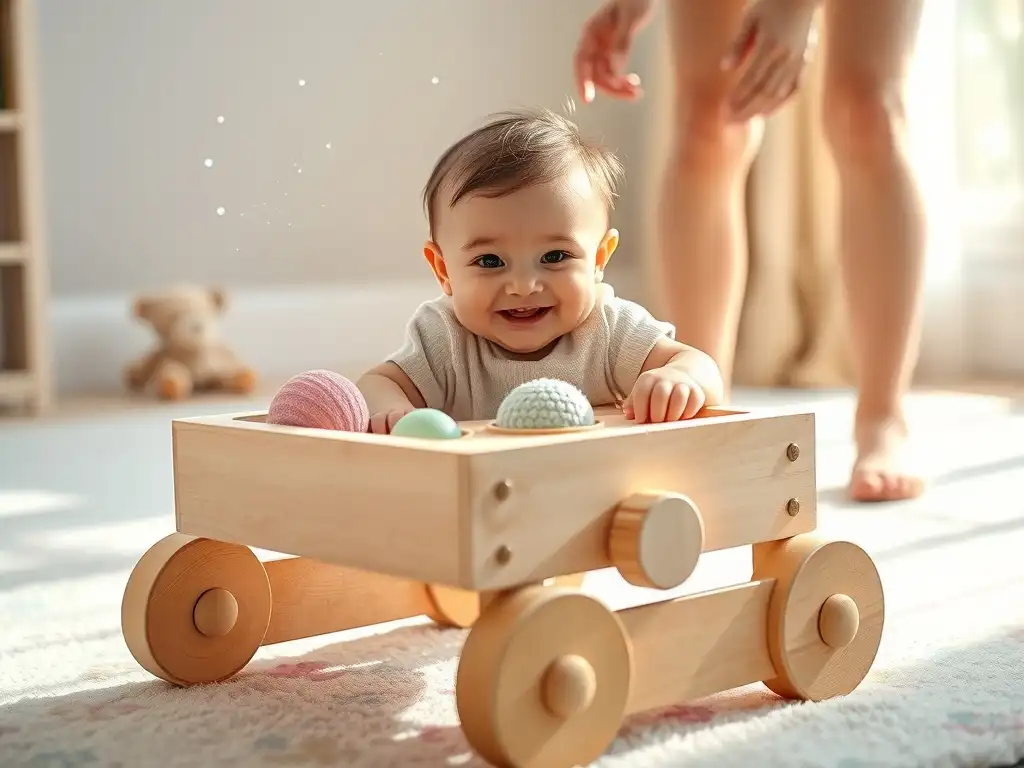
Welcome to BabyCareHub, your ultimate guide to navigating the incredible journey of parenthood! Are you ready to witness your little one's first wobbly steps? Our expert baby first steps toys guide within the Baby Gear & Products section unveils the secrets to choosing the perfect toys to encourage mobility and build confidence. Discover how the right toys can transform those early attempts into confident strides, and unlock a world of playful exploration. Let's embark on this exciting chapter together!
- Baby's First Steps: A Developmental Milestone
- Baby First Steps Toys Guide: Top Picks for Encouraging Mobility
- Selecting Safe and Engaging Baby First Steps Toys
- Creating a Safe and Stimulating Environment for Walking
- Beyond Toys: Supporting Your Baby's First Steps
- Baby First Steps Toys Guide: FAQs and Resources
- Frequently Asked Questions
- Final Reflection: Nurturing Milestones, Building Futures
- Unlock Your Baby's Walking Potential!
Baby's First Steps: A Developmental Milestone
Taking those first independent steps is a monumental achievement for your little one, a significant leap in their physical and cognitive development. This journey, however, isn't just about the physical act of walking; it's a complex process involving muscle strength, balance, coordination, and a burgeoning sense of confidence.
This comprehensive guide, designed to help you navigate the exciting world of "baby first steps toys," will equip you with the knowledge and tools to support your baby's progress safely and effectively. We'll explore the developmental importance of early mobility, the signs indicating your baby's readiness, and most importantly, how to choose age-appropriate toys that encourage and enhance their walking journey.
This guide aims to be your ultimate resource, offering practical advice and insightful tips to help your baby confidently take those first precious steps. We'll cover everything from push-and-pull toys to walkers and other mobility-enhancing playthings, ensuring your baby’s safety and fostering their natural inclination to explore the world around them.
Understanding the Importance of Early Mobility
Early mobility is crucial for a baby's overall development. It's not simply about the act of walking; it's a cornerstone for numerous developmental milestones. Improved gross motor skills—the ability to control large muscles—are fundamental. These skills directly impact other areas, such as hand-eye coordination and fine motor skills (using smaller muscles).
For example, the strength developed in their legs while learning to walk often translates to improved dexterity in their hands. Furthermore, increased mobility facilitates exploration and independence, boosting a baby's cognitive development and confidence. The freedom to move around allows them to engage with their environment more actively, stimulating curiosity and problem-solving skills. Think of it as unlocking a whole new world of learning and self-discovery!
Early mobility also contributes to better social-emotional development, as babies gain more opportunities for interaction with caregivers and peers. This increased interaction strengthens their social skills and emotional well-being. Finally, the physical activity involved in learning to walk contributes to overall health and fitness, laying a foundation for a healthy and active lifestyle.
Signs Your Baby is Ready to Start Walking
Knowing when your baby is ready to start walking is crucial for choosing appropriate support toys. While every baby develops at their own pace, there are several key indicators to watch out for:
- Pulling to stand: Can your baby pull themselves up to a standing position using furniture or other supports?
- Cruising: Does your baby walk while holding onto furniture or other objects for support?
- Standing independently for short periods: Can your baby stand briefly without assistance?
- Taking steps while holding your hands: Do they attempt to take steps with your support?
- Strong leg muscles: Do they demonstrate good leg strength and stability?
- Good balance: Do they show improved balance while sitting or standing?
Observing these developmental milestones will help you determine if your baby is physically and developmentally ready to start exploring the world on their own two feet. Remember, patience is key, and every child progresses at their own pace.
Choosing the Right Toys to Encourage Walking
Selecting the right toys is paramount in supporting your baby's journey towards walking. The ideal toys should be safe, engaging, and designed to encourage movement and balance. Here are some categories of excellent choices:
- Push and pull toys: These toys encourage your baby to move forward, strengthening their leg muscles and improving coordination. Look for toys with sturdy handles and a stable base. Consider the weight and size, ensuring it's appropriate for your baby's strength and size.
- Walkers: While opinions vary, some parents find walkers beneficial. Ensure any walker you choose meets safety standards and allows your baby to move at their own pace. Always supervise your baby closely while they are using a walker.
- Activity centers: These provide a safe and stimulating environment for your baby to explore while developing their balance and coordination. Look for activity centers with various activities that encourage movement.
- Soft play balls: These are great for encouraging your baby to crawl, reach, and ultimately, take their first steps. The soft texture also makes them safe for your baby to play with.
Remember to prioritize safety when choosing toys. Avoid toys with small parts that could pose a choking hazard, and always supervise your baby during playtime. Choosing the right toys can be a fun and rewarding experience, making the journey to those first steps even more enjoyable for both you and your baby! 🎉
Baby First Steps Toys Guide: Top Picks for Encouraging Mobility
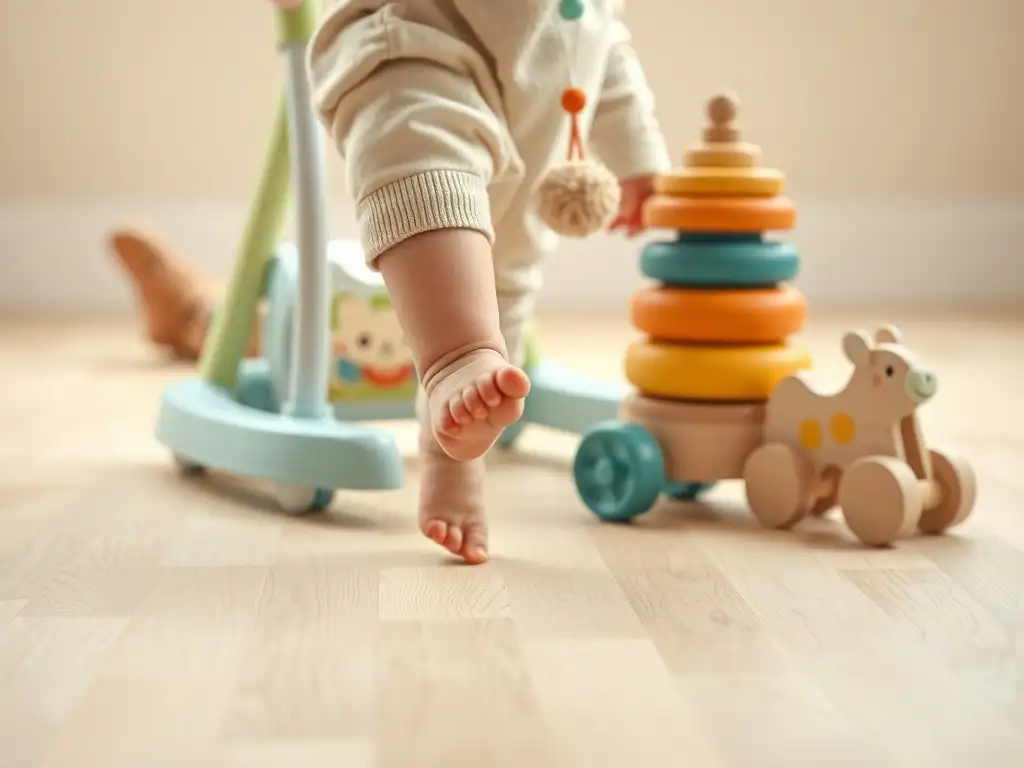
This section provides a comprehensive guide to selecting the right toys to help your little one take those exciting first steps. We'll explore various toy types, focusing on features that promote mobility, balance, and confidence-building. Remember, every baby develops at their own pace, so celebrate each milestone and choose toys that are both fun and developmentally appropriate. This guide will help you navigate the world of “baby first steps toys,” ensuring you find the perfect options for your child.
Push and Pull Toys: Building Leg Strength and Coordination
Push and pull toys are excellent for strengthening leg muscles and improving coordination, essential skills for walking. These toys encourage your baby to move forward, building confidence and balance. The repetitive action involved also helps develop gross motor skills. The simple act of pushing a toy across the floor engages multiple muscle groups, preparing them for the more complex movements of walking.
Best Push and Pull Toys for Early Walkers
Choosing the right push and pull toy can make a big difference. Look for toys with sturdy, easy-to-grip handles and a base that is stable enough to prevent tipping. Some excellent examples include:
- Wooden pull-along toys: These classic toys often feature animals or other appealing characters. The smooth wood is easy for little hands to grasp, and the wheels provide a satisfying rolling action.
- Push-and-go carts: These carts offer a wider base for stability and often have compartments for carrying small toys, adding an extra layer of play.
- Stacking and rolling toys: These toys combine stacking and pushing/pulling, offering a wider range of developmental benefits.
Remember to supervise your child while they play with these toys to ensure their safety.
Choosing the Right Size and Weight for Your Baby
The size and weight of the toy are crucial considerations. A toy that's too heavy can discourage your baby, while one that's too light might not provide sufficient resistance for muscle development. Ideally, the toy should be lightweight enough for your baby to easily maneuver but substantial enough to provide a good workout. Consider your baby's current strength and adjust accordingly. For instance, a newborn will likely need a smaller and lighter toy compared to an eight-month-old. Observe your child's reactions – if they struggle excessively, opt for a lighter alternative.
Walking Toys: Providing Support and Balance
Once your baby shows an interest in standing and taking steps, walking toys can offer valuable support and encouragement. These toys provide a sense of security and help your baby maintain balance while practicing their walking skills. There are several different types of walking toys available, each with its own set of benefits and considerations.
Baby Walkers: Benefits and Considerations
Baby walkers have been a staple for generations, but their use is a subject of ongoing debate. While they can provide support and encourage movement, some concerns exist regarding their impact on a baby's development. Some studies suggest that walkers can delay the development of crucial milestones, like crawling. If you choose to use a walker, ensure it meets current safety standards and is used under close supervision. Always prioritize supervised floor time to allow for natural development.
Activity Walkers: Engaging and Interactive Options
Activity walkers combine the support of a traditional walker with engaging activities, making them a more interactive and stimulating option. These walkers often include features like lights, sounds, and toys, keeping your baby entertained while they learn to walk. They provide a more enriched experience compared to traditional walkers, while still offering the support necessary for building confidence in their newfound mobility.
Look for activity walkers with adjustable height settings to accommodate your baby's growth. The variety of stimulating activities helps keep your baby engaged and encourages them to move around, promoting both physical and cognitive development. Remember, even with activity walkers, constant supervision is essential.
Ride-on Toys: Developing Balance and Steering Skills
Ride-on toys are fantastic tools for encouraging a baby's first steps and developing crucial motor skills. These toys provide a sense of stability and support as your little one begins to explore their mobility. The act of pushing or pedaling a ride-on toy helps strengthen leg muscles, improves balance and coordination, and enhances spatial awareness.
Moreover, the engaging nature of these toys fosters a sense of accomplishment and independence as your baby masters the art of maneuvering the toy. Many ride-on toys are designed with interactive features, such as lights and sounds, which further stimulate your child's senses and keep them entertained during playtime. This playful approach to physical development makes learning fun and engaging, encouraging your child to move and explore their surroundings with confidence.
The transition from crawling to walking often feels like a huge leap, but ride-on toys can bridge that gap, providing a supportive and playful platform for your baby to build confidence and motor skills. This makes them an invaluable asset in a baby's journey towards independent mobility.
Choosing Age-Appropriate Ride-on Toys
Selecting the right ride-on toy is crucial for ensuring both safety and effectiveness. Consider your baby's age and developmental stage when making your choice. For babies who are just starting to pull themselves up, a push-along walker with a sturdy base and comfortable seat is a great option. These walkers provide support while encouraging your baby to take their first steps.
As your baby gains more strength and balance, you can transition to ride-on toys with larger wheels and a lower center of gravity for increased stability. Always check the manufacturer's recommended age range and weight limits to ensure a safe and appropriate fit. Look for toys with features that promote interaction and engagement, such as interactive buttons, sounds, or even a steering wheel to encourage active play.
Remember, the goal is to provide support and encouragement, not to overwhelm your baby with complex features. A simple, durable, and age-appropriate toy will be the most effective in promoting their development. Consider factors like the material, ensuring it is non-toxic and durable enough to withstand enthusiastic play.
Safety Considerations for Ride-on Toys
Safety should always be the top priority when choosing and using ride-on toys. Before purchasing, inspect the toy carefully for any sharp edges, small parts that could be choking hazards, or loose components. Always supervise your baby while they are using the ride-on toy, ensuring they are playing in a safe and appropriate environment. Avoid using the toy on uneven surfaces or inclines, as this could lead to falls or accidents.
Choose toys with wide, stable bases and sturdy construction to minimize the risk of tipping. Regularly check the toy for any signs of wear and tear and replace it if necessary. Remember to always follow the manufacturer's instructions and safety guidelines carefully. It's also important to teach your baby how to use the toy safely and responsibly, emphasizing the importance of staying within designated play areas.
By taking these precautions, you can help ensure that your baby enjoys the benefits of ride-on toys while staying safe and protected. Prioritizing safety will allow your little one to explore their mobility with confidence and joy. 🧸
Selecting Safe and Engaging Baby First Steps Toys
This section focuses on choosing the right toys to encourage your baby's first steps, emphasizing safety and engagement. Navigating the world of baby toys can be overwhelming for first-time parents, so we've compiled this guide to help you select the perfect tools to support your little one's motor skill development. Remember, the goal is to find toys that are both fun and safe, fostering a positive association with movement and exploration. This "baby first steps toys guide" will cover key aspects to consider when making your selections.
Material Safety: Non-Toxic and Durable Options
Choosing safe materials is paramount when selecting toys for your baby, particularly those designed to encourage mobility. Look for toys made from non-toxic materials, clearly labeled as such. Avoid toys with small parts that could easily detach and become choking hazards. The following table summarizes ideal material choices and things to avoid:
| Material | Advantages | Disadvantages | Safety Considerations |
|---|---|---|---|
| Wood | Durable, naturally sustainable, often non-toxic | Can splinter if damaged, may be heavier | Check for smooth surfaces, avoid splintered edges. |
| Soft Plastics (BPA-free) | Lightweight, easy to clean, often colorful | Can be less durable than wood | Ensure the BPA-free label is clearly visible and verifiable. |
| Silicone | Durable, easy to clean, dishwasher safe | Can be more expensive than other materials | Check for any signs of tearing or damage. |
| Avoid: | |||
| Small Parts | Potential choking hazard | Absolutely avoid toys with small detachable parts. | |
| Toxic Paints | Can be harmful if ingested | Look for toys explicitly labeled as non-toxic and safe for babies. | |
| Unstable Materials | Potential for collapse, injury risk | Opt for sturdy and well-constructed toys. |
Always prioritize toys that meet or exceed international safety standards. Remember, regular inspection of your baby’s toys is crucial to ensure continued safety. Discard any toys showing signs of wear and tear.
Toy Size and Design: Avoiding Choking Hazards and Sharp Edges
The size and design of the toy are critical factors in preventing accidents. A baby's first steps are often accompanied by enthusiastic exploration, which means toys need to be designed to withstand this energetic interaction. Consider these points:
- Size: Toys should be significantly larger than your baby's mouth to minimize the risk of choking. The general rule is that any object smaller than a ping-pong ball poses a potential choking hazard.
- Shape: Avoid toys with sharp edges, points, or small, detachable parts. Rounded edges and smooth surfaces are safer options.
- Weight: Choose toys that are appropriately weighted for your baby's strength and coordination. Too heavy a toy can be cumbersome and frustrating, while one that's too light may not provide sufficient tactile feedback.
- Design: Look for toys with features that encourage interaction and movement, like push-and-pull toys, walkers, or activity centers.
Remember, regular supervision is essential even with the safest toys. Never leave your baby unattended while playing. The risk of choking remains even with larger toys if parts break off.
Durability and Longevity: Investing in High-Quality Toys
Investing in high-quality toys is a worthwhile decision. Durable toys not only last longer, reducing the need for frequent replacements but also contribute to a safer play environment. Consider these factors:
- Construction: Look for robust construction and strong materials. Toys that easily break or fall apart can pose a safety risk.
- Seams and Stitching (for soft toys): Ensure seams are securely stitched and that there are no loose threads or exposed stuffing.
- Testing: Check for toys that have been rigorously tested for safety and durability, meeting or exceeding relevant safety standards. Many reputable brands proudly display certifications.
A high-quality, durable toy can provide months, even years, of enjoyment, making it a worthwhile investment compared to constantly replacing cheaper, less durable options. This will also help reduce waste and contribute to a more sustainable approach to baby product consumption. Prioritizing quality over quantity in your "baby first steps toys" selection will benefit both your baby and the environment.
Creating a Safe and Stimulating Environment for Walking
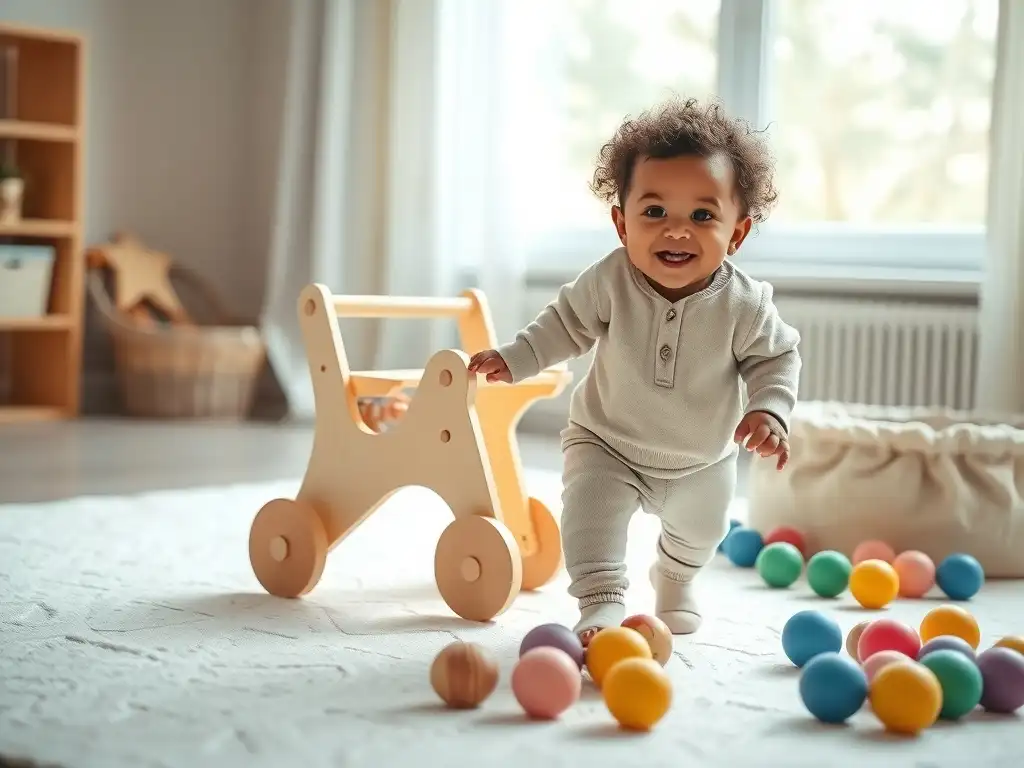
This section focuses on preparing your home to support your baby's exciting journey towards walking. A safe and engaging environment is crucial for fostering their confidence and minimizing the risk of injury as they master this new skill. We'll explore practical steps to ensure your home is ready for your little explorer. This guide is crucial for parents seeking a comprehensive baby first steps toys guide.
Baby-Proofing Your Home for Safe Exploration
Before introducing toys specifically designed to encourage walking, it's vital to baby-proof your home. This prevents accidents and allows your baby to explore freely without constant supervision. Think about it from a baby's perspective: everything is fascinating and within reach!
This involves a multi-pronged approach:
- Securing furniture: Ensure all heavy furniture, such as bookshelves and dressers, are securely anchored to the wall. A simple tip is to use furniture straps readily available at most home improvement stores. This prevents tipping accidents, a significant hazard for toddlers.
- Cushioning sharp edges: Use corner protectors on tables and other furniture with sharp edges. These soft protectors prevent bumps and bruises, especially valuable during the early, unsteady stages of walking.
- Covering electrical outlets: Childproof outlet covers are inexpensive and essential safety measures. They prevent curious fingers from touching live wires.
- Storing cleaning supplies: Keep all cleaning products, medications, and other potentially harmful substances locked away in high cupboards or cabinets out of reach.
- Stair gates: Install sturdy stair gates at the top and bottom of all staircases. This is non-negotiable for safety, especially as your baby becomes more mobile.
Remember, a safe environment isn't just about preventing accidents; it's about creating a space where your baby feels secure enough to explore and develop their motor skills. A calm and confident baby is more likely to take those first steps with enthusiasm! This is a key aspect of any effective baby first steps toys guide.
Setting Up a Play Area to Encourage Movement
Once your home is baby-proofed, you can create a dedicated play area specifically designed to encourage movement and walking. This area should be spacious, carpeted or covered with soft flooring, and filled with engaging toys and objects.
Consider these elements:
- Soft flooring: Opt for carpeting or soft mats to cushion falls and provide a comfortable surface for your baby to practice their balance. Avoid hard floors that can cause injuries.
- Open space: Ensure the play area has plenty of open space, free from obstacles, to allow your baby to move freely. This open space is essential for building confidence and coordination.
- Varied textures: Include items with different textures to stimulate your baby's tactile senses and encourage exploration. Think soft blankets, textured balls, and wooden blocks.
- Low furniture: Include low furniture like small, sturdy tables and chairs that your baby can safely hold onto for support while standing or walking. This provides a sense of security and stability.
- Appealing toys: Place toys slightly out of reach to encourage your baby to take steps towards them. This creates a natural incentive for movement. Consider toys that make sounds or light up to further motivate your little one.
Creating a dedicated play area is an integral part of a holistic approach to supporting your baby's development. It's a key component of any effective baby first steps toys guide, promoting both physical and cognitive growth in a safe and stimulating environment. Remember, patience and encouragement are key as your baby learns to walk. Celebrate every milestone, no matter how small!
Beyond Toys: Supporting Your Baby's First Steps
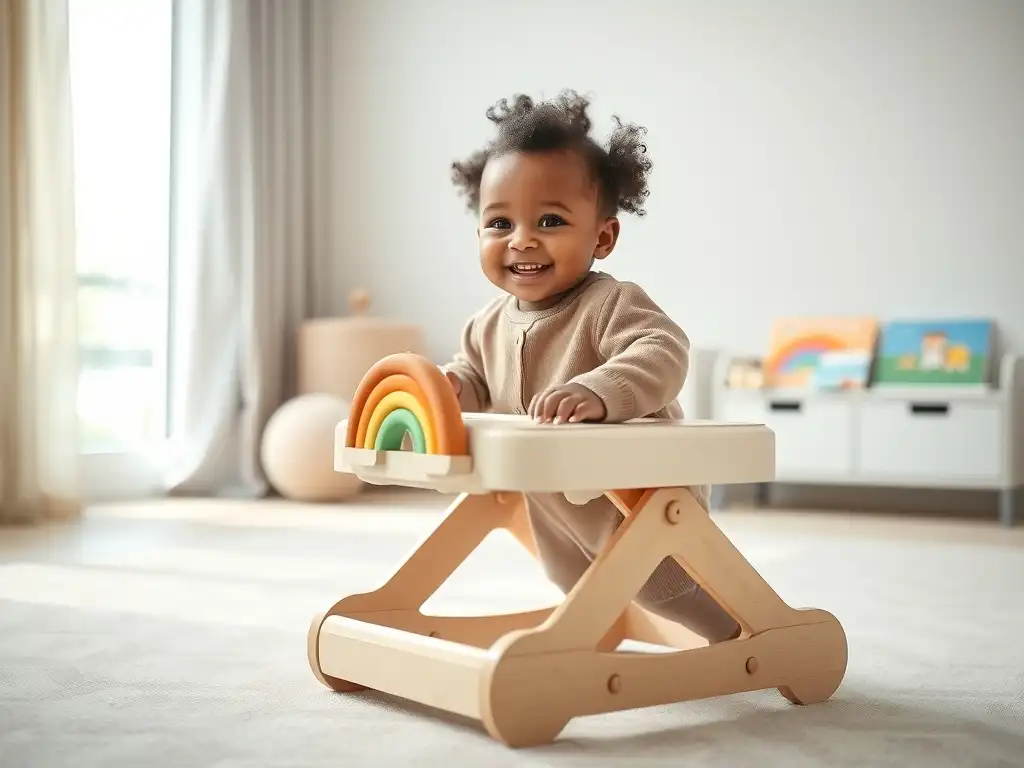
Choosing the right toys is only one piece of the puzzle when it comes to encouraging your baby's first steps. A holistic approach, encompassing various support systems and careful observation, significantly increases the chances of a smooth and confident transition to walking. This section delves into crucial aspects beyond the toys themselves, focusing on creating a supportive environment for your little one.
Encouragement and Positive Reinforcement
Positive reinforcement is paramount in fostering your baby's burgeoning mobility. Instead of solely focusing on the baby first steps toys guide, remember that your actions and words play a vital role. Consistent encouragement, even for small attempts, builds their confidence and motivates them to keep trying. Celebrate every milestone, no matter how insignificant it might seem. A simple "You're doing great!" or a cheerful clap can make a world of difference.
Consider creating a playful and encouraging environment. Use age-appropriate rhymes and songs that incorporate movement and stepping actions. For example, singing "Itsy Bitsy Spider" while gently guiding their legs can be both fun and beneficial. Remember, the goal is to make the process enjoyable and less about pressure to perform.
Here's a table illustrating different ways to provide positive reinforcement:
| Method | Description | Example |
|---|---|---|
| Verbal Encouragement | Positive comments and praise for attempts at walking. | "Look at you go! You're walking!" |
| Physical Support | Gently holding their hands or supporting them as they take steps. | Offering a hand while they take steps near a supportive surface. |
| Playful Interaction | Engaging in games that encourage movement and stepping. | Playing peek-a-boo while encouraging them to step towards you. |
| Celebrating Small Victories | Acknowledging and praising even the smallest steps or attempts. | "Wow, you took a big step! Great job!" |
Remember, consistency is key. Regular positive reinforcement will foster a positive association with walking, making the entire experience more enjoyable and less daunting for your baby.
Physical Therapy and Early Intervention (If Needed)
While most babies reach developmental milestones within a normal range, some may require additional support. If you notice any significant delays or concerns regarding your baby's motor skills development, don't hesitate to seek professional help. Early intervention is crucial, and a physical therapist can provide tailored exercises and guidance to address any underlying issues.
Signs that might warrant a consultation with a physical therapist include:
- Significant muscle weakness or hypotonia (low muscle tone).
- Asymmetry in leg movement or posture.
- Inability to bear weight on their legs even with support.
- Delayed development compared to age-appropriate milestones.
- Persistent difficulty with balance and coordination.
Early intervention programs can offer a wide range of services, including individual therapy sessions, parent training, and access to specialized equipment. These services aim to address the specific needs of your child and help them achieve their full potential. Early intervention is not just about addressing problems; it's about maximizing your baby's developmental trajectory. Remember, seeking professional help is a sign of proactive parenting, not a sign of failure.
Monitoring Your Baby's Progress
Regularly monitoring your baby's progress is essential. While toys can stimulate development, they shouldn't be the sole measure of your baby's progress towards walking. Keep track of significant milestones and note any changes or concerns.
You can create a simple chart to track your baby's development:
| Date | Milestone | Notes |
|---|---|---|
| Oct 26, 2024 | Started pulling to stand | Used a sturdy piece of furniture for support. |
| Nov 10, 2024 | Took first independent steps | Only a few steps, but very excited! |
| Nov 20, 2024 | Walked across the room with support | Needed assistance with balance but made it across the room! |
| Dec 1, 2024 | Walked independently for 5 steps | Feeling more confident now! |
This simple tracking system allows you to identify patterns, celebrate achievements, and address any concerns promptly. Remember to consult your pediatrician if you have any concerns about your baby's development. They can provide valuable insights and guidance based on their individual needs and progress. A proactive approach ensures that your baby receives the appropriate support throughout their journey towards walking and beyond. This detailed approach to monitoring ensures that you're fully equipped to navigate this exciting developmental phase.
Baby First Steps Toys Guide: FAQs and Resources
This section addresses frequently asked questions regarding toys that support a baby's first steps and provides valuable resources to help parents navigate this exciting developmental milestone. We'll explore common queries, suggest reliable places to find suitable toys, and offer additional support materials to empower you on this journey.
Common Questions About Baby Walking Toys
Parents often have many questions about choosing the right walking toys for their little ones. Here are some of the most frequently asked questions:
- What age are baby walkers appropriate for? The American Academy of Pediatrics (AAP) discourages the use of traditional baby walkers. These can hinder a child's natural development of motor skills and even pose safety hazards. Instead, focus on toys that encourage independent movement, such as push-and-pull toys, around 9-12 months of age, when your baby shows signs of wanting to stand and cruise.
- What are the best types of baby walking toys? Consider push-and-pull toys, activity walkers (those that don't restrict movement), and ride-on toys. These provide support and encouragement without restricting natural movement patterns. Look for sturdy, well-made options with features that engage your baby's senses.
- How do I choose a safe baby walking toy? Prioritize safety above all else! Look for toys that meet or exceed safety standards, have rounded edges, and are made of non-toxic materials. Always supervise your child while they are using any walking toy.
- How can I tell if my baby is ready for a walking toy? Your baby is likely ready when they can pull themselves up to a standing position, cruise along furniture, and show a keen interest in moving independently. However, remember that every baby develops at their own pace.
- What if my baby isn't interested in walking toys? Don't force it! If your baby isn't showing interest, try again later. Focus on activities that encourage gross motor development, such as tummy time, crawling, and playing on the floor. Some babies simply need more time to develop the necessary strength and coordination.
Where to Find Age-Appropriate Baby Walking Toys
Finding the right baby walking toys can be overwhelming. Here are some trustworthy avenues for your search:
- Reputable Online Retailers: Many online retailers offer a wide selection of baby toys, often with detailed descriptions, reviews, and age recommendations. Be sure to check reviews carefully before purchasing.
- Specialty Baby Stores: These stores often carry a curated selection of high-quality, developmentally appropriate toys. Staff members are usually knowledgeable and can offer personalized recommendations.
- Local Toy Stores: Independent toy stores often prioritize quality and safety. They can provide valuable insights and tailored advice based on your baby's individual needs.
Remember to always check product reviews and ratings before purchasing any baby walking toys to ensure they meet safety standards and are age-appropriate for your child. The right toy should be engaging, safe, and supportive of your baby's natural developmental progression.
Additional Resources for Parents
Navigating the world of baby products can be challenging. Here are some additional resources that can assist you:
- Parenting websites and blogs: Many reputable websites and blogs offer expert advice on baby development and toy selection. Look for those that cite credible sources and provide evidence-based information.
- Pediatrician or Child Development Specialist: A consultation with a pediatrician or child development specialist can offer personalized guidance based on your baby's unique development. They can assess your baby's readiness for walking toys and suggest appropriate options.
- Baby development books and manuals: Numerous books and manuals provide comprehensive information on baby development, including milestones and age-appropriate activities. These resources can offer a wealth of knowledge and support.
Remember, the journey of a baby's first steps is unique and exciting. By choosing appropriate toys and providing a supportive environment, you can help your little one confidently explore their world. Enjoy this special time! 🎉
Frequently Asked Questions
What types of toys are best for encouraging a baby's first steps?
Toys that are lightweight and easy to grasp, such as push-and-pull toys, walkers, and activity centers, are ideal. Look for toys with bright colors and engaging sounds to keep your baby interested.
When should I start introducing these types of toys?
You can start introducing push-and-pull toys around 9-12 months, when your baby shows an interest in standing and cruising. Always supervise your child closely while they play with these toys.
Are baby walkers safe?
Baby walkers can be controversial. While they can encourage movement, they can also pose safety hazards. Consider alternatives like push-and-pull toys that encourage similar development with less risk.
How can I make playtime with these toys more engaging?
Make it interactive! Talk to your baby, sing songs, and play simple games while they use the toys. This helps build their confidence and strengthens your bond.
What if my baby isn't interested in these stepping toys?
Don't worry! Every baby develops at their own pace. Try offering different types of toys and activities, and consult your pediatrician if you have concerns about your baby's development.
Final Reflection: Nurturing Milestones, Building Futures
The journey of a baby's first steps is far more than just a physical milestone; it's a symbolic leap into independence, a testament to their burgeoning confidence, and a profound moment for the entire family. The right toys can significantly influence this pivotal stage, providing support, encouragement, and a joyful experience that fosters a lifelong love of movement and exploration. This isn't just about choosing the right toy; it's about shaping a child's future.
The impact of early childhood experiences on a child's development is undeniable, shaping their physical capabilities, cognitive skills, and emotional well-being. The simple act of choosing a toy to aid in those first steps becomes a powerful act of nurturing. We've explored various options, from push-and-pull toys to walkers and activity centers, each designed to stimulate different aspects of development. As Maria Montessori wisely observed, Play is the work of the child.
This work, facilitated by thoughtfully chosen toys, is crucial in building a strong foundation for a child's future growth and self-assurance.
Consider the role you play in this journey. You are not merely a spectator but an active participant in your child's development. Take time to observe your baby's unique preferences and abilities, selecting toys that resonate with their individual needs and personalities. Remember the joy of those first wobbly steps, the pride in their accomplishment, and the profound connection you share in this special moment. Embrace this opportunity to nurture not just physical mobility, but also the blossoming confidence and independence that will shape their future.
Unlock Your Baby's Walking Potential!
Thank you for exploring the exciting world of baby mobility with us! We hope you've discovered valuable insights into toys that can encourage your little one's first steps. Now, let's put that knowledge into practice!
- Prioritize playtime with your baby's favorite toys! Dedicate at least 15 minutes each day to interactive play, choosing toys appropriate for your baby's developmental stage.
- Create a safe and encouraging play area using pillows, cushions, or soft blankets to help your baby explore and build confidence.
- Share your baby's walking milestones and favorite toys with other parents in our comments section below – let's build a supportive community!
Ready to witness your baby's amazing journey towards walking independently? Which toy are you most excited to try first?