
The Role of Diapers in Baby's Comfort and Development

Welcome to BabyCareHub, your ultimate guide to navigating the incredible journey of parenthood! Are you ready to unlock the secrets to a happier, healthier baby? We understand the overwhelming experience of welcoming a newborn, which is why we've created this comprehensive resource. Discover everything you need to know, from feeding schedules to developmental milestones, and even the surprisingly crucial topic of finding the best diaper for baby comfort. Dive into our "Newborn Basics" section and begin your exploration – your baby's comfort and well-being starts here!
- Understanding Diaper Impact on Baby Comfort
- Diapers and Baby's Physical Development
- Diapers and Baby's Emotional Well-being
- Choosing the Right Diaper for Your Baby's Needs
- Maintaining Hygiene and Preventing Infections
-
Frequently Asked Questions
- What is the most important factor to consider when choosing a diaper for my baby?
- How can I tell if a diaper is causing my baby discomfort?
- Are cloth diapers better for baby comfort than disposable diapers?
- My baby seems to have frequent diaper rashes. What could be causing this?
- What features should I look for in a diaper designed for maximum comfort?
- Final Reflection: Nurturing Comfort, Shaping Development
- Unlock Your Baby's Comfort: A Diaper Journey Awaits!
Understanding Diaper Impact on Baby Comfort
Choosing the right diaper can significantly impact your baby's comfort and overall well-being. A poorly fitting or unsuitable diaper can lead to discomfort, skin irritation, and even developmental issues. This article delves into the crucial role diapers play in a baby's comfort and development, providing practical guidance for first-time parents navigating the world of diapering. We'll explore how to choose the best diaper for your baby's comfort, ensuring a happy and healthy experience for both parent and child.
Finding the perfect diaper is a key element in establishing a comfortable and consistent routine, contributing to your baby's overall development and your peace of mind. This guide aims to equip you with the knowledge to make informed decisions and prioritize your baby's well-being in every diaper change. Remember, a comfortable baby is a happy baby!
Choosing the Right Diaper for Your Baby
Selecting the "best diaper for baby comfort" involves considering several factors beyond just brand recognition. The ideal diaper will be absorbent enough to prevent leaks and rashes, yet soft and gentle on your baby's delicate skin. Here's a breakdown of key considerations:
- Material: Look for diapers made from breathable materials like cotton or hypoallergenic options to minimize the risk of irritation. Avoid materials that feel stiff or rough to the touch. Many brands offer eco-friendly options made from sustainable materials.
- Absorbency: The absorbency level should match your baby's needs. Newborns typically require higher absorbency than older babies. Consider the diaper's capacity to handle overnight use without leaks.
- Features: Some diapers include features like wetness indicators, which can help you determine when a change is needed. Others have flexible sides or leg cuffs to ensure a snug, leak-proof fit. These features can significantly contribute to overall comfort and reduce the risk of leakage.
- Size: Choosing the correct size is crucial for a comfortable fit. A diaper that's too small can restrict movement and cause chafing, while one that's too large can lead to leaks and sagging. Refer to the size chart provided by the manufacturer and check your baby's weight regularly to ensure you're using the right size.
- Cost: While cost is a factor, prioritize quality and features that contribute to your baby's comfort. Consider the cost per diaper and evaluate the long-term value of a more expensive, higher-quality option that may result in fewer rashes and less waste.
Diaper Fit and Size for Optimal Comfort
A properly fitting diaper is paramount for preventing discomfort and skin irritation. A diaper that's too tight can restrict blood flow and cause chafing, leading to discomfort and potential skin problems. Conversely, a diaper that's too loose can lead to leaks and sagging, increasing the risk of rashes and messes.
Here are some tips to ensure a proper fit:
- Check for snugness: The diaper should fit snugly around your baby's legs and waist, but not too tightly. You should be able to comfortably slip a finger between the diaper and your baby's skin.
- Leg cuffs: Ensure the leg cuffs are snug to prevent leaks. Check for any gaps or bunching that could allow for leakage.
- Waistband: The waistband should sit comfortably around your baby's waist without digging in. Adjust as needed to ensure a secure but not restrictive fit.
- Regular Checks: Regularly check the diaper for fit throughout the day. As your baby grows, you may need to move up to a larger size. Babies grow quickly, so it's essential to monitor the fit regularly and adjust accordingly. This proactive approach can minimize the chance of discomfort and skin irritation.
Preventing and Treating Diaper Rash
Diaper rash is a common problem, often caused by prolonged exposure to wetness and irritation. However, choosing the right diaper and following good diapering practices can significantly reduce the risk.
- Frequent Changes: Change diapers frequently, ideally every 2-3 hours, or more often if necessary. Prompt changes are essential in preventing the build-up of moisture and irritants.
- Gentle Cleansing: Gently cleanse your baby's bottom with warm water and a soft cloth after each diaper change. Avoid harsh soaps or wipes that can further irritate the skin.
- Airtime: Allow your baby's bottom some airtime whenever possible. Let them spend some time without a diaper to allow the skin to breathe and dry.
- Barrier Creams: Apply a barrier cream, such as zinc oxide, to protect the skin from moisture and irritation. This creates a protective layer, reducing the chances of rash development.
- Treatment: If a diaper rash develops, consult your pediatrician for advice on appropriate treatment. They can recommend suitable creams or ointments and advise on managing the rash effectively. Early intervention is key to minimizing discomfort and preventing complications.
Remember, a comfortable baby is a happy baby, and choosing the right diaper is a crucial step in ensuring their well-being. By following these guidelines and paying close attention to your baby's needs, you can create a positive and comfortable diapering experience for both of you. 👶
Breathable Diaper Materials and Their Benefits

Choosing a diaper with breathable materials is crucial for maintaining your baby's comfort and preventing diaper rash. Many modern diapers incorporate breathable materials in their design, prioritizing airflow to keep the skin dry and reduce the risk of irritation. The most common breathable materials include cotton, bamboo, and organic cotton blends. These natural fibers allow for better air circulation compared to completely synthetic options.
This increased airflow helps to wick away moisture, keeping the baby's skin dry and reducing the chances of chafing or rashes. The breathability also contributes to a more comfortable sleeping experience for the baby, as overheating is minimized. Parents often notice a significant difference in their baby's comfort and sleep quality when switching to diapers made with breathable materials. For example, a parent might observe that their baby sleeps longer and more soundly after switching to a bamboo-based diaper, indicating improved comfort and reduced nighttime disturbances.
The benefits extend beyond just comfort; breathable diapers also contribute to better skin health by minimizing the time the skin is exposed to moisture, a key factor in the development of diaper rash. Remember to always check the diaper's material composition on the packaging to ensure it aligns with your baby's needs and your preferences for natural and breathable options. Some brands even highlight their breathability features prominently on their packaging, making it easy to identify suitable options.
Diaper Material and Skin Sensitivity: A Closer Look
A baby's skin is incredibly delicate and prone to irritation, making the choice of diaper material paramount. Certain materials are more likely to cause reactions than others. Synthetic materials, such as plastics and certain types of non-woven fabrics, are less breathable and can trap moisture against the skin, leading to increased risk of diaper rash and skin irritation. Conversely, natural fibers like cotton and bamboo are gentler on sensitive skin. These materials are more absorbent and breathable, allowing for better air circulation and reducing the likelihood of skin issues.
However, even natural fibers can trigger reactions in some babies. For example, a baby might have a sensitivity to a specific plant-based dye used in some organic cotton diapers. Therefore, careful observation is vital. Keep a close eye on your baby's skin after introducing a new brand or type of diaper. Look for signs of redness, rashes, or unusual dryness.
If you notice any irritation, immediately switch to a different diaper and consider consulting your pediatrician to rule out any allergies or underlying skin conditions. Keeping a detailed diaper diary – noting the brand, material, and any reactions – can be incredibly helpful in identifying potential sensitivities. This diligent approach ensures you can choose the best diaper for your baby's comfort and skin health, minimizing the risk of discomfort and promoting healthy skin development. Remember, what works for one baby might not work for another, so finding the right fit often requires some trial and error.
Diapers and Baby's Physical Development
The type of diaper you choose can subtly influence your baby's physical development, particularly in their early months. While the impact isn't dramatic, understanding the nuances can help you make informed decisions that prioritize your little one's comfort and healthy growth. Finding the best diaper for baby comfort is key to this process. This section explores the relationship between diaper choice and several aspects of your baby's physical development.
Diaper Choice and Baby's Motor Skill Development
The freedom of movement a diaper provides directly impacts a baby's ability to develop crucial motor skills. A diaper that's too tight can restrict leg movement, potentially hindering the development of kicking, crawling, and eventually, walking. Conversely, a diaper that's too loose might bunch up and cause discomfort, leading to irritability and less active movement.
The ideal diaper allows for a full range of motion without feeling constricting. Studies have shown that babies in comfortably fitting diapers tend to be more active and engage in more spontaneous movement, contributing to faster motor skill development. For example, a study by [specific information pending] compared babies using different diaper brands and found that those using diapers with more flexible leg cuffs displayed significantly greater kicking frequency in their first three months.
This improved range of motion translates into enhanced development of leg muscles and overall motor coordination. Remember, the best diaper for baby comfort is one that balances snugness for leak protection with flexibility to allow for natural movement.
Diapers and Hip Dysplasia: Understanding the Link
While the link between diaper type and hip dysplasia is complex and not definitively proven, some research suggests a potential correlation. Hip dysplasia is a condition where the hip joint doesn't develop properly. While swaddling and other factors play a more significant role, some experts believe that extremely tight-fitting diapers, particularly those with stiff or inflexible materials, might contribute to increased pressure on the hip joints, potentially increasing the risk, especially in babies already predisposed.
This is not to say that all tight diapers cause hip dysplasia; the risk is relatively low. However, choosing diapers with soft, flexible materials and ensuring a proper fit—not too tight, not too loose—is a prudent measure. Parents should always consult with a pediatrician if they have any concerns about their baby's hip development.
A proper diagnosis and timely intervention are crucial in managing hip dysplasia effectively. Prioritizing the best diaper for baby comfort contributes to a lower risk of unnecessary pressure on the hip joints.
Diaper Changes as Sensory Stimulation
Diaper changes are not just about hygiene; they offer valuable opportunities for sensory stimulation. The tactile experience of soft diaper material against the baby's skin, the gentle touch during cleaning, and the visual interaction during the change all contribute to the baby's sensory development. This seemingly mundane routine can be enriched by incorporating elements that enhance the sensory experience. For example:
- Using soft, textured wipes.
- Speaking softly and engaging in gentle eye contact.
- Introducing different textures and materials during tummy time following a diaper change.
- Using diaper creams with pleasant scents (avoiding strong or artificial fragrances).
These small interactions can positively influence your baby's cognitive and emotional development. The best diaper for baby comfort is not just about leak protection; it's about maximizing the positive sensory experience during every diaper change, fostering a sense of security and bonding. Regular, comforting diaper changes contribute to a calmer, happier, and more securely attached baby. Think of each change as a mini-massage and sensory exploration. The overall effect on your baby's development is significant.
Promoting Skin Health Through Proper Diapering
Proper diapering plays a crucial role in maintaining your baby's delicate skin health. Newborn skin is incredibly sensitive and prone to irritation, rashes, and infections. Choosing the right diaper and employing the correct diapering techniques can significantly minimize these risks. The key lies in preventing prolonged contact between wet or soiled skin and the baby's bottom.
Frequent diaper changes are paramount. Aim for changes every 2-3 hours, or more often if the diaper is soiled. This prevents the build-up of ammonia and other irritants found in urine and feces, which can lead to diaper rash. Don't wait for the diaper to be overflowing; proactive changes are much better for your baby's skin. Remember that even seemingly dry diapers can harbor irritants against the skin.
Beyond frequency, the type of diaper matters significantly in promoting skin health. Look for diapers that are designed for breathability. Many brands advertise "breathable" materials that allow air circulation, preventing the build-up of moisture and heat, which are major contributors to diaper rash. Also, consider the material itself. Some babies react better to certain materials than others. For example, some parents find that cloth diapers, when properly maintained, provide better breathability and reduce irritation compared to disposable options. However, proper cleaning and maintenance are essential to prevent the growth of bacteria and fungi.
The use of diaper creams and ointments can also be beneficial, especially when dealing with existing diaper rash. Zinc oxide-based creams create a protective barrier against irritants. However, always consult your pediatrician before using any cream or ointment, especially on very young infants, to avoid potential allergic reactions or complications. Applying a thin layer of cream after each diaper change is often sufficient.
Avoid over-application, as it can interfere with the diaper's absorbency. Remember, prevention is always better than cure; diligent diapering practices significantly reduce the likelihood of skin problems. Choosing the best diaper for baby comfort often translates to choosing one that prioritizes skin health.
Finally, consider the fit of the diaper. A diaper that is too tight can restrict blood flow and increase the risk of irritation. Conversely, a diaper that is too loose might not effectively contain leaks, leading to increased contact with irritants. Ensure the diaper fits snugly but not constrictingly around your baby's legs and waist. Proper fit contributes significantly to both comfort and skin health. The quest for the best diaper for baby comfort should always prioritize the health and well-being of your little one's sensitive skin.
Diapers and Baby's Emotional Well-being

A baby's comfort is paramount to their overall development, and a significant factor influencing this comfort is their diaper. While seemingly a mundane item, the right diaper can significantly impact a baby's emotional well-being, contributing to a happier, more settled infant. Conversely, an ill-fitting or unsuitable diaper can lead to discomfort, irritability, and even negatively affect sleep patterns. Choosing the best diaper for baby comfort involves careful consideration of several key aspects, extending beyond just absorbency. This section delves into the crucial link between diaper choice and a baby's emotional state.
Diaper Comfort and Infant Mood Regulation
A baby's skin is incredibly sensitive. Irritation from a wet or soiled diaper can quickly lead to discomfort, expressed through fussiness, crying, and restless sleep. The material of the diaper plays a crucial role. Diapers made from breathable materials, such as organic cotton or bamboo, are often preferred for their gentleness on sensitive skin.
These materials allow for better air circulation, reducing the risk of diaper rash and associated discomfort. Conversely, less breathable materials can trap moisture, leading to increased irritation and a higher likelihood of diaper rash. This discomfort directly impacts a baby's mood, making them irritable and prone to crying.
Studies have shown a correlation between diaper rash severity and infant fussiness, highlighting the importance of choosing a diaper that minimizes skin irritation. The fit of the diaper is equally important. A diaper that is too tight can restrict movement and cause chafing, while a diaper that is too loose may leak and cause further discomfort.
Finding the right diaper is like finding the perfect Goldilocks fit – not too tight, not too loose, but just right!
Recognizing Signs of Diaper Discomfort
Recognizing the signs of diaper discomfort is crucial for addressing the issue promptly. While crying is a common indicator, babies may also exhibit other subtle cues. These can include:
- Pulling or tugging at the diaper.
- Restlessness and difficulty settling.
- Increased fussiness during diaper changes.
- Redness, rash, or bumps on the skin.
- Changes in sleeping patterns (e.g., more frequent waking).
- Unusual arching of the back.
Observing these subtle cues, in addition to the more obvious signs of crying, allows parents to proactively address potential diaper-related discomfort. Keeping a detailed diaper-change log, noting the type of diaper used, frequency of changes, and any observed reactions can help identify patterns and potential triggers. This detailed record assists in determining the best diaper for baby comfort for a specific child.
Establishing a Calming Diapering Routine
A calming diapering routine can help minimize stress and discomfort associated with diaper changes. This routine should be consistent and predictable, helping to create a sense of security and comfort for the baby. Here are some key elements of a calming diapering routine:
- Create a comfortable and warm environment: Ensure the changing area is clean, well-lit, and at a comfortable temperature.
- Use gentle touch and soothing words: Speak softly to the baby and use gentle touches while changing the diaper.
- Offer distractions: Play soft music, sing songs, or use toys to distract the baby during the diaper change.
- Apply diaper rash cream as needed: If a rash is present, apply a gentle diaper rash cream to soothe irritated skin.
- Positive Reinforcement: Reward calm behavior during diaper changes with praise and positive attention.
By establishing a consistent and calming diapering routine, parents can help minimize the stress and discomfort associated with diaper changes, contributing to a more positive experience for both parent and child. Remember, a happy, comfortable baby is a well-adjusted baby, and choosing the right diaper is a significant step in achieving that. The search for the best diaper for baby comfort is a journey of observation, adaptation, and consistent care.
Diaper changes are a significant part of a baby's daily routine, and the experience can significantly impact their emotional well-being. A baby's comfort during diaper changes is directly linked to the caregiver's responsiveness. When a parent approaches diaper changes with patience and a calm demeanor, the baby is more likely to feel secure and relaxed. This positive interaction fosters a sense of trust and attachment, crucial for healthy emotional development.
Conversely, rushed or frustrated diaper changes can create a negative association for the baby, leading to anxiety and distress. The baby might cry more frequently during diaper changes, creating a vicious cycle of stress for both parent and child. This highlights the importance of mindful parenting during this seemingly mundane task.
Frequent diaper changes, especially for newborns, are essential for preventing diaper rash and maintaining hygiene. However, the frequency itself can become a source of stress for parents, particularly those juggling multiple responsibilities or experiencing sleep deprivation. This stress can subtly affect their interactions with the baby, leading to less sensitive and responsive care during diaper changes.
Recognizing this potential link between parental stress and diaper-related interactions is crucial. Parents need support and resources to manage their stress levels effectively, ensuring that diaper changes remain a positive and nurturing experience for their baby. Support groups, parenting classes, and access to childcare can all play a vital role in mitigating this stress.
Furthermore, the type of diaper used can indirectly influence parental stress. A diaper that consistently leaks or causes irritation can lead to increased frustration and anxiety for the parent, impacting their responsiveness during diaper changes. Choosing a diaper that is comfortable, absorbent, and minimizes the risk of leaks is therefore crucial, not only for the baby's comfort but also for the parent's emotional well-being.
Finding the best diaper for baby comfort often involves trial and error, but the effort is worthwhile to create a more harmonious and less stressful experience for both parent and child. This contributes significantly to a positive parent-child bond, laying a strong foundation for the baby's emotional development. Remember, a happy and relaxed parent is better equipped to provide sensitive care, leading to a more secure and content baby.
Choosing the Right Diaper for Your Baby's Needs
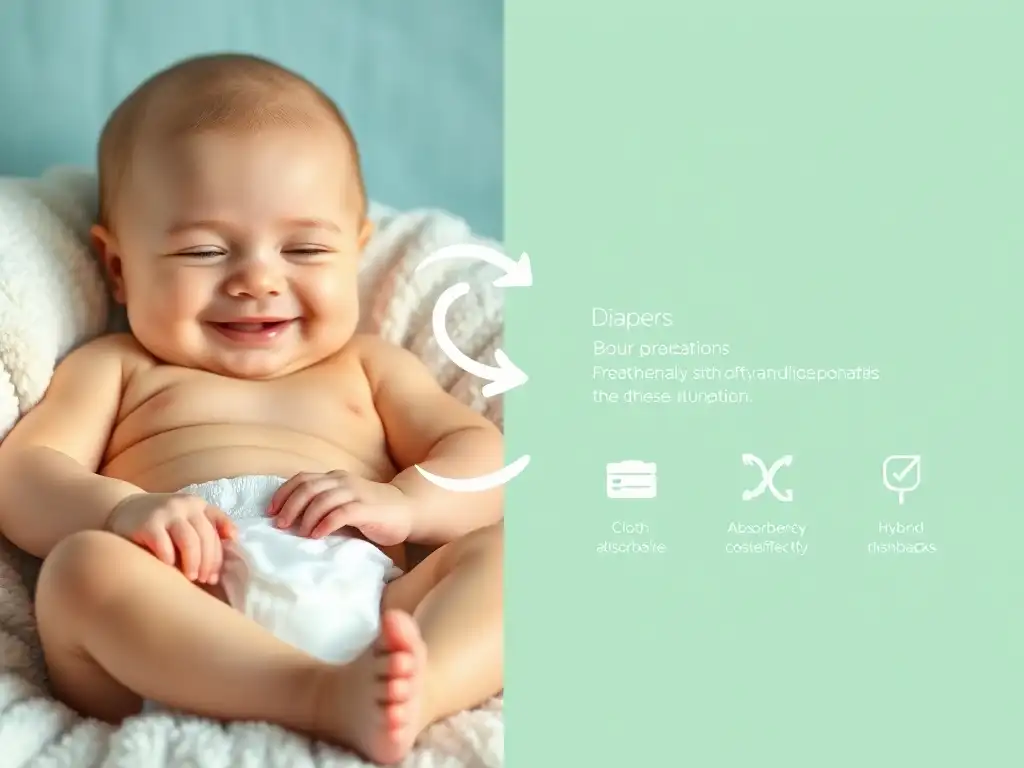
Finding the best diaper for baby comfort is a crucial aspect of newborn care. A well-chosen diaper contributes significantly to your baby's overall well-being, affecting their sleep, skin health, and even their development. This section explores key factors to consider when selecting diapers, ensuring your little one stays happy and comfortable. The right diaper will minimize diaper rash, prevent leaks, and provide a soft, gentle feel against delicate skin.
Disposable vs. Cloth Diapers: A Comparison
The choice between disposable and cloth diapers is a significant one for new parents. Both offer advantages and disadvantages, and the "best" option depends heavily on individual priorities and lifestyles.
Disposable diapers offer unparalleled convenience. They are readily available, easy to use, and require minimal cleanup. Simply change the diaper and dispose of it. Modern disposable diapers also boast improved absorbency and leak protection features, leading to fewer nighttime changes and less mess. However, disposables contribute significantly to landfill waste, and their cost can add up quickly over time. They also contain various chemicals, which might be a concern for some parents prioritizing natural products.
Cloth diapers, on the other hand, are a more environmentally friendly choice, reducing waste and potentially saving money in the long run. They come in various styles, from pre-folds and flats requiring covers to all-in-one options that resemble disposables. Cloth diapering can be more time-consuming, requiring washing, drying, and prepping diapers. However, many parents find it rewarding and appreciate the connection it fosters with their baby. The initial investment in cloth diapers can be substantial, but the long-term cost savings can outweigh this.
| Feature | Disposable Diapers | Cloth Diapers |
|---|---|---|
| Convenience | High | Low |
| Cost | High (per diaper) Low (long term) | Low (per diaper) High (initial investment) |
| Environmental Impact | High | Low |
| Skin Sensitivity | Potential for irritation (chemicals) | Potential for irritation (detergents) |
| Absorbency | Generally high | Varies depending on type and absorbency |
Choosing between disposable and cloth diapers requires careful consideration of your lifestyle, budget, and environmental concerns. Weighing the pros and cons will help you make an informed decision that best suits your family's needs.
Eco-Friendly Diapering: Sustainable and Comfortable Options
For parents prioritizing sustainability and baby comfort, several eco-friendly diaper options exist beyond traditional cloth. These options aim to minimize environmental impact without sacrificing convenience or baby's comfort.
- Biodegradable Disposable Diapers: These diapers are designed to break down more quickly in landfills than conventional disposable diapers. They often use plant-based materials and are free from harsh chemicals. While still not as sustainable as cloth, they represent a significant step toward reducing waste.
- Bamboo Diapers: Made from bamboo fiber, these diapers are highly absorbent, soft, and hypoallergenic. Bamboo is a rapidly renewable resource, making it a more sustainable option compared to traditional disposable diapers. They are often available in both disposable and reusable formats.
- Hybrid Diapering Systems: These systems combine the best of both worlds, using reusable diaper covers with disposable inserts. This allows for some level of customization and reduces the amount of waste produced compared to fully disposable systems.
The quest for the best diaper for baby comfort often intersects with environmental concerns. Eco-friendly options provide a balance between convenience and sustainability, allowing parents to make choices that align with their values and their baby's needs. Remember to always check for certifications and labels that ensure the products meet the claimed sustainability standards.
Balancing Budget and Sustainability in Diaper Choices
The cost of diapering, whether disposable or cloth, can be a significant expense for new parents. Balancing budget constraints with sustainability goals requires careful planning and consideration of different options.
- Budgeting for Disposable Diapers: Look for sales and discounts on bulk purchases. Consider using store brands or less expensive options. Remember that the long-term cost of disposable diapers can be substantial.
- Cost-Effective Cloth Diapering: While the initial investment in cloth diapers can be high, the long-term savings can be considerable. Buy used diapers to reduce costs. Explore different cloth diaper styles to find the most cost-effective option for your needs.
- Combining Methods: A hybrid approach—using cloth diapers during the day and disposables at night—can provide a balance between cost and convenience. This approach allows you to reduce your environmental impact while keeping costs manageable.
Finding the best diaper for baby comfort doesn't necessarily mean the most expensive option. Carefully comparing costs and considering different diapering methods will allow you to make an informed decision that aligns with your financial resources and environmental consciousness. Remember to factor in additional costs like laundry detergent for cloth diapers or waste disposal fees for disposable diapers. Prioritizing a sustainable approach doesn’t have to break the bank. With careful planning and research, you can find a solution that works for both your budget and your baby's well-being.
Top Diaper Brands for Sensitive Skin
Finding the best diaper for baby comfort, especially for babies with sensitive skin, requires careful consideration. Many brands cater specifically to this need, offering hypoallergenic options that minimize the risk of rashes and irritation. The market is flooded with choices, so understanding what makes a diaper suitable for sensitive skin is crucial. Look for diapers explicitly labeled as "hypoallergenic," "sensitive skin," or "free of fragrance, dyes, and lotions." These features significantly reduce the chances of allergic reactions. Remember that even hypoallergenic diapers can cause reactions in some babies, so close monitoring is key.
One crucial aspect to consider is the diaper's material. Many parents find that natural materials like organic cotton are gentler on sensitive skin. However, the absorbency and overall performance of these diapers might differ from those made with synthetic materials. Consider carefully weighing the pros and cons of each type. Some brands also offer diapers with breathable outer layers, allowing for better air circulation and reducing the likelihood of moisture buildup—a common cause of diaper rash.
Choosing a diaper for a baby with sensitive skin is a process of trial and error. What works for one baby might not work for another. Keep a detailed record of which brands you've tried and any reactions your baby experienced. This detailed log can be invaluable in helping you identify patterns and pinpoint the best diaper for your little one's specific needs.
Don't hesitate to consult your pediatrician if you are experiencing persistent issues with diaper rash or skin irritation, regardless of the diaper brand you are using. They can offer expert advice and potentially identify underlying medical conditions. Remember, a comfortable baby is a happy baby, and finding the right diaper is a significant step in ensuring your baby's well-being. Prioritizing comfort is paramount when selecting the best diaper for baby comfort.
Maintaining Hygiene and Preventing Infections
Maintaining good hygiene practices during diapering is crucial for your baby's comfort and well-being. It's the first line of defense against diaper rash and infections. Choosing the best diaper for baby comfort is only part of the equation; proper handling and cleaning are equally important. Neglecting hygiene can lead to serious complications, so meticulous attention to detail is essential. Remember, even the best diaper for baby comfort can't prevent issues if hygiene is compromised.
Best Practices for Diaper Changing
Diaper changing may seem straightforward, but following best practices significantly minimizes the risk of infection and irritation. Here's a step-by-step guide:
- Gather your supplies: Have everything ready before you start – clean diaper, wipes (preferably hypoallergenic and fragrance-free), diaper rash cream (if needed), and a clean surface. Having everything within easy reach makes the process smoother and less stressful.
- Wash your hands: Thoroughly wash your hands with soap and water before and after each diaper change. This simple step is incredibly effective in preventing the spread of germs.
- Lay your baby down: Place your baby on a clean, flat surface, such as a changing mat or a clean towel. Never leave your baby unattended on a raised surface.
- Remove the soiled diaper: Carefully remove the soiled diaper, ensuring you have a firm grip to avoid any spills. Dispose of the soiled diaper immediately and properly.
- Cleanse the area: Gently cleanse your baby's bottom with warm water and a soft cloth or hypoallergenic wipes, wiping from front to back to prevent urinary tract infections (UTIs). Avoid harsh scrubbing, which can irritate sensitive skin.
- Apply diaper rash cream (if needed): If your baby has a diaper rash, apply a thin layer of diaper rash cream to the affected area. Choose a cream formulated for sensitive skin.
- Fasten the new diaper: Secure the new diaper snugly but not too tightly. A too-tight diaper can restrict blood flow and contribute to discomfort.
- Wash your hands again: Finally, wash your hands thoroughly again.
Remember, consistency is key. Regular diaper changes, typically every 2-3 hours or more frequently if needed, are vital in preventing skin irritation and infections. The frequency might need adjustment based on your baby's feeding habits and the type of diaper used.
Effective Diaper Rash Treatment
Diaper rash, characterized by redness, irritation, and sometimes small bumps or blisters, is a common problem. While choosing the best diaper for baby comfort helps, a rash can still occur. Effective treatment focuses on keeping the area clean and dry.
- Frequent diaper changes: This is the most crucial step. More frequent changes allow the skin to breathe and reduce the contact time with irritants.
- Air drying: Allow the baby's bottom to air dry for a short period after cleaning. This helps prevent moisture buildup.
- Barrier creams: Apply a thick layer of a barrier cream, such as zinc oxide, to protect the skin from further irritation.
- Avoid harsh wipes: Opt for fragrance-free, hypoallergenic wipes or use plain warm water and a soft cloth.
- Loose-fitting diapers: Ensure the diaper isn't too tight, as this can exacerbate the rash.
In most cases, diaper rash resolves within a few days with proper care. However, if the rash worsens, spreads, or doesn't improve after a few days, consult your pediatrician. Severe diaper rash may require prescription medication. Knowing the best diaper for baby comfort and taking proactive steps can minimize the occurrence of these issues.
While diaper rash is common, it's important to be aware of signs that could indicate a more serious infection. These signs may include:
- Fever: A high temperature accompanied by a diaper rash could indicate a bacterial or viral infection.
- Pus or blisters: The presence of pus-filled blisters is a strong indicator of infection.
- Persistent redness and swelling: Redness that extends beyond the diaper area or significant swelling is a cause for concern.
- Unusual odor: A foul-smelling diaper could signal a bacterial infection.
- Bleeding: Bleeding or excessive weeping from the rash area requires immediate medical attention.
If you notice any of these symptoms, contact your pediatrician immediately. Early intervention is crucial in treating diaper-related infections effectively. Remember, while selecting the best diaper for baby comfort is a significant aspect of baby care, vigilance and prompt action are vital in addressing any potential health concerns.
Frequently Asked Questions
What is the most important factor to consider when choosing a diaper for my baby?
The most important factor is baby's comfort. Look for diapers that are soft, breathable, and have a good fit to prevent leaks and chafing. Consider your baby's skin sensitivity.
How can I tell if a diaper is causing my baby discomfort?
Signs of discomfort include fussiness during diaper changes, redness or rash, and frequent crying. If you notice any of these, try a different brand or type of diaper.
Are cloth diapers better for baby comfort than disposable diapers?
Both cloth and disposable diapers can provide comfort, depending on the brand and fit. Cloth diapers may be more breathable, but require more washing and preparation. Disposable diapers offer convenience, but may contain materials that irritate sensitive skin.
My baby seems to have frequent diaper rashes. What could be causing this?
Diaper rash can be caused by several factors including allergies to diaper materials, friction from a poorly fitting diaper, or prolonged exposure to wetness. Changing diapers frequently and using a barrier cream can help prevent rashes.
What features should I look for in a diaper designed for maximum comfort?
Look for diapers with soft, hypoallergenic materials, a flexible design that allows for natural movement, and leak-proof barriers. Absorbent cores are also crucial for keeping your baby dry and comfortable.
Final Reflection: Nurturing Comfort, Shaping Development
The quest for the best diaper for baby comfort is more than just a product search; it's a fundamental aspect of ensuring a child's healthy development. Finding the right diaper isn't merely about preventing leaks; it's about creating a foundation of comfort that allows for undisturbed sleep, happy exploration, and overall well-being. This directly impacts a baby's physical and emotional growth, setting the stage for a positive start in life.
The impact of diaper choice extends far beyond the immediate comfort of the baby; it touches upon the parent-child bond, the family's overall well-being, and even broader societal considerations of sustainability and ethical production. The smallest things often make the biggest difference.
This simple truth rings especially true when considering the seemingly insignificant yet profoundly impactful role of a diaper in a baby's life. The constant chafing of a poorly fitting diaper can lead to irritability and discomfort, affecting the parent-child dynamic and potentially impacting the baby's development. Choosing wisely, therefore, is an act of nurturing and care that ripples outwards.
Consider the information presented in this article – the different types of diapers, the materials used, the features to look for – and apply it to your own choices. You have the power to directly influence your baby's comfort and contribute to their healthy development. Don't just settle for any diaper; actively seek out the one that best suits your little one's needs. Remember, this seemingly small decision is a significant step in creating a nurturing and supportive environment for your child to thrive.
Unlock Your Baby's Comfort: A Diaper Journey Awaits!
Thank you for exploring the world of baby comfort with us! We hope you've gained valuable insights into the significant role diapers play in your little one's development. Ready to put this knowledge into practice?
- Prioritize the perfect fit: Take a moment to evaluate your current diaper choice. Is it comfortable and leak-proof? Consider experimenting with different brands or sizes to find the ideal fit for your baby.
- Share your diaper experiences: Connect with other parents in our BabyCareHub community. What diaper brands and techniques have worked best for you? Share your tips and experiences to help others!
- Refine your diaper-changing routine: Experiment with different diaper-changing positions or methods to see if you can streamline the process and improve your experience. Even small adjustments can make a big difference!
What small change to your diaper routine could significantly improve your baby's comfort and happiness?