
Homemade Baby Food Recipes: The Best Finger Foods for Babies

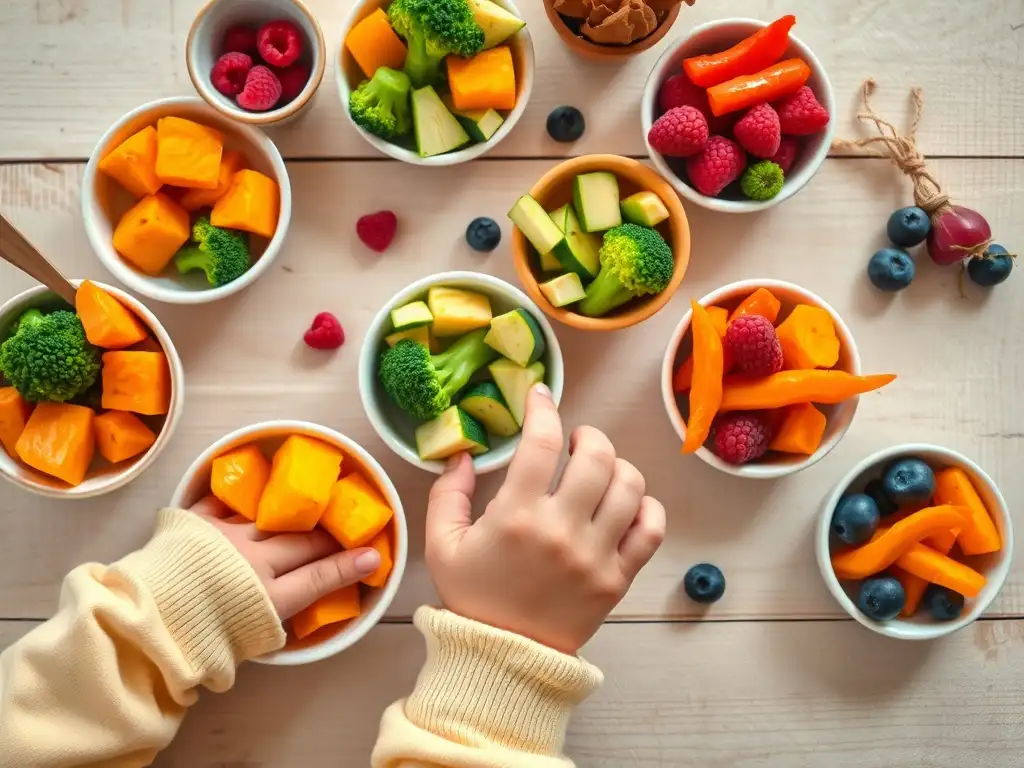
Welcome to BabyCareHub, your ultimate guide to navigating the exciting (and sometimes overwhelming!) world of parenthood. Are you ready to embark on a delicious journey with your little one? We've got you covered, from the first tentative spoonfuls to confidently exploring homemade baby finger food recipes. Discover the secrets to creating nutritious and exciting meals your baby will love, and unlock the joy of preparing healthy, homemade options. Dive in and explore our expert advice on feeding, sleep, and more – ensuring your baby thrives every step of the way.
- Introducing Delicious and Nutritious Homemade Baby Finger Foods
- Simple Homemade Baby Finger Food Recipes: Stage 1 (6+ Months)
- Homemade Baby Finger Food Recipes: Stage 2 (7-9 Months)
- Homemade Baby Finger Food Recipes: Stage 3 (9+ Months)
- Tips for Making Safe and Appealing Homemade Baby Finger Foods
- Troubleshooting Common Challenges with Homemade Baby Food
- Resources and Further Reading on Baby-Led Weaning and Homemade Baby Food Recipes
- Frequently Asked Questions
- Final Reflection: Nurturing Little Ones, One Delicious Bite at a Time
- Unlock Your Baby's Culinary Adventure!
Introducing Delicious and Nutritious Homemade Baby Finger Foods
Starting your baby on solids is a significant milestone, and choosing the right foods is crucial for their healthy development. This comprehensive guide focuses on homemade baby finger foods – perfect for little ones learning to self-feed. We'll explore the numerous benefits of preparing your baby's food at home, highlighting the ease of creating nutritious and delicious options tailored to your baby's specific needs and dietary preferences.
From selecting the safest and freshest ingredients to mastering simple yet effective recipes, this resource will empower you to provide your baby with the best possible start. We'll cover a range of textures and flavors, ensuring your baby enjoys a diverse and exciting culinary journey. Get ready to embark on this rewarding experience of crafting homemade baby finger food recipes that are both healthy and appealing to your little one!
This guide will help you confidently navigate the exciting world of baby-led weaning and provide your baby with the best possible nutrition. We'll equip you with the knowledge and recipes to create finger foods that are not only nutritious but also fun and engaging for your baby.
Why Choose Homemade Baby Finger Foods? Benefits of DIY Baby Food
Making your baby's food at home offers a multitude of advantages compared to store-bought options. You have complete control over the ingredients, ensuring your baby receives only the freshest, highest-quality produce and avoids unnecessary additives, preservatives, and hidden sugars often found in commercially prepared baby food. This is especially important during the crucial early stages of their development.
The benefits extend beyond ingredient control. Homemade baby food allows for greater flexibility and customization. You can easily adjust the textures and flavors to match your baby's preferences and developmental stage. Perhaps your little one prefers sweeter fruits or needs a slightly thicker consistency? With homemade food, you're in the driver's seat!
Furthermore, preparing homemade baby food can be a cost-effective solution in the long run. While the initial investment of time and effort may seem significant, you'll likely find that making larger batches and freezing portions saves money compared to consistently purchasing individual jars or pouches of baby food. Plus, the satisfaction of knowing you've crafted nutritious meals from scratch is priceless!
Finally, creating homemade baby food is a wonderful opportunity to bond with your little one. The process can become a shared experience, fostering a positive relationship with food and encouraging healthy eating habits from the very beginning. 🎉
Essential Ingredients for Safe and Healthy Baby Finger Food Recipes
Selecting the right ingredients is paramount when preparing homemade baby food. Prioritize organic, locally sourced produce whenever possible to minimize exposure to pesticides and ensure maximum freshness. Always wash all fruits and vegetables thoroughly before preparing them. Here's a breakdown of key ingredient categories and considerations:
| Ingredient Category | Examples | Safety Considerations |
|---|---|---|
| Fruits | Avocado, banana, mango, pear, sweet potato | Choose ripe, soft fruits easy to mash or cut into small, manageable pieces. Avoid fruits with pits or hard seeds. |
| Vegetables | Carrots, broccoli, zucchini, peas, green beans | Steam or boil until tender, then puree or mash depending on your baby's developmental stage. Ensure they are cooked thoroughly. |
| Proteins | Chicken (well-cooked and shredded), lentils, tofu | Ensure proteins are cooked to an internal temperature safe for babies. Introduce allergens one at a time and monitor for reactions. |
| Healthy Fats | Avocado, olive oil (in moderation) | Healthy fats are crucial for brain development. Use sparingly and only after your baby has started solids. |
Remember to always introduce new foods one at a time, waiting a few days to observe for any allergic reactions before introducing another. Keep a detailed food diary to track your baby's progress and any potential reactions. Consult with your pediatrician or a registered dietitian for personalized dietary advice tailored to your baby's specific needs.
Simple Homemade Baby Finger Food Recipes: Stage 1 (6+ Months)
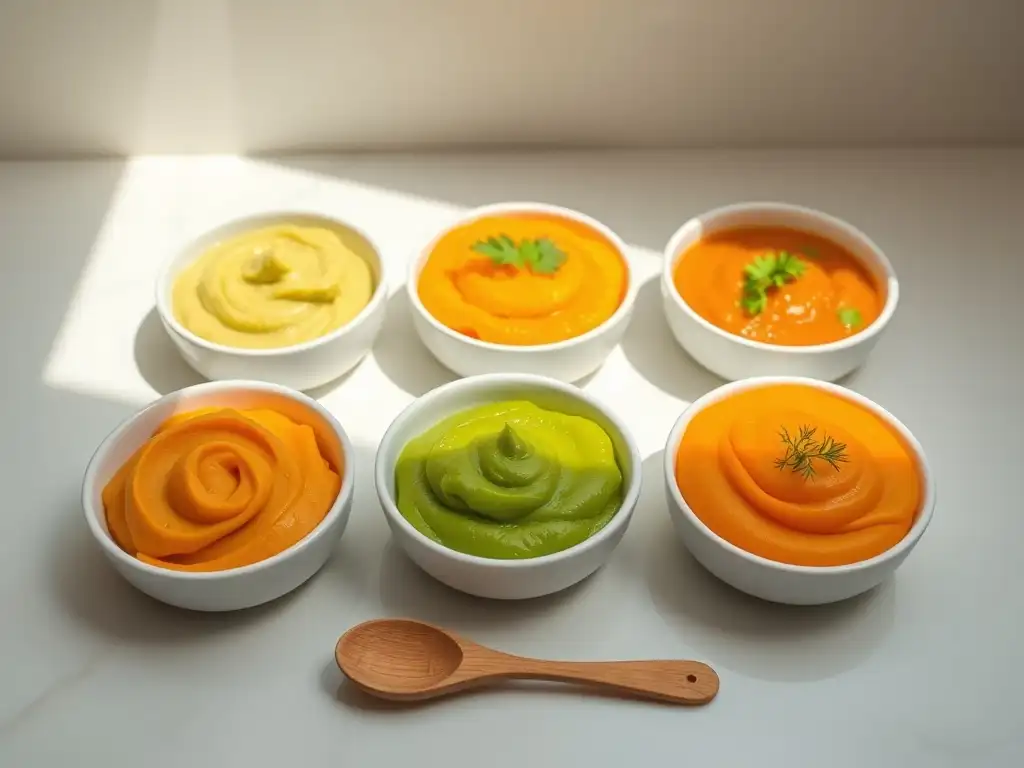
This section focuses on providing simple, homemade baby finger food recipes suitable for babies aged 6 months and older. These recipes emphasize easily digestible ingredients and textures perfect for little ones starting their solid food journey. Remember to always supervise your baby while they are eating and introduce new foods one at a time to monitor for any allergic reactions. Finding the right baby finger food recipes homemade can be a rewarding experience!
Soft Avocado Slices: A Perfect First Finger Food
Avocado is a nutritional powerhouse, packed with healthy fats, fiber, and vitamins. Its creamy texture makes it ideal for babies just beginning to explore solid foods. Preparing soft avocado slices is incredibly easy:
- Select a ripe avocado: Choose an avocado that yields slightly to gentle pressure.
- Peel and slice: Carefully peel the avocado and slice it into thin, manageable pieces. Aim for slices about ½ inch wide and 1-2 inches long to prevent choking hazards. Consider using a baby food slicer to ensure even, small pieces.
- Serve immediately: Avocados can brown quickly, so serve the slices immediately after preparing them. You can also lightly squeeze some lemon juice on the slices to help prevent browning, but always ensure the lemon juice is diluted and safe for babies.
This simple preparation provides a delicious and nutritious first finger food experience. The soft texture allows babies to easily gum and grasp the slices, encouraging self-feeding skills. Avocados are also a great source of Vitamin K, important for blood clotting. Remember to always supervise your baby during feeding.
Steamed Sweet Potato Sticks: Easy and Nutrient-Rich
Sweet potatoes are another excellent choice for baby's first finger foods. They're naturally sweet, rich in Vitamin A, and offer a slightly firmer texture than avocado, helping to develop chewing skills. Here's how to prepare them:
- Wash and prepare: Thoroughly wash a medium-sized sweet potato. Peel it (optional, as the skin is also nutritious) and cut it into long, thin sticks, approximately ¼ inch thick and 2-3 inches long.
- Steam until tender: Steam the sweet potato sticks until they are easily pierced with a fork (approximately 15-20 minutes). Over-steaming can lead to mushy sticks, which may not be ideal for developing chewing skills.
- Cool and serve: Let the sweet potato sticks cool slightly before serving. Always check the temperature before giving them to your baby to prevent burns.
Sweet potato sticks offer a great opportunity to introduce a slightly firmer texture while still being easily manageable for little hands. The vibrant orange color is visually appealing to babies and the sweet flavor is often a hit. Remember to vary the thickness of the sticks as your baby develops stronger chewing muscles. This recipe is a great example of a healthy and easily prepared baby finger food recipe homemade.
Banana "Melts": Naturally Sweet and Simple
Bananas are a classic baby food choice, offering a naturally sweet flavor and soft texture. Preparing banana "melts" is incredibly straightforward:
- Select a ripe banana: Choose a ripe banana that is easily mashed with a fork.
- Slice or mash: You can either slice the banana into small, manageable pieces or mash it into a smoother consistency, depending on your baby's developmental stage and preference.
- Serve immediately: Bananas tend to brown quickly, so serve them immediately after preparing them.
Banana "melts" are a simple and convenient finger food option. The soft texture makes them easy for babies to self-feed, and the natural sweetness is often appealing. Remember to always supervise your baby while they are eating to prevent choking. This simple recipe is a perfect addition to your repertoire of baby finger food recipes homemade. 🍌
Remember to always consult with your pediatrician before introducing new foods to your baby's diet. These recipes are suggestions, and you may need to adjust the textures and sizes based on your baby's individual needs and development. Enjoy the journey of introducing your little one to the wonderful world of food!
Homemade Baby Finger Food Recipes: Stage 2 (7-9 Months)
This section focuses on introducing a variety of textures and flavors to your baby's diet during the crucial 7-9 month stage. Remember to always supervise your baby while they are eating and introduce new foods one at a time to monitor for any allergic reactions. These recipes are designed to be simple, nutritious, and enjoyable for your little one, contributing to their healthy growth and development. We'll explore several easy-to-make baby finger food recipes homemade, perfect for this stage of development. Remember to always consult your pediatrician before introducing new foods into your baby's diet.
Soft Cooked Carrot Sticks: Introducing Different Textures
Introducing varied textures is key at this stage. Soft cooked carrot sticks offer a great way to start. The slightly firm texture encourages chewing and helps develop their oral motor skills. Carrots are also packed with Vitamin A, crucial for eye health and immune function.
To prepare, simply steam or boil carrot sticks until tender but still slightly firm to the bite. Avoid overcooking, as this will result in mushy carrots, defeating the purpose of introducing varied textures. Cut the carrots into small, manageable sticks, ensuring they are long enough to be easily gripped but short enough to prevent choking hazards.
Always supervise your baby while they are eating and ensure they can safely manage the size and texture of the food. Consider offering a variety of colors to enhance visual appeal and encourage healthy eating habits. For example, you could also try sweet potato sticks for a different color and flavor.
Scrambled Egg Yolks (Well-Cooked): A Great Source of Protein
Egg yolks are a powerhouse of nutrients, providing essential choline, which is vital for brain development. They are also a good source of iron and other essential vitamins. However, it is crucial to cook them thoroughly to minimize the risk of salmonella.
To prepare, whisk one egg yolk lightly and scramble in a small non-stick pan over low heat until fully cooked and no longer runny. Allow to cool slightly before offering to your baby. Start with a small portion and observe for any allergic reactions. You can gradually increase the amount as tolerated. Ensure the egg yolk is well-cooked to eliminate any potential bacterial risks. Remember that introducing allergens such as eggs should be done carefully and under the guidance of a pediatrician.
Pea Puree with Whole Wheat Bread Cubes: Combining Flavors and Textures
This recipe combines the smooth texture of pea puree with the slightly firmer texture of whole wheat bread cubes, offering a balanced sensory experience for your baby. Peas are a good source of fiber and vitamins, while whole wheat bread provides carbohydrates for energy. This combination offers a delicious and nutritious baby finger food recipe homemade.
For the pea puree, steam or boil fresh or frozen peas until tender. Blend until smooth, adding a little breast milk or formula if needed to achieve the desired consistency. Cut whole wheat bread into small, manageable cubes, ensuring they are soft enough for your baby to easily gum. You can lightly toast the bread cubes for a slightly crispier texture, but ensure they remain soft enough to avoid choking hazards.
Combine the pea puree and bread cubes in a bowl and offer to your baby. Observe for any allergic reactions and adjust the portion size as needed. This recipe is a great example of how to combine different textures and flavors to create a balanced and enjoyable meal for your baby. Remember to always prioritize safety and supervise your baby during mealtimes.
Homemade Baby Finger Food Recipes: Stage 3 (9+ Months)
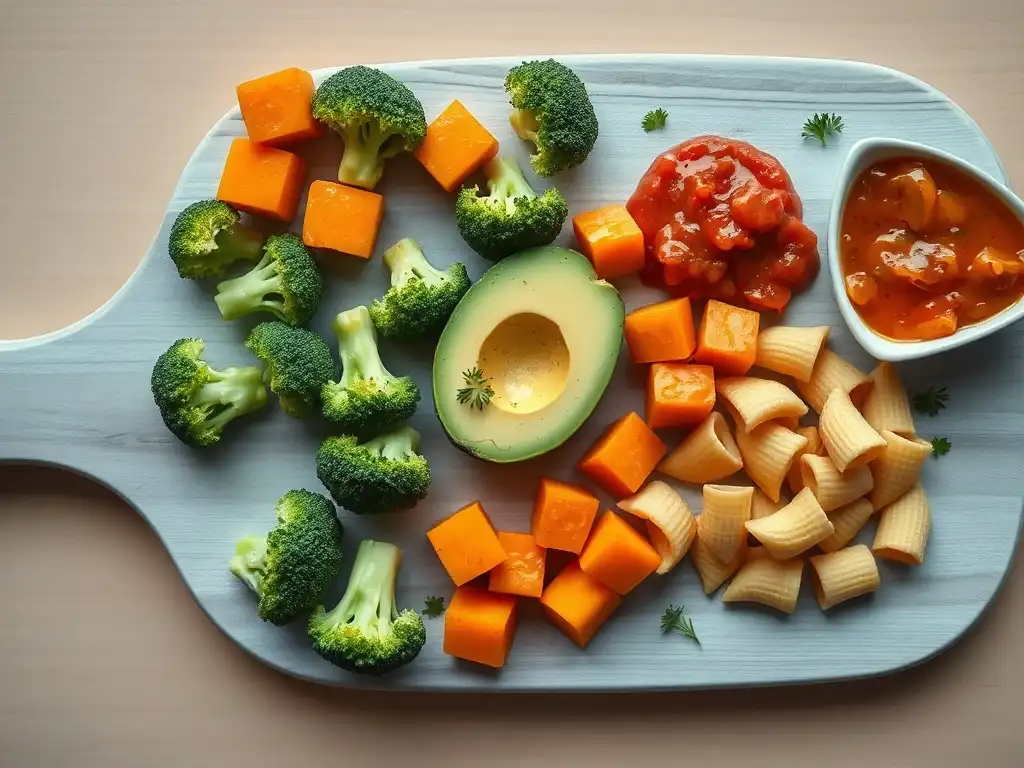
This section focuses on safe and nutritious homemade finger food recipes suitable for babies aged 9 months and older. At this stage, babies are developing their pincer grasp and exploring a wider variety of textures and flavors. These recipes emphasize simple preparation, using ingredients readily available, and prioritizing ease of consumption for little ones. Remember to always supervise your baby while they are eating to prevent choking hazards.
Finding the right balance of nutrients and appealing textures is key to successful self-feeding and a positive relationship with food. These recipes provide excellent options for introducing new tastes and textures while supporting your baby's growth and development. Remember to consult your pediatrician before introducing any new foods to your baby's diet.
Mini Chicken Meatballs: Introducing Lean Protein
Introducing lean protein sources like chicken is crucial for your baby's growth at this stage. These mini meatballs are easy to handle and packed with nutrients.
- Ingredients:
- 1/2 cup cooked chicken breast, finely shredded
- 1/4 cup cooked sweet potato, mashed
- 1 tablespoon rolled oats
- 1 egg yolk (optional, for binding)
- Instructions:
- Combine all ingredients in a bowl and mix thoroughly.
- Roll the mixture into small, bite-sized meatballs (approximately 1/2 inch in diameter).
- Bake at 350°F (175°C) for 15-20 minutes, or until cooked through.
- Let cool completely before serving to your baby.
Nutritional Benefits: Chicken is an excellent source of protein, essential for muscle development and growth. Sweet potato provides vitamin A and fiber, contributing to healthy digestion. Rolled oats add fiber and iron. This recipe is easily adaptable; you can substitute the sweet potato with other soft vegetables like carrots or zucchini. Remember to adjust cooking time based on the size of the meatballs. Smaller meatballs will cook faster. Always check the internal temperature to ensure they are fully cooked.
Soft Cooked Broccoli Florets: A Healthy Green Option
Broccoli is a powerhouse of vitamins and minerals, offering a healthy and flavorful option for your baby's finger foods. The key here is to cook it until very tender to avoid any choking hazard.
- Ingredients:
- 1 cup broccoli florets
- Instructions:
- Steam or boil the broccoli florets until very soft (approximately 10-15 minutes). You should be able to easily mash them with a fork.
- Allow to cool completely before serving. You can serve them whole or cut them into even smaller pieces for easier handling.
Safety Note: Always check the broccoli florets for tenderness before serving. If they are still firm, continue cooking until they are easily mashed. Smaller florets are preferable to reduce choking risk. This simple recipe provides a significant amount of Vitamin C and fiber, crucial for a healthy immune system and digestive health. Consider adding a small amount of olive oil after cooking to boost the absorption of fat-soluble vitamins.
Whole Wheat Pasta with Simple Tomato Sauce: A Flavorful Meal
This recipe combines the familiar comfort of pasta with the added nutritional benefits of whole wheat and a simple, homemade tomato sauce.
- Ingredients:
- 1/2 cup whole wheat pasta (small shapes like ditalini or elbow macaroni are ideal)
- 1/4 cup tomato puree (no added salt or sugar)
- Instructions:
- Cook the pasta according to package directions until al dente. Make sure it's very soft and easily mashed.
- Drain the pasta and add the tomato puree. Mix gently.
- Allow to cool completely before serving. The pasta should be soft enough for your baby to easily pick up and gum.
Variations: You can add finely grated parmesan cheese (in moderation) for added flavor and calcium. Avoid adding salt or sugar. This recipe provides complex carbohydrates for energy and fiber for healthy digestion. Whole wheat pasta offers additional fiber compared to regular pasta. The simplicity of this recipe makes it a great base for introducing other pureed vegetables like carrots or zucchini later on. Always monitor your baby closely while they are consuming this meal, as pasta can be a choking hazard if not cooked properly.
This selection of recipes offers a starting point for creating delicious and nutritious homemade finger foods for your 9+ month old. Remember to always prioritize safety and introduce new foods one at a time to monitor for any allergic reactions. Enjoy this exciting stage of your baby's culinary journey!
Tips for Making Safe and Appealing Homemade Baby Finger Foods
This section focuses on creating delicious and safe homemade baby finger foods. Remember, always prioritize safety when preparing food for your little one. The goal is to create nutritious and appealing options that encourage self-feeding and healthy eating habits. We’ll cover crucial aspects like ingredient selection, cooking methods, and texture considerations. This will help you confidently embark on your baby-led weaning journey, providing your baby with the best possible start to solid food.
Cutting and Preparing Foods Safely for Baby-Led Weaning
Baby-led weaning (BLW) introduces your baby to solid foods by offering soft, easily manageable finger foods. Safety is paramount. Avoid small, round foods like grapes or cherry tomatoes that pose a choking hazard. Instead, opt for long, thin, and easily graspable shapes. Always supervise your baby during mealtimes.
Here's a guide on safe preparation techniques:
- Cutting: Cut foods into long, stick-like pieces (approximately ¼ inch thick and 2-3 inches long) to minimize choking risks. Think of soft cooked carrots, sweet potato fries, or avocado spears.
- Cooking: Steam, bake, or boil vegetables until very soft. This ensures easy gumming and swallowing. Overcooked foods are easier for babies to manage.
- Texture: Ensure foods are soft enough to easily mash with gums. Avoid hard or crunchy foods until your baby develops stronger teeth. Perfectly soft cooked broccoli florets are a great example.
- Size: The size of the food should be appropriate for your baby's developmental stage. Start with smaller pieces and gradually increase the size as your baby's motor skills improve. Observe your baby's ability to manage the food.
- Shape: Consider the shape of the food. Long, thin pieces are easier to grasp and less likely to cause choking compared to round or irregular shapes.
| Food | Safe Preparation | Unsafe Preparation |
|---|---|---|
| Sweet Potato | Steamed and cut into long sticks | Raw or undercooked |
| Avocado | Cut into spears | Whole or in large chunks |
| Banana | Sliced into long, manageable pieces | Whole or in large chunks |
| Cooked Broccoli | Steamed and cut into small florets | Raw or undercooked |
| Soft Cooked Carrot | Steamed and cut into long, thin sticks | Raw or undercooked |
Remember, every baby develops at their own pace. Observe your baby's cues and adjust the size and texture of the food accordingly. Always stay present during mealtimes to ensure safety.
Storing and Freezing Homemade Baby Food for Convenience
Preparing homemade baby food in batches can save you time and effort. Proper storage is crucial to maintain freshness, safety, and nutritional value.
- Refrigeration: Store homemade baby food in airtight containers in the refrigerator for up to 3 days. Label containers clearly with the date of preparation.
- Freezing: Portion baby food into ice cube trays or small freezer-safe containers. Once frozen, transfer to freezer bags for longer storage (up to 3 months). Always thaw food safely in the refrigerator overnight before serving. Never refreeze thawed food.
- Thawing: Thaw frozen baby food in the refrigerator overnight. Never microwave thawed food as this can destroy nutrients and create hot spots.
- Reheating: Gently reheat thawed baby food in a saucepan on the stovetop. Always check the temperature before serving to ensure it's not too hot.
Proper storage is key to preventing bacterial growth and ensuring the safety and quality of your baby's food. Always follow safe food handling practices. 🎉
Introducing New Foods and Managing Allergies
Introducing new foods to your baby is an exciting milestone. A gradual approach is best to identify potential allergies and monitor your baby's reactions.
- One at a Time: Introduce one new food at a time, waiting 2-3 days before introducing another. This helps identify any allergic reactions.
- Small Portions: Start with small portions (1-2 teaspoons) to assess tolerance.
- Allergy Monitoring: Watch for symptoms such as rash, swelling, vomiting, or diarrhea. If you notice any concerning symptoms, consult your pediatrician immediately.
- Common Allergens: Be mindful of common allergens such as peanuts, eggs, milk, soy, wheat, fish, and shellfish. Introduce these foods gradually and with caution. Consult your pediatrician for personalized advice.
- Family History: Consider your family's history of allergies when introducing new foods. A family history of allergies can increase your baby's risk.
Introducing new foods should be a positive experience. Remember to be patient, observant, and always prioritize your baby's safety and well-being. A careful approach helps you navigate potential allergies and ensures a healthy start to your baby's culinary journey. 👶
Troubleshooting Common Challenges with Homemade Baby Food
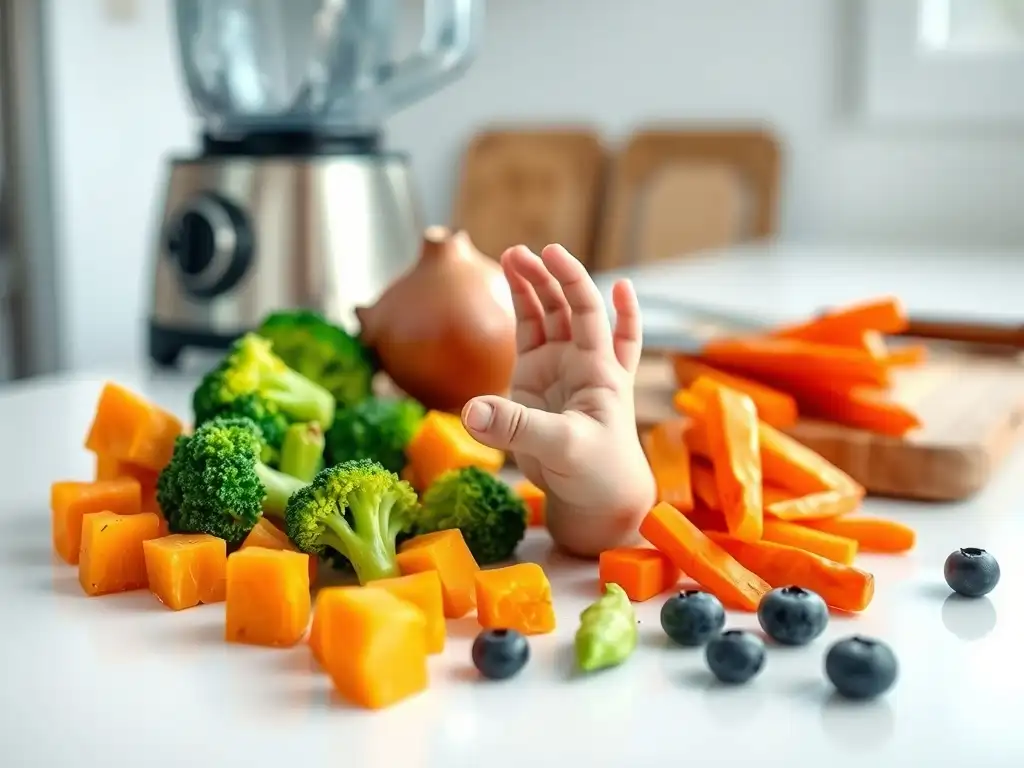
Making your own baby food is a rewarding experience, offering control over ingredients and a chance to introduce your little one to a variety of flavors. However, the journey isn't always smooth sailing. This section addresses common hurdles parents encounter when preparing and serving homemade baby food, offering practical solutions to ensure a positive and nutritious feeding experience for your baby. We'll focus on practical advice tailored to the "baby finger food recipes homemade" keyword.
My Baby Won't Eat Finger Foods: Common Reasons and Solutions
Many parents find that transitioning their baby from purees to finger foods can be challenging. Frustration is common, but understanding the reasons behind refusal can help you navigate this crucial developmental stage.
Several factors contribute to a baby's reluctance to accept finger foods. One common reason is simply a lack of readiness. Babies develop at different paces; some are ready for finger foods earlier than others. Their pincer grasp (the ability to pick up small objects with thumb and forefinger) needs to be sufficiently developed before they can effectively manage small pieces of food. Force-feeding is counterproductive; it can create negative associations with mealtimes and lead to future eating difficulties.
Another potential issue is the texture of the food. Finger foods should be soft enough for a baby to easily gum and mash, but firm enough to hold. Too soft and they'll simply dissolve, while too hard poses a choking hazard. Experiment with different cooking methods and textures – steaming, roasting, or lightly boiling can yield different results. For example, sweet potato fries should be soft enough to easily mash but hold their shape. Similarly, avocado slices should be ripe but not mushy.
Furthermore, babies might reject finger foods due to sensory sensitivities. Some babies are more sensitive to certain textures, tastes, or smells than others. Introducing new foods gradually and patiently is key. Start with familiar flavors and gradually introduce new ones, mixing them with already-liked foods. Don't give up after one or two attempts; it often takes multiple exposures before a baby accepts a new food.
Finally, distractions during mealtimes can also negatively impact a baby's willingness to eat. A calm and quiet environment, free from distractions like television or toys, is crucial. Make mealtime a positive and enjoyable experience, focusing on interaction and bonding rather than just food intake.
| Reason for Refusal | Solution | Example |
|---|---|---|
| Lack of Readiness | Wait until your baby shows signs of readiness (pincer grasp, interest in food) | Observe your baby's developmental milestones and adjust accordingly. |
| Texture Issues | Adjust cooking methods and choose appropriately soft yet firm foods. | Steam carrots until soft but not mushy. Roast sweet potatoes until tender. |
| Sensory Sensitivities | Introduce new foods gradually, mixing them with familiar favorites. | Offer a small amount of new food alongside a favorite puree. |
| Distractions | Create a calm and focused eating environment. | Turn off the TV and put away toys during mealtimes. |
Adjusting Recipes Based on Baby's Preferences and Needs
Homemade baby food offers the advantage of customization. You can adjust recipes to cater to your baby's individual preferences and nutritional needs, offering a personalized approach to feeding.
One aspect to consider is allergies and intolerances. If your baby has known allergies or suspected intolerances, it's crucial to consult with a pediatrician or registered dietitian before introducing potentially allergenic foods like eggs, nuts, dairy, or soy. Introduce these foods one at a time, monitoring for any adverse reactions. Keep a detailed food diary to track your baby's intake and any reactions.
Another consideration is nutritional needs. Babies require a balanced diet rich in vitamins, minerals, and essential nutrients. You can supplement recipes to increase nutritional value. For example, adding finely grated cheese to vegetable purees can boost calcium intake. Similarly, incorporating iron-rich foods like lentils or spinach into meals can help meet iron requirements. Remember to consider the age-appropriate nutrient requirements as your baby grows.
Finally, always keep in mind your baby's preferences. Some babies might strongly prefer certain flavors or textures over others. Observe your baby’s reactions to different foods and adjust your recipes accordingly. If your baby consistently rejects a particular food, try combining it with a more appealing food or preparing it in a different way. Persistence and patience are key – don't give up if your baby doesn't like a food at first try!
Remember, variety is essential, but don’t force your child to eat something they truly dislike. Offering a variety of healthy options and letting them choose within those parameters is a good strategy. The goal is to foster a positive relationship with food. 🥕🍎🥦
Resources and Further Reading on Baby-Led Weaning and Homemade Baby Food Recipes
This section provides valuable resources to further your journey into preparing delicious and nutritious homemade baby food, specifically focusing on finger foods suitable for baby-led weaning. We'll explore recommended books, websites, and other helpful materials to expand your knowledge and confidence in creating safe and appealing meals for your little one.
Recommended Books and Websites for Baby Food Inspiration
Finding reliable information on baby-led weaning and homemade baby food recipes can feel overwhelming. To help you navigate this, we've compiled a list of trusted resources that offer a wealth of recipes, guidance, and expert advice. These resources cover everything from basic purees to more complex finger foods, catering to various developmental stages and dietary needs. Remember to always consult your pediatrician before introducing new foods to your baby's diet.
Many books offer comprehensive guides to baby-led weaning and homemade baby food. These often include detailed recipes, nutritional information, and tips for successful implementation. Look for books with positive reviews and recommendations from other parents. Pay attention to the age range the recipes are designed for, ensuring they're appropriate for your baby's developmental stage. For example, a book focusing on the first six months of a baby's life will have different recipes and approaches than one targeted towards babies who are already self-feeding.
Websites dedicated to baby food and nutrition are also excellent resources. Many offer a wide variety of recipes, often with photos and helpful tips for preparation and storage. Look for websites that are maintained by registered dietitians or other qualified healthcare professionals to ensure the accuracy and safety of the information provided. It's crucial to verify the credibility of the source before following any recipe or advice found online. Consider looking for websites that are frequently updated to reflect current best practices in infant nutrition.
Understanding Nutritional Needs During Baby-Led Weaning
Creating a balanced and nutritious diet for your baby is paramount, especially during the baby-led weaning process. This phase involves introducing soft, easily manageable finger foods, allowing your baby to self-feed and explore different textures and tastes. Understanding your baby's specific nutritional requirements at each stage is crucial for creating appropriate and healthy meals.
For example, iron is a critical nutrient for infants, and iron-rich foods like pureed lentils, well-cooked sweet potatoes, and iron-fortified cereals should be introduced early and regularly. Similarly, ensuring adequate intake of Vitamin D is vital for bone health. Sources like full-fat dairy (once introduced) and egg yolks (after the appropriate age) can contribute to this.
The amount of food your baby consumes will vary significantly, depending on their age, appetite, and activity level. Don't be discouraged if your baby doesn't eat large quantities. Focus on offering a variety of nutritious options and allowing them to self-regulate their intake. Observe their cues and don't force them to eat. The goal is to foster a positive relationship with food and develop healthy eating habits.
Safe Food Handling and Storage Practices for Homemade Baby Food
Maintaining proper hygiene and food safety practices is absolutely essential when preparing homemade baby food. Babies are particularly vulnerable to foodborne illnesses, so extra care must be taken throughout the entire process, from selecting ingredients to storing the finished product.
Thoroughly wash all fruits and vegetables before preparing them. Use separate cutting boards and utensils for raw meats and other foods to prevent cross-contamination. Cook foods to a safe internal temperature to eliminate harmful bacteria. Proper cooling and storage are also critical.
Homemade baby food should be stored in airtight containers in the refrigerator for up to three days or frozen for up to three months. Always ensure the food is completely cooled before freezing to prevent ice crystal formation which can affect the texture and nutritional value. Remember to label and date all containers to ensure you use the oldest food first. Following these guidelines will help minimize the risk of foodborne illness and ensure the safety of your baby's food.
Adapting Recipes to Your Baby's Preferences and Dietary Needs
Every baby is unique, and their preferences and dietary needs will vary. While you can find numerous "baby finger food recipes homemade" online and in books, it's important to adapt these recipes to suit your baby's individual tastes and any potential allergies or intolerances.
Start by introducing single-ingredient foods to identify any potential allergies or sensitivities. Gradually introduce new foods one at a time, waiting a few days between each new introduction to monitor for any adverse reactions. Pay attention to your baby's cues – if they reject a particular food, don't force them to eat it. Try offering it again in a few weeks, or prepare it in a different way.
Remember, creating a positive and enjoyable experience around mealtimes is crucial for developing healthy eating habits. If your baby has any diagnosed allergies or intolerances, ensure all recipes are carefully adapted to avoid the allergens. Consult with a pediatrician or registered dietitian for personalized dietary guidance if needed.
Frequently Asked Questions
What are the benefits of making homemade baby food?
Homemade baby food offers complete control over ingredients, ensuring no added sugars, salts, or preservatives. You can also tailor recipes to your baby's specific dietary needs and preferences.
When should I start giving my baby finger foods?
Most babies are ready for finger foods around 6 months old, when they can sit up unsupported and show interest in food. Always supervise your baby closely during mealtimes.
What are some good first finger foods for babies?
Soft, easily mashed foods like steamed carrots, sweet potato, avocado, and banana are excellent choices. Avoid anything that could be a choking hazard, like whole grapes or nuts.
How do I ensure my homemade baby food is safe?
Maintain high standards of hygiene when preparing food. Wash your hands and all utensils thoroughly. Cook food until it's soft and thoroughly heated to eliminate bacteria.
Where can I find more homemade baby finger food recipes?
Check out BabyCareHub for a wide variety of delicious and nutritious homemade baby finger food recipes, designed to support your baby's healthy development. We offer step-by-step guidance and adapt to your baby's needs.
Final Reflection: Nurturing Little Ones, One Delicious Bite at a Time
The journey of introducing solids to your baby is a milestone filled with both excitement and apprehension, but it doesn't have to be daunting. Homemade baby food offers a powerful way to control ingredients, ensure freshness, and foster a healthy relationship with food from the very beginning. This is more than just feeding; it's about building a foundation for a lifetime of nutritious eating habits.
The impact of homemade baby food extends far beyond the immediate nutritional benefits. It's a deeply personal act of love and care, a tangible expression of nurturing that strengthens the bond between parent and child. The most important thing a father can do for his children is to love their mother.
While this quote speaks to a broader context, the sentiment resonates deeply with the act of preparing nourishing food for your little one – a labor of love that speaks volumes. This practice also connects us to a richer culinary heritage, moving away from processed options and embracing the simplicity and satisfaction of creating something wholesome from scratch.
Now, consider the possibilities. You've learned about the diverse range of nutritious and delicious finger foods you can create for your baby. Take this knowledge and use it to craft a unique culinary adventure for your child, one that is tailored to their individual needs and preferences. Experiment with flavors, textures, and presentation. Most importantly, savor this special time, filled with the joy of watching your little one explore the world of taste and texture. Embrace the mess, the smiles, and the precious moments that come with nurturing your baby through the power of homemade food.
Unlock Your Baby's Culinary Adventure!
Thank you for joining us on this delicious journey into the world of homemade baby food! We hope you've discovered exciting new recipes and feel empowered to create nutritious and flavorful meals for your little one. Now it's time to put your newfound skills into action!
- Start with your baby's first finger foods! Choose a recipe that appeals to you and get cooking. Remember, even small successes are big wins in this adventure.
- Share your culinary creations and any fun moments from your baby-led weaning journey with other parents on our BabyCareHub community forum. Connecting with others can be a great source of support and inspiration.
- Introduce a new ingredient or flavor combination next week! Exploring different tastes is crucial for your baby's palate development and future healthy eating habits.
Ready to transform your baby's mealtimes into joyful experiences? What's the first finger food you plan to make?