
Fever and Dehydration: Spotting the Signs and Taking Action

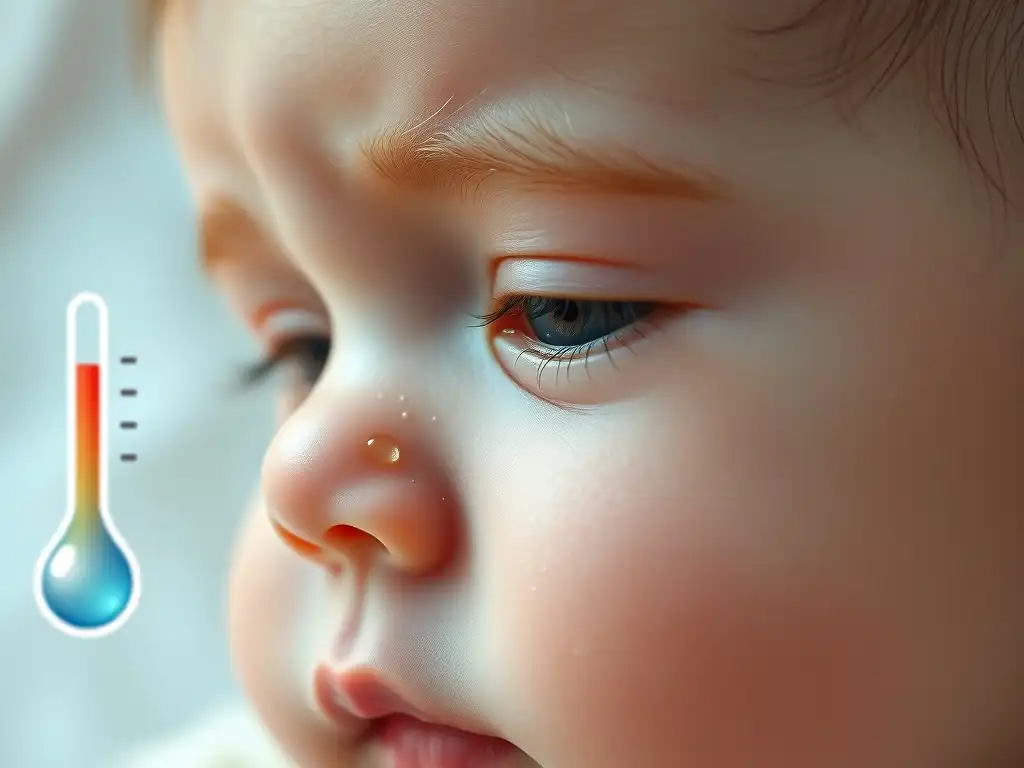
Welcome to BabyCareHub, your ultimate guide to navigating the incredible journey of parenthood! Are you a first-time parent facing the anxieties of a feverish baby? Understanding the subtle signs of baby fever dehydration symptoms is crucial. This comprehensive resource offers step-by-step guidance on recognizing and addressing this critical concern, ensuring your little one's health and well-being. Discover expert advice and practical tips to help you confidently handle this and other challenges – explore our Health & Safety section to learn more.
- Understanding Baby Fever and Dehydration: A Parent's Guide
- Baby Fever and Dehydration Symptoms: Recognizing the Combined Threat
- When to Seek Immediate Medical Attention for Baby Fever and Dehydration
- Treating Baby Fever and Dehydration: Safe and Effective Steps
- Preventing Future Episodes of Baby Fever and Dehydration
- Frequently Asked Questions
- Final Reflection: The Silent Danger of Dehydration in Infants
- Unlock Your Baby's Comfort: Managing Fever and Dehydration
Understanding Baby Fever and Dehydration: A Parent's Guide
Navigating the world of newborn care can be overwhelming for first-time parents. Among the many challenges you'll face, managing your baby's health is paramount. Fever and dehydration are two common concerns that can quickly escalate if not addressed properly.
This comprehensive guide will equip you with the knowledge to recognize the signs of fever and dehydration in your infant, understand their potential severity, and take appropriate action. We'll delve into reliable temperature measurement techniques, explore the subtle yet crucial indicators of dehydration, and provide clear steps to help you manage these situations effectively, ensuring your baby's comfort and well-being. Learning to identify these conditions early is crucial for preventing serious complications and ensuring your little one receives timely and appropriate care.
This guide focuses specifically on helping you understand the symptoms of baby fever and dehydration, empowering you to make informed decisions and seek medical attention when necessary. Remember, while this information is designed to be informative, it is not a substitute for professional medical advice. Always consult your pediatrician or healthcare provider with any concerns about your baby's health.
Recognizing Fever in Infants: Temperature Ranges and Measurement Techniques
Fever in babies is often a sign of the body fighting off an infection. However, a fever itself isn't necessarily harmful; it's the cause of the fever that needs attention. Accurately measuring your baby's temperature is the first step. Several methods exist, each with its own advantages and disadvantages:
- Rectal Temperature: This is generally considered the most accurate method for infants, especially those under three months old. However, it can be uncomfortable for the baby and requires careful technique to avoid injury. A lubricated digital thermometer is recommended. A rectal temperature above 100.4°F (38°C) is generally considered a fever.
- Axillary Temperature (Armpit): This is a less invasive method but slightly less accurate. Place the thermometer under your baby's armpit, ensuring good contact with the skin. Add 0.5-1°F to the reading to approximate the rectal temperature. A temperature above 99.5°F (37.5°C) may indicate a fever.
- Tympanic Temperature (Ear): Ear thermometers are quick and convenient but can be less accurate if not used properly. Ensure the probe is properly inserted into the ear canal.
- Temporal Artery Temperature (Forehead): These thermometers scan the skin across the forehead to measure temperature. They are convenient, but their accuracy can vary depending on factors like the baby's activity level and ambient temperature.
Important Considerations:
- Normal Temperature Range: A baby's normal temperature can vary slightly, but generally falls between 97.9°F (36.6°C) and 99.5°F (37.5°C) rectally.
- Frequency of Measurement: Take your baby's temperature regularly when they have symptoms, following your pediatrician's recommendations.
- Interpreting Results: Always consult your pediatrician to interpret your baby's temperature reading and determine the appropriate course of action. Don't solely rely on a number; consider other symptoms as well.
Dehydration in Babies: Subtle Signs You Shouldn't Ignore
Dehydration in babies can be dangerous and requires prompt attention. Unlike adults, babies can dehydrate quickly, and the signs might be subtle at first. Recognizing these early warning signs is crucial:
- Dry Mouth and Tongue: Check your baby's mouth and tongue. A dry mouth and sticky tongue are strong indicators of dehydration.
- Sunken Eyes and Fontanelles: Observe your baby's eyes and fontanelles (the soft spots on their head). Sunken eyes and sunken fontanelles are serious signs of dehydration.
- Few or No Wet Diapers: Monitor your baby's diaper output. Fewer wet diapers than usual (especially for their age) suggest dehydration.
- Lethargy and Irritability: A dehydrated baby might be unusually lethargic, irritable, or unresponsive.
- Decreased Urination: Pay attention to the color and amount of your baby's urine. Dark yellow or orange urine indicates dehydration.
- Dry Skin: Pinch a small area of your baby's skin. If the skin remains tented (doesn't immediately snap back), it indicates dehydration.
What to do if you suspect dehydration: Contact your pediatrician immediately. Dehydration can be a life-threatening condition in infants, and prompt medical attention is essential. Do not attempt to treat dehydration at home without consulting a doctor. They may advise oral rehydration solutions or other interventions. The earlier you address dehydration, the better the outcome for your baby. 👶
Baby Fever and Dehydration Symptoms: Recognizing the Combined Threat

This section focuses on identifying the key symptoms of fever and dehydration in babies, highlighting the crucial overlap and increased risk when both conditions occur simultaneously. Understanding these individual and combined symptoms is vital for timely intervention and preventing serious complications. Early recognition is key to effective management of baby fever dehydration symptoms.
Identifying Fever Symptoms in Your Baby: Common Fever Symptoms in Infants
Fever, in itself, is a symptom indicating the body's fight against infection. However, in babies, even a slight fever can be cause for concern. It's crucial to distinguish between a true fever and a simple warm feeling. A rectal temperature above 100.4°F (38°C) generally indicates a fever. 1
Here are some common fever symptoms in infants, beyond the elevated temperature:
- Warm to the touch: Feel your baby's skin, particularly on their forehead, chest, and back.
- Restlessness or irritability: A feverish baby may be fussier than usual, crying more easily, and difficult to soothe.
- Lethargy or sleepiness: Conversely, some babies become unusually lethargic and sleepy.
- Poor feeding: A fever can reduce a baby's appetite, leading to decreased feeding and potential dehydration.
- Flushed or red skin: Their skin might appear flushed or redder than normal.
- Vomiting or diarrhea: These can accompany a fever and contribute to dehydration.
It's important to note that not all babies display all these symptoms. Some may exhibit only a few, while others might show a more pronounced set of indicators. Consistent monitoring is essential. Remember to always consult your pediatrician if you are concerned about your baby's temperature or overall well-being. Accurate temperature readings are crucial for effective assessment of baby fever dehydration symptoms.
Recognizing Dehydration Signs: Dehydration Symptoms in Babies
Dehydration in babies is a serious condition that can quickly escalate if left untreated. It occurs when the body loses more fluids than it takes in. This fluid loss can be due to various reasons, including fever, vomiting, diarrhea, or insufficient fluid intake. Recognizing the signs early is critical for preventing severe complications. The combination of fever and dehydration significantly increases the risk of serious illness; recognizing both sets of baby fever dehydration symptoms is therefore vital.
Symptoms of dehydration in babies include:
- Dry mouth and tongue: The mouth and tongue may appear dry or sticky.
- Sunken eyes: The eyes may appear sunken into their sockets.
- No tears when crying: A dehydrated baby may not produce tears when crying.
- Few or no wet diapers: A significant reduction in the number of wet diapers is a strong indicator of dehydration.
- Sunken fontanelle: The soft spot on the top of the baby's head might appear sunken.
- Lethargy or unusual sleepiness: Similar to fever, lethargy is a common sign.
- Rapid breathing or heart rate: The body attempts to compensate for fluid loss.
The severity of dehydration can range from mild to severe. Early intervention is key to preventing serious health consequences. If you suspect your baby is dehydrated, seek medical attention immediately. Prompt treatment is vital, especially when baby fever dehydration symptoms are present together.
Fever and Dehydration Together: Increased Risk and Severity
When fever and dehydration occur simultaneously, the risk of serious complications increases significantly. The fever itself contributes to fluid loss through increased respiration and sweating. Simultaneously, vomiting and diarrhea, often associated with fever, further exacerbate dehydration. This combined effect can lead to:
- Electrolyte imbalance: Fluid loss disrupts the balance of essential electrolytes, potentially leading to seizures or other serious complications.
- Shock: Severe dehydration can lead to shock, a life-threatening condition.
- Increased risk of infection: Dehydration weakens the immune system, making the baby more susceptible to further infections.
- Organ damage: Prolonged dehydration can damage vital organs.
The combination of these baby fever dehydration symptoms necessitates immediate medical attention. Don't hesitate to contact your pediatrician or seek emergency care if your baby exhibits signs of both fever and dehydration. Early intervention is crucial for minimizing the risks and ensuring your baby's recovery. Accurate and timely assessment of both fever and dehydration is absolutely critical for positive outcomes.
1 Note: These are general guidelines. Always consult your pediatrician for specific advice regarding your baby's health.
When to Seek Immediate Medical Attention for Baby Fever and Dehydration
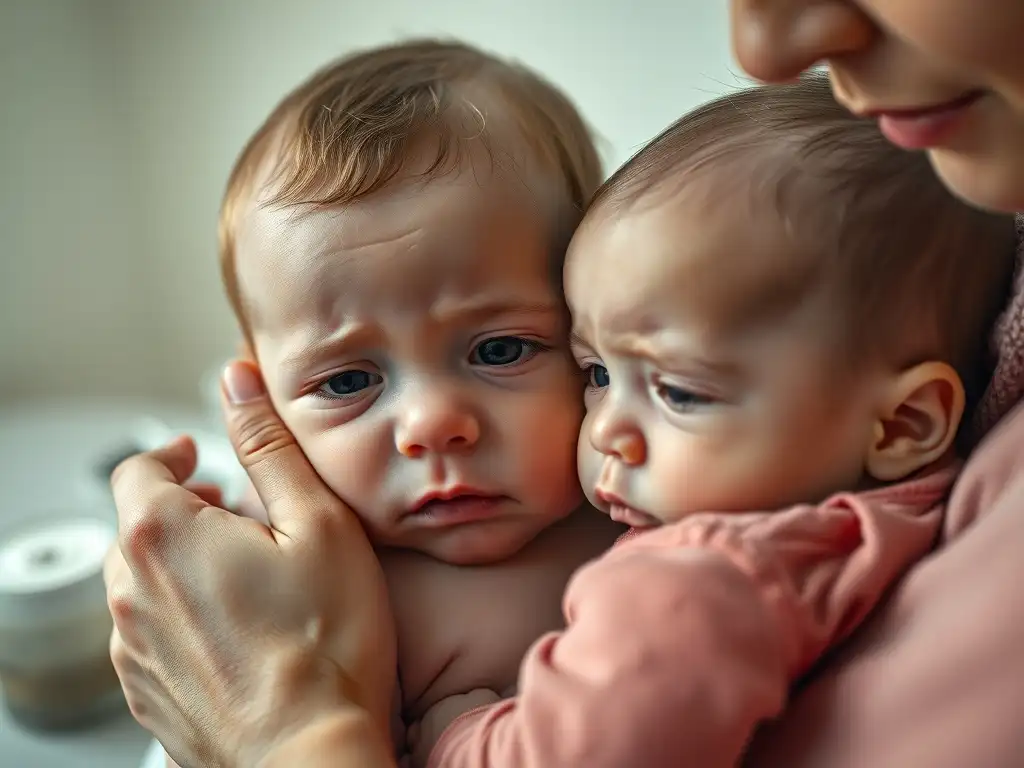
This section focuses on identifying critical situations where immediate medical attention is crucial for your baby experiencing fever and dehydration. Recognizing these emergency signs can significantly impact your baby's health outcome. Knowing when to act decisively is a key skill for every parent. Remember, this information is for guidance only and does not replace professional medical advice. Always consult your pediatrician or a healthcare professional for any concerns regarding your baby's health.
Emergency Situations Requiring Immediate Medical Intervention
Several signs indicate a medical emergency requiring immediate transport to the nearest hospital. These are not situations to wait and observe; immediate action is vital. These include:
- High Fever (above 104°F or 40°C) accompanied by lethargy or seizures: A fever exceeding 104°F, particularly when combined with listlessness or convulsions, represents a serious threat. Your baby needs immediate medical evaluation to determine the underlying cause and receive appropriate treatment. This can be life-threatening. 💔
- Difficulty Breathing or Rapid Breathing (Tachypnea): If your baby is struggling to breathe, exhibiting rapid or labored breathing, or showing signs of respiratory distress (such as flaring nostrils or retractions), seek immediate medical attention. This could indicate a severe underlying condition requiring urgent intervention.
- Dehydration with Sunken Eyes, No Tears, and Dry Mouth: Severe dehydration is a serious condition. If your baby shows signs of significant dehydration, such as sunken eyes, lack of tears when crying, a dry mouth, and significantly decreased urination, seek immediate medical assistance. This is especially critical in infants.
- Loss of Consciousness or Unresponsiveness: Any loss of consciousness in a baby is a serious emergency. Immediately call emergency services and begin CPR if you are trained. Time is of the essence in these situations.
- Blue or Grayish Discoloration of the Skin (Cyanosis): This indicates a lack of oxygen in the blood and is a life-threatening emergency. Call emergency services immediately.
Less Urgent Situations: Monitoring and When to Call Your Doctor
While some situations require immediate attention, others warrant close monitoring and a call to your pediatrician. These situations may not be life-threatening but still require medical evaluation.
- Fever between 100.4°F (38°C) and 104°F (40°C) with other symptoms: A fever in this range, accompanied by other symptoms like irritability, decreased appetite, vomiting, or diarrhea, requires close monitoring and a call to your doctor. They can guide you on appropriate treatment and determine if a visit is necessary.
- Mild Dehydration (slightly decreased urination, slightly dry mouth): If your baby shows signs of mild dehydration, it's crucial to increase fluid intake and closely monitor their condition. Contact your doctor if the dehydration doesn't improve or worsens. You may need guidance on rehydration strategies.
- Persistent Fever (lasting more than 3-5 days): A fever that persists for an extended period requires medical evaluation to rule out underlying infections or other conditions. Don't hesitate to contact your doctor if your baby's fever doesn't respond to home care.
- Fever accompanied by rash: Any rash accompanied by a fever necessitates a call to your pediatrician. Rashes can be indicative of various conditions, and your doctor will need to assess the situation.
Remember, when in doubt, it's always best to err on the side of caution and contact your pediatrician. Early intervention can often prevent serious complications. Trust your instincts as a parent; you know your baby best. Early detection and prompt treatment are key to managing baby fever and dehydration effectively.
Treating Baby Fever and Dehydration: Safe and Effective Steps

This section focuses on practical, safe, and effective steps parents can take to treat fever and dehydration in their babies. Remember, always consult your pediatrician before starting any treatment plan, especially if your baby shows signs of severe dehydration or the fever persists. Early intervention is key in managing these conditions effectively and preventing complications. This information is for educational purposes and should not replace professional medical advice.
Managing Fever at Home: Safe Methods for Reducing Temperature
Managing a baby's fever effectively and safely requires a gentle approach. Avoid using methods that can be harmful or ineffective. Here's a breakdown of safe and proven techniques:
- Tepid Sponging: Using lukewarm water (not cold!) to gently sponge your baby's skin can help lower their temperature. Avoid using alcohol, as it can be absorbed through the skin. Focus on areas with major blood vessels, such as the groin, armpits, and forehead. Monitor your baby's temperature regularly. This method is most effective for mild fevers.
- Lightweight Clothing: Dress your baby in light, breathable clothing. Overdressing can trap heat and worsen the fever. Avoid heavy blankets or swaddling.
- Increased Fluid Intake: Offering frequent small amounts of breast milk or formula is crucial, especially if your baby is showing signs of dehydration. This helps replace fluids lost through sweating and increased urination.
- Cool, Humidified Air: A cool, humidified room can help regulate your baby's temperature and make them more comfortable. Use a humidifier to add moisture to the air, especially in dry climates.
- Monitoring: Regularly monitor your baby's temperature using a reliable thermometer (rectal is generally considered most accurate for infants). Keep a record of their temperature readings to track progress and share with your doctor.
Important Note: Do not use over-the-counter fever reducers like ibuprofen or acetaminophen without consulting your pediatrician. They can be helpful in some cases, but incorrect dosage can be dangerous. Always follow your doctor's instructions precisely.
Rehydration Strategies for Babies: Safe Rehydration Techniques for Infants
Dehydration can be a serious complication of fever, especially in infants. Recognizing the signs of dehydration – decreased urination, dry mouth, sunken eyes, and lethargy – is crucial. Here are safe rehydration strategies:
- Breast Milk or Formula: For babies under 6 months, continue breastfeeding or formula feeding more frequently than usual. This is the best way to provide essential fluids and electrolytes.
- Oral Rehydration Solution (ORS): For babies over 6 months, your doctor may recommend an ORS if dehydration is moderate. ORS is specifically formulated to replenish lost fluids and electrolytes. Never give plain water, juice, or sports drinks as these can worsen dehydration.
- Small, Frequent Feeds: Offer small amounts of fluids frequently rather than large volumes at once. This helps your baby's body absorb the fluids more easily.
- Monitoring: Closely monitor your baby's hydration status. Look for improvements in symptoms like increased urination and improved skin turgor (elasticity). If symptoms don't improve or worsen, seek immediate medical attention.
| Sign of Dehydration | Severity | Action |
|---|---|---|
| Slightly dry mouth | Mild | Increase fluid intake |
| Sunken eyes, decreased urination | Moderate | Consult pediatrician, consider ORS |
| Very dry mouth, no tears, lethargy | Severe | Seek immediate medical attention |
Understanding Electrolytes
Electrolytes like sodium and potassium are essential for maintaining proper fluid balance in the body. ORS provides these crucial electrolytes to help rehydrate your baby effectively.
Preventing Fever and Dehydration: Proactive Measures for Parents
Prevention is always better than cure. Here are some proactive steps parents can take to minimize the risk of fever and dehydration in their babies:
- Hygiene: Practice good hygiene by regularly washing your hands and your baby's hands to reduce the risk of infections.
- Immunizations: Ensure your baby receives all recommended vaccinations to protect them against various illnesses that can cause fever.
- Adequate Fluid Intake: Ensure your baby is getting enough fluids throughout the day, especially during hot weather or if they are sick.
- Healthy Diet: A balanced and nutritious diet supports your baby's immune system and overall health.
- Monitoring: Pay close attention to your baby's overall health and well-being. If you notice any changes, consult your pediatrician promptly.
[👶] Early detection and prompt action are key to effectively managing baby fever and dehydration. Remember, your pediatrician is your best resource for personalized advice and guidance. Always seek professional medical attention if you have any concerns about your baby's health.
Preventing Future Episodes of Baby Fever and Dehydration
Preventing future episodes of baby fever and dehydration requires a proactive approach focusing on maintaining adequate hydration, practicing good hygiene, and closely monitoring your baby's health. Early intervention is key to minimizing the severity and frequency of these potentially serious conditions. This section will delve into practical strategies to help you safeguard your baby's well-being.
Maintaining Adequate Hydration: Tips for Daily Fluid Intake
Adequate hydration is crucial for preventing dehydration, especially in infants. Dehydration can exacerbate a fever and lead to more serious complications. The amount of fluid your baby needs will vary depending on their age, weight, and activity level, but here's a general guideline and some helpful tips:
- Breastfeeding/Formula Feeding: Continue to offer breast milk or formula frequently. These are the primary sources of hydration for infants. Don't restrict feedings, even if your baby seems less hungry than usual during an illness.
- Water: After six months, you can offer small amounts of water in addition to breast milk or formula, especially if your baby is showing signs of dehydration or has a fever. Consult your pediatrician for guidance on appropriate water intake.
- Signs of Dehydration: Pay close attention to your baby's wet diapers. Fewer than usual wet diapers (6-8 for a newborn) can be a significant sign of dehydration. Other signs include dry mouth, sunken eyes, and lethargy. If you notice these signs, seek medical attention immediately.
- Electrolyte Solutions: In cases of severe dehydration, your doctor may recommend an oral electrolyte solution (ORS). Never give your baby ORS without consulting a medical professional. Improper use can be harmful.
Remember, prevention is better than cure. Maintaining consistent and sufficient fluid intake is a cornerstone of preventing dehydration in your baby.
Hygiene Practices to Minimize Infection Risk
Infections are a common cause of fever in babies. Implementing robust hygiene practices significantly reduces the risk of infection and subsequent fever and dehydration.
- Handwashing: Thorough and frequent handwashing is paramount. Wash your hands before and after handling your baby, changing diapers, and preparing food. Use soap and water for at least 20 seconds.
- Sanitizing Surfaces: Regularly clean and disinfect frequently touched surfaces, such as toys, countertops, and doorknobs. Use baby-safe disinfectants.
- Avoiding Exposure: Limit your baby's exposure to sick individuals. If you or someone else in the household is ill, try to minimize contact with your baby as much as possible.
- Vaccination: Ensure your baby receives all recommended vaccinations according to the schedule provided by your pediatrician. Vaccinations significantly reduce the risk of many common childhood illnesses.
| Hygiene Practice | Description | Impact on Fever & Dehydration Prevention |
|---|---|---|
| Handwashing | Frequent handwashing with soap and water | Reduces transmission of germs |
| Surface Sanitization | Regular cleaning and disinfection of surfaces | Minimizes exposure to infectious agents |
| Avoiding Sick Individuals | Limiting contact with people who are ill | Prevents infection |
| Vaccination | Timely administration of recommended vaccines | Protects against numerous illnesses |
Recognizing Early Warning Signs: Monitoring Your Baby's Health
Early detection of fever and dehydration is crucial for effective management. Regular monitoring of your baby's vital signs and overall behavior can help you identify problems early.
- Temperature: Regularly check your baby's temperature using a reliable thermometer (rectal is most accurate for infants). A temperature above 100.4°F (38°C) is generally considered a fever.
- Behavior: Observe your baby's behavior. Is your baby unusually lethargic, irritable, or less interactive than usual? These could be signs of illness.
- Feeding: Is your baby feeding less than usual or refusing to feed? This could indicate illness or dehydration.
- Diaper Output: As mentioned earlier, fewer wet diapers than usual is a key indicator of dehydration.
Trust your instincts. If you have any concerns about your baby's health, even if the symptoms seem minor, contact your pediatrician immediately. Early intervention can prevent serious complications. Don't hesitate to seek professional medical advice. 👶
Remember, consistent vigilance and proactive measures are vital in preventing future episodes of baby fever and dehydration. By implementing these strategies, you can significantly reduce the risk and ensure your baby's health and well-being.
Frequently Asked Questions
What are the common symptoms of fever in babies?
A fever in babies is generally considered a temperature of 100.4°F (38°C) or higher. Common symptoms include warm skin, fussiness, lethargy, and poor feeding. Consult your pediatrician if concerned.
How can I tell if my baby is dehydrated?
Signs of dehydration include dry mouth and tongue, sunken eyes, decreased wet diapers, and lethargy or excessive sleepiness. Less frequent urination is also a key indicator. Seek medical attention immediately if you suspect dehydration.
What is the relationship between fever and dehydration in babies?
Fever can lead to dehydration because a high temperature causes increased fluid loss through sweating and respiration. Frequent fevers necessitate close monitoring of fluid intake to prevent dehydration. Offer fluids frequently.
What fluids should I give my dehydrated baby?
For mild dehydration, offer breast milk or formula more frequently. For babies over 6 months, you can offer small amounts of oral rehydration solution (ORS) as recommended by your pediatrician. Avoid sugary drinks.
When should I take my baby to the doctor for fever and dehydration?
Seek immediate medical attention if your baby is showing signs of severe dehydration, such as sunken fontanelle, no wet diapers for several hours, or extreme lethargy. Also consult your doctor if the fever is persistently high or accompanied by other concerning symptoms.
Final Reflection: The Silent Danger of Dehydration in Infants
Recognizing the subtle signs of dehydration in babies is not just crucial; it's a matter of life and death. A seemingly minor fever can quickly escalate into a dangerous situation if dehydration is not addressed promptly. This article highlighted the often-overlooked symptoms, emphasizing the importance of vigilance and immediate action.
The pervasive fear surrounding infant illness is a powerful motivator for parents, and rightfully so. The vulnerability of a newborn intensifies the anxiety surrounding even seemingly minor ailments. The best thing a parent can do is to be informed and prepared.
This quote, while simple, underscores the power of knowledge in navigating the challenges of parenthood, particularly when dealing with the health of a child. Understanding the nuances of dehydration, as discussed in this article, empowers parents to act decisively and confidently, potentially preventing serious complications.
Now, consider your own experiences. Have you ever witnessed a situation where recognizing the signs of dehydration early made a difference? Take a moment to reflect on the importance of proactive care and the peace of mind that comes with being prepared. Remember, early intervention is key. Familiarize yourself with the symptoms outlined in this article, and don't hesitate to seek medical attention if you have any concerns about your baby's hydration. Your vigilance could save a life.
Unlock Your Baby's Comfort: Managing Fever and Dehydration
Thank you for taking the time to learn about recognizing and addressing fever and dehydration in your baby. We hope this article has provided you with valuable information to better care for your little one. Now let's put that knowledge into practice!
- Prioritize hydration: Carefully monitor your baby's fluid intake and watch for signs of dehydration. Small, frequent sips of fluids are often better than forcing large amounts at once.
- Create a soothing environment: Maintain a comfortable room temperature and use cool compresses to reduce discomfort. A calm and quiet atmosphere can significantly ease your baby's distress.
- Connect with other parents: Share your experiences and questions about managing fever and dehydration in our online community. Learning from others' experiences can be incredibly valuable.
Have you discovered any helpful strategies for comforting your baby during a fever? Please share your experiences below!