
When to Call the Doctor: Urgent Symptoms in Newborns


Welcome to BabyCareHub, your ultimate guide to navigating the incredible journey of parenthood! Are you a first-time parent feeling overwhelmed? We understand. That's why we've created this comprehensive resource, packed with practical advice and expert insights.
But what happens when those adorable yawns turn into something more serious? Learn when to seek immediate medical attention by exploring our essential guide on newborn urgent symptoms doctor – your first step towards ensuring your little one's safety and well-being. Discover the crucial signs that warrant a doctor's visit and gain the confidence to make informed decisions for your baby. Let's get started!
- Understanding Newborn Urgent Symptoms: A Guide for New Parents
-
When to Seek Immediate Medical Attention for Your Newborn
- High Fever in Newborns: What Temperature Requires a Doctor's Visit?
- Respiratory Distress in Newborns: Recognizing Breathing Difficulties
- Changes in Skin Color: Jaundice, Pallor, and Other Concerns
- Poor Feeding and Dehydration in Newborns: Signs and Symptoms
- Excessive Crying and Fussiness: When It's More Than Just Colic
- Lethargy and Lack of Responsiveness in Newborns: A Cause for Concern
- Vomiting and Diarrhea in Newborns: Differentiating Normal from Urgent
- Umbilical Cord Issues: Infection and Other Complications
- Preparing for a Doctor's Visit with Your Newborn: Essential Steps
- Common Newborn Health Concerns vs. Urgent Symptoms: A Quick Reference
- Preventing Urgent Situations: Maintaining Newborn Health
-
Frequently Asked Questions
- What are some urgent symptoms in newborns that require immediate medical attention?
- My newborn has a fever. When should I seek medical help?
- How can I tell if my newborn is having trouble breathing?
- My baby is vomiting frequently. Is this always an emergency?
- What constitutes an "unusual" cry in a newborn that warrants a doctor's visit?
- Final Reflection: The Silent Cries of Newborns: Recognizing Urgent Needs
- Unlock Your Newborn's Health: Take the Next Step
Understanding Newborn Urgent Symptoms: A Guide for New Parents
Becoming a parent for the first time is an incredible journey filled with joy, wonder, and, let's be honest, a healthy dose of anxiety. Navigating the world of newborn care can feel overwhelming, especially when trying to discern between normal newborn behaviors and genuine causes for concern. This comprehensive guide aims to equip new parents with the knowledge to recognize urgent symptoms in their newborns and understand when immediate medical attention is necessary.
We'll explore various serious signs, offering clarity and empowering you to make informed decisions about your baby's health. Understanding when to call the doctor for your newborn is crucial for ensuring their well-being and peace of mind for you.
This guide focuses on identifying early warning signs of newborn illness and provides a framework for determining when a visit to the pediatrician or emergency room is warranted. Remember, it's always better to err on the side of caution when it comes to your baby's health.
Recognizing Serious Signs in Your Newborn Baby
Newborns, with their delicate immune systems and rapidly developing bodies, can exhibit symptoms in ways that differ from older children. It's vital to be attuned to subtle changes and understand which warrant immediate attention. Some serious signs requiring immediate medical intervention include:
- Difficulty Breathing: This includes rapid, shallow breathing (more than 60 breaths per minute), grunting sounds with each breath, nasal flaring (widening of the nostrils), and retractions (sunken areas under the ribs or above the collarbone). These are all signs of respiratory distress and require immediate medical attention.
👶🏻 Don't hesitate: If you observe any of these signs, contact your doctor or seek emergency care immediately. - Fever: A rectal temperature of 100.4°F (38°C) or higher in a newborn is a serious concern. Newborns have difficulty regulating their body temperature, and a fever can indicate a severe infection. The precise temperature at which to seek medical attention may vary slightly depending on your baby's age and overall health, so always contact your pediatrician.
- Lethargy or Unresponsiveness: A newborn who is unusually lethargic, difficult to arouse, or unresponsive is exhibiting a serious symptom. This could indicate a serious underlying condition, such as sepsis (a life-threatening bloodstream infection).
- Persistent Vomiting or Diarrhea: While some vomiting and diarrhea are common in newborns, persistent or forceful vomiting, combined with diarrhea, can lead to dehydration and requires immediate medical attention. Monitor the frequency and consistency of bowel movements and the amount of vomiting.
- Jaundice: While some jaundice is normal in newborns, excessive jaundice (yellowing of the skin and whites of the eyes) that appears early or intensifies rapidly can be a sign of a serious liver problem. This needs immediate assessment by a doctor.
- Changes in Skin Color: A sudden change in skin color, such as paleness, bluish discoloration (cyanosis), or blotchy skin, warrants immediate attention. This can indicate a variety of issues, from poor circulation to serious illness.
- Seizures: Any convulsive movements or jerking of the limbs in a newborn is a medical emergency. Seizures can have many causes, some of which are life-threatening.
- Refusal to Feed: A newborn who persistently refuses to feed can quickly become dehydrated and malnourished. This is a serious warning sign that requires prompt medical attention. Note the frequency and duration of feeding attempts, and the baby’s overall responsiveness during feeding.
Identifying Early Warning Signs of Newborn Illness
Beyond the immediately life-threatening symptoms, several early warning signs might indicate an impending illness and necessitate a call to your pediatrician. These signs might not be emergencies in themselves, but they warrant monitoring and prompt medical advice.
- Excessive Fussiness or Crying: While some crying is normal, excessive, inconsolable crying that doesn't respond to usual soothing techniques could indicate discomfort, pain, or illness. Keep a record of the crying episodes – their duration, frequency, and any apparent triggers.
- Poor Feeding: A newborn who is feeding less frequently or less effectively than usual may be unwell. Track the amount of milk consumed and the baby's overall energy levels during and after feeding.
- Temperature Instability: While a fever is a serious symptom, fluctuations in temperature – either too high or too low – should also be monitored. Consistent monitoring of temperature is vital.
- Changes in Bowel Movements: Significant changes in the frequency, color, or consistency of bowel movements can be indicative of illness. Compare to established patterns and seek advice if there is a significant deviation.
- Rash or Skin Irritation: While many newborn rashes are benign, some may indicate an infection or allergic reaction. Document the appearance of any rash, its location, and any associated symptoms.
Remember, this information is for guidance only. It is not a substitute for professional medical advice. If you are ever concerned about your newborn's health, always contact your pediatrician or seek immediate medical attention. Early intervention is key to ensuring the best possible outcome for your little one. Trust your instincts; if something feels wrong, it's always best to seek professional help.
When to Seek Immediate Medical Attention for Your Newborn

This section focuses on identifying critical newborn symptoms requiring immediate medical attention. Prompt action is crucial for the health and well-being of your baby. Remember, this information is for guidance only and does not replace professional medical advice. Always consult your pediatrician or healthcare provider if you have any concerns about your baby's health. Early intervention can significantly improve outcomes for various newborn health issues. This guide will help you understand when to call the doctor for your newborn, using the keyword "newborn urgent symptoms doctor" and its semantic variations.
High Fever in Newborns: What Temperature Requires a Doctor's Visit?
A high fever in a newborn is a serious concern and warrants immediate medical attention. Unlike older children, newborns have a less developed immune system, making them more vulnerable to infections. A rectal temperature of 100.4°F (38°C) or higher is generally considered a fever in newborns and should prompt a call to your doctor. However, even temperatures slightly below this threshold, accompanied by other symptoms, should be evaluated.
The severity of a fever in a newborn is not solely determined by the temperature reading. Other symptoms like lethargy, poor feeding, irritability, and vomiting can indicate a more serious underlying condition. For example, a temperature of 100°F (37.8°C) coupled with refusal to feed and excessive sleepiness is a cause for significant concern and should be addressed urgently.
It's crucial to accurately measure your baby's temperature using a rectal thermometer for the most accurate reading, especially in newborns. Axillary (armpit) temperatures tend to be less reliable. Keep a record of your baby's temperature readings and any other symptoms you observe. This information will be invaluable when discussing your baby's condition with your doctor. Remember, when in doubt, always err on the side of caution and seek medical advice immediately. Early detection and treatment of infections can prevent serious complications.
Respiratory Distress in Newborns: Recognizing Breathing Difficulties
Respiratory distress in newborns is a life-threatening emergency requiring immediate medical attention. Recognizing the signs of breathing difficulties is crucial for timely intervention. These signs can include:
- Rapid breathing (more than 60 breaths per minute)
- Grunting sounds with each breath
- Nasal flaring (widening of the nostrils)
- Retractions (sunken areas in the chest wall between the ribs or under the collarbone)
- Wheezing or gasping for air
- Cyanosis (bluish discoloration of the skin, especially around the lips and fingertips)
Newborns with respiratory distress may appear lethargic, pale, or have difficulty feeding. These symptoms can indicate various underlying conditions, including pneumonia, respiratory syncytial virus (RSV), or congenital heart defects. Immediate medical attention is essential to prevent respiratory failure. The speed of your response can significantly impact your baby's outcome. Don't hesitate to call emergency services if you observe any of these severe breathing difficulties. Time is of the essence in such cases, therefore swift action is critical.
Changes in Skin Color: Jaundice, Pallor, and Other Concerns
Changes in your newborn's skin color can signify various underlying health issues. Jaundice, characterized by yellowing of the skin and whites of the eyes, is relatively common in newborns but requires monitoring. While physiological jaundice (occurring within the first few days of life) usually resolves on its own, pathological jaundice (appearing earlier or persisting longer) necessitates medical evaluation. This is because it could indicate problems with the liver or blood.
Pallor (unusually pale skin) can be a sign of anemia or other blood disorders, while mottled skin (patchy discoloration) may indicate poor circulation or infection. Any sudden or significant change in your baby's skin color, including bluish discoloration (cyanosis), should prompt immediate medical attention. Detailed observation and accurate reporting of these changes are crucial for your healthcare provider to make an informed diagnosis. Document the timing, location, and appearance of the discoloration to aid in effective communication with your doctor. Remember, prompt medical attention for these newborn urgent symptoms is paramount.
Poor Feeding and Dehydration in Newborns: Signs and Symptoms
Newborns rely heavily on frequent feeding to maintain hydration and energy levels. A significant decrease in feeding or difficulty latching can be a serious warning sign. Poor feeding, often coupled with dehydration, can quickly escalate into a medical emergency if left untreated. Recognizing the subtle signs of both is crucial for timely intervention.
Dehydration in newborns manifests differently than in adults. Instead of intense thirst, you might observe a lack of wet diapers – fewer than six to eight wet diapers in a 24-hour period is a strong indicator. Additionally, watch for sunken eyes, a dry mouth and tongue, and a lack of tears when crying.
The baby's skin may also appear dry and less elastic; gently pinch the skin on the abdomen – if it slowly returns to its normal position, this is a sign of dehydration. If your baby is lethargic or unusually sleepy, this can also be a symptom of dehydration.
Poor feeding can present in various ways. A normally eager feeder might suddenly refuse the breast or bottle, exhibiting signs of discomfort or fatigue. Vomiting, particularly forceful vomiting or vomiting containing bile (a greenish-yellow fluid), warrants immediate medical attention. If your newborn is consistently failing to gain weight or showing signs of weight loss, this is a serious concern and requires professional assessment. The combination of poor feeding and any of the dehydration symptoms mentioned above necessitates an urgent call to your pediatrician. Don't hesitate; early intervention can significantly improve your baby's outcome.
Excessive Crying and Fussiness: When It's More Than Just Colic
While colic is a common cause of excessive crying in infants, it's essential to differentiate between typical fussiness and symptoms that require medical attention. Colic is usually characterized by inconsolable crying spells lasting for several hours, often in the late afternoon or evening. However, persistent, high-pitched crying, or crying accompanied by other symptoms, such as fever, vomiting, diarrhea, or lethargy, demands immediate medical evaluation.
Excessive crying that doesn't follow a predictable pattern, especially if it's accompanied by changes in your baby's behavior, could indicate an underlying medical problem. For example, if your previously calm baby is exhibiting unusually intense and prolonged crying, it's vital to seek medical advice. Similarly, if the crying is accompanied by a fever, changes in bowel movements (diarrhea or constipation), or a refusal to feed, immediate medical intervention is necessary. Remember that even if the crying seems related to colic, the presence of additional symptoms necessitates a doctor's visit.
It's always better to err on the side of caution when your newborn's well-being is concerned. Trust your instincts; if something feels wrong, seek professional help. Ignoring potentially serious symptoms can lead to complications.
Lethargy and Lack of Responsiveness in Newborns: A Cause for Concern
A newborn's typical behavior includes periods of alertness interspersed with sleep. However, excessive sleepiness, lethargy, or a lack of responsiveness to stimuli are potential indicators of serious underlying health issues. These symptoms can manifest in several ways: your baby may be difficult to arouse, may have a weak cry, or may exhibit poor muscle tone. These are all red flags that require immediate medical attention.
Lethargy in newborns should not be confused with normal sleep. While newborns sleep a significant portion of the day, they should still exhibit periods of alertness and responsiveness. A newborn who is consistently unresponsive to stimulation, such as gentle touch or sound, needs immediate evaluation. This lack of responsiveness could be a symptom of various conditions, including sepsis (a life-threatening bloodstream infection), meningitis (inflammation of the membranes surrounding the brain and spinal cord), or other serious illnesses. Additionally, observe your baby's color.
A pale, bluish, or mottled complexion can also indicate a serious problem. Do not delay seeking medical attention if your newborn is exhibiting any of these symptoms. Prompt diagnosis and treatment are essential for the best possible outcome. Early intervention can be life-saving in such situations.
Vomiting and Diarrhea in Newborns: Differentiating Normal from Urgent
Newborns often spit up after feedings, and a small amount of spitting up is usually considered normal. However, forceful vomiting, or vomiting that is green or bloody, is a cause for immediate concern. This can be a sign of a serious underlying issue, such as an intestinal obstruction or infection. Similarly, while a small amount of loose stool might be expected, particularly if the baby is breastfed, diarrhea (frequent, watery stools) in a newborn warrants a call to the pediatrician.
Dehydration is a significant risk with prolonged diarrhea in infants due to their rapid fluid loss. Look for signs of dehydration such as sunken eyes, decreased urination, and dry mouth. The frequency and consistency of both vomiting and diarrhea are key indicators. For example, vomiting more than once an hour, or diarrhea consisting of more than 6-8 watery stools in a 24-hour period should be addressed immediately.
Remember, it's always better to err on the side of caution when it comes to your newborn's health. A simple phone call to your pediatrician can alleviate your worries and ensure your baby receives the appropriate care. Don't hesitate to contact them if you're unsure whether the symptoms are normal or require immediate attention. Early intervention can often make a significant difference in the outcome.
Umbilical Cord Issues: Infection and Other Complications
The umbilical cord stump typically falls off within 1-3 weeks after birth. However, keeping the area clean and dry is crucial to prevent infection. Signs of a potential umbilical cord infection include redness, swelling, pus, or a foul odor emanating from the area. These are serious symptoms and require immediate medical attention.
Delaying treatment could lead to serious complications, including sepsis, a life-threatening bloodstream infection. Beyond infection, other complications can arise. Bleeding from the umbilical cord stump after it has fallen off, or excessive bleeding while it is still attached, should also be reported to your doctor immediately. Similarly, if the stump fails to dry and fall off within the expected timeframe, it is advisable to seek medical advice.
This could indicate an underlying issue requiring professional assessment and treatment. Remember, any unusual discharge, persistent redness, or unusual appearance of the umbilical cord area should prompt a call to your pediatrician. Prompt attention to umbilical cord issues can prevent more serious health problems and ensure the healthy development of your newborn. Don't hesitate; contacting your pediatrician is always the safest course of action.
Preparing for a Doctor's Visit with Your Newborn: Essential Steps

This section focuses on the crucial steps to take before contacting your pediatrician or heading to the hospital with your newborn exhibiting urgent symptoms. Effective preparation can significantly reduce stress and ensure your baby receives the best possible care. Knowing what information to gather and how to communicate it clearly is vital in these potentially stressful situations. This is especially important when dealing with newborn urgent symptoms that require a doctor's immediate attention.
Gathering Information Before Calling or Visiting
Before you call your doctor or rush to the emergency room, gather as much information as possible about your baby's condition. This will help your healthcare provider quickly assess the situation and provide the most appropriate advice. This information should be as detailed and precise as possible. Remember, accurate information is crucial for your newborn's well-being.
- Note the time: When did the symptom(s) begin? Was it sudden or gradual? Precise timing is key for your doctor's assessment.
- Describe the symptom(s): Be as descriptive as possible. Instead of saying "baby is sick," describe the specific symptoms: "My baby has a high-pitched cry," or "My baby's breathing is rapid and shallow," or "My baby has a temperature of 101°F (38.3°C) rectally." Use quantifiable measures whenever possible.
- Track changes: Note any changes in the symptoms over time. Are they getting better, worse, or staying the same? This helps determine the urgency.
- Record feeding and diaper changes: Note the frequency and amounts of your baby's feedings and the number of wet and soiled diapers. This helps assess hydration and overall health.
- Note any other relevant information: Include any other relevant information, such as recent illnesses, exposure to sick individuals, recent vaccinations, or any medications your baby is taking.
- Write it down: Keep a written record of the symptoms, their onset, and their progression. This detailed information will be invaluable when you speak to your doctor. This detailed record helps your doctor understand the situation more comprehensively.
Packing Your Newborn's Bag for an Urgent Visit
Having a well-prepared "go-bag" ready for unexpected trips to the doctor or hospital can significantly reduce stress and ensure you have everything you need for your baby. This is especially important when dealing with newborn urgent symptoms demanding immediate medical attention.
| Item | Quantity | Notes |
|---|---|---|
| Diapers | 4-6 | Different sizes might be needed depending on your baby's size. |
| Wipes | 1 pack | Choose sensitive wipes for your baby's delicate skin. |
| Onesies/Outfits | 2-3 | Easy-to-change clothing is recommended. |
| Blanket | 1 | A soft, lightweight blanket provides comfort and warmth. |
| Pacifier (if used) | 1-2 | Can help soothe your baby during stressful situations. |
| Formula (if applicable) | Enough for several feedings | Check expiration dates and ensure it's properly prepared and stored. |
| Baby's medical records | 1 copy | This includes vaccination records and any relevant health information. |
| Small snacks for you | Enough for a few hours | Don't forget about yourself! |
| Car seat | 1 | Essential for safe transportation. Ensure it's properly installed. |
Communicating Effectively with Your Doctor
Clear and concise communication is essential when discussing your newborn's health with your doctor. Providing accurate and detailed information will help them make the best decisions for your baby's care. Remember, your doctor is there to help, so don't hesitate to ask questions. Effective communication is a crucial part of managing newborn urgent symptoms.
- Be prepared: Have your notes ready, including the timing and description of symptoms, changes over time, feeding and diaper information, and any other relevant details.
- Be calm: While it's natural to be worried, try to stay calm and articulate your concerns clearly. This will help your doctor understand the situation better.
- Ask questions: Don't hesitate to ask questions about your baby's symptoms, treatment options, and potential outcomes. Informed parents are better equipped to care for their newborns.
- Listen carefully: Pay close attention to your doctor's explanations and instructions. Make sure you understand the diagnosis, treatment plan, and follow-up care.
- Follow instructions: Adhere carefully to your doctor's instructions regarding medication, follow-up appointments, and monitoring your baby's condition. This is crucial for your baby's health and recovery. Promptly following your doctor's advice is crucial when managing newborn urgent symptoms. 👶
Remember, early intervention is key when dealing with potential health issues in newborns. Don't hesitate to contact your doctor if you have any concerns, no matter how small they may seem. Your peace of mind and your baby's health are paramount.
Common Newborn Health Concerns vs. Urgent Symptoms: A Quick Reference
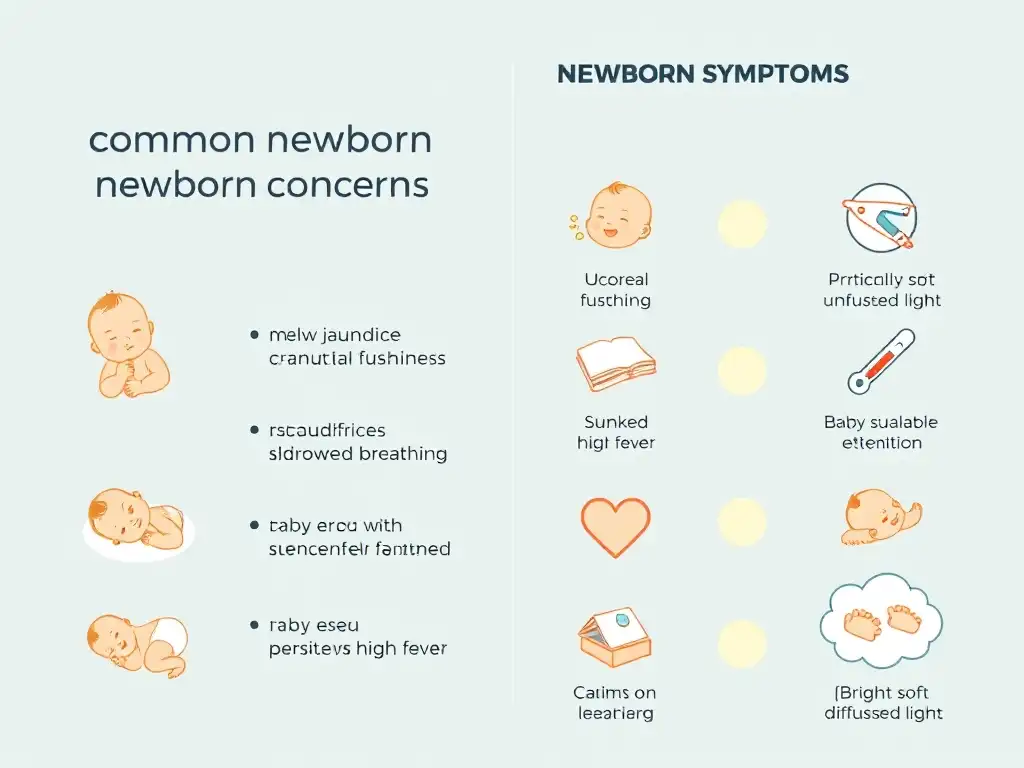
Many new parents experience anxiety about their baby's health. It's natural to worry about every sneeze and cry. However, it's crucial to differentiate between common, self-limiting newborn issues and truly urgent symptoms requiring immediate medical attention. This section helps you navigate this crucial distinction, focusing on identifying newborn urgent symptoms that necessitate a doctor's visit. Remember, this information is for guidance only and does not replace professional medical advice. Always consult your pediatrician or healthcare provider with any concerns about your baby's health.
Distinguishing Between Normal Newborn Behaviors and Urgent Situations
Newborns are unpredictable. They may exhibit behaviors that seem alarming, but are actually normal adjustments to life outside the womb. For example, newborn spit-up is common, especially in bottle-fed babies. Similarly, occasional fussiness, especially in the evenings, is often a phase. However, certain symptoms indicate a more serious problem and require prompt medical attention. Let's clarify the difference:
Normal Newborn Behaviors (Usually No Cause for Alarm):
- Occasional spitting up (unless forceful or projectile)
- Mild jaundice (yellowing of the skin) that resolves within a week or two
- Slight nasal congestion
- Occasional periods of fussiness or crying
- Small, soft spots on the head (fontanelles)
- Diaper rash (unless severe or spreading)
Urgent Newborn Symptoms (Require Immediate Medical Attention):
- Fever: A rectal temperature above 100.4°F (38°C) in a baby younger than 3 months is a serious concern and warrants immediate medical evaluation. This is a key indicator of a potential serious infection.
- Lethargy or unresponsive: If your baby is unusually difficult to rouse, limp, or unresponsive, seek immediate medical help. This could indicate a severe underlying problem.
- Difficulty breathing: Rapid breathing, grunting, flaring nostrils, or retractions (sucking in of the skin between the ribs) are all signs of respiratory distress.
- Persistent vomiting or diarrhea: Dehydration is a significant risk, particularly with forceful vomiting or watery, frequent stools.
- Jaundice that worsens or appears after the first 24 hours: While mild jaundice is common, worsening jaundice or jaundice that develops later can signify a serious liver problem.
- Seizures: Any convulsive movements or jerking are medical emergencies.
- Umbilical cord infection: Pus, redness, swelling, or foul odor from the umbilical cord stump requires immediate attention.
- Poor feeding or weight loss: If your baby is consistently refusing to feed or is losing weight, it could indicate a serious underlying issue.
- Unusual skin discoloration: Any unusual skin discoloration beyond mild jaundice, such as bluish discoloration (cyanosis), should be addressed immediately.
Understanding When to Observe and When to Seek Medical Help
The decision of whether to seek immediate medical attention often involves subjective judgment. Trust your instincts. If something feels "off" about your baby, don't hesitate to contact your pediatrician or go to the emergency room. Consider the following:
| Symptom | Observation | Urgent Medical Attention |
|---|---|---|
| Spitting up | Occasional, small amounts; baby is alert and active | Forceful vomiting, projectile vomiting, persistent vomiting |
| Jaundice | Mild, resolving within a week or two | Worsening jaundice, jaundice appearing after 24 hours |
| Fussiness | Occasional, brief periods | Persistent inconsolable crying, lethargy |
| Breathing | Normal rate, no difficulty | Rapid breathing, grunting, flaring nostrils, retractions |
| Fever | Temperature below 100.4°F (38°C) | Temperature above 100.4°F (38°C) in babies under 3 months |
| Feeding | Normal feeding patterns | Poor feeding, refusal to feed, significant weight loss |
Remember, early intervention is key when dealing with newborn urgent symptoms. Don't delay seeking medical care if you have any concerns. Your baby's health is paramount. A proactive approach can prevent serious complications and ensure your baby thrives. Early detection and treatment of newborn urgent symptoms can significantly improve outcomes. This information empowers you to make informed decisions about your baby's well-being. 👶
Preventing Urgent Situations: Maintaining Newborn Health
This section focuses on proactive measures to minimize the likelihood of your newborn experiencing urgent health issues requiring immediate medical attention. Remember, while this guide helps identify urgent symptoms, prevention is key to ensuring your baby's well-being. Regular checkups, proper hygiene, and a safe home environment are crucial components of newborn care. Understanding these preventative steps can significantly reduce the need for emergency visits. The goal is to cultivate a healthy and thriving environment for your little one, minimizing potential risks and maximizing their chances of a healthy start.
Importance of Regular Newborn Checkups and Vaccinations
Regular checkups with your pediatrician are paramount for monitoring your newborn's growth and development and catching potential problems early. These visits aren't just about weighing and measuring; they're vital opportunities for your doctor to assess your baby's overall health, address any concerns, and provide critical advice. Early detection of subtle issues can prevent them from escalating into urgent situations.
The schedule for these checkups will vary slightly depending on your healthcare provider, but generally, you can expect several visits during the first year. These visits allow the doctor to monitor your baby's:
- Weight and Length: Tracking growth helps identify potential nutritional deficiencies or other underlying problems.
- Developmental Milestones: Assessing progress in areas like motor skills, vision, and hearing ensures early intervention if needed.
- Immunizations: Vaccinations are a cornerstone of preventative healthcare, protecting your baby from serious and potentially life-threatening illnesses. Following the recommended vaccination schedule is crucial for building your baby's immunity. For example, the Hep B vaccine is typically administered shortly after birth, while others, like the rotavirus vaccine, are given later. Your doctor will provide a detailed vaccination plan tailored to your baby's needs.
Remember to always discuss any questions or concerns you may have with your pediatrician. Don't hesitate to ask about specific vaccines, their potential side effects, and the overall vaccination schedule. Proactive communication is essential for a healthy and happy baby.
Promoting Healthy Hygiene Practices for Your Newborn
Maintaining good hygiene is crucial in preventing infections, which can quickly escalate into urgent situations. Newborns have underdeveloped immune systems, making them particularly vulnerable to bacteria and viruses. Diligent hygiene practices minimize this risk.
Here's a breakdown of key hygiene practices:
- Handwashing: This is the single most effective way to prevent the spread of germs. Wash your hands thoroughly with soap and water before and after handling your baby, especially before feeding or changing diapers. Use an alcohol-based hand sanitizer if soap and water aren't readily available.
- Diaper Changing: Change diapers frequently to prevent diaper rash and skin irritation, which can become infected if left untreated. Clean the area thoroughly with warm water and a gentle cleanser. Always dispose of soiled diapers properly.
- Feeding Hygiene: If bottle-feeding, sterilize bottles and nipples properly before each use. If breastfeeding, ensure your breasts are clean before each feeding.
- Umbilical Cord Care: Keep the umbilical cord stump clean and dry until it falls off naturally. Your doctor will provide specific instructions on how to care for the umbilical cord.
- Bathing: Bathing your newborn too frequently can dry out their skin. A couple of times a week is usually sufficient. Use a mild, fragrance-free baby soap and gently pat their skin dry.
Creating a Safe and Healthy Environment for Your Baby
Creating a safe and healthy home environment is a vital preventative measure. This involves minimizing hazards and ensuring your baby's surroundings are conducive to their well-being.
Consider these essential safety measures:
- Safe Sleep: Always place your baby on their back to sleep on a firm, flat surface. Avoid loose bedding, pillows, or toys in the crib. Room sharing (but not bed sharing) is recommended for the first six months.
- Car Seat Safety: Ensure your baby is properly secured in a rear-facing car seat that meets all safety standards. Never leave your baby unattended in a car.
- Household Hazards: Secure any potential hazards, such as electrical cords, sharp objects, and toxic substances, out of your baby's reach. Childproof your home thoroughly.
- Temperature Control: Maintain a comfortable room temperature for your baby, avoiding extreme heat or cold.
- Water Safety: Never leave your baby unattended near water, including bathtubs, sinks, or swimming pools.
By implementing these preventative measures, you significantly reduce the risk of urgent situations and contribute to your newborn's healthy development. Remember, consistent vigilance and proactive care are essential for ensuring your baby's well-being.
Frequently Asked Questions
What are some urgent symptoms in newborns that require immediate medical attention?
Some urgent symptoms include difficulty breathing, bluish skin discoloration, persistent vomiting or diarrhea, refusal to feed, and high-pitched cry or unusual lethargy. Contact your pediatrician immediately if you observe any of these.
My newborn has a fever. When should I seek medical help?
A fever in a newborn (rectal temperature above 100.4°F or 38°C) is always a cause for concern and warrants immediate attention from your doctor. Newborns are particularly vulnerable to infections.
How can I tell if my newborn is having trouble breathing?
Signs of breathing difficulties include rapid or shallow breathing, grunting noises with each breath, nasal flaring, and retractions (sucking in of the skin between the ribs or above the collarbone). Seek immediate medical help if you observe these.
My baby is vomiting frequently. Is this always an emergency?
While some vomiting is normal, persistent or forceful vomiting, especially if accompanied by other symptoms like fever or lethargy, is a cause for concern and requires a doctor's evaluation. Dehydration is a serious risk.
What constitutes an "unusual" cry in a newborn that warrants a doctor's visit?
An "unusual" cry might be high-pitched, weak, or prolonged. If your baby's cry sounds different from normal and you are concerned, it's best to contact your pediatrician to rule out any underlying issues. Trust your instincts as a parent.
Final Reflection: The Silent Cries of Newborns: Recognizing Urgent Needs
The fragility of newborn life demands constant vigilance, and understanding when to seek immediate medical attention is paramount for ensuring their well-being. A seemingly minor symptom can quickly escalate into a serious health crisis, underscoring the critical need for parents and caregivers to be informed and proactive. Early intervention is often the key to successful treatment and a positive outcome.
The emotional rollercoaster of parenthood is amplified tenfold when faced with a sick newborn. The weight of responsibility, coupled with the inherent anxieties surrounding a vulnerable infant, can be overwhelming. The most precious gift we can give our children is the gift of health.
This simple truth underscores the importance of this knowledge, not just for the immediate well-being of the child, but for the peace of mind it provides the parents. The information shared in this article aims to empower caregivers, equipping them with the knowledge to navigate these challenging situations with confidence and make informed decisions.
Now, consider the information presented within this article. Reflect on the symptoms discussed and how they might manifest in your own circumstances. Don't hesitate to seek medical advice if you have any concerns, no matter how small they may seem. Your intuition as a parent is invaluable, and trusting your gut feeling is often the first step towards ensuring your newborn receives the timely care they deserve. Remember, your vigilance is their lifeline.
Unlock Your Newborn's Health: Take the Next Step
Thank you for learning about recognizing urgent symptoms in newborns. You've gained vital knowledge to protect your baby. Now, let's put that knowledge into action.
- Seek immediate medical attention by contacting your pediatrician or going to the nearest emergency room if you notice any concerning symptoms. This is your top priority.
- Share this information with other new parents; you never know who might find it helpful.
- Consider downloading a helpful symptom-tracking app to keep readily available. Being prepared is crucial for peace of mind.
Ready to create a safe and healthy environment for your baby? What steps can you take today to prepare for any unexpected health concerns?