
Creating a SensoryFriendly Environment for Your Baby at Home

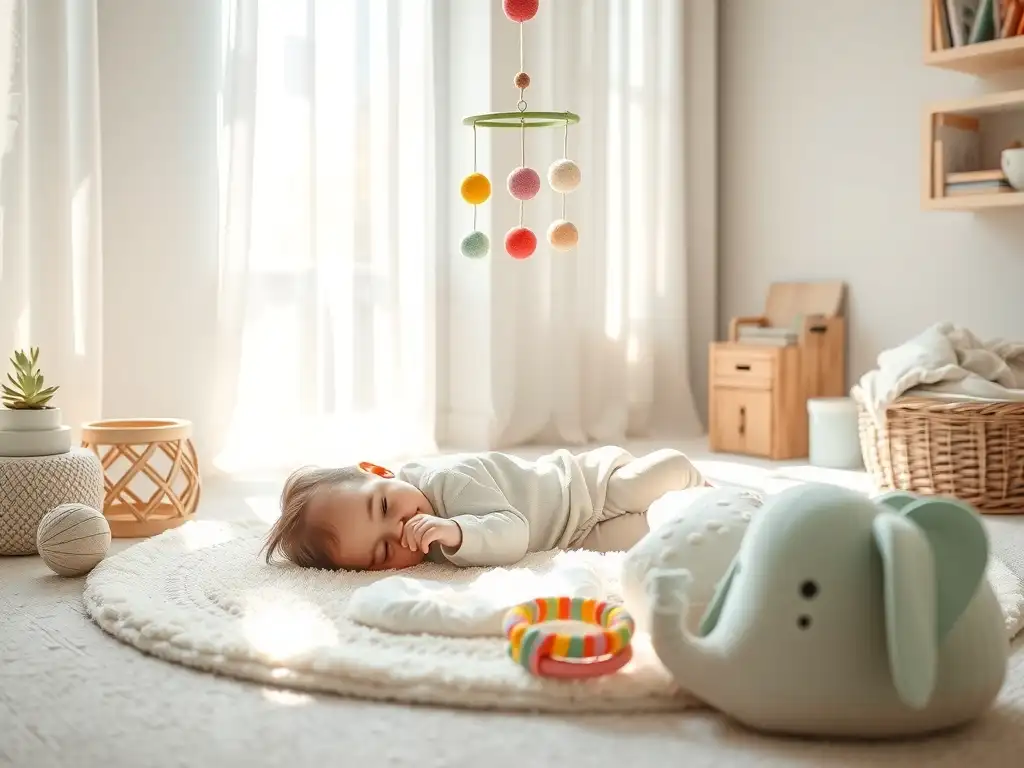
Welcome to BabyCareHub, your ultimate guide to navigating the incredible journey of parenthood! Are you ready to unlock the secrets to a happier, healthier baby? We're diving deep into the world of infant development, and our focus today is on creating the perfect baby sensory room setup.
Discover how a thoughtfully designed environment can stimulate your little one's senses and foster crucial cognitive growth. Learn practical, step-by-step instructions and expert tips to transform your home into a sensory haven – a space designed to nurture your baby's unique needs and abilities. Let's explore the transformative power of sensory play together!
- Understanding Sensory Processing in Babies
- Designing Your Baby's Sensory Haven: Room Setup
- Sensory Activities and Play for Your Baby
- Creating a Safe and Secure Sensory Space
- Adapting Your Baby Sensory Room Setup for Different Needs
- Monitoring Your Baby's Response and Making Adjustments
- Resources and Further Support for Baby Sensory Room Setup
-
Frequently Asked Questions
- What is a sensory room, and why is it beneficial for babies?
- What are some essential elements for a baby sensory room setup?
- How much space do I need for a baby sensory room?
- What safety precautions should I take when setting up a baby sensory room?
- How can I make my baby sensory room setup affordable?
- Final Reflection: Cultivating a World of Wonder for Your Little One
- Unveil Your Baby's Calming Sanctuary: Simple Steps to a Sensory-Friendly Home
Understanding Sensory Processing in Babies
Navigating the world as a newborn is a sensory explosion! From the soft touch of a parent's skin to the bright lights of a room, the cacophony of sounds, and the myriad of smells, a baby's brain is constantly processing a vast amount of information. This article focuses on creating a sensory-friendly environment for your baby at home, specifically addressing the needs of infants who might experience sensory overload or sensitivities.
Understanding how your baby processes sensory input is crucial for their development and well-being, especially for parents concerned about potential developmental delays. We'll explore what sensory overload is, how to recognize signs of sensory sensitivity in your little one, and most importantly, how to design a calming and stimulating sensory environment that supports their healthy development.
This guide offers practical steps for setting up a nurturing space, contributing to your baby's overall happiness and fostering their optimal growth. We’ll cover key aspects of baby sensory room setup, offering valuable insights for parents seeking to create a safe and enriching home environment.
What is Sensory Overload in Infants?
Sensory overload in infants occurs when their brains are overwhelmed by the sheer volume or intensity of sensory input. Imagine the experience from your baby's perspective: bright fluorescent lights, loud noises, strong smells, and constant physical touch can be overwhelming. This isn't necessarily a sign of a problem; all babies experience moments of being overstimulated.
However, some infants are more sensitive to sensory input than others and experience prolonged periods of distress. This can manifest in various ways, from crying and fussiness to withdrawal and difficulty sleeping. The key difference lies in the frequency and intensity of these reactions.
While a brief period of crying after a noisy event is normal, persistent distress or unusual reactions to everyday stimuli might indicate a higher level of sensory sensitivity. Understanding these subtle cues is the first step in providing the necessary support. For example, a baby experiencing sensory overload might exhibit heightened startle reflexes, have difficulty transitioning between activities, or show signs of discomfort even in seemingly benign situations.
Recognizing Signs of Sensory Sensitivity in Your Baby
Recognizing signs of sensory sensitivity in your baby requires attentive observation and a keen understanding of their individual responses. There's no single "checklist" because every baby is unique. However, some common indicators include:
- Over-reactivity to certain stimuli: Does your baby cry excessively in response to loud noises, bright lights, or specific textures? Do they recoil from unexpected touches?
- Under-reactivity to stimuli: Does your baby seem unusually unresponsive to external stimuli? Do they appear less engaged with their surroundings?
- Difficulty with transitions: Do they struggle to shift between activities or environments? For example, moving from a quiet room to a busy one might trigger significant distress.
- Unusual sleep patterns: Is your baby's sleep disrupted by even subtle changes in their environment?
- Feeding challenges: Does your baby have difficulty feeding due to sensitivities to textures or smells?
- Self-stimulatory behaviors: Does your baby engage in repetitive actions like rocking, hand-flapping, or spinning, potentially to self-regulate sensory input?
It's crucial to remember that these behaviors, taken individually, might not necessarily indicate a problem. However, a combination of these signs, coupled with persistent distress, warrants further observation and potentially professional consultation. Early intervention is key.
The Importance of a Calming Sensory Environment
Creating a calming and stimulating sensory environment is paramount for a baby's healthy development, especially for those exhibiting sensory sensitivities. This isn't about creating a sterile, overly quiet space; rather, it's about carefully curating the sensory input to be both predictable and manageable. A well-designed sensory environment provides opportunities for exploration and engagement while minimizing potential triggers for overload. This supportive environment can significantly reduce stress and anxiety, promoting better sleep, improved feeding, and enhanced overall well-being.
The goal is to create a space where your baby feels safe, secure, and able to regulate their sensory experiences. This proactive approach is fundamental to fostering a positive sensory experience and supporting your baby's overall development. We will delve into practical strategies for designing this space in the following sections.
Designing Your Baby's Sensory Haven: Room Setup
This section focuses on the practical aspects of setting up a sensory-friendly environment for your baby at home, specifically addressing the key elements of a successful baby sensory room setup. Remember, the goal is to create a space that is calming, stimulating, and safe for your little one, promoting their development and well-being. A well-designed sensory space can significantly benefit babies, especially those with sensory processing sensitivities or developmental delays.
Choosing the Right Location for Your Baby's Sensory Room
Selecting the right location is paramount for a successful baby sensory room setup. Consider these factors:
- Quiet and Minimally Distracting: The ideal location is a quiet room, away from high-traffic areas of your home. Minimize external noises and visual distractions as much as possible. A spare bedroom or a dedicated corner in a larger room are good options. Avoid rooms near appliances like washing machines or dryers which could generate unpredictable noises.
- Safe and Secure: The room should be baby-proofed to the highest standard. This includes securing furniture, covering electrical outlets, and removing any small objects that could be a choking hazard. Ensure the room is well-ventilated and has a consistent temperature.
- Size and Accessibility: The size of the room should be appropriate for your baby's age and mobility. A smaller space can be easier to manage and control sensory input, but ensure there's enough space for your baby to move around safely. The room should also be easily accessible for you to supervise your baby at all times.
- Natural Light: While we'll discuss lighting in detail later, consider a room with access to natural light, as it can be very beneficial, but always have the option to dim or block it.
Optimizing Lighting for Sensory Sensitivity
Lighting plays a crucial role in creating a calming and stimulating environment. For a baby sensory room setup, lighting should be carefully considered to minimize overstimulation and promote relaxation.
Babies with sensory sensitivities can be easily overwhelmed by bright or flickering lights. Therefore, the following strategies are recommended:
- Soft, Diffused Lighting: Use soft, diffused lighting sources like lamps with low-wattage bulbs or LED strip lights with dimmers. Avoid harsh overhead lighting. Consider using dimmer switches to control the intensity of the lighting.
- Warm-Colored Lighting: Opt for warmer-toned lighting (yellow or orange hues) as these are generally more calming than cooler tones (blue or white).
- Natural Light Control: Utilize curtains or blinds to control the amount of natural light entering the room. This allows you to adjust the lighting according to your baby's needs and preferences.
- Avoid Flickering Lights: Flickering lights can be particularly irritating for babies with sensory sensitivities. Ensure all your lighting sources are stable and do not flicker.
The appropriate lighting for your baby may require experimentation. Observe your baby's reactions to different lighting conditions and adjust accordingly.
Creating a Soothing Soundscape: Noise Reduction and White Noise
Noise reduction and the strategic use of white noise are critical components of a successful baby sensory room setup. Excessive noise can be highly overstimulating for babies, especially those with sensory processing difficulties. Therefore, creating a quiet and predictable soundscape is crucial.
- Noise Reduction Techniques: Start by minimizing external noise sources. This includes closing windows and doors to block out street noise and household sounds. Consider using soundproofing materials, such as rugs or thick curtains, to absorb sound within the room.
- White Noise Machines: White noise machines generate a consistent, low-level sound that can mask other disruptive noises, creating a calming and predictable auditory environment. Experiment with different types of white noise (white noise, pink noise, brown noise) to find what works best for your baby. Ensure the volume is set at a low level, appropriate for your baby's hearing.
- Calming Music: Soft, calming music can also be incorporated into the soundscape. Classical music or nature sounds are often recommended for their soothing effects. However, avoid music with abrupt changes in volume or tempo, which can be overstimulating.
Remember to monitor your baby's response to the soundscape and adjust the volume and type of sound accordingly. A peaceful auditory environment is essential for promoting relaxation and reducing sensory overload. The goal is to create a sanctuary where your baby can thrive.
Texture and Touch: Selecting Appropriate Materials and Fabrics
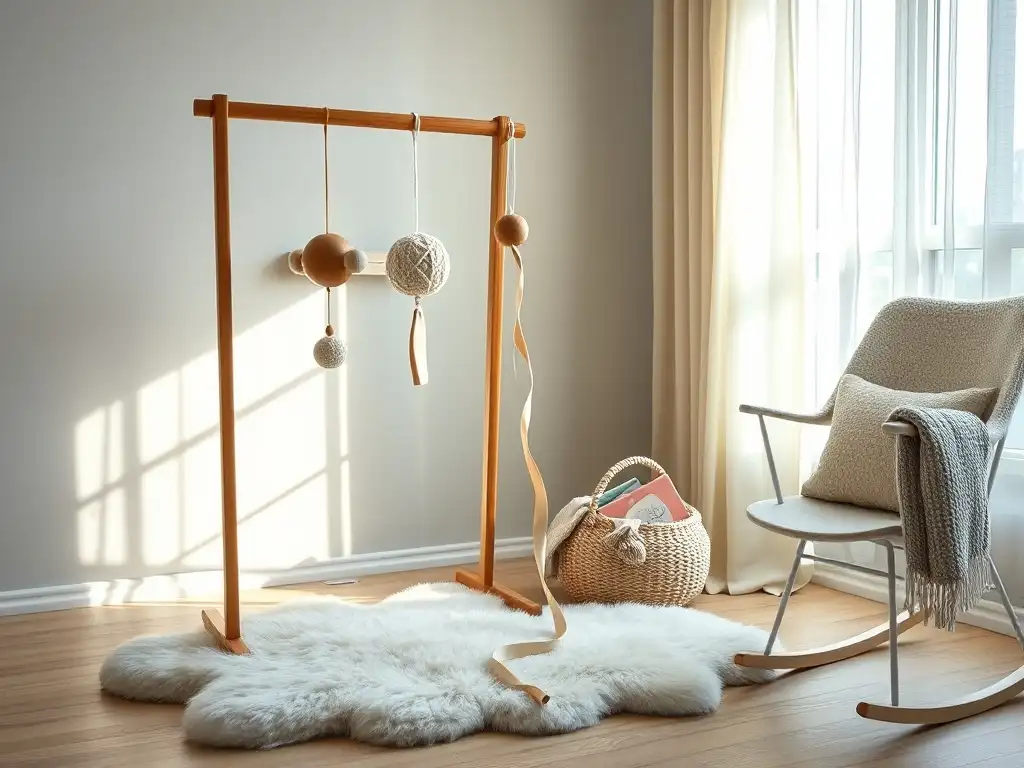
Creating a sensory-rich environment for your baby involves carefully considering the textures they'll encounter. Newborns and infants explore the world through touch, so providing a variety of safe and stimulating textures is crucial for their development. Avoid harsh or irritating materials; instead, opt for soft, natural fabrics like cotton, silk, or wool.
These materials offer a range of tactile experiences, from the smooth coolness of silk to the soft warmth of wool. Consider incorporating different textures into your baby's play area: a soft, plush rug, a textured blanket with various weaves, or even a collection of fabric scraps in different weights and textures for your little one to explore.
Think beyond just fabrics! Introduce soft, smooth wooden toys, or toys made of natural materials like bamboo. These offer a different tactile experience than fabrics, providing a wider range of sensory input. Remember to always supervise your baby during playtime and ensure all materials are safe and non-toxic. Avoid small objects that could be choking hazards. The goal is to stimulate, not endanger.
For babies with tactile sensitivities, introducing textures gradually is key. Start with softer, smoother textures and slowly introduce more stimulating ones as your baby becomes more comfortable. Observe your baby's reactions closely and adjust accordingly. A carefully curated selection of textures can significantly contribute to a positive sensory experience for your little one, promoting healthy development and emotional well-being. Remember to regularly wash and clean these materials to maintain hygiene and prevent the buildup of allergens or irritants.
Visual Stimulation: Engaging but Not Overwhelming Visuals
Visual stimulation is another critical component of a sensory-friendly environment for your baby. However, it's important to strike a balance – too much visual stimulation can be overwhelming, leading to sensory overload and distress. The key is to create a visually appealing space that is calming and engaging without being chaotic. Avoid bright, flashing lights or overly busy patterns. Instead, opt for soft, muted colors and simple, clear visuals. Think pastel shades, gentle patterns, and mobiles with slow, predictable movements.
Consider incorporating elements like a mobile featuring black and white high-contrast patterns, which are particularly stimulating for newborns. As your baby grows, you can introduce more complex patterns and colors. However, always prioritize simplicity and avoid overcrowding the space with visual stimuli. A few well-chosen elements are far more effective than a multitude of distracting items.
Remember to position visual stimuli at an appropriate distance from your baby, allowing them to comfortably engage with the visuals without feeling overwhelmed. You can also incorporate natural light, which is generally soothing and calming. However, avoid direct sunlight, which can be harsh and potentially harmful to your baby's eyes.
Regularly rotate visual elements to keep your baby engaged and prevent boredom. This will ensure that your baby's sensory experience remains stimulating and enjoyable, promoting healthy visual development. A calm and thoughtfully designed visual environment is a crucial part of creating a sensory haven for your baby.
Sensory Activities and Play for Your Baby
This section focuses on creating engaging sensory experiences for your baby at home, contributing to their healthy development. Remember, a sensory-rich environment doesn't require expensive equipment; simple, everyday items can be just as effective in stimulating your little one's senses. We will explore age-appropriate activities to maximize your baby's sensory exploration and learning. The goal is to foster a positive and stimulating environment that supports optimal development, addressing the needs of babies in the "baby sensory room setup" context.
Age-Appropriate Sensory Toys and Activities: 0-3 Months
Newborns have limited motor skills, so sensory experiences at this stage should focus on stimulating their vision, hearing, and touch. Keep activities simple and short, respecting your baby's attention span.
- Visual Stimulation: High-contrast patterns are captivating for newborns. Think black and white mobiles, or even simple patterns created with household items like dark and light-colored fabric squares. Moving objects also grab their attention; try gently swinging a soft toy in front of them. Remember to keep objects within 8-12 inches of their face.
- Auditory Stimulation: Soft, calming music, gentle singing, and talking to your baby are excellent ways to stimulate their hearing. Rattles with soft sounds are also appropriate. Avoid loud noises that could be jarring.
- Tactile Exploration: Different textures are crucial. Offer your baby soft blankets, textured cloths, or even a clean washcloth to explore. Skin-to-skin contact provides significant tactile stimulation and strengthens your bond.
The key at this age is to keep it simple and focus on creating a calm, predictable environment. Over-stimulation can be detrimental. Observe your baby's cues; if they seem overwhelmed, reduce the stimulation and give them a break. Remember, consistency is key in creating a nurturing sensory experience for your baby. This early sensory engagement is a crucial element in their "baby sensory room setup".
Age-Appropriate Sensory Toys and Activities: 3-6 Months
At this age, babies become more mobile and interactive, enabling more complex sensory play. Their grasping reflex improves, and they begin to reach for and explore objects.
- Visual Exploration: Introduce brightly colored toys, textured balls, and simple stacking toys. Mirrors are also fascinating, providing self-discovery opportunities. Remember to always supervise your baby during mirror play.
- Auditory Play: Continue with music and singing, but introduce toys that make sounds, like soft rattles or crinkle toys. These toys help develop hand-eye coordination and auditory processing.
- Tactile and Oral Exploration: Offer a variety of textured toys – soft, hard, bumpy, smooth. Ensure all toys are safe for mouthing and made of non-toxic materials. Introduce teethers to soothe teething discomfort. This stage is crucial for oral sensory development.
During this period, babies' exploration becomes more active. Provide a safe space for them to move around, but always supervise to prevent accidents. This active exploration is a fundamental component of a successful "baby sensory room setup".
Age-Appropriate Sensory Toys and Activities: 6-12 Months
By now, your baby is likely crawling, sitting, or even pulling themselves up. This increased mobility allows for even more sophisticated sensory play.
- Cause and Effect Toys: Introduce toys that respond to your baby's actions, such as stacking cups, shape sorters, or toys that make sounds when pressed or shaken. These toys are excellent for developing problem-solving skills and hand-eye coordination.
- Fine Motor Skills Activities: Provide toys that encourage fine motor skill development, such as finger puppets, textured blocks, and small, safe objects for grasping and manipulating.
- Sensory Bins: Create simple sensory bins filled with safe materials like dried beans, rice, or pasta (always supervise to prevent choking hazards). These bins offer opportunities for tactile exploration and fine motor skill practice. Remember to choose items appropriate for your baby’s age and always supervise.
At this stage, focus on expanding your baby's sensory experiences while ensuring a safe and stimulating environment. The development of their fine motor skills is a vital part of their growth and a well-designed "baby sensory room setup" can significantly contribute to this. Remember to always prioritize safety and supervise your baby during all play sessions.
Incorporating Sensory Play into Daily Routines
Incorporating sensory play into your baby's daily routine doesn't require elaborate setups or expensive toys. Simple, everyday activities can be transformed into enriching sensory experiences. Think of bath time, for example.
Instead of just a quick wash, make it a sensory adventure! Use warm water, different textured washcloths (think soft cotton versus a slightly textured sponge), and add a few drops of unscented baby-safe essential oils like lavender for a calming effect. The warmth of the water, the textures of the washcloths, and the subtle aroma create a multi-sensory experience that is both soothing and stimulating for your little one.
Mealtimes also present fantastic opportunities. Offer a variety of textures in your baby's purees or finger foods. Introduce different temperatures – slightly chilled or warmed – to add another dimension to the experience. The visual appeal of brightly colored foods, alongside the tastes and textures, further enhances sensory exploration. Remember to always prioritize safety, ensuring that all foods are age-appropriate and cut into small, manageable pieces to prevent choking hazards. This mindful approach transforms routine tasks into valuable sensory play sessions.
Even diaper changes can be a sensory experience! Use different textured wipes or cloths, allowing your baby to feel the softness or slight roughness against their skin. Speak softly and engage in gentle touch, making the experience positive and comforting. This simple act becomes an opportunity for bonding and sensory exploration.
The key is to be mindful and intentional, transforming everyday routines into moments of sensory engagement. Remember to observe your baby's reactions and adapt the activities to their preferences and developmental stage. A positive and responsive approach will ensure your baby enjoys these sensory experiences. Remember to always supervise your baby during all sensory activities.
Creating a Safe and Secure Sensory Space
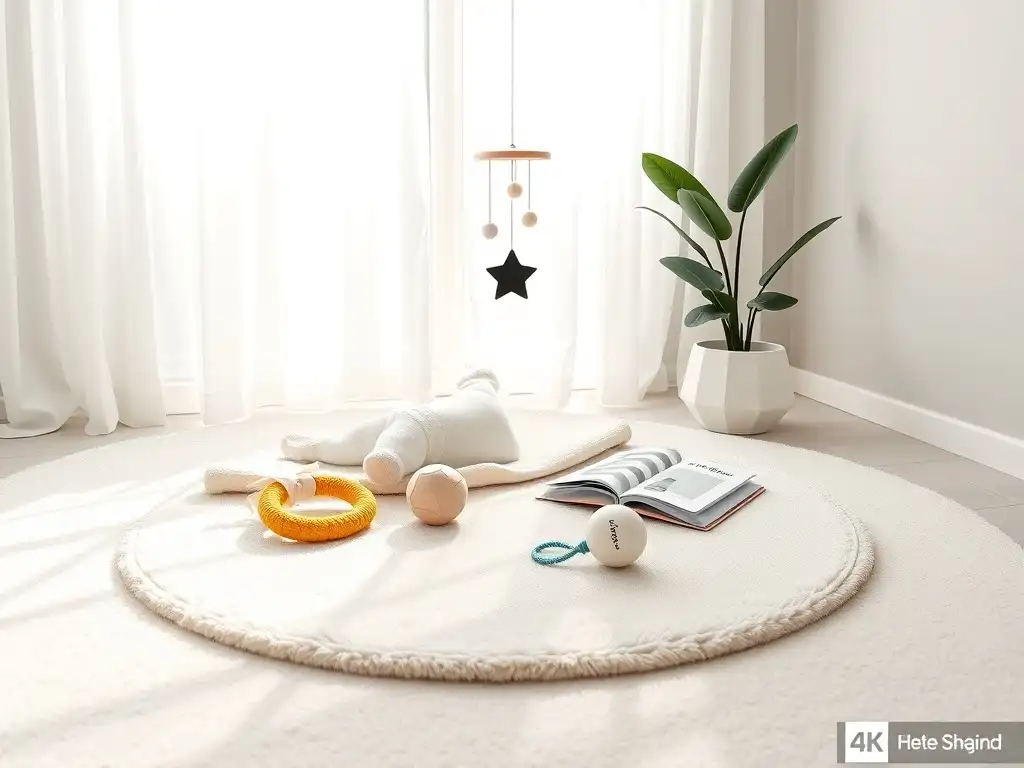
Creating a sensory-rich environment for your baby is crucial for their development, but safety must always be the top priority. A stimulating space shouldn't be a hazardous one. This section focuses on establishing a safe and secure sensory space, minimizing risks, and promoting a healthy developmental journey for your little one. Remember, a baby sensory room setup should prioritize safety above all else. We'll cover key aspects to ensure your baby's well-being while enjoying sensory exploration.
Baby-Proofing Your Sensory Environment: Safety First
Before introducing any sensory materials, thoroughly baby-proof the designated area. This goes beyond standard baby-proofing; we're focusing on the specifics of a sensory environment. Consider the following:
- Secure furniture: Ensure all shelves, storage units, and other furniture are securely anchored to the walls. A tipping piece of furniture could cause serious injury.
- Electrical outlets: Cover all exposed electrical outlets with safety covers that are difficult for little hands to remove. This is paramount to prevent electric shocks.
- Cords and cables: Tuck away all cords and cables from electrical devices, toys, and lighting. These present a strangulation risk.
- Small objects: Remove any small objects that could be swallowed or pose a choking hazard. This includes buttons, beads, or small toys not specifically designed for babies.
- Sharp corners and edges: Use corner and edge protectors to cushion sharp edges on furniture and tables. This will minimize the risk of bumps and bruises.
- Suffocation hazards: Remove any loose blankets, pillows, or toys that could cover your baby's face and cause suffocation. Always supervise your baby closely during sensory play.
- Floor covering: Choose soft, padded flooring such as rugs or mats to cushion falls and provide a comfortable surface for crawling and playing. Consider impact-absorbing mats specifically designed for play areas.
Choosing Non-Toxic and Safe Materials
Selecting non-toxic and safe materials is critical when designing a baby sensory room setup. Babies explore the world through their mouths and hands, so the materials you choose must be free of harmful chemicals.
- Natural materials: Prioritize natural materials like wood, cotton, and wool whenever possible. These materials are generally less likely to contain harmful chemicals.
- Organic fabrics: Opt for organic cotton or other organic fabrics for textiles, such as blankets or sensory toys. Look for certifications like GOTS (Global Organic Textile Standard) to ensure quality and safety.
- Paints and finishes: Use non-toxic paints and finishes on any wooden furniture or sensory toys. Water-based paints are usually safer than oil-based paints. Always check the manufacturer's label for safety information.
- Plastics: If using plastic toys or containers, choose those made from BPA-free and phthalate-free plastics. These are less likely to leach harmful chemicals.
- Regular inspection: Regularly inspect all toys and materials for any signs of damage or wear and tear. Discard any items that are damaged or show signs of deterioration. This proactive approach is vital for maintaining the safety of your baby sensory room.
Maintaining a Clean and Hygienic Sensory Space
Maintaining a clean and hygienic sensory space is essential to prevent the spread of germs and bacteria. Babies are particularly vulnerable to infections, so hygiene should be a top priority in your baby sensory room setup.
- Regular cleaning: Regularly clean all surfaces and toys with a mild, non-toxic cleaning solution. Avoid harsh chemicals that could harm your baby.
- Laundry: Regularly wash all fabrics, including blankets, cushions, and sensory toys, according to the manufacturer's instructions. Use a hypoallergenic detergent to minimize the risk of skin irritation.
- Disinfection: Consider using a natural disinfectant, such as diluted tea tree oil or white vinegar, to disinfect surfaces periodically. Always test a small area first to ensure it doesn't damage the materials.
- Ventilation: Ensure adequate ventilation in the room to prevent the buildup of dust and mold. Open windows whenever possible to allow fresh air to circulate.
- Toy rotation: Rotate toys regularly to keep the sensory experience fresh and engaging, and to allow for thorough cleaning of all items. This will also help prevent boredom.
By following these guidelines, you can create a safe, stimulating, and hygienic sensory environment that supports your baby's development while prioritizing their well-being. Remember, consistent attention to safety and hygiene is crucial in creating a positive and enriching sensory experience for your little one.
Adapting Your Baby Sensory Room Setup for Different Needs
Creating a sensory-friendly environment for your baby is a wonderful way to support their development, but the ideal setup will vary significantly depending on your baby's individual needs and potential developmental delays. A truly effective baby sensory room setup considers the unique sensory profile of each child. This section explores how to adapt your approach based on specific needs.
Addressing Specific Sensory Sensitivities: Visual, Auditory, Tactile
Babies can exhibit varying degrees of sensitivity to visual, auditory, and tactile stimuli. Some might be overstimulated by bright lights or loud noises, while others might seek out more intense sensory input. Understanding these differences is crucial for creating a nurturing space.
For babies with visual sensitivities, avoid overly bright lights and flashing patterns. Opt for soft, diffused lighting, perhaps using dimmable lamps or nightlights with warm-toned light. Consider incorporating calming visuals like mobiles with slow-moving elements or nature-themed wall decals in muted colours. Remember to minimize clutter to prevent visual overload. A simple, uncluttered space can be incredibly beneficial.
Babies sensitive to auditory stimuli benefit from a quiet environment. Minimize background noise by using sound-absorbing materials like rugs and curtains. When introducing sounds, opt for calming, low-volume options like nature sounds or lullabies. Avoid sudden, loud noises that could startle or distress your baby. Regular white noise machines can be helpful for masking distracting sounds.
For babies with tactile sensitivities, the texture of materials is paramount. Use soft, smooth fabrics for blankets and toys. Introduce textured items gradually, ensuring they are comfortable to the touch. Avoid scratchy or rough materials. Experiment with different textures – soft fleece, smooth silk, or even slightly bumpy materials like corduroy – to see what your baby responds to best. Observe their reactions carefully and remove anything that causes distress.
Modifying the Environment for Babies with Developmental Delays
Babies with developmental delays may require more significant modifications to their sensory environment. For example, a baby with hypotonia (low muscle tone) might benefit from a space with firm, supportive surfaces to aid in postural control. Similarly, a baby with hypertonia (high muscle tone) might need softer, more yielding surfaces to reduce muscle tension.
The amount and type of sensory input should be tailored to the baby's specific needs and abilities. For a baby with limited mobility, focus on creating a safe and stimulating space within their reach, avoiding overwhelming them with a large number of items. Regular assessment by a developmental pediatrician or therapist is crucial for guiding these modifications. Remember that consistency is key; a predictable and stable environment can provide a sense of security for babies with developmental delays. Consider a schedule of activities that are introduced gradually and predictably.
The use of specialized equipment, such as weighted blankets (under professional guidance) or adaptive toys designed to enhance specific skills, can also be incredibly beneficial. Always consult with your child's therapist to determine the appropriateness and effectiveness of these tools. The goal is to create an environment that promotes engagement and progress, not one that is overly stimulating or frustrating.
Working with Therapists to Optimize Your Baby's Sensory Experience
Collaboration with occupational therapists, physical therapists, or other relevant specialists is essential for creating an effective baby sensory room setup. These professionals can conduct thorough assessments to identify your baby's specific sensory needs and preferences. They can then guide you in designing a sensory-rich yet appropriately stimulating environment that promotes development and well-being.
Therapists can provide personalized recommendations for equipment, activities, and modifications to your home environment. They can also teach you strategies for interacting with your baby in a way that supports their sensory processing. Regular follow-up sessions allow for adjustments to the sensory environment as your baby grows and develops. This collaborative approach ensures that the sensory room remains a supportive and effective tool throughout your baby's journey. Remember, the ultimate aim is to create a space where your baby feels safe, comfortable, and able to thrive.
Monitoring Your Baby's Response and Making Adjustments

Creating a sensory-friendly environment for your baby is an iterative process. It's crucial to regularly observe your baby's reactions and make adjustments to optimize their comfort and development. This isn't a one-size-fits-all approach; what works wonders for one infant might overwhelm another. Consistent monitoring is key to a successful baby sensory room setup.
Observing Your Baby's Reactions to Sensory Input
Pay close attention to your baby's nonverbal cues. These are often more telling than any verbal communication, especially in younger infants. Look for signs of overstimulation or understimulation.
Overstimulation might manifest as:
- Fussiness or crying
- Increased muscle tension, such as clenched fists or arched back
- Turning away from stimuli
- Difficulty settling down
- Rapid breathing or changes in heart rate (if you are monitoring these)
Understimulation, on the other hand, might show as:
- Lethargy or lack of engagement
- Passive gaze or blank stare
- Lack of interest in toys or activities
- Difficulty focusing attention
- Excessive sleepiness or prolonged periods of inactivity
Keep a detailed journal or log. Note the time of day, the specific sensory input (e.g., type of light, texture of toy, sound played), and your baby's response. This log will become invaluable in identifying patterns and understanding your baby's sensory preferences. For example, you might discover that your baby thrives with soft, muted lighting in the morning but prefers brighter, more stimulating lights in the afternoon. This kind of data is crucial for refining your baby sensory room setup. Consider using a simple table to track this information:
| Date | Time | Sensory Input | Baby's Response | Notes |
|---|---|---|---|---|
| 2024-10-27 | 9:00 AM | Soft music, dim lights | Relaxed, smiling, engaged with mobile | Seems to prefer calmer mornings |
| 2024-10-27 | 2:00 PM | Bright mobile, sounds | Fussy, turning away, crying | Afternoon seems to be more stimulating |
| 2024-10-28 | 10:00 AM | Textured blanket | Grabbing, exploring, calm | Enjoys tactile exploration |
Remember, every baby is unique. What one baby finds calming, another might find disturbing. The key is to observe, record, and adapt your approach accordingly.
Adjusting the Environment Based on Your Baby's Preferences
Once you've identified your baby's responses to different sensory inputs, you can begin to tailor their environment to their preferences. This might involve:
- Lighting: Adjusting the brightness and color temperature of lights. Using dimmer switches or lamps instead of harsh overhead lighting. Experimenting with different types of light, such as natural light versus artificial light.
- Sound: Minimizing loud or jarring noises. Using white noise machines or calming music to create a soothing atmosphere. Introducing sounds gradually, observing your baby’s reactions carefully.
- Texture: Providing a variety of textures for your baby to explore, such as soft blankets, textured toys, and different fabrics. Observe which textures your baby prefers and incorporates more of those.
- Temperature: Maintaining a comfortable room temperature. Babies can be sensitive to changes in temperature, so maintaining consistency is important.
- Movement: Introducing gentle rocking or swaying motions if your baby enjoys them. Avoiding overly stimulating movements if your baby becomes distressed.
The goal is to create a space that is both stimulating and calming, a balance that supports your baby's development and well-being. Remember, this is a process of continuous refinement and adjustment based on your baby’s individual needs and preferences. This iterative process, carefully observing and adjusting your baby sensory room setup, will pay dividends in your baby's happiness and development.
Seeking Professional Guidance When Needed
While creating a sensory-friendly environment at home is often beneficial, it's important to seek professional guidance if you have concerns about your baby's sensory processing. If you notice persistent difficulties, unusual reactions, or significant delays in development, consult with a pediatrician, occupational therapist, or other relevant specialist. They can provide a more comprehensive assessment and recommend tailored strategies for supporting your baby's needs.
Early intervention is key, and professional help can provide valuable support and guidance in creating the optimal baby sensory room setup and ensuring your baby's healthy development. Don't hesitate to reach out for professional support; it's a sign of proactive parenting, not a sign of failure. Early intervention can make a significant difference.
Resources and Further Support for Baby Sensory Room Setup
Creating a sensory-friendly environment for your baby is a rewarding journey, but it's also important to remember that you're not alone. Many resources are available to support you in setting up and maintaining a stimulating and safe space for your little one. This section focuses on providing practical resources to enhance your baby's sensory development. We will explore product recommendations, online communities, and professional support to assist you in your "baby sensory room setup."
Recommended Products for Sensory Play
Choosing the right products for sensory play is crucial for your baby's development and safety. Remember, the goal is to provide engaging experiences that are age-appropriate and safe. Here's a breakdown of recommended product categories and examples:
- Soft Textures:
- Soft blankets and plush toys: Look for items made from various soft materials like cotton, fleece, and silk to encourage tactile exploration. Consider different textures like smooth, fuzzy, and bumpy. Pay close attention to safety labels and ensure materials are non-toxic and suitable for babies.
- Fabric books: These interactive books often feature different textures and materials, providing a stimulating sensory experience.
- Visual Stimulation:
- Black and white mobiles: High-contrast patterns are particularly engaging for newborns. Choose mobiles with safe, sturdy construction and easy-to-clean materials.
- Soft light projectors: These can project calming images and patterns onto the ceiling or walls, creating a soothing and visually appealing atmosphere. Always supervise your baby during use.
- Auditory Stimulation:
- Baby-safe musical instruments: Consider rattles, soft shakers, or xylophones made from safe and durable materials. Ensure they are age-appropriate and that small parts are securely attached.
- White noise machine: These can help create a calming and consistent auditory environment, which can be especially beneficial for babies with sensory sensitivities.
- Other Sensory Aids:
- Teethers with various textures: Choose teethers with different shapes, sizes, and textures to stimulate the gums and mouth.
- Water play mats: These provide a calming and engaging sensory experience for babies. Always supervise your baby during water play.
Remember to always prioritize safety when selecting sensory play products. Choose products that meet safety standards and are made from non-toxic materials. Regularly inspect toys and equipment for any damage and discard or repair as needed. Supervise your child during all sensory play activities.
Online Resources and Communities for Parents
Connecting with other parents facing similar challenges can provide invaluable support and practical advice. Several online platforms offer communities and resources dedicated to sensory development and parenting babies with special needs. These online communities are a great way to share tips, ask questions, and find encouragement. You can search for groups focused on "baby sensory room setup" or "sensory processing disorder in infants."
Look for groups that are moderated and offer a supportive environment. Remember to always be cautious about the information you find online and consult with healthcare professionals for any concerns about your baby's development. Remember to verify information found online with your pediatrician or other healthcare providers. Always prioritize evidence-based information and advice from qualified professionals.
Finding Sensory Integration Therapists Near You
If you have concerns about your baby's sensory development or suspect a sensory processing disorder, consulting a sensory integration therapist is highly recommended. These professionals are trained to assess and address sensory challenges in children. To locate a sensory integration therapist near you, you can:
- Consult your pediatrician or family doctor: They can provide referrals to qualified therapists in your area.
- Search online directories: Many professional organizations maintain online directories of therapists specializing in sensory integration.
- Contact local hospitals and clinics: Many hospitals and clinics offer services for children with developmental delays, including sensory integration therapy.
Early intervention is crucial for addressing sensory processing challenges. Don't hesitate to seek professional help if you have any concerns about your baby's sensory development. A thorough assessment by a qualified therapist can help identify specific needs and create a personalized plan to support your baby's growth and development. Remember, seeking professional help is a sign of proactive parenting, and it can make a significant difference in your child’s life.
Frequently Asked Questions
What is a sensory room, and why is it beneficial for babies?
A sensory room is a specially designed space that stimulates a baby's senses (sight, sound, touch, smell, taste) through various interactive elements. It's beneficial for calming overstimulated babies, promoting sensory development, and fostering cognitive growth.
What are some essential elements for a baby sensory room setup?
Essential elements include soft lighting, textured materials, mirrors, mobiles with contrasting colors, soft music or nature sounds, and safe, age-appropriate toys. Consider your baby's individual preferences when choosing items.
How much space do I need for a baby sensory room?
You don't need a large space! Even a dedicated corner of a room can work. Focus on creating a calming and stimulating environment rather than the size. A small, well-organized area is more effective than a large, cluttered one.
What safety precautions should I take when setting up a baby sensory room?
Prioritize safety above all else. Ensure all items are age-appropriate, securely fastened, and free from small parts that could be choking hazards. Supervise your baby at all times within the sensory room.
How can I make my baby sensory room setup affordable?
Many sensory room elements can be created using DIY methods and inexpensive materials. Repurpose household items, use natural materials, and focus on a few key elements rather than buying everything at once. Creativity and resourcefulness are key!
Final Reflection: Cultivating a World of Wonder for Your Little One
Creating a sensory-friendly home environment for your baby isn't just a trend; it's a fundamental step in fostering healthy neurological development and a deep connection with the world. The impact of carefully curated sensory experiences during infancy is profound and lasting, shaping how your child learns, interacts, and thrives. This isn't about creating a perfect, Instagram-worthy space, but about building a nurturing haven where your baby can explore, discover, and grow.
The journey of creating a sensory-rich environment for my own child profoundly impacted my understanding of early childhood development. It wasn't just about the aesthetically pleasing elements, but about observing my child's responses and adapting the space to their unique needs and preferences. The greatest gift we can give our children is the freedom to be themselves.
This quote resonated deeply as I witnessed my child's blossoming curiosity and confidence within their sensory-friendly space. The subtle shifts in their behavior, the increased engagement, and the sheer joy in their exploration were truly rewarding. This experience underscores the importance of prioritizing sensory development and creating a home that supports a child's individual needs.
Now, consider your own home. What small changes can you make today to enhance your baby's sensory experiences? Perhaps it's introducing a new texture, playing calming music, or dimming the lights for a more peaceful atmosphere.
Remember, every interaction, every carefully chosen element, contributes to the rich tapestry of your baby's sensory journey. Embrace the opportunity to create a world of wonder for your little one – a world built on love, understanding, and the power of sensory exploration. This is an investment in their future, an investment in their happiness, and an investment in the unique and beautiful individual they are destined to become.
Unveil Your Baby's Calming Sanctuary: Simple Steps to a Sensory-Friendly Home
Thank you for learning about creating a sensory-friendly environment for your little one! We hope this article provided valuable insights and practical strategies. Now, let's put that knowledge into action.
- Start with one small change: Choose one aspect of your baby's environment—lighting, sound, or tactile stimulation, for example—and make a single, manageable adjustment. Even a minor tweak can significantly improve your baby's comfort and well-being.
- Share your experience: Tell us about your journey! What changes have you already made, and what are you planning to do next? Share your tips and insights in the comments below—let's build a supportive community for parents navigating sensory sensitivities.
- Explore additional resources: BabyCareHub offers further guides, articles, and downloadable resources to help you on this journey.
Ready to create a happier, calmer home for your baby? What's the first adjustment you'll make today?