
The Art of Traveling with a Baby Who Needs a Strict Sleep Schedule

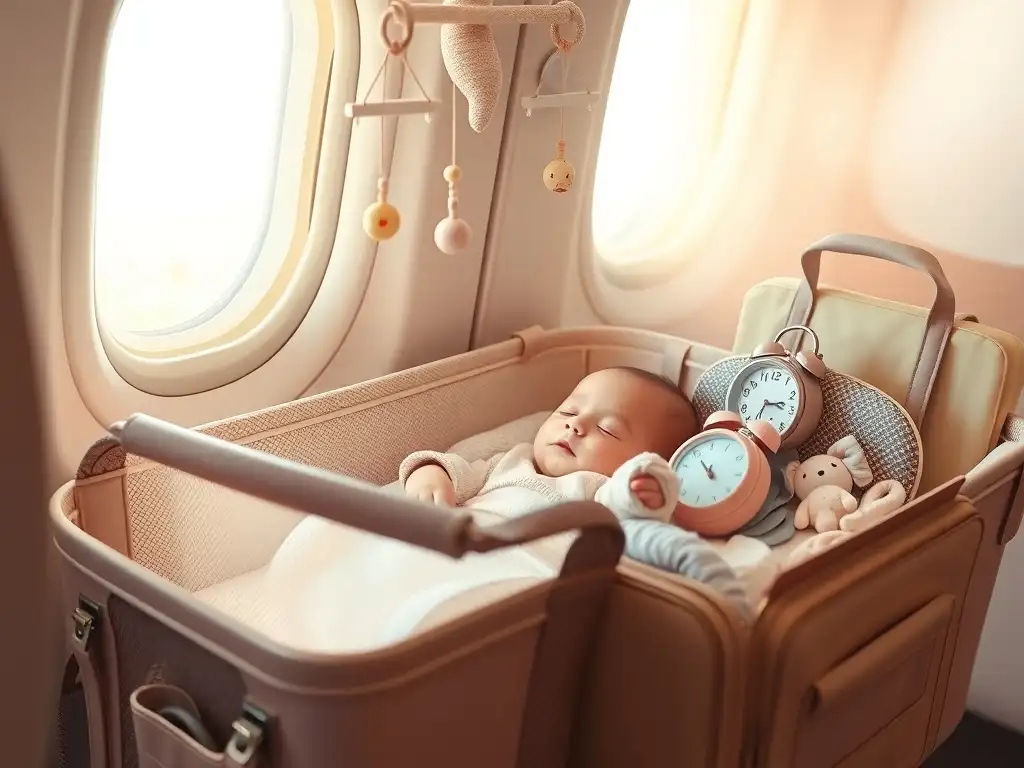
Welcome to BabyCareHub, your ultimate guide to navigating the incredible journey of parenthood! Are you a first-time parent facing the daunting task of maintaining your baby's sleep schedule while traveling? We understand the challenge. Discover essential tips and tricks for seamless travel with your little one, even with a strict sleep routine, in our comprehensive article on Baby travel sleep schedule tips. Prepare for smooth sailing – and some much-needed rest – by exploring our expert advice within.
- Maintaining Your Baby's Sleep Schedule During Travel: Essential Tips
- On-the-Go Sleep Strategies: Adapting Your Routine for Smooth Transitions
- Adjusting to New Time Zones: Minimizing Jet Lag for Your Little One
- Troubleshooting Common Travel Sleep Challenges
- Post-Trip Recovery: Re-establishing Your Baby's Sleep Schedule at Home
-
Frequently Asked Questions
- How can I maintain my baby's sleep schedule while traveling?
- What if my baby's sleep is disrupted during travel?
- What are some travel tips for babies who need a strict sleep schedule?
- Are there specific activities that can help my baby sleep better during travel?
- How do I deal with jet lag and its effect on my baby's sleep schedule?
- Final Reflection: The Unfolding Journey of Sleep and Travel
- Unlock Your Travel Confidence: Adventure Awaits!
Maintaining Your Baby's Sleep Schedule During Travel: Essential Tips
Traveling with a baby, especially one with an established sleep schedule, can feel like navigating a minefield. The disruption to routine, changes in environment, and the sheer logistics of travel can easily throw off even the most well-rested little one. This comprehensive guide provides practical, evidence-based strategies to help you maintain your baby's sleep schedule during travel, minimizing disruption and maximizing everyone's enjoyment.
We'll cover everything from pre-trip planning and packing essentials to choosing the right accommodation and in-flight/on-the-road sleep strategies. Mastering the art of traveling with a baby who needs a strict sleep schedule is achievable with careful preparation and a flexible mindset – let's get started! 😴✈️
Pre-Trip Preparation: Setting the Stage for Successful Baby Travel Sleep
Before you even think about packing your bags, meticulous pre-trip preparation is key to maintaining your baby's sleep rhythm. This isn't about rigidly adhering to the minute, but rather about creating a sense of predictability and minimizing unexpected stressors. Consider these crucial steps:
- Gradually Adjust Bedtimes: In the week leading up to your trip, start adjusting your baby's bedtime slightly earlier or later, depending on the time difference at your destination. This gradual shift helps minimize jet lag. Aim for 15-minute adjustments each day to avoid overwhelming your little one.
- Familiarize with Destination Time Zone: Understanding the time difference allows you to proactively plan your baby's sleep and feeding times based on the destination's schedule. This is particularly crucial for longer flights or significant time zone changes.
- Confirm Baby-Friendly Amenities: If you're staying in a hotel, call ahead to confirm the availability of cribs, blackout curtains, a white noise machine, or other sleep-promoting amenities. Knowing what to expect reduces last-minute anxieties.
- Plan for Potential Delays: Travel delays are inevitable. Having backup plans and extra supplies (diapers, wipes, formula, etc.) will help you navigate these unexpected situations calmly. Pack a small, familiar toy or blanket for comfort during stressful moments.
Remember: The goal is gradual adjustment, not a complete overhaul of your baby's routine. Small, manageable changes are far more effective than abrupt disruptions.
Packing Smart: Sleep-Friendly Essentials for Your Baby's Travel Kit
Packing strategically for a trip with a baby requires careful consideration of sleep-related items. Here's a checklist to ensure your little one has everything they need for restful sleep on the go:
| Item | Importance | Notes |
|---|---|---|
| Portable Crib/Pack 'n Play | Provides a familiar and safe sleeping environment. | Consider lightweight and easy-to-assemble options. |
| Blackout Curtains/Shades | Minimize light exposure for better sleep, especially in unfamiliar rooms. | These can be purchased or improvised with large scarves or towels. |
| White Noise Machine | Blocks out distracting noises and creates a calming sleep environment. | Download a white noise app if a dedicated machine is too bulky. |
| Familiar Blanket/Toy | Provides comfort and security in an unfamiliar environment. | The scent of home can be incredibly soothing. |
| Sleep Sack/Swaddle | Maintains a comfortable temperature and prevents nighttime awakenings. | Choose one appropriate for the climate of your destination. |
| Diapers/Wipes/Formula | Essential supplies for nighttime changes and feedings. | Pack more than you think you'll need – better safe than sorry! |
This carefully curated kit will ensure your baby has everything needed for a comfortable and restful sleep.
Choosing the Right Accommodation: Baby-Friendly Hotels and Travel Options
The choice of accommodation significantly impacts your baby's sleep. Prioritize hotels or rentals that cater to families and offer baby-friendly amenities. Look for:
- Cribs/Cots: Confirm crib availability and quality before booking.
- Quiet Rooms: Request a room away from elevators, ice machines, or other noise sources.
- Blackout Curtains: Essential for blocking out morning light and promoting sleep.
- Space: Ensure you have enough room to set up your baby's sleeping area comfortably.
- Kitchenette/Microwave: Useful for preparing baby food or warming bottles.
Consider alternative travel options like renting a vacation home or apartment, which often provide more space and privacy than a hotel room. Remember to prioritize a peaceful and comfortable environment conducive to your baby's sleep schedule. A well-chosen accommodation can make all the difference!
On-the-Go Sleep Strategies: Adapting Your Routine for Smooth Transitions

Traveling with a baby, especially one with a strict sleep schedule, can feel daunting. But with careful planning and a flexible approach, you can minimize disruption and maximize restful moments for both you and your little one. The key is adaptation, not rigid adherence to the home routine.
While maintaining consistency is important, understanding that some adjustments are inevitable is crucial for a positive travel experience. This section explores practical strategies to help your baby maintain a semblance of their usual sleep pattern while on the move. Successful "Baby travel sleep schedule tips" often involve anticipating challenges and proactively addressing them.
In-Flight Sleep Solutions: Calming Techniques and Comfort Measures for Air Travel
Air travel presents unique challenges for maintaining a baby's sleep schedule. The change in air pressure, unfamiliar sounds, and confined space can all contribute to sleep disturbances. To mitigate these issues, consider the following:
- Pre-flight preparation: Pack familiar comfort items like a favorite blanket, stuffed animal, or pacifier. A white noise machine or calming music can also help block out disruptive noises. Consider giving your baby a dose of infant acetaminophen (always consult your pediatrician first) before takeoff to help alleviate any ear discomfort from pressure changes.
- In-flight strategies: Try to time your flight to coincide with your baby's usual nap times as much as possible. Breastfeeding or bottle-feeding during takeoff and landing can help regulate pressure in their ears. A swaddle or snug carrier can provide a sense of security and reduce overstimulation. Dim the cabin lights whenever possible to create a darker, sleep-inducing environment. Remember, even short periods of sleep add up!
- Post-flight recovery: Upon arrival, try to stick to your baby's usual bedtime routine as closely as possible to help them re-adjust to their regular sleep schedule. This might involve a warm bath, a calming massage, or quiet playtime before bed. Be patient; it may take a few days for your baby to fully recover from the travel disruption. Expect some adjustments, and celebrate even small victories in maintaining your baby’s sleep patterns.
Car Trip Sleep Strategies: Maximizing Rest During Long Drives
Long car trips can be challenging, but with the right preparations, you can make them more comfortable for your baby and easier on yourself. Think about these points:
- Timing and breaks: Plan your journey around your baby's usual sleep times, scheduling regular stops for feeding, diaper changes, and playtime. Short, frequent breaks are often more effective than trying to power through the entire journey without stopping.
- Car seat comfort: Ensure your baby's car seat is properly installed and comfortable. A supportive insert or additional padding can enhance comfort and minimize jostling. A familiar blanket or toy can also provide added comfort and security.
- Creating a calming environment: Consider using a car seat cover to block out sunlight and create a darker, sleep-inducing environment. White noise or calming music played softly can also be beneficial. Regularly check on your baby to ensure they are comfortable and adjusting well. A well-timed nap during a long drive is a huge plus for everyone!
Train Travel and Baby Sleep: Tips for Comfortable and Restful Journeys
Train travel offers a relatively smoother ride compared to cars or planes, making it potentially easier to maintain a baby's sleep schedule. However, there are still considerations:
- Choosing your seating: Consider reserving a seat with more space, such as a family berth or a quieter carriage if available. This can provide additional space for your baby's belongings and allow for more comfortable sleeping arrangements.
- Minimizing distractions: Similar to car travel, aim to minimize distractions. Bring familiar comfort items, and try to create a calming atmosphere using white noise or soft music.
- Movement and activity: Train journeys offer opportunities for gentle movement and activity. A change of scenery and a short walk can help to regulate your baby's sleep patterns and prevent overstimulation. Remember, gentle rocking can be surprisingly soothing for babies during train travel.
Remember, flexibility and patience are key when traveling with a baby. While aiming for consistency, accept that deviations from your usual routine might occur. By focusing on comfort, minimizing disruptions, and adapting to the circumstances, you can significantly improve your chances of having a relatively peaceful and successful trip. These "Baby travel sleep schedule tips" are designed to guide you, not to stress you out! 😴
Adjusting to New Time Zones: Minimizing Jet Lag for Your Little One
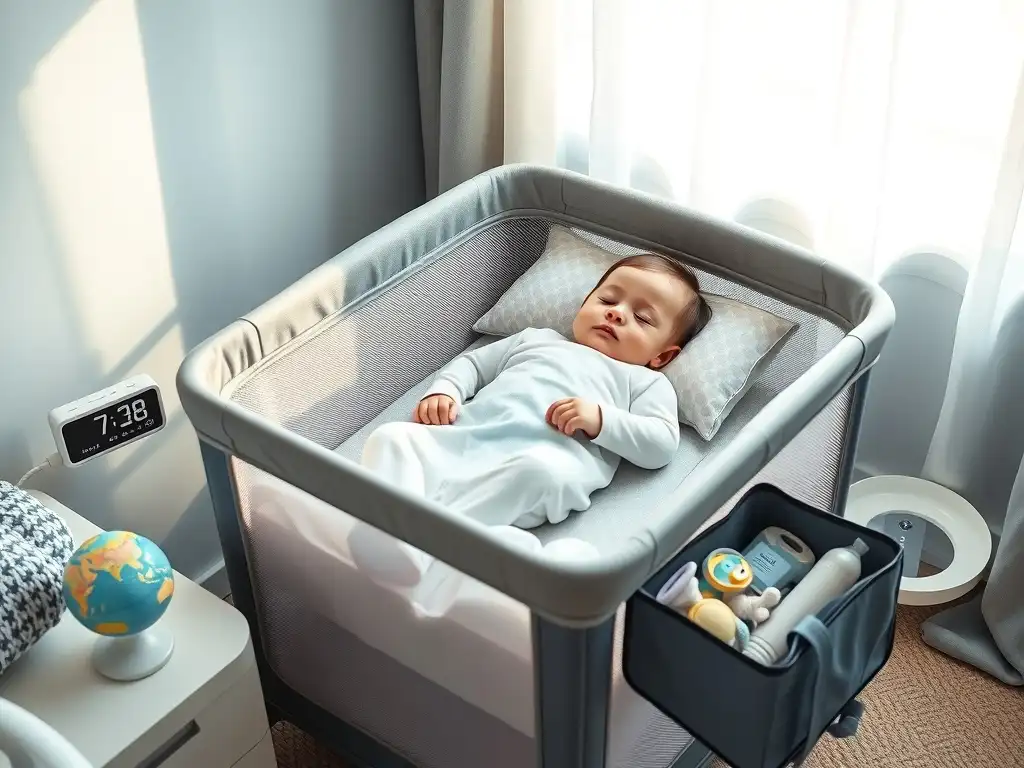
Traveling with a baby, especially one with a strict sleep schedule, can feel daunting. Jet lag, that frustrating disruption of your baby's internal clock, can significantly impact their sleep and, consequently, your entire trip. Successfully navigating time zone changes requires planning and a gentle approach. The key is to minimize the disruption to their circadian rhythm as much as possible. This section focuses on practical strategies to help your little one adjust smoothly to a new time zone, ensuring happy travels for both of you. Remember, consistency and patience are your greatest allies in this process.
Gradual Adjustments: Adapting Your Baby's Schedule to a New Time Zone
One of the most effective strategies for mitigating jet lag is to gradually shift your baby's sleep schedule before your departure. This preemptive approach allows for a smoother transition. For example, if you're traveling three hours ahead, begin adjusting your baby's bedtime and wake-up time by 30-60 minutes each day for a few days leading up to your trip. This helps to gently reset their internal clock.
This process requires careful observation. Note your baby's cues: Are they becoming excessively fussy? Are they showing signs of sleepiness earlier or later than usual? Adjustments should be made based on your baby's individual responses. Don't force the change if your baby is clearly resisting. Remember, flexibility is crucial.
Here's a sample schedule adjustment plan for a three-hour time difference:
| Day Before Departure | Time Shift | Bedtime Adjustment | Wake-up Adjustment | Notes |
|---|---|---|---|---|
| Day 1 | +30 minutes | 30 minutes earlier | 30 minutes earlier | Monitor for fussiness |
| Day 2 | +30 minutes | 30 minutes earlier | 30 minutes earlier | Adjust based on baby's response |
| Day 3 | +30 minutes | 30 minutes earlier | 30 minutes earlier | Aim for a smooth transition |
| Day of Departure | +30 minutes | 30 minutes earlier | 30 minutes earlier | Final adjustment before travel |
It's important to consider your baby's age. Younger infants are generally more adaptable, while older babies may require a more gradual approach. Remember to consult your pediatrician for personalized advice, especially if your baby has any underlying health concerns.
Utilizing Natural Light and Routine: Optimizing Sleep-Wake Cycles During Travel
Once you arrive at your destination, harness the power of natural light to help regulate your baby's sleep cycle. Sunlight acts as a natural cue for your baby's body clock. Expose your baby to bright morning light to signal wakefulness and maintain a consistent sleep routine. This helps to reinforce their sleep-wake patterns and minimize the impact of jet lag.
Maintaining a consistent routine is paramount. Even amidst the chaos of travel, strive to stick to your baby's usual bedtime rituals, such as bath time, feeding, and story time. This familiar routine provides a sense of comfort and security, helping to ease your baby's transition. The consistency of these familiar activities will help your baby feel more secure and settled in the new environment.
Remember that jet lag doesn't always disappear overnight. Be patient and understanding. It may take a few days for your baby's sleep schedule to fully adjust to the new time zone. Continue to prioritize consistent routines and exposure to natural light. With a little patience and the right approach, you and your little one can enjoy a restful and enjoyable trip, even with a strict sleep schedule. 👶😴✈️
Troubleshooting Common Travel Sleep Challenges
Traveling with a baby, especially one with a strict sleep schedule, presents unique challenges. Even the most meticulously planned trips can encounter unexpected disruptions. This section will address common issues and provide practical solutions to help maintain your baby's sleep routine while on the go. Successfully navigating these hurdles will contribute to a more relaxing and enjoyable travel experience for both you and your little one. Remember, flexibility is key, but maintaining a semblance of routine can significantly reduce stress.
Dealing with Irregular Sleep Patterns: Addressing Disruptions to Your Baby's Routine
Jet lag, changes in environment, and the excitement of travel can all contribute to disrupted sleep patterns in babies. A sudden shift in time zones can significantly impact your baby's internal clock, leading to early awakenings, difficulty falling asleep, or shorter sleep cycles. To mitigate these disruptions, try the following:
- Gradual Adjustment: Begin adjusting your baby's sleep schedule a few days before your trip, gradually shifting bedtime and wake times closer to the destination's time zone. This "pre-adjustment" can ease the transition.
- Maintain Consistency: While complete consistency might be impossible, try to maintain as much of your baby's usual sleep routine as possible. Stick to similar bedtime rituals, use familiar sleep aids (like a favorite blanket or stuffed animal), and create a calming bedtime environment.
- Light Exposure: Manage light exposure strategically. Bright light in the morning can help regulate the circadian rhythm, while minimizing light exposure in the evening can signal bedtime.
- White Noise Machine: The familiar sound of a white noise machine can help block out unfamiliar noises and create a more soothing sleep environment, especially in noisy hotels or airplanes.
- Patience and Understanding: Remember that it takes time for babies to adjust to new time zones. Be patient and understanding, and allow for some flexibility in their sleep schedule during the transition period. Don't expect perfection; focus on gradual improvement.
Managing Overstimulation: Creating a Calming Environment for Better Sleep
Travel is inherently stimulating for babies. New sights, sounds, smells, and even the excitement of being in a different place can lead to overstimulation, making it difficult for them to settle down for sleep. To combat this, prioritize creating a calming environment wherever you are:
- Minimize Stimulation: Before bedtime, reduce sensory input. Dim the lights, turn off bright screens, and keep the environment quiet and peaceful.
- Travel Crib or Pack 'n Play: Familiar bedding and a consistent sleep space can help your baby feel more secure and comfortable.
- Babywearing: The gentle motion and closeness of babywearing can soothe an overstimulated baby and aid in falling asleep, particularly on planes or in cars.
- Massage and Gentle Movement: A calming massage or gentle rocking can help relax your baby before bedtime.
- Consistent Bedtime Routine: A predictable bedtime routine, even while traveling, provides comfort and security. This routine should include calming activities like bathing, reading, singing lullabies, or quiet playtime.
Travel-related sickness, such as motion sickness or ear infections, can significantly impact your baby's sleep. Addressing these issues is crucial for promoting restful sleep.
- Motion Sickness: If your baby experiences motion sickness, try using strategies like keeping them upright during car rides, providing frequent breaks, and using age-appropriate motion sickness medication (always consult your pediatrician first). A comfortable car seat is also essential.
- Ear Infections: Changes in air pressure during flights can exacerbate existing ear infections or even trigger new ones. If your baby seems uncomfortable, consider using techniques like breastfeeding or bottle-feeding during ascent and descent to equalize pressure. Always consult your doctor if you suspect an ear infection.
- Medication: If your baby is experiencing pain or discomfort, consult your pediatrician about appropriate pain relief medication to help them sleep more comfortably. Never administer medication without professional guidance.
- Comfort Measures: Offer extra cuddles, soothing sounds, and familiar comfort objects to ease any discomfort and promote relaxation. A warm bath before bed can also help relax tense muscles. Remember to prioritize your baby's comfort and well-being above all else. 👶
Remember, adapting your baby's sleep schedule to travel requires patience, planning, and flexibility. While some disruption is inevitable, these tips can help minimize the impact and ensure a more peaceful journey for everyone. Always prioritize your baby's comfort and well-being. Happy travels!
Post-Trip Recovery: Re-establishing Your Baby's Sleep Schedule at Home
Traveling with a baby, especially one with a strict sleep schedule, can be challenging. The disruption to routine can lead to sleep regressions and difficulties re-settling once you're back home. Successfully navigating this transition requires patience, consistency, and a thoughtful approach to re-establishing your baby's sleep rhythm. This section provides practical tips for a smoother post-trip recovery, focusing on minimizing sleep disruptions and helping your little one adjust. Remember, consistency is key when it comes to baby travel sleep schedule tips.
Gradual Reintegration: Gently Returning to Your Regular Sleep Routine
The key to a smooth transition back to your regular routine is gradual reintegration. Avoid abruptly switching back to your pre-trip schedule. Instead, ease your baby back into it over a few days. Begin by gradually shifting bedtime and wake-up times closer to your usual schedule. If your baby's bedtime was an hour later during the trip, try moving it 15 minutes earlier each day.
For example, if your baby's usual bedtime was 7:00 PM and it shifted to 8:00 PM during your travels, on the first day home, aim for 7:45 PM. The following day, try 7:30 PM and so on. This gradual approach minimizes the shock to your baby's system and reduces the likelihood of significant sleep disturbances. Maintain consistent nap times as well, adjusting them gradually in a similar fashion.
Remember to maintain the same sleep environment as much as possible. This includes using the same crib, bedding, and sleep sack your baby is accustomed to. Familiar sounds and smells can help comfort your little one and promote better sleep. A consistent bedtime routine is also crucial. Even if it's slightly modified from your pre-trip routine, predictability provides comfort and security.
Consider keeping a sleep diary during this transition period to track your baby's sleep patterns. This will help you identify any potential issues and adjust your approach accordingly. Note the times of bedtime, wake-up, and naps, along with any other relevant information, such as feeding times and any unusual events. This data will prove invaluable in understanding your baby's sleep needs and making informed decisions.
Monitoring Your Baby's Sleep: Identifying and Addressing Any Lingering Disruptions
Even with a gradual reintegration, some sleep disruptions may persist. It's crucial to carefully monitor your baby's sleep for a few weeks after your return. Look for signs of sleep regression, such as increased night wakings, difficulty falling asleep, shorter sleep periods, or changes in mood. These are common occurrences after travel but should resolve themselves with consistent effort and patience.
If you notice any significant or persistent sleep problems, consider the following:
- Review your routine: Ensure that your bedtime routine is consistent and relaxing. Avoid stimulating activities before bedtime.
- Check the environment: Make sure the room is dark, quiet, and at a comfortable temperature.
- Address any underlying issues: Rule out any potential medical issues that could be affecting your baby's sleep, such as teething or illness. Consult your pediatrician if you have any concerns.
- Adjust your approach: If your previous strategies aren't working, consider making minor adjustments to your sleep training techniques. Perhaps you need to slightly extend or shorten certain aspects of the routine.
Remember that each baby is unique, and the recovery time will vary. Be patient and understanding with your baby and yourself. With consistent effort and a supportive approach, you'll successfully navigate this transition and help your baby re-establish a healthy sleep schedule at home. Successful re-establishment of your baby’s sleep schedule after travel requires patience and consistent application of baby travel sleep schedule tips. The key is to remain flexible and responsive to your baby's needs. 😴
Frequently Asked Questions
How can I maintain my baby's sleep schedule while traveling?
Maintaining a consistent bedtime routine is key. Try to stick to your baby's usual sleep cues, even if the environment is different. Pack familiar comfort items like their favorite blanket or stuffed animal.
What if my baby's sleep is disrupted during travel?
Expect some disruption; it's normal. Prioritize sleep opportunities during the day and at night. Be patient and flexible, and things will settle down once you reach your destination.
What are some travel tips for babies who need a strict sleep schedule?
Plan your travel around your baby's usual nap and bedtime times. Consider bringing a portable crib or bassinet for familiar sleeping arrangements. Minimize distractions and create a calming sleep environment.
Are there specific activities that can help my baby sleep better during travel?
White noise, gentle rocking, or swaddling can help soothe your baby to sleep. A car ride or stroller walk can sometimes induce sleep. Always prioritize safety measures when using these techniques.
How do I deal with jet lag and its effect on my baby's sleep schedule?
Adjust gradually to the new time zone. Expose your baby to sunlight in the morning to help regulate their circadian rhythm. Be patient, as it may take a few days for your baby to adjust fully.
Final Reflection: The Unfolding Journey of Sleep and Travel
The art of traveling with a baby who needs a strict sleep schedule isn't just about logistics; it's about embracing the unexpected while holding onto a sense of rhythm and routine. It's a testament to the adaptability of both parent and child, a dance between planning and surrender. This journey, while challenging, ultimately reveals the profound strength found in navigating the unknown with grace and a healthy dose of caffeine.
The impact of a consistent sleep schedule extends far beyond the confines of a vacation. It's a reflection of our own need for structure and predictability, a mirror to the delicate balance we strive for in our own lives. The rhythm of life is a powerful force, and when we align ourselves with it, we find a sense of peace and purpose.
This quote resonates deeply, as the pursuit of a consistent sleep schedule for our little ones often becomes a journey of self-discovery, teaching us patience, resilience, and the importance of prioritizing well-being, both theirs and our own.
Now, consider your own journey. Think about the moments when you've had to adapt, to improvise, to let go of rigid plans. Remember the small victories, the quiet moments of connection amidst the chaos. You possess the innate ability to navigate the complexities of travel with a baby, to find joy in the unexpected, and to create lasting memories even when sleep is elusive. Embrace the flexibility, celebrate the small wins, and remember that the journey itself, with all its imperfections, is a beautiful testament to the enduring bond between parent and child.
Unlock Your Travel Confidence: Adventure Awaits!
Thank you for joining us on this journey into the world of traveling with young children! We hope you gained valuable insights and practical tips to make your next trip smoother and more enjoyable. Now it's time to put that knowledge into action.
- Craft your perfect sleep-friendly itinerary: Use what you've learned to plan your next family vacation, considering your child's sleep schedule and incorporating flexible activities. This is key to a relaxed and fun-filled trip!
- Share your travel hacks: Have a clever tip that wasn't mentioned? Share it in the comments below! Let's build a supportive community of parents who know the secrets to happy travels.
- Unleash your inner explorer (and your child's): Now that you feel more prepared, what exciting destinations are you dreaming of exploring with your little one? Let us know!
What's your first step towards stress-free family travel?