
The Power of Observation: Recognizing Subtle Cues Before Your Baby Cries

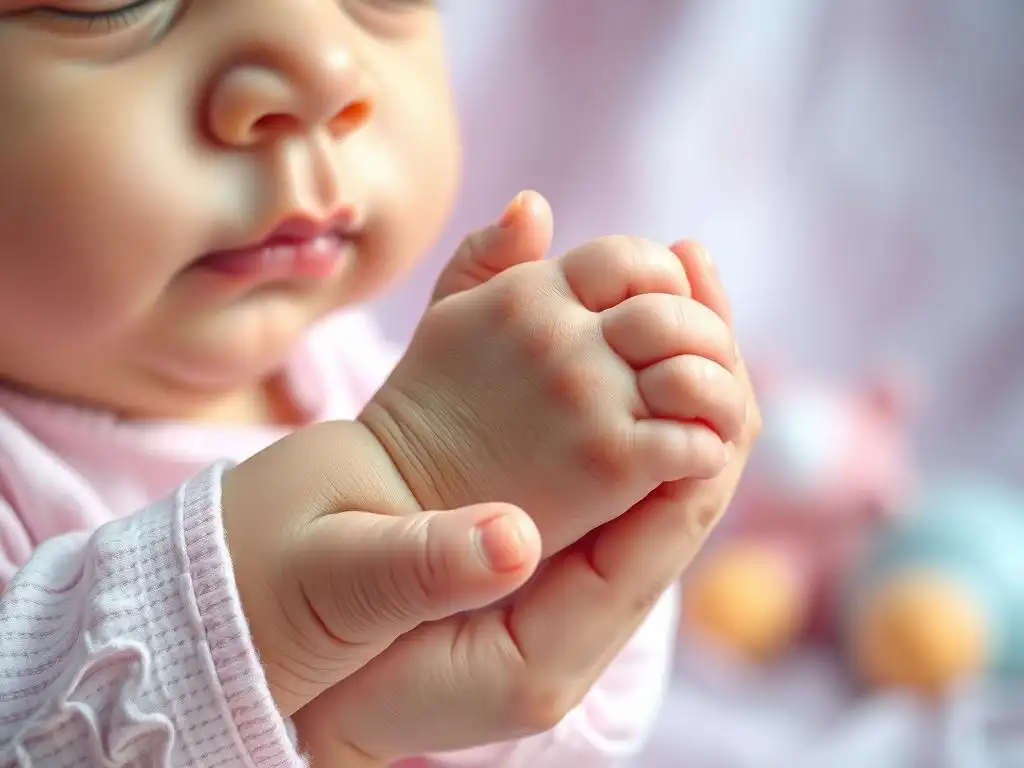
Welcome to BabyCareHub, your ultimate guide to navigating the incredible journey of parenthood! Are you ready to unlock the secrets to a happier, healthier baby? Learn to decipher those subtle baby cues before crying, giving you the power to proactively soothe your little one and build a stronger bond. Discover how understanding these early signals, detailed in our "Newborn Basics" section, can transform your parenting experience. Dive in and explore the world of confident and intuitive baby care!
- Understanding Your Baby's Non-Verbal Communication: Early Warning Signs
- Deciphering Baby Cues: Hunger Signs Before the Cry
- Distinguishing Between Different Types of Baby Discomfort Cues
- Developing Your Observational Skills: Practice and Patience
- Responding to Baby Cues Before Crying: Preventing Meltdowns
- When to Seek Professional Help: Recognizing Serious Issues
-
Frequently Asked Questions
- What are some early signs my baby might show before crying?
- How can I tell the difference between a sleepy cue and a hungry cue?
- My baby is showing cues, but I'm not sure what they need. What should I do?
- Is it possible to always prevent my baby from crying?
- At what age do babies start showing these pre-crying cues?
- Final Reflection: Unlocking the Silent Language of Your Baby
- Unlock Your Baby's Secret Language: Master the Art of Observation
Understanding Your Baby's Non-Verbal Communication: Early Warning Signs
Becoming a parent is a transformative journey filled with immense joy and, let's be honest, a fair share of challenges. One of the most significant hurdles for first-time parents is deciphering their baby's communication. While crying is a clear indicator of distress, learning to recognize the subtle cues before crying is a crucial skill that can significantly reduce your baby's frustration and strengthen your bond.
This article will equip you with the knowledge to identify these early warning signs, allowing you to proactively address your baby's needs and prevent full-blown meltdowns. Mastering the art of observing your baby's non-verbal communication will transform your parenting experience, leading to calmer moments and a happier, more content baby.
We'll explore key indicators such as subtle shifts in body language, early vocalizations, and changes in facial expressions, providing you with practical tools to become a more intuitive and responsive caregiver. This understanding of "baby cues before crying" is essential for building a strong parent-child relationship based on trust and mutual understanding.
Recognizing Subtle Shifts in Body Language: Pre-Cry Cues
Before tears well up, your baby will often exhibit subtle changes in their body language. These are often overlooked, but they’re incredibly valuable indicators of their needs. These subtle shifts can manifest in several ways:
- Increased fussiness: Your usually calm baby might become more restless, fidgeting more than usual. This increased activity level might involve more vigorous movements of their arms and legs, or a general sense of unease.
- Changes in posture: Notice if your baby's posture changes. They might arch their back slightly, stiffen their limbs, or become unusually limp. These subtle postural adjustments often precede crying.
- Sucking on hands or fingers more intensely: This is a common self-soothing behavior, often intensifying as discomfort increases. Observe the intensity and duration of this behavior – a sudden increase could indicate a need.
- Turning away or averting gaze: Your baby might turn their face away from you or refuse eye contact, indicating a growing level of discomfort or dissatisfaction.
- Grimacing or lip-smacking: These subtle facial movements often signal impending distress, especially if accompanied by other cues.
Understanding these subtle shifts requires attentive observation. Spend quality time watching your baby, observing their usual behaviors to establish a baseline, allowing you to more easily recognize deviations. Remember, every baby is unique, so pay close attention to your baby's individual cues.
Identifying Early Vocalizations: Fussing and Grunting Before Tears
While crying is a clear communication, the sounds preceding it are equally important. These early vocalizations often provide crucial insights into your baby's state.
- Fussing: This often begins as a low hum or a slight whimper, a sound barely louder than a sigh. It's a gentle cry, a soft warning that things aren't quite right.
- Grunting: Grunting sounds might indicate discomfort, particularly related to gas or bowel movements. The intensity and frequency of the grunting can provide further clues.
- Changes in the pitch and tone of their sounds: Even subtle variations in the pitch and tone of your baby's vocalizations can signal escalating discomfort. Pay attention to these nuances.
Learning to distinguish these subtle sounds from their typical contentment noises is a key element in mastering the art of proactive care. Record your baby's sounds if you find it helps, allowing for later analysis and comparison. This is especially helpful in distinguishing between different types of discomfort.
Recognizing Changes in Facial Expressions: Subtle Signs of Discomfort
Facial expressions are powerful communication tools, even for newborns. Observe your baby's face carefully for subtle changes that might indicate discomfort before crying begins.
- Furrowing of the brow: A slight frown or furrowing of the eyebrows can be a subtle indication of discomfort or displeasure.
- Tightening of the mouth: A tightly closed or pursed mouth often accompanies distress.
- Widening of the eyes: While sometimes a sign of surprise, a widening of the eyes accompanied by other cues can be a sign of discomfort or anxiety.
- Flushing or paleness of the skin: Changes in skin color can indicate a variety of issues, including overheating or discomfort.
Combining facial expressions with other cues – body language and vocalizations – provides a more comprehensive picture of your baby's needs. Remember to consider the context; a grimace after a difficult burp is different from a grimace accompanied by restlessness and fussing. The more you practice observing these subtle cues, the better you will become at interpreting your baby's communication.
Deciphering Baby Cues: Hunger Signs Before the Cry

Learning to interpret your baby's subtle cues before they erupt into a full-blown cry is a game-changer for both you and your little one. It allows for proactive care, reducing stress and fostering a more responsive and secure attachment. This section focuses on recognizing those early hunger signals, helping you anticipate your baby's needs and provide timely feeding.
Mastering this skill significantly improves your ability to understand and respond effectively to your baby's communication, leading to a happier, more content infant. This is crucial in the early weeks and months of your baby's life, as they are still developing their communication skills and are reliant on you to decipher their needs. Early identification of these "baby cues before crying" will make a world of difference.
Identifying Hunger Cues: Rootling, Lip Smacking, and Hand-to-Mouth Movements
Newborns and young babies communicate their hunger through a range of subtle behaviors. These often precede the more obvious cries and fussiness. Recognizing these early signs is key to preventing excessive crying and promoting a more positive feeding experience.
One of the earliest signs is rooting. This involves your baby turning their head and opening their mouth in search of a nipple when their cheek or mouth is touched. They might also exhibit lip smacking or sucking motions. These are involuntary reflexes, often accompanied by increased activity and restlessness. Observe your baby carefully; you might notice them bringing their hands to their mouth, as if instinctively trying to self-soothe or satisfy their hunger.
Beyond these, you may notice subtle changes in your baby's behavior, such as increased fidgeting, a slightly more intense gaze, or a change in their breathing pattern. While not always directly related to hunger, these can be indicators that something is amiss and require your attention. The frequency and intensity of these cues will vary from baby to baby, so paying close attention to your own baby's unique patterns is key.
Here's a table summarizing common hunger cues:
| Cue | Description | Frequency (Approximate) |
|---|---|---|
| Rootling | Turning head and opening mouth when cheek or mouth is touched | Frequent, especially when tired or sleepy |
| Lip Smacking | Rhythmic lip movements | Intermittent, increasing in frequency as hunger increases |
| Hand-to-Mouth Movements | Bringing hands to mouth, attempting to suck on fingers or hands | Sporadic, becomes more frequent with increased hunger |
| Restlessness | Increased fidgeting and movement | Variable, depending on the baby's temperament and hunger level |
| Intense Gaze | Focused, almost searching gaze | Intermittent |
Remember, consistency is vital. The more you observe your baby, the better you'll become at recognizing these subtle cues. Keep a feeding journal to note the time of feedings and the behaviors that preceded them. This will help you establish a pattern and anticipate your baby's needs more effectively.
Differentiating Hunger Cues from Other Discomforts
While rooting, lip smacking, and hand-to-mouth movements are strong indicators of hunger, it’s crucial to differentiate these from other forms of discomfort. Babies communicate their needs in various ways, and hunger is only one of them. A baby showing these signs could be hungry, but they could also be experiencing discomfort from a wet diaper, gas, or simply needing to be cuddled.
For example, a baby who is uncomfortable from gas might arch their back, draw their legs up, and cry with a different tone than a hungry baby. A baby with a wet diaper might squirm and fuss, showing signs of irritation rather than the focused searching behavior of a hungry infant. A baby needing comfort might simply want to be held and cuddled, showing signs of seeking closeness and security.
Careful observation is key. Consider the context: is it close to feeding time? Has the baby recently had a diaper change? Are there any other signs of discomfort? By observing the entire context, not just isolated behaviors, you'll improve your ability to accurately assess your baby's needs. This requires patience and consistent attention. Don't hesitate to seek guidance from your pediatrician if you're unsure about your baby's cues. They can provide valuable support and advice tailored to your individual situation. Learning to distinguish these subtle differences is a process that develops over time, with practice and attentiveness.
Distinguishing Between Different Types of Baby Discomfort Cues
Observing your baby's subtle cues before they erupt into a full-blown cry is a crucial skill for any new parent. It allows for proactive intervention, preventing escalating distress and fostering a more responsive and secure parent-child bond. Recognizing these early warning signs requires keen observation and a growing understanding of your individual baby's unique communication style. While every baby is different, some common cues consistently signal impending discomfort.
Mastering the art of interpreting these subtle signals significantly improves your ability to anticipate your baby's needs and respond effectively. This proactive approach contributes to a more peaceful and harmonious experience for both you and your little one. Learning to read these cues is an ongoing process that deepens with experience.
Identifying Tiredness Cues: Yawning, Rubbing Eyes, and Fussiness
Tiredness manifests in babies in various ways, often starting subtly before escalating into inconsolable crying. One of the earliest signs is yawning. While seemingly obvious, many parents overlook frequent yawning as a signal of impending sleepiness. Combine yawning with eye rubbing – a classic sign of tiredness across all ages – and you have a strong indicator that your baby needs a rest.
Further, observe their behavior for increasing fussiness. This might involve a slight increase in irritability, a quieter whimper, or a general restlessness. These subtle shifts in temperament, when paired with yawning and eye rubbing, provide a clear signal that it's time to establish a calming bedtime routine. Don't wait for the full-blown cry; address these early signs to promote better sleep patterns and reduce overall stress.
For example, imagine your baby is calmly playing, but you notice them yawning twice in quick succession and then rubbing their eyes vigorously. This isn't just random behavior; it's a clear message. By promptly offering a soothing environment – dimming the lights, singing a lullaby, or initiating a feeding if necessary – you can prevent the tiredness from escalating into a frustrated cry. Remember, consistency is key; establish a predictable bedtime routine to reinforce these cues and help your baby learn to self-soothe. This proactive approach promotes better sleep for both you and your baby.
Recognizing Overtiredness Cues: Irritability, Increased Fussiness, and Arching Back
Overtiredness presents a different set of cues compared to simple tiredness. While subtle tiredness cues are easily missed, overtiredness often manifests as more pronounced irritability and fussiness. Your baby might become unusually irritable, reacting negatively to even gentle stimuli. Their fussiness intensifies, moving beyond a mild whimper to more pronounced and persistent distress.
Another key indicator is arching their back, which can be a sign of significant discomfort and often precedes a full-blown cry. This physical manifestation of discomfort is a strong signal that your baby is significantly overtired and needs immediate attention. Addressing overtiredness requires a quick response to prevent prolonged distress and potential sleep disruptions.
Consider this scenario: your baby, already exhibiting signs of tiredness, has been kept awake beyond their usual bedtime. Now, they are displaying increased irritability, refusing to settle, and arching their back while crying. This is a clear indication of overtiredness. In this case, a quick and calming response is crucial. A warm bath, a gentle massage, or quiet time in a dimly lit room may help soothe them and prepare them for sleep. Learning to recognize overtiredness cues is especially important for preventing a vicious cycle of poor sleep.
Identifying Discomfort from Wet or Dirty Diaper: Restlessness and Squirming
A wet or soiled diaper is a frequent source of baby discomfort. However, babies don't always immediately cry when their diaper needs changing. Instead, observe for signs of restlessness and squirming. Your baby might shift their weight frequently, wriggle their legs and arms, and generally appear uncomfortable. These subtle movements, often accompanied by facial expressions of slight discomfort, are early warnings. This is a key moment to proactively check their diaper and address the discomfort before it escalates into a cry. Regular diaper checks, especially after feedings, are a proactive way to minimize this type of discomfort.
For instance, observe your baby during playtime. If you notice them suddenly becoming restless, constantly shifting their position and making little squirming movements, it's time to check their diaper. Even if it's not visibly soiled, the dampness might be enough to cause discomfort. A quick diaper change often resolves this issue immediately, preventing the discomfort from intensifying and leading to crying. Prompt diaper changes contribute to a more content and comfortable baby. Remember, consistent attention to these subtle cues enhances your ability to anticipate and address your baby's needs effectively.
Recognizing Gas or Colic Pain: Drawing Up Legs, Frowning, and Fussing
Gas and colic are common sources of discomfort for newborns, often manifesting in subtle cues before the baby erupts into full-blown crying. Observant parents can learn to identify these early warning signs, potentially preventing prolonged distress. One of the most noticeable signs is the baby drawing up their legs towards their abdomen. This posture is a reflexive response to abdominal pain and pressure. The baby may arch their back slightly as well, further indicating discomfort in their tummy.
Beyond the leg-drawing, facial expressions provide crucial clues. A furrowed brow, a grimace, or a generally unhappy frown are all telltale signs. These aren't necessarily full-blown cries, but subtle expressions that communicate discomfort. The baby might also clench their fists, another physical manifestation of the pain.
The level of fussiness also changes. While a content baby might make contented sighs or gurgles, a baby experiencing gas pain will show a different kind of fussiness. It's often a low-level, persistent grumbling or a series of short, strained cries rather than a loud, full-blown cry. This fussiness is often accompanied by restlessness; the baby might squirm, wriggle, or constantly shift their position, unable to find a comfortable place because of the abdominal discomfort. Parents should note the intensity and duration of this fussiness; prolonged periods of this low-level distress are strong indicators of gas or colic.
It's important to differentiate between gas pain and other sources of discomfort. While drawing up legs and frowning can be associated with various issues, the combination of these signs with persistent low-level fussiness and restlessness strongly suggests gas or colic. This early recognition allows parents to implement soothing techniques, such as gentle tummy massage, bicycle kicks, or holding the baby upright, to alleviate the discomfort before it escalates into inconsolable crying. Early intervention is key to preventing prolonged distress for both the baby and the parents.
Developing Your Observational Skills: Practice and Patience

Becoming adept at recognizing your baby's subtle cues before they erupt into full-blown cries requires dedicated practice and a healthy dose of patience. It's a skill honed over time, not something mastered overnight. Think of it like learning a new language – at first, you'll only pick up a few words, but with consistent effort, you'll begin to understand entire sentences, even unspoken nuances. Similarly, understanding your baby's pre-cry cues takes time and attentive observation.
The initial stages might feel frustrating. You might miss subtle shifts in facial expression or body language. Don't be discouraged! Each missed cue is a learning opportunity. The more you observe, the more attuned you'll become to your baby's individual communication style. Remember, every baby is unique, and their cues will vary. What might be a clear hunger signal in one baby could be a sign of tiredness in another.
Consistent observation is key. Try to spend dedicated periods simply watching your baby, without distractions like your phone or TV. Focus on their movements, facial expressions, and sounds. Notice the subtle changes – a slight grimace, a restless shifting, a quickening of breaths. These are the early warning signs that your baby's needs are about to escalate into a cry.
Creating a Calm Environment for Observation
A calm and predictable environment significantly enhances your ability to observe subtle baby cues before crying. A chaotic or overly stimulating setting can mask these subtle signals, making it harder to differentiate between normal baby behaviors and early signs of distress. Therefore, creating a peaceful atmosphere is crucial for effective observation.
Think about minimizing external stressors. Reduce noise levels by turning down the volume of the television or radio. Dim bright lights, especially during nap times. A softly lit room promotes relaxation for both you and your baby. Maintain a consistent routine. Predictable schedules help regulate your baby's internal rhythms, making their communication more predictable.
Consider the temperature. An overly warm or cold environment can make your baby fussy, potentially masking other subtle cues. Ensure the room is comfortably warm and well-ventilated. Lastly, consider the sensory input. Too much stimulation – loud sounds, bright colors, or strong smells – can overwhelm a baby, making it more difficult to interpret their cues. A calm and soothing environment is essential for effective observation and responsive parenting.
Tuning into Your Baby's Unique Communication Style
Each baby communicates differently. There's no one-size-fits-all approach to deciphering baby cues before crying. What works for one infant might not work for another. Some babies might become increasingly fussy, while others might become unusually quiet or withdrawn. The key is to learn to recognize your baby's specific signals.
Observe your baby's usual behavior. What are their typical patterns during periods of contentment? What are their typical responses when they are hungry, tired, or uncomfortable? By understanding their baseline behavior, you'll be better equipped to identify deviations that signal an unmet need. Pay attention to subtle changes in their body language. Do they arch their back? Do they suck on their hands more frequently? Do they turn their head away? These small movements can be valuable indicators of their emotional state.
Keep a mental note of the context surrounding these cues. Is your baby exhibiting these signs after a feeding? After a nap? Are they occurring at a particular time of day? Understanding the context can help you identify patterns and predict potential needs. For instance, if your baby typically becomes fussy around the same time each evening, it might be a signal of tiredness, prompting you to prepare for their bedtime routine.
Keeping a Baby Cue Diary: Tracking Patterns and Responses
Maintaining a baby cue diary can significantly improve your ability to recognize and respond to your baby's needs before they escalate into crying. This diary isn't about judging your parenting; it's a tool for understanding your baby's unique communication style. It allows you to track patterns, identify triggers, and refine your responses over time.
The diary can be as simple or detailed as you prefer. You might choose to note down the time of day, the observed cue (e.g., increased fussiness, rooting, clenched fists), the context (e.g., after a feeding, during playtime), and your response (e.g., offered a pacifier, changed diaper, held close). Include descriptions of your baby's facial expressions, body language, and sounds. The more detail you provide, the more insightful your analysis will become.
Regularly reviewing your diary will help you identify recurring patterns and predict your baby's needs. You might notice, for instance, that your baby becomes fussy around 6 PM, suggesting tiredness. Or perhaps they become restless after a long period of playtime, indicating an increased need for quiet time.
By tracking these patterns, you'll become more proactive in addressing their needs before they result in tears. This proactive approach fosters a stronger parent-child bond and contributes to a calmer, more harmonious home environment. The diary becomes a valuable tool in your journey towards understanding your baby's unique communication style and mastering the art of recognizing baby cues before crying.
Responding to Baby Cues Before Crying: Preventing Meltdowns

This section focuses on the crucial skill of recognizing and responding to subtle cues your baby exhibits before they erupt into a full-blown cry. Mastering this skill is key to preventing meltdowns and fostering a more peaceful and responsive parent-child relationship. Learning to interpret these early warning signs allows you to address your baby's needs proactively, preventing escalating distress. We'll explore various subtle cues and how to effectively respond to them. Understanding these baby cues before crying is a fundamental aspect of sensitive parenting.
Immediate Response to Subtle Cues: Meeting Needs Proactively
Responding promptly to your baby's subtle cues is paramount. These cues might seem insignificant individually, but collectively they paint a clear picture of your baby's needs. For example, a slight grimace, a subtle shift in body posture, or a quiet whimper can all signal impending discomfort or distress. Consider this scenario: Your baby is feeding, but their sucking slows, they become fussier, and their eyes start to dart around. Instead of waiting for a full-fledged cry, try gently burping them, repositioning them, or offering a pacifier. This proactive approach prevents the escalation of discomfort into a full-blown cry.
Proactive responses don't just stop at feeding. Observe your baby's behavior during playtime, diaper changes, or even during quiet moments. Are they starting to fidget? Do their hands clench? Are they arching their back slightly? These subtle cues can indicate discomfort, tiredness, or a need for a change in activity. Responding promptly to these early signs reduces frustration and builds a sense of security and trust. Consider keeping a baby cue journal to track recurring patterns and better understand your baby's individual communication style. This personalized approach is crucial for learning to interpret baby cues before crying.
The Benefits of Early Intervention: Promoting Calm and Contentment
The benefits of responding to baby cues before crying extend far beyond immediate comfort. Early intervention creates a positive feedback loop, promoting a calmer and more contented baby. By consistently meeting your baby's needs before they escalate into distress, you're helping them develop a sense of security and trust. This translates into less crying overall, improved sleep patterns, and a generally happier disposition.
Studies have shown that babies who experience responsive caregiving tend to exhibit lower levels of stress hormones and improved emotional regulation. This early foundation is crucial for their overall well-being and development. Furthermore, a calm and contented baby makes for a calmer and more contented parent, reducing parental stress and improving the overall family dynamic. The investment in learning to recognize subtle cues pays significant dividends in terms of overall family harmony and well-being. The improved sleep for both parent and baby is a significant benefit that shouldn't be overlooked.
Building a Strong Parent-Child Bond: Fostering Trust and Security
Responding to your baby's cues before they cry is not just about preventing meltdowns; it's about building a strong and secure parent-child bond. This consistent responsiveness teaches your baby that their needs are important and that they can rely on you for comfort and support. This sense of security is crucial for their emotional development and future relationships.
The act of anticipating and meeting your baby’s needs fosters a deep sense of trust and security. It communicates that you are attentive, understanding, and capable of providing the care they need. This positive interaction strengthens the bond between you and your baby, creating a foundation of love and mutual understanding that will last a lifetime.
Consistent responsiveness promotes a secure attachment style, which has been linked to improved social-emotional development and resilience in later life. Remember, the journey of learning to interpret baby cues before crying is a process that takes time and patience, but the rewards are immeasurable.
When to Seek Professional Help: Recognizing Serious Issues
Knowing your baby's typical behavior is crucial for recognizing when something is amiss. While learning to interpret subtle cues before crying is invaluable, it's equally important to understand when those cues indicate a more serious problem requiring immediate medical attention. This section focuses on identifying situations that warrant a call to your pediatrician or a visit to the emergency room. Ignoring potentially serious issues can have lasting consequences for your baby's health and well-being. Remember, it's always better to err on the side of caution.
Understanding When to Consult Your Pediatrician: Persistent Crying or Unusual Behavior
Persistent crying, especially if it's inconsolable and differs significantly from your baby's usual patterns, should never be ignored. While some crying is normal, excessive or high-pitched crying, especially for extended periods, could signal underlying issues. Consider these scenarios:
- Crying lasting longer than 3 hours without a clear reason: This is often cited as a sign of colic, but could also indicate other problems. Keep detailed notes about the duration and nature of the crying episodes, including any accompanying symptoms.
- Changes in bowel movements or feeding patterns: Sudden changes in your baby's stool consistency (e.g., becoming watery or bloody), frequency, or color, alongside persistent crying, warrant immediate medical attention. Similarly, significant changes in feeding habits, such as refusing to feed or feeding less than usual, coupled with excessive crying, should be evaluated.
- Lethargy or unusual sleep patterns: Is your baby unusually sleepy or unresponsive? Are they sleeping more or less than usual? These changes, especially when combined with prolonged crying or other symptoms, should prompt a consultation with your pediatrician.
- Fever or high temperature: A fever is a clear indicator that something is wrong. Combine this with persistent crying, and immediate medical attention is crucial. Accurately record your baby's temperature to provide your doctor with precise information.
- Difficulty breathing or rapid breathing: Observe your baby's breathing rate and rhythm. If you notice any labored breathing, rapid breathing (tachypnea), or unusual sounds (wheezing, grunting), seek immediate medical assistance. This could point towards respiratory issues.
- Vomiting or diarrhea: Persistent vomiting or diarrhea can lead to dehydration, a serious condition in infants. Keep track of the frequency and volume of both, and call your pediatrician immediately if you're concerned.
- Jaundice (yellowing of the skin or eyes): Although often a normal occurrence in newborns, persistent or worsening jaundice requires medical evaluation. This could be a sign of underlying liver problems.
Remember, you know your baby best. Trust your instincts. If you have any concerns about your baby's health or behavior, regardless of whether it's included in the list above, don't hesitate to contact your pediatrician. Early intervention can often make a significant difference in your baby's outcome.
Documenting your observations, including the timing, duration, and nature of the symptoms, will help your healthcare provider accurately assess the situation and provide the best possible care for your little one. Early intervention is key when dealing with "baby cues before crying" that suggest something more serious than typical fussiness. Don't delay seeking professional help if you have any doubts. 👶
Frequently Asked Questions
What are some early signs my baby might show before crying?
Babies often display subtle cues before full-blown crying. These include fussing, grimacing, increased sucking, hand-to-face movements, and changes in body posture, such as arching their back or becoming stiff. Learning to recognize these subtle signals is crucial.
How can I tell the difference between a sleepy cue and a hungry cue?
Sleepy cues might include rubbing eyes, yawning, becoming quieter, and grabbing at their ears. Hungry cues often involve rooting, sucking on their hands, and increased fussiness. Paying close attention to the context will help you differentiate.
My baby is showing cues, but I'm not sure what they need. What should I do?
Try offering different solutions. If you suspect hunger, offer a feed. If tiredness is suspected, try swaddling and rocking. If they seem uncomfortable, check their diaper and make sure they're not too hot or cold. Responding promptly to cues often prevents escalation to crying.
Is it possible to always prevent my baby from crying?
No, it's not possible to completely prevent crying. Babies cry for various reasons, some unavoidable. However, recognizing and responding to early cues significantly reduces the frequency and intensity of crying, leading to a calmer baby and a less stressed parent.
At what age do babies start showing these pre-crying cues?
Babies start showing pre-crying cues from a very young age. Even newborns display subtle signs of discomfort or need. The ability to interpret these cues often improves as you spend more time with your baby and learn their individual patterns and communication style.
Final Reflection: Unlocking the Silent Language of Your Baby
The ability to decipher your baby's subtle cues before they erupt into tears is not just a parenting skill; it's a transformative experience that strengthens the parent-child bond and fosters a more peaceful home. This seemingly small act of observation opens a world of understanding, allowing for proactive care and a deeper connection with your little one. It's a skill that ripples outwards, impacting not only your immediate family but also shaping the way you approach communication and empathy in all aspects of your life.
Learning to recognize those tiny shifts in facial expression, the subtle changes in body language, the almost imperceptible whimpers – these are the building blocks of a truly responsive parenting style. It's a journey of constant learning, a dance of intuition and observation. The most important thing is to try and inspire people so that they can be great in whatever they want to do.
- Kobe Bryant. This quote, while seemingly unrelated to baby cues, speaks to the heart of the matter: the dedication to understanding and responding to the needs of another, regardless of how small they may seem, is a powerful force for good.
Now, consider this: What other areas of your life could benefit from this heightened awareness? Take a moment to reflect on your own relationships. Are you truly seeing and hearing the unspoken needs of those around you? Practice the art of observation, not just with your baby, but with your partner, your friends, your colleagues. By honing your ability to recognize subtle cues, you'll cultivate deeper connections, build stronger relationships, and create a more empathetic and understanding world, one observation at a time.
Unlock Your Baby's Secret Language: Master the Art of Observation
Thank you for learning about the power of observation in understanding your baby's needs! You've gained a valuable tool to strengthen your bond with your little one. Ready to put this knowledge into practice?
- Start noticing subtle cues: Today, focus on your baby's facial expressions, body language, and even the smallest sounds they make before they cry. Try to anticipate their needs before they become upset.
- Share your successes: Tell us about a time you successfully predicted your baby's needs based on subtle cues. Share your experience in the comments below! Let's build a supportive community of parents who are learning to understand their babies better.
- Learn more: Deepen your understanding of your baby's developmental milestones and communication styles by exploring our library of articles on BabyCareHub.org.
What subtle cue are you most excited to observe in your baby today?