
When to Seek Medical Attention: Recognizing Serious Fall Symptoms


Welcome to BabyCareHub, your ultimate guide to navigating the incredible journey of parenthood! Are you a first-time parent feeling overwhelmed? We understand. That's why we've created this comprehensive resource, packed with practical advice and expert insights. But what happens when the unexpected occurs? This vital section on "Baby fall serious symptoms" explores critical signs that require immediate medical attention, ensuring the safety and well-being of your precious little one. Learn how to identify potentially dangerous situations and take proactive steps to protect your baby. Dive in and discover the peace of mind that comes with being prepared.
- Understanding Baby Fall Injuries: Severity and When to Worry
-
Recognizing Serious Baby Fall Symptoms Requiring Immediate Medical Attention
- Head Injuries in Babies: Recognizing Concussion Symptoms
- Loss of Consciousness After a Fall: A Critical Warning Sign
- Persistent Crying and Unconsolable Baby After a Fall
- Changes in Baby's Behavior Following a Fall: Lethargy and Irritability
- Breathing Difficulties and Unusual Breathing Patterns
- Seizures After a Fall: A Medical Emergency
- Vomiting and Persistent Diarrhea After a Baby Fall
- Swelling or Deformities: Signs of Fractures or Dislocations
- Bleeding from the Ears, Nose, or Mouth: Immediate Medical Attention Required
- Changes in Pupil Size or Eye Movement: Potential Neurological Issue
- Loss of Consciousness, Even Briefly: A Critical Sign
- Persistent Vomiting or Lethargy: Signs of Internal Injury
-
When to Call Emergency Services After a Baby Fall: Critical Situations
- Severe Head Injuries: Recognizing Life-Threatening Signs
- Unconsciousness or Difficulty Breathing: Immediate Emergency Response Needed
- Severe Bleeding: Control Bleeding and Call Emergency Services Immediately
- Signs of Spinal Cord Injury: Do Not Move the Baby
- Loss of Consciousness: Even Brief Periods Require Attention
- Persistent Vomiting or Seizures: Urgent Medical Care Needed
- Seeking Medical Attention After a Minor Fall: When to Observe and When to Seek Advice
- Preventing Future Falls: Creating a Safe Environment for Your Baby
-
Frequently Asked Questions
- What are some common symptoms after a baby fall that might seem minor but warrant a doctor's visit?
- My baby fell and hit their head, but they seem fine now. Should I still see a doctor?
- My baby fell and is vomiting. How serious is this?
- At what age is a baby fall more likely to cause serious injury?
- My baby fell and has a bump on their head. When should I be concerned?
- Final Reflection: The Silent Urgency of a Baby's Fall
- Unlock Peace of Mind: Taking Action to Protect Your Baby After a Fall
Understanding Baby Fall Injuries: Severity and When to Worry
New parenthood is a joyous journey filled with countless moments of wonder, but it also presents unique challenges. One significant concern for many new parents is the risk of their baby experiencing a fall. While minor tumbles are relatively common, understanding the severity of a fall and knowing when to seek immediate medical attention is crucial for ensuring your baby's well-being.
This article provides a comprehensive guide to recognizing serious symptoms following a baby fall, helping you make informed decisions about your little one's health. We will explore the factors that determine the severity of a fall, the signs of serious injury, and differentiate them from minor bumps and bruises.
This guide focuses on helping you determine when a seemingly minor fall warrants a visit to the doctor or emergency room, ultimately ensuring your baby receives the best possible care. Remember, when in doubt, it's always better to err on the side of caution.
Assessing the Height of the Fall: Impact on Injury Severity
The height from which your baby falls significantly impacts the potential for serious injury. A fall from a changing table, crib, or even a high chair can result in more severe consequences than a tumble from a low sofa or bed. While a short fall might only result in a minor bump or bruise, falls from greater heights increase the risk of head injuries, fractures, and internal bleeding. Consider these points:
- Falls from changing tables: These are particularly dangerous due to the significant height and the baby's vulnerable position. Even a seemingly short distance can lead to severe head trauma.
- Falls from cribs: A fall from a crib can also cause serious injuries, especially if the baby lands on their head or neck.
- Falls from high chairs: Similar to changing tables, the height of high chairs poses a considerable risk of injury.
- Falls from furniture: The height of the furniture, the type of surface the baby lands on (hard floor vs. carpet), and the baby's position upon landing all contribute to injury severity.
It's crucial to remember that even seemingly insignificant falls can have unforeseen consequences, especially in young babies whose bones and skulls are still developing. Therefore, careful assessment of the fall's height is paramount in determining the need for medical attention. Always err on the side of caution.
Identifying Immediate Signs of Serious Injury After a Baby Fall
Following a fall, it's essential to carefully observe your baby for any signs of serious injury. These signs require immediate medical attention:
- Loss of consciousness: Even a brief loss of consciousness warrants immediate medical evaluation.
- Persistent crying: While crying is a natural response to a fall, persistent, inconsolable crying, especially if accompanied by other symptoms, is a cause for concern.
- Vomiting or seizures: These are significant indicators of possible head injury or other serious problems and require immediate medical intervention.
- Bulging fontanelle: The soft spot on your baby's head (fontanelle) should not bulge. A bulging fontanelle suggests increased pressure within the skull.
- Pale skin or unusual skin discoloration: Changes in skin color can be a sign of internal bleeding or shock.
- Difficult breathing: Any difficulty breathing, including labored breathing or unusual sounds, needs immediate attention.
- Deformities: Any visible deformities in limbs or other body parts suggest a possible fracture.
- Altered level of consciousness: Changes in alertness, responsiveness, or unusual drowsiness are serious signs.
- Bleeding from ears or nose: This indicates possible skull fracture and requires immediate emergency care.
- Pupil dilation: Unequal pupil sizes may indicate a serious head injury.
Remember, this list isn't exhaustive, and any concerning symptom warrants a call to your pediatrician or a visit to the emergency room. It’s better to be safe than sorry. 👶
Common Minor Injuries Following a Fall: Bruises, Bumps, and Tears
Many falls result in minor injuries such as bruises, bumps, and small cuts. While these are usually not cause for alarm, careful monitoring is still important. Observe your baby for any worsening symptoms, such as increasing swelling, persistent pain, or changes in behavior. Minor injuries usually heal within a few days, but if you notice any unusual changes, consult your pediatrician. Examples of minor injuries include:
- Bruises: These are common and usually resolve without treatment. Apply a cool compress if needed to reduce swelling.
- Bumps: Similar to bruises, bumps are often harmless. Monitor for any signs of worsening pain or swelling.
- Minor cuts and scrapes: Clean and disinfect minor cuts and scrapes to prevent infection.
While seemingly minor, these injuries can sometimes mask more serious underlying issues. If you have any concerns, always consult your pediatrician. Your pediatrician can provide personalized advice based on your baby's specific situation and medical history. Remember, your instincts as a parent are invaluable. If something feels wrong, seek professional medical advice.
Recognizing Serious Baby Fall Symptoms Requiring Immediate Medical Attention
This section focuses on identifying serious symptoms following a baby fall that necessitate immediate medical attention. While minor bumps and bruises are common, certain signs indicate a potentially severe injury requiring prompt professional evaluation. Understanding these crucial indicators can significantly impact your baby's health and well-being. Remember, when in doubt, always seek medical advice.
Early intervention is key in managing potential complications arising from a baby fall. This guide aims to equip parents with the knowledge to make informed decisions in such critical situations. The severity of a fall is not always directly proportional to the height from which the baby fell; even a seemingly minor fall can result in serious injuries.
Head Injuries in Babies: Recognizing Concussion Symptoms
Head injuries are a serious concern after a fall. Even without visible wounds, internal damage can occur. Concussions, a type of traumatic brain injury (TBI), are particularly insidious because symptoms can be subtle and may not manifest immediately. Early recognition is vital for optimal recovery. Key signs of concussion in babies include:
- Changes in behavior: Unusual fussiness, lethargy, irritability, or excessive sleepiness are significant red flags. A noticeable shift in their typical temperament should raise immediate concerns. For example, a usually playful baby becoming unusually quiet and withdrawn warrants immediate medical attention.
- Vomiting or loss of appetite: Repeated vomiting, even in small amounts, or a sudden refusal to feed are serious symptoms. These indicate potential neurological issues that require prompt medical assessment.
- Difficulty feeding or swallowing: This could signal internal head trauma affecting the baby's ability to control their swallow reflex.
- Pale skin or bluish discoloration: These variations in skin tone can point to oxygen deprivation.
- Seizures: Any seizure activity following a fall should trigger immediate emergency medical intervention.
- Pupil dilation or unequal pupil size: This is a vital neurological indicator, signifying potential brain injury.
- Unusual eye movements: Rapid eye movements (nystagmus) or difficulty focusing can be indicative of head trauma. This is often subtle and requires close observation.
Remember, even a seemingly mild head injury requires professional evaluation. Don't hesitate to contact your pediatrician or seek immediate medical care if your baby exhibits any of these symptoms after a fall. Early diagnosis and treatment improve the chances of a full recovery.
Loss of Consciousness After a Fall: A Critical Warning Sign
Loss of consciousness (LOC), even for a few seconds, after a fall is a critical warning sign of a potentially severe head injury. This indicates significant trauma to the brain and requires immediate emergency medical attention. The duration of LOC is not the sole determinant of severity; even brief periods of unconsciousness warrant immediate intervention. Do not attempt to assess the situation yourself; call emergency services immediately.
While waiting for medical assistance, ensure your baby is positioned on their side to prevent choking and monitor their breathing and responsiveness. Document the time of the fall and the duration of LOC for medical personnel. This information is invaluable for diagnosis and treatment. Remember, a baby's brain is still developing, making it more vulnerable to serious injury.
Persistent Crying and Unconsolable Baby After a Fall
While some crying is expected after a fall, persistent, inconsolable crying that doesn't respond to typical soothing techniques is a cause for concern. This can be a sign of pain, discomfort, or underlying injury. The intensity and duration of the crying are important indicators. If your baby is crying excessively and cannot be comforted for an extended period, it's crucial to seek medical attention.
This could indicate a fracture, internal injury, or other underlying problem. Consider the baby's baseline temperament; if their crying is significantly different from their usual behavior, prompt medical evaluation is warranted. Pay close attention to any accompanying symptoms, such as swelling, bruising, or changes in behavior.
Don't dismiss persistent crying as simply "fussy behavior," particularly if it persists after attempts at comfort. This warrants a thorough examination by a medical professional to rule out any serious underlying issues. A thorough assessment can help identify and address the root cause of the distress, ensuring your baby receives appropriate care.
Changes in Baby's Behavior Following a Fall: Lethargy and Irritability
A fall, even a seemingly minor one, can significantly impact a baby's demeanor. Observe your baby closely for changes in behavior following a fall. Lethargy, unusual sleepiness, or an inability to be roused easily are serious warning signs. This isn't simply about being quieter than usual; it's about a noticeable and concerning shift in their energy levels and responsiveness. For example, a baby who is typically playful and alert might become unusually subdued and unresponsive after a fall. This lethargy could indicate a head injury, concussion, or internal bleeding.
Irritability, on the other hand, manifests as unusual fussiness, crying that is inconsolable, or a heightened sensitivity to touch or sound. This heightened irritability is different from the normal crying spells that infants experience. It's often accompanied by other symptoms, like vomiting or refusal to feed. Increased irritability can also be a sign of underlying pain or discomfort resulting from the fall, possibly indicating a fracture or internal injury.
Remember, a change in your baby’s typical temperament, whether towards excessive sleepiness or intense fussiness, warrants immediate medical attention. Don't hesitate to seek professional advice if you notice these significant behavioral shifts. Early intervention is key to ensuring the best possible outcome.
Breathing Difficulties and Unusual Breathing Patterns
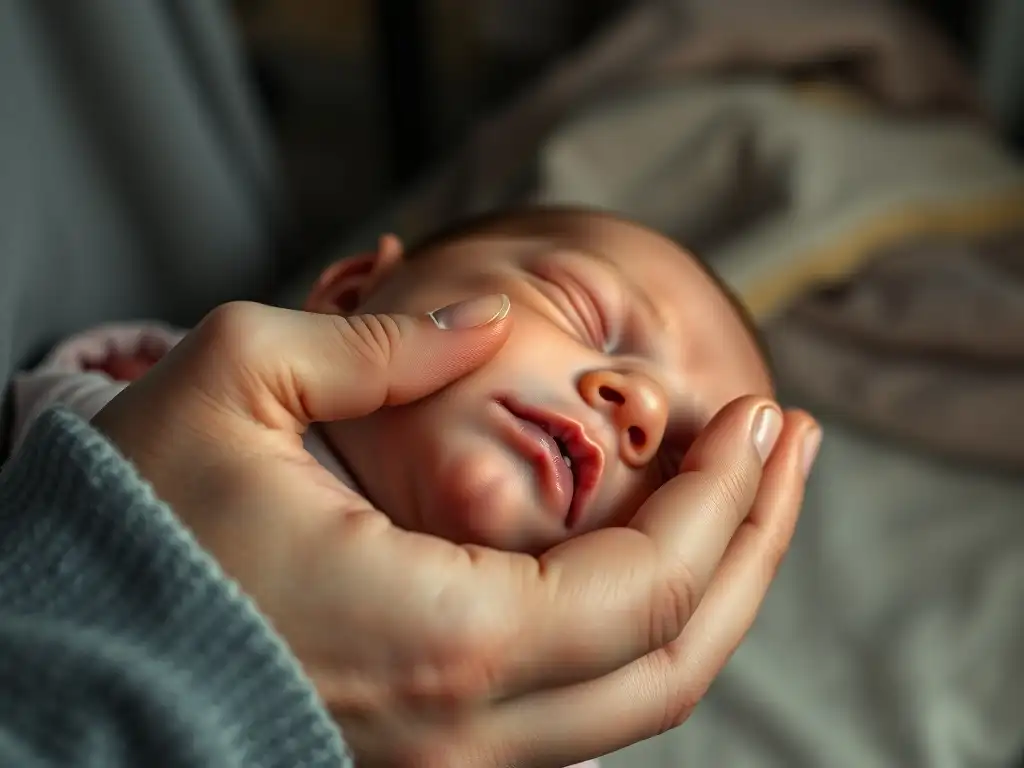
Changes in your baby's breathing pattern following a fall should never be ignored. Observe carefully for any signs of difficulty breathing, such as rapid breathing (tachypnea), shallow breathing, or labored breathing (where the baby's chest retracts with each breath). These breathing difficulties could indicate a lung injury, a pneumothorax (collapsed lung), or other serious internal injuries. Pay close attention to the rhythm and depth of your baby's breaths. Irregular breathing patterns, pauses in breathing (apnea), or gasping for air are all critical signs needing immediate medical evaluation.
For example, a baby who normally breathes smoothly and evenly might suddenly exhibit rapid, shallow breaths after a fall. This change, even if subtle, signifies a potential problem. Similarly, grunting noises during exhalation can also indicate respiratory distress. Any deviation from your baby's normal breathing rhythm, particularly if accompanied by other symptoms like cyanosis (bluish discoloration of the skin), requires urgent medical attention. Prompt diagnosis and treatment of breathing difficulties are crucial in preventing long-term complications. Do not delay seeking medical help if you notice any alterations in your baby’s breathing.
Seizures After a Fall: A Medical Emergency
A seizure following a fall is a medical emergency requiring immediate professional attention. Seizures manifest in various ways, from brief periods of staring and unresponsiveness to more dramatic convulsions involving jerking limbs and loss of consciousness. Even a single seizure after a fall is a serious indication of potential brain injury. The severity of the seizure can vary, but any episode of unusual neurological activity should be considered a high-priority medical concern.
The symptoms of a seizure can include: involuntary muscle contractions, loss of awareness, unusual eye movements, and changes in breathing. It’s vital to note the duration and characteristics of the seizure if possible, as this information will be invaluable to medical professionals. Do not attempt to restrain your baby during a seizure; instead, protect them from injury by gently cushioning their head and moving any nearby objects out of reach. After the seizure, your baby may be drowsy, confused, or have difficulty remembering the event.
This post-ictal phase also warrants close monitoring. A seizure following a fall indicates a potentially life-threatening situation, so calling emergency services immediately is paramount. Prompt medical intervention is critical in managing the situation and minimizing potential long-term consequences.
Vomiting and Persistent Diarrhea After a Baby Fall
Vomiting and diarrhea following a fall, especially if persistent or accompanied by other symptoms, can indicate a more serious underlying issue. While occasional vomiting after a bump is relatively common, persistent vomiting – meaning more than a couple of episodes – warrants immediate medical attention. This could suggest internal injuries, such as a concussion or a head injury, even if there are no outwardly visible signs.
Similarly, persistent diarrhea, especially if bloody or accompanied by fever, is a serious concern and necessitates a trip to the doctor or emergency room. The dehydration risk associated with persistent vomiting and diarrhea in infants is particularly dangerous, potentially leading to serious complications. Remember, it's always better to err on the side of caution.
Even if your baby appears to recover, the underlying cause of the vomiting and diarrhea needs to be ruled out by a medical professional. The severity of these symptoms can vary, and a medical professional can assess the situation and determine the appropriate course of action.
Swelling or Deformities: Signs of Fractures or Dislocations
Swelling and deformities after a fall are clear indicators of potential fractures or dislocations. A limb that appears misshapen, unusually swollen, or tender to the touch requires immediate medical attention. Babies' bones are still developing and more susceptible to fractures than those of adults. Even seemingly minor falls can result in fractures, particularly in the arms and legs.
A fracture may not always be immediately obvious, as babies may not exhibit the same pain response as older children or adults. Look for subtle cues like unusual fussiness, refusal to use a limb, or a change in the baby's usual behavior. Dislocations, where a bone is forced out of its joint, also present with swelling and deformity. These require prompt medical intervention to realign the joint and minimize further damage.
Delaying treatment can lead to complications in the long-term development and mobility of the affected limb. Always take any swelling or deformity seriously, and seek immediate medical advice. Early diagnosis and treatment are crucial for optimal healing and recovery.
Bleeding from the Ears, Nose, or Mouth: Immediate Medical Attention Required
Bleeding from the ears, nose, or mouth following a fall is a critical sign requiring immediate medical attention. This can indicate a serious head injury, potentially involving skull fractures or brain trauma. Even a small amount of bleeding from these areas should not be dismissed.
The severity of the bleeding is not always indicative of the severity of the underlying injury; a seemingly small amount of bleeding could mask a significant head injury. Similarly, clear or bloody fluid leaking from the ears or nose is a particularly serious sign and warrants immediate emergency medical care. This fluid may indicate cerebrospinal fluid leakage, a potentially life-threatening complication.
Do not attempt to clean or stop the bleeding yourself; instead, seek immediate medical help. Time is of the essence in cases of head injuries; prompt medical intervention significantly increases the chances of a favorable outcome. Remember, your baby's safety is paramount, and immediate medical assistance is crucial in these situations.
Changes in Pupil Size or Eye Movement: Potential Neurological Issue
Changes in pupil size or eye movement following a fall can indicate a serious head injury. Normally, pupils should be equal in size and react to light by constricting (getting smaller) when a light is shone into the eye and dilating (getting larger) when the light is removed. Any asymmetry, such as one pupil being larger than the other (anisocoria), or a failure to react to light (sluggish or absent pupillary light reflex), warrants immediate medical attention. This could suggest bleeding within the brain or other neurological damage.
Even subtle changes, like unusual eye wandering or a persistent gaze in one direction, should not be dismissed. These seemingly minor variations can be indicative of underlying intracranial injury, demanding prompt evaluation by a medical professional. Don't rely on home observations; a medical professional has the tools and expertise to accurately assess the situation. Remember, early intervention is crucial in minimizing potential long-term consequences.
Delaying medical attention can significantly impact the outcome for your baby. A thorough neurological exam is essential to rule out serious complications. The appearance of your baby's eyes, specifically the pupils and their response to light, is a key indicator of potential brain trauma. Any deviation from the norm requires immediate professional assessment.
Loss of Consciousness, Even Briefly: A Critical Sign
Even a momentary loss of consciousness after a fall, however brief, is a serious warning sign requiring immediate medical attention. This could indicate a concussion or more severe head trauma. It's crucial to remember that a baby's brain is still developing, making them more vulnerable to injury. Even a seemingly minor fall can result in significant consequences.
Don't underestimate the severity of even a short period of unconsciousness. While your baby may seem alert shortly afterward, there could be underlying damage not immediately apparent. The loss of consciousness, regardless of duration, necessitates a visit to the emergency room for a complete evaluation, including imaging studies such as CT scans or MRI scans to rule out any internal bleeding or other serious injuries. The longer you wait, the greater the risk of irreversible damage.
Immediate medical attention is critical in ensuring the best possible outcome for your child. This is not a situation to wait and see; prompt action is paramount. Record the duration of unconsciousness as accurately as possible for the medical professionals.
Persistent Vomiting or Lethargy: Signs of Internal Injury
Persistent vomiting or unusual lethargy after a fall can be indicative of a more serious underlying problem. While occasional vomiting can occur after a fall due to upset stomach, persistent vomiting, especially if accompanied by lethargy (excessive sleepiness or unusual inactivity), is a red flag. These symptoms could suggest a concussion, a skull fracture, or internal bleeding. Lethargy should not be confused with normal sleepiness; a lethargic baby will be difficult to arouse and will appear unusually unresponsive.
It's imperative to distinguish between normal infant sleep patterns and concerning lethargy. The combination of these two symptoms significantly increases the likelihood of a serious injury. Do not attempt to self-diagnose or delay seeking medical assistance. Immediate medical evaluation is crucial to identify and address any potential internal injuries.
Early intervention can be life-saving in these situations. The longer you wait, the greater the risk becomes. Trust your instincts; if you are concerned, seek medical attention immediately. A prompt medical assessment can provide peace of mind or ensure timely intervention if needed.
When to Call Emergency Services After a Baby Fall: Critical Situations

This section focuses on identifying situations following a baby fall that necessitate immediate medical attention. Prompt action is crucial in minimizing potential long-term consequences from even seemingly minor falls. Remember, a seemingly insignificant fall can have hidden, serious implications, especially for infants whose heads are disproportionately large compared to their bodies. Always err on the side of caution when it comes to your baby's health. This information is for guidance only and should not replace professional medical advice.
Severe Head Injuries: Recognizing Life-Threatening Signs
Severe head injuries following a baby fall are a serious concern. Recognizing the signs of a life-threatening head injury is critical for timely intervention. These signs can manifest immediately or develop over time. Do not delay seeking medical attention if you observe any of the following:
- Loss of consciousness: Even a brief period of unconsciousness requires immediate medical evaluation. Note the duration of unconsciousness and any other symptoms observed.
- Persistent crying or inconsolable crying: While crying is a normal response to discomfort, persistent, high-pitched, or inconsolable crying after a fall could indicate a head injury.
- Vomiting: One or two episodes of vomiting might be normal, but repeated vomiting or forceful vomiting is a serious warning sign.
- Seizures: Any seizure activity, regardless of duration, is a medical emergency. Observe the type and duration of the seizure and note the time it began.
- Bulging fontanelle: The soft spot on your baby's head (fontanelle) should not bulge significantly. A bulging fontanelle can indicate increased pressure within the skull.
- Pale skin or bluish discoloration: These are signs of poor blood circulation and oxygen deprivation.
- Pupil dilation or unequal pupil size: Changes in pupil size or reactivity to light can indicate brain damage.
- Unusual drowsiness or lethargy: A baby who is unusually sleepy or unresponsive after a fall should be examined immediately by a medical professional.
- Bleeding from the ears or nose: This can indicate a skull fracture.
- Deformity of the skull: Any visible change in the shape of the skull requires immediate medical attention.
Remember, even if your baby seems fine initially, monitor them closely for several hours after a fall. Any deterioration in their condition warrants an immediate trip to the emergency room. Document the time of the fall, the height of the fall, and any symptoms observed. This information will be invaluable for medical professionals.
Unconsciousness or Difficulty Breathing: Immediate Emergency Response Needed
Unconsciousness and difficulty breathing are critical symptoms following a fall, indicating a potentially life-threatening situation. These require immediate emergency response. Call emergency services immediately if your baby:
- Loses consciousness, even briefly.
- Experiences difficulty breathing, including rapid, shallow breaths, or gasping for air.
- Turns blue or pale around the lips or fingertips (cyanosis).
- Shows signs of respiratory distress, such as grunting or retractions (the skin between the ribs pulling in with each breath).
In these situations, every second counts. While waiting for emergency services, ensure your baby is lying flat on their back and keep their airway open. Do not attempt to move them unless absolutely necessary to ensure their safety. Stay calm and provide reassurance to your baby as much as possible. Clear and concise communication with emergency services is vital.
Severe Bleeding: Control Bleeding and Call Emergency Services Immediately
Severe bleeding from any part of the body after a fall requires immediate attention. While you're waiting for emergency medical services, take the following steps:
- Apply direct pressure: Use a clean cloth to apply firm, direct pressure to the bleeding wound.
- Elevate the injured area: If possible, elevate the bleeding limb above the heart to help slow the bleeding.
- Do not remove any embedded objects: If an object is embedded in the wound, do not attempt to remove it.
- Call emergency services immediately: Even if the bleeding seems to have stopped, it's crucial to seek medical attention to assess for potential internal injuries and ensure proper wound care.
Severe bleeding can quickly lead to shock and hypovolemic shock, which is a life-threatening condition. Prompt medical intervention is crucial. Accurate description of the injury and the amount of blood loss to emergency services personnel is important. Keep your baby calm and warm until help arrives. The severity of bleeding can be difficult to assess, so always seek medical attention if you are concerned.
Signs of Spinal Cord Injury: Do Not Move the Baby
A fall, especially from a significant height, can potentially cause a spinal cord injury in a baby. Recognizing the signs of spinal cord injury is crucial, as improper handling can worsen the damage. Do not attempt to move the baby if you suspect a spinal cord injury. Instead, immediately call emergency services.
The signs of spinal cord injury can vary, but some key indicators include: deformity of the neck or spine, noticeable swelling or bruising along the spine, loss of movement or feeling in the arms or legs (paralysis), unusual posture or limpness, difficulty breathing, changes in heart rate or blood pressure, and persistent crying or inconsolable distress that is disproportionate to the apparent injury. These symptoms might not all be present, and some might be subtle. Any suspicion of spinal cord injury warrants immediate medical attention. Even if the baby seems fine initially, delayed complications can occur.
Remember, even seemingly minor falls can lead to serious internal injuries not immediately apparent. A seemingly minor bump on the head can mask a more serious underlying concussion or intracranial bleeding. Always err on the side of caution. The consequences of delaying treatment for a spinal cord injury can be devastating and irreversible. Immediate medical assessment is essential for proper diagnosis and treatment, which may include stabilization of the spine, imaging studies (such as X-rays or CT scans), and specialized care.
Prompt action significantly improves the chances of a positive outcome. The priority is always to protect the baby's well-being and prevent further harm. Waiting to see if symptoms worsen could have dire consequences. It's always better to seek immediate medical help than to risk delaying potentially life-saving treatment. 👶
Loss of Consciousness: Even Brief Periods Require Attention
Even a very brief loss of consciousness following a fall, even if the baby seems to recover quickly, is a serious sign and requires immediate medical attention. Loss of consciousness, however short, indicates a significant impact on the brain. This could be the result of a concussion, a more serious brain injury, or internal bleeding. The baby's brain is still developing, making it particularly vulnerable to injury.
While a momentary lapse in consciousness might seem insignificant, it's impossible to know the extent of the underlying damage without a thorough medical evaluation. The baby may appear alert and active after regaining consciousness, but internal bleeding or swelling could develop later, causing serious complications. Furthermore, a seemingly minor head injury could lead to post-concussion syndrome, which can manifest with symptoms like headaches, dizziness, and cognitive difficulties. These symptoms may not appear immediately but can emerge days or even weeks after the fall.
Therefore, any period of unconsciousness, no matter how short, demands immediate medical attention. Delaying treatment increases the risk of serious complications. Emergency medical services are equipped to handle these situations, providing immediate stabilization and transport to a medical facility equipped for proper evaluation and treatment. Early intervention is key to minimizing potential long-term effects. It’s better to be safe than sorry when it comes to your baby’s health. Your prompt action can make a significant difference in their recovery and long-term well-being.
Persistent Vomiting or Seizures: Urgent Medical Care Needed
Persistent vomiting and/or seizures after a fall are significant warning signs that require immediate medical attention. While occasional vomiting can occur after a minor bump or fright, persistent vomiting—more than once or twice—indicates something more serious might be wrong. This could be a sign of a concussion, internal bleeding, or other intracranial injuries. Similarly, seizures, characterized by involuntary muscle contractions and loss of consciousness, are a serious neurological symptom.
Seizures after a fall are particularly concerning, as they can indicate significant brain trauma. The severity of the seizure, its duration, and the baby's overall condition should be carefully noted and reported to emergency medical services. A single seizure is already a cause for concern, and recurrent seizures are even more alarming. It's crucial to remain calm and provide accurate information to the emergency responders, describing the fall, the baby's symptoms, and the duration and severity of the seizures.
Both persistent vomiting and seizures require prompt medical intervention. These symptoms can indicate serious underlying issues that need immediate assessment and treatment. Delaying medical care could have severe consequences, potentially leading to long-term neurological damage or even death. The earlier the intervention, the better the chances of a successful outcome. Always prioritize seeking immediate medical help when dealing with these critical symptoms following a baby fall.
Seeking Medical Attention After a Minor Fall: When to Observe and When to Seek Advice

Even seemingly minor falls can be concerning for new parents. Knowing when to monitor your baby closely at home versus when to seek immediate medical attention is crucial. This section will help you understand the signs that warrant a trip to the doctor or emergency room after a baby fall, focusing on the key indicators that suggest something more serious than a simple bump or bruise. Remember, erring on the side of caution is always best when it comes to your baby's health. This information is for guidance only and does not replace professional medical advice.
Monitoring Your Baby After a Fall: Observing for Changes
Following a fall, consistent observation is key. While a quick cry followed by a return to normal behavior might indicate a minor incident, subtle changes can signal a more serious underlying issue. Monitor your baby closely for at least 24 hours, noting any changes in behavior, feeding habits, or physical signs. Look for:
- Changes in alertness or responsiveness: Is your baby unusually lethargic, difficult to arouse, or exhibiting unusual fussiness? A significant change in their typical behavior should raise a red flag.
- Vomiting or unusual fussiness during feeding: Repeated vomiting or refusal to feed can indicate a concussion or internal injury. Pay close attention to the frequency and force of any vomiting episodes.
- Unusual crying or irritability: Persistent crying that can't be easily soothed, especially if accompanied by other symptoms, warrants a call to your pediatrician.
- Difficulty breathing or changes in breathing patterns: Observe your baby's breathing rate and rhythm. Rapid breathing, shallow breaths, or unusual pauses in breathing require immediate medical attention.
- Pale skin or unusual discoloration: Noticeable paleness or bluish discoloration of the skin (cyanosis) can indicate a serious problem requiring immediate medical intervention.
- Bleeding from any orifice: Bleeding from the ears, nose, or mouth should be considered a serious emergency and requires immediate medical attention.
- Swelling or bruising: While some bruising is expected after a fall, extensive or rapidly expanding swelling, particularly around the head, needs assessment by a medical professional.
- Seizures or convulsions: Any seizure activity is an emergency and requires immediate medical intervention. Even a single episode warrants immediate transport to the emergency room.
It's important to document the time of the fall, the height from which your baby fell, the surface they landed on, and any immediate reactions they exhibited. This information will be valuable when discussing the incident with your pediatrician. Remember, even if your baby initially seems fine, persistent observation is crucial.
Contacting Your Pediatrician: When to Seek Professional Advice
While careful observation is vital, there are situations where immediate professional medical advice is necessary. Do not hesitate to contact your pediatrician or seek emergency medical attention if you observe any of the following:
- Loss of consciousness: Even a brief period of unconsciousness requires immediate medical evaluation.
- Persistent vomiting: More than one or two episodes of vomiting is a serious sign.
- Severe headache or persistent crying: Unconsolable crying or a persistent headache that doesn't resolve with comfort measures.
- Bulging fontanelle (soft spot on the head): A bulging fontanelle can indicate increased intracranial pressure and is a medical emergency.
- Changes in pupil size or reactivity: Unequal pupil size or a lack of response to light requires immediate attention.
- Any sign of spinal injury: This includes weakness, numbness, or paralysis in any part of the body. Do not attempt to move your baby if you suspect a spinal injury.
- Unusual sleepiness or lethargy: Significant changes in your baby's sleep patterns, especially prolonged periods of sleepiness that are difficult to interrupt.
When contacting your pediatrician, clearly describe the fall, your baby's symptoms, and your concerns. Be prepared to answer questions about the circumstances surrounding the fall and your baby's subsequent behavior.
Following Up With Your Doctor: Importance of Post-Fall Checkups
Even if your baby appears to have recovered fully after a fall, a follow-up appointment with your pediatrician is often recommended, especially after a significant fall or if you have any lingering concerns. This checkup allows for a thorough examination to rule out any delayed or subtle injuries that may not be immediately apparent. The doctor can assess your baby's neurological function, check for any signs of internal bleeding or head injury, and provide reassurance.
This follow-up visit is a crucial step in ensuring your baby's continued well-being and peace of mind for you as a parent. Regular checkups are an essential part of proactive baby care and contribute significantly to their overall health and development. Don't underestimate the importance of these post-fall checkups; they provide valuable insights and peace of mind.
Preventing Future Falls: Creating a Safe Environment for Your Baby
After a fall, ensuring your baby's safety moving forward is paramount. This involves proactive measures to prevent future incidents. A safe home environment is the cornerstone of baby fall prevention. Understanding the risks and taking preventative steps significantly reduces the likelihood of another fall. This section outlines key strategies to create a safe haven for your little one, minimizing the chances of future accidents. Remember, even seemingly minor adjustments can make a significant difference.
Baby-proofing Your Home: Essential Steps to Prevent Falls
Baby-proofing is not a one-time task; it's an ongoing process that adapts as your baby grows and develops new mobility skills. Start by crawling around your home at your baby's level to identify potential hazards. This perspective will reveal unseen dangers.
Here's a checklist of essential baby-proofing steps:
- Secure furniture: Use wall anchors to secure tall furniture like bookshelves and dressers. Tip-overs are a major cause of injuries. Consider using furniture straps for added security, especially in areas where your baby spends significant time playing.
- Install window guards: Windows pose a serious fall risk. Install window guards that meet safety standards to prevent your baby from falling out. Ensure they are securely fastened and regularly checked.
- Cover electrical outlets: Use safety plugs to cover all electrical outlets within reach. This prevents accidental electrocution and keeps curious fingers safe.
- Pad sharp corners: Protect your baby from sharp corners and edges on furniture by using corner guards or cushions. These simple additions can significantly reduce the severity of injuries from bumps and falls.
- Gate off stairs: Install sturdy baby gates at the top and bottom of all staircases. Choose gates that are securely mounted and difficult for your baby to climb or open. Regularly inspect the gates for any signs of wear or damage.
- Secure cords and wires: Tidy up all electrical cords and wires, taping them down or using cord covers to prevent tripping hazards. Keep them out of your baby's reach to avoid strangulation risks.
- Use safety latches on cabinets and drawers: Prevent access to dangerous cleaning supplies and other potentially harmful items by using safety latches on cabinets and drawers. This is critical for preventing ingestion of toxic substances.
Safe Sleep Practices: Reducing the Risk of Falls During Sleep
Safe sleep practices are crucial not only for preventing Sudden Infant Death Syndrome (SIDS) but also for reducing the risk of falls from cribs or other sleep surfaces. A firm, flat sleep surface is essential.
- Firm mattress: Ensure the crib mattress fits snugly, leaving no gaps between the mattress and the crib sides. A firm mattress reduces the risk of your baby sinking into it, potentially getting stuck and struggling.
- No loose bedding: Avoid using pillows, blankets, bumpers, or stuffed animals in the crib. These items can pose suffocation hazards and contribute to the risk of entrapment. A fitted sheet is all that is needed.
- Proper crib placement: Place the crib away from windows, curtains, blinds, or any objects that your baby could pull down or reach. Avoid placing the crib near furniture that your baby could climb to reach it.
- Consistent sleep surface: Use the same sleep surface consistently, whether at home or away. This helps your baby feel secure and reduces the risk of falls from an unfamiliar sleep surface.
- Lower crib mattress: As your baby grows and becomes more mobile, lower the crib mattress to its lowest setting. This minimizes the distance of a potential fall.
Supervising Your Baby Constantly: The Most Effective Fall Prevention Method
While baby-proofing is essential, constant supervision is the most effective way to prevent falls. Even with a meticulously baby-proofed environment, accidents can still happen. Never leave your baby unattended on elevated surfaces, such as changing tables, beds, or couches.
- Dedicated supervision: Designate a caregiver to watch your baby at all times when they are awake and mobile. Avoid distractions while supervising your baby; prioritize their safety above all else.
- Proximity is key: Keep your baby within arm's reach whenever possible. This allows for quick intervention if they start to move towards a potentially dangerous area.
- Anticipate movement: Observe your baby's behavior and anticipate their movements. This allows you to prevent falls before they occur. Be aware of their developmental milestones and adjust your supervision accordingly.
- Create safe zones: Designate specific safe zones in your home where your baby can play without significant risk of falls. These zones should be free from hazards and easily supervised.
- Teamwork: If you have other family members or caregivers involved in your baby's care, ensure everyone is aware of the importance of constant supervision and understands the safety measures in place. Consistent supervision is a shared responsibility.
Remember, proactive measures and constant vigilance are your best defenses against baby falls. By combining baby-proofing with attentive supervision, you can significantly reduce the risk of serious injuries and create a safe and nurturing environment for your little one. The peace of mind that comes from knowing you've taken every precaution is invaluable.
Frequently Asked Questions
What are some common symptoms after a baby fall that might seem minor but warrant a doctor's visit?
Even seemingly minor symptoms like fussiness, lethargy, or changes in feeding habits after a fall should be checked by a doctor. These could indicate an underlying injury. Don't hesitate to seek medical attention.
My baby fell and hit their head, but they seem fine now. Should I still see a doctor?
Yes, even if your baby seems fine immediately after a head injury, it's crucial to seek medical attention. Internal bleeding or concussions might not show immediate symptoms. A doctor can assess for any potential problems.
My baby fell and is vomiting. How serious is this?
Vomiting after a fall can be a serious symptom, especially when accompanied by other signs like headache, dizziness, or loss of consciousness. Seek immediate medical care if your baby is vomiting.
At what age is a baby fall more likely to cause serious injury?
Younger babies, particularly those under six months, are more vulnerable to serious injuries from falls due to their undeveloped neck muscles and fragile bones. Early intervention is key.
My baby fell and has a bump on their head. When should I be concerned?
A bump on the head might be a minor bruise, but it's important to watch for swelling, deformity, or changes in consciousness. Seek immediate medical attention if you notice any concerning changes.
Final Reflection: The Silent Urgency of a Baby's Fall
The seemingly innocuous tumble of a baby can hold a silent urgency, a hidden danger that demands our immediate attention. Ignoring even minor symptoms after a fall can have devastating consequences, highlighting the critical need for parents and caregivers to be vigilant and informed. This article has explored the spectrum of fall-related injuries in infants, from seemingly insignificant bumps to life-threatening traumas, emphasizing the importance of prompt medical evaluation.
The emotional toll of witnessing a child fall, coupled with the uncertainty surrounding potential injuries, is a burden many parents bear. The fear of the unknown, the agonizing wait for a diagnosis, and the potential for long-term consequences can leave lasting impacts. The most precious thing in the world is the life of a child.
This simple truth underscores the responsibility we all share in ensuring the safety and well-being of our youngest members of society. Understanding the subtle signs of serious injury empowers us to act decisively and protect our children.
Now, consider your own understanding of baby safety. Have you identified potential hazards in your home? Do you feel confident in your ability to recognize the signs of a serious injury after a fall? Take the time to review the information presented in this article, and empower yourself with the knowledge to make informed decisions. Your vigilance could be the difference between a quick recovery and a life-altering event. Let's work together to create a safer world for our babies.
Unlock Peace of Mind: Taking Action to Protect Your Baby After a Fall
Thank you for learning about recognizing serious symptoms after a baby's fall. We hope this information empowers you to protect your child. Let's put this knowledge into practice.
- Detailed Record Keeping: Maintain a thorough record of the fall itself, your baby's immediate reactions, and any changes in their behavior or condition over the following hours. This detailed record will be invaluable should you need to seek medical attention.
- Contact Your Pediatrician: Don't hesitate to call your pediatrician, even if your concerns seem minor. A quick call can provide reassurance or prompt necessary medical intervention.
- Share This Information: Help other parents protect their children by sharing this information. Share this article on social media or with friends and family who are parents.
Ready to prioritize your baby's well-being? What steps will you take today to ensure your child's safety following a fall?