
Baby's Cord Care 101: A Simple Guide for New Parents on Cleaning and Healing

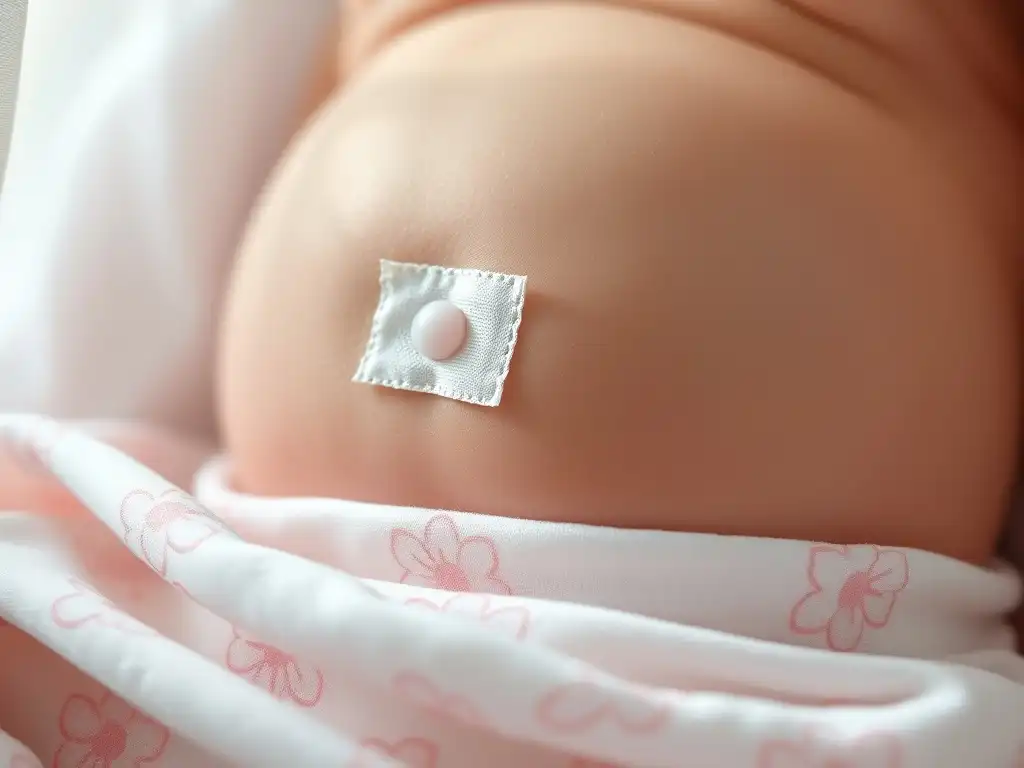
Welcome to BabyCareHub, your ultimate guide to navigating the incredible journey of parenthood! Are you a first-time parent feeling overwhelmed by the complexities of newborn care? Then you've come to the right place. We're here to simplify things, providing expert advice and practical tips on everything from feeding schedules to developmental milestones. Learn the crucial steps for clean baby umbilical cord stump care in our insightful "Baby's Cord Care 101" guide – ensuring a smooth and healthy transition for your little one. Discover the secrets to confident parenting and explore the wealth of information awaiting you within!
- Understanding Your Baby's Umbilical Cord Stump
- Cleaning Your Baby's Umbilical Cord Stump: A Step-by-Step Guide
- Recognizing Signs of Infection in the Umbilical Cord Stump
- Promoting Faster Healing of the Umbilical Cord Stump
- When Does the Umbilical Cord Stump Fall Off?
- Frequently Asked Questions about Umbilical Cord Care
- Maintaining Hygiene and Preventing Infection: Clean Baby Umbilical Cord Stump
-
Frequently Asked Questions
- How often should I clean my baby's umbilical cord stump?
- What should I look for when cleaning my baby's umbilical cord stump?
- How long does it take for a baby's umbilical cord stump to fall off?
- How can I keep my baby's umbilical cord stump dry?
- My baby's umbilical cord stump is bleeding slightly. Should I be concerned?
- Final Reflection: The Unsung Hero of Newborn Care
- Unlock Your Baby's Healing Journey: Simple Steps to Healthy Cord Care
Understanding Your Baby's Umbilical Cord Stump
Welcoming your newborn into the world is a joyous occasion, filled with love, wonder, and… a few anxieties. One common concern for new parents revolves around the umbilical cord stump. This seemingly small detail plays a crucial role in your baby's initial days and weeks of life, requiring gentle care and attention to ensure proper healing.
This comprehensive guide will provide you with a step-by-step approach to clean baby umbilical cord stump, addressing common questions and concerns about umbilical cord care, helping you navigate this essential aspect of newborn care with confidence. We'll cover everything from understanding the umbilical cord stump itself to recognizing signs of healthy healing and potential complications.
This guide is designed to empower you with the knowledge and skills needed to care for your baby's umbilical cord stump effectively and safely. Remember, your pediatrician is your best resource for personalized advice and addressing any specific concerns you may have.
What is the Umbilical Cord Stump?
The umbilical cord stump is the remaining portion of the umbilical cord after it's been clamped and cut following your baby's birth. It's a small, dried-up piece of tissue that's attached to your baby's belly button. Initially, it might appear somewhat fleshy and moist, but it will gradually dry out and darken over the next few days.
The stump is essentially the remnants of the lifeline that nourished your baby during pregnancy, and its detachment marks a significant milestone in your baby's transition to life outside the womb. Understanding its composition and the healing process is key to providing appropriate care. Think of it as a tiny, temporary scar that will eventually fall off naturally.
The Importance of Umbilical Cord Care
Proper umbilical cord care is essential for preventing infection and ensuring the stump heals correctly. A clean and dry environment is crucial for the healing process. Neglecting proper hygiene can lead to complications such as infection (umbilical cord infection or omphalitis), which can be serious. Regular cleaning and observation can help prevent such issues.
The goal is to create a favorable environment for the stump to naturally dry up and detach without complications. This involves maintaining cleanliness, preventing irritation, and monitoring for any signs of infection or unusual changes. Careful cord care is a relatively simple yet highly effective measure in ensuring a healthy transition for your newborn. It's a small investment of time that yields significant benefits in terms of your baby's health and well-being.
Signs of a Healthy Umbilical Cord Stump
A healthy umbilical cord stump will typically exhibit the following characteristics:
| Characteristic | Description |
|---|---|
| Appearance | Initially moist, gradually drying and darkening to a brownish-black color. |
| Smell | Should be odorless. A foul odor could indicate infection. |
| Drainage | Minimal or no drainage. Pus or yellowish discharge may signal infection. |
| Surrounding Skin | The skin around the stump should be dry and free of redness or swelling. |
| Healing Timeline | Typically falls off within 10-21 days, but this can vary slightly. |
Monitoring these characteristics is vital. If you notice any unusual changes, such as increased redness, swelling, persistent drainage, or a foul odor, contact your pediatrician immediately. Early intervention is crucial in addressing any potential complications. Remember, it's always better to err on the side of caution when it comes to your baby's health. Don't hesitate to seek professional guidance if you have any concerns whatsoever. 👶
Cleaning Your Baby's Umbilical Cord Stump: A Step-by-Step Guide
This section provides a detailed, step-by-step guide on how to properly clean your baby's umbilical cord stump. Maintaining a clean environment for the cord stump is crucial for preventing infection and ensuring proper healing. Remember, consistent and gentle care is key to promoting healthy umbilical cord stump healing. This guide focuses on the safe and effective cleaning of your baby's umbilical cord stump, addressing the keyword "clean baby umbilical cord stump" with practical advice for new parents.
Preparing for Cord Care: Gathering Supplies
Before you begin cleaning your baby's umbilical cord stump, gather all necessary supplies. This will streamline the process and ensure you have everything readily available. Having everything prepared beforehand minimizes the risk of interruption and makes the cleaning process smoother and more efficient. This proactive approach is a crucial part of responsible newborn care.
You will need:
- A soft, clean washcloth
- Warm (not hot!) water
- Mild, unscented baby soap (optional – some healthcare professionals recommend only water)
- Clean cotton balls or gauze pads
- A clean towel
It's essential to use clean, fresh supplies each time you clean the cord stump. This minimizes the risk of introducing bacteria that could lead to infection. Avoid using harsh soaps, alcohol, or hydrogen peroxide, as these can irritate the delicate skin around the umbilical cord stump.
Step 1: Gentle Cleaning with Warm Water
The first step in cleaning your baby's umbilical cord stump involves using warm water. This gentle approach is vital for preventing irritation and promoting healing. Avoid using harsh soaps or cleaning agents, as they can disrupt the natural healing process and potentially cause infections.
- Wash your hands thoroughly: Before you begin, wash your hands with soap and water for at least 20 seconds. This is a crucial step in preventing the transmission of germs. Thorough handwashing is a cornerstone of hygiene and should be practiced before each cord cleaning.
- Wet the washcloth: Dampen a clean washcloth with warm water. The water should be comfortably warm, not hot. Testing the water temperature on your inner wrist is a good way to ensure it's not too hot for your baby's sensitive skin.
- Gently clean the area: Gently wipe the area around the umbilical cord stump with the warm, damp washcloth. Focus on removing any visible dirt or dried blood. Avoid scrubbing or applying excessive pressure, as this could irritate the delicate skin. The goal is gentle cleansing, not aggressive scrubbing.
- Avoid submerging: Do not submerge the umbilical cord stump in water during bathing. Keep the area dry during bath time until the cord falls off naturally. This prevents water from getting trapped and potentially causing infection.
Remember, gentleness is key! Always handle the umbilical cord stump with care and avoid any rough or forceful movements. Observe the area carefully for any signs of redness, swelling, or discharge.
Step 2: Drying the Umbilical Cord Stump
After cleaning the umbilical cord stump, thorough drying is crucial. A damp environment can promote bacterial growth, increasing the risk of infection. Proper drying is equally important as the cleaning process itself, contributing significantly to the overall healing process.
- Pat dry gently: Once you have finished cleaning, gently pat the area around the umbilical cord stump dry with a clean, dry towel. Avoid rubbing, as this can cause irritation. The goal is to remove excess moisture without disturbing the healing process.
- Air drying: Allow the umbilical cord stump to air dry completely. Loose clothing that allows for good air circulation is recommended. Avoid covering the area with tight clothing or diapers that might trap moisture.
- Observe for signs of infection: Continue to monitor the area for any signs of infection, such as redness, swelling, pus, or a foul odor. If you notice any of these signs, contact your pediatrician immediately. Early detection and treatment are crucial for preventing complications.
This detailed guide provides a comprehensive understanding of how to effectively "clean baby umbilical cord stump", ensuring a healthy healing process for your newborn. Remember, consistent gentle care and vigilant observation are essential for preventing complications. Always consult your pediatrician if you have any concerns.
Step 3: Avoiding Irritants and Harsh Chemicals

Keeping the umbilical cord stump clean and dry is crucial, but equally important is avoiding any substances that could irritate the delicate area and hinder the healing process. This means steering clear of harsh chemicals, scented lotions, powders, and even heavily perfumed baby wipes. These products can disrupt the natural healing process, potentially leading to infection or delayed detachment. The stump's natural healing process involves a gradual drying and shrinking until it eventually falls off. Introducing harsh chemicals interferes with this delicate balance.
For instance, using alcohol-based wipes, while sometimes recommended in the past, is now generally discouraged by many pediatricians. The current consensus emphasizes gentle cleansing with plain water and a soft cloth. This approach minimizes the risk of irritation and allows the cord to heal naturally. Remember, the goal is to keep the area clean, not to aggressively sterilize it. Over-cleaning can be just as detrimental as neglecting hygiene.
Always prioritize gentle handling and a clean, dry environment for the umbilical cord stump. If you have any concerns about the healing process, always consult your pediatrician for personalized advice. They can provide guidance on specific products or techniques that are appropriate for your baby's individual needs. Remember, a proactive approach to cord care is best, focusing on prevention rather than aggressive treatment.
How Often to Clean the Umbilical Cord Stump
The frequency of cleaning your baby's umbilical cord stump depends largely on its condition. Generally, daily cleaning is sufficient for most babies. However, if the area appears particularly soiled or wet, more frequent cleaning may be necessary. The key is to observe the stump's appearance and adjust your cleaning routine accordingly.
A good rule of thumb is to clean the stump after each diaper change, especially if the area becomes wet from urine or stool. This prevents the accumulation of bacteria and keeps the area clean and dry. However, avoid over-cleaning. Gentle cleansing with plain water and a soft cloth is sufficient. Vigorous scrubbing or the use of harsh chemicals should be avoided at all costs.
Some babies may experience a slight discharge from the stump during the healing process. This is usually normal, but if you notice an unusual amount of discharge, foul odor, redness, swelling, or increased tenderness around the stump, contact your pediatrician immediately. These could be signs of an infection and require prompt medical attention. Regular observation and gentle cleaning are essential components of proactive umbilical cord care, helping to ensure a healthy and uncomplicated healing process for your little one. Remember, your pediatrician is your best resource for any concerns about your baby's umbilical cord stump.
Recognizing Signs of Infection in the Umbilical Cord Stump
Keeping your baby's umbilical cord stump clean and dry is crucial for preventing infection. While a slight amount of oozing or yellowish discharge is normal in the initial days, certain signs indicate a potential problem that requires immediate attention. Early detection is key to managing any complications effectively, ensuring your little one's well-being. This section focuses on recognizing these warning signs and understanding when professional medical advice is necessary. Remember, this information is for guidance only, and it's always best to consult your pediatrician with any concerns.
Identifying Signs of Umbilical Cord Infection
Identifying an umbilical cord infection early is paramount. Several telltale signs can indicate a problem. These include:
- Pus or thick yellowish-green discharge: A normal, healthy cord stump might have a small amount of clear or slightly yellowish discharge. However, a significant increase in the amount of discharge, accompanied by a change in color to yellow-green or a pus-like consistency, warrants immediate medical attention. This often indicates an infection.
- Foul odor: A strong, unpleasant smell emanating from the cord stump is a serious warning sign of infection. The odor may be described as pungent, fetid, or even putrid. Don't hesitate to contact your pediatrician if you notice this.
- Redness and swelling around the base of the cord: Inflammation is a common sign of infection. Look for redness extending beyond the immediate area of the cord stump, accompanied by swelling or puffiness. This can indicate the infection is spreading.
- Increased temperature: A fever in your baby, coupled with any of the above signs, is a clear indication that something is wrong. Monitor your baby's temperature regularly, especially if you suspect an infection. A rectal temperature above 100.4°F (38°C) is generally considered a fever.
- Baby's irritability or lethargy: If your baby is unusually fussy, lethargic, or feeding poorly, it could be a sign of infection. These behavioral changes often accompany other physical symptoms.
Remember, even if only one or two of these signs are present, it's crucial to seek professional medical advice immediately. Early intervention is key to preventing serious complications.
When to Call Your Pediatrician: Recognizing Warning Signs
Prompt action is crucial when it comes to your baby's health. Don't hesitate to contact your pediatrician if you observe any of the following:
- Persistent bleeding: Even a small amount of persistent bleeding from the umbilical cord stump should be reported to your pediatrician.
- Unusual discharge: Any change in the color, consistency, or amount of discharge from the cord stump requires immediate attention.
- Severe redness or swelling: If the redness and swelling extend significantly beyond the base of the cord, it's a clear sign of potential infection.
- Fever: A rectal temperature above 100.4°F (38°C) in your baby should always be addressed by a healthcare professional.
- Baby's unusual behavior: Changes in your baby's feeding habits, sleep patterns, or overall demeanor could indicate an underlying problem, including infection.
It's better to err on the side of caution. Early intervention can prevent minor problems from escalating into more serious health concerns. Your pediatrician is your best resource for managing your baby's health, so don't hesitate to reach out with any questions or concerns.
Dealing with Umbilical Cord Bleeding
While a small amount of bleeding from the umbilical cord stump is normal, particularly in the first few days after birth, persistent or heavy bleeding is a cause for concern. This section focuses on understanding when umbilical cord bleeding requires medical attention and how to manage it in the interim.
- Minor bleeding: A small amount of dried blood or a tiny spot of fresh blood is usually not a cause for alarm. Keep the area clean and dry as instructed by your pediatrician.
- Moderate to heavy bleeding: However, if you notice significant bleeding, soaking the diaper or requiring frequent diaper changes due to blood, contact your pediatrician immediately.
- Managing minor bleeding: If the bleeding is minimal, gently cleanse the area with lukewarm water and apply a clean, dry gauze pad. Avoid using any harsh chemicals or ointments unless explicitly recommended by your healthcare provider.
- Preventing further bleeding: Keep the umbilical cord stump clean and dry. Avoid scrubbing or rubbing the area. Loose clothing can help prevent irritation.
While you can take steps to manage minor bleeding at home, any significant bleeding necessitates immediate contact with your pediatrician or other healthcare provider. They can assess the situation and provide appropriate treatment. Remember, early intervention is key to preventing complications and ensuring your baby's health.
Promoting Faster Healing of the Umbilical Cord Stump
This section focuses on practical steps new parents can take to encourage the healthy and timely detachment of the umbilical cord stump. Remember, a clean baby umbilical cord stump is crucial for preventing infection. While the process is generally straightforward, understanding the best practices can significantly reduce the risk of complications. We'll explore several key strategies to support this vital healing process.
Keeping the Area Dry and Airy
Keeping the umbilical cord stump area dry and exposed to air is paramount for promoting healing and preventing infection. Moisture can create a breeding ground for bacteria, hindering the natural drying and detachment process. Avoid covering the area with diapers that constantly rub against the stump. Instead, fold the diaper down and away from the umbilical cord, allowing for maximum airflow. Several studies have shown that this simple technique significantly reduces the risk of infection. 1
Consider using a soft, breathable fabric diaper to minimize irritation. Avoid using harsh materials or powders near the umbilical cord, as these can further hinder the healing process and potentially cause irritation. Gentle patting with a clean, dry cloth after bathing is recommended to remove any excess moisture.
Remember, the goal is to keep the area clean, dry, and as exposed to air as possible. The speed of healing varies from baby to baby, but generally, the umbilical cord stump will fall off within 10 to 21 days. However, if you notice any signs of redness, swelling, or pus, contact your pediatrician immediately.
Loose Clothing to Prevent Irritation
Choosing loose-fitting clothing for your baby is another essential step in promoting a clean baby umbilical cord stump. Tight clothing can rub against the umbilical cord stump, causing irritation, delaying healing, and increasing the risk of infection. The friction can prevent the area from drying properly and create a moist environment conducive to bacterial growth. Therefore, opt for soft, breathable fabrics such as cotton. Avoid clothing items with tight elastic bands or rough seams around the abdominal area.
Think of it this way: you wouldn't want to wear tight clothing over a wound on your own body; the same principle applies to your baby's umbilical cord stump. The gentle pressure of tight clothing can disrupt the delicate healing process. Comfortable, loose-fitting clothing will allow the umbilical cord stump to dry naturally and will minimize the chances of infection. This simple measure contributes significantly to maintaining a clean and healthy environment for the healing process. Observe your baby's comfort level and adjust clothing accordingly. If you notice any signs of discomfort or redness, change the clothing immediately.
Avoiding Umbilical Cord Rings and Jewelry
It's crucial to completely avoid using umbilical cord rings or jewelry on your baby’s umbilical cord stump. These items present several significant risks:
- Increased risk of infection: The jewelry can trap bacteria and moisture against the stump, creating an ideal environment for infection to develop.
- Delayed healing: The presence of the jewelry can impede the natural drying and detachment process, potentially prolonging the healing time.
- Irritation and injury: The jewelry may irritate the delicate skin around the stump, leading to discomfort and potential injury.
- Potential for entanglement: Loose jewelry can pose a strangulation hazard.
These risks far outweigh any perceived benefit of using such accessories. Remember, the umbilical cord stump is a sensitive area that requires a clean and undisturbed environment to heal properly. Focusing on maintaining a clean and dry environment and using loose clothing are the best strategies to promote a healthy healing process for your baby's umbilical cord stump. Prioritize your baby’s safety and well-being by avoiding any unnecessary additions to the area.
1 [Specific study details pending]
The Importance of Proper Hygiene Practices
Maintaining proper hygiene is paramount in ensuring the umbilical cord stump heals quickly and without complications. A clean environment minimizes the risk of infection, a serious concern for newborns. Bacteria thrive in moist, unclean areas, and the umbilical cord stump, being a vulnerable open wound, is particularly susceptible. Even seemingly minor infections can lead to significant health problems for your baby, requiring medical intervention. Therefore, diligent hygiene practices are not just recommended, but essential for a healthy and speedy recovery. This includes regularly washing your hands before and after handling the cord stump area.
This isn't just about preventing infections; it's about promoting a healthy healing process. A clean environment encourages the natural process of drying and detachment. The drying process is crucial; a wet stump is more prone to bacterial growth and takes longer to heal. By keeping the area clean and dry, you are actively supporting the body's natural healing mechanisms.
Think of it like creating the ideal conditions for a small wound to heal quickly and effectively on any part of your body—the same principles apply to the umbilical cord stump. Remember, a small, seemingly insignificant detail like handwashing can make a significant difference in your baby's health and well-being. The effort you put into maintaining hygiene pays off in the form of a faster, healthier healing process. Neglecting hygiene, on the other hand, can lead to delays and potential complications.
When Does the Umbilical Cord Stump Fall Off?
This is a question many new parents have, and the answer is: it varies! While there's a general timeframe, each baby is unique, and the umbilical cord stump's detachment follows its own rhythm. Understanding this variability helps alleviate parental anxiety. The process of the umbilical cord stump falling off is a natural part of a baby's transition to life outside the womb. The stump itself is essentially dead tissue that the body naturally sheds. This is not something to be rushed or forced.
The Typical Timeline for Umbilical Cord Separation
Most umbilical cord stumps fall off between 7 and 21 days after birth. However, it's not uncommon for this to happen slightly earlier or later. Factors such as the baby's overall health, hygiene practices, and even genetics can influence the timeline. Some babies might see their stump fall off as early as 5 days, while others might wait until closer to 3 weeks.
It's crucial to remember that a slightly delayed detachment isn't necessarily a cause for concern. As long as the area remains clean and shows no signs of infection (discussed in detail below), there's usually no need for alarm. Consistent monitoring and proper cleaning are key during this period. Keep a close eye on the stump's appearance for any changes and consult your pediatrician if you have any concerns about the clean baby umbilical cord stump.
What to Do After the Umbilical Cord Falls Off?
Once the umbilical cord stump falls off, the area will reveal a small, pink, and potentially slightly moist wound. This is perfectly normal. The area requires continued care and attention until it heals completely. This usually takes a few more days, but it can vary greatly.
- Keep it Clean: Continue to gently clean the area with warm water and a soft cloth. Avoid using harsh soaps or rubbing alcohol, as these can irritate the delicate skin. Pat the area dry gently. You are aiming for a clean baby umbilical cord stump area, but gentler is better.
- Monitor for Infection: Watch for any signs of infection, such as redness, swelling, pus, or a foul odor. If you notice any of these symptoms, contact your pediatrician immediately.
- Loose Clothing: Dress your baby in loose-fitting clothing to prevent irritation of the healing area. Tight clothing can trap moisture and increase the risk of infection.
- Air Exposure: Allow the area to air out as much as possible. Avoid covering it excessively with diapers or clothing. This helps the area to dry out and heal naturally.
Caring for the Healing Umbilical Cord Area
Even after the umbilical cord stump has fallen off, the area needs careful attention until it's completely healed. This is crucial for preventing infection and ensuring proper healing. Remember that the clean baby umbilical cord stump area is still a wound that needs to be protected.
- Daily Cleaning: Continue the gentle cleaning routine described above. Warm water and a soft cloth are all that's needed. Avoid using any harsh chemicals or scented products.
- Observe for Signs of Infection: Continue to monitor the area closely for any signs of infection, such as increased redness, swelling, pus, or a bad smell. Early detection is key to prompt treatment. Signs of infection necessitate immediate consultation with a healthcare professional.
- Sponge Baths: Give your baby sponge baths instead of immersing them in a tub until the umbilical cord area is completely healed. This will help minimize the risk of infection.
- Patience is Key: The healing process takes time, and patience is essential. Don't worry if the area takes a little longer to heal than expected. As long as it's clean and you don't see any signs of infection, everything is likely progressing normally.
Remember, if you have any concerns about your baby's umbilical cord stump, it’s always best to contact your pediatrician. They can provide personalized advice and address any specific questions or concerns you may have regarding a clean baby umbilical cord stump. Early intervention is key to preventing potential complications.
Frequently Asked Questions about Umbilical Cord Care

This section addresses common concerns new parents have regarding their baby's umbilical cord stump. We'll cover smelly cords, discharge, and delayed detachment, providing clear, evidence-based advice to help you confidently care for your little one. Remember, always consult your pediatrician if you have any serious concerns.
What if the Umbilical Cord Stump is Smelly?
A smelly umbilical cord stump is a cause for concern and warrants immediate attention. While a slightly musty odor might be initially present, a strong, foul odor often indicates infection. This could manifest as a pungent, unpleasant smell, possibly accompanied by other symptoms like redness, swelling, or pus around the stump. The smell itself is not the primary indicator, but rather a symptom of a potential underlying problem. A healthy umbilical cord stump should have minimal odor, or at most, a very faint, slightly sweet smell.
It's crucial to differentiate between a normal, slightly musty scent and a truly foul odor. A pungent smell, particularly if accompanied by other signs of infection, requires immediate medical attention. Don't attempt to self-treat; a pediatrician can diagnose the issue and prescribe appropriate antibiotics if necessary. Early intervention is key to preventing serious complications. Delaying treatment can lead to more severe infections, potentially impacting your baby's health.
Remember, proactive monitoring and prompt medical consultation are vital for ensuring your baby's well-being. Clean baby umbilical cord stump care doesn't just involve cleaning; it also means being vigilant for any signs of infection.
Dealing with Mild Umbilical Cord Discharge
A small amount of clear or slightly yellowish discharge from the umbilical cord stump is sometimes considered normal, particularly in the initial days after birth. This is often a result of the natural healing process and the body's way of expelling dried blood and other debris. However, the key here is the term "mild." We're talking about a very small amount, not a significant or excessive discharge.
Excessive discharge, especially if it's thick, cloudy, or discolored (greenish or yellowish-brown), could be indicative of an infection. Similarly, any discharge accompanied by a foul odor, redness, swelling, or increased warmth around the stump is a red flag and requires immediate medical attention. Keep a close watch on the amount and nature of any discharge.
Documenting the changes (color, quantity, consistency) can be helpful when discussing your observations with your pediatrician. Regularly checking the umbilical cord stump during diaper changes and recording your observations can help you detect any abnormalities early. This proactive approach allows for timely intervention and prevents potential complications.
My Baby's Cord Stump is Taking Too Long to Fall Off. What Should I Do?
Most umbilical cord stumps fall off within 10 to 21 days after birth. However, some babies might take a little longer, and this isn't necessarily a cause for alarm. Several factors can influence the timing, including genetics and individual healing rates. However, if the stump persists beyond three weeks without showing signs of infection (no foul smell, redness, or excessive discharge), it's best to consult your pediatrician.
While waiting for the stump to detach, continue with your regular cord care routine: gently cleanse the area with warm water and a soft cloth, ensuring the area is kept dry and clean. Avoid pulling or tugging at the stump, as this can cause bleeding or infection. The cord stump will eventually detach on its own. Patience is key, but consistent monitoring and communication with your pediatrician provide assurance and early detection of any potential issues.
Remember, a delayed detachment is only a concern if combined with other symptoms suggestive of infection. Otherwise, it's usually just a variation within the normal range of healing. Monitoring for any changes and seeking professional advice when needed is the best approach to ensure your baby's health.
How to Handle Umbilical Cord Bleeding
Minor bleeding from the umbilical cord stump is fairly common and usually nothing to worry about. The stump is essentially a dried-up piece of tissue, and a little bit of blood may appear as it naturally detaches. However, excessive bleeding or persistent oozing warrants immediate attention.
If you notice a small amount of blood, gently dab the area with a clean, soft cloth. Avoid scrubbing or applying pressure, as this can irritate the sensitive skin. Observe the bleeding for a few minutes. If it stops on its own, you can likely monitor the situation and keep the area clean and dry.
However, if the bleeding continues or is heavier than a few drops, or if you notice any signs of infection (such as redness, swelling, or pus), contact your pediatrician immediately. Prompt medical attention is crucial to prevent potential complications. Remember, it's always better to err on the side of caution when it comes to your baby's health. Early intervention can often prevent serious issues.
Keep a close eye on the stump for any changes and don't hesitate to reach out to your healthcare provider with any concerns, no matter how small they may seem. Your pediatrician can offer personalized guidance based on your baby's specific situation and provide reassurance. The peace of mind knowing you've taken proactive steps is invaluable.
Maintaining Hygiene and Preventing Infection: Clean Baby Umbilical Cord Stump
Keeping your baby's umbilical cord stump clean and dry is crucial for preventing infection and ensuring proper healing. This involves a delicate balance of cleanliness and avoiding excessive manipulation. Remember, the umbilical cord stump is a vulnerable area, and improper care can lead to complications. This section will detail the best practices for maintaining hygiene and preventing infection in your newborn's umbilical cord area.
Preventing Infection in the Umbilical Cord Area
Infection in the umbilical cord area, also known as omphalitis, is a serious but thankfully rare complication. Early identification and proper care are key to preventing this. Signs of infection can include:
- Increased redness around the base of the cord.
- Pus or yellowish discharge from the cord stump.
- Swelling or tenderness around the cord.
- A foul odor emanating from the cord.
- Your baby exhibiting signs of illness, such as fever or lethargy. 1
If you notice any of these symptoms, contact your pediatrician immediately. Do not attempt to treat the infection yourself. Prompt medical attention is crucial for a positive outcome.
The best way to prevent infection is through diligent hygiene practices. This includes:
- Gentle cleaning: Use a clean cotton ball or gauze pad dampened with lukewarm water to gently clean the area around the cord stump. Avoid scrubbing.
- Air drying: Allow the area to air dry completely after cleaning. Avoid covering the cord stump with clothing or diapers that might trap moisture. Consider folding down the diaper to keep it away from the cord.
- Hand hygiene: Always wash your hands thoroughly with soap and water before and after handling your baby's umbilical cord stump. This prevents the transfer of germs.
- Avoid harsh chemicals: Do not use alcohol, hydrogen peroxide, or any other antiseptic solutions on the cord stump unless specifically instructed by your pediatrician. These can irritate the delicate skin and delay healing. Plain water is usually sufficient.
- Observe regularly: Check the cord stump regularly for any signs of infection. Early detection is crucial for timely intervention.
Maintaining a Clean Environment for Your Baby
Maintaining a clean environment for your baby extends beyond just the umbilical cord. A clean and hygienic surrounding minimizes the risk of infection, not only for the umbilical cord but also for your baby's overall health. This includes:
- Frequent handwashing: This is paramount, especially for everyone who handles the baby. Wash hands thoroughly before and after each diaper change, feeding, and any contact with the baby.
- Clean bedding and clothing: Wash your baby's bedding and clothing regularly using hypoallergenic detergent. This prevents the buildup of bacteria and allergens.
- Regular cleaning of surfaces: Keep your baby's play area and surrounding surfaces clean. Wipe down frequently touched surfaces with a disinfectant.
- Air circulation: Ensure good air circulation in your baby's room to prevent the growth of mold and mildew.
- Safe handling of food: If breastfeeding, maintain good breast hygiene. If formula-feeding, sterilize bottles and nipples properly. Proper food handling minimizes the risk of gastrointestinal infections which can weaken your baby's immune system.
Remember, a clean and healthy environment contributes significantly to your baby’s overall well-being and helps in the smooth healing of the umbilical cord stump. By following these hygiene practices, you are actively participating in your baby's healthy development. A proactive approach to cleanliness minimizes risks and promotes a healthy start for your little one.
1 Always consult your pediatrician for any concerns regarding your baby's health. This information is for educational purposes only and does not constitute medical advice.
Frequently Asked Questions
How often should I clean my baby's umbilical cord stump?
You should clean your baby's umbilical cord stump once a day with warm water and a soft cloth. Avoid using harsh soaps or alcohol unless directed by your pediatrician.
What should I look for when cleaning my baby's umbilical cord stump?
Look for signs of infection, such as pus, redness, swelling, or a foul odor. Contact your pediatrician immediately if you notice any of these.
How long does it take for a baby's umbilical cord stump to fall off?
It typically takes 7 to 10 days for the umbilical cord stump to fall off, but it can take up to three weeks in some cases.
How can I keep my baby's umbilical cord stump dry?
Keep the area dry and exposed to air as much as possible. Avoid covering it with diapers or clothing that might trap moisture. Loose-fitting clothing is best.
My baby's umbilical cord stump is bleeding slightly. Should I be concerned?
A tiny amount of oozing is normal. However, if the bleeding is heavy or accompanied by other symptoms (like redness or swelling), contact your pediatrician immediately. This warrants a doctor's visit.
Final Reflection: The Unsung Hero of Newborn Care
The umbilical cord, that seemingly insignificant remnant of the prenatal journey, plays a surprisingly crucial role in a newborn's early health. Its proper care is not merely a detail; it's a gateway to preventing infection and ensuring a smooth transition into the world outside the womb. Neglecting this seemingly small aspect can have significant consequences, highlighting the importance of informed and diligent care.
The impact of proper umbilical cord care extends far beyond the immediate healing process. It represents a powerful symbol of the delicate balance between nature and nurture in the early stages of life. The umbilical cord is the first link between mother and child, a bond that extends beyond the physical connection.
This simple act of cleaning and monitoring the cord stump becomes a ritual, a daily affirmation of the commitment to the newborn's well-being. It's a quiet act of love, often overlooked, yet profoundly significant in shaping the parent-child relationship.
Now, consider your own experience, or the experiences of those around you. Have you witnessed firsthand the anxieties surrounding umbilical cord care? Take a moment to reflect on the power of knowledge and the peace of mind that comes with understanding this crucial aspect of newborn care. Armed with the information provided in this guide, you are now empowered to approach this task with confidence and contribute to a healthier start for your little one. Let's celebrate the unsung hero of newborn care – the umbilical cord – and ensure every baby receives the care they deserve.
Unlock Your Baby's Healing Journey: Simple Steps to Healthy Cord Care
Thank you for learning about proper umbilical cord care! We hope this guide has given you the confidence and knowledge to navigate this important stage. Now, let's put that knowledge into practice.
- Prioritize gentle cleaning: Keeping your baby's umbilical cord stump clean and dry is crucial to prevent infection. Follow these simple steps: [insert steps here, linking to relevant article section if applicable].
- Connect with other parents: Share tips, ask questions, and find reassurance in our BabyCareHub community forum. Knowing you're not alone can make all the difference!
- Download our free cord care checklist: Stay organized and track your baby's progress with our helpful checklist – a simple yet effective tool.
Ready to embrace this special phase of parenthood with confidence? What will you prioritize to ensure your baby's umbilical cord heals properly?