
Bilirubin Testing: How Doctors Check for Jaundice in Babies

Welcome to BabyCareHub, your ultimate guide to navigating the incredible journey of parenthood! Are you a first-time parent feeling overwhelmed by the complexities of newborn care? We understand. That's why we've created this comprehensive resource, packed with practical advice and expert insights. Discover essential information on everything from feeding schedules to developmental milestones, and learn about crucial health checks like the baby jaundice bilirubin test. Ready to confidently tackle the challenges and joys of raising your little one? Let's begin exploring the world of newborn care together!
-
Understanding Baby Jaundice and Bilirubin Levels
- What is Jaundice in Newborns?
- The Role of Bilirubin in Jaundice
- Types of Jaundice in Newborns: Physiological vs. Pathological Jaundice
- Identifying Jaundice Symptoms in Your Baby
- Understanding Bilirubin and its Role in Jaundice
- How Doctors Measure Bilirubin Levels: The Transcutaneous Bilirubinometer and Blood Tests
- Bilirubin Tests for Infants: Methods and Procedures
- Managing High Bilirubin Levels in Babies
- Preventing and Reducing Jaundice Risk
- Baby Jaundice Bilirubin Test: Frequently Asked Questions (FAQs)
- Frequently Asked Questions
- Final Reflection: The Tiny Yellow Hue and the Power of Early Detection
- Unlock Your Baby's Health Journey: Take Charge Today!
Understanding Baby Jaundice and Bilirubin Levels
Jaundice, characterized by a yellowish discoloration of the skin and whites of the eyes, is a common condition affecting many newborns. This article delves into the crucial role of bilirubin testing in diagnosing and managing jaundice in infants, providing first-time parents with a clear understanding of this vital aspect of newborn care.
We'll explore what causes jaundice, the different types, and how doctors use bilirubin tests to assess its severity and guide appropriate treatment. Understanding bilirubin levels and the testing process empowers parents to actively participate in their baby's healthcare, fostering confidence and peace of mind during this exciting yet sometimes challenging period.
This comprehensive guide will equip you with the knowledge to confidently discuss jaundice and bilirubin testing with your pediatrician, ensuring your baby receives the best possible care. Successfully navigating this common newborn issue is a significant step in the journey of parenthood, and this resource aims to be your trusted companion.
What is Jaundice in Newborns?
Jaundice in newborns is a condition where there's a buildup of bilirubin in the baby's blood. Bilirubin is a yellow pigment produced during the breakdown of old red blood cells. A healthy baby's liver efficiently processes and eliminates bilirubin. However, in newborns, the liver might not be fully mature enough to handle this process effectively, leading to a buildup of bilirubin and the characteristic yellowing. This yellowing typically starts on the face and spreads downwards to the chest, abdomen, and limbs.
The severity of jaundice can vary widely, ranging from mild to severe, and early detection is crucial for appropriate management. Many factors can contribute to the development of jaundice, including prematurity, breastfeeding difficulties, and certain blood group incompatibilities between mother and baby. Understanding the underlying causes helps determine the best course of action for your little one. 👶
The Role of Bilirubin in Jaundice
Bilirubin, the key player in jaundice, is a byproduct of heme, a component of hemoglobin (the protein in red blood cells that carries oxygen). When red blood cells reach the end of their lifespan, they are broken down, releasing bilirubin. This bilirubin is then transported to the liver, where it undergoes a process called conjugation, making it water-soluble and allowing for its excretion in the bile and ultimately eliminated through the baby's stool. In newborns, particularly those born prematurely or with certain medical conditions, this process can be inefficient, resulting in an accumulation of unconjugated bilirubin in the blood.
This unconjugated bilirubin is what causes the yellow discoloration associated with jaundice. Monitoring bilirubin levels through testing is therefore essential to assess the extent of the buildup and guide treatment decisions. The levels are measured in milligrams per deciliter (mg/dL).
Types of Jaundice in Newborns: Physiological vs. Pathological Jaundice
There are two main types of jaundice in newborns: physiological and pathological. Physiological jaundice is the most common type and typically appears after the first 24 hours of life, peaking around day 3-5, and gradually resolving within 2 weeks. It's generally considered harmless and is often related to the immature liver's inability to process bilirubin efficiently. In contrast, pathological jaundice appears within the first 24 hours of life or persists beyond the typical timeframe for physiological jaundice.
It can indicate an underlying medical condition requiring immediate attention, such as blood group incompatibility (e.g., Rh incompatibility), infections, liver problems, or metabolic disorders. Distinguishing between these two types is crucial, and a bilirubin test is the primary tool used for accurate diagnosis. The timing of jaundice onset and its persistence are key indicators guiding the need for further investigation. Early detection of pathological jaundice is vital for preventing potential complications.
Identifying Jaundice Symptoms in Your Baby
Jaundice, a yellowish discoloration of the skin and whites of the eyes, is a common condition in newborns, often caused by a buildup of bilirubin. Recognizing the signs early is crucial for timely intervention. While some jaundice is perfectly normal and resolves on its own, it's vital to differentiate between physiological jaundice (the harmless kind) and pathological jaundice (which requires medical attention).
The most noticeable symptom is the yellowing of the skin. This typically starts on the face and spreads downwards to the chest, abdomen, and limbs. The yellowing might be subtle at first, appearing more pronounced in the whites of the eyes (sclera) and the roof of the mouth. Pay close attention to the skin's color in natural daylight, as artificial lighting can mask the yellow hue. A helpful tip is to gently press your finger against your baby's skin; if the yellow tinge remains visible even after you release the pressure, it's a strong indicator of jaundice.
Beyond the yellowing, other symptoms can accompany jaundice, although they aren't always present. These can include lethargy, poor feeding, and an unusual sleepiness. Babies with severe jaundice may exhibit more pronounced symptoms such as irritability, vomiting, and even seizures. It's important to remember that the severity of jaundice isn't always directly correlated with the visible yellowing; a seemingly mild case can still indicate a need for medical intervention.
Therefore, it's crucial to always consult your pediatrician if you suspect your baby has jaundice, even if the yellowing appears mild. Early detection and monitoring are key to managing this condition effectively and ensuring your baby's well-being. Don't hesitate to reach out to your healthcare provider with any concerns, no matter how small they may seem. Your pediatrician will assess your baby's individual situation and provide appropriate guidance.
Understanding Bilirubin and its Role in Jaundice
Bilirubin is a yellowish pigment produced during the normal breakdown of red blood cells. As red blood cells reach the end of their lifespan (approximately 120 days), they are broken down in the liver and spleen, releasing bilirubin. The liver then processes this bilirubin, making it water-soluble so it can be excreted from the body in the stool. In newborns, the liver's ability to process bilirubin efficiently may be immature, leading to a buildup of bilirubin in the blood. This accumulation causes the yellowish discoloration characteristic of jaundice.
Several factors can contribute to elevated bilirubin levels in newborns. These include a relatively high number of red blood cells at birth, the immature liver's inability to process bilirubin quickly enough, and difficulties with breastfeeding or bottle-feeding which can lead to dehydration and slower bilirubin excretion. In some cases, underlying medical conditions can also cause elevated bilirubin levels.
Understanding the role of bilirubin helps to understand why some babies develop jaundice and why careful monitoring is important. The levels of bilirubin are directly linked to the severity of the jaundice and the potential need for treatment. This is why doctors carefully measure bilirubin levels during a baby jaundice bilirubin test.
How Doctors Measure Bilirubin Levels: The Transcutaneous Bilirubinometer and Blood Tests
Measuring bilirubin levels is a crucial part of diagnosing and managing jaundice in newborns. Doctors primarily use two methods: transcutaneous bilirubinometry (TcB) and blood tests.
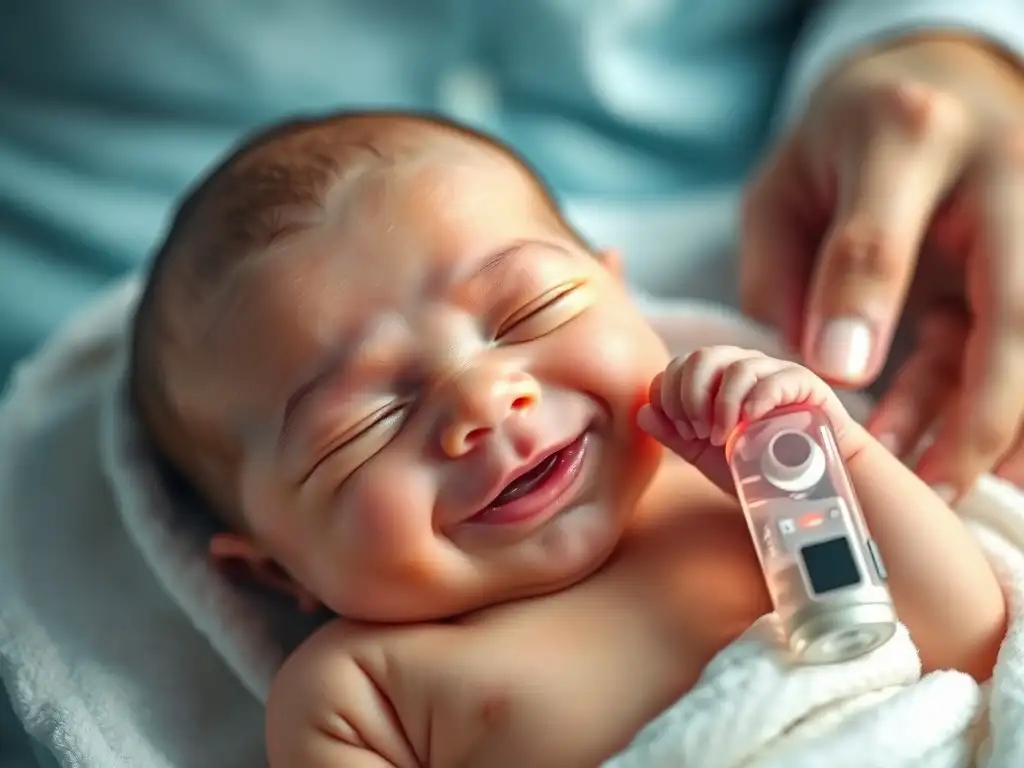
TcB uses a non-invasive device, similar to a handheld scanner, to measure bilirubin levels through the skin. A small sensor is placed on the baby's skin, usually on the forehead or sternum, and a reading is obtained within seconds. TcB provides a quick and painless estimate of bilirubin levels but isn't as precise as a blood test. It's often used as a screening tool to identify babies who may need further evaluation. The results from TcB can guide doctors in deciding whether a blood test is necessary.
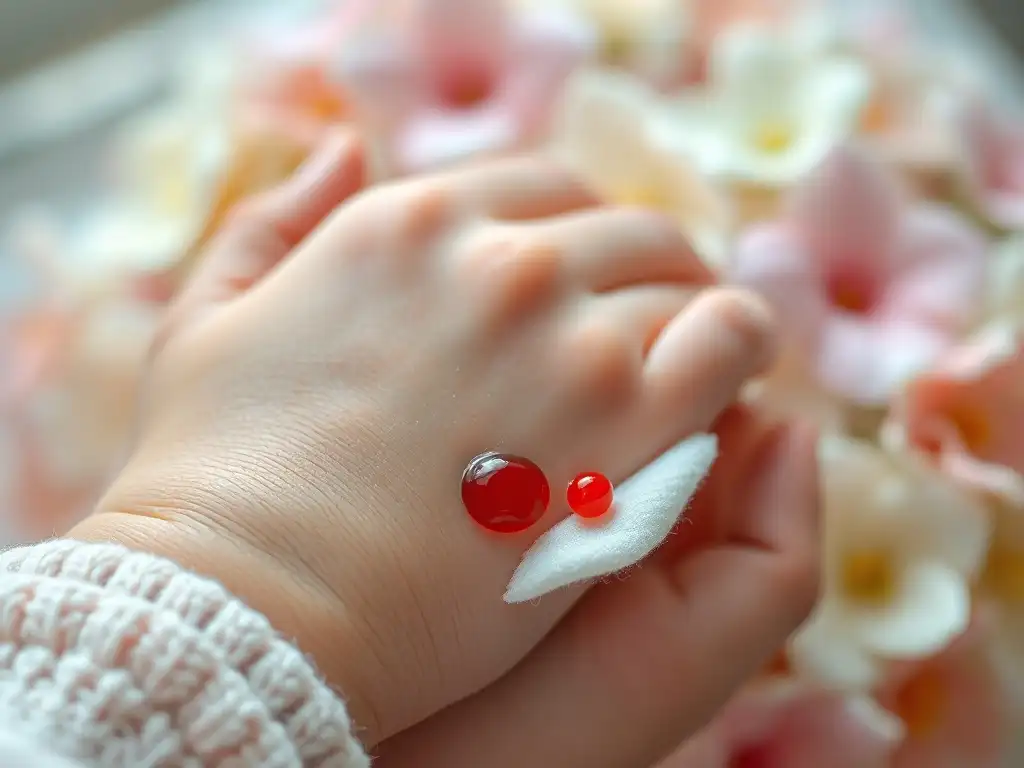
Blood tests offer a more accurate measurement of bilirubin levels. A small blood sample is drawn from the baby's heel (typically using a lancet) or from a vein, and the sample is analyzed in a laboratory. A blood test provides a precise quantification of total bilirubin, direct bilirubin, and indirect bilirubin, providing a more complete picture of the baby's bilirubin metabolism.
This detailed information is essential for determining the severity of the jaundice and guiding treatment decisions. The blood test results, coupled with a clinical assessment of the baby, help doctors develop a personalized management plan. While slightly more invasive, a blood test remains the gold standard for accurate bilirubin assessment.
Bilirubin Tests for Infants: Methods and Procedures
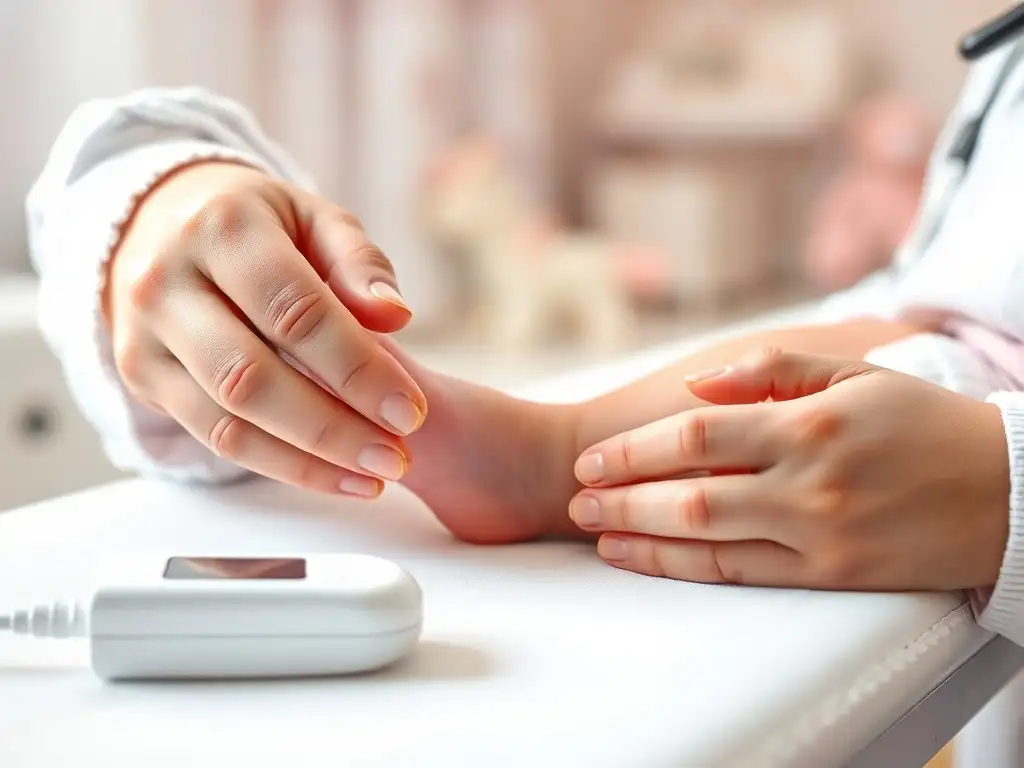
This section details the various methods used to assess bilirubin levels in newborns, crucial for diagnosing and managing neonatal jaundice. Understanding these tests empowers parents to actively participate in their baby's healthcare. Accurate and timely bilirubin testing is vital for preventing potential complications associated with hyperbilirubinemia. The severity of jaundice and the need for intervention are directly linked to the bilirubin levels detected through these tests.
Visual Assessment of Jaundice
The first and often initial assessment of jaundice involves a visual inspection by a healthcare professional. This method, while subjective, provides a quick indication of potential jaundice. The doctor or nurse will carefully observe the baby's skin and sclera (the whites of the eyes) for a yellowish discoloration. The intensity and location of the yellowing are noted.
While a visual assessment is simple and non-invasive, it's important to understand its limitations. The accuracy of visual assessment can vary depending on the healthcare provider's experience and the lighting conditions. It's not a precise measurement of bilirubin levels, but rather a screening tool. A yellow tinge visible only in the face might indicate a milder case, while yellowing extending to the trunk and extremities suggests a more significant elevation in bilirubin.
This initial visual assessment often guides the decision to perform more objective testing methods. Moreover, babies with darker skin tones may require more careful observation, as jaundice may be harder to detect visually. The use of natural daylight is often recommended for improved assessment accuracy.
Transcutaneous Bilirubinometry (TcB)
Transcutaneous bilirubinometry (TcB) offers a non-invasive and rapid method for estimating bilirubin levels. A TcB meter uses light to measure the bilirubin concentration in the skin. The device is placed on the baby's skin, usually on the forehead or sternum, and a reading is obtained within seconds. TcB is particularly useful for screening purposes and for monitoring the effectiveness of treatment.
TcB results are expressed as milligrams per deciliter (mg/dL). However, it's important to note that TcB readings are estimations, not precise laboratory measurements. Factors such as skin pigmentation, hydration, and the presence of other substances in the skin can influence the accuracy of TcB readings.
Therefore, TcB is often used as a screening tool, and if the reading suggests a high bilirubin level, a serum bilirubin test is usually recommended for confirmation. The ease and speed of TcB make it a valuable tool in busy neonatal units, allowing for rapid assessment and early intervention when necessary. The results are usually available immediately, allowing for faster decision-making regarding management.
Serum Bilirubin Test: Blood Test Procedure
The most accurate method for determining bilirubin levels is the serum bilirubin test, a blood test that measures the concentration of bilirubin in the blood. A small amount of blood is drawn from the baby's heel (using a heel prick) or, in older infants, from a vein. This blood sample is then sent to a laboratory for analysis. The results are reported as total bilirubin, direct bilirubin, and indirect bilirubin levels, providing a comprehensive picture of the baby's bilirubin metabolism.
The serum bilirubin test is considered the gold standard for diagnosing and monitoring neonatal jaundice. It provides precise quantitative data, essential for guiding treatment decisions. The results are usually available within a few hours. Different laboratories may use slightly different methods for bilirubin measurement, but the results are generally comparable. The interpretation of the results requires clinical judgment, considering factors such as the baby's age, gestational age, and overall clinical condition.
High levels of indirect bilirubin are particularly concerning, as this form of bilirubin can cross the blood-brain barrier and cause kernicterus, a serious neurological complication. Therefore, accurate and timely serum bilirubin testing is vital for preventing this potentially devastating condition. The test is relatively painless and provides crucial information for effective jaundice management. 👶
Interpreting Bilirubin Test Results: Understanding the Numbers
Understanding your baby's bilirubin test results can be daunting, but it's crucial for managing jaundice effectively. The results are usually reported in milligrams per deciliter (mg/dL). The "normal" range varies slightly depending on the baby's age and the specific laboratory, but generally, levels below 5 mg/dL are considered normal in the first 24 hours of life. Levels above this threshold warrant monitoring and may require intervention.
It's important to remember that bilirubin levels rise in most newborns in the first few days of life, peaking around day 3-5 before gradually declining. This is because the liver, still developing, needs time to efficiently process bilirubin. A doctor will consider the rate of bilirubin increase, not just the absolute number, when assessing the need for treatment. For example, a level of 10 mg/dL at day 2 might be more concerning than a level of 12 mg/dL at day 5, indicating a faster rate of increase and potentially a more serious issue.
Doctors use various charts and nomograms, considering factors like the baby's age, gestational age (if born prematurely), and overall health, to interpret the bilirubin levels. These tools help determine the severity of jaundice and guide treatment decisions. These charts aren't publicly accessible in the same way that other medical information might be, as their interpretation requires medical expertise.
Don't try to self-diagnose based on a simple number; rely on your pediatrician's professional judgment. They will explain the results in detail, clarifying any concerns and outlining the best course of action for your baby. Remember, a single number doesn't tell the whole story; the complete clinical picture is essential.
When to Seek Medical Attention for High Bilirubin Levels
While some jaundice is normal, persistently high bilirubin levels can indicate serious underlying problems. It's crucial to contact your pediatrician immediately if you notice any of the following signs in addition to visible jaundice (yellowing of the skin and whites of the eyes):
- Increasing jaundice: If the yellowing of your baby's skin and eyes seems to be worsening or spreading, seek immediate medical attention. This indicates a rapidly rising bilirubin level.
- Lethargy or poor feeding: A baby with high bilirubin levels might be less active, feed poorly, or seem unusually sleepy. These are signs that the jaundice is affecting their overall health.
- High-pitched cry: An unusually high-pitched or shrill cry can be a sign of neurological involvement, which is a serious complication of severe jaundice.
- Fever: A fever, especially in combination with jaundice, requires prompt medical attention.
- Pale stools or dark urine: These changes in your baby's waste products can suggest a problem with bilirubin excretion.
Remember, early detection and treatment are key to preventing potential complications associated with high bilirubin levels. Don't hesitate to contact your pediatrician if you have any concerns, even if the jaundice seems mild. It's always better to err on the side of caution when it comes to your baby's health. Early intervention can significantly reduce the risk of long-term neurological damage. Your pediatrician will be able to assess your baby's specific situation and provide the best advice. Trust your instincts; if something feels wrong, seek medical help. 👶
Managing High Bilirubin Levels in Babies

This section focuses on managing elevated bilirubin levels in newborns, a crucial aspect of addressing baby jaundice. Understanding the different treatment options available is key to ensuring your baby's well-being. The severity of jaundice and the baby's overall health will determine the appropriate course of action. Always follow the advice of your pediatrician or neonatologist. Remember, early detection and intervention are crucial in preventing potential complications associated with high bilirubin levels. This is often referred to as hyperbilirubinemia in medical literature.
Treatment Options for Neonatal Jaundice
Treatment for neonatal jaundice depends on several factors, including the baby's age, the level of bilirubin in their blood, and their overall health. Mild cases often resolve on their own with careful monitoring. However, more significant elevations require intervention. Treatment options range from simple measures like increased feeding frequency to more intensive procedures like phototherapy or, in rare cases, exchange transfusions. The goal is always to reduce the bilirubin levels to a safe range, minimizing the risk of kernicterus, a serious complication affecting the brain.
Several factors influence the choice of treatment. For instance, a preterm infant might require closer monitoring and intervention at lower bilirubin levels compared to a full-term infant. The rate at which bilirubin is rising also plays a significant role. A rapid increase necessitates quicker intervention. Your healthcare provider will carefully assess your baby's individual needs and recommend the most appropriate treatment plan. Regular blood tests to monitor bilirubin levels are essential throughout the treatment process.
Phototherapy Treatment for Jaundice
Phototherapy is a common and effective treatment for moderate to severe jaundice. This involves placing your baby under special lights that emit blue light. The blue light helps break down the bilirubin in the baby's blood, allowing the body to excrete it more efficiently.
Babies undergoing phototherapy are usually kept undressed (except for a diaper) and their eyes are covered to protect them from the light. This is a safe procedure; however, some side effects are possible, including loose stools, temporary skin rash, and dehydration. Regular checks are performed by the medical team to monitor the baby's progress and hydration levels.
The duration of phototherapy varies depending on the severity of the jaundice and the baby's response to treatment. Successful phototherapy results in a steady decline in bilirubin levels, as measured through regular blood tests, often leading to a significant reduction in jaundice within a few days. The process is carefully monitored to ensure effectiveness and minimize potential side effects.
Exchange Transfusion: A Rare but Necessary Procedure
Exchange transfusion is a more invasive procedure and is only used in rare cases of severe jaundice where phototherapy is ineffective or when bilirubin levels pose a significant risk of kernicterus. In an exchange transfusion, a portion of the baby's blood is removed and replaced with fresh, healthy blood. This effectively removes the excess bilirubin from the baby's bloodstream.
This procedure is performed in a hospital setting under the careful supervision of a medical team. The decision to proceed with an exchange transfusion is made based on a thorough assessment of the baby's condition and the potential risks and benefits of the procedure. While it's a rare necessity, it's a life-saving intervention in severe cases of neonatal jaundice.
The procedure itself carries inherent risks, therefore it's only considered when other less invasive treatments have proven insufficient. Post-procedure monitoring is crucial to ensure the baby's recovery and stability. The success of an exchange transfusion is typically measured by the subsequent decrease in bilirubin levels and the overall improvement in the baby's health.
Home Care and Monitoring After Bilirubin Treatment
After your baby has undergone treatment for high bilirubin levels, whether it's phototherapy or exchange transfusion, careful home care and monitoring are crucial. The specific recommendations will depend on the severity of your baby's jaundice and the type of treatment received. Your pediatrician will provide detailed instructions tailored to your baby's individual needs. Generally, this includes closely observing your baby for any signs of worsening jaundice, such as increased yellowing of the skin and whites of the eyes. Regularly checking your baby's skin color against a jaundice chart provided by your doctor is a helpful practice.
Furthermore, maintaining adequate hydration is essential. Ensure your baby is feeding well and producing enough wet diapers, which are indicators of sufficient fluid intake. Breastfeeding mothers may need to increase feeding frequency to help eliminate bilirubin more effectively. For formula-fed babies, your pediatrician may suggest adjusting the formula concentration or type.
Remember that while many babies show improvement at home, close monitoring is key to catching any potential setbacks promptly. Don’t hesitate to contact your doctor if you have any concerns about your baby's feeding, hydration, or the persistence or worsening of jaundice symptoms. Early intervention is always the best approach. Keep a record of your baby's feeding times, diaper changes, and any observations regarding their skin color.
This information will be valuable during follow-up appointments. Providing this detailed information helps your doctor assess your baby's progress and make necessary adjustments to their care plan. Remember, you are your baby’s best advocate; don't hesitate to reach out to your healthcare provider with any questions or concerns. Early detection and intervention are key to preventing potential complications associated with high bilirubin levels.
Follow-up Appointments and Bilirubin Monitoring
Following treatment for hyperbilirubinemia, regular follow-up appointments are scheduled to monitor your baby's bilirubin levels and overall health. The frequency of these appointments depends on the initial severity of the jaundice and the effectiveness of the treatment. Some babies may need daily checks, while others may only require weekly or bi-weekly visits.
During these appointments, your doctor will likely perform a transcutaneous bilirubin (TcB) test, a non-invasive method of measuring bilirubin levels using a special device that shines a light on the baby's skin. A blood test may also be performed to obtain a more precise measurement of bilirubin levels, especially if the TcB test results are inconclusive or if the doctor has concerns.
The goal of these follow-up visits is to ensure that the bilirubin levels are decreasing steadily and that your baby's overall health is improving. Your doctor will discuss your baby's progress, answer any questions you may have, and adjust the care plan as needed. This ongoing monitoring is crucial because, in some cases, bilirubin levels can rise again after initial treatment. Early detection of any recurrence allows for prompt intervention, preventing potential complications.
Remember to communicate openly with your healthcare provider about any concerns you may have regarding your baby's health, appetite, or behavior. Their expertise and guidance will help you navigate this period and ensure your baby receives the best possible care. Active participation in your baby's healthcare journey, coupled with diligent follow-up appointments, significantly contributes to a positive outcome in managing baby jaundice. Consistent monitoring and open communication are key to ensuring your baby's well-being.
Preventing and Reducing Jaundice Risk
Jaundice, characterized by yellowing of the skin and eyes, is a common condition in newborns, often caused by elevated bilirubin levels. While many cases are mild and resolve without intervention, understanding how to prevent and reduce the risk of developing severe jaundice is crucial for ensuring your baby's well-being. This involves proactive measures before and after birth, focusing on healthy practices and prompt medical attention. Effective management of baby jaundice often hinges on early detection and intervention, minimizing potential long-term complications. The key to effective management lies in understanding the risk factors and implementing preventative strategies.
Breastfeeding and Jaundice Prevention
Breastfeeding is generally encouraged as it offers numerous health benefits for both mother and baby. However, a common misconception is that breastfeeding causes jaundice. While breastfeeding can sometimes be associated with a slightly increased risk of breastfeeding jaundice (also known as physiological jaundice), it's actually often a protective factor against severe jaundice. Breast milk contains factors that help the baby process bilirubin more efficiently.
The key difference lies in the type of jaundice. Breastfed babies may experience a prolonged elevation in bilirubin levels due to lower intake of colostrum (the initial breast milk), which is particularly rich in bilirubin-clearing factors. However, this is usually a mild and transient condition. On the other hand, formula-fed babies might experience a more rapid rise and fall in bilirubin levels, but this is often due to the immediate availability of more volume of feeding.
Therefore, ensuring frequent and effective breastfeeding is vital. A lactation consultant can provide invaluable support in optimizing breastfeeding techniques to ensure adequate milk transfer. This will not only help prevent jaundice, but also supply your baby with essential nutrients and antibodies.
The goal is to establish effective breastfeeding early, ensuring the baby is latching correctly and feeding frequently. Monitoring the baby's weight and urine output is also crucial, indicating the baby's hydration and overall health. Early intervention by a healthcare professional, including a pediatrician or lactation consultant, can help resolve any feeding difficulties and ensure adequate bilirubin clearance.
Importance of Regular Checkups for Jaundice Screening
Regular checkups are paramount in detecting jaundice early. The frequency of these visits varies depending on the baby's individual risk factors and the healthcare provider's assessment. However, it's generally recommended that newborns have at least one check-up within the first few days of life. During these visits, doctors conduct a thorough physical examination, including assessing skin color for signs of jaundice. This visual assessment can often indicate the need for further investigation.
Beyond the visual assessment, doctors often use a transcutaneous bilirubinometer (TcB) to measure bilirubin levels non-invasively. This small, handheld device shines a light on the baby's skin to estimate bilirubin concentration. While this method provides a quick and convenient measurement, it's not always perfectly accurate. A blood test (serum bilirubin) remains the gold standard for precise bilirubin level determination.
This test is usually recommended if the TcB reading or visual assessment indicates a potentially concerning bilirubin level. The frequency of these blood tests will depend on individual needs. Regular checkups are crucial for early detection and timely intervention, ensuring the best possible outcome. This proactive approach to monitoring bilirubin levels is a key component in managing the risk of severe jaundice.
Recognizing Early Signs of Jaundice and Seeking Prompt Medical Advice
Early recognition of jaundice signs is crucial for timely intervention. While the hallmark symptom is yellowing of the skin and whites of the eyes, subtle signs might be missed. The yellowing typically starts on the face and spreads downwards to the chest, abdomen, and extremities. However, it's important to be aware that the yellow discoloration might be more apparent in natural daylight compared to artificial light. Therefore, assess your baby in well-lit areas.
In addition to skin discoloration, other potential signs of jaundice-related complications could include lethargy, poor feeding, and excessive sleepiness. These symptoms could indicate high bilirubin levels requiring immediate medical attention. It's crucial to understand that even mild jaundice can sometimes progress to severe hyperbilirubinemia, which could have significant long-term consequences if left untreated. Therefore, any suspicion of jaundice should prompt a consultation with a healthcare professional.
Do not hesitate to contact your pediatrician or other healthcare provider if you notice any signs of jaundice in your baby, even if they seem mild. Prompt medical advice ensures appropriate assessment and management of the condition, helping to prevent potential complications. Remember, early detection and intervention are key to managing baby jaundice effectively.
Baby Jaundice Bilirubin Test: Frequently Asked Questions (FAQs)
This section addresses common questions parents have regarding bilirubin tests and newborn jaundice. Understanding these tests is crucial for ensuring your baby's health and well-being. Remember, this information is for educational purposes and should not replace advice from your pediatrician. Always consult your healthcare provider with any concerns about your baby's health.
How often are bilirubin tests performed in newborns?
The frequency of bilirubin tests in newborns varies greatly depending on several factors. These factors include the baby's risk factors for jaundice (such as prematurity, blood type incompatibility, or family history), the baby's overall health, and the results of previous tests.
Some babies may only require a single bilirubin test shortly after birth, while others may need multiple tests over several days or even weeks. For example, a baby born prematurely or exhibiting signs of significant jaundice might be tested multiple times within the first few days of life. This allows doctors to closely monitor bilirubin levels and intervene if necessary. Conversely, a healthy full-term baby with minimal jaundice might only require one screening test.
The frequency is determined by the pediatrician based on a careful assessment of the individual baby's needs. Doctors use various methods to assess jaundice, including visual inspection and transcutaneous bilirubinometry (TcB), a non-invasive method that measures bilirubin levels through the skin. The results of these assessments guide the frequency of blood tests to accurately measure serum bilirubin levels. Don't hesitate to ask your doctor about the specific testing plan for your baby; clear communication is key to managing newborn jaundice effectively.
What is a normal bilirubin level for a newborn?
A "normal" bilirubin level for a newborn isn't a single number but rather a range that changes over the first few days of life. This is because bilirubin levels naturally rise in the first few days after birth before gradually declining. Several factors influence the acceptable range, including the baby's age in hours or days.
Here's a simplified representation (note: These are general ranges and individual values may differ significantly. Your doctor will provide specific ranges based on your baby's individual circumstances):
| Age (hours/days) | Approximate Normal Range (mg/dL) |
|---|---|
| Day 1 | <6 |
| Day 2 | <8 |
| Day 3 | <12 |
| Day 4 | <15 |
| Day 5+ | Gradually decreasing |
It's crucial to understand that these are just estimates. The acceptable range depends on numerous factors, including gestational age (premature vs. full-term), feeding patterns, and overall health. A bilirubin level slightly above these ranges doesn't automatically indicate a problem, especially if the baby is otherwise healthy and thriving. Your pediatrician will interpret the results in the context of your baby's overall clinical picture.
What are the risks associated with high bilirubin levels?
High bilirubin levels, also known as hyperbilirubinemia, can lead to several complications if left untreated. The most severe complication is kernicterus, a type of brain damage that can result from high levels of unconjugated bilirubin crossing the blood-brain barrier. Kernicterus can cause lifelong neurological problems, including cerebral palsy, hearing loss, and developmental delays. The risk of kernicterus is significantly higher in infants with very high bilirubin levels.
Other potential risks associated with high bilirubin levels include:
- Jaundice: While jaundice itself isn't inherently dangerous, it's a sign of elevated bilirubin and requires monitoring.
- Anemia: In some cases, high bilirubin can be associated with anemia.
- Encephalopathy: In severe cases, high bilirubin can lead to encephalopathy, a condition affecting brain function.
The severity of these risks depends on the level of bilirubin and the duration of the high levels. Early detection and appropriate treatment are crucial to minimizing the risk of complications. Your doctor will monitor your baby's bilirubin levels closely and recommend treatment if necessary, such as phototherapy (light therapy) or, in rare cases, exchange transfusion. Early intervention is key to preventing serious problems associated with baby jaundice bilirubin test results indicating high levels. 👶
How long does jaundice typically last in babies?
Jaundice in newborns, often characterized by a yellowish tinge to the skin and eyes, usually appears within the first few days of life. The duration varies significantly depending on several factors, including the baby's gestational age, feeding patterns, and the severity of the jaundice. In many healthy, full-term infants, physiological jaundice (the most common type) typically resolves within one to two weeks. However, it can persist for up to three weeks in some cases without necessarily indicating a serious problem.
Breastfed babies sometimes experience jaundice for a longer period, sometimes up to four weeks, because breast milk contains substances that can slightly increase bilirubin levels. This prolonged jaundice in breastfed babies is often referred to as breastfeeding-associated jaundice and is usually harmless. However, it's crucial to monitor the baby's bilirubin levels closely through regular check-ups with the pediatrician. If the jaundice persists beyond the typical timeframe or worsens, further investigation may be necessary to rule out underlying conditions.
Early intervention is key to preventing potential complications. Remember, every baby is different, and it is always best to consult your pediatrician for personalized advice and monitoring. They can assess your individual baby’s situation and provide tailored guidance.
What are the long-term effects of untreated jaundice?
While mild, physiological jaundice typically resolves without long-term consequences, severe, untreated jaundice can have potentially serious effects on a baby's health. High levels of bilirubin in the bloodstream (hyperbilirubinemia) can lead to a condition called kernicterus. Kernicterus is a type of brain damage caused by the deposit of bilirubin in the brain cells. This can result in a range of long-term neurological problems, including cerebral palsy, hearing loss, developmental delays, and intellectual disabilities.
The severity of kernicterus depends on the level of bilirubin and the duration of exposure. Early detection and treatment of jaundice are critical to preventing kernicterus. Prompt treatment, often involving phototherapy (light therapy), significantly reduces the risk of these serious complications.
It's important to emphasize that the vast majority of babies with jaundice experience a complete recovery without any lasting issues, especially when diagnosed and managed promptly by healthcare professionals. Regular check-ups and close monitoring are key to ensuring the baby's well-being and addressing any concerns about jaundice effectively. Early intervention is the best strategy to prevent serious long-term effects.
Frequently Asked Questions
What is jaundice, and why is it important to test for it?
Jaundice is a yellowish discoloration of the skin and eyes caused by a buildup of bilirubin in the blood. Testing is crucial because high bilirubin levels can be harmful to a baby's brain. Early detection and treatment are key.
How is a bilirubin test performed for babies?
A bilirubin test typically involves a non-invasive transcutaneous bilirubinometer reading or a simple blood test. The method used depends on the baby's age and the doctor's assessment. Sometimes a heel prick is needed for a blood sample.
What is considered a normal bilirubin level in newborns?
Normal bilirubin levels vary depending on the baby's age. Doctors use a bilirubin nomogram to assess the results. Levels considered “high” require further monitoring or treatment. Always follow your doctor's advice.
What are the treatments for high bilirubin levels in babies?
Treatment options range from phototherapy (light therapy) to, in rare cases, exchange transfusions. The chosen treatment depends on the severity of the jaundice and the baby's overall health. The goal is to reduce bilirubin levels safely and effectively.
My baby has jaundice. Should I be worried?
While many babies experience mild jaundice, it's essential to consult your pediatrician. They can assess your baby's condition, order necessary tests, and determine the appropriate course of action. Don't hesitate to seek medical advice if you have concerns.
Final Reflection: The Tiny Yellow Hue and the Power of Early Detection
The seemingly simple bilirubin test is a powerful tool in safeguarding the health of newborns, a critical intervention that underscores the importance of proactive healthcare in the early days of life. A seemingly insignificant yellow tinge can signal a condition requiring immediate attention, highlighting the crucial role of early diagnosis and intervention in preventing serious complications for infants.
The impact of jaundice on families is profound, a worry that resonates deeply with parents navigating the initial weeks of parenthood. The anxiety surrounding a jaundiced baby is palpable, a feeling echoed in countless online forums and parent support groups. The first few days after birth are a whirlwind of emotions, and the added worry of jaundice can be overwhelming.
This quote, though anecdotal, reflects the widespread experience of parents facing this challenge, emphasizing the need for clear, accessible information and supportive medical care. The ongoing evolution of bilirubin testing methods, from simple visual assessments to sophisticated blood tests, reflects a commitment to improving the accuracy and efficiency of diagnosis, ultimately leading to better outcomes for babies.
Now, consider the information you've learned about bilirubin testing. You are now equipped to understand the significance of regular check-ups for your newborn, to recognize the subtle signs of jaundice, and to advocate for your child's well-being. Remember, early detection is key. Take the time to discuss any concerns with your pediatrician, empowering yourself with knowledge to ensure the healthy development of your little one. The journey of parenthood is filled with challenges, but armed with information, you can navigate them with confidence and care.
Unlock Your Baby's Health Journey: Take Charge Today!
Thank you for learning about bilirubin testing and jaundice in newborns. We hope this information empowers you to advocate for your baby's health! Here's what you should do next:
- Schedule a bilirubin test with your pediatrician or family doctor. Early detection is crucial for your baby's well-being.
- Share this information with other expectant parents and new parents. Empowering others with knowledge is a wonderful way to support them during this important time.
- Connect with a local parent support group. Sharing experiences and receiving support from other parents can be incredibly valuable.
What's the first step you'll take today to support your baby's healthy development?