
Toddler Tumbles: Preventing Falls as Your Child Gains Independence

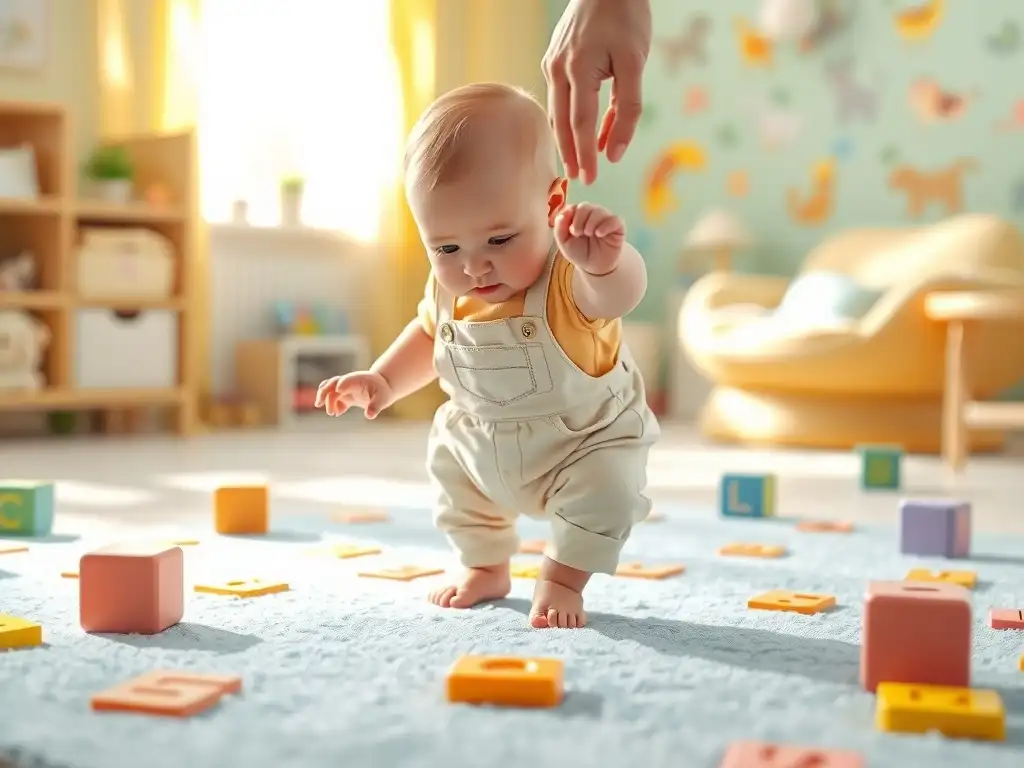
Welcome to BabyCareHub, your ultimate guide to navigating the incredible journey of parenthood! Are you ready to confidently embrace the next exciting stage of your little one's development? We understand the anxieties that come with a toddler's newfound independence, which is why we've created this invaluable resource. Discover essential Toddler fall prevention tips and learn how to create a safer environment for your adventurous explorer. Let's explore the world of childproofing and ensure your toddler's safety while fostering their natural curiosity. Read on to learn more!
- Understanding Toddler Fall Risks & Prevention Strategies
- Baby-Proofing Your Home for Toddler Fall Prevention
- Choosing Safe Toys and Play Areas for Toddlers
- First Aid for Toddler Falls: What to Do
- Toddler Fall Prevention: Ongoing Strategies and Habits
- Preventing Falls: A Comprehensive Guide to Toddler Safety
- Frequently Asked Questions
- Final Reflection: The Enduring Importance of Toddler Fall Prevention
- Unlock Your Toddler's Confidence: Prevent Falls, Empower Growth!
Understanding Toddler Fall Risks & Prevention Strategies
The transition from a crawling infant to a confident toddler is a joyous milestone, filled with exciting new discoveries and burgeoning independence. However, this newfound mobility also brings increased risk of falls. For first-time parents, navigating this phase can feel overwhelming, prompting anxieties about bumps, bruises, and more serious injuries. This comprehensive guide focuses on understanding the developmental stages that increase fall risks in toddlers and provides practical, actionable "Toddler fall prevention tips" to create a safer home environment.
We will explore common fall hazards, conduct a room-by-room safety assessment, and equip you with the knowledge to minimize the risk of falls, allowing your little one to explore their world with confidence and security. Remember, proactive safety measures are key to preventing toddler falls and ensuring a happy, healthy childhood. Let's delve into the specifics to help you navigate this crucial stage with peace of mind.
The Developmental Stages of Falls: Crawling, Cruising, and Walking
Toddler falls aren't random events; they're often tied to specific developmental milestones. Understanding these stages helps anticipate potential hazards and implement appropriate safety measures.
- Crawling (6-10 months): While seemingly less precarious than later stages, crawling toddlers can still experience falls from low surfaces like beds or sofas. Their coordination is still developing, and they may misjudge distances or lose their grip. They might also pull objects down on themselves while crawling. 👶
- Cruising (8-12 months): This is a high-risk period. Cruising involves pulling themselves up on furniture, often leading to falls as they attempt to navigate from one piece of furniture to another. Their balance is unsteady, and they are easily distracted. This stage often involves falls from greater heights than crawling. 🚶♀️
- Walking (12 months and beyond): As toddlers become more mobile, the risk of falls increases exponentially. They're eager to explore, often running before they've mastered balance and coordination. Falls can occur anywhere – on level surfaces, down stairs, or from chairs and tables. Their curiosity often outweighs their caution. 🏃♂️
This progression highlights the need for a multi-stage approach to fall prevention. Safety measures should adapt to your child's evolving abilities, starting with securing low surfaces during crawling, and continuing to adapt safety measures as they cruise and walk.
Common Fall Hazards in the Home: Furniture, Stairs, and Toys
Identifying common fall hazards within your home is crucial for effective fall prevention. These hazards often lurk in seemingly innocuous places:
- Furniture: High chairs, coffee tables, sofas, and beds all present significant fall risks. Toddlers are drawn to climbing, and unstable furniture can easily topple. Consider anchoring furniture to walls where possible, and ensure furniture is sturdy and stable.
- Stairs: Stairs are a major source of falls, especially for toddlers who are still developing their coordination and balance. Installing safety gates at the top and bottom of staircases is paramount.
- Toys: Toys, especially those with small parts or sharp edges, can present tripping hazards. Keep walkways clear of toys and other clutter to minimize the risk of falls. Regularly inspect toys for damage or loose parts.
These common hazards require careful consideration and proactive safety measures to mitigate the risk of falls. A thorough assessment of your home environment is necessary to identify and address these potential dangers.
Assessing Your Home for Fall Prevention: A Room-by-Room Checklist
A systematic room-by-room assessment is the most effective way to identify and eliminate fall hazards. Here’s a checklist to help you:
| Room | Potential Hazards | Prevention Strategies |
|---|---|---|
| Living Room | Coffee tables, sofas, fireplaces, rugs, toys | Anchor furniture, use corner protectors, secure rugs, clear walkways |
| Kitchen | Cabinets, countertops, appliances, floors | Use child locks on cabinets, clear clutter, consider non-slip mats |
| Bedroom | Beds, dressers, changing tables | Secure furniture, use safety straps for changing tables |
| Bathroom | Bathtubs, toilets, slippery floors | Use bath mats, install grab bars, supervise closely |
| Stairs | Stairs themselves | Install safety gates at top and bottom |
This checklist is a starting point. Remember to regularly reassess your home environment as your toddler grows and develops new skills. Regular inspections and adjustments are key to maintaining a safe and secure environment. Remember, a safe home minimizes the risk of falls, allowing your toddler to explore and grow safely.
Baby-Proofing Your Home for Toddler Fall Prevention
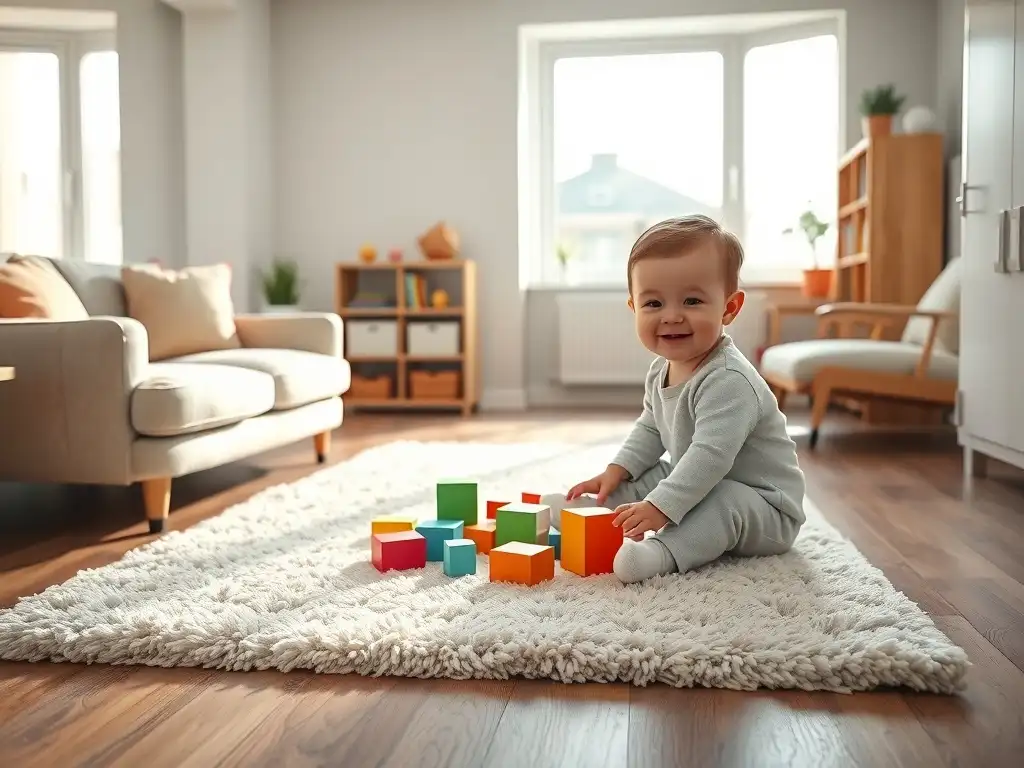
This section focuses on practical strategies for toddler fall prevention, a crucial aspect of ensuring your child's safety as they explore their growing independence. We'll cover key areas of your home that require attention, providing specific steps to minimize the risk of falls. Remember, proactive baby-proofing is the best defense against toddler tumbles. Effective toddler fall prevention tips are essential for peace of mind.
Securing Furniture: Anchoring Dressers and Bookshelves
Tiptoeing toddlers are naturally drawn to climb, and unsecured furniture presents a serious fall hazard. Dressers, bookshelves, and other tall pieces of furniture can easily topple over if not properly secured to the wall. This can lead to serious injuries, even death. Therefore, anchoring these items is a non-negotiable step in toddler fall prevention.
Several methods exist for securing furniture. Wall anchors specifically designed for furniture are readily available at most home improvement stores. These anchors are typically strong enough to hold even heavy furniture. The installation process usually involves drilling pilot holes into both the wall and the back of the furniture, inserting the anchors, and then bolting the furniture to the wall.
It's vital to use the correct type and number of anchors for the weight and size of the furniture. Always follow the manufacturer's instructions carefully. Don't rely on just placing heavy objects on top of the furniture to prevent tipping; this is not a reliable method for toddler fall prevention. Consider the following checklist:
| Furniture Item | Anchoring Method Recommendation | Additional Safety Measures |
|---|---|---|
| Dressers | Wall straps or L-brackets | Regularly check anchor tightness; avoid overfilling drawers |
| Bookshelves | Wall anchors and brackets | Distribute weight evenly; keep heavier items on lower shelves |
| Television Stands | Anti-tip straps and wall mounts | Secure cords to prevent tripping hazards |
| Tall Storage Units | Multiple wall anchors | Avoid placing breakable items within reach |
Regularly inspect the anchors to ensure they remain secure. A small amount of movement or looseness is a sign that the anchors need tightening or replacement. Proactive maintenance is key to effective toddler fall prevention tips.
Stair Safety: Gates, Railings, and Supervision
Stairs are a significant source of falls for toddlers. Implementing multiple layers of safety is crucial. Installing sturdy stair gates at the top and bottom of the stairs is a primary toddler fall prevention tip. Choose gates that meet current safety standards and are securely mounted. Ensure the gate is tall enough to prevent climbing over.
Beyond gates, inspect the existing railings. Are the balusters spaced too far apart, allowing a child to squeeze through? If so, consider adding additional balusters or installing a safety net to prevent falls. Remember that even with gates and secure railings, constant supervision is essential. Never leave a toddler unattended near stairs, even for a moment. A moment's inattention can lead to a serious accident.
Consider these additional measures:
- Non-slip surfaces: Install non-slip stair treads or carpet runners to improve traction.
- Proper lighting: Ensure adequate lighting on the stairs to improve visibility.
- Clear pathways: Keep the stairs clear of clutter and obstructions.
- Gate placement: Place gates securely at both the top and bottom of the stairs.
Always prioritize active supervision as a crucial element of your toddler fall prevention strategy.
Window Safety: Locks, Guards, and Preventing Access
Windows pose another significant fall risk for toddlers. Window safety is often overlooked, but it's a vital aspect of toddler fall prevention. Window locks are the first line of defense. Install window locks that are out of a toddler's reach and difficult to operate. These locks should prevent the window from opening more than a few inches.
Consider window guards as an additional safety measure. These guards are typically installed on the exterior of the window and create a barrier that prevents falls. Ensure the guards are securely fastened and meet safety standards. Furthermore, keep furniture away from windows to prevent toddlers from using it to climb and reach windows.
Here's a checklist for window safety:
- Install window locks that meet current safety standards.
- Consider installing window guards for added protection.
- Keep furniture away from windows.
- Regularly check the condition of window locks and guards.
- Teach older siblings about window safety.
Remember, a comprehensive approach, combining multiple toddler fall prevention tips, is the best way to protect your little one. Thorough baby-proofing and constant supervision are essential for creating a safe environment. 👶
Protecting from Falls on Slippery Surfaces: Rugs, Floors, and Bathrooms
Slippery surfaces are a major contributor to toddler falls. Young children, still developing their balance and coordination, are particularly vulnerable on smooth floors, wet surfaces, and unsecured rugs. Preventing falls in these areas requires a multi-pronged approach focusing on both surface modification and behavioral guidance.
One of the most common culprits is the unsecured rug. Many homes feature area rugs, which, while aesthetically pleasing, can easily become tripping hazards for toddlers. A toddler's enthusiastic running and playing can quickly send an unsecured rug sliding, resulting in a potentially serious fall. To mitigate this risk, use non-slip rug pads underneath all area rugs.
These pads create friction, anchoring the rug to the floor and significantly reducing the risk of slippage. Regularly inspect these pads to ensure they remain effective and replace them as needed. Consider using rugs with rubber backing, which offer some inherent non-slip properties, but always combine these with a rug pad for extra safety.
Hardwood and tile floors, while beautiful, can be surprisingly slippery, especially when wet. Spills happen, and toddlers are prone to spills themselves. Keep cleaning supplies readily available and address spills immediately. Consider using non-slip floor waxes or treatments specifically designed for use in homes with young children. These products increase the floor's friction, making it less likely that a toddler will slip and fall. Remember that even a seemingly minor spill can create a hazardous condition.
Bathrooms present a unique challenge due to the inherent presence of water and slippery surfaces. Use non-slip bath mats both inside and outside the shower or tub. These mats provide extra grip, preventing slips and falls on wet surfaces. Install grab bars near the toilet and shower to provide additional support for both toddlers and adults. Supervise toddlers closely in the bathroom at all times, as even a moment of inattention can lead to a fall.
Consider installing a toilet seat lock to prevent toddlers from climbing onto the toilet, which can lead to falls. Always keep the bathroom floor dry and clean, and consider using a squeegee after showers to remove excess water promptly. A well-maintained and properly equipped bathroom significantly reduces the risk of falls. Regularly inspect bathroom fixtures and flooring for damage or wear that could compromise safety.
The combination of surface modification and vigilant supervision is key to preventing falls on slippery surfaces. Regularly assess your home's flooring and adjust your safety measures as your toddler grows and develops new skills. Remember, even small preventative measures can make a significant difference in keeping your toddler safe.
Choosing Safe Toys and Play Areas for Toddlers
This section focuses on minimizing fall risks associated with toys and play environments. Toddler fall prevention tips often center around proactive measures, and selecting appropriate toys and play areas is crucial. We'll delve into specific strategies to create a safer play space for your little explorer.
Age-Appropriate Toys: Selecting Safe and Suitable Options
Selecting age-appropriate toys is paramount in toddler fall prevention. Many falls occur due to toddlers attempting to manipulate toys that are too complex or unstable for their developmental stage. For instance, a large, unwieldy toy might topple over, causing a fall, or a small toy that a toddler tries to reach might lead to them losing their balance.
Here's a breakdown of considerations:
- Size and Weight: Choose toys that are proportionate to your toddler's size and strength. Avoid excessively large or heavy items that they might struggle to control. Think lightweight, manageable blocks instead of oversized building sets. 🧸
- Material: Opt for toys made from soft, rounded materials. Avoid sharp edges or small parts that could pose a choking hazard. Rubber, soft plastic, and wood with smooth finishes are generally safer choices.
- Stability: Select toys with a wide, stable base. Toys that easily tip over significantly increase the risk of falls. Check for stability before giving a toy to your toddler.
- Check for recalls: Regularly check for product recalls on the Consumer Product Safety Commission website. This is a critical step to ensure your child's safety.
Remember, even seemingly safe toys can contribute to falls if not used properly or supervised. Regularly assess your toddler's playthings and remove anything that poses a potential hazard.
Creating a Safe Play Area: Soft Surfaces and Ample Space
A safe play area drastically reduces the risk of serious injury from falls. This involves careful consideration of flooring, furniture placement, and the overall layout of the area. Effective toddler fall prevention tips emphasize creating a secure environment.
- Soft Flooring: Carpet, rugs, foam mats, or padded play areas are excellent choices for cushioning falls. Hard surfaces like tile or hardwood floors can cause significant injuries.
- Furniture Placement: Keep furniture away from walls to prevent falls during climbing attempts. Secure heavy furniture to walls to prevent tipping. Consider using wall anchors or straps for dressers and bookshelves.
- Ample Space: Provide enough space for your toddler to move around freely without bumping into objects or furniture. Clutter adds to the risk of tripping and falling.
- Clear Pathways: Ensure clear pathways throughout the play area, free from obstructions that could cause trips or falls. Keep cords and wires out of reach.
- Secure Windows: Always secure windows with childproof locks to prevent your toddler from falling out.
Regularly inspect your play area for potential hazards. Even small changes in the environment can create new risks.
Supervision During Play: Active Monitoring and Intervention
Even with the safest play area and age-appropriate toys, constant supervision is crucial. Active monitoring and intervention are integral parts of effective toddler fall prevention tips. It's not enough to simply be in the same room; you need to actively engage and observe your child's play.
- Constant Vigilance: Never leave your toddler unattended, especially in areas with potential fall hazards like stairs or high surfaces.
- Anticipate Risky Behavior: Toddlers are naturally curious and prone to exploring. Anticipate risky behaviors and intervene before a fall occurs. For example, if your child is attempting to climb on something, gently redirect their attention or move them to a safer area.
- Teach Safe Practices: Start teaching your toddler about safety early on. Explain the importance of staying on the ground and away from dangerous areas.
- Respond Quickly: If a fall does occur, remain calm and assess your child for injuries. Seek medical attention if necessary.
Remember, consistent supervision is the most effective way to prevent falls and keep your toddler safe. Active monitoring, anticipation, and quick responses can make all the difference. Prioritizing these aspects forms the cornerstone of successful toddler fall prevention.
First Aid for Toddler Falls: What to Do

Toddler fall prevention is crucial, but accidents happen. Knowing how to respond quickly and effectively to a fall is just as important as preventing them. This section focuses on providing you with the essential first aid knowledge to handle toddler tumbles, empowering you to react calmly and confidently in emergency situations. Remember, this information is for guidance only and does not replace professional medical advice.
Assessing the Injury: Minor Bumps vs. Serious Concerns
The first step after a toddler fall is a careful assessment of the injury. This involves observing your child's immediate reactions and the visible signs of injury. Minor bumps and bruises are common, often resulting in tears and some initial discomfort. These usually resolve within a few days with basic first aid. However, certain signs indicate a more serious situation requiring immediate medical attention.
Distinguishing between minor and serious injuries requires attentiveness. A simple bump on the head might result in temporary crying, but the child will likely settle down quickly. On the other hand, a serious head injury may present with persistent crying, vomiting, loss of consciousness, even brief periods of unresponsiveness, unusual drowsiness, or changes in behavior or pupil size. 1 Similarly, falls that result in obvious fractures (deformity, swelling, inability to bear weight), deep cuts requiring stitches, or loss of mobility in a limb are serious and necessitate professional medical evaluation. Keep a close eye on your child for any changes in behavior or worsening symptoms following a fall, even if it initially seemed minor. This is especially crucial for head injuries where symptoms can develop gradually.
| Injury Type | Minor Symptoms | Serious Symptoms |
|---|---|---|
| Bump/Bruise | Crying, redness, minor swelling, localized pain | Severe swelling, discoloration, intense pain, inability to move the area |
| Head Injury | Crying, rubbing head, temporary fussiness | Persistent crying, vomiting, loss of consciousness, seizures, changes in behavior or pupil size |
| Fracture | Mild pain, slight swelling | Severe pain, deformity, swelling, inability to bear weight |
| Deep Cut/Laceration | Minor bleeding, superficial wound | Heavy bleeding, deep wound, visible bone or tendon, inability to stop bleeding |
Basic First Aid Steps: Cleaning Wounds and Applying Ice
For minor injuries like scrapes and cuts, basic first aid involves cleaning the wound and applying ice. First, gently wash the area with mild soap and cool, clean water. Avoid using harsh antiseptic solutions, which can irritate the skin. Remove any visible dirt or debris. After cleaning, apply a thin layer of antibiotic ointment to help prevent infection. Cover the wound with a clean bandage to protect it and keep it moist.
Applying ice can help reduce swelling and pain. Wrap an ice pack in a thin towel and apply it to the affected area for 15-20 minutes at a time, several times a day. Never apply ice directly to the skin, as this can cause further damage. Monitor the area closely for signs of infection, such as increased redness, swelling, warmth, pus, or red streaks extending from the wound. If any of these signs appear, seek immediate medical attention.
When to Seek Medical Attention: Recognizing Signs of Severe Injury
While minor bumps and bruises are common during toddlerhood, knowing when to seek medical attention is vital. This section highlights crucial signs that require immediate professional medical evaluation. Don't hesitate to contact your pediatrician or take your child to the emergency room if you observe any of the following:
- Loss of consciousness: Even a brief period of unconsciousness warrants immediate medical attention.
- Persistent vomiting or diarrhea: This could be a sign of a head injury or other internal damage.
- Severe headache: A persistent and intense headache, especially following a head injury, requires prompt evaluation.
- Seizures: Any seizure activity, regardless of duration, is a medical emergency.
- Difficulty breathing: This indicates a potential serious injury affecting the respiratory system.
- Deformity or swelling of a limb: This strongly suggests a fracture or dislocation.
- Changes in behavior or alertness: Unusual drowsiness, irritability, confusion, or unusual lethargy warrant immediate attention.
- Bleeding that doesn't stop: Heavy bleeding or bleeding that continues despite applying pressure requires immediate medical intervention.
- Deep cuts or lacerations: Wounds that are deep, gaping, or expose bone or tendon need professional attention.
Remember, it's always better to err on the side of caution. If you are unsure about the severity of your child's injury, seek professional medical advice immediately. Your child's safety and well-being are paramount.
1 This information is based on general medical knowledge and should not be considered a substitute for professional medical advice. Always consult a healthcare professional for diagnosis and treatment.
Toddler Fall Prevention: Ongoing Strategies and Habits
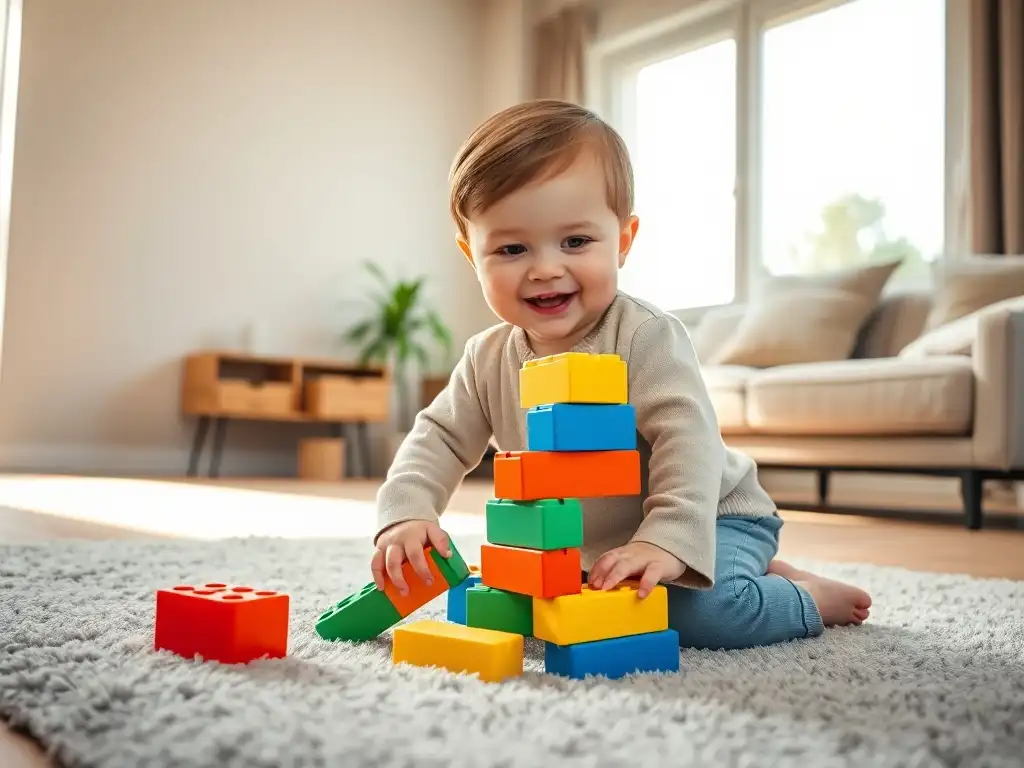
Toddler fall prevention isn't a one-time fix; it's an ongoing process requiring consistent effort and adaptation as your child develops new skills and explores their environment with increasing independence. This section focuses on establishing long-term strategies and habits to minimize the risk of falls and keep your little one safe. Remember, even with the best precautions, accidents can happen, so constant vigilance remains crucial. These toddler fall prevention tips are designed to complement other safety measures, creating a layered approach to protection.
Maintaining a Safe Home Environment: Regular Checks and Adjustments
A safe home environment is the cornerstone of toddler fall prevention. This isn't about creating a sterile, overly cautious space, but rather about proactively identifying and mitigating potential hazards. Regular checks are essential, as your child's abilities and the layout of your home may change over time.
Think of it like this: you wouldn't leave a ladder unattended in a high-traffic area, right? The same principle applies to potential fall hazards for toddlers. Here’s a checklist for your regular safety audits:
- Furniture Stability: Regularly check the stability of all furniture, particularly tall pieces like bookshelves and dressers. Are they securely anchored to the walls? Could a toddler climb and potentially pull them over?
- Electrical Cords: Are electrical cords tucked away neatly and out of reach? Trailing cords are a major tripping hazard for little ones.
- Window Safety: Are windows secured with safety latches or guards? Even slightly open windows can pose a serious fall risk.
- Staircase Safety: Are gates securely in place at the top and bottom of the stairs? Do they meet current safety standards? Are there any loose or broken steps?
- Floor Coverings: Are rugs and mats secured with non-slip backing to prevent slipping and falls? Are there any loose floorboards that could cause a tripping hazard?
- Toy Storage: Are toys stored appropriately, preventing clutter and tripping hazards? Consider low, easily accessible storage solutions.
Regularly reassess your home environment. What might have been safe six months ago might now present a new danger as your toddler grows and becomes more mobile. This proactive approach is a key component of effective toddler fall prevention.
Educating Your Toddler About Safety: Simple Rules and Demonstrations
While constant supervision is paramount, teaching your toddler about safety is an invaluable long-term strategy. Start early and use simple, age-appropriate language. Focus on positive reinforcement rather than punishment.
Here's how to approach this:
- Simple Rules: Use clear, concise language. For example, "We walk, we don't climb." or "Stairs are for walking, not running."
- Demonstrations: Show your toddler the correct way to navigate potential hazards. Demonstrate how to safely climb stairs, how to get down from furniture, and how to avoid tripping over obstacles.
- Positive Reinforcement: Praise and reward your toddler when they follow safety rules. Positive reinforcement is far more effective than punishment in teaching safe behaviors.
- Age-Appropriate Explanation: As your child grows, you can gradually introduce more complex safety concepts. Explain why certain behaviors are dangerous and the potential consequences of falls.
Remember, consistency is key. Repeating these safety rules and demonstrations regularly will help your toddler internalize them and make safe choices independently. This is a crucial aspect of comprehensive toddler fall prevention tips.
The Role of Supervision: Constant Vigilance and Intervention
Even with a safe home environment and safety education, constant supervision remains the most critical aspect of toddler fall prevention. Toddlers are naturally curious and unpredictable, and their developmental abilities change rapidly.
Here are some key considerations for effective supervision:
- Never Leave Them Unattended: Even for a few seconds, a toddler can get into trouble. Always maintain visual contact with your toddler, especially in areas with potential fall hazards.
- Anticipate Potential Hazards: Be proactive. Think ahead about what your toddler might do and take steps to prevent it.
- Create Safe Zones: Designate specific areas in your home as safe zones, where your toddler can play freely without significant fall risks.
- Baby Monitors: While not a replacement for supervision, baby monitors can provide an added layer of security, allowing you to keep an eye on your child even when you're in another room.
- Divide and Conquer: If you have multiple children, consider dividing responsibilities to ensure that each child is adequately supervised.
Supervision is a demanding but essential role in preventing toddler falls. It requires constant attention and vigilance. However, the peace of mind it provides is invaluable. Prioritizing supervision is a fundamental part of effective toddler fall prevention tips.
Preventing Falls: A Comprehensive Guide to Toddler Safety
This section delves into practical strategies for preventing falls in toddlers, a crucial aspect of ensuring their safety as they explore their growing independence. We'll examine various approaches, combining them for maximum protection, and provide resources for continued learning. Remember, consistency and vigilance are key to minimizing the risk of toddler falls. This information complements the broader discussion on furniture and stair safety, offering a holistic view of toddler fall prevention tips.
Combining Strategies for Maximum Protection: A Holistic Approach
Preventing toddler falls requires a multi-faceted approach. Simply installing gates isn't enough; a holistic strategy combines environmental modifications with consistent supervision and proactive teaching. Let's break down the key elements:
- Environmental Modification: This is about making your home a safer space. This includes:
- Baby-proofing: Install safety gates at the top and bottom of stairs, cover sharp corners with corner guards, secure loose rugs and cords, and use outlet covers. Consider using window guards if you have upper-story windows. Regularly inspect your home for potential hazards and address them immediately.
- Furniture placement: Keep furniture away from windows to prevent climbing accidents. Avoid placing heavy or unstable furniture where a toddler could pull it over. Anchoring tall furniture to the wall is also crucial.
- Floor safety: Opt for non-slip flooring wherever possible, especially in areas where toddlers frequently play. Avoid slippery surfaces like polished wood or tile without adequate mats.
- Consistent Supervision: Never leave a toddler unattended, even for a moment. This is especially crucial near stairs, windows, or high places. Remember that toddlers are incredibly quick and can get into trouble in the blink of an eye. Constant monitoring, even in familiar environments, is essential.
- Proactive Teaching: As your toddler develops, teach them about safety. Explain the dangers of climbing and falling. Use simple language and positive reinforcement. Practice safe behaviors, such as holding hands when near stairs or crossing the street. Positive reinforcement and clear communication are crucial.
- Age-Appropriate Activities: Provide age-appropriate toys and activities that keep your toddler engaged and prevent them from exploring potentially hazardous areas. This helps to redirect their energy and curiosity towards safe options.
The effectiveness of these strategies depends on their consistent application. Remember that toddlers are constantly learning and developing, so their risk of falls evolves with their abilities. Regularly reassess your safety measures and adjust them as needed. A combination of these strategies offers the best protection against toddler falls.
For instance, combining a stair gate with consistent supervision drastically reduces the likelihood of a stair-related fall. Similarly, anchoring a tall bookshelf and keeping it away from windows reduces the risk of a fall from that specific piece of furniture. This holistic, layered approach is crucial for effective toddler fall prevention.
Resources and Further Information: Books, Websites, and Organizations
Further information on toddler safety and fall prevention can be found through various resources. While specific titles and websites are [specific information pending], it's advisable to consult with your pediatrician for personalized advice and recommendations tailored to your child's age and developmental stage. Local parenting groups and community centers often offer resources and workshops on child safety. Searching for "toddler safety checklist" or "childproofing your home" online will yield many helpful guides and articles.
Remember to always prioritize reliable sources from reputable organizations focusing on child health and safety. Staying informed and proactive is a critical component of ensuring your toddler's safety and well-being. Consider consulting books on child development to understand your toddler's developmental milestones and adjust your safety measures accordingly. This proactive approach helps to mitigate risks and provides peace of mind.
Frequently Asked Questions
What are the most common causes of toddler falls?
Toddler falls are often caused by unsupervised exploration, clutter in the home, and a lack of appropriate safety measures, such as gates and furniture anchors. Their natural curiosity and developing motor skills often lead to risky behavior.
How can I babyproof my home to prevent toddler falls?
Install safety gates at the top and bottom of staircases. Secure heavy furniture to the walls. Use soft floor coverings like rugs or mats. Keep electrical cords out of reach and install window guards.
What are some outdoor fall prevention tips for toddlers?
Always supervise your toddler closely when they are playing outside. Choose age-appropriate playgrounds with soft surfaces. Ensure that any outdoor play areas are free from hazards like uneven ground or sharp objects.
My toddler keeps climbing! How can I discourage this dangerous behavior?
Positive reinforcement is key. Redirect their climbing urges to safer activities, like climbing a small, sturdy step stool. Make sure they understand that climbing in unsafe areas is not allowed, and consistently enforce this rule.
At what age are toddler falls most common?
Falls are most prevalent between the ages of one and three, coinciding with increased mobility and exploration, but the risk persists until they develop a stronger sense of balance and spatial awareness. Constant supervision is crucial during this period.
Final Reflection: The Enduring Importance of Toddler Fall Prevention
The seemingly small act of a toddler taking their first steps marks a monumental shift, not just in their development, but in the vigilance required from caregivers. Preventing falls isn't just about avoiding bumps and bruises; it's about safeguarding a child's burgeoning sense of independence and ensuring their healthy growth. The statistics on toddler falls are sobering, highlighting the critical need for proactive measures in every home.
The impact of a fall, both physically and emotionally, resonates far beyond the immediate moment. It affects not only the child's confidence in exploring their world but also the parent's peace of mind. The greatest gift you can give your children is the gift of a safe and secure environment.
This quote underscores the profound responsibility we have to create spaces where our little ones can thrive without unnecessary risks. The constant learning curve of toddlerhood, with its exciting milestones and inherent vulnerabilities, demands a continuous reassessment of our home safety practices.
You, as a parent or caregiver, are now equipped with practical strategies to create a safer environment for your toddler. Consider the information presented here not as a checklist, but as a springboard for ongoing reflection and adaptation. Take a moment today to walk through your home with fresh eyes, identifying potential hazards and implementing the simple yet effective solutions discussed. Remember, every precaution taken is a step towards fostering a nurturing and secure environment where your child can explore, learn, and grow with confidence.
Unlock Your Toddler's Confidence: Prevent Falls, Empower Growth!
Thank you for learning about toddler safety! We hope this article provided valuable insights to protect your child during this exciting developmental stage. Let's put that knowledge into action.
- Prioritize Childproofing: Take a fresh look around your home. Identify potential hazards at your toddler's eye level, especially in areas where falls are most likely, such as near stairs and furniture. Implement safety measures immediately.
- Share Your Experiences: Join the BabyCareHub community and share your childproofing successes and any questions you have about creating a safer home. Your experience can help others!
- Explore BabyCareHub's Resources: Discover additional articles and guides on toddler safety and development. We're here to support you every step of the way.
What's one small change you can make today to create a safer environment for your toddler?