
Cultural Taboos and Traditions in Infant Feeding: What to Avoid


Welcome to BabyCareHub, your ultimate guide to navigating the incredible journey of parenthood! Are you prepared for the unexpected twists and turns? We're here to help you confidently embrace every stage. Discover the fascinating world of infant feeding cultural taboos – some traditions might surprise you – and learn how to make informed choices for your little one's well-being. Dive into our comprehensive "Feeding & Nutrition" section to unlock essential knowledge and ensure a healthy start for your baby. Let's explore together!
- Understanding Cultural Influences on Infant Feeding Practices
-
Common Cultural Taboos Surrounding Infant Feeding
- Restrictions on Certain Foods During Breastfeeding: Examples from Southeast Asia and the Mediterranean
- Beliefs About the Timing and Frequency of Infant Feedings: Examples from Indigenous Communities in North America and Sub-Saharan Africa
- Traditional Practices Affecting Breast Milk Production and Infant Nutrition: Examples from South America and East Asia
- Taboos Related to Weaning Practices and Introduction of Solid Foods: Examples from India and the Middle East
- Navigating Cultural Traditions and Modern Infant Feeding Recommendations
-
Case Studies: Cultural Taboos and Their Impact on Infant Health
- Case Study 1: Maternal Dietary Restrictions in the Philippines and its Effect on Breast Milk Composition
- Case Study 2: Delayed Introduction of Solids in Certain Indigenous Communities in South America and its Impact on Nutritional Deficiencies
- Case Study 3: Traditional Practices Related to Infant Hygiene in West Africa and their Impact on Infant Mortality
- Safeguarding Infant Health While Respecting Cultural Traditions
- Further Research and Resources on Infant Feeding Cultural Practices
-
Frequently Asked Questions
- What are some common cultural taboos surrounding infant feeding?
- How can I navigate cultural differences in infant feeding practices?
- Are there any cultural practices that could be harmful to my baby?
- How can I balance cultural traditions with modern infant feeding recommendations?
- Where can I find more information about cultural influences on infant feeding?
- Final Reflection: Navigating the Complex Landscape of Infant Feeding
- Unlock Your Confidence: Navigate Infant Feeding with Ease
Understanding Cultural Influences on Infant Feeding Practices
Navigating the world of infant feeding can be overwhelming for first-time parents. Beyond the practical aspects of nutrition and latch, a crucial element often overlooked is the profound influence of culture and tradition. This article delves into the diverse tapestry of cultural beliefs and practices surrounding infant feeding, highlighting potential conflicts with modern medical recommendations and offering guidance on how to navigate these complexities with sensitivity and informed decision-making.
Understanding these cultural nuances is paramount to providing safe, healthy, and culturally appropriate care for your newborn. We will explore various cultural taboos and traditions related to infant feeding, emphasizing the importance of evidence-based practices while respecting cultural sensitivities.
This guide aims to equip new parents with the knowledge to make informed choices that prioritize the well-being of their baby, while also acknowledging and honoring their family's heritage. Successfully navigating this delicate balance requires careful consideration, open communication, and a commitment to both tradition and modern infant care best practices.
The Importance of Cultural Sensitivity in Newborn Care
Cultural sensitivity is not merely a matter of politeness; it's fundamental to providing holistic and effective newborn care. Ignoring or dismissing a family's cultural beliefs regarding infant feeding can lead to mistrust, non-compliance with medical advice, and ultimately, negative impacts on the baby's health. For example, some cultures may have traditional remedies or practices surrounding breastfeeding or formula feeding that might seem unconventional to Western medicine. However, dismissing these practices outright without understanding their rationale can damage the parent-healthcare provider relationship and hinder the effective delivery of care. A culturally sensitive approach involves:
- Active listening: Taking the time to understand the family's beliefs and practices without judgment.
- Respectful communication: Explaining medical advice in a clear, culturally appropriate manner, avoiding language that might be perceived as condescending or dismissive.
- Collaboration: Working with the family to find solutions that respect their cultural beliefs while also ensuring the baby's health and well-being. This might involve finding compromises or alternative approaches that align with both cultural practices and medical recommendations. For instance, a family might believe in a specific postpartum diet to promote milk production; understanding and respecting this belief, while also providing information on balanced nutrition, is crucial.
Building a strong, trusting relationship with the family is paramount. This requires demonstrating genuine respect for their cultural heritage and a willingness to work collaboratively to achieve the best possible outcomes for the baby. Ignoring cultural factors risks creating barriers to effective care, hindering the positive parent-child bond, and potentially compromising the child's health. 👶
Variations in Infant Feeding Across Cultures: A Global Perspective
Infant feeding practices vary dramatically across the globe, reflecting diverse cultural beliefs and traditions. These variations extend beyond the choice between breastfeeding and formula feeding, encompassing aspects such as:
- Timing of introduction of solids: Some cultures introduce solid foods much earlier than recommended by modern guidelines, while others adhere to later introductions.
- Types of foods introduced: The types of foods introduced to infants often reflect cultural dietary patterns and traditions.
- Feeding methods: Different cultures may employ various feeding methods, such as spoon-feeding, cup-feeding, or even direct feeding from the parent's hand.
- Beliefs surrounding breastfeeding: Some cultures hold strong beliefs about the importance of breastfeeding, while others may place less emphasis on it, or have specific beliefs regarding the duration or circumstances under which breastfeeding is appropriate. For example, some cultures may have beliefs about specific foods a breastfeeding mother should avoid.
Understanding these variations is crucial for healthcare providers and parents alike. It's important to remember that these practices are often deeply rooted in cultural beliefs and traditions, and should be approached with respect and understanding. A global perspective allows for a more nuanced and comprehensive approach to infant feeding, promoting culturally sensitive and evidence-based care. For instance, [specific information pending] on the prevalence of different feeding practices across various regions could significantly enhance this section.
Identifying Potential Conflicts Between Tradition and Modern Infant Feeding Guidelines
While respecting cultural traditions is vital, it's equally crucial to identify potential conflicts between traditional practices and modern infant feeding guidelines. Some traditional practices may pose risks to the baby's health, such as the use of unhygienic feeding methods or the introduction of inappropriate foods. These conflicts require careful navigation, prioritizing the baby's safety and well-being while respecting cultural sensitivities. This often involves a delicate balancing act:
| Traditional Practice | Potential Conflict with Modern Guidelines | Resolution Strategy |
|---|---|---|
| Early introduction of solids | Increased risk of allergies, digestive issues, and nutritional deficiencies | Gradual introduction of solids according to age-appropriate guidelines, while acknowledging and respecting cultural preferences. |
| Use of herbal remedies in breastfeeding | Potential interactions with medications or adverse effects on the baby | Thoroughly researching the safety of herbal remedies and seeking medical advice. |
| Certain food restrictions for mothers | Potential nutritional deficiencies for the mother and baby | Educating mothers about the importance of balanced nutrition while respecting dietary restrictions and finding suitable alternatives. |
Addressing these potential conflicts requires open communication, collaboration, and a willingness to find compromises that prioritize both cultural sensitivity and evidence-based infant care. This might involve educating families about the potential risks of certain practices, offering alternative solutions that align with both cultural beliefs and medical recommendations, and providing culturally appropriate materials and support. Careful consideration and a collaborative approach can ensure that the baby receives the best possible care, while respecting the family's cultural heritage.
Common Cultural Taboos Surrounding Infant Feeding
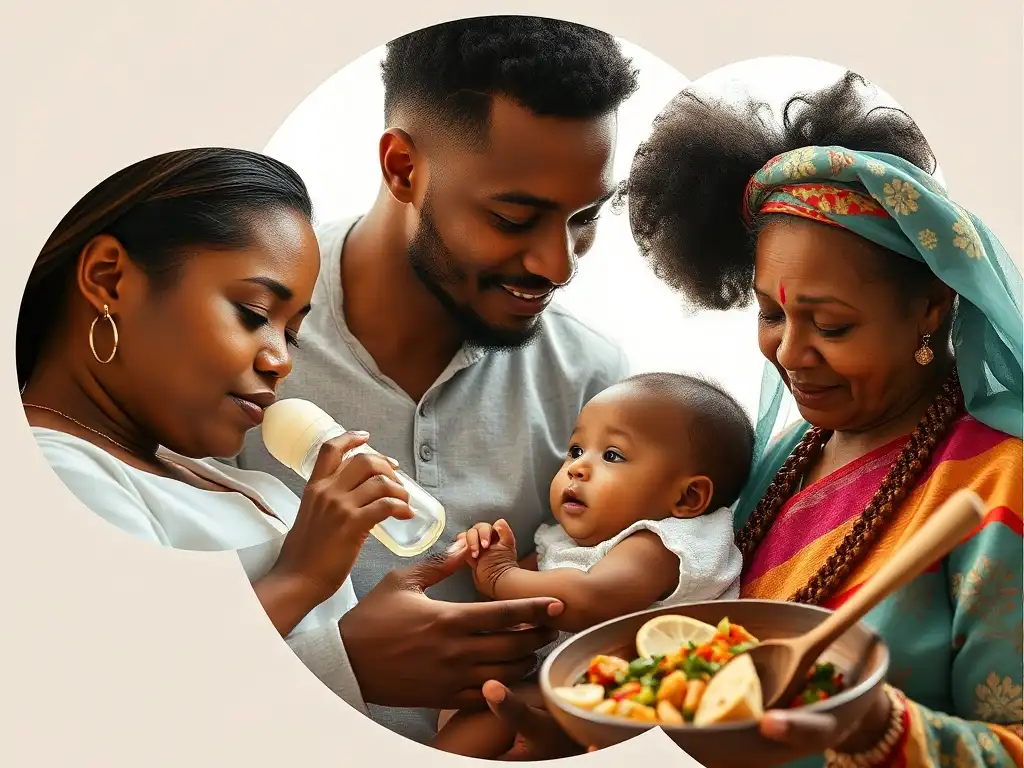
This section explores common cultural taboos and traditions surrounding infant feeding practices globally. Understanding these diverse beliefs is crucial for healthcare providers and parents alike to ensure the well-being and healthy development of infants. Ignoring these deeply rooted cultural norms can lead to misunderstandings and potential disruptions in the parent-child relationship and infant nutrition.
This exploration focuses on specific examples, highlighting the need for culturally sensitive approaches to infant feeding advice. We examine restrictions on foods during breastfeeding, beliefs regarding feeding schedules, and traditional practices influencing breast milk production and infant nutrition. These examples are not exhaustive, but they represent a significant cross-section of global practices related to the keyword "Infant feeding cultural taboos".
Restrictions on Certain Foods During Breastfeeding: Examples from Southeast Asia and the Mediterranean
Many cultures believe that certain foods consumed by breastfeeding mothers can negatively impact the infant's health. These beliefs often stem from traditional medicine and passed-down generational knowledge. For example, in some Southeast Asian countries, mothers are advised to avoid spicy foods, believing they can cause colic or digestive upset in the baby. This restriction often extends to pungent herbs and strong-flavored vegetables. Similarly, in parts of the Mediterranean, certain fish are believed to cause allergic reactions or skin problems in infants, leading to their exclusion from the mother's diet.
These restrictions aren't always based on scientific evidence, but rather on established cultural norms and perceived risks. It's important to note that while some foods could potentially trigger allergies or sensitivities in susceptible infants, blanket prohibitions on entire food groups can limit the mother's nutritional intake, impacting both her well-being and the nutritional quality of her breast milk.
A balanced and diverse diet for the mother is generally beneficial, and a healthcare provider can help determine if specific food restrictions are necessary based on the individual infant's needs and potential allergies. A nuanced approach that respects cultural beliefs while prioritizing evidence-based recommendations is crucial.
Beliefs About the Timing and Frequency of Infant Feedings: Examples from Indigenous Communities in North America and Sub-Saharan Africa
Cultural beliefs significantly influence how frequently and when infants are fed. In some indigenous communities in North America, on-demand feeding is the norm, aligning with modern infant feeding guidelines. However, other communities might have specific rituals or beliefs around feeding times, often linked to spiritual or cultural practices. For instance, some traditions dictate specific times of day for feeding, or avoid feeding during certain events or ceremonies.
Conversely, in some Sub-Saharan African communities, there might be a greater emphasis on scheduled feeding rather than on-demand feeding. This practice is often influenced by factors such as limited access to healthcare and resources, or established societal norms. These practices, while culturally significant, may not always align with current recommendations for optimal infant nutrition and growth. Open communication and understanding are vital to bridging the gap between traditional practices and evidence-based advice, emphasizing the importance of ensuring the infant's nutritional needs are met. This requires a careful balance of respecting cultural norms and providing medically sound information.
Traditional Practices Affecting Breast Milk Production and Infant Nutrition: Examples from South America and East Asia
Traditional practices aimed at boosting breast milk production or improving infant nutrition vary widely across cultures. In some South American communities, mothers might consume specific herbal teas or infusions believed to enhance lactation. These remedies, often passed down through generations, may or may not have scientific backing. Their effectiveness can be difficult to assess without rigorous clinical trials. Similarly, in some parts of East Asia, practices like applying warm compresses to the breasts or using specific massage techniques are believed to promote milk flow.
It's crucial to evaluate these practices carefully. While some may be harmless and even offer psychological benefits to the mother, others could potentially be detrimental. For example, the use of certain herbs could interact negatively with medications or have unintended consequences.
Therefore, open communication with healthcare providers is essential to ensure the safety and efficacy of any traditional practices related to breastfeeding and infant nutrition. The key is a collaborative approach that combines cultural sensitivity with evidence-based medical advice to guarantee optimal infant health and well-being. A holistic approach, considering both the cultural context and the scientific evidence, is the most effective strategy.
Introducing solid foods to a baby is a significant milestone, often steeped in cultural traditions and beliefs. However, some practices, while seemingly harmless, can pose risks to the infant's health. Understanding these cultural taboos is crucial for ensuring the safe and healthy development of your child. Let's explore some examples from India and the Middle East.
In parts of India, there's a belief that introducing certain foods too early can lead to digestive problems or allergies. For instance, honey is traditionally avoided until the child is over one year old due to the risk of botulism, a serious illness caused by bacteria found in honey. While this precaution is valid, the reasoning behind it is often rooted in traditional beliefs rather than purely scientific understanding.
Similarly, some families might delay the introduction of dairy products, fearing an adverse reaction, even though the benefits of early dairy introduction (with appropriate precautions for allergies) are widely acknowledged by medical professionals. These practices, while based on well-meaning intentions, highlight the need for a balance between cultural sensitivity and evidence-based infant feeding guidelines.
The Middle East also presents unique perspectives on weaning. In some cultures, the timing of weaning is closely linked to religious or social events. For example, the introduction of certain foods might be delayed until a specific religious holiday or family gathering.
While celebrating milestones is important, it's crucial to ensure that these cultural practices don't compromise the nutritional needs of the baby. Furthermore, some traditional foods, while culturally significant, might not be suitable for infants due to texture, potential allergens, or high salt content. For example, certain spices commonly used in Middle Eastern cuisine might be too strong for a baby's developing digestive system.
This underscores the importance of consulting a pediatrician to navigate the complexities of introducing solid foods while respecting cultural traditions. A healthcare professional can offer tailored advice that balances cultural sensitivities with the best interests of the child's health. The key is informed decision-making, combining cultural understanding with modern nutritional science.
The introduction of solid foods is a delicate balance between cultural practices and evidence-based nutrition. Understanding the nuances of these traditions and discussing them with healthcare professionals ensures a safe and healthy weaning journey for your baby. Remember, the goal is to nourish your baby while respecting your heritage. This requires open communication between parents, healthcare providers, and potentially even family elders to find a mutually agreeable and safe approach to infant feeding.
This section explores the delicate balance between respecting cultural traditions surrounding infant feeding and adhering to evidence-based practices that ensure optimal infant health and nutrition. Many cultures have deeply rooted beliefs and practices regarding breastfeeding, formula feeding, and complementary foods. Understanding these traditions is crucial for healthcare providers and parents alike. However, it's equally important to critically evaluate these practices in light of modern scientific understanding of infant nutrition and development. Ignoring potentially harmful practices can have serious consequences for the baby's well-being, while dismissing cultural practices entirely can alienate families and undermine the trust necessary for effective healthcare.
Balancing Cultural Practices with Evidence-Based Infant Nutrition Advice
The key lies in finding a balance. For instance, some cultures advocate for delaying the introduction of solid foods beyond the recommended six-month mark. While respecting these traditions, healthcare professionals should educate parents about the benefits of introducing age-appropriate complementary foods at around six months to ensure adequate nutrient intake and support optimal growth. Similarly, certain cultures may have specific beliefs about the types of foods suitable for infants. While accommodating preferences where possible, it's vital to ensure the infant receives a diverse range of nutrients necessary for healthy development. This might involve gentle education and offering alternatives that align with cultural preferences while meeting nutritional needs. Data suggests that early introduction of allergens, contrary to some traditional beliefs, can actually reduce the risk of developing allergies in later life. 1 This is a crucial point to discuss with families.
The approach should be collaborative and respectful. Rather than imposing Westernized infant feeding practices, healthcare providers should work with families to find solutions that honor cultural traditions while prioritizing the infant's health. This necessitates cultural sensitivity training for healthcare professionals to effectively navigate diverse cultural contexts and tailor their advice accordingly. The ultimate goal is to empower parents to make informed decisions that align with both their cultural values and the best interests of their child.
Addressing Concerns Regarding Traditional Remedies and Practices
Some cultural practices related to infant feeding may pose health risks. For example, the use of herbal remedies or traditional medicines to increase milk production or treat infant ailments can be detrimental if not carefully evaluated. Some remedies may contain harmful substances or interact negatively with medications the infant might be taking. Similarly, practices like diluting formula to stretch supplies, while driven by economic necessity in some cases, can lead to malnutrition and developmental delays. These practices must be addressed with sensitivity and understanding, while emphasizing the importance of safe and evidence-based alternatives.
It's crucial to actively listen to parents' concerns and address their anxieties regarding potential risks associated with both traditional practices and modern recommendations. Providing clear, factual information in a culturally sensitive manner can help alleviate fears and promote informed decision-making. Offering readily available resources and support networks can significantly assist families in navigating these complex issues. Furthermore, data on the prevalence of such practices in different communities is needed to better tailor interventions and educational materials. [Specific information pending on prevalence data for various traditional practices].
Open Communication with Healthcare Providers and Family Members
Open communication is paramount in addressing cultural considerations in infant feeding. Parents should feel comfortable discussing their cultural beliefs and practices with their healthcare providers. This requires building a trusting relationship based on mutual respect and understanding. Healthcare providers should actively solicit information about cultural traditions and beliefs, ensuring a non-judgmental and supportive environment. Similarly, open communication with extended family members is crucial, especially in cultures where family involvement in childcare is significant. This can help to mitigate potential conflicts and ensure consistency in infant feeding practices.
Creating a supportive network that includes healthcare providers, family members, and community resources is essential. This collaborative approach ensures that parents receive the necessary support and guidance to make informed decisions that honor their cultural heritage while prioritizing their infant's well-being. Regular follow-up appointments and educational resources can further reinforce healthy practices and address any emerging concerns. This proactive approach fosters a positive and empowering experience for parents navigating the complexities of infant feeding within their cultural context.
1 Further research is needed to definitively confirm the correlation between early allergen introduction and allergy prevention in all populations.
Seeking Support and Resources for Culturally Sensitive Infant Care
Navigating the world of infant feeding can be challenging, especially when balancing cultural traditions with modern medical advice. Feeling overwhelmed or conflicted is completely normal, and seeking support is crucial for both your well-being and your baby's health. Remember, there's no shame in asking for help, and many resources are available to guide you through this journey.
One of the most valuable resources is your healthcare provider. Openly discuss your cultural practices and beliefs with your pediatrician or family doctor. They can offer evidence-based advice while respecting your traditions. A culturally sensitive healthcare provider will strive to find a balance between your cultural preferences and the best interests of your child's health. Don't hesitate to ask questions, express your concerns, and actively participate in the decision-making process concerning your baby's nutrition. A good doctor will appreciate your proactive involvement.
Beyond your healthcare provider, consider connecting with other parents who share similar cultural backgrounds. Support groups, either in-person or online, can offer invaluable peer support and shared experiences. These groups can be a safe space to discuss challenges, share coping mechanisms, and learn from others who've navigated similar situations. The collective wisdom and empathy found within these communities can significantly ease the burden of managing cultural expectations alongside modern infant feeding guidelines.
Additionally, exploring community resources tailored to your cultural background is essential. Many community centers and organizations offer services specifically designed to support new parents within specific cultural contexts. These resources might include workshops on infant nutrition, breastfeeding support groups catered to your community's needs, or even one-on-one consultations with lactation consultants who understand and respect your cultural beliefs. Look for organizations that prioritize cultural sensitivity and inclusivity.
Finally, remember that online resources can also be helpful, but always critically evaluate the information you find. Prioritize reputable websites and organizations that offer evidence-based information and avoid sources that promote potentially harmful practices. When in doubt, always consult with your healthcare provider or a trusted expert before making any decisions regarding your baby's feeding.
The health and well-being of your child are paramount, and seeking the right support is a crucial step in ensuring a healthy and happy start to life. Remember, you are not alone in this journey, and a wealth of support is available to help you navigate the complexities of infant feeding within your cultural context.
Case Studies: Cultural Taboos and Their Impact on Infant Health
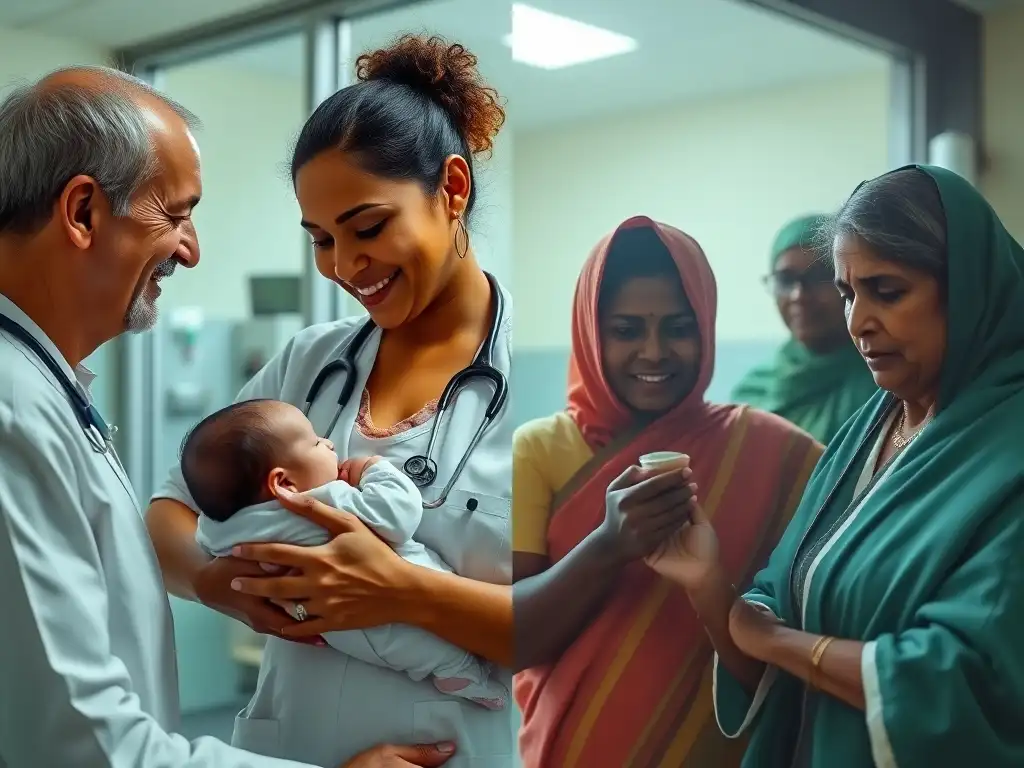
This section delves into specific examples of cultural taboos and traditions surrounding infant feeding and their demonstrable effects on infant health. Understanding these diverse practices is crucial for healthcare professionals and parents alike to ensure the well-being of infants worldwide. The examples below highlight the importance of culturally sensitive yet evidence-based approaches to infant feeding practices. These case studies illustrate how seemingly benign traditions can have significant health consequences if not carefully considered. We aim to promote informed decision-making based on a balance of cultural respect and scientific understanding regarding infant feeding cultural taboos.
Case Study 1: Maternal Dietary Restrictions in the Philippines and its Effect on Breast Milk Composition
In some regions of the Philippines, postpartum mothers adhere to strict dietary restrictions, often avoiding certain foods believed to cause colic or other ailments in their infants. These restrictions frequently exclude nutrient-rich foods such as leafy green vegetables, fruits rich in Vitamin C, and fish, vital components of a healthy diet for both mother and baby. This leads to a potential reduction in the nutritional value of breast milk.
Studies have shown a correlation between maternal dietary restrictions and lower levels of essential vitamins and fatty acids in breast milk. This deficiency can negatively impact infant growth, immune system development, and overall health. For instance, a lack of Vitamin A can lead to impaired vision, while insufficient essential fatty acids can affect brain development. The impact on infant feeding is significant, as breast milk is the primary source of nutrition for the first six months of life.
Understanding these dietary taboos and their potential consequences is vital for healthcare workers to provide appropriate nutritional guidance and support to mothers. Further research is needed to quantify the exact impact of these restrictions on breast milk composition across different regions of the Philippines. [Specific data on vitamin and fatty acid levels pending].
Case Study 2: Delayed Introduction of Solids in Certain Indigenous Communities in South America and its Impact on Nutritional Deficiencies
Certain indigenous communities in South America traditionally delay the introduction of solid foods to their infants, often well beyond the recommended six months. This practice, rooted in cultural beliefs and traditional practices, can result in significant nutritional deficiencies. Infants rely solely on breast milk, which, while providing crucial nutrients, may not contain sufficient iron, zinc, and other micronutrients needed as they grow.
Delayed introduction of solids increases the risk of iron-deficiency anemia, a condition that can severely impair cognitive development and immune function. Similarly, a lack of zinc can lead to growth retardation and increased susceptibility to infections. The impact on infant feeding is substantial, contributing to higher rates of malnutrition and related health problems in these communities. While respecting cultural traditions, healthcare providers must work collaboratively to implement educational programs promoting the safe and timely introduction of age-appropriate complementary foods while emphasizing the importance of breastfeeding continuation. [Data on the prevalence of anemia and other deficiencies in these communities pending].
In some parts of West Africa, traditional practices concerning infant hygiene, while often well-intentioned, can inadvertently increase the risk of infection and mortality. These practices might include the use of unsterilized equipment for preparing infant formula or the application of herbal remedies to the umbilical cord, which may be contaminated.
These practices can lead to increased rates of neonatal infections, including sepsis and tetanus. The impact on infant feeding is particularly pronounced in situations where formula feeding is practiced, as improper hygiene increases the risk of contamination. Educational interventions focusing on safe water, sanitation, and hygiene practices are crucial to reducing infant mortality. Promoting exclusive breastfeeding for the first six months, where feasible and appropriate, also significantly reduces the risk of infection.
[Data on specific mortality rates linked to these practices pending]. These case studies underscore the need for a nuanced approach to infant feeding, one that respects cultural diversity while prioritizing the health and well-being of infants. By combining cultural sensitivity with evidence-based practices, we can work towards improving infant health outcomes globally.
Safeguarding Infant Health While Respecting Cultural Traditions

This section explores the delicate balance between honoring cultural traditions surrounding infant feeding and ensuring the baby's optimal health and development. Many cultures have deeply rooted practices and beliefs about breastfeeding, complementary feeding, and the types of foods introduced to infants. While respecting these traditions is crucial for fostering a sense of belonging and cultural continuity, it's equally important to identify and address practices that may pose risks to the infant's well-being.
The key is informed decision-making, where families can make choices that align with both their cultural heritage and modern scientific understanding of infant nutrition. This involves open communication, education, and a collaborative approach between families, healthcare providers, and community leaders. Ignoring potential health risks in the name of tradition can have serious consequences, potentially leading to malnutrition, illness, or even death.
Therefore, a nuanced approach is essential, one that values cultural sensitivity while prioritizing the infant's health. This requires a careful assessment of each individual practice within its cultural context, rather than a blanket judgment of all traditions.
Strategies for Promoting Healthy Infant Feeding Practices Within Cultural Contexts
Promoting healthy infant feeding practices within diverse cultural contexts requires a multifaceted approach that respects cultural beliefs while prioritizing the well-being of the infant. This involves several key strategies:
- Education and Awareness: Providing culturally sensitive educational materials and workshops on infant nutrition can empower families to make informed decisions. This includes using materials translated into multiple languages and featuring images and stories that resonate with the target community. For example, a community outreach program might showcase local mothers successfully breastfeeding their babies while also highlighting the benefits of exclusive breastfeeding for the first six months.
- Community Engagement: Engaging community leaders, elders, and traditional healers is crucial. These individuals often hold significant influence within the community and can play a vital role in disseminating information and encouraging the adoption of healthy practices. By collaborating with them, healthcare providers can build trust and ensure that messages are well-received and understood.
- Addressing Misconceptions: Many cultural beliefs surrounding infant feeding are based on misinformation or outdated practices. Addressing these misconceptions requires a respectful and evidence-based approach. For instance, if a community believes that certain foods are harmful to infants, providing scientific evidence to refute these claims, while acknowledging the cultural significance of the belief, is crucial.
- Tailored Interventions: Interventions should be tailored to the specific needs and cultural contexts of each community. A "one-size-fits-all" approach is unlikely to be effective. For example, an intervention designed for a rural community might differ significantly from one designed for an urban population.
- Support Systems: Establishing strong support systems, such as peer support groups or community-based health workers, can provide ongoing guidance and encouragement to families. These groups can offer a safe space for sharing experiences and addressing challenges related to infant feeding. The emphasis should always be on empowerment and collaboration, never coercion.
Navigating the complexities of infant care while respecting cultural traditions can be challenging for families. Fortunately, numerous resources and support systems are available to help bridge the gap between cultural practices and modern scientific knowledge. These resources can provide crucial information, guidance, and emotional support to families during this important period.
Access to reliable information is paramount. This includes access to healthcare professionals who are culturally sensitive and knowledgeable about diverse infant feeding practices. Additionally, community-based organizations, non-profit groups, and government agencies often offer educational programs, workshops, and support groups specifically designed to address the needs of diverse families.
Furthermore, peer support networks can be invaluable for families. Connecting with other parents who share similar cultural backgrounds and experiences can create a sense of community and provide a safe space for sharing challenges and celebrating successes. These networks can offer practical advice, emotional support, and a sense of belonging, which is especially important for families who may feel isolated or marginalized.
The Role of Healthcare Professionals in Bridging the Gap Between Tradition and Modern Science
Healthcare professionals play a pivotal role in bridging the gap between cultural traditions and evidence-based practices in infant feeding. Their approach must be one of respect, understanding, and collaboration. Instead of dismissing cultural practices outright, they should engage in open dialogue with families to understand their beliefs and concerns. This involves actively listening, asking open-ended questions, and demonstrating genuine interest in the family's cultural heritage.
Furthermore, healthcare professionals should provide accurate and culturally sensitive information about infant nutrition, dispelling any misconceptions or myths that may exist within the community. This requires a deep understanding of the cultural context and the ability to communicate complex information in a clear and accessible manner. They should also be skilled in identifying potential risks associated with certain traditional practices and offering alternative solutions that are both safe and culturally appropriate.
By partnering with community leaders and traditional healers, they can build trust and ensure that their recommendations are well-received and implemented effectively. Ultimately, the goal is to empower families to make informed decisions that are in line with both their cultural values and the best interests of their infants. This collaborative approach is crucial for ensuring healthy outcomes for all infants, regardless of their cultural background.
Further Research and Resources on Infant Feeding Cultural Practices
This section provides avenues for deeper exploration into the fascinating and complex world of infant feeding cultural practices. Understanding the nuances of these practices requires a multi-faceted approach, incorporating academic research, governmental guidelines, and the lived experiences shared within supportive communities. Navigating this landscape responsibly ensures the well-being and health of infants while respecting diverse cultural perspectives. Remember, always prioritize the health and safety of your baby and consult with your pediatrician or healthcare provider for personalized guidance.
Relevant Academic Articles and Organizations
Accessing peer-reviewed academic articles is crucial for evidence-based understanding of infant feeding cultural taboos and traditions. These studies often delve into the historical, sociological, and anthropological aspects of breastfeeding and infant feeding practices across various cultures. Look for research published in reputable journals focusing on public health, nutrition, anthropology, and maternal-child health. Keywords to use in your search include "infant feeding practices," "cultural influences on breastfeeding," "traditional infant feeding methods," and "cultural taboos and infant feeding."
Here's what to look for in credible academic resources:
- Methodology: Pay close attention to the research methodology employed. Rigorous studies utilize robust sampling techniques and appropriate statistical analysis.
- Author Expertise: Check the authors' affiliations and expertise to ensure credibility. Look for researchers specializing in relevant fields like nutrition, anthropology, or public health.
- Publication Date: Prioritize more recent publications, as research in this field is constantly evolving.
- Funding Sources: Be aware of potential biases by examining the funding sources for the research.
Beyond individual articles, consider exploring resources offered by leading organizations dedicated to maternal and child health. These organizations often compile research summaries, guidelines, and position statements on various aspects of infant feeding. These organizations frequently provide a wealth of information, often synthesized from numerous studies, making it easier to grasp the broader picture.
Relevant Government Health Guidelines
Governmental health organizations play a vital role in providing evidence-based guidelines and recommendations for infant feeding. These guidelines are usually developed by experts and often reflect the latest scientific consensus on safe and healthy infant feeding practices. These guidelines are usually free and readily accessible online. They often address common cultural practices and offer advice on how to balance cultural traditions with the health and safety needs of the infant.
While these guidelines provide valuable information, it's crucial to remember that they may not always encompass the full spectrum of cultural diversity. It's essential to approach these guidelines with a critical and culturally sensitive lens, recognizing that they may not fully address every unique cultural context. Always consult with healthcare professionals to integrate these guidelines with your specific cultural context and individual circumstances.
Consider searching for guidelines from your country's or region's health ministry or equivalent organizations. These guidelines often provide specific recommendations tailored to your local context and available resources.
Relevant Support Groups and Communities
Connecting with support groups and communities can provide invaluable peer-to-peer support and shared experiences related to navigating cultural influences on infant feeding. These groups often offer a space for open dialogue, allowing individuals to share their challenges and successes, learn from one another, and build a strong support network. These groups can be particularly helpful for first-time parents who are seeking guidance and understanding regarding cultural practices and potential conflicts with modern medical advice.
Finding these groups can be done through online forums, social media groups, local community centers, and religious institutions. Look for groups that prioritize respectful and inclusive discussions, recognizing the diversity of perspectives and experiences. Remember, the goal is to find a supportive environment that helps you make informed decisions while respecting your cultural heritage and ensuring your baby's well-being. Remember to critically evaluate the information shared within these groups, and always prioritize advice from qualified healthcare professionals.
Frequently Asked Questions
What are some common cultural taboos surrounding infant feeding?
Some cultures avoid introducing solid foods before a certain age, while others prohibit certain foods like honey or dairy during the first year. Beliefs about breastfeeding in public or the use of formula also vary widely.
It's crucial to respect cultural beliefs while prioritizing your baby's health and safety. Research common practices in your community and discuss concerns with your healthcare provider. Open communication is key.
Are there any cultural practices that could be harmful to my baby?
Some traditional practices, like using unsterilized equipment or giving unsuitable foods, can be harmful. Always consult a healthcare professional to ensure your practices are safe.
How can I balance cultural traditions with modern infant feeding recommendations?
Finding a balance is about informed decision-making. Learn about both your cultural traditions and current medical advice. Discuss your options with your doctor and family to find a path that works for everyone.
Where can I find more information about cultural influences on infant feeding?
BabyCareHub offers comprehensive resources on newborn and baby care, including articles specifically addressing cultural influences on infant feeding. You can also consult your pediatrician or other healthcare professionals.
The cultural tapestry woven around infant feeding practices remains deeply impactful today, shaping not only individual choices but also the overall health and well-being of countless infants. Misinformation and ingrained taboos continue to pose significant challenges, hindering access to optimal nutrition and potentially endangering vulnerable newborns. We must actively dismantle these barriers to ensure every child thrives.
The exploration of these cultural nuances has profoundly impacted my understanding of the delicate balance between tradition and evidence-based care. It highlights the urgent need for culturally sensitive education and support systems. The weight of these traditions is immense, often passed down through generations, creating a powerful force that can be difficult to overcome. Tradition is the illusion of permanence.
This quote underscores the need for critical examination of long-held beliefs in light of modern scientific understanding. We must respect cultural heritage while simultaneously prioritizing the health and safety of infants.
Consider the information presented within this article. Reflect on your own beliefs and practices surrounding infant feeding. Are there any ingrained assumptions you hold that might need reevaluation? Let us work together to create a supportive environment where informed choices are empowered, and the well-being of every infant is paramount. By fostering open dialogue and promoting evidence-based practices within a framework of cultural sensitivity, we can pave the way for a healthier future for generations to come.
Thank you for learning about cultural influences on infant feeding. We hope this article has equipped you to make informed decisions for your baby. Now, let's put that knowledge into practice!
- Prioritize your baby's needs: Choose a feeding method that best supports your baby's individual health and development. This is the most crucial step.
- Share your knowledge: Respectfully discuss infant feeding with family and friends, addressing any outdated beliefs. Open communication is essential.
- Join our community: Connect with other parents on BabyCareHub’s forums to share experiences and support each other. Learn from others and contribute your own insights!
What cultural factors will you consider, or respectfully challenge, in your approach to infant feeding?