
How to Track Your Baby's Sleep Patterns: A StepbyStep Guide


Welcome to BabyCareHub, your ultimate guide to navigating the incredible journey of parenthood! Are you ready to unlock the secrets to a well-rested baby and a happier you? We understand the challenges of those first few months, and that's why we've created this comprehensive resource. Learn how to effectively track your baby's sleep patterns step-by-step – a crucial first step towards establishing healthy sleep habits and conquering those sleepless nights. Dive in and discover the expert advice and practical strategies you need to thrive in this exciting new chapter.
- Understanding Your Baby's Sleep: Why Tracking Matters
- Gathering Your Sleep Tracking Tools
-
Step-by-Step Guide to Tracking Baby's Sleep
- Step 1: Prepare Your Tracking Method (Journal, App, etc.)
- Step 2: Record Sleep Onset Times Accurately
- Step 3: Note Wake-Up Times and Duration of Sleep
- Step 4: Document Feeding and Diapering During Sleep Periods
- Step 5: Record Any Notable Events (e.g., fussiness, crying)
- Step 6: Maintain Consistency in Your Tracking Method
- Step 7: Analyze Your Data (Identifying Patterns and Trends)
- Interpreting Your Baby's Sleep Data
- Refining Your Tracking System for Improved Accuracy
- Utilizing Sleep Tracking Data to Inform Sleep Training Strategies
- Utilizing Sleep Tracking for Better Sleep Habits
- Frequently Asked Questions
- Final Reflection: Unlocking the Secrets of Sleep: A Parent's Journey
- Unlock Your Baby's Sleep Secrets!
Understanding Your Baby's Sleep: Why Tracking Matters
Navigating the world of newborn sleep can feel like deciphering a complex code. Inconsistent naps, unpredictable nighttime awakenings, and the sheer exhaustion of new parenthood often leave caregivers feeling overwhelmed. This step-by-step guide will equip you with the knowledge and tools to effectively track your baby's sleep patterns, transforming this initially daunting task into a valuable asset for understanding your little one's needs and promoting healthier sleep habits for both baby and parent.
Successfully tracking your baby's sleep isn't just about counting hours; it's about gaining crucial insights into their sleep cycles, identifying potential issues early on, and ultimately fostering a more harmonious and restful environment for your family. This guide focuses specifically on practical strategies and techniques to monitor sleep, allowing you to effectively track baby sleep patterns stepbystep.
We'll explore the significance of consistent sleep tracking, the differences between typical and atypical sleep patterns, and the long-term benefits for both baby's development and your own well-being. Let's dive in and unlock the secrets to understanding your baby's sleep!
The Importance of Monitoring Baby Sleep Cycles
Monitoring your baby's sleep cycles offers a wealth of information beyond simply knowing how long they sleep. Understanding when they sleep, how they sleep (restful vs. restless), and the duration of their sleep cycles provides a window into their overall health and development. For example, consistently short sleep cycles might indicate underlying issues such as reflux or discomfort, while frequent night wakings could point to hunger or a need for comfort.
By diligently documenting sleep patterns, you can identify trends, spot potential problems early, and effectively communicate concerns with your pediatrician. This proactive approach can lead to quicker diagnosis and treatment, ensuring your baby's comfort and healthy development. Furthermore, consistent sleep tracking allows for a more personalized approach to sleep training, adapting strategies based on your baby's individual sleep needs and preferences.
This detailed information is invaluable for tailoring a sleep routine that fosters healthy sleep habits from an early age. Think of it as building a personalized sleep "profile" for your baby – a foundation for their future sleep health.
Identifying Normal vs. Abnormal Sleep Patterns in Infants
Newborn sleep patterns are notoriously erratic. While there's no single "normal," understanding typical sleep behaviors for different age groups is crucial. For example, newborns (0-3 months) typically sleep 14-17 hours a day, often in short bursts, while 4-12-month-olds might consolidate their sleep into longer stretches. However, inconsistencies are normal.
What's considered abnormal often involves prolonged periods of inconsolable crying, difficulty falling asleep, or extremely short sleep cycles combined with significant daytime sleepiness. Other potential red flags include excessive yawning, unusual paleness, or changes in feeding patterns. Tracking your baby's sleep helps you distinguish between normal fluctuations and potentially concerning patterns. A detailed sleep log can be a powerful tool in identifying trends and providing your pediatrician with crucial information for assessment.
Remember to note not only the duration of sleep but also the quality – was your baby restless, easily aroused, or did they sleep soundly? This information is just as valuable as the total sleep time. The following table provides a general guideline, but remember that each baby is unique:
| Age Range | Typical Total Sleep (hours) | Typical Nap Pattern | Potential Red Flags |
|---|---|---|---|
| 0-3 Months | 14-17 | Frequent short naps throughout the day | Prolonged inconsolable crying, difficulty falling asleep |
| 4-12 Months | 12-16 | Fewer, longer naps; consolidation of nighttime sleep | Extreme fussiness, excessive yawning, paleness |
How Sleep Tracking Benefits Baby's Development and Your Well-being
The benefits of tracking your baby's sleep extend far beyond simply understanding their sleep cycles. Consistent sleep tracking contributes directly to your baby's healthy development. Adequate sleep is vital for physical growth, cognitive development, and immune function. By identifying and addressing sleep disturbances early, you can promote optimal development in these crucial areas.
Moreover, tracking your baby's sleep patterns provides a sense of control and predictability in the often chaotic world of newborn parenthood. This can significantly reduce parental stress and anxiety, leading to improved mental and emotional well-being. The data collected through sleep tracking empowers parents to make informed decisions about their baby's care, fostering a stronger parent-child bond and promoting a more positive and restful family environment.
For example, understanding your baby's sleep patterns allows you to anticipate their needs and adjust your routine accordingly, minimizing disruptions and maximizing restful periods for everyone. Ultimately, effective sleep tracking is an investment in both your baby's future and your own sanity! 🎉
Gathering Your Sleep Tracking Tools
This section details the essential tools you'll need to effectively track your baby's sleep patterns. Accurate tracking is crucial for identifying sleep patterns, addressing potential sleep issues, and ultimately, improving your baby's sleep and your own! Remember, consistency is key to gaining valuable insights.
Essential Tools for Accurate Sleep Monitoring
Before you begin tracking your little one's slumber, gather the necessary tools. While technology offers convenient options, a simple approach can be just as effective. Here's a breakdown:
- A reliable clock or timer: This is fundamental for accurate timekeeping. A digital clock with a clear display is ideal. You'll need to record both bedtime and wake-up times, as well as any nighttime wakings.
- A pen and paper or a digital journal: For manual tracking, a dedicated notebook or a simple spreadsheet works wonders. Alternatively, there are numerous baby sleep tracking apps available. The choice depends on your personal preference and technological comfort level.
- A comfortable, quiet environment for your baby: A conducive sleep environment is crucial for accurate sleep data. Excessive noise or light can disrupt sleep and skew your observations. Ensure the room is dark, quiet, and at a comfortable temperature.
- Optional: Baby monitor with sleep tracking features: Some baby monitors offer integrated sleep tracking capabilities, providing additional data points like sleep duration and movement. These can be helpful, but aren't strictly necessary for effective sleep pattern tracking.
Choosing a Sleep Tracker: Apps vs. Journals vs. Manual Tracking
The method you choose for tracking your baby's sleep patterns is a personal decision. Each option has its pros and cons:
| Method | Pros | Cons |
|---|---|---|
| Sleep Tracking Apps | Convenient, data visualization, often include sleep analysis features | Requires a smartphone, potential for data privacy concerns, app subscription fees |
| Digital Journals/Spreadsheets | Customizable, easily accessible, avoids app-related issues | Requires some tech literacy, data visualization may require manual effort |
| Pen and Paper Journals | Simple, readily available, no technology required | Data analysis is manual, prone to errors if not meticulously maintained |
Consider your tech proficiency and personal preferences when making your choice. For example, a new parent who prefers a hands-on, analog approach might find a pen and paper journal more suitable. Conversely, a tech-savvy parent might prefer the convenience and features of a sleep tracking app. No matter your choice, consistency is key.
Setting Up Your Tracking System for Optimal Results
Regardless of your chosen method, setting up your tracking system correctly is paramount. Here are some tips for optimal results:
- Establish a consistent sleep schedule: Try to maintain a regular bedtime and wake-up time for your baby, even on weekends. This helps regulate their circadian rhythm and promotes better sleep.
- Record all sleep periods: Note not only nighttime sleep, but also naps. Record the start and end times of each sleep period. Include any nighttime wakings and the time it took to soothe your baby back to sleep.
- Note any factors influencing sleep: Keep a record of factors that might influence your baby's sleep, such as feeding times, diaper changes, illnesses, or any changes in their routine. This helps identify correlations between these factors and sleep quality.
- Review data regularly: Analyze the collected data regularly to identify patterns and trends. This information will be invaluable in understanding your baby's sleep needs and adjusting your approach as necessary. Look for recurring themes – are there specific times your baby wakes up? Are there patterns related to feeding or activity levels?
By meticulously tracking your baby's sleep, you'll gain invaluable insights into their sleep patterns, paving the way for a more restful night for both of you. Remember, consistency and attention to detail are crucial for accurate and actionable results. Tracking your baby's sleep patterns step-by-step will empower you to better understand and support your little one's sleep needs. 😴
Step-by-Step Guide to Tracking Baby's Sleep

This section provides a detailed, step-by-step approach to effectively monitoring your baby's sleep patterns. Understanding your baby's sleep cycles is crucial for establishing healthy sleep habits and addressing potential sleep issues. This guide will help you accurately track your baby's sleep, providing valuable data for you and your pediatrician. Remember, consistency is key to gleaning meaningful insights from your tracking efforts. The more data you collect, the clearer the picture of your baby's sleep patterns will become.
Step 1: Prepare Your Tracking Method (Journal, App, etc.)
Before you begin tracking your baby's sleep, choose a method that suits your lifestyle and preferences. Several options exist, each with its own advantages and disadvantages.
- Traditional Journal: A simple notebook and pen offer a tactile and readily accessible method. You can jot down sleep onset and wake-up times, along with notes on feeding, diaper changes, and any other relevant observations. This method allows for detailed, free-form notes. However, it may require more manual effort for analysis.
- Sleep Tracking Apps: Numerous smartphone and tablet apps are designed specifically for tracking baby sleep. These apps often offer features like sleep cycle analysis, sleep graphs, and data export capabilities. Many also include features to track feeding, diaper changes, and other baby-related activities. The convenience of digital tracking is undeniable, but app reliability and data security should be carefully considered.
- Spreadsheet: If you're comfortable using spreadsheets, creating a customized one can offer a highly flexible and customizable tracking system. You can easily add columns for different data points (sleep duration, wake-up times, feeding times, etc. ), and automatically calculate averages and other metrics. This method is particularly useful for analyzing long-term trends.
Choosing the right method depends on your personal preference and tech comfort level. Consider factors like ease of use, data analysis capabilities, and the level of detail you want to record. Consistency is far more important than the specific method used.
Step 2: Record Sleep Onset Times Accurately
Accurate recording of sleep onset times is crucial for effective sleep pattern tracking. This means noting the exact time your baby falls asleep, not just an approximation. Try to establish a consistent bedtime routine to help your baby wind down and fall asleep more predictably.
Here are some tips for accurately recording sleep onset times:
- Use a timer or alarm: Set a timer when you begin your baby's bedtime routine. This will help you accurately note when your baby finally drifts off to sleep.
- Minimize distractions: Avoid using your phone or other electronics while trying to get your baby to sleep. Distractions can interfere with your ability to accurately note the sleep onset time.
- Be patient: Some babies take longer to fall asleep than others. Don't rush the process; accurately recording the time is more important than speeding up the bedtime routine.
- Note any unusual circumstances: If your baby falls asleep in an unusual place or under unusual circumstances (e.g., in the car seat), note this in your tracking method. This could provide valuable insights into your baby’s sleep patterns.
Step 3: Note Wake-Up Times and Duration of Sleep
Once your baby wakes up, immediately record the time. This, combined with the sleep onset time, allows you to calculate the total sleep duration for each sleep period. Also note the type of wake-up: was it a full awakening, or a brief stir? Did your baby need feeding, a diaper change, or comforting? Documenting this information will give you a more comprehensive understanding of your baby's sleep patterns.
Consider these points when recording wake-up times:
- Distinguish between naps and nighttime sleep: Track naps and nighttime sleep separately to identify patterns within each sleep type. Analyzing these separately allows for a better understanding of overall sleep needs.
- Note any disruptions: If your baby wakes up during the night, note the time and the reason for waking (e.g., hunger, discomfort, etc.). This is important for identifying potential sleep problems.
- Record sleep duration for each period: Calculate the length of each sleep period (nap or nighttime) to identify any trends in sleep duration.
- Use consistent units: Use either AM/PM or 24-hour time consistently throughout your tracking to avoid confusion. This will ensure accuracy in your data analysis.
By meticulously tracking both sleep onset and wake-up times, along with relevant observations, you'll build a comprehensive record of your baby's sleep patterns. This data will prove invaluable in identifying any sleep issues and working towards establishing healthy sleep habits for your little one. Remember, consistency and attention to detail are key to the success of this process.
Step 4: Document Feeding and Diapering During Sleep Periods
Tracking your baby's feeding and diapering schedules alongside their sleep patterns provides a holistic view of their daily routine. This is crucial because feeding and diaper changes can significantly impact sleep cycles. For instance, a baby who wakes up frequently for feedings might indicate insufficient milk intake or a need for a different feeding schedule.
Similarly, a wet diaper can be a source of discomfort leading to disrupted sleep. Therefore, meticulously recording these details alongside sleep times allows you to identify potential patterns and address any underlying issues. Consider using a dedicated sleep tracker app or a simple notebook to log the time of each feeding (breastfeeding or formula), the amount consumed (if possible), and the time and type of diaper change (wet, soiled, or both).
This detailed record will help you correlate sleep duration and quality with feeding and diapering routines, assisting in creating a more optimized schedule for your baby. Remember to note any unusual occurrences, such as unusually large or small feedings, or exceptionally frequent diaper changes. These anomalies could signal a health issue requiring professional attention.
Step 5: Record Any Notable Events (e.g., fussiness, crying)
Beyond the basic sleep, feeding, and diaper data, noting any unusual events during sleep periods is vital for understanding your baby's sleep patterns. This includes instances of fussiness, crying, or any other behavior that deviates from their typical routine. For example, if your baby usually sleeps soundly for several hours but suddenly starts waking up frequently with cries, recording this event, along with its duration and any possible triggers (such as teething pain, a change in environment, or a growth spurt), can be invaluable.
Similarly, documenting periods of prolonged fussiness before sleep onset can help you pinpoint potential causes and address them proactively. Consider noting the time, duration, and intensity of these events, along with any potential causes you suspect. This detailed record can be instrumental in identifying patterns that might indicate underlying issues, such as colic, reflux, or other medical conditions, enabling timely intervention.
Don't forget to note any calming techniques you tried and their effectiveness. This will help you to refine your approach to soothing your baby in the future.
Step 6: Maintain Consistency in Your Tracking Method
The key to accurately tracking your baby's sleep patterns lies in consistency. Choosing a reliable method—be it a dedicated sleep tracker app, a spreadsheet, or a simple notebook—and sticking to it religiously is paramount. Inconsistent data collection can lead to inaccurate conclusions and hinder your ability to identify meaningful patterns. Decide on a specific format for recording information—for example, using a consistent time format (24-hour clock is recommended for clarity) and defining specific categories for events (e.g., "sleep onset," "wake time," "feeding," "diaper change," "fussiness").
Consistency in your data collection ensures the reliability of your analysis. Regularly review your records and make adjustments to your tracking method as needed. Perhaps you find a new app that better suits your needs or discover a more efficient way to record your data.
The goal is to build a comprehensive and reliable dataset that accurately reflects your baby's sleep habits over time. This consistent and reliable data will allow you to make informed decisions about your baby’s sleep routine and seek professional advice if necessary. Remember, consistency is the cornerstone of effective sleep pattern tracking.
Step 7: Analyze Your Data (Identifying Patterns and Trends)
Analyzing your meticulously collected sleep data is the key to understanding your baby's sleep patterns. Don't just glance at the numbers; actively look for recurring trends. This step is crucial for effective sleep training and addressing any potential sleep issues. You'll be surprised at the insights you can glean from even a few weeks of consistent tracking.
One of the most helpful ways to analyze your data is to visualize it. Consider using a simple spreadsheet program or a dedicated baby sleep tracking app (many offer charting features). A visual representation, such as a bar graph showing sleep duration over time or a line graph illustrating wake-up times, can reveal patterns much more clearly than a simple list of numbers. Look for clusters of data points—for instance, consistently shorter sleep periods on certain days of the week, or a noticeable increase in nighttime wakings around a particular developmental milestone.
Pay close attention to the timing of naps and nighttime sleep. Are there consistent periods of longer or shorter sleep? Do you notice a correlation between nap length and nighttime sleep quality? For example, consistently short naps might contribute to early evening wake-ups. Similarly, overly long naps might disrupt nighttime sleep. These subtle relationships often become apparent once you have several weeks of data to analyze.
Beyond sleep duration, note the time your baby falls asleep and wakes up. Consistent wake-up times can indicate a natural sleep cycle, while erratic wake-up times might suggest underlying issues. Also, track any factors that might influence your baby's sleep, such as illness, teething, or changes in routine. Annotating your sleep log with these details allows you to identify potential correlations between specific events and sleep disruptions. This detailed information is invaluable for predicting and preventing future sleep problems.
Remember, consistency is key. The more data you collect, the more accurate and reliable your analysis will be. Don't get discouraged if you don't see clear patterns immediately; it often takes time to establish a meaningful dataset.
As you continue tracking your baby's sleep, you'll become increasingly adept at identifying subtle trends and using that information to optimize your baby's sleep schedule and improve your family's quality of life. Tracking your baby's sleep patterns step-by-step may seem like a lot of work, but the rewards—a better understanding of your baby's needs and improved sleep for everyone—are well worth the effort. 😴
Interpreting Your Baby's Sleep Data
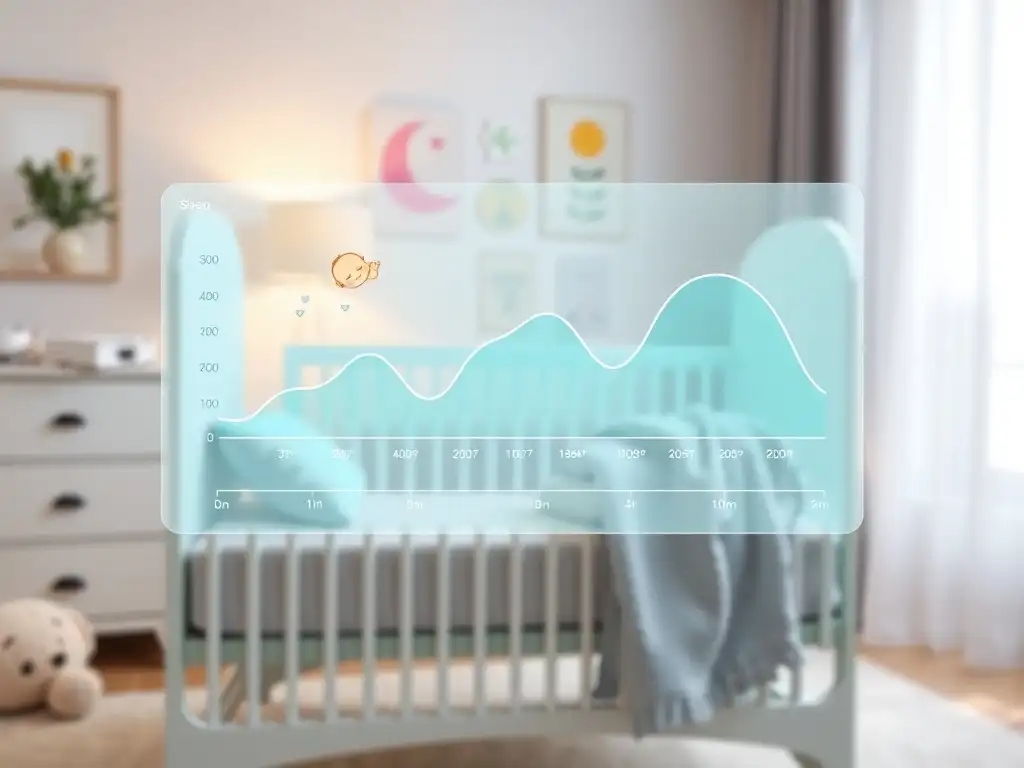
This section focuses on making sense of the sleep data you've diligently collected. Remember, consistency is key! The more data you gather, the clearer the picture of your baby's sleep patterns will become. This allows you to identify trends, predict sleep needs, and ultimately, improve your little one's sleep quality. We'll explore how to effectively analyze this information to gain valuable insights.
Identifying Sleep Cycles and Patterns
Tracking your baby's sleep isn't just about noting the total hours slept. Understanding the structure of their sleep is crucial. Babies cycle through different sleep stages, including light sleep, deep sleep, and REM (Rapid Eye Movement) sleep. These cycles typically last 50-60 minutes, and the transitions between them can cause brief awakenings. These awakenings aren't necessarily problematic; they are a normal part of the sleep process. However, frequent or prolonged awakenings could indicate an underlying issue.
To identify patterns, look for recurring themes in your sleep log. Do you notice a consistent time when your baby wakes? Are there specific times of day when they seem to sleep more soundly? Do certain activities before bedtime seem to influence sleep quality? For example:
| Time | Activity | Sleep Duration (minutes) | Notes |
|---|---|---|---|
| 7:00 PM | Bath, bedtime routine | 120 | Settled easily, minimal fussing |
| 10:00 PM | Wake, feed | 90 | Fussy, took time to settle back to sleep |
| 1:00 AM | Wake, brief fussing | 180 | Mostly undisturbed sleep |
| 4:00 AM | Wake, feed | 60 | Difficult to settle, longer feeding time |
By consistently recording this data, you can start to see recurring patterns. For instance, you might notice your baby consistently wakes around 4:00 AM for a feed, suggesting a need for adjustment to the nighttime feeding schedule or a potential adjustment to the last feeding of the day. This kind of data-driven insight is invaluable in understanding and improving your baby's sleep. Remember, even subtle patterns can be significant! 😴
Recognizing Signs of Overtiredness or Understimulation
Accurate sleep tracking helps you identify subtle cues indicating whether your baby is overtired or understimulated. These states can significantly impact sleep quality. Overtiredness often manifests as increased fussiness, difficulty settling, and frequent night wakings. Conversely, understimulation can lead to daytime sleepiness and difficulty falling asleep at night.
- Overtiredness: Look for signs like rubbing eyes excessively, yawning frequently, becoming unusually clingy, or exhibiting short bursts of intense energy followed by sudden crashes. Tracking sleep can help you pinpoint the optimal wake windows for your baby, preventing overtiredness.
- Understimulation: If your baby sleeps excessively during the day and still struggles to sleep at night, it might be a sign of understimulation. Ensure sufficient playtime and interaction during wake windows to promote healthy sleep-wake cycles. A balanced day with sufficient stimulation and rest is essential for optimal sleep.
Understanding Sleep Regression Stages and Their Impact
Sleep regressions are periods where your baby’s previously established sleep patterns seem to regress. These are temporary phases and usually resolve themselves within a few weeks. Tracking your baby's sleep during these periods can help you understand the changes and manage them effectively. Common sleep regressions occur around 4 months, 8 months, and 12 months.
These regressions are often triggered by developmental leaps. Your baby's brain is rapidly developing during these periods, leading to changes in sleep needs and patterns. Tracking helps you identify the regression's duration and intensity. While it can be frustrating, consistent sleep tracking enables you to maintain a calm approach, knowing it's a temporary phase.
Remember, patience and consistency are key during these periods. The information you gather will show you that the regression is temporary and that your baby will eventually return to a more established sleep pattern. This data offers reassurance and a clearer understanding of what your baby is going through.
Detecting Potential Sleep Problems Requiring Professional Advice
Interpreting your baby's sleep data isn't just about charting hours; it's about recognizing patterns that might indicate underlying health concerns. While inconsistent sleep is common in newborns and young infants, certain signs warrant a call to your pediatrician or a pediatric sleep specialist. These aren't necessarily causes for immediate alarm, but rather flags to raise for professional evaluation. Proactive attention can lead to early intervention and better outcomes.
One key indicator is a significant and persistent change in sleep patterns. For example, if your baby, who previously slept for relatively long stretches, suddenly experiences frequent awakenings and struggles to settle, this warrants investigation. This change could be related to a variety of factors, ranging from a minor illness to more complex issues. Similarly, an unusually prolonged period of daytime sleepiness, especially if accompanied by other symptoms like irritability or feeding difficulties, should prompt a consultation.
Another red flag is excessive crying during sleep or difficulty settling, persisting beyond the typical fussiness of a young infant. While some crying is normal, excessive or inconsolable crying, especially if accompanied by other symptoms, could indicate discomfort, pain, or a more serious condition. It's important to differentiate between the normal fussiness of a tired baby and distress that suggests something more is amiss. Keep detailed notes, including the time of day, duration, and any other observable symptoms. This information will be invaluable to your healthcare provider.
Furthermore, prolonged periods of apnea (pauses in breathing) during sleep should be reported immediately. Apnea can be a symptom of several conditions, some of which are serious. Even short pauses can be cause for concern, particularly if accompanied by changes in skin color (cyanosis) or other signs of distress. If you notice any breathing irregularities, seek immediate medical attention. The safety of your baby is paramount.
Finally, pay close attention to your baby's overall well-being. Is your baby exhibiting other symptoms, such as fever, lethargy, or changes in feeding habits? These symptoms, combined with disrupted sleep patterns, often point towards a medical condition requiring professional attention. Remember, seeking professional advice is a sign of responsible parenting, and early intervention is often key to addressing potential sleep-related problems effectively and ensuring your baby's healthy development. Trust your instincts; if something feels wrong, don't hesitate to contact your doctor.
Refining Your Tracking System for Improved Accuracy
This section focuses on enhancing the accuracy of your baby's sleep data collection, crucial for effective sleep pattern analysis and informed decision-making regarding your baby's sleep training. Inaccurate data can lead to misinterpretations, potentially hindering progress. Let's explore techniques to improve your tracking methodology.
Tips for More Accurate Sleep Data Collection
Consistent and detailed record-keeping is paramount. Here are several actionable tips to improve the precision of your sleep tracking:
- Use a dedicated sleep tracker: While a simple notebook works, dedicated baby sleep trackers (either physical or digital apps) offer features like sleep cycle analysis, detailed logging of feeding times, diaper changes, and nap durations. This structured approach minimizes the chance of omission or inaccurate recording. Many apps offer the ability to export data for trend analysis.
- Establish a routine: Consistency is key. Start and end your tracking at the same time each day. This consistency creates a reliable baseline for comparing sleep patterns over time. For example, always begin recording sleep at 7:00 PM and end at 7:00 AM.
- Note all sleep disruptions: Don't just record the total sleep time. Document any awakenings, the duration of wakefulness, and the reason for the waking (e.g., feeding, diaper change, crying). This granular detail provides a more comprehensive picture of sleep patterns. Consider using symbols or abbreviations for common disruptions to save time.
- Consider environmental factors: Note any external factors that may influence your baby's sleep, such as room temperature, noise levels, or unusual activities in the household. These details can help you identify potential sleep disruptors and adjust your environment accordingly.
- Involve your partner: Sharing the tracking responsibility with your partner ensures consistency and reduces the likelihood of missed data points. This collaborative approach is particularly beneficial during nighttime sleep tracking.
Addressing Common Challenges in Sleep Tracking
Even with meticulous tracking, challenges can arise. Let's address common hurdles and suggest solutions:
- Inconsistent sleep patterns: Newborns and young infants have highly variable sleep patterns. Don't get discouraged by this. Continue tracking diligently; patterns will eventually emerge, revealing trends over weeks and months. Longer-term analysis is key.
- Difficulty distinguishing between light and deep sleep: It's impossible to definitively distinguish between sleep phases without specialized equipment. Focus on recording sleep duration and disruptions. You can observe cues, such as quiet breathing for deeper sleep, but it's not always reliable.
- Forgetting to record data: This is common, especially during the night. A dedicated sleep tracker with automatic logging features or reminders can help mitigate this issue. Alternatively, keep a pen and paper by your bed for quick notes.
- Data entry errors: Double-check your entries regularly to catch and correct any mistakes. Using a digital tracker with built-in error-checking can reduce the likelihood of data entry issues.
- Lack of motivation: Tracking sleep patterns can feel laborious. Remember that this data is valuable for understanding your baby's sleep needs and for tailoring sleep training strategies. Focus on the long-term benefits.
Utilizing Sleep Tracking Data to Inform Sleep Training Strategies

Accurate sleep tracking data is not merely a record; it's a powerful tool informing your sleep training approach. This section explores how to effectively interpret your collected data and use it to create a personalized sleep training plan.
Utilizing Sleep Tracking Data to Inform Sleep Training Strategies
Analyzing your baby's sleep data allows for a personalized, data-driven approach to sleep training. Here's how:
- Identify sleep patterns: Look for recurring patterns in your baby's sleep, such as typical wake windows, nap durations, and nighttime sleep cycles. This information is crucial for establishing a consistent sleep schedule.
- Recognize sleep disruptors: By identifying recurring sleep disruptions (e.g., frequent night wakings at a particular time), you can target specific issues and implement solutions. This might involve adjusting feeding schedules, addressing environmental factors, or introducing a consistent bedtime routine.
- Assess the effectiveness of sleep training techniques: Tracking data allows you to measure the effectiveness of any sleep training methods you implement. If a technique isn't working, you can adjust your approach based on the data rather than relying on intuition alone. This data-driven approach ensures a more efficient and effective sleep training journey.
- Monitor progress: Regularly review your sleep data to track your baby's progress. This helps maintain motivation and ensures you're on the right path. Seeing improvement reinforces positive strategies.
- Consult a professional: If you are struggling to interpret the data or to develop an effective sleep training plan, consider seeking advice from a pediatrician or certified sleep consultant. They can provide expert guidance based on your specific situation and data. They can also help identify any underlying medical issues affecting your baby’s sleep. 😴
Using Your Data to Adjust Baby's Bedtime Routine
Once you've diligently tracked your baby's sleep patterns for a week or two, you'll start to notice trends. This data is invaluable for refining your baby's bedtime routine and improving their sleep quality. Don't just look at the total sleep time; analyze the patterns. Are there consistent periods of wakefulness? Do they seem to fall asleep easier at certain times? Identifying these patterns is key.
For example, if your data reveals your baby consistently wakes up around 3:00 AM, you might consider adjusting their bedtime routine. Perhaps they are overtired, leading to this early morning wake-up. Try moving bedtime slightly earlier, even by 15-30 minutes. Alternatively, you might need to reassess their daytime sleep schedule. Are they getting enough naps? Are the naps too long, disrupting their nighttime sleep? Your sleep tracking data will provide the answers.
Remember, consistency is crucial. Avoid making drastic changes to your baby's routine based on a single night's data. Instead, look for consistent trends over several days or a week. Small, incremental adjustments are usually more effective than significant overnight changes. Keep meticulous records of any adjustments you make, along with your baby's subsequent sleep patterns. This allows you to see the direct correlation between changes in routine and sleep improvement. You'll be surprised how much insight you gain into your baby's individual sleep needs.
Another valuable aspect of analyzing your data is identifying potential triggers for disrupted sleep. Did a later bedtime correlate with more nighttime wakings? Did a change in feeding schedule impact sleep duration? By carefully examining your data, you can pinpoint these triggers and proactively adjust your routine to minimize their disruptive effects.
This data-driven approach to sleep training is far more effective than guesswork. It allows you to personalize your baby's sleep routine to their unique needs and sleep patterns, fostering healthier sleep habits. The key is to be patient, persistent, and use the data to guide your decisions. 😴
Utilizing Sleep Tracking for Better Sleep Habits
Tracking your baby's sleep patterns isn't just about knowing how long they sleep; it's a powerful tool for understanding their sleep needs and establishing healthy sleep habits. By meticulously recording sleep durations, wake windows, and sleep cues, you gain valuable insights to optimize your baby's sleep and, consequently, your own. This data-driven approach allows for proactive adjustments to routines, leading to improved sleep quality for both you and your little one.
Consistent tracking reveals trends, highlighting potential issues like insufficient sleep, irregular sleep cycles, or underlying medical concerns that might require professional attention. Remember, consistent data is key – sporadic tracking provides limited value.
Creating a Consistent Bedtime Routine Based on Data
Once you've collected several days' worth of sleep data, analyze the information. Look for patterns. Do you notice a correlation between bedtime and wake-up time? Is there a consistent wake window between naps? For example, if your data consistently shows your baby waking up around 7 am after a 10-hour sleep, and you've noticed they're consistently showing signs of tiredness around 7pm after a 2.5-hour wake window following their last nap, that’s a powerful indicator to build your bedtime routine around this pattern.
This information allows you to create a consistent bedtime routine that aligns with your baby's natural sleep rhythm. A consistent routine, repeated nightly, signals to your baby that it's time to wind down. This could include a warm bath, a bedtime story, a lullaby, or a quiet cuddle session. The key is consistency. Even minor variations can disrupt a baby's sleep cycle.
Consider using a sleep tracker app or a simple notebook to record data points like:
| Time | Activity | Notes |
|---|---|---|
| 7:00 PM | Bath | Seemed relaxed and sleepy |
| 7:30 PM | Bedtime Story | Enjoyed the book, showed some yawns |
| 7:45 PM | Bedtime | Settled down quickly after song |
| 7:00 AM | Woke Up | Seemed well-rested |
This detailed tracking allows you to fine-tune your bedtime routine and make necessary adjustments based on your baby's individual needs and responses. Remember, flexibility is crucial; some days may be more challenging than others.
Addressing Sleep Disruptions Based on Identified Patterns
Sleep disruptions are common, and tracking your baby's sleep provides valuable clues to understand and address them. By reviewing your sleep data, you can pinpoint potential triggers for nighttime wakings or restless sleep. For instance, consistent early morning wakings might indicate an overly long wake window before the last nap, or a need for a later bedtime. Frequent middle-of-the-night wakings could suggest hunger, discomfort, or a need for a diaper change.
Analyzing the data allows you to systematically address these disruptions. If hunger is a recurring issue, you might adjust feeding times or consider adding a late-night feeding. If discomfort is a factor, examine clothing, room temperature, or potential environmental irritants.
Consistent data allows you to identify patterns and isolate the cause, enabling you to create targeted solutions. For example, if your data shows a correlation between a later afternoon nap and disrupted nighttime sleep, adjusting the timing or duration of that nap could be beneficial. Always consult your pediatrician if you have concerns about your baby's sleep or suspect an underlying medical condition.
Recognizing the Signs of a Healthy Sleep Schedule for Your Baby
A healthy sleep schedule is characterized by consistent sleep durations, predictable wake windows, and minimal nighttime wakings. Analyzing your sleep tracking data allows you to gauge whether your baby's sleep aligns with these indicators. For example, a baby aged 4-6 months might typically sleep for 10-12 hours overnight and take 2-3 naps during the day. However, remember that every baby is unique, and these are merely guidelines.
Consistent data reveals whether your baby is getting enough sleep. Signs of sufficient sleep include a cheerful disposition, consistent appetite, and good overall health. Conversely, insufficient sleep can manifest as irritability, difficulty concentrating, and a weakened immune system. By consistently tracking your baby's sleep, you can proactively identify and address any potential sleep deficiencies.
Remember to consult your pediatrician if you have any concerns about your baby's sleep patterns or overall development. They can provide personalized guidance and help you determine if any adjustments are needed. Regular monitoring and data analysis empower you to ensure your baby enjoys healthy sleep habits, contributing to their overall well-being and development. 😴
When to Seek Professional Help for Baby Sleep Issues
Understanding your baby's sleep patterns is crucial for their well-being, but knowing when to seek professional help is equally important. While tracking sleep patterns provides valuable insights, certain situations warrant expert intervention. Persistent sleep problems, despite implementing various strategies, often indicate an underlying issue requiring professional assessment. A pediatrician or pediatric sleep specialist can help determine the root cause and recommend appropriate solutions.
For example, if your baby consistently wakes up every hour throughout the night, despite consistent feeding and soothing routines, it's crucial to consult a professional. This could signify a medical condition like reflux, allergies, or even an undiagnosed pain source. Similarly, if your baby displays extreme fussiness or inconsolability during nighttime sleep, a medical evaluation is warranted to rule out any health concerns. Don't hesitate to seek professional help if you notice significant changes in your baby's sleep patterns accompanied by other symptoms, such as changes in appetite, weight loss, or excessive irritability during the day.
It's also important to remember that every baby is unique, and what might be considered normal for one baby may not be for another. While some babies naturally sleep longer stretches than others, persistent difficulties that significantly impact your family's well-being and your baby's overall health should prompt a consultation with a healthcare provider. They can provide personalized guidance and address any underlying concerns, ensuring your baby receives the best possible care. Ignoring persistent sleep problems can lead to further complications, affecting both the baby's development and the parents' mental and physical health.
Early intervention is often key to resolving sleep issues effectively and ensuring a healthier and happier life for both you and your little one. Remember, seeking professional help is a sign of proactive parenting, not a failure. Prioritizing your baby's well-being is always the most important step.
Frequently Asked Questions
How can I accurately track my baby's sleep patterns?
You can use a sleep tracker app, a sleep diary, or even a simple pen and paper to log your baby's sleep and wake times. Consistency is key to identifying patterns.
What information should I record when tracking my baby's sleep?
Record the time your baby falls asleep, the time they wake up, the total sleep duration, and any notes about naps, night wakings, and feeding/diapering routines.
Why is it important to track my baby's sleep patterns?
Tracking helps identify sleep patterns, potential sleep problems, and the effectiveness of sleep training techniques. This allows for proactive interventions and better sleep for both baby and parent.
At what age should I start tracking my baby's sleep?
You can start tracking your baby's sleep from birth, though it may be easier to establish a consistent routine as they get older. Even early data can be helpful.
What should I do if I notice irregular sleep patterns in my baby?
If you're concerned about irregular sleep, consult your pediatrician. They can rule out any underlying medical issues and offer advice on improving your baby's sleep.
Final Reflection: Unlocking the Secrets of Sleep: A Parent's Journey
Understanding your baby's sleep patterns isn't just about charting hours; it's about unlocking a deeper understanding of your little one's needs and fostering a healthier, happier family. The seemingly simple act of tracking sleep can transform the often-chaotic world of newborn parenthood into a space of predictability and proactive care, significantly reducing stress and improving overall well-being for both parent and child.
The impact of consistent sleep tracking extends far beyond the immediate benefits of better sleep for baby. It empowers parents to become active participants in their child's development, fostering a stronger bond built on understanding and responsiveness. Sleep is the golden chain that binds health and our bodies together.
- Thomas Dekker. This quote, while not specifically about babies, speaks to the fundamental importance of sleep in overall well-being, a truth amplified tenfold when considering the crucial developmental stages of infancy. The insights gained through tracking sleep patterns can inform decisions about feeding schedules, soothing techniques, and even the creation of a more conducive sleep environment.
Now, consider the power you hold. You've learned a practical, step-by-step method to track your baby's sleep. Use this knowledge not just to chart hours, but to truly see your baby—their rhythms, their cues, their unique personality unfolding through their sleep patterns. Embrace the journey, celebrate the small victories, and remember that every sleepless night is a stepping stone towards a deeper understanding of your precious child. This isn't just about tracking sleep; it's about building a stronger, more loving connection with your baby, one peaceful night at a time.
Unlock Your Baby's Sleep Secrets!
Thank you for taking the time to learn how to better understand your baby's sleep patterns. We hope this guide has provided you with the tools to create a more restful night for everyone. Now it's time to put your new knowledge into practice!
- **Start tracking your baby's sleep tonight! ** Use the insights from this article to create a personalized sleep diary and identify recurring patterns. This is key to improving sleep for both you and your little one.
- Share your sleep tracking tips with other parents in our BabyCareHub community forums – your experience could be invaluable to others!
- Consider implementing a new bedtime routine based on what you've learned. Even small adjustments can make a significant difference.
Ready to make tonight the start of more peaceful sleep? What small change will you try first?