
Car Seat Laws and Regulations: What You Need to Know in Your State


Welcome to BabyCareHub, your ultimate guide to navigating the exciting yet challenging world of parenthood. We understand that becoming a first-time parent can feel overwhelming, which is why we've created this comprehensive resource to help you every step of the way. But before you delve into feeding schedules and soothing techniques, let's tackle a crucial aspect of baby safety: State car seat safety laws.
Are you confident you're meeting all the requirements in your area? Discover the critical information you need to ensure your little one's safe travels – learn more about State car seat safety laws and keep your precious cargo protected.
- Understanding State Car Seat Safety Laws: A Comprehensive Guide
- Finding Your State's Specific Car Seat Laws
- Critical Aspects of State Car Seat Laws
- Staying Updated on Car Seat Law Changes
- Resources for Further Information on State Car Seat Safety Laws
- Frequently Asked Questions
- Final Reflection: The Enduring Importance of Child Passenger Safety
- Unlock Your Child's Safe Journey: Take Action Today!
Understanding State Car Seat Safety Laws: A Comprehensive Guide
Navigating the world of newborn care can feel overwhelming, and ensuring your little one's safety is paramount. Among the many crucial aspects of baby care, proper car seat usage stands out as a critical factor in preventing injuries and fatalities. This comprehensive guide delves into the intricacies of state car seat safety laws, providing first-time parents with the knowledge they need to protect their children while traveling. Understanding these laws isn't just about following regulations; it's about making informed decisions to safeguard your baby's life.
We'll explore the importance of these laws, highlight the variations across states, and offer a quick overview of key differences to help you stay compliant and confident in your car seat choices. Remember, even small differences in regulations can have significant implications for your child's safety. Let's dive in and equip you with the knowledge to keep your little one safe on every journey.
The Importance of Child Passenger Safety Laws
Child passenger safety laws are not arbitrary regulations; they are life-saving measures. These laws exist because car crashes are a leading cause of death and injury for children. Proper car seat usage significantly reduces the risk of serious harm or fatality in the event of a collision. Statistics consistently show that correctly installed and age-appropriate car seats drastically improve a child's chances of survival and minimize the severity of injuries. 1 These laws are designed to protect vulnerable children by mandating the use of appropriate restraint systems, ensuring that they are installed correctly, and specifying the minimum age, weight, and height requirements for each stage of car seat usage. Ignoring these laws puts your child at unnecessary risk. The peace of mind that comes from knowing you're following these guidelines is invaluable for any parent. Moreover, understanding these laws empowers you to advocate for your child's safety and to ensure that everyone involved in transporting your child is equally informed and responsible.
Variations in State Car Seat Laws: Age, Weight, and Height Requirements
While the overall goal of child passenger safety laws is consistent across states – to protect children in vehicles – the specific regulations can vary significantly. These variations primarily involve the age, weight, and height requirements for different car seat stages (rear-facing, forward-facing, and booster seats). For example, some states may mandate rear-facing car seats until a child reaches a specific weight, while others may use age as the primary determinant. 2 Similarly, the transition to a booster seat and eventually to adult seat belts can also differ based on state-specific guidelines. It's crucial to consult your state's specific regulations to ensure compliance. These details are often available online through your state's Department of Transportation or similar government agencies. Failure to meet these requirements can result in fines, but more importantly, it compromises your child's safety. This highlights the necessity of staying informed about your state's specific rules and regulations.
Key Differences Between State Regulations: A Quick Overview
To illustrate the variations, consider the following simplified comparison (Note: This is a simplified example and does not reflect the full complexity of all state laws. Always check your state's specific regulations):
| State | Rear-Facing Age/Weight Limit | Forward-Facing Age/Weight Limit | Booster Seat Age/Weight Limit |
|---|---|---|---|
| State A | 2 years or 35 lbs | 4 years or 40 lbs | 8 years or 80 lbs |
| State B | 1 year or 20 lbs | 4 years or 40 lbs | 8 years or 57 inches |
| State C | Until child outgrows seat | Varies based on weight/height | Varies based on weight/height |
This table demonstrates that even seemingly minor differences in age, weight, or height requirements can significantly impact the car seat your child needs. The use of "until child outgrows seat" indicates that the state uses a more flexible approach based on the child's size and the car seat's specifications, rather than strict age or weight limits. The absence of specific data in some cells highlights the need for individual states’ specific information.
Therefore, accessing and understanding your state's specific car seat laws is absolutely crucial for ensuring your child's safety. Remember to regularly check for updates to these regulations, as they can change over time.
1 [Specific data on car seat effectiveness pending]
2 [Specific examples of state variations pending]
Finding Your State's Specific Car Seat Laws
Navigating the world of car seat safety can feel overwhelming, especially for first-time parents. Understanding your state's specific car seat laws is crucial for ensuring your child's safety. These laws vary significantly across the country, covering aspects like car seat type, age requirements, and weight limits. Failing to comply can result in hefty fines and, more importantly, compromise your child's well-being. Therefore, knowing where to find this critical information is paramount.
This section will guide you through several reliable methods for accessing and understanding your state's car seat safety regulations. Remember, your child's safety is the top priority. Don't hesitate to seek clarification if anything is unclear. Staying informed about state car seat safety laws is a continuous process, so regular checks are recommended.
Accessing Your State's Department of Transportation Website
The most reliable source for accurate and up-to-date information on car seat laws is your state's Department of Transportation (DOT) website. Each state's DOT maintains a comprehensive resource detailing specific requirements. These websites typically offer detailed explanations of the law, including:
- Age and weight limits: The minimum age and weight requirements for rear-facing, forward-facing, and booster seats. These parameters often depend on the child's height and weight, not solely age.
- Car seat types: Information on approved car seat types, including specific requirements for infant car seats, convertible car seats, and booster seats. Some states may have specific regulations regarding the use of certain types of car seats.
- Placement requirements: Specific rules regarding proper car seat placement within the vehicle, including recommendations for seating positions and the use of safety straps.
- Fines and penalties: Information on the penalties for non-compliance with state car seat laws. These penalties can vary widely across states.
Finding your state's DOT website is usually straightforward via a simple online search. Look for "[Your State] Department of Transportation" or "[Your State] DMV." Once on the site, look for sections related to "Traffic Safety," "Child Passenger Safety," or "Car Seats." The information is usually clearly presented and easy to understand. Remember to bookmark the page for future reference, as laws can change.
Utilizing Online Resources for Car Seat Safety Information
While your state's DOT website is the primary source, several other reputable online resources provide valuable information on state car seat safety laws. These resources often compile information from multiple states, offering a convenient comparison tool. However, always verify the information found on these sites with your state's official DOT website, as laws are subject to change, and inconsistencies may exist.
Some websites provide interactive maps or search functions allowing you to quickly find your state's regulations. These tools can be especially helpful for families who frequently travel across state lines. Always prioritize the most current information directly from the source.
Consulting with Certified Child Passenger Safety Technicians
For personalized guidance and assistance with car seat installation and usage, consider consulting a Certified Child Passenger Safety Technician (CPST). These technicians are trained experts who can provide hands-on help with installing your car seat correctly and ensuring it's appropriate for your child's age, weight, and height. They can also answer any specific questions you may have about your state's car seat laws and offer valuable advice on maintaining your child's safety.
Finding a CPST near you can be done through various online directories and resources dedicated to child passenger safety. A CPST can provide invaluable peace of mind, ensuring your car seat is installed and used correctly, maximizing your child’s safety on the road. Their expertise goes beyond simply understanding the state car seat safety laws; they offer practical application and problem-solving.
Critical Aspects of State Car Seat Laws
This section delves into the crucial details of state car seat laws, focusing on the variations and commonalities across different jurisdictions. Understanding these nuances is paramount to ensuring your child's safety while traveling. While federal standards provide a baseline, individual states often implement stricter regulations or specific requirements. This information is crucial for parents to understand their legal obligations and best practices for child car seat safety. Navigating the specifics of "state car seat safety laws" requires careful attention to detail. Remember, the goal is always to maximize your child's protection.
Rear-Facing Car Seats: Age and Weight Limits by State
Many states follow the American Academy of Pediatrics (AAP) recommendations, advocating for keeping children rear-facing for as long as possible, typically until they reach the highest weight or height limit allowed by their car seat's manufacturer. However, the specific age and weight limits enshrined in state law can vary. For instance, some states might explicitly mandate rear-facing until a certain age (e.g., two years old), while others might only specify weight limits.
The lack of a universally consistent approach across all 50 states necessitates careful research based on your specific state of residence. This highlights the importance of consulting your state's Department of Motor Vehicles (DMV) website for the most up-to-date and precise information. Failure to comply with these state-specific regulations can result in fines.
It's also important to note that even within states that don't explicitly define age limits, the AAP guidelines strongly influence recommendations from law enforcement and child passenger safety technicians. Therefore, while the law might not explicitly state an age, exceeding the manufacturer's recommendations and turning your child forward-facing prematurely could be deemed unsafe practice, even if technically not illegal in some states. This underscores the importance of prioritizing your child's safety above all else. Always check your car seat's manual and consult with a certified child passenger safety technician for personalized advice.
Forward-Facing Car Seats: Transitioning Safely and Legally
Once your child outgrows the rear-facing requirements outlined by their car seat's manufacturer and your state's regulations, the transition to a forward-facing car seat is a significant step. Again, state laws concerning this transition can vary. Some states might mandate the use of a five-point harness system until a certain weight or height, while others might have less specific guidelines. Understanding these specifics is key.
The transition also involves ensuring the proper harness fit. A loose harness compromises safety significantly. Many accidents involving forward-facing car seats are due to improper harness usage. Proper installation and harness adjustment are critical aspects of safe forward-facing car seat usage. Always refer to your car seat's manual for detailed instructions on harness adjustments and proper installation techniques. Regularly checking and adjusting the harness as your child grows is equally vital.
Booster Seats: When and How to Use Them According to State Regulations
The final stage in a child's car seat journey typically involves booster seats. These are designed to elevate the child so that the vehicle's seatbelt fits correctly across their chest and hips. State laws regarding booster seat usage vary, with some states mandating their use until a specific age or height, while others might only have general recommendations. It is crucial to consult your state's specific regulations to ensure compliance.
However, even where state regulations are less stringent, the AAP recommends that children use booster seats until they're tall and mature enough to fit properly in a standard adult seatbelt (typically around 4'9"). This is because a seatbelt that's positioned incorrectly can cause serious injury in a crash. Prioritizing safety often means exceeding the minimum legal requirements.
Remember that the goal is to ensure that the seatbelt fits snugly across the child's collarbone and hips, minimizing the risk of injury during a collision. This often requires careful attention to detail and proper adjustment of the seatbelt. Consider consulting with a certified child passenger safety technician to ensure the correct fit and use of your booster seat.
Car Seat Installation: Meeting State Requirements
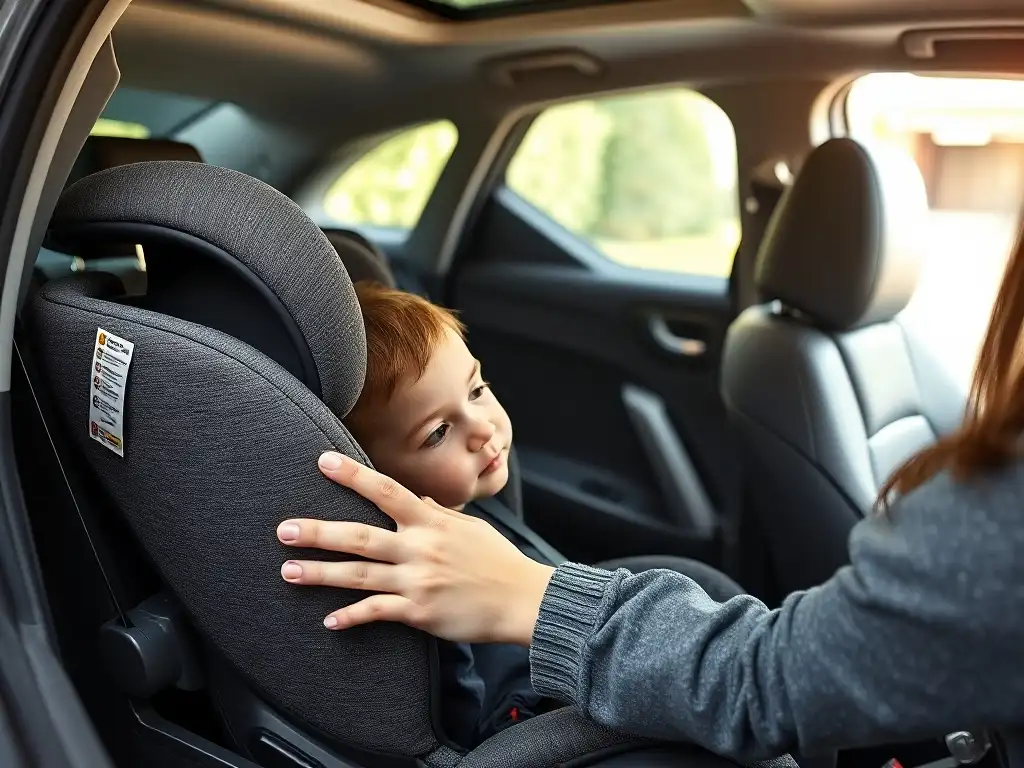
Correct car seat installation is paramount, and state laws often reflect this. Many states don't just mandate car seat use; they also specify how the seat must be installed. Failure to meet these installation requirements can result in fines, even if the child is technically restrained. For instance, some states explicitly require the use of the lower anchors and tethers for children in forward-facing car seats. Others might have specific regulations regarding the use of car seat bases, ensuring they are properly secured and compatible with the vehicle.
Furthermore, states often provide resources and training programs to help parents correctly install car seats. These programs, frequently offered through local fire departments or hospitals, are invaluable in preventing improper installation, a leading cause of car seat-related injuries. Understanding your state's specific requirements, beyond simply having a car seat, is crucial for ensuring your child's safety. Check your state's Department of Motor Vehicles (DMV) website or your local child passenger safety technician for detailed instructions and resources.
Remember, a correctly installed car seat significantly reduces the risk of injury in an accident. Don't hesitate to seek professional assistance if you are unsure about any aspect of the installation process. The peace of mind knowing your child is optimally protected is priceless. Regularly checking the installation, especially after any significant bumps or adjustments to the car seat itself, is also a good practice to maintain optimal safety.
Common Violations and Their Penalties
Understanding common violations of state car seat laws is essential for responsible parenting. One frequent violation is failing to use a car seat altogether for children who fall within the mandated age and weight ranges. Penalties for this vary widely, ranging from warnings to hefty fines, and even points on your driving license in some jurisdictions. Another prevalent violation is incorrect car seat installation, as discussed earlier. This can include improperly secured straps, incorrect harness placement, or failing to utilize the lower anchors and tethers when required.
These infractions can similarly result in fines, and in some cases, even lead to the car being impounded until the violation is rectified. Furthermore, using a car seat that is expired or damaged is a serious offense, as it greatly compromises the seat's protective capabilities. Using a car seat that is not appropriate for the child's age and weight is another common mistake, which can lead to serious injury in the event of an accident. Finally, failing to keep children properly restrained within the car seat is a significant violation.
Loose straps or children climbing out of their seats, even for a moment, can have catastrophic consequences. The penalties for these violations can be substantial, reflecting the severity of the potential risks to child safety. Always refer to your state's specific regulations to understand the exact penalties for each violation and ensure your child's safety is prioritized. Staying informed about these laws is crucial for responsible and safe driving.
Staying Updated on Car Seat Law Changes
Staying informed about changes in state car seat safety laws is crucial for ensuring your child's safety. Laws evolve to reflect new research and safety standards, so complacency can leave your family vulnerable. Proactive monitoring is key to responsible car seat usage. Here's how to stay on top of these vital updates:
Many organizations dedicated to child passenger safety offer email newsletters and alerts. These services provide timely notifications about legislative changes, new safety recommendations, and recalls. Subscribing is a simple yet powerful way to receive crucial information directly to your inbox. Look for newsletters from reputable organizations with a proven track record in child safety advocacy.
The frequency of updates varies, but you can expect notifications when significant changes to state car seat laws occur, such as modifications to age or weight limits, or the introduction of new safety requirements. Some newsletters may also include valuable tips and resources for proper car seat installation and use. By actively engaging with these resources, you ensure you're always using your car seat in accordance with the latest safety guidelines.
Monitoring Updates from Child Passenger Safety Organizations
Child passenger safety organizations play a vital role in disseminating information about car seat safety and related legislation. These organizations often compile and summarize updates from various states, offering a centralized source for information. Their websites usually feature sections dedicated to current laws and regulations, frequently asked questions (FAQs), and links to state-specific resources.
Regularly reviewing these websites helps you stay abreast of changes in state car seat safety laws and related best practices. Many of these organizations also offer educational materials, such as videos and infographics, that can further enhance your understanding of car seat safety. Think of these organizations as your go-to resource for reliable and up-to-date information on all aspects of child passenger safety.
Regularly Reviewing Your State's Official Website
The most authoritative source for information on your state's car seat laws is your state's official government website. These sites usually have dedicated sections on transportation, motor vehicles, or child safety, where you'll find the most current and accurate legal information. Bookmarking this section is highly recommended, allowing for easy access to the latest updates.
Pay close attention to any press releases or announcements that might highlight changes to existing regulations. It’s important to note that the information presented on these official websites is legally binding, so it's crucial to rely on this source for accurate and compliant car seat usage.
Regularly checking this website, even if you haven't received alerts from other sources, ensures you're always compliant with the law and providing the safest possible environment for your child. 📅 Remember to check at least once or twice a year, or more often if you suspect changes might have been made.
Resources for Further Information on State Car Seat Safety Laws
Finding reliable and up-to-date information on state car seat safety laws is crucial for ensuring your little one's safety. While this article provides a general overview, it's essential to consult official sources for the most accurate and detailed regulations specific to your location. Remember, child passenger safety laws are constantly evolving, so regular checks are recommended. Ignoring these laws can result in significant fines and, more importantly, put your child at risk. Let's explore some key resources you can utilize to stay informed about State car seat safety laws.
National Highway Traffic Safety Administration (NHTSA) Website
The National Highway Traffic Safety Administration (NHTSA) is the primary federal agency responsible for setting car seat safety standards in the United States. Their website offers a wealth of information, including:
- General Car Seat Safety Guidelines: The NHTSA provides comprehensive guidance on choosing the right car seat, installing it correctly, and understanding different car seat types (rear-facing, forward-facing, booster seats). They emphasize the importance of proper harnessing and explain common mistakes to avoid. This information forms the bedrock of understanding state car seat safety laws, as many state regulations build upon these federal guidelines.
- State-Specific Information (Limited): While not providing a comprehensive state-by-state breakdown of every nuance, the NHTSA website often links to or highlights relevant state resources and child passenger safety organizations. This helps you quickly access more precise information tailored to your specific location.
- Recall Information: The NHTSA maintains a database of recalled car seats. Checking this database regularly is vital to ensure the safety of your child's car seat. A recalled car seat might not meet current safety standards, highlighting the importance of staying updated on state car seat safety laws and ensuring your equipment is compliant.
- Educational Materials: The NHTSA offers various educational materials, including brochures, videos, and FAQs, to help parents understand car seat safety better. These resources are designed to be easily accessible and understandable, even for first-time parents navigating the complexities of state car seat safety laws.
State-Specific Child Passenger Safety Organizations
Many states have dedicated child passenger safety organizations or programs. These organizations often provide more detailed information than the NHTSA website, focusing specifically on the unique aspects of state car seat safety laws in their region. They are typically run by trained professionals who can answer specific questions and offer personalized advice. These organizations often:
- Host Car Seat Check Events: These events provide hands-on assistance with car seat installation and inspection, ensuring proper fit and safety. Attending these events can significantly reduce the risk of improper installation, a common cause of car seat accidents.
- Offer Educational Workshops: Workshops provide in-depth training on car seat safety, covering topics such as selecting the right car seat, proper installation techniques, and understanding the nuances of state car seat safety laws.
- Provide One-on-One Consultations: These organizations often offer individual consultations to address specific questions and concerns related to car seat safety. This personalized approach is particularly beneficial for parents who require more tailored guidance.
- Maintain Up-to-Date Information: These organizations actively monitor changes in state car seat safety laws and regulations, ensuring that the information they provide is current and accurate.
Local Child Passenger Safety Technician Programs
Certified Child Passenger Safety Technicians (CPSTs) are trained professionals who can provide expert advice and hands-on assistance with car seat installation and safety. Finding a CPST in your local area can be invaluable, especially if you encounter challenges with car seat installation or have questions about specific aspects of your state's laws. They can offer personalized guidance based on your car, car seat, and child's specific needs, ensuring optimal safety. These technicians often:
- Conduct Car Seat Inspections: CPSTs can thoroughly inspect your car seat installation to identify any potential issues or areas for improvement, ensuring compliance with state car seat safety laws.
- Provide Installation Assistance: They can help you correctly install your car seat, addressing any challenges you may face. Proper installation is critical for ensuring your child's safety in the event of an accident.
- Answer Questions: CPSTs are knowledgeable about state car seat safety laws and can provide clear, concise answers to your questions. They can explain the rationale behind specific regulations and offer tailored advice based on your individual circumstances.
- Offer Educational Resources: They often have access to additional educational materials and resources, further enhancing your understanding of car seat safety.
Remember, the safety of your child is paramount. Utilizing these resources ensures you have the most accurate and up-to-date information to make informed decisions and comply with all applicable state car seat safety laws. Don't hesitate to seek professional help; it's a small investment for a significant return in your child's safety and peace of mind.
Frequently Asked Questions
What are the key aspects of state car seat safety laws?
State car seat laws vary, but generally cover child's age and weight, car seat type, and proper installation. It's crucial to check your specific state's regulations for precise details.
Where can I find my state's specific car seat laws?
You can usually find this information on your state's Department of Motor Vehicles (DMV) website or your state's highway safety agency website. Look for sections on child passenger safety.
How long should my child remain in a rear-facing car seat?
Most states recommend keeping children rear-facing as long as possible, until they reach the maximum height and weight limit specified by the car seat manufacturer.
What are the penalties for violating car seat laws?
Penalties vary by state and can include fines, points on your driving record, or even court appearances. The severity depends on the infraction.
Are there any resources available to help me properly install my car seat?
Yes! Many local fire departments, police stations, and hospitals offer car seat safety checks and installation assistance. Check your community resources.
Final Reflection: The Enduring Importance of Child Passenger Safety
The consistent updates and variations in state car seat laws highlight a crucial truth: child passenger safety is not a static issue, but an ongoing conversation demanding our vigilance. The seemingly minor details—weight limits, booster seat requirements, and specific car seat types—represent a collective commitment to protecting our most vulnerable citizens. Failure to stay informed puts children at unnecessary risk.
The evolution of car seat safety regulations reflects a growing societal understanding of the profound impact even seemingly small choices can have on a child's life. The journey from basic seat belts to sophisticated car seat technology underscores our commitment to improving child safety. The best car seat is the one that's used correctly.
This simple yet powerful statement encapsulates the heart of the matter: knowledge and diligent application are paramount. The ongoing debate and refinement of these laws demonstrate a continuous effort to adapt to new research and technological advancements, ensuring the best possible protection for children.
You now possess the knowledge to navigate the complexities of your state's car seat laws. But more than just compliance, I urge you to consider the deeper responsibility we all share. Take a moment to review your own car seat practices. Are you confident in your understanding of the regulations? Do you have the right car seat for your child's age and weight? By actively engaging with this information and prioritizing child passenger safety, you become part of a larger movement dedicated to protecting the future. Let's work together to ensure every child reaches their destination safely.
Unlock Your Child's Safe Journey: Take Action Today!
Thank you for learning about car seat safety! You've gained crucial knowledge to protect your child. Now, let's put it into action.
- Check your state's car seat laws: This is the most important step! Ensure you comply with all regulations and provide your child with the best possible protection. Consult your state's Department of Motor Vehicles website or a similar resource for details.
- Share this vital information: Help other parents keep their children safe by spreading the word. A quick social media share could save a life.
- Attend a local car seat safety check event: Many communities offer free car seat inspections by experts. These events are a great way to ensure your car seat is correctly installed. Check your local listings—you might be surprised by what you learn!
What's one simple step you can take right now to verify your child's car seat is correctly and safely installed?