
Sleep Training Twins: How to Handle Time Changes


Welcome to BabyCareHub, your ultimate guide to navigating the incredible journey of parenthood! Are you a first-time parent facing the unique challenges of sleep training twins, especially when dealing with time changes? We understand the complexities, and we're here to help. Discover practical, step-by-step strategies to establish healthy sleep routines for your little ones, even amidst the disruptions of shifting schedules. Dive in and unlock the secrets to peaceful nights for your family – and for yourselves!
- Understanding the Challenges of Time Changes with Twin Sleep Training
- Preparing for the Time Change: Strategies for a Smooth Transition
- Implementing the Time Change: Step-by-Step Guide for Sleep Training Twins
- Troubleshooting Common Issues During Time Changes
- Maintaining Consistency After the Time Change
- Long-Term Strategies for Time Zone Changes and Travel with Twins
- Frequently Asked Questions
- Final Reflection: Navigating the Sleep-Deprived Labyrinth of Twin Time Changes
- Unlock Your Twins' Sleep Potential: A New Dawn Awaits!
Understanding the Challenges of Time Changes with Twin Sleep Training
Navigating the world of sleep training is challenging enough with a single baby. Add a second (or more!) into the mix, and the complexity multiplies exponentially. This is especially true when external factors like daylight saving time changes or travel across time zones disrupt your carefully established twin sleep schedules.
This article delves into the unique challenges of sleep training twins when facing time changes, providing practical strategies and expert advice to help you and your little ones adjust smoothly. We'll explore how daylight savings, jet lag, and even smaller time zone shifts can impact your twins' sleep, offering solutions to minimize disruption and help your babies (and you!) get the rest you deserve.
Successfully managing these transitions is crucial for maintaining healthy sleep patterns and promoting the overall well-being of your twins. Remember, consistency and patience are key, and even small adjustments can make a significant difference in the long run. Let's get started!
The Impact of Daylight Saving Time on Twin Sleep Schedules
Daylight Saving Time (DST) presents a significant challenge for parents of twins, particularly those already engaged in sleep training. The abrupt one-hour shift can throw off even the most well-established sleep routines. Infants, especially twins, are highly sensitive to changes in their circadian rhythm. The sudden shift can lead to:
- Early awakenings: Twins may wake up an hour earlier than usual, disrupting the entire family's sleep schedule.
- Increased fussiness: The disruption to their internal clock can result in increased irritability and difficulty settling back down.
- Difficulty falling asleep: The shift in light exposure can interfere with melatonin production, making it harder for twins to fall asleep at their regular bedtime.
- Extended nighttime wakings: Twins may wake more frequently throughout the night, requiring more parental intervention.
To mitigate these effects, experts recommend starting to adjust your twins' sleep schedule a few days before the time change. Gradually shift bedtime and wake-up times by 15-20 minutes each day. This gradual approach helps their bodies adapt more smoothly to the new time. Maintaining a consistent bedtime routine, even during the transition, is also crucial. This provides a sense of predictability and security, helping your twins adjust more easily. Remember to be patient and understanding; it may take a few days or even a week for your twins to fully adjust to the new schedule.
Jet Lag and Sleep Disruption in Twins
Traveling with twins across time zones introduces a whole new layer of complexity to sleep training. Jet lag, the disruption of the body's natural sleep-wake cycle caused by rapid travel across multiple time zones, can be particularly challenging for infants. The symptoms are similar to those experienced during DST but often more pronounced and prolonged. These symptoms include:
- Severe sleep disturbances: Expect significant disruptions to your twins' sleep patterns, including difficulty falling asleep, frequent awakenings, and shorter sleep durations.
- Feeding irregularities: Jet lag can also affect your twins' appetite, leading to changes in their feeding schedule.
- Increased irritability and fussiness: Sleep deprivation and disruption to their routine can make your twins more irritable and difficult to soothe.
- Longer recovery period: It can take several days, even weeks, for infants to fully recover from the effects of jet lag.
To minimize jet lag's impact, it's crucial to adjust your twins' sleep schedule before the trip. Start shifting their bedtime and wake-up times gradually in the days leading up to your departure, mimicking the time difference of your destination. During the flight, try to maintain a consistent routine as much as possible. Upon arrival, stick to the new time zone's schedule as rigorously as possible, even if it means your twins are initially sleepy or fussy during the day. Exposure to sunlight can also help regulate their circadian rhythm.
Adjusting to New Time Zones and Sleep Regression in Twins
Even smaller changes in schedule, such as a shift in work hours or a change in childcare arrangements that involves a slight time difference, can trigger a sleep regression in twins. Sleep regressions are periods of disrupted sleep that can occur at various developmental stages. When combined with a time zone shift (even a small one), these regressions can be especially challenging. Expect to see:
- Increased night wakings: Your twins may wake more frequently throughout the night, requiring more soothing and feeding.
- Shorter sleep durations: They may sleep for shorter periods at night and during naps.
- Difficulty settling for naps: Naps may become more challenging to initiate and maintain.
- Increased clinginess: Sleep deprivation can lead to increased clinginess and a need for more parental reassurance.
Addressing these challenges requires patience and a consistent approach. Maintain a consistent bedtime routine, ensure a dark and quiet sleep environment, and offer plenty of opportunities for physical activity during the day. If the sleep regression persists, consult with a pediatrician or sleep consultant to rule out any underlying medical issues or to develop a tailored sleep training plan. Remember, consistency and a supportive approach are crucial for helping your twins adjust to new time zones and navigate sleep regressions successfully. 🎉
Preparing for the Time Change: Strategies for a Smooth Transition
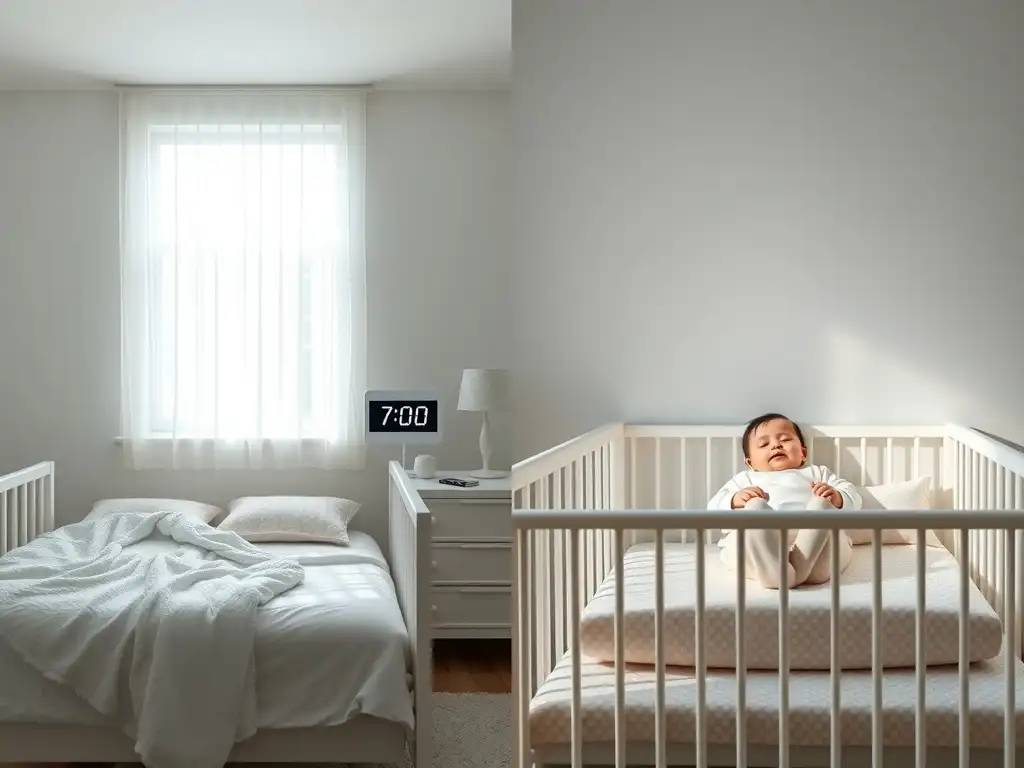
This section focuses on proactive measures to minimize disruption when adjusting your twins' sleep schedule due to daylight saving time (DST) or other time changes. Successfully navigating this transition requires careful planning and a gradual approach. Remember, consistency is key, especially with twins who thrive on routine. The goal is to minimize the stress on both you and your little ones during this period of adjustment. Effective sleep training twins time change strategies will yield positive results.
Assessing Your Twins' Current Sleep Schedule
Before making any adjustments, meticulously document your twins' current sleep patterns. This involves noting their bedtime, wake-up time, nap times (including duration and frequency), and any feeding schedules related to their sleep. Keep a sleep diary for at least a week prior to the time change. This detailed record provides a baseline for comparison and helps you track the effectiveness of your gradual adjustments. Consider using a simple spreadsheet or a dedicated baby sleep tracking app. An example of a simple daily log might look like this:
| Date | Twin A - Bedtime | Twin A - Wake-up | Twin A - Nap 1 (Start/End) | Twin A - Nap 2 (Start/End) | Twin B - Bedtime | Twin B - Wake-up | Twin B - Nap 1 (Start/End) | Twin B - Nap 2 (Start/End) | Notes |
|---|---|---|---|---|---|---|---|---|---|
| Oct 26, 2023 | 7:00 PM | 7:00 AM | 10:00 AM - 11:00 AM | 2:00 PM - 3:00 PM | 7:15 PM | 7:15 AM | 10:30 AM - 11:30 AM | 2:15 PM - 3:15 PM | Twin B slightly fussier during nap 2 |
| Oct 27, 2023 | ... | ... | ... | ... | ... | ... | ... | ... | ... |
This detailed tracking allows you to identify patterns and potential challenges before implementing the time change. Remember to note any unusual events that might affect sleep, such as illness or teething. Analyzing this data will inform your strategy for a smoother transition. Remember, consistency is key in sleep training twins.
Gradually Shifting Bedtimes and Wake-Up Times Before the Time Change
Avoid a sudden shift. Instead, gradually adjust your twins' sleep schedule in the days leading up to the time change. For example, if the time change involves moving the clock forward by one hour, begin by shifting bedtime and wake-up times by 15 minutes each day for four days. This gradual approach helps minimize disruption and allows your twins to adapt more easily.
This is particularly crucial for babies and young children. Pay close attention to their cues; if they seem overly tired or irritable, you may need to slow down the adjustment process. Remember to be patient and flexible. Every baby is unique, and what works for one set of twins might not work for another.
The key to success is a slow and steady approach. Don't try to rush the process. Your twins will appreciate the gradual adjustment.
This phased approach minimizes the shock to their system and makes the overall transition smoother. Observe their responses closely, adjusting the pace if necessary. Be prepared for some initial resistance, but consistency will ultimately pay off.
Preparing Your Twins' Room for the Transition
Optimizing the sleep environment is crucial for successful sleep training, especially during times of change. Ensure your twins' room is dark, quiet, and cool. White noise machines can help mask disruptive sounds, and blackout curtains can block out morning light. A consistent bedtime routine, established well before the time change, is also vital.
This routine should be calming and predictable. It might include a warm bath, a story, and quiet playtime, culminating in putting them to bed at their adjusted bedtime. Maintain the routine even on days you are adjusting the schedule to provide a sense of stability and predictability.
Consider using a consistent sleep cue, such as a specific stuffed animal or a soothing lullaby. This consistent cue will help signal to your twins that it's time to sleep, even as their bedtime gradually shifts. The aim is to create a sleep sanctuary that promotes relaxation and reduces any anxieties associated with the time change. A well-prepared room contributes significantly to a smooth transition. 😴
Implementing the Time Change: Step-by-Step Guide for Sleep Training Twins
This section provides a detailed, step-by-step approach to adjusting your twins' sleep schedule after a time change, whether it's due to daylight saving time or a family trip. Remember, consistency is key when sleep training twins, and gradual adjustments are crucial to minimize disruption and stress for both you and your little ones. This method focuses on a phased approach, allowing for flexibility and adaptation based on your twins' individual needs and responses.
The key to successfully sleep training twins after a time change is patience and a well-defined plan. We'll tackle this challenge by breaking it down into manageable phases.
Day 1-3: Small Adjustments to Bedtime and Wake-Up Times
The initial days are all about making subtle shifts. Avoid drastic changes. Instead, aim for 15-minute increments in bedtime and wake-up times. For example, if your twins usually go to bed at 7:00 PM and wake up at 7:00 AM, and you need to shift their schedule forward by an hour, you would adjust their bedtime to 7:15 PM and wake-up time to 7:15 AM on day 1. On day 2, you'd move bedtime to 7:30 PM and wake-up time to 7:30 AM. Continue this pattern for day 3.
- Monitor for signs of tiredness: Pay close attention to your twins' cues of tiredness, such as rubbing their eyes, yawning excessively, or becoming fussy. These cues are crucial for determining the optimal bedtime.
- Maintain consistent routines: Even with these small adjustments, maintain a consistent bedtime routine. This provides predictability and comfort, helping your twins adjust more easily. A soothing bath, a calming book, and quiet playtime are excellent additions to the routine.
- Expect some resistance: Your twins may initially resist the changes. Remain calm and patient, gently reassuring them through the process. A consistent and loving approach helps them understand and adapt better.
Remember, patience is your greatest ally when sleep training twins. Small, incremental changes minimize stress and maximize success.
Day 4-7: Maintaining Consistency and Addressing Sleep Disruptions
By day 4, you should have successfully shifted your twins' sleep schedule by approximately 45 minutes. This is where consistency becomes paramount. Continue sticking to the adjusted bedtime and wake-up times.
- Addressing sleep disruptions: Expect some nighttime wakings. Address these consistently using your chosen sleep training method (e.g., Ferber, extinction, positive reinforcement). Avoid picking them up unless absolutely necessary (e.g., serious illness).
- Naps: Adjust nap times accordingly to align with the new sleep schedule. Maintaining a consistent nap routine is equally crucial as the nighttime routine.
- Document progress: Keep a sleep diary to track bedtime, wake-up time, nap times, and any sleep disruptions. This helps identify patterns and make necessary adjustments. This detailed record will be invaluable in future sleep adjustments.
| Day | Bedtime | Wake-up Time | Nap 1 Start | Nap 1 End | Nap 2 Start | Nap 2 End | Notes |
|---|---|---|---|---|---|---|---|
| 4 | 7:45 PM | 7:45 AM | 9:30 AM | 10:30 AM | 2:00 PM | 3:00 PM | Twin A woke at 3:00 AM, settled quickly |
| 5 | 7:45 PM | 7:45 AM | 9:30 AM | 10:45 AM | 2:00 PM | 3:15 PM | Twin B fussy during second nap |
| 6 | 8:00 PM | 8:00 AM | 9:45 AM | 11:00 AM | 2:15 PM | 3:30 PM | Both twins slept through the night! |
| 7 | 8:00 PM | 8:00 AM | 10:00 AM | 11:15 AM | 2:30 PM | 3:45 PM |
Day 7-14: Evaluating Progress and Fine-Tuning the Schedule
By day 7, the majority of the time change should be complete. This period focuses on evaluating your progress and making any necessary fine-tuning adjustments.
- Analyze the sleep diary: Review your sleep diary to identify any remaining inconsistencies or challenges. Are there any persistent sleep disruptions? Are nap times working effectively?
- Make small adjustments: If needed, make minor adjustments (5-10 minutes) to bedtime or wake-up times to further optimize your twins' sleep. Avoid large changes at this stage.
- Celebrate success: Acknowledge your achievements and celebrate any improvements in your twins' sleep patterns. Remember, every step forward is a victory in this challenging, but rewarding, journey.
Remember, every set of twins is unique. Be flexible, patient, and adapt your approach as needed. The goal is to establish a consistent and healthy sleep schedule that works for your family. Consistent sleep training, even after a time change, lays the foundation for happier, healthier twins and parents! 😴👶🏻👶🏻
Troubleshooting Common Issues During Time Changes

Adjusting your twins' sleep schedule during a time change, whether it's daylight saving time or a trip across time zones, can be challenging. Even with the best-laid plans, you're likely to encounter some bumps in the road. Successfully navigating these challenges requires patience, consistency, and a willingness to adapt your approach. This section focuses on common issues and offers practical strategies to help you and your little ones through this transition. Remember, consistency is key – even small, incremental adjustments can yield better results than abrupt changes. The goal isn't perfection, but progress.
Dealing with Increased Night Wakings and Fussiness
Time changes often disrupt established sleep patterns, leading to more frequent night wakings and increased fussiness. This is perfectly normal! Your babies' internal clocks are adjusting, and they may be confused by the altered light and dark cycles. To mitigate this:
- Maintain a consistent bedtime routine: Even with the time change, stick to your established bedtime routine as closely as possible. The predictability will provide comfort and help signal to your twins that it's time to sleep. This includes bath time, story time, and any other calming rituals. Think of it as anchoring them to familiar comfort.
- Gradual adjustments: Instead of making a drastic shift in bedtime all at once, try adjusting bedtime by 15-30 minutes each day until you reach the desired new sleep schedule. This gradual approach allows your babies to adjust more smoothly.
- Controlled comforting: If your twins wake during the night, respond calmly and consistently. Avoid picking them up unless absolutely necessary. Offer gentle pats, soothing words, and a pacifier if they use one. The goal is to teach them to self-soothe and fall back asleep independently.
- Track sleep patterns: Keep a detailed sleep diary to monitor the frequency and duration of night wakings. This data can help you identify patterns and pinpoint potential triggers for nighttime disruptions. This is especially useful for identifying if there are other factors beyond the time change. Consider noting things like feeding times, diaper changes, and any other events that might coincide with the wakings.
- Rule out other factors: Increased night wakings might not solely be due to the time change. Consider teething, illness, or developmental leaps as potential contributing factors. Address these underlying issues to improve sleep.
Managing Irregular Naps and Daytime Sleepiness
Irregular naps are another common issue during time changes. Your twins may struggle to adjust their nap times, leading to either excessive daytime sleepiness or difficulty settling for naps. To address this:
- Adjust nap times gradually: Just as with bedtime, adjust nap times gradually by 15-30 minutes each day to align with the new schedule. Observe your twins' cues for sleepiness.
- Create a consistent nap environment: Ensure a dark, quiet, and cool environment for naps. Consistent cues for nap time, like a special blanket or a quiet song, can also be helpful.
- Prioritize consistent wake windows: Maintain consistent wake windows between naps. This helps regulate their sleep-wake cycle. The appropriate wake windows will vary depending on your twins' ages, but consistency is crucial.
- Don't oversleep: While daytime sleepiness is common, avoid letting your twins oversleep during the day. This can disrupt their nighttime sleep.
- Sunshine exposure: Encourage outdoor time during the day. Natural light helps regulate their circadian rhythm and can improve sleep quality.
Addressing Regression in Sleep Training Progress
A time change can sometimes trigger a regression in sleep training progress. Your twins might revert to older sleep habits, such as increased night wakings or needing more parental intervention to fall asleep. To manage this:
- Re-evaluate your sleep training approach: Review your current sleep training methods and determine if adjustments are necessary. You may need to temporarily adjust your approach to accommodate the time change.
- Reinforce positive sleep habits: Reiterate the importance of consistent sleep cues, routines, and self-soothing techniques. Consistency is vital during these times of transition.
- Patience and persistence: Remember that regressions are temporary. Remain patient and consistent with your sleep training approach. Positive reinforcement and gentle guidance will help your twins re-establish healthy sleep habits.
- Seek professional help: If the regression persists for an extended period or significantly impacts your family's well-being, consider seeking professional help from a pediatric sleep consultant or your pediatrician. They can offer personalized guidance and support.
- Data-driven adjustments: Refer back to your sleep diary to identify trends and patterns. This data will help you to make informed decisions about how to best support your twins during this transition. Remember, the goal is to find what works best for your family. 😴
Maintaining Consistency After the Time Change

Successfully sleep training twins requires unwavering consistency, especially after a significant time change like daylight saving time. The disruption to their internal clocks can unravel weeks of progress, leading to increased fussiness, disrupted sleep patterns, and exhausted parents. The key to mitigating these effects is a proactive and carefully planned approach, emphasizing gradual adjustments and unwavering adherence to the established sleep routine.
Establishing a Consistent Sleep Routine for Twins
The foundation of successful sleep training for twins, regardless of time changes, lies in establishing and maintaining a consistent sleep routine. This routine should be predictable and calming, signaling to the twins that it's time to wind down. Consider the following elements:
- Consistent Bedtime and Wake-up Times: Even with a time change, strive to maintain a consistent sleep schedule. Adjust bedtime and wake-up times gradually, in 15-minute increments, over several days to minimize disruption. For example, if the time change shifts bedtime forward by an hour, adjust it by 15 minutes each night until you reach the new bedtime. This gradual approach allows their bodies to adjust more smoothly.
- Pre-Sleep Ritual: A predictable pre-sleep ritual is crucial. This could include a warm bath, a calming massage, reading a story, singing lullabies, or a combination of these activities. The consistency of this ritual helps signal to the twins that it's time to sleep. Make sure this ritual remains consistent even after the time change.
- Dark and Quiet Sleep Environment: Ensure their sleep environment is dark, quiet, and comfortable. Blackout curtains, white noise machines, and comfortable bedding can all contribute to a better sleep experience. Maintaining this consistent environment helps reduce external stimuli that might interfere with sleep.
- Separate Cribs (if appropriate): While some twins thrive sharing a crib, others benefit from individual sleep spaces. Consider whether separate sleeping arrangements might better facilitate independent sleep and reduce nighttime disturbances. This decision should be based on the twins' individual needs and temperaments.
Recognizing Signs of Sleep Deprivation in Twins and Parents
Sleep deprivation can manifest differently in twins and parents. For the twins, watch out for:
- Increased Fussiness and Irritability: Are they more easily upset than usual? This is a common sign of sleep deprivation.
- Difficulty Settling Down: Are they taking longer to fall asleep than before? This could indicate that they aren't getting enough sleep.
- Changes in Feeding Patterns: Are they feeding more frequently or less frequently than usual? Sleep deprivation can affect appetite.
- Increased Daytime Sleepiness: Are they excessively sleepy during the day? This is another prominent sign.
For parents, look out for:
- Reduced Patience and Irritability: Are you snapping at your partner or children more easily?
- Difficulty Concentrating: Are you finding it harder to focus on tasks?
- Physical Exhaustion: Are you experiencing chronic fatigue and physical exhaustion?
- Impaired Judgement: Are you making more mistakes than usual? This is a serious sign of significant sleep deprivation.
Recognizing these signs in both yourselves and your twins is crucial for addressing the issue effectively.
Seeking Professional Help if Needed
Despite your best efforts, sleep training twins can be challenging, particularly after a time change. Don't hesitate to seek professional help if you're struggling. A pediatric sleep consultant or therapist can provide personalized guidance and strategies tailored to your twins' specific needs. They can help identify underlying issues, such as medical conditions or developmental delays, that might be contributing to sleep problems.
Remember, seeking professional help is not a sign of failure, but a proactive step towards ensuring the well-being of both your twins and yourselves. Early intervention can prevent long-term sleep issues and improve the overall quality of life for your family. Don't be afraid to ask for support – you are not alone in this journey.
Long-Term Strategies for Time Zone Changes and Travel with Twins
Successfully navigating time changes with twins requires a proactive, long-term approach. Rushing the process can lead to significant sleep disruption for both babies and parents. The key is to anticipate challenges and implement strategies well in advance of any travel or significant time shifts. This involves understanding your twins' individual sleep patterns and developing a flexible yet consistent routine that can adapt to new environments. Remember, consistency is key, even amidst change, to minimize the impact of time zone shifts on your sleep training progress. Consistent sleep schedules are fundamental for sleep training twins time change success.
Preparing for Travel and Jet Lag Mitigation
Before embarking on any journey that involves a significant time change, preparation is paramount. Begin by adjusting your twins' bedtime gradually in the days leading up to your departure. If you're traveling east, start moving bedtime earlier by 15-30 minutes each day. Conversely, if you're traveling west, shift bedtime later by the same increment. This gradual approach helps to gently reset their internal clocks, mitigating the effects of jet lag.
Consider packing familiar sleep aids, such as their favorite blankets, stuffed animals, or sleep sacks. The familiarity of these items can provide comfort and security in an unfamiliar environment, promoting better sleep. Additionally, plan your travel schedule to minimize disruptions to their usual nap and bedtime routines as much as possible. If flying, try to schedule flights during times that align with their typical sleep periods.
It's crucial to maintain a consistent sleep environment. Use a black-out curtain to block out light, use a white noise machine to replicate familiar sounds, and maintain a consistent room temperature. These small details can make a big difference in helping your twins adjust to a new sleep environment. Remember, even small changes can trigger sleep regressions, so preparation is key to minimizing disruptions when sleep training twins dealing with a time change.
Maintaining a Consistent Sleep Schedule While Traveling
Maintaining a consistent sleep schedule while traveling with twins requires flexibility and planning. Even with the best preparation, some disruption is inevitable. However, by sticking to a routine as closely as possible, you can minimize the negative impact. This means maintaining similar wake-up and bedtime times, even if it means adjusting to a different time zone.
Utilize visual aids like a simple schedule chart to help you track their sleep patterns. This can be especially helpful if you are traveling with family or caregivers. Remember to prioritize consistency over perfection. Some flexibility is necessary, especially during the initial days of adjustment.
However, the goal is to gently guide your twins back towards their regular sleep schedule as soon as possible. The sooner you get back to a routine, the sooner they will adjust to the new time zone. Don't be afraid to adjust your own schedule to support theirs. This is a marathon, not a sprint.
This may mean adjusting your own sleep schedule to support theirs, leading to some initial sleep deprivation. However, this is a temporary sacrifice that will pay off in the long run with better sleep for everyone involved. Remember, consistency is crucial in sleep training twins experiencing a time change.
Adapting Sleep Training Techniques to Different Environments
Adapting your sleep training techniques to new environments is crucial for maintaining progress. While maintaining consistency is key, you may need to make minor adjustments based on your surroundings. For instance, if you are staying in a hotel room with less soundproofing than your home, consider using a white noise machine or earplugs to reduce external noise.
If your twins are used to a dark sleep environment, bring a black-out curtain or eye mask to help block out light. Similarly, if they are used to a specific room temperature, do your best to replicate it in your new environment. If you're using a sleep training method that relies on a specific schedule or routine, try to stick to it as closely as possible. Even small deviations can disrupt the process.
Remember, the goal is to maintain a consistent and predictable sleep environment for your twins, even when away from home. Flexibility and adaptability will be your allies when sleep training twins facing a time change. Prioritize consistency in the core elements of your routine while adapting to the circumstances of the new environment.
Frequently Asked Questions
How does daylight saving time affect my twins' sleep schedule?
The shift in daylight saving time can disrupt your twins' sleep patterns, leading to earlier wakings or difficulty settling. Consistency is key; maintain a regular bedtime routine as much as possible.
What's the best sleep training method for twins?
There's no single "best" method, but gentle approaches like the Ferber method or positive reinforcement are often preferred for twins. Consistency and patience are crucial, and synchronizing their schedules can be helpful.
Should I sleep train my twins simultaneously or separately?
Simultaneous sleep training is often easier, creating a shared sleep environment and routine. However, if one twin needs more individual attention, you may need to adapt your approach. Prioritize what works best for your family.
My twins are different sleepers – how can I manage this?
Acknowledge that twins are individuals. While aiming for a similar bedtime routine, allow for slight variations in sleep times or needs. Focus on creating separate but consistent sleep spaces.
How can I handle time changes during sleep training?
Gradually adjust their bedtime and wake-up times in the days leading up to the time change. Maintain a consistent routine and be prepared for some temporary sleep disruption. Patience and flexibility are essential during this transition.
The relentless march of time, punctuated by the persistent cries of twins adjusting to daylight saving or a new time zone, is a reality many parents face. Successfully navigating these sleep disruptions requires more than just patience; it demands a strategic understanding of your little ones' sleep cycles and a willingness to adapt your approach. This isn't just about getting more sleep for you; it's about fostering healthy sleep habits that will benefit your twins for years to come.
The impact of consistent sleep on a child's development is profound, extending far beyond simply avoiding crankiness. A well-rested twin is a happier, healthier, and more capable twin. The challenges of sleep training twins during a time change are significant, but the rewards are immeasurable. As the saying goes, Sleep is the best meditation.
And for parents of twins, achieving even a semblance of consistent sleep can feel like a monumental victory, a small oasis in the often chaotic landscape of early parenthood. This journey, though demanding, strengthens the bond between parent and child, forging a resilience that extends far beyond the crib.
Now, consider your own family's sleep dynamics. Reflect on the strategies discussed in this article – the gradual adjustments, the consistent routines, the importance of a calming bedtime ritual. You possess the power to create a peaceful sleep environment for your twins, even amidst the upheaval of time changes. Embrace the challenges, celebrate the small victories, and remember that this phase, however demanding, is temporary. The sleep-filled nights, the quiet mornings, and the joyful energy of well-rested twins are waiting for you – and they are worth every ounce of effort.
Unlock Your Twins' Sleep Potential: A New Dawn Awaits!
Thank you for joining us on this journey into the fascinating (and sometimes frustrating!) world of sleep training twins, especially when dealing with time changes. We hope you found valuable insights and practical strategies to help you and your little ones navigate this challenge. Now, let's put that knowledge into action!
- Prioritize a consistent bedtime routine: This is key to smoother transitions, regardless of time zone changes. A visual schedule can be incredibly helpful for young children.
- Share your success (or questions!): Connect with other parents in our BabyCareHub community. What sleep training techniques have worked best for you? Share your experiences and support others on their journey.
- Download our free sleep training checklist: This handy resource will help you stay organized and on track, allowing you to adapt to your twins' individual needs.
Are you ready to embrace a more restful night for your family? What small step will you take today to improve your twins' sleep?