
IronRich BabyLed Weaning Foods: Essential for Healthy Development

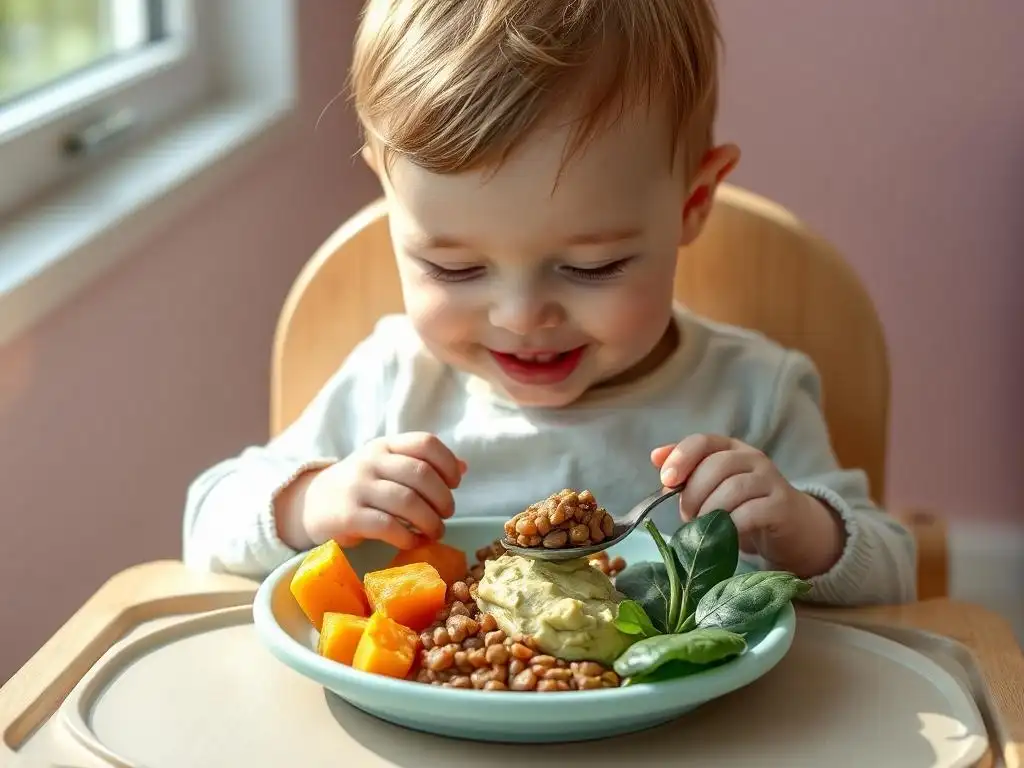
Welcome to BabyCareHub, your ultimate guide to navigating the incredible journey of parenthood! Are you ready to embark on the exciting adventure of baby-led weaning? Discover the secrets to healthy development with our in-depth exploration of iron-rich baby-led weaning foods. We'll provide the step-by-step guidance you need to ensure your little one thrives, covering everything from selecting the right foods to understanding crucial nutritional milestones. Dive in and unlock the key to a happy, healthy baby!
- Understanding the Importance of Iron in Baby's Diet
-
Best Iron-Rich Foods for Baby-Led Weaning
- Iron-Rich Fruits: Preparation and Serving Suggestions
- Iron-Rich Vegetables: Preparation and Serving Suggestions
- Iron-Rich Legumes and Pulses: Preparation and Serving Suggestions
- Iron-Fortified Cereals and Grains: Preparation and Serving Suggestions
- Meat and Poultry Options for Iron-Rich BLW: Safe Preparation Methods
- Safe Preparation of Iron-Rich Baby-Led Weaning Meals
- Creative and Delicious Iron-Rich Baby-Led Weaning Recipes
- Monitoring Your Baby's Iron Levels During Weaning
- Frequently Asked Questions about Iron and Baby-Led Weaning
- Frequently Asked Questions
- Final Reflection: Nourishing Futures Through Iron-Rich BLW
- Unlock Your Baby's Iron Powerhouse: A Delicious Journey Begins Now!
Understanding the Importance of Iron in Baby's Diet
Introducing your little one to solid foods is a significant milestone, filled with excitement and perhaps a touch of anxiety. Baby-led weaning (BLW) offers a wonderful approach, empowering your baby to explore tastes and textures at their own pace. However, navigating the world of nutritious BLW meals requires careful consideration, especially when it comes to essential nutrients like iron.
This article delves into the crucial role of iron in your baby's development and provides a guide to iron-rich foods perfect for baby-led weaning, helping you create a healthy and delicious journey for your little one. We'll explore the risks associated with iron deficiency, the vital role iron plays in brain development, and the recommended daily intake to ensure your baby thrives.
Choosing the right iron-rich foods is key to supporting your baby's growth and overall well-being during this exciting stage. This guide will empower you to confidently select and prepare nutritious meals using the baby-led weaning approach, ensuring your baby receives the essential nutrients they need for optimal development.
Iron Deficiency Anemia in Infants: Symptoms and Risks
Iron deficiency anemia is a common nutritional deficiency in infants, occurring when the body doesn't have enough iron to produce sufficient hemoglobin. Hemoglobin is the protein in red blood cells that carries oxygen throughout the body. A lack of iron leads to insufficient oxygen delivery, impacting various bodily functions.
Symptoms of iron deficiency anemia in babies can be subtle and may include:
- Fatigue and lethargy: Your baby might seem unusually tired and less active than usual.
- Pale skin: A noticeable paleness in the skin, particularly around the gums and eyelids.
- Irritability and fussiness: Iron deficiency can manifest as increased irritability and difficulty settling.
- Poor appetite: A decreased interest in feeding, which can further exacerbate the iron deficiency.
- Developmental delays: In severe cases, iron deficiency can lead to noticeable developmental delays.
The risks associated with iron deficiency anemia are significant and can include impaired cognitive development, weakened immune system, and increased susceptibility to infections. Early detection and intervention are crucial to mitigate these risks. Regular check-ups with your pediatrician are essential to monitor your baby's iron levels and address any potential deficiencies promptly. A proactive approach through a balanced diet rich in iron-containing foods will greatly reduce the risk of your baby developing this condition.
Iron's Crucial Role in Baby's Brain Development and Cognitive Function
Iron plays a pivotal role in your baby's brain development and cognitive function. It's an essential component of several proteins and enzymes involved in brain structure and function. Iron is crucial for the production of neurotransmitters, chemical messengers that enable communication between brain cells. Adequate iron levels are vital for:
- Myelin production: Myelin is a fatty substance that insulates nerve fibers, improving the speed and efficiency of nerve impulse transmission. Iron is necessary for the formation of myelin, crucial for optimal brain function.
- Synaptogenesis: This is the process of forming new connections between neurons, essential for learning and memory. Iron is vital for this complex process.
- Cognitive development: Sufficient iron intake supports various aspects of cognitive development, including attention span, memory, and problem-solving skills.
A deficiency in iron can severely impact these processes, leading to potential cognitive delays and difficulties in learning and development. Ensuring your baby receives sufficient iron through their diet is a critical investment in their future cognitive abilities. Therefore, incorporating iron-rich foods into your baby's diet, especially during the crucial period of brain development, is paramount.
Recommended Daily Iron Intake for Babies During Weaning
The recommended daily allowance of iron for babies during weaning varies depending on age and individual needs. It's crucial to consult your pediatrician for personalized guidance on your baby's iron intake. However, a general guideline is to ensure your baby consumes foods rich in iron. Introducing a variety of iron-rich foods will help ensure your baby meets their daily requirements.
Remember that iron absorption can be influenced by other dietary factors, so a well-balanced diet is key. Furthermore, monitoring your baby's growth and development through regular check-ups with your pediatrician will allow for early identification of any potential deficiencies. Don't hesitate to discuss your concerns and seek professional advice to ensure your baby receives the optimal nutrition for healthy growth and development. A collaborative approach with your healthcare provider will help you navigate this important stage with confidence.
Best Iron-Rich Foods for Baby-Led Weaning
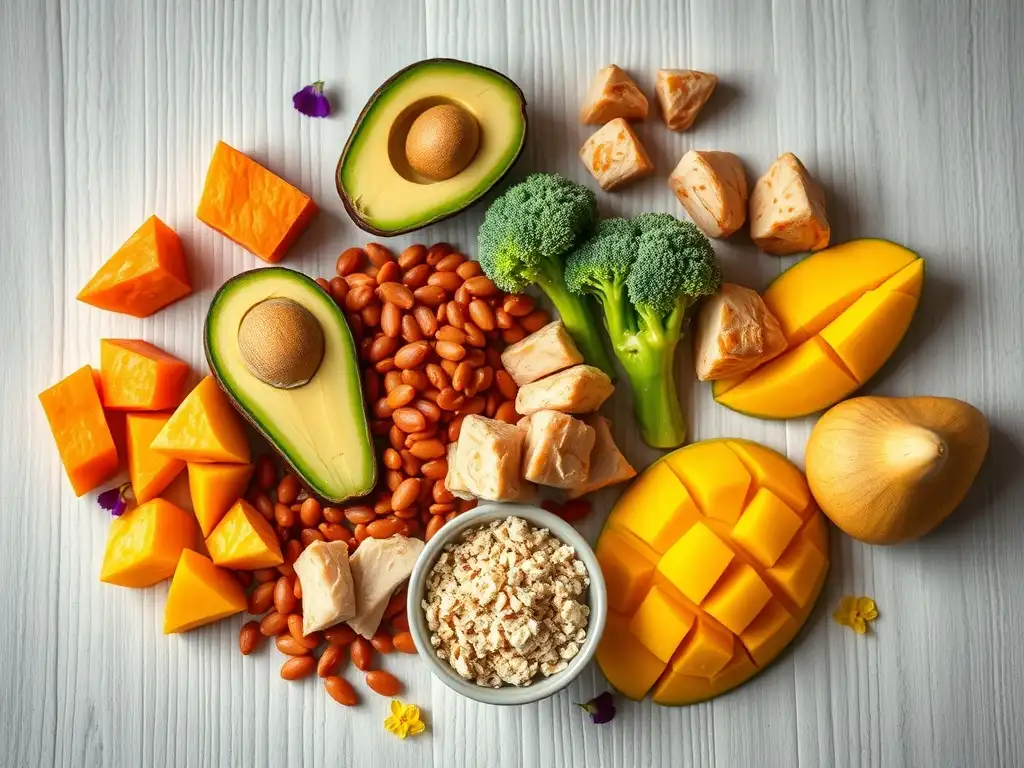
Iron is crucial for a baby's healthy growth and development, playing a vital role in cognitive function and preventing anemia. Introducing iron-rich foods during baby-led weaning (BLW) is essential, but knowing which foods are best and how to prepare them safely is key. This section details excellent iron sources suitable for BLW, focusing on preparation and serving suggestions to ensure your little one gets the nutrients they need. Remember to always consult your pediatrician before introducing new foods to your baby's diet.
Iron-Rich Fruits: Preparation and Serving Suggestions
Many fruits offer a decent amount of iron, though not as much as some other food groups. The key is to combine them with other iron-rich foods or foods high in Vitamin C to enhance iron absorption.
Fruits particularly beneficial during BLW, offering a good blend of iron and other essential nutrients, include:
- Dried Apricots: These are incredibly concentrated in iron. However, always supervise your baby closely when offering dried fruit due to the choking hazard. Cut them into very small, thin strips or pieces. You can also soften them by soaking them in warm water for a few minutes before serving.
- Prunes: Another excellent source of iron, prunes also aid digestion. Prepare them similarly to dried apricots – softened and cut into small, manageable pieces.
- Raspberries: While not as iron-rich as dried fruits, raspberries are soft and easy for babies to manage during BLW. They're also packed with antioxidants and fiber. Serve whole or lightly mashed.
- Blackberries: Similar to raspberries, blackberries offer a good source of iron and other nutrients, and their texture is suitable for BLW. Ensure they are ripe and soft enough for easy handling.
Remember to always check for any signs of allergies and introduce new foods one at a time, waiting a few days to observe any reactions. Always supervise your baby while they are eating to prevent choking.
Iron-Rich Vegetables: Preparation and Serving Suggestions
Vegetables are often overlooked as a primary source of iron for babies, but many offer significant amounts, particularly when combined with other iron-rich foods or Vitamin C sources.
Here are some excellent iron-rich vegetable options for BLW:
- Spinach: A powerhouse of nutrients, spinach is a great source of iron. Steam or lightly sauté it until tender and cut it into small, manageable pieces to avoid choking hazards. Remember that oxalates in spinach can slightly inhibit iron absorption, so pairing it with Vitamin C-rich foods is beneficial.
- Sweet Potatoes: These are naturally sweet and packed with beta-carotene (which converts to Vitamin A), alongside a good amount of iron. Bake, steam, or roast them until soft, then cut into sticks or small pieces suitable for self-feeding.
- Broccoli: Another excellent source of iron and other vitamins, broccoli florets can be steamed or roasted until tender-crisp. Cut them into small, bite-sized pieces.
- Peas: Easy to handle and naturally sweet, peas are a good source of iron and other vital nutrients. Serve them whole or lightly mashed.
Offering a variety of these iron-rich vegetables ensures a diverse nutrient intake for your baby. Always check for any signs of allergies and introduce new foods one at a time.
Iron-Rich Legumes and Pulses: Preparation and Serving Suggestions
Legumes and pulses are exceptional sources of iron, providing a significant boost to your baby's diet during BLW. However, preparation is key to ensure safety and digestibility.
Here are some suggestions:
- Lentils (red or green): Cook lentils until very soft and mash them well before serving. Red lentils tend to cook faster and become smoother than green lentils. They can be added to purees or served as part of a larger meal.
- Chickpeas (Garbanzo Beans): Cook chickpeas until very tender. You can then mash them or offer them in small, easily manageable pieces. Ensure they are thoroughly cooked to avoid any digestive issues.
- Black Beans: Similar to chickpeas, black beans should be cooked until very soft before serving. Mashing them is recommended for younger babies.
Remember that legumes and pulses can cause gas in some babies. Introduce them gradually and monitor your baby for any discomfort. Always supervise your baby during mealtimes to prevent choking. Offering a variety of these iron-rich foods ensures a well-rounded and nutritious diet for your little one. Pairing these foods with Vitamin C-rich options further enhances iron absorption.
Iron-Fortified Cereals and Grains: Preparation and Serving Suggestions
Iron-fortified cereals are an excellent starting point for baby-led weaning, offering a convenient and readily available source of this crucial nutrient. Many brands offer single-grain options like rice or oatmeal, minimizing the risk of allergies. However, always check the ingredient list to ensure that the cereal is specifically fortified with iron and doesn't contain added sugars or excessive salt. The level of iron fortification varies between brands, so comparing labels is beneficial.
Preparation is straightforward. Simply follow the package instructions, using either breast milk, formula, or water to achieve the desired consistency. Avoid making the cereal too runny, as this can be messy and difficult for your baby to manage. A slightly thicker consistency is ideal for self-feeding. For babies just starting solids, a very soft consistency is recommended, almost like a paste. As your baby progresses, you can gradually increase the thickness.
Serving suggestions are diverse. You can offer iron-fortified cereal on its own as a first food, or you can mix it with pureed fruits or vegetables to enhance flavor and nutritional value. For example, a combination of iron-fortified oatmeal and pureed sweet potato creates a naturally sweet and nutritious meal. Remember to always supervise your baby during mealtimes and ensure they are sitting upright to prevent choking.
Introduce new cereals gradually, monitoring for any allergic reactions. Remember to always check the temperature before feeding your little one. Starting with small portions is key to assessing your baby's tolerance and preference.
Meat and Poultry Options for Iron-Rich BLW: Safe Preparation Methods
Meat and poultry are exceptional sources of heme iron, a form of iron that's more readily absorbed by the body compared to non-heme iron found in plant-based foods. However, introducing meat to your baby requires careful consideration of food safety and preparation methods. Always choose lean cuts of meat and poultry to minimize fat content. Chicken breast, turkey breast, and lean ground beef are excellent choices. Avoid processed meats like sausages and bacon due to high sodium content and potential choking hazards.
Safe preparation is paramount. Thoroughly cooking meat and poultry to an internal temperature of 165°F (74°C) is crucial to eliminate harmful bacteria like Salmonella and E. coli. Using a meat thermometer ensures accurate cooking. Once cooked, allow the meat to cool completely before offering it to your baby. Cut the meat into appropriately sized, soft, and easily manageable pieces. Think small, finger-sized strips or very small cubes to minimize choking risks. Avoid hard, chunky pieces that could pose a choking hazard.
Different preparation methods can enhance the palatability and texture of the meat. Steaming, poaching, or slow-cooking are gentle methods that preserve nutrients and create softer textures suitable for baby-led weaning. Avoid frying, as this adds excess fat and can make the meat difficult for your baby to manage. Always supervise your child during mealtimes.
Introduce new meats gradually, waiting a few days between introducing new types of protein to observe for any allergic reactions. Remember that iron absorption can be enhanced by including vitamin C-rich foods alongside iron-rich foods. For example, serving chicken with some steamed broccoli can improve iron absorption.
Safe Preparation of Iron-Rich Baby-Led Weaning Meals
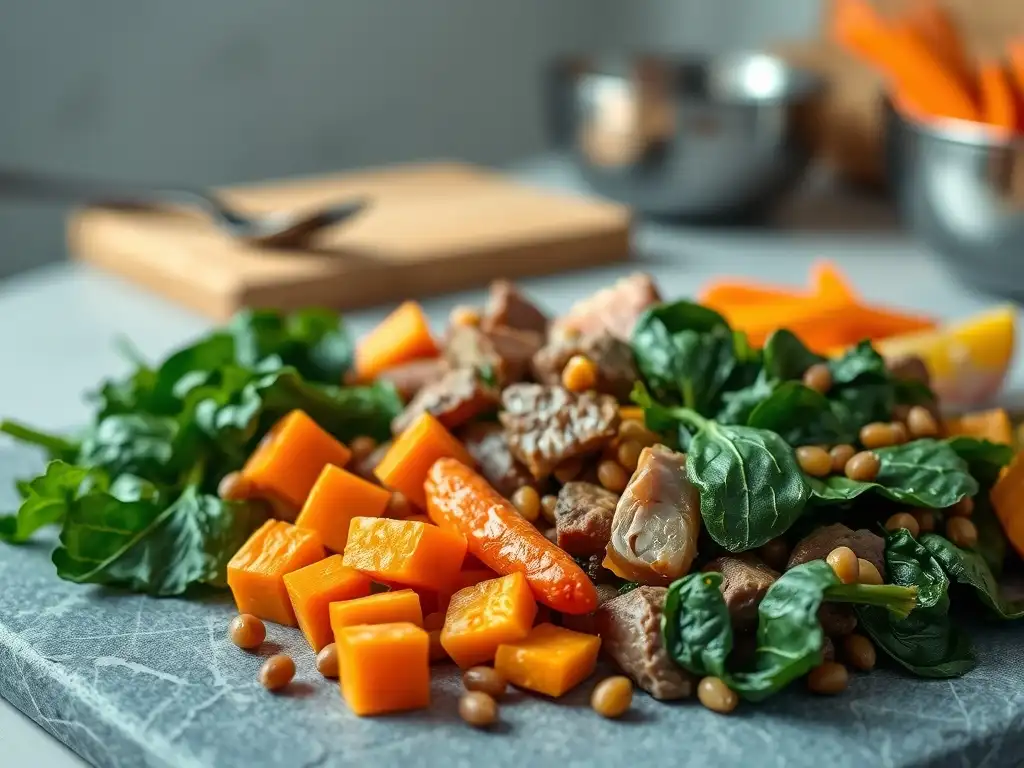
This section focuses on the crucial aspects of preparing iron-rich meals for your baby using the baby-led weaning (BLW) method. Successfully navigating BLW requires careful consideration of food safety and texture, as well as cooking techniques that preserve the nutritional value, especially iron, in the foods you offer. Remember, the goal is to provide your little one with a nutritious and enjoyable introduction to solids. Let's delve into the specifics.
Choosing Safe and Appropriate Food Textures for BLW
Selecting the right texture is paramount in baby-led weaning. Too soft and your baby might not be stimulated enough; too hard and you risk choking hazards. The goal is to offer foods that are firm enough to be picked up and manipulated by your baby but soft enough to easily gum and mash.
Here's a guide to appropriate textures at different stages:
| Stage | Texture Description | Example Foods |
|---|---|---|
| 1 | Long, gummable sticks; soft cooked vegetables | Steamed carrot sticks, well-cooked green beans |
| 2 | Softer cooked vegetables and fruits; easily mashed | Mashed sweet potato, avocado slices, ripe banana |
| 3 | Small, easily manageable pieces; soft meats | Cooked chicken pieces, shredded beef, soft tofu |
Remember to always supervise your baby during mealtimes and introduce new foods one at a time to monitor for any allergic reactions. Observe your baby's cues; if they seem frustrated or struggling with a particular texture, try a different approach. The process should be enjoyable for both of you!
Avoiding Choking Hazards: Essential Tips for Baby-Led Weaning
Safety is the utmost priority when it comes to baby-led weaning. While BLW offers many benefits, it’s crucial to understand and mitigate choking risks. Here are some essential tips to keep your baby safe:
- Cut food into appropriate sizes: Avoid anything round or long and thin that could easily get lodged in the airway. Opt for small, manageable pieces that can be easily mashed or gummed.
- Offer a variety of textures: This helps your baby develop the necessary chewing and swallowing skills.
- Supervise closely during mealtimes: Never leave your baby unattended while they are eating.
- Avoid honey: Honey should not be given to babies under 1 year old due to the risk of botulism.
- Introduce new foods one at a time: This allows you to monitor for any allergic reactions.
- Know the choking signs: Learn to recognize the signs of choking and know how to respond appropriately. This includes wheezing, coughing, and difficulty breathing.
- Consider food preparation: Steaming, pureeing partially, or softening foods can help reduce choking risks.
Remember, preventing choking is an ongoing process that requires vigilance and careful planning. It's always a good idea to consult with your pediatrician or a registered dietitian for personalized advice.
Cooking Methods to Preserve Iron Content in Baby Food
Iron is crucial for your baby's development, but it's easily lost during cooking. Therefore, choosing the right cooking methods is vital to maximize the iron content in your baby's meals.
- Steaming: Steaming is a fantastic method for preserving nutrients, including iron. It cooks food gently, minimizing nutrient loss and maintaining a desirable texture for BLW.
- Boiling: While boiling can be efficient, it can lead to more nutrient loss compared to steaming. If you boil, minimize the cooking time.
- Stir-frying: Quick stir-frying can also retain a significant amount of iron, but ensure the food is cooked thoroughly.
- Roasting: Roasting can enhance the flavor of some vegetables, but it can lead to some iron loss. It's best suited for foods that are already naturally high in iron.
Tip: Avoid overcooking your baby's food. Slightly undercooked vegetables are better than overcooked mushy ones, both in terms of texture and nutrient retention.
Using these techniques, you can prepare delicious and nutritious iron-rich meals for your little one, fostering healthy growth and development while enjoying the baby-led weaning journey. Remember that consistency and careful monitoring are key to a successful BLW experience.
Storing and Handling Iron-Rich Baby Food Safely
Safe food handling is paramount, especially when preparing meals for your little one. Iron-rich foods, while beneficial, can be more susceptible to bacterial growth if not handled correctly. This section details best practices for storing and handling iron-rich baby food to minimize the risk of contamination and ensure your baby's safety.
Proper refrigeration is crucial. Once prepared, iron-rich purees, finger foods, or any other baby-led weaning meal should be refrigerated immediately. Aim to consume these meals within 24 hours of preparation. Remember that leftovers should never be reheated more than once. Repeated heating can degrade the nutritional value and increase the risk of bacterial growth.
Freezing is an excellent option for longer storage. Portion the prepared food into ice cube trays or small freezer-safe containers. This allows you to thaw only the amount needed for each meal, minimizing waste and reducing the chances of repeated reheating. Frozen baby food can typically be stored for up to three months. Always thaw food in the refrigerator overnight, never at room temperature.
Hygiene is key throughout the entire process. Wash your hands thoroughly with soap and water before handling any food. Ensure all utensils, cutting boards, and preparation surfaces are meticulously cleaned and sanitized. This helps prevent cross-contamination from other foods or bacteria.
Pay close attention to signs of spoilage. Discard any food that smells unusual, has changed color significantly, or shows signs of mold. Trust your senses; if something seems off, it's best to err on the side of caution and throw it away. Your baby's health is the top priority. Remember, even small amounts of spoiled food can cause illness.
Finally, always supervise your baby while they are eating. Ensure they are not eating too quickly or choking on their food. Baby-led weaning requires close attention and a safe eating environment. By following these simple guidelines, you can ensure your baby enjoys the benefits of iron-rich foods while staying safe and healthy. Always consult your pediatrician if you have any concerns about your baby's diet or feeding practices.
Creative and Delicious Iron-Rich Baby-Led Weaning Recipes
This section explores exciting and nutritious iron-rich recipes perfect for baby-led weaning. Iron is crucial for your baby's development, particularly in the first year of life, supporting healthy growth and cognitive function. These recipes are designed to be both appealing to your little one and packed with the iron they need to thrive.
Remember to always consult your pediatrician before introducing new foods to your baby's diet and to ensure they are developmentally ready for baby-led weaning. We focus on providing easily digestible, soft-textured foods suitable for little ones just starting their weaning journey. The recipes below offer a variety of flavors and textures to encourage exploration and a positive relationship with food.
Iron-Packed Sweet Potato and Chickpea Puree Recipe
This recipe is a fantastic source of iron, thanks to the chickpeas, and provides a naturally sweet flavor that most babies adore. Sweet potatoes are also rich in Vitamin A, contributing to overall health and immune function. The puree's smooth texture makes it ideal for early stages of baby-led weaning.
Ingredients:
- 1 medium sweet potato, peeled and cubed
- ½ cup cooked chickpeas, drained and rinsed
- 2 tablespoons breast milk or formula (optional, for smoother consistency)
Instructions:
- Steam or boil the sweet potato cubes until tender (approximately 15-20 minutes).
- Drain the sweet potato and allow it to cool slightly.
- Add the cooked chickpeas and optional breast milk/formula to a food processor or blender.
- Blend until completely smooth and creamy. Adjust the consistency by adding more liquid if needed.
- Serve warm or cold. You can offer this puree with a spoon or let your baby self-feed using their fingers.
Nutritional Highlights: This puree is an excellent source of Vitamin A, fiber, and iron, contributing to healthy growth and development. The smooth consistency makes it easily digestible for babies.
Lentil and Spinach Baby-Led Weaning Meal Idea
Lentils are a powerhouse of iron, and spinach adds another boost of essential nutrients. This recipe focuses on a slightly chunkier texture, ideal as your baby progresses with their self-feeding skills. The combination of flavors is surprisingly appealing to little ones, making it a great option for adventurous eaters.
Ingredients:
- ½ cup red lentils, cooked until tender
- 1 cup baby spinach, finely chopped
- 1 tablespoon olive oil (optional)
Instructions:
- Cook the red lentils according to package directions until very soft.
- Sauté the spinach in olive oil (optional) until wilted. Be sure to avoid overcooking the spinach, as it can lose its nutritional value.
- Gently mix the cooked lentils and spinach. You can mash them slightly to create a slightly textured consistency, or leave them in small pieces for more advanced self-feeding.
- Serve warm.
Nutritional Information: This meal provides a significant amount of iron, protein, and vitamins from both the lentils and spinach. The slightly chunkier texture encourages your baby to develop their chewing and self-feeding skills. Ensure that the spinach is finely chopped to prevent choking hazards.
Beef and Broccoli Baby-Led Weaning Recipe
This recipe introduces lean beef, another excellent source of iron, in a palatable and easily manageable form. Broccoli provides fiber and essential vitamins. This recipe is suitable for slightly older babies who have already mastered the basics of baby-led weaning.
Ingredients:
- 3 ounces lean beef, finely minced and cooked
- ½ cup broccoli florets, steamed until tender
- 1 tablespoon olive oil (optional)
Instructions:
- Cook the finely minced beef until it is thoroughly cooked. Ensure there are no large pieces that could pose a choking hazard.
- Steam the broccoli florets until tender but still slightly firm.
- Gently mix the cooked beef and broccoli. You can add a small amount of olive oil for extra flavor and to help bind the ingredients.
- Serve warm in small, manageable pieces.
Safety Note: Always supervise your baby during mealtimes and ensure that the beef is finely minced and thoroughly cooked to avoid any choking hazards. The broccoli should be soft enough for your baby to easily manage. This recipe is recommended for babies who have already developed some chewing skills. Always consult your pediatrician before introducing beef into your baby's diet.
Remember to always prioritize safety and consult your pediatrician for personalized advice on introducing iron-rich foods into your baby's diet. Enjoy experimenting with these recipes and watch your little one thrive!
Iron-Rich Oatmeal with Berries
This recipe is a fantastic way to introduce iron into your baby's diet while also providing fiber and antioxidants from the berries. Oatmeal is a readily available and affordable whole grain, packed with iron and other essential nutrients. The addition of berries boosts the nutritional value even further, offering vitamins and flavor that even the pickiest eaters will enjoy. Remember to always check for any allergies before introducing new foods.
Preparing this recipe is straightforward. Start by cooking the oatmeal according to package directions, using breast milk, formula, or water. Ensure it's cooled down to a safe temperature before serving to prevent burns. Once the oatmeal is cooked, gently stir in a variety of soft berries like blueberries, raspberries, or strawberries, mashed or finely chopped to prevent choking hazards.
The amount of berries will depend on your baby's preference and the consistency you desire. For babies just starting solids, a smaller amount of finely mashed berries is recommended. As they get older and more comfortable with solids, you can increase the quantity and leave the berries slightly larger.
The key to success with this recipe is using ripe, high-quality berries. Their sweetness will naturally enhance the flavor of the oatmeal, making it more appealing to your baby. Avoid adding any extra sugar or sweeteners; the natural sweetness of the fruit is sufficient. You can also experiment with different types of berries to find your baby's favorites.
Remember to always supervise your baby while they are eating to prevent choking. This simple yet nutritious meal offers a great start to your baby's day, providing sustained energy and essential nutrients. Furthermore, the soft texture of the cooked oatmeal and mashed berries is perfect for babies practicing their self-feeding skills during baby-led weaning. The vibrant colors of the berries also make this a visually appealing meal for your little one!
Monitoring Your Baby's Iron Levels During Weaning
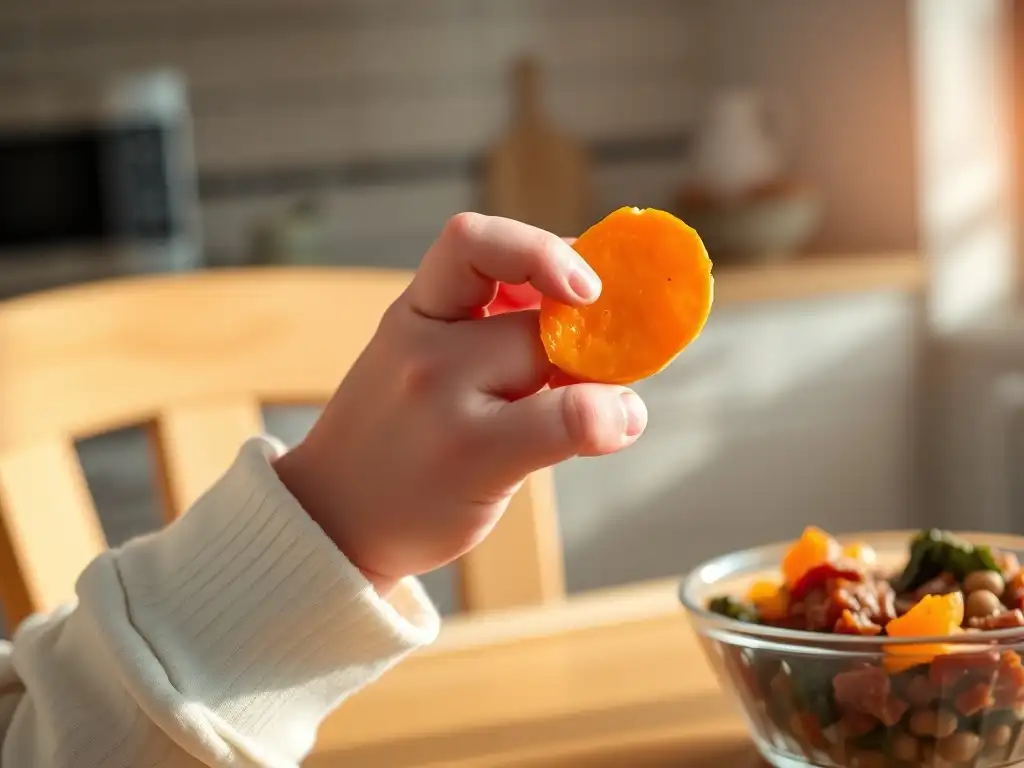
Iron is crucial for your baby's growth and development, especially during the crucial period of baby-led weaning. While introducing iron-rich foods is a key strategy, monitoring your baby's iron levels is equally important to ensure they are receiving adequate amounts. Unfortunately, there isn't a simple at-home test to directly measure iron levels. Instead, vigilant observation and regular check-ups with your pediatrician are paramount.
This section will help you understand how to observe your baby for signs of deficiency and when professional intervention is needed. Remember, consistent monitoring is key to preventing and addressing potential iron deficiencies. This proactive approach contributes significantly to your baby's overall health and well-being.
Recognizing Signs of Iron Deficiency in Your Baby
Iron deficiency can manifest in various ways in babies. While some signs are subtle, others are more pronounced. It's crucial to be aware of both:
- Pale Skin: A noticeable paleness, especially in the gums and the whites of the eyes, can be a significant indicator. Compare your baby's skin tone to their usual complexion. A sudden change towards paleness warrants attention.
- Fatigue and Lethargy: An unusually tired or sluggish baby may be exhibiting a symptom of iron deficiency. This is especially concerning if it's accompanied by other signs. Note changes in your baby's energy levels and activity.
- Irritability and Restlessness: Iron deficiency can lead to behavioral changes, such as increased fussiness, irritability, and difficulty settling down. Observe for unusual changes in your baby's temperament.
- Poor Appetite: Ironically, low iron can sometimes lead to a decreased appetite, creating a vicious cycle. Monitor your baby's food intake and look for a significant drop in their usual consumption.
- Developmental Delays: In more severe cases, iron deficiency can impact cognitive development and motor skills. Compare your baby's milestones with the expected developmental norms. Any significant delay should be discussed with your pediatrician.
- Brittle Nails: While not always indicative of iron deficiency, unusually brittle or spoon-shaped nails (koilonychia) can be a sign.
It's important to remember that these symptoms can be indicative of other health issues as well. Therefore, it's crucial to consult your pediatrician for a proper diagnosis rather than self-diagnosing based on these observations alone. Early detection is key to effective intervention.
When to Consult a Pediatrician About Your Baby's Iron Intake
Regular check-ups with your pediatrician are essential throughout your baby's development, especially during the baby-led weaning phase. However, there are specific circumstances that necessitate an immediate consultation regarding your baby's iron intake:
- Presence of multiple symptoms: If your baby exhibits two or more of the symptoms mentioned above, it is crucial to contact your pediatrician immediately. The combination of symptoms strengthens the possibility of iron deficiency.
- Family history of anemia: If there's a family history of iron deficiency anemia, your baby might be at a higher risk. Discuss this with your pediatrician during your regular check-ups.
- Premature birth: Premature babies often have lower iron stores at birth and may require closer monitoring and potentially supplementation.
- Significant dietary restrictions: If your baby has significant dietary restrictions or allergies that limit their access to iron-rich foods, it's crucial to discuss this with your pediatrician to ensure they are receiving adequate nutrients.
- Concerns about growth: If you have any concerns about your baby's growth trajectory, it's important to discuss this with your healthcare provider. Iron deficiency can sometimes contribute to slower growth.
Proactive communication with your pediatrician is vital in ensuring your baby's healthy development. Don't hesitate to voice your concerns; they are there to guide you.
Iron Supplements for Babies: When are they Necessary?
While introducing iron-rich foods as part of baby-led weaning is the primary way to ensure adequate iron intake, sometimes iron supplements become necessary. Your pediatrician will determine if supplementation is needed based on your baby's individual circumstances. These circumstances may include:
- Confirmed Iron Deficiency Anemia: A blood test revealing low hemoglobin levels will confirm an iron deficiency. Supplementation will then be prescribed to address the deficiency.
- Inability to meet iron requirements through diet: If despite best efforts, your baby consistently fails to consume sufficient iron-rich foods, supplementation might be considered.
- Premature birth or low birth weight: As mentioned before, premature babies often require iron supplements due to lower iron stores at birth.
Iron supplements should always be prescribed and administered under the guidance of a pediatrician. They will determine the appropriate dosage and type of supplement based on your baby's age, weight, and specific needs. Never self-medicate your baby with iron supplements. Improper dosage can have serious consequences. Your pediatrician's guidance ensures safe and effective supplementation. Remember, the goal is to support your baby's healthy development through a balanced approach, combining a nutritious diet with medical intervention when necessary. 👶
Frequently Asked Questions about Iron and Baby-Led Weaning
This section addresses common concerns parents have about incorporating iron-rich foods into their baby's diet using the baby-led weaning (BLW) approach. Understanding iron's crucial role in your baby's development and knowing how to effectively introduce it through BLW is key to their healthy growth. We'll tackle some frequently asked questions to alleviate anxieties and empower you to make informed choices.
Can I give my baby iron-rich foods too early?
Introducing iron-rich foods too early can sometimes be more challenging than beneficial. While the American Academy of Pediatrics recommends starting solids around 6 months, it's crucial to consider your baby's developmental readiness, not just their age. Signs of readiness include the ability to sit unsupported, show interest in food, and have good head and neck control. Even if your baby is 6 months old, if they aren't demonstrating these milestones, delaying the introduction of solids, including iron-rich foods, might be best.
Forcing iron-rich foods before your baby is ready can lead to choking hazards and rejection of the food, potentially creating negative associations with mealtimes. Remember, patience is key! Focus on your baby's cues and developmental progress. Premature introduction of solids might also interfere with the absorption of iron from breast milk or formula, which are usually sufficient until the six-month mark.
Focusing on age-appropriate textures is also essential. Starting with soft, easily mashed iron-rich foods minimizes the risk of choking. Think well-cooked, pureed sweet potatoes or finely mashed lentils, rather than offering whole, hard pieces. Gradually increasing the texture complexity as your baby develops their chewing and swallowing skills is crucial for successful baby-led weaning and iron intake.
How can I tell if my baby is getting enough iron?
Monitoring your baby's iron levels requires a multifaceted approach. While there isn't a foolproof, at-home test, several indicators can suggest whether your baby is getting sufficient iron. Firstly, observe their overall growth and development. Are they meeting developmental milestones? Do they exhibit consistent energy levels and a healthy appetite? These are general indicators of good overall health, which is intrinsically linked to adequate iron intake. A noticeable lack of energy, pale skin, or unusual fatigue could warrant a consultation with your pediatrician.
More specifically, keep an eye on your baby's stool. While the color can vary, consistently pale or clay-colored stools could indicate iron deficiency. However, it's important to note that this isn't a definitive diagnostic tool. Only a blood test performed by a medical professional can accurately determine iron levels. If you have concerns, schedule a checkup with your pediatrician. They can conduct a blood test to measure your baby's ferritin levels (a measure of iron stores) and advise on appropriate interventions if needed. Remember, regular checkups are essential for monitoring your baby's overall health and addressing potential deficiencies early.
What are the best ways to introduce iron-rich foods to my baby?
Introducing iron-rich foods within a baby-led weaning approach requires careful planning and creativity. Remember, variety is key! Avoid relying on a single source of iron. Instead, incorporate a diverse range of iron-rich foods into your baby's diet. Here's a breakdown of effective strategies:
- Start with easily manageable foods: Begin with soft, cooked iron-rich options like sweet potatoes, lentils (well-cooked and mashed), avocado, and iron-fortified baby cereals.
- Offer a variety of textures: Gradually introduce different textures as your baby's chewing skills improve. This will help them develop their oral motor skills and also ensure they are exploring a wide range of nutrient sources.
- Pair with Vitamin C-rich foods: Vitamin C enhances iron absorption. Consider pairing iron-rich foods with citrus fruits (in small, appropriate amounts) or bell peppers. However, avoid giving citrus fruits in large quantities to babies.
- Prepare foods safely: Ensure all foods are thoroughly cooked and cut into appropriately sized, manageable pieces to prevent choking hazards. Always supervise your baby during mealtimes.
- Be patient and persistent: Babies might not immediately accept all iron-rich foods. Continue offering a variety of options, even if your baby initially rejects them. Persistence is key to building a healthy and diverse diet.
Remember, consulting your pediatrician is crucial before starting baby-led weaning or introducing any new foods to your baby's diet, especially if you have concerns about iron deficiency. They can provide personalized guidance based on your baby's individual needs and developmental stage. A proactive and informed approach will help ensure your little one receives the essential nutrients they need for healthy growth and development.
My baby refuses iron-rich foods, what can I do?
It's common for babies to be picky eaters, and refusing iron-rich foods is a frequent concern for parents embarking on baby-led weaning. Persistence and a bit of creativity are key. Don't be discouraged if your little one rejects a food the first time – it often takes multiple exposures (up to 10 or more!) before a baby accepts a new taste or texture.
Firstly, presentation matters. Cut iron-rich foods into interesting shapes and sizes. Think fun sticks of sweet potato, small pieces of perfectly cooked beef, or even creatively arranged lentil “towers”. Babies are visually driven, and an appealing presentation can significantly improve acceptance.
Secondly, incorporate iron-rich foods into familiar dishes. If your baby loves pasta, try adding finely pureed lentils or spinach to the sauce. Similarly, finely grated carrots or finely pureed beef can be incorporated into mashed potatoes or other favorites. The subtle introduction of iron-rich components into already loved meals can be a surprisingly effective strategy.
Thirdly, offer a variety of textures and preparations. Iron-rich foods can be prepared in many ways; steamed, roasted, pureed, or even finely minced. Experiment to discover what your baby prefers. Some babies might prefer softer textures, while others might enjoy firmer, chunkier pieces. Variety is the spice of life, and this applies to baby food too!
Fourthly, don't force it. Forcing your baby to eat will likely lead to negative associations with food and make mealtimes stressful for both of you. Instead, offer a variety of healthy options and let your baby choose what they want to eat. If they consistently refuse a particular food, try again in a few weeks. Their tastes and preferences can change rapidly.
Finally, consider consulting a pediatrician or registered dietitian. If you have serious concerns about your baby's iron intake or if they consistently reject iron-rich foods despite your efforts, seeking professional advice is crucial. They can assess your baby's individual needs and recommend appropriate strategies, potentially including supplementation if necessary. Remember, a balanced approach and patience are essential in navigating the sometimes challenging world of baby-led weaning. 🎉
Frequently Asked Questions
What is baby-led weaning (BLW)?
Baby-led weaning (BLW) is a method where babies self-feed soft, appropriately sized pieces of food from the start of their solids journey, skipping purees. It emphasizes infant-led exploration of textures and tastes.
Why is iron important for babies starting solids?
Iron is crucial for healthy brain development and preventing iron-deficiency anemia. Babies often deplete their iron stores around 6 months, making iron-rich foods essential.
What are some iron-rich foods suitable for baby-led weaning?
Excellent choices include iron-fortified cereals, pureed lentils, well-cooked finely chopped meats (chicken, beef, lamb), and mashed sweet potatoes. Always ensure foods are soft and safe for your baby to manage.
How can I ensure my baby is getting enough iron through BLW?
Offer a variety of iron-rich foods regularly, alongside other nutrient-rich options. Consult your pediatrician if you have concerns about your baby's iron intake. Careful food preparation to ensure safe sizes and textures is also key.
Are there any foods I should avoid during baby-led weaning, particularly regarding iron?
Avoid honey (until after 1 year), choking hazards (like whole nuts or grapes), and foods with added salt or sugar. Prioritize naturally iron-rich foods to build a healthy diet.
Final Reflection: Nourishing Futures Through Iron-Rich BLW
The critical role of iron in early childhood development remains profoundly underestimated, yet its impact on a child's cognitive and physical growth is undeniable. A deficiency can have lifelong consequences, hindering a child's potential and impacting their overall well-being. Understanding how to effectively incorporate iron-rich foods into a baby-led weaning (BLW) journey is not just about nutrition; it's about building a strong foundation for a healthy future.
The shift towards BLW has empowered parents to actively participate in their child's nutritional journey, but navigating the complexities of iron intake can be challenging. This journey of discovery, both personally and professionally, has highlighted the importance of accessible and reliable information for parents. The first three years of life are a critical window for brain development, and adequate iron intake is essential for optimal cognitive function.
This quote underscores the urgency and importance of ensuring our little ones receive the nutrients they need during this crucial period. The ongoing conversation surrounding BLW and iron-rich foods is vital for creating a healthier and more informed parenting landscape.
Now, consider your own approach to feeding your little one. Are you consciously incorporating iron-rich foods into their diet? Take a moment to reflect on the information presented and explore how you can further enhance your child's nutritional intake. Empowering yourself with knowledge is the first step towards ensuring your child thrives, not just survives. Let's work together to build a future where every child has the opportunity to reach their full potential, nourished by the power of iron-rich foods.
Unlock Your Baby's Iron Powerhouse: A Delicious Journey Begins Now!
Thank you for learning about iron-rich foods for your baby! We hope this article has given you the tools to support their healthy growth. Now, let's put that knowledge into practice!
- Create a personalized iron-rich meal plan: Begin by choosing several iron-rich foods from the article and incorporate them into your baby's weekly meals. This is the first step towards ensuring they receive adequate iron.
- Explore creative baby-led weaning (BLW) recipes: Don't be afraid to experiment! Find fun and visually appealing ways to prepare these foods online, making mealtimes enjoyable for both you and your baby.
- Share your baby-led weaning experiences: Join our BabyCareHub community and share your successes and challenges – we'd love to hear how it's going and offer support!
What delicious iron-rich meal will you and your baby enjoy today?