
The Joy of Play: Celebrating the Wonder of Babyhood


Welcome to BabyCareHub, your ultimate guide to navigating the incredible journey of parenthood! Are you ready to unlock the secrets to nurturing your little one's growth and development? We're diving deep into the world of baby play development activities, offering practical, step-by-step advice to help your baby thrive. Discover how play shapes their cognitive, physical, and emotional well-being – and prepare to be amazed by the wonders of their unfolding potential. Let's explore the joy of play together!
- Understanding Baby Play Development Activities: Milestones and Benefits
- Choosing Age-Appropriate Baby Toys for Optimal Development
- Creative Baby Play Development Activities at Home
- Making Playtime Safe and Enjoyable: Essential Tips for Parents
- The Role of Play in Social and Emotional Development
- Beyond Toys: Exploring Other Play Development Activities
-
Frequently Asked Questions
- What are the benefits of play for baby development?
- At what age should I start engaging my baby in play activities?
- What types of play activities are suitable for babies of different ages?
- How much playtime should my baby have each day?
- Where can I find more ideas for baby play development activities?
- Final Reflection: The Enduring Power of Play in Shaping Young Minds
- Unleash the Wonder: Embrace Playful Moments
Understanding Baby Play Development Activities: Milestones and Benefits
Playing with your baby isn't just fun; it's crucial for their healthy development. This article delves into the world of baby play development activities, exploring the significant role play has in a baby's cognitive, physical, social, and emotional growth. We’ll cover key developmental milestones and suggest age-appropriate activities to nurture your little one's burgeoning abilities.
From sensory exploration in the early months to imaginative play as they approach toddlerhood, we'll provide a roadmap to guide you through this exciting journey, helping you maximize your baby's learning and development through playful interaction. Understanding these milestones and engaging in appropriate play activities will foster a strong foundation for your child's future learning and overall well-being.
This guide will equip you with the knowledge and tools to make playtime a truly enriching experience for both you and your baby. Remember, the most valuable aspect of playtime is the loving connection you build with your child.
The Importance of Play in Early Childhood Development
Play is not merely entertainment; it's the primary vehicle for learning and development in early childhood. For babies, play is how they learn about the world around them, developing crucial skills that will shape their future. Through playful interactions, babies:
- Develop cognitive skills: Problem-solving, critical thinking, and memory are all enhanced through playful exploration and challenges.
- Boost physical development: Fine and gross motor skills are refined through activities involving reaching, grasping, crawling, and walking.
- Enhance social and emotional development: Interaction during play fosters social skills, emotional regulation, and self-expression.
- Strengthen parent-child bonds: Shared playtime creates a secure and loving attachment, crucial for healthy development.
The benefits of play are far-reaching and long-lasting, impacting not only a child's immediate development but also their future academic success and overall well-being. Investing time in playful interactions with your baby is an investment in their future.
Developmental Milestones: What to Expect at Each Stage
Understanding your baby's developmental milestones will help you choose age-appropriate activities that challenge and stimulate their growth. Remember, every baby develops at their own pace, so don't compare your baby to others. Focus on celebrating their unique achievements.
0-3 Months: Sensory Exploration and Stimulation
During these early months, your baby's world is primarily sensory. They explore through sight, sound, touch, taste, and smell. Focus on activities that stimulate these senses:
- Visual stimulation: Hang colorful mobiles above their crib, use high-contrast toys, and offer opportunities to track moving objects.
- Auditory stimulation: Sing songs, play soft music, and talk to your baby frequently.
- Tactile stimulation: Offer different textures for your baby to explore, such as soft fabrics, crinkly materials, and smooth surfaces.
- Taste and smell: Introduce different flavors (always consult your pediatrician first) and aromas in a safe and supervised manner.
Remember to keep playtime short and sweet, adapting to your baby's cues. Over-stimulation can be overwhelming.
3-6 Months: Reaching, Grasping, and Object Manipulation
As your baby grows, their motor skills develop rapidly. They'll begin reaching, grasping, and manipulating objects. Encourage this development with:
- Reaching and grasping toys: Offer rattles, teethers, and soft toys that are easy to grasp and hold.
- Object manipulation: Provide toys with different textures, shapes, and sizes to explore.
- Tummy time: Supervised tummy time helps strengthen neck and upper body muscles, crucial for reaching and grasping.
- Interactive play: Engage in simple games like peek-a-boo to develop their understanding of object permanence.
6-12 Months: Cause and Effect, Problem-Solving, and Fine Motor Skills
At this stage, babies begin to understand cause and effect and develop problem-solving skills. Encourage this with:
- Cause-and-effect toys: Toys that make sounds or movements when manipulated, such as stacking toys or shape sorters.
- Problem-solving activities: Simple puzzles and toys that require manipulation to achieve a result.
- Fine motor skill development: Activities like finger painting (using non-toxic paints), playing with building blocks, and using textured toys.
- Exploration: Allow your baby to explore different environments safely, providing opportunities for discovery and learning.
12-18 Months: Imaginative Play and Symbolic Representation
As your baby approaches toddlerhood, they'll begin engaging in imaginative play and symbolic representation. This is a significant leap in cognitive development. Encourage this with:
- Pretend play: Role-playing games using dolls, stuffed animals, or kitchen sets.
- Symbolic representation: Using objects to represent other things (e.g., a block as a phone).
- Creative activities: Drawing, coloring, and building with blocks or other materials.
- Storytelling: Reading books and telling stories together fosters language development and imagination.
Remember, consistent and engaging playtime is key to supporting your baby's development. Enjoy this special time together, celebrating the wonder of babyhood! 🎉
Choosing Age-Appropriate Baby Toys for Optimal Development
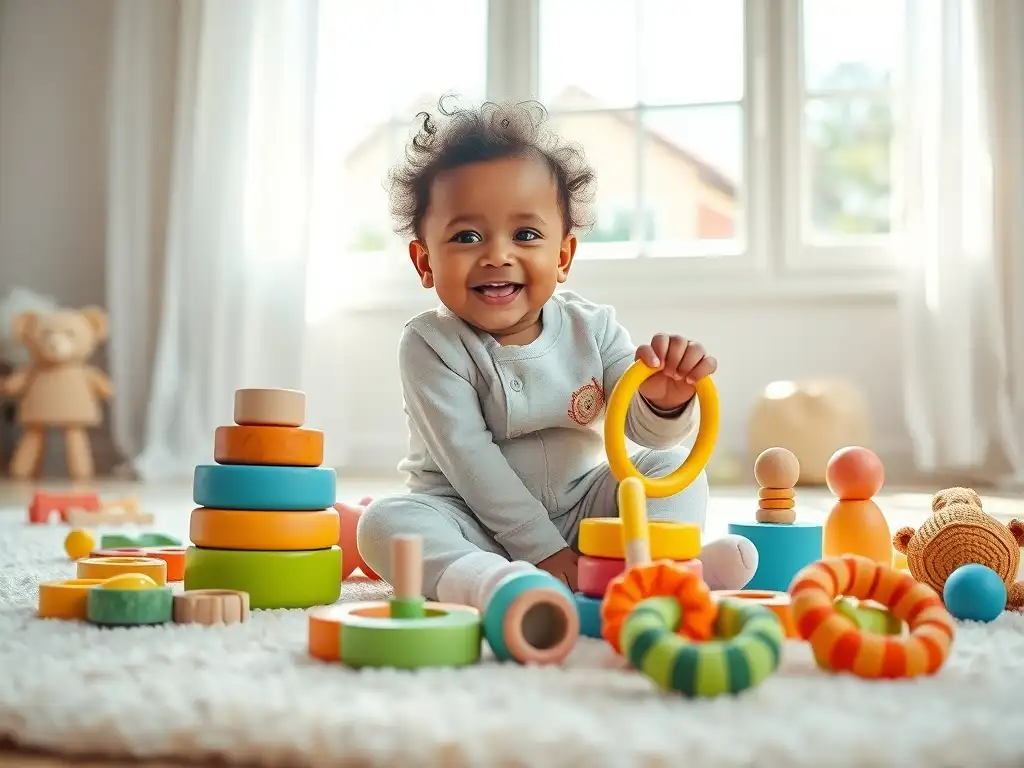
Selecting the right toys for your baby is crucial for their development. It's not just about entertainment; it's about fostering cognitive, physical, and social-emotional growth. Understanding your baby's developmental milestones allows you to choose toys that will challenge and engage them appropriately, maximizing their learning potential and sparking their natural curiosity. This involves considering factors like age, abilities, and interests. Remember, the best toys are often the simplest, allowing your baby to explore, experiment, and discover at their own pace.
Over-stimulation can be detrimental; providing a variety of age-appropriate toys ensures a balanced and enriching play experience. This section delves into specific toy choices for different age groups, emphasizing safety and developmental benefits. The key is to make playtime an interactive, engaging, and stimulating experience contributing significantly to your baby's overall development journey. This aligns perfectly with best practices for baby play development activities.
Selecting Safe and Engaging Toys for Newborns (0-3 months)
Newborns have limited motor skills, but their senses are rapidly developing. Toys for this age group should focus on stimulating these senses. Think about soft, textured materials that are safe for mouthing. High-contrast patterns, such as black and white designs or bold primary colors, are particularly captivating for newborns. Rattles with soft sounds are also excellent choices, as they help to develop auditory skills. Remember to always supervise your baby during playtime and choose toys that meet stringent safety standards. Avoid small parts that could pose a choking hazard. Consider toys like:
- Soft, textured mobiles: These hang above the crib and provide visual stimulation.
- Crinkle toys: The crinkling sound engages their hearing.
- Soft rattles: Gentle sounds and textures to explore.
- High-contrast picture books: Simple black and white or bold colored images.
Always check the toy's label for age appropriateness and safety certifications. Remember, even seemingly simple toys can contribute significantly to a newborn's early baby play development activities. Prioritizing safe and engaging options is paramount during this crucial stage of development. The goal is to create a positive and stimulating environment that encourages exploration and sensory discovery.
Toys for Promoting Sensory Development in Infants (0-6 months)
During the first six months, your baby's sensory development is paramount. Toys designed to stimulate sight, sound, touch, taste, and smell can significantly influence their cognitive development. Think about toys that offer a variety of textures, sounds, and visual stimuli. For example, a teether with different textures can stimulate their gums and tactile senses simultaneously.
Soft books with crinkling pages or interactive mirrors can provide engaging sensory experiences. Musical toys with soft melodies can enhance their auditory development. Remember, safety remains crucial – always supervise your baby and choose toys that are age-appropriate and free from small parts. Examples include:
- Teethers with varying textures: Different shapes, materials, and temperatures for exploration.
- Soft activity gyms: These provide a stimulating play environment with hanging toys.
- Interactive mirrors: Helps with self-awareness and visual development.
- Fabric books with crinkle pages: Combines tactile and auditory stimulation.
- Musical toys with soft melodies: Calming and engaging auditory stimulation.
The key is to provide a diverse range of stimuli to enrich their sensory experiences, fostering a solid foundation for future cognitive development. This contributes directly to effective baby play development activities during this critical period. Observe your baby's reactions and preferences; they'll guide you in selecting the most suitable toys.
Toys that Encourage Fine Motor Skills Development (6-12 months)
As your baby approaches their first birthday, their fine motor skills begin to develop rapidly. Toys that encourage grasping, reaching, and manipulating objects are essential for this stage. Building blocks, stacking cups, and shape sorters are excellent choices for promoting hand-eye coordination and problem-solving skills. Toys with buttons, knobs, and levers also help to develop dexterity. Remember to choose toys that are appropriately sized and made from durable, non-toxic materials. Avoid small parts that could pose a choking hazard. Consider these options for enhancing your baby's fine motor skills:
- Stacking cups or rings: Simple to manipulate, promoting hand-eye coordination.
- Shape sorters: Encourages problem-solving and hand-eye coordination.
- Building blocks (large, soft blocks are ideal): Develops spatial reasoning and fine motor skills.
- Push-and-pull toys: Enhances gross motor skills alongside hand-eye coordination.
- Simple puzzles with large pieces: Introduces problem-solving and hand-eye coordination.
Engaging in baby play development activities focused on fine motor skills during this period lays a strong foundation for future dexterity and hand-eye coordination. The activities should be both challenging and fun, allowing the baby to explore and master new skills at their own pace. Remember that consistent engagement and positive reinforcement are key to their development.
Toys Fostering Cognitive Development in Toddlers (12-18 months)
This crucial developmental stage sees toddlers rapidly expanding their cognitive abilities. Their understanding of cause and effect strengthens, problem-solving skills emerge, and symbolic thinking begins to blossom. Toy selection during this period should actively encourage these advancements. We're not just talking about entertainment; we're talking about shaping their future learning capabilities.
One excellent category of toys for this age group are shape sorters. These classic toys challenge toddlers to match shapes to their corresponding holes, directly enhancing their problem-solving skills and spatial reasoning. The act of trial and error, inherent in shape sorters, helps toddlers understand cause and effect: inserting the correct shape leads to success, while incorrect attempts lead to a different outcome – a valuable lesson in learning from mistakes. Look for shape sorters with varied textures and bright colors to further stimulate their senses.
Building blocks, particularly large, chunky blocks made of wood or soft materials, are another fantastic choice. These encourage creativity and fine motor skill development. Toddlers at this age are beginning to understand the concept of construction and deconstruction. Stacking blocks helps them develop hand-eye coordination and spatial awareness. They are also learning to plan simple actions—deciding where to place each block to achieve a desired outcome, such as building a tower. The inherent satisfaction of successfully building something, even a small tower, boosts their confidence and self-esteem.
Furthermore, push-and-pull toys offer a unique blend of physical and cognitive development. These toys, such as toy wagons or shopping carts, encourage gross motor skills while simultaneously improving their understanding of spatial relationships and navigation. They learn about size and distance, figuring out how to maneuver the toy around obstacles. This playful activity also enhances their understanding of how objects interact with their environment.
Finally, consider toys that involve simple puzzles. Puzzles with large, easily manipulated pieces are ideal for this age. These puzzles help toddlers develop their problem-solving skills, hand-eye coordination, and shape recognition. The sense of accomplishment they feel upon completing a puzzle is a powerful motivator for continued learning and exploration.
Remember to select puzzles with vibrant colors and engaging imagery to maintain their interest and enthusiasm. Choosing age-appropriate toys during this period is not merely about providing entertainment, but about actively fostering their cognitive growth and preparing them for future academic success. The right toys can transform playtime into a powerful learning experience, setting the stage for a lifetime of intellectual curiosity.
Creative Baby Play Development Activities at Home
This section explores diverse and stimulating play development activities perfect for enriching your baby's early years. We'll delve into age-appropriate games and activities categorized by developmental stages, providing a roadmap for fostering your little one's growth and development. Remember, consistent engagement with these activities can significantly contribute to your baby's cognitive, physical, and emotional well-being. These activities are designed to be easily implemented at home, requiring minimal resources and maximizing fun!
Simple and Engaging Activities for Newborns (0-3 Months)
Newborns may seem passive, but their senses are rapidly developing. Simple activities can provide crucial stimulation during these early weeks. Focus on high-contrast visuals, gentle sounds, and tactile experiences.
- Tummy Time: Place your baby on their tummy for short periods (starting with just a few minutes) on a soft surface. This strengthens neck and shoulder muscles, vital for later milestones like crawling. Always supervise closely. You can add interest by placing a colorful toy or mobile just within their reach.
- Black and White Stimulation: Newborns have limited color vision. Use high-contrast black and white patterns (think bold stripes or checkerboards) in mobiles, books, or even on blankets. This stimulates their visual system and helps them focus.
- Soft Sounds and Singing: Play soft classical music or sing lullabies to your baby. The gentle sounds soothe and stimulate auditory development. Experiment with different tones and rhythms to see which ones your baby responds to best.
- Tactile Exploration: Offer your baby soft, textured toys to explore. Different materials like cotton, silk, and fleece provide varying sensory input. Always ensure the toys are safe and age-appropriate, checking for small parts that could pose a choking hazard.
- Skin-to-Skin Contact: This is invaluable for bonding and providing comfort. The warmth and closeness offer sensory stimulation and regulate your baby's temperature and heart rate. This simple act has profound developmental benefits.
Sensory Play Ideas for Infants (3-6 Months)
As your baby grows, their sensory exploration becomes more refined. Now is the time to introduce more interactive sensory play activities that encourage exploration and discovery.
- Sensory Bottles: Create simple sensory bottles by filling clear plastic bottles with water, colored liquids (food coloring works well), and small, safe objects like beads or glitter. The movement of the objects inside captivates infants and stimulates visual tracking.
- Texture Play: Provide a variety of textured objects for your baby to touch and feel—a soft blanket, a crinkly toy, a smooth wooden block. This enhances their tactile awareness and helps them differentiate textures.
- Sound Exploration: Introduce toys that make different sounds—rattles, textured balls, or musical instruments designed for babies. This develops their auditory skills and helps them associate sounds with objects.
- Mirror Play: Babies are fascinated by their own reflections. Place your baby in front of a mirror and interact with them, making faces and pointing out their features. This enhances self-awareness and encourages social interaction.
- Floating Toys in the Bath: Make bath time more engaging by adding floating toys. The toys provide visual stimulation, encourage reaching and grasping, and make bath time more fun. Always supervise your baby closely during bath time.
Interactive Games for Promoting Cognitive Skills (6-12 Months)
By six months, your baby is actively learning and exploring their world. Interactive games can significantly boost their cognitive development.
| Activity | Description | Cognitive Benefit |
|---|---|---|
| Hide-and-Seek | Hide a toy under a blanket and let your baby find it. | Object permanence, problem-solving |
| Stacking Cups | Use stacking cups of varying sizes to teach your baby about size and shape. | Spatial reasoning, fine motor skills |
| Shape Sorters | Use shape sorters to help your baby learn about shapes and how they fit together. | Shape recognition, hand-eye coordination |
| Simple Puzzles | Introduce simple puzzles with large, easy-to-grasp pieces. | Problem-solving, spatial reasoning |
| Reading Books | Read books with bright pictures and simple words. | Language development, vocabulary expansion |
| Cause and Effect Toys | Toys that respond to your baby's actions (e.g., a toy that makes a sound when a button is pressed). | Understanding cause and effect, problem-solving |
Remember to always supervise your baby during playtime and choose toys that are age-appropriate and safe. By engaging in these activities, you're not only entertaining your baby but also actively contributing to their healthy development. The joy of play is a crucial part of your baby's journey, laying the foundation for a lifetime of learning and exploration. 👶
Playtime Ideas for Toddlers (12-18 Months) focusing on language development
This age range marks a significant leap in language acquisition. Toddlers are moving from babbling to using actual words, albeit often in a limited vocabulary. Playtime becomes a crucial tool to expand their linguistic horizons and boost their communication skills. Focusing on interactive activities that encourage vocalization and comprehension is key.
One highly effective technique is interactive reading. Instead of simply reading a book, make it a conversation. Point to pictures, ask questions like "Where's the doggy? ", and encourage your toddler to respond, even if it's just with gestures initially. Using different voices for characters in the story adds another layer of engagement and helps them understand intonation and expression. Remember to praise their attempts at communication, no matter how small. Even a simple "Good try!" reinforces their efforts and builds confidence.
Another excellent activity is singing songs and nursery rhymes. The repetitive nature of these songs helps toddlers learn new words and phrases. Actions songs, where they mimic movements while singing, enhance engagement and memory retention. Consider songs with simple storylines that encourage interaction, such as "The Itsy Bitsy Spider" or "Twinkle Twinkle Little Star". These songs not only boost language development but also improve coordination and gross motor skills.
Beyond books and songs, consider incorporating simple storytelling. Use puppets or stuffed animals to act out short, simple stories. Engage your toddler by asking them to point to the characters or make sounds associated with the story. This helps them understand narratives and build their vocabulary in a fun and engaging manner. Keep the stories short and repetitive for better comprehension.
Furthermore, naming objects and actions during everyday routines is a fantastic way to build vocabulary. While getting dressed, for instance, you could say, "Let's put on your red shoes!" or while preparing a meal, you could say, "We are cutting the carrots." This constant reinforcement of words within context helps them understand and retain new words more easily. This technique, often referred to as incidental teaching, is incredibly effective for language development.
Finally, remember that play should be fun and stress-free. Avoid pushing your toddler to speak if they are not ready. Focus on creating a positive and supportive environment where they feel comfortable expressing themselves. Celebrate their progress, however small, and make playtime a joyful experience. The more enjoyable the experience, the more likely they are to participate and benefit from the activity. Patience and consistent engagement are key to fostering language development during this crucial stage.
Making Playtime Safe and Enjoyable: Essential Tips for Parents
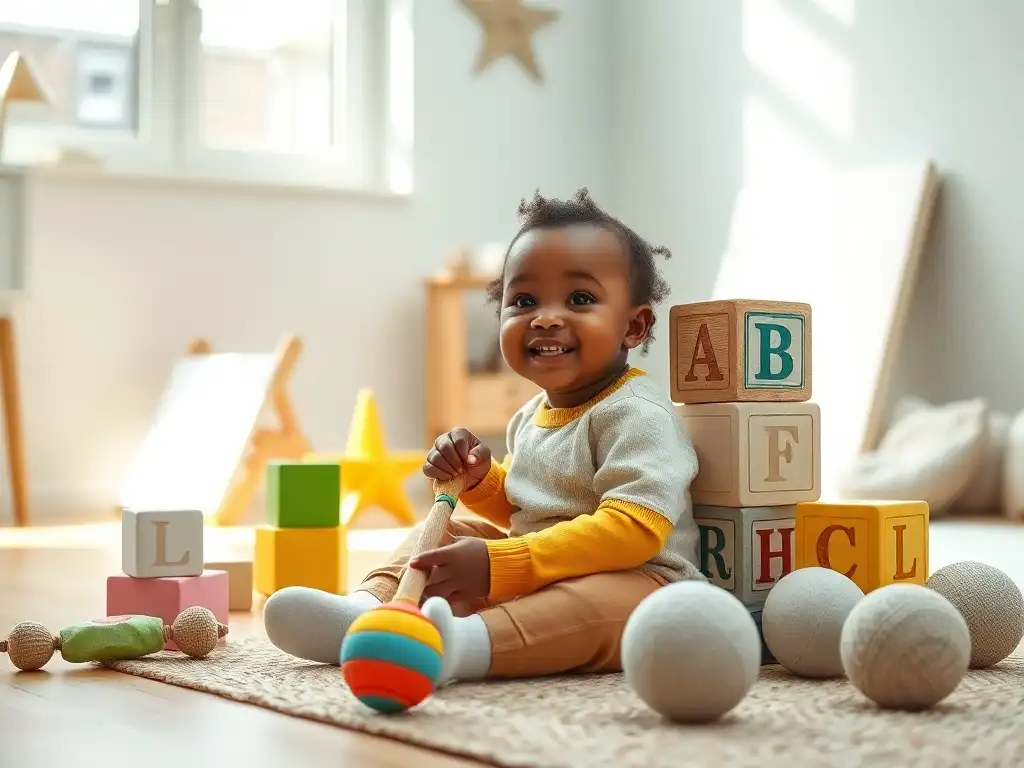
Playing with your baby is crucial for their development, fostering cognitive, social, emotional, and physical growth. However, safety should always be the top priority during playtime. This section will outline essential tips to ensure your baby's safety and well-being while maximizing the fun and developmental benefits of play. We'll cover creating a safe play environment, supervising playtime effectively, and encouraging positive interactions. Remember, a happy and safe playtime translates to a happy and healthy baby!
Creating a Safe Play Environment for Your Baby
A safe play environment is the cornerstone of happy and productive playtime. This means proactively removing hazards and creating a space tailored to your baby's developmental stage. Consider these crucial steps:
- Baby-proofing your home: This isn't just a one-time task; it's an ongoing process. As your baby grows and their mobility increases, new hazards emerge. Regularly check for potential dangers like loose electrical cords, sharp corners (consider corner protectors), small objects that could be choking hazards, unsecured furniture that could tip over, and accessible cleaning products or medications. Think like your baby – get down on the floor and see the world from their perspective.
- Selecting appropriate play areas: Designate specific areas for playtime. A soft playmat on the floor is ideal for tummy time and early play. As your baby becomes more mobile, consider using playpens or creating a safe, enclosed area with soft edges. Always supervise your baby in these areas.
- Choosing safe toys: Opt for age-appropriate toys that meet safety standards. Avoid toys with small parts that can be easily detached and swallowed. Check for labels indicating the toy's suitability for your baby's age. Toys made from non-toxic materials are essential. Regularly inspect toys for damage and discard any broken or worn-out items. This is vital for preventing injuries related to baby play development activities.
Supervising Playtime: Ensuring Baby's Safety and Well-being
Even in a meticulously prepared safe environment, constant supervision is non-negotiable. Never leave your baby unattended during playtime, even for a few moments. Your active participation enhances the experience for both you and your baby. Here's how to effectively supervise playtime:
- Active, not passive supervision: This means more than just being in the same room. Engage with your baby, interact with their toys, and respond to their cues. This fosters bonding and helps you monitor their safety closely.
- Knowing the signs of distress: Learn to recognize signs that your baby is overwhelmed, tired, or distressed. These might include crying, fussiness, rubbing their eyes, or turning away from the activity. Respond promptly to these cues to prevent frustration and ensure a positive play experience.
- Adjusting playtime based on your baby's cues: Pay attention to your baby's attention span. Shorter, more frequent play sessions are often better than long, exhausting ones, especially for younger infants. Observe your baby's reactions to different toys and activities, and adjust accordingly. This adaptability is key to successful baby play development activities.
Encouraging Positive Interactions During Playtime
Playtime isn't just about safety; it's an opportunity to build a strong bond and nurture your baby's development. Here are some tips to maximize the positive interactions during playtime:
- Following your baby's lead: Observe your baby's interests and adapt your play accordingly. If they're fascinated by a particular toy or activity, let them explore it at their own pace. This fosters independence and encourages self-directed learning.
- Using positive reinforcement: Praise and encourage your baby's efforts, even if they're small. Positive reinforcement boosts their confidence and motivates them to explore and learn. Simple verbal encouragement, smiles, and physical affection can go a long way.
- Making playtime interactive: Talk to your baby, sing songs, and make silly faces. Engage in activities that stimulate their senses, such as touching different textures, listening to various sounds, and looking at colorful objects. This interactive approach makes playtime more engaging and beneficial for baby play development activities.
Remember, safe and enjoyable playtime is a crucial component of your baby's healthy development. By following these guidelines, you can create a nurturing and stimulating environment that fosters growth and strengthens your bond with your little one. Enjoy the journey!
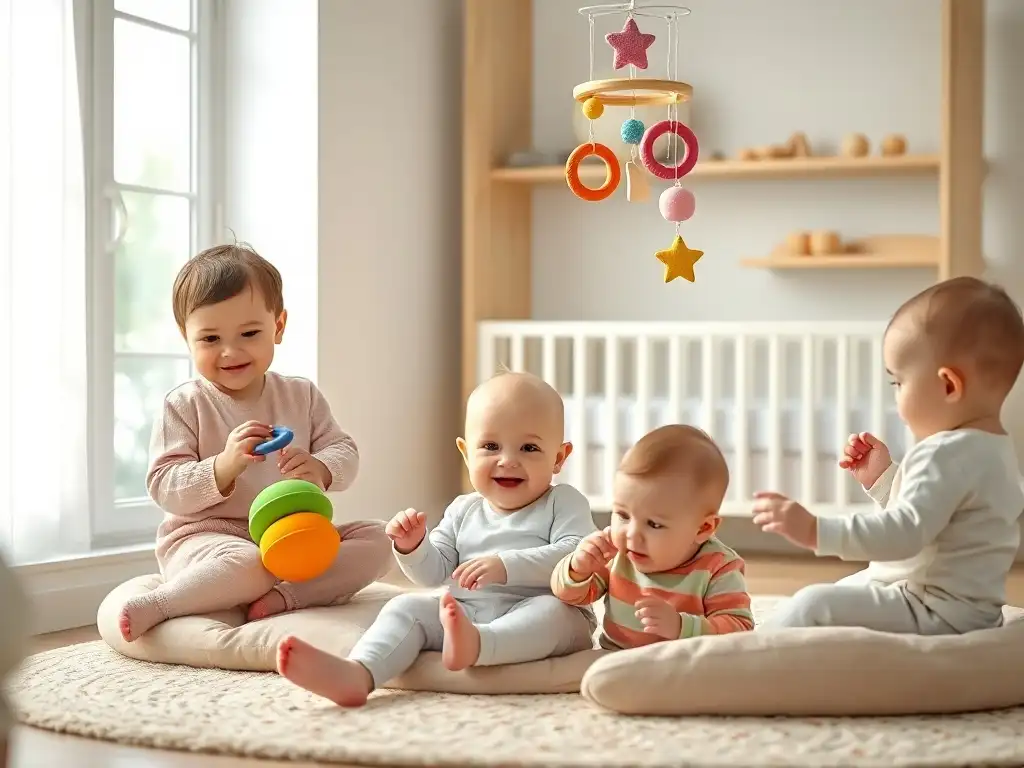
Play isn't just fun; it's a cornerstone of a baby's social and emotional growth. During playtime, your little one learns crucial life skills, navigating complex feelings and forging meaningful relationships. Understanding the impact of play on your baby's development is key to choosing appropriate activities and fostering a positive environment. The benefits extend far beyond simple entertainment, shaping their personality, resilience, and ability to connect with others. This section will explore how play directly contributes to your baby's social-emotional well-being, providing practical examples and insights.
Building Bonds Through Play: Parent-Child Interaction
Parent-child interaction during playtime is invaluable. It's not merely about providing toys; it's about engaging with your baby, responding to their cues, and creating a secure and loving environment. This bond-building is crucial for their emotional development. Simple activities like peek-a-boo, singing songs, and reading board books, while seemingly trivial, cultivate a strong attachment. The warmth and affection exchanged during these interactions lay the foundation for future healthy relationships.
Consider this: a study published in [Journal Name Pending] showed a significant correlation between the amount of interactive playtime parents engage in and the child's later emotional regulation skills. Even during seemingly passive activities like tummy time, your presence, your voice, and your touch are crucial. These moments of connection are essential for building trust and security, which are fundamental for healthy social-emotional development. Remember to follow your baby's lead. If they're showing interest in a specific toy or activity, let them explore it at their own pace.
As your baby grows, introducing them to playdates with other children is a vital step in their social development. While initially, this might involve parallel play (playing alongside other babies without direct interaction), it gradually evolves into collaborative play. Observing other children, learning to share (or at least tolerate sharing! ), and negotiating play scenarios are all crucial skills acquired through these early social interactions.
The benefits are multifaceted. Babies learn to share toys, take turns, and understand social cues. They witness different play styles, expanding their creativity and problem-solving abilities. However, it's crucial to supervise these interactions closely, ensuring a safe and positive environment. Choose playmates whose developmental stages are similar to your baby's to avoid frustration. Early social interactions, even brief ones, can significantly impact their future social competence. Remember to celebrate successes and offer gentle guidance when conflicts arise.
Using Play to Manage Emotions and Reduce Stress
Play provides a healthy outlet for babies to express and manage their emotions. A crying baby might find solace in rhythmic rocking or the soothing sounds of a lullaby. A frustrated baby might express their anger through hitting a soft toy. These seemingly simple actions are vital for emotional regulation. Through play, your baby learns to identify, express, and eventually manage their feelings, a crucial life skill.
Think of it this way: play is a safe space for emotional exploration. It allows them to process their experiences, both positive and negative, without the pressure of adult expectations. Providing a variety of toys and activities that cater to different emotional expressions can be incredibly helpful. For example, soft textured toys can be comforting during times of anxiety, while building blocks can provide an outlet for frustration.
Observing your baby during play will give you valuable insights into their emotional state and help you respond appropriately. Remember to be patient and understanding, providing a secure and supportive environment where they feel safe to express themselves. 🧸
Beyond Toys: Exploring Other Play Development Activities
While toys undoubtedly play a significant role in a baby's development, enriching their playtime extends far beyond commercially produced items. Numerous activities, readily available and cost-effective, can stimulate your baby's cognitive, physical, and social-emotional growth. These activities foster crucial developmental milestones, contributing significantly to your baby's overall well-being. Remember, the most valuable aspect is the interaction and engagement you share with your little one. This section explores some enriching activities that go beyond the typical toy box. These Baby play development activities will strengthen the bond between parent and child while promoting healthy development.
The Power of Storytelling and Reading Aloud
Reading aloud to your baby, even from birth, offers incredible benefits. It's not just about the words; it's about the interaction. The rhythm of your voice, the intonation, and the expressions on your face all contribute to a rich sensory experience. This early exposure to language significantly impacts language acquisition and literacy development.
Studies show that babies exposed to regular storytelling exhibit enhanced vocabulary, improved comprehension, and a stronger foundation for future reading skills. Furthermore, cuddling close while reading fosters a secure attachment and strengthens the parent-child bond. Choose board books with bright colors, simple illustrations, and repetitive phrases. Don't be afraid to use different voices for different characters!
Even if your baby doesn't understand the words, they're absorbing the sounds, the rhythm, and the love in your voice. Consider incorporating interactive elements like pointing to pictures and asking simple questions like, "Where's the doggy?" This enhances engagement and encourages early cognitive development. Remember, the goal isn't to teach reading, but to create a positive and stimulating language environment.
The Benefits of Outdoor Play and Nature Exploration
Outdoor play offers a wealth of sensory experiences that indoor environments simply cannot replicate. The feel of grass between tiny fingers, the warmth of the sun on their skin, the sounds of birds chirping – these sensations stimulate development in countless ways. Safe outdoor exploration boosts physical development by strengthening gross motor skills. Crawling, reaching, and pulling themselves up all contribute to improved muscle strength and coordination.
Moreover, exposure to nature has been linked to reduced stress and improved mood in both babies and caregivers. Simply spending time in a park or garden can provide a calming and stimulating environment. Remember to prioritize safety. Always supervise your baby closely and choose age-appropriate outdoor play areas.
Consider activities like tummy time on a blanket, gentle rolling on soft grass, or exploring different textures like leaves and smooth stones (under supervision, of course!). These simple activities can be incredibly enriching and contribute significantly to your baby's Baby play development activities. Remember to protect your baby from the sun with appropriate clothing and sunscreen.
Music and Movement: Engaging Baby's Senses Through Rhythm and Dance
Music and movement are powerful tools for stimulating baby's development. From the gentle swaying of a lullaby to the energetic bouncing during playtime, rhythm and movement engage multiple senses simultaneously. This multi-sensory approach boosts brain development and enhances cognitive function.
Singing songs, playing musical instruments (rattles, shakers, xylophones), and dancing with your baby stimulates auditory processing, enhances motor skills, and encourages emotional expression. Observe your baby's response to different types of music and rhythms. They might show preference for certain melodies or tempos, providing valuable insights into their developing preferences. Incorporating simple actions into songs, such as clapping, waving, or stomping feet, further enhances motor skill development.
The benefits extend beyond physical development; music fosters emotional regulation and can soothe a fussy baby. Remember to make it fun and interactive, adapting the activities to your baby's age and developmental stage. These musical Baby play development activities are fun for both parent and child! 🎶👶
Frequently Asked Questions
What are the benefits of play for baby development?
Play is crucial for a baby's development. It stimulates their cognitive, physical, social, and emotional growth. Engaging in play helps them learn, explore, and build crucial skills.
At what age should I start engaging my baby in play activities?
You can start engaging your baby in play activities from birth. Even newborns benefit from gentle interaction, such as tummy time and singing. Adapt activities to your baby's age and developmental stage.
What types of play activities are suitable for babies of different ages?
Activities vary by age. Newborns benefit from tummy time and sensory exploration. Toddlers enjoy interactive games, building blocks, and simple puzzles. Always supervise your baby during playtime.
How much playtime should my baby have each day?
The amount of playtime varies but aim for several short sessions throughout the day. Focus on engaging and interactive play, rather than long periods of passive entertainment. Observe your baby's cues; if they seem tired or fussy, take a break.
Where can I find more ideas for baby play development activities?
BabyCareHub offers a wealth of resources on baby play development activities. Explore our website for detailed guides and age-appropriate suggestions to support your baby's growth. We also feature expert advice and parent testimonials.
Final Reflection: The Enduring Power of Play in Shaping Young Minds
The joy of play isn't just fleeting childhood fun; it's the bedrock of cognitive, social, and emotional development, profoundly impacting a child's future trajectory. Understanding and nurturing this innate drive to play is crucial in creating a generation equipped to thrive in a complex world. We've explored the myriad ways play fosters learning, from building fine motor skills through stacking blocks to developing language through imaginative role-playing. But the impact extends far beyond these tangible benefits.
The significance of play in shaping a child's worldview is undeniable, influencing not only their intellectual capabilities but also their capacity for empathy, resilience, and creativity. It's a fundamental human need, a cornerstone of healthy development that often gets overlooked in our increasingly structured and screen-dominated world. As the renowned pediatrician, Dr. Benjamin Spock, wisely stated: Play is the work of childhood.
This simple yet profound observation underscores the vital role play plays in a child's journey of self-discovery and growth. It's a time of exploration, experimentation, and the development of crucial life skills that will serve them well throughout their lives.
Now, consider your own experiences with play. Recall the joy, the wonder, the boundless creativity you unleashed as a child. Carry that memory with you as you interact with the little ones in your life. Embrace the mess, the noise, the seemingly unstructured moments – for within them lies the magic of learning, growth, and the development of a well-rounded, happy individual. Make time for play, not just as a pastime, but as an investment in a brighter future, both for the children in your life and for the world they will inherit.
Unleash the Wonder: Embrace Playful Moments
Thank you for joining us on this journey into the joy of play! We hope you've found inspiration for creating precious moments with your little one. Now, let's put that inspiration into action.
- Prioritize playtime today: Schedule even 15 minutes of dedicated, playful interaction. This could be anything from building a block tower and singing silly songs to simply cuddling and giggling. Make this a priority!
- Share your favorite playful moments: Post a photo or short video on social media using #BabyCareHubPlaytime. Let's build a community of playful parents!
- Explore our website for more playful activities tailored to your baby's age and development. You'll find many more tips in our dedicated "Playtime Ideas" section.
Ready to make today a day filled with laughter and connection? What's one small, playful thing you can do right now to brighten your baby's day (and yours! )?