
Babyproofing Pools & Water Features: Safety Tips for Active Babies

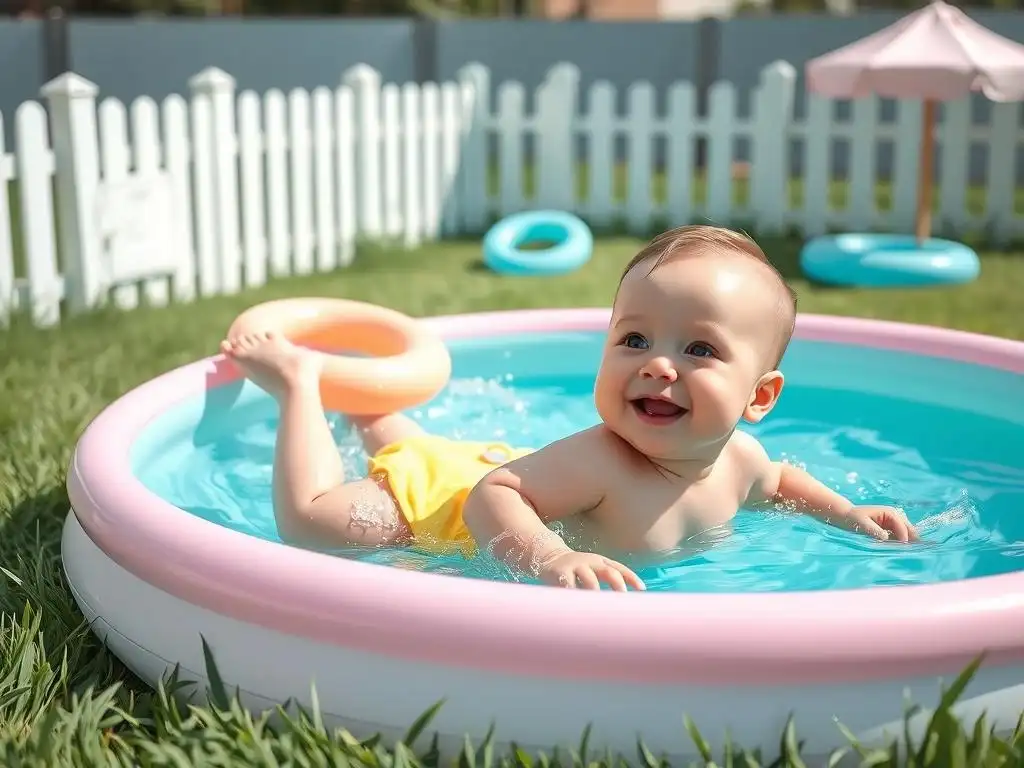
Welcome to BabyCareHub, your ultimate guide to navigating the incredible journey of parenthood! Are you ready to dive into the world of baby care? We understand that raising a little one can feel overwhelming, especially when it comes to safety. That's why we've created this comprehensive resource, packed with practical advice and expert insights. Discover crucial baby pool safety tips to ensure your little swimmer enjoys splashing around without risk – and so much more. Explore our wealth of information and confidently embrace this extraordinary adventure. Let's get started!
- Understanding Drowning Risks for Babies Around Water
-
Essential Baby Pool Safety Measures: A Step-by-Step Guide
- Securing Pool Access: Gates, Locks, and Fencing
- Pool Safety Covers and Netting: Types and Effectiveness
- Maintaining Pool Surroundings: Removing Hazards and Debris
- Supervision: Constant Vigilance Around Water
- Barriers: Creating Impenetrable Defenses
- Pool Covers and Safety Devices: Additional Layers of Protection
- Water Feature Safety for Babies: Fountains, Ponds, and More
- Emergency Preparedness: What to Do in Case of an Accident
- Choosing Safe Pool Toys and Floating Devices
- Beyond Babyproofing: Ongoing Water Safety Education
- Creating a Safe and Enjoyable Water Environment for Your Baby
- Frequently Asked Questions
- Final Reflection: A Legacy of Safe Splashes
- Ready to Dive into Worry-Free Water Fun?
Understanding Drowning Risks for Babies Around Water
Drowning is a silent killer, and tragically, a leading cause of unintentional injury-related death among young children. For first-time parents, navigating the joys of parenthood often includes introducing your little one to water activities, from bath time to backyard pools. This article focuses on baby pool safety tips, providing a comprehensive guide to babyproofing pools and other water features to protect your active baby.
We'll delve into the stark realities of infant drowning statistics, explore the developmental stages that influence a baby's vulnerability around water, and offer practical, actionable steps to create a safe aquatic environment for your child. This guide is crucial for establishing a secure home environment, minimizing risks, and ensuring your baby's well-being as they explore their world.
Remember, even a small amount of water can pose a significant danger to a young child. Let's work together to prevent tragedies and foster a safe and happy environment for your little one to thrive.
Infant Drowning Statistics and Prevention
The chilling reality is that drowning is often quick and silent. Infants and toddlers are particularly vulnerable due to their limited swimming abilities and inability to understand water hazards. While precise statistics vary by region, [specific information pending] on infant drowning rates highlight the urgent need for proactive safety measures. Even shallow water, such as a bathtub, bucket, or even a toilet, can be deadly.
A key aspect of prevention involves understanding the factors contributing to these incidents. These often include:
- Unattended supervision: Even for a moment, a child can slip underwater. Constant, vigilant supervision is paramount.
- Lack of barriers: Pools and other water sources should be completely inaccessible to babies and toddlers without adult supervision.
- Inadequate safety equipment: While not a replacement for supervision, safety equipment like pool fences, alarms, and flotation devices can add an extra layer of protection.
- Poor understanding of water hazards: Educating caregivers about the risks associated with water is crucial for preventing accidents.
We need to emphasize the importance of constant vigilance. Never leave your baby unattended near any body of water, no matter how small or shallow. This includes bathtubs, sinks, buckets, toilets, and even decorative fountains. The consequences can be devastating.
Recognizing Baby's Developmental Stages and Water Hazards
A baby's developmental stage significantly impacts their risk of drowning. Understanding these stages helps parents anticipate potential hazards and implement appropriate safety measures.
| Developmental Stage | Typical Age Range | Associated Water Hazards | Safety Measures |
|---|---|---|---|
| Newborn to 6 months | 0-6 months | Drowning in bathtubs, buckets, or other containers of water | Constant supervision during bath time, secure storage of all water containers |
| Crawling (6-12 months) | 6-12 months | Access to pools, ponds, or even toilets; falling into water | Secure pool fencing, childproof latches on toilet doors, supervision near water |
| Walking (12-18 months+) | 12 months+ | Increased mobility around water; exploring water independently | Pool covers, alarms, constant supervision, teaching water safety awareness (age appropriate) |
As your baby develops, their mobility and curiosity increase, exposing them to new water-related hazards. For instance, a crawling baby might reach a previously inaccessible pool or a walking toddler might wander towards a water feature unattended. Understanding these developmental milestones allows parents to adjust their safety protocols accordingly. Remember, proactive measures are key to preventing accidents. The goal is not to restrict your baby's exploration but to create a safe environment where they can thrive and develop without the risk of drowning.
Essential Baby Pool Safety Measures: A Step-by-Step Guide
This section details crucial safety measures to protect your active baby around pools and water features. Remember, even shallow water poses a significant drowning risk for infants and toddlers. These baby pool safety tips are designed to create a secure environment, minimizing the chances of accidents. Proactive measures are key to ensuring your little one's safety near water.
Securing Pool Access: Gates, Locks, and Fencing
Preventing unsupervised access to the pool is paramount. This requires a multi-layered approach. A self-closing and self-latching gate is absolutely essential. This gate should meet or exceed safety standards, ideally with a secure locking mechanism that is out of reach of curious little hands. Consider installing a gate at every access point to the pool area, even if it means multiple gates.
Furthermore, consider the type of fencing. A fence should completely surround the pool area, extending at least four feet high with no openings larger than four inches. This prevents a determined toddler from squeezing through or climbing over. Regular inspections are vital to ensure the fence is in good repair, with no gaps or damaged sections. Think of it as the first line of defense in your baby pool safety strategy. Don't underestimate the importance of robust fencing; it's a crucial component in preventing accidental drownings.
Here's a table summarizing key features of effective pool barriers:
| Feature | Description | Importance |
|---|---|---|
| Self-Closing Gate | Automatically closes and latches securely. | Prevents accidental access. |
| Self-Latching | Locks automatically, requiring a deliberate action to open. | Prevents children from opening the gate independently. |
| Fence Height | At least 4 feet high. | Prevents climbing over. |
| Mesh Size | No openings larger than 4 inches. | Prevents squeezing through. |
| Material | Durable and weather-resistant material (e.g., metal, vinyl-coated chain link) | Ensures longevity and withstands various weather conditions. |
| Regular Inspection | Frequent checks for damage, gaps, or loose parts. | Early detection of potential hazards and prompt repair are essential for baby pool safety. |
Pool Safety Covers and Netting: Types and Effectiveness
Pool safety covers and netting provide an additional layer of protection, but they are not a replacement for proper fencing and adult supervision. Different types offer varying levels of security. Solid safety covers are the most effective, preventing almost complete access to the pool. However, they require more effort to remove and can be expensive.
Mesh safety nets offer a less restrictive option but are still effective in preventing accidental falls. Ensure the net is securely fastened and regularly inspected for tears or damage. Regardless of the type of cover or net you choose, remember that these are supplemental safety measures, and constant adult supervision remains crucial. Always prioritize responsible adult supervision as the primary safety precaution.
The effectiveness of pool safety covers and netting depends on proper installation and maintenance. Regularly check for any signs of wear and tear, and replace them as needed. Always follow the manufacturer’s instructions for installation and usage. Consider the cover's weight capacity to ensure it can withstand the weight of an adult if needed for rescue. Prioritize safety above convenience, choosing the most robust and reliable option for your circumstances.
Maintaining Pool Surroundings: Removing Hazards and Debris
Maintaining a clean and hazard-free pool area is crucial for baby pool safety. Regularly remove any debris such as toys, leaves, or slippery surfaces. These can create tripping hazards and contribute to accidents. Ensure the pool deck is free of cracks or uneven surfaces that could cause falls. Keep the area dry to minimize the risk of slipping.
Additionally, remove any potentially dangerous objects such as chemicals, tools, or sharp objects from the pool area. Store these items securely out of reach of children. Regularly inspect the pool equipment for any potential hazards. Maintaining a clean and organized pool area significantly reduces the risk of accidents and contributes to a safer environment for your baby. This proactive approach to pool maintenance is a vital aspect of responsible baby pool safety. Remember, a well-maintained environment is a safer environment.
Supervision: Constant Vigilance Around Water
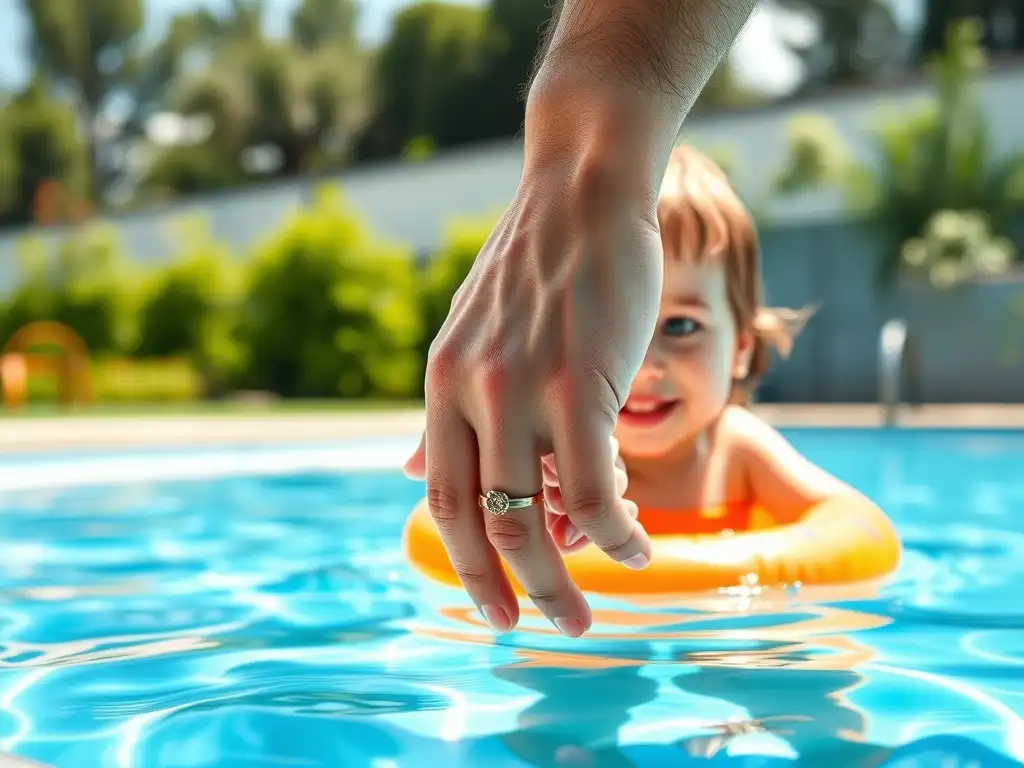
Constant, unwavering supervision is the single most crucial aspect of baby pool safety. No matter how many safety features you have in place – fences, covers, alarms – they are all secondary to the presence of a responsible adult. Babies can drown in incredibly shallow water, sometimes in as little as an inch, in a matter of seconds.
A moment's distraction can be devastating. Therefore, never, under any circumstances, leave a baby or toddler unattended near any body of water, including pools, spas, ponds, or even buckets. This applies even if the child is in a flotation device; flotation devices are aids, not safety guarantees.
Think of it like this: you wouldn't leave a baby alone on a changing table, and the risk of drowning is far greater than the risk of a fall. Designate a "water watcher" – a responsible adult whose sole focus is on the child in the water. This person should avoid distractions like cell phones, conversations, or other tasks. Their complete attention must be on the child at all times. Rotate water watchers frequently to avoid fatigue, ensuring everyone remains alert and focused.
Even experienced swimmers should maintain constant visual contact with a child in the water. Remember, a child's movements are unpredictable and accidents happen quickly. The "water watcher" should be within arm's reach at all times, ready to react instantly to any situation. This dedicated supervision is the cornerstone of effective baby pool safety.
Barriers: Creating Impenetrable Defenses
Creating effective barriers around your pool is another critical element of baby pool safety. A simple four-sided fence at least four feet high is often recommended, but local regulations may specify different requirements. Ensure that the fence is securely fastened to the ground and that the gate latches automatically and securely, keeping small fingers from easily opening it. The gate should open outwards, away from the pool, to prevent accidental entry.
Check the fence regularly for any damage or gaps that a child could exploit. Remember, babies are surprisingly adept at squeezing through small openings. Consider adding self-closing and self-latching gates as an added layer of protection. These features can significantly reduce the risk of accidental access.
Furthermore, consider the location of the fence. Ideally, it should be placed far enough from the pool's edge to prevent a child from climbing over or reaching the water. The area around the pool should be free of any climbing aids, such as furniture, toys, or landscaping features. Remember, a dedicated, well-maintained barrier is a critical part of your overall baby pool safety strategy. Regular inspections and prompt repairs are essential to maintain its effectiveness and prevent accidents. Don't underestimate the ingenuity of a determined toddler!
Pool Covers and Safety Devices: Additional Layers of Protection
While fences and constant supervision are paramount, additional safety devices can provide extra layers of protection. Pool covers, for example, can prevent accidental falls into the water. There are various types of pool covers available, each with its own level of safety. Solid safety covers are the most secure, but mesh covers can still offer some protection, provided they are properly installed and maintained. However, never rely solely on a pool cover as a primary safety measure; they should always be used in conjunction with other safety features.
Consider installing pool alarms that will alert you if a child enters the water unexpectedly. These alarms can be placed on the pool itself or on the fence, providing an extra layer of warning. Remember to regularly test these alarms to ensure they are functioning correctly. Additionally, you could explore the use of safety floats or other flotation devices for young children while they are in the pool.
However, again, these devices are not a substitute for constant supervision. They are intended as aids, not safety guarantees. Remember, layering your safety measures is key to comprehensive baby pool safety. The more layers you have, the better protected your child will be.
Water Feature Safety for Babies: Fountains, Ponds, and More
This section focuses on securing your home environment against water-related hazards for your active baby, going beyond the typical swimming pool considerations. Many seemingly innocuous water features present significant risks if not properly babyproofed. We'll explore strategies to minimize these dangers, ensuring your little one's safety. Understanding and implementing these baby pool safety tips is crucial for preventing accidents.
Babyproofing Decorative Water Features
Decorative water features, such as fountains, birdbaths, and small ponds, often add aesthetic appeal to a garden or home. However, they can pose a serious drowning risk to curious babies and toddlers. The shallow depth can be deceptively dangerous, as a child might easily fall in and be unable to get out. Even a small amount of water can be fatal. Effective babyproofing involves several key steps:
- Completely eliminate standing water: The safest approach is to remove the water feature entirely, at least temporarily. If removal isn't feasible, consider draining the water completely after each use.
- Install sturdy fencing: Surround the water feature with a fence that's at least four feet high, with self-closing and self-latching gates. Ensure that the fence is securely anchored to the ground, preventing your baby from climbing over or under it. Regularly inspect the fence for any damage or weaknesses.
- Covering the feature: When not in use, cover the feature with a heavy, securely fastened cover. Avoid using lightweight covers that a child could easily move or remove.
- Supervision is key: Never leave your baby unattended near any water feature, regardless of safety measures in place. Constant supervision is the most effective way to prevent accidents.
Remember, even with these precautions, baby pool safety tips emphasize constant vigilance. A child's curiosity and unexpected movements can quickly lead to an accident.
Identifying and Mitigating Risks in Natural Water Sources
If you live near a natural water source like a pond, stream, or even a decorative backyard pond, the risks to your baby are significantly increased. These areas often have uneven terrain, hidden depths, and unpredictable currents, creating additional challenges to babyproofing.
- Establish clear boundaries: Clearly define a safe zone around the water source and ensure your baby never enters it unsupervised. This might involve physical barriers like fences or designated play areas far from the water's edge.
- Install safety alarms: Consider using motion detectors or other alarms to alert you if your baby approaches the water source without your knowledge.
- Regular inspections: Regularly check the area for any potential hazards like slippery rocks, overhanging branches, or unstable ground. Remove any debris that could pose a tripping hazard.
- Educate yourself on water rescue techniques: While prevention is the best approach, it’s crucial to know basic water rescue techniques in case of an emergency. Consider taking a CPR and water safety course.
The key to baby pool safety tips near natural water is proactive risk assessment and mitigation. Always prioritize your baby's safety above all else. Regularly review and update your safety measures as your baby grows and becomes more mobile.
Teaching Water Safety Habits From a Young Age
While babyproofing is crucial, teaching your baby about water safety from a young age is equally important. This lays the foundation for responsible behavior around water throughout their life.
- Early introduction to water: Introduce your baby to water in a controlled and safe environment, such as a shallow bathtub or baby pool with constant supervision. This helps them become comfortable and familiar with the water.
- Never leave a child unattended near water: This is the most important baby pool safety tip of all. Even for a few seconds, an accident can occur.
- Enroll in swimming lessons: As your baby gets older, enroll them in age-appropriate swimming lessons. This will teach them essential water survival skills.
- Establish clear rules: Develop and enforce clear rules about water safety, emphasizing the dangers of going near water without adult supervision.
Teaching water safety is an ongoing process. Consistent reinforcement of these habits will help your child develop a healthy respect for water and minimize the risk of accidents. Remember, proactive measures and continuous education are the cornerstones of ensuring your baby's safety around all types of water.
Emergency Preparedness: What to Do in Case of an Accident
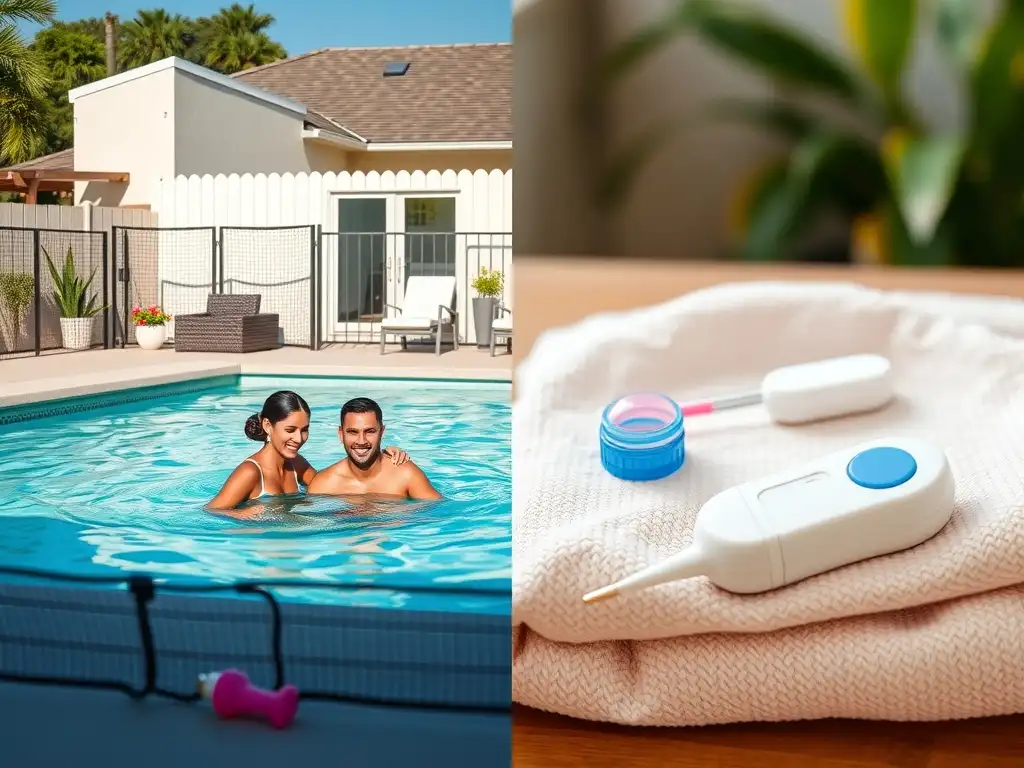
Accidents can happen, even with the best safety precautions in place. Being prepared for a water-related incident is crucial for baby pool safety. This section focuses on proactive measures to minimize the impact of such an event. Swift action in the event of an accident significantly increases the chances of a positive outcome. Proactive planning is key to effective emergency response.
CPR Training for Parents and Caregivers
Cardiopulmonary resuscitation (CPR) is a life-saving technique that every parent and caregiver should know. Knowing CPR can make the difference between life and death in a water-related emergency. Many community organizations and hospitals offer affordable CPR classes specifically designed for parents and caregivers. These classes often cover infant CPR, which has some key differences from adult CPR. The emphasis is on quick, effective chest compressions and rescue breaths tailored to a baby's smaller size and delicate physiology.
Don't hesitate; enroll in a CPR course today. It's an investment in your child's safety that's invaluable. Consider recertification every two years to maintain proficiency. Remember, even a small delay in administering CPR can have significant consequences.
Emergency Contact Information and Quick Response Plan
Having readily accessible emergency contact information is paramount. This isn't just about having the number for emergency services (911 or your local equivalent) readily available, but also about having a detailed plan of action. Consider creating a laminated card with the following information:
- Emergency Services: Your local emergency number.
- Closest Hospital: The address and phone number of the nearest hospital with a pediatric emergency room.
- Family Doctor: Your pediatrician's contact information.
- Emergency Contacts: A list of at least two reliable individuals who can be contacted immediately in case of an emergency. Include their phone numbers and addresses.
- Blood Type (Baby & Parents): Knowing your baby's and your blood types can be helpful in case of a serious injury.
Keep this card near your pool area, in the kitchen, and in your car. Practice your response plan. Knowing exactly who to call and what to do in a crisis minimizes panic and maximizes efficiency. Regularly review and update this information as needed. This proactive approach significantly contributes to effective "baby pool safety tips."
A well-stocked first aid kit is crucial for handling minor injuries that may occur around the pool. However, for water-related incidents, some specific items are particularly important. Your kit should include:
| Item | Quantity | Notes |
|---|---|---|
| Sterile Gauze Pads | 10+ | For cleaning and covering wounds. |
| Adhesive Bandages (various sizes) | 10+ | For minor cuts and scrapes. |
| Antiseptic Wipes | 1 pack | To clean wounds and prevent infection. |
| Pain Relieving Cream/Gel | 1 tube | For minor aches and pains. |
| Thermometer | 1 | To monitor your baby's temperature. |
| Tweezers | 1 pair | To remove splinters or other small objects. |
| Scissors | 1 pair | To cut bandages or clothing if necessary. |
| Emergency Blanket | 1 | To help prevent hypothermia. |
| Disposable Gloves | Several | To maintain hygiene when handling injuries. |
| Important Note: This is not a substitute for professional medical care. Always seek medical attention for any serious injury. 🤕 |
Regularly check your first aid kit to ensure all supplies are present and not expired. Proper maintenance of your first aid kit is a vital part of ensuring your baby's safety around water. Remember, preparedness is key to effective "baby pool safety tips."
Choosing Safe Pool Toys and Floating Devices
Selecting appropriate and safe pool toys and flotation devices is crucial for ensuring your baby's safety while enjoying water activities. Remember, even with constant supervision, accidents can happen. Prioritizing safety features and age-appropriateness is paramount. This section will guide you through selecting the right equipment to minimize risks associated with "baby pool safety tips".
Age-Appropriate Pool Toys for Babies
Babies have different developmental stages and abilities, requiring age-appropriate toys. Never give a baby a toy designed for older children. Look for toys specifically labeled for infants and toddlers. These toys are usually larger, softer, and made from materials that won't break easily and pose a choking hazard. Consider these factors:
- Size: Large enough to prevent swallowing or choking. Avoid small parts that can detach.
- Material: Soft, non-toxic, and durable materials are ideal. Avoid sharp edges or points.
- Floatation: Toys designed to float are preferable, even if your baby isn't yet swimming independently. This adds an element of fun while keeping them engaged near the surface.
- Supervision: Even the safest toys require constant, vigilant adult supervision. Never leave a baby unattended near water, regardless of the toys they're playing with.
For example, a large, soft rubber duck is a much safer option than a small, hard plastic toy with detachable parts. Always check the toy's packaging for age recommendations and safety warnings. Always inspect toys before each use for any damage or loose parts.
Selecting Safe and Durable Floating Devices
Floating devices for babies are designed to provide buoyancy and support in the water. However, it's crucial to select devices that meet safety standards and are appropriate for your baby's age and developmental stage. Remember that no floating device is a substitute for constant adult supervision.
Consider the following factors when choosing a floating device:
- U.S. Coast Guard Approval: Look for devices that meet U.S. Coast Guard (USCG) safety standards. This indicates that the device has undergone rigorous testing and meets specific buoyancy requirements.
- Proper Fit: Ensure the device fits your baby snugly and securely. Loose-fitting devices can slip off easily, posing a significant risk.
- Material: Choose devices made from durable, non-toxic materials that can withstand repeated use and exposure to water and sunlight.
- Features: Some devices offer additional safety features, such as UV protection or handles for easy gripping by caregivers.
Avoid using inflatable devices that are not specifically designed for infants, as these can easily deflate or puncture, leading to accidents. Always carefully inspect the floating device before each use for any signs of damage or wear. Regularly check the seams and inflatables for any tears or leaks.
Avoiding Potential Choking Hazards in and Around the Pool
The area surrounding the pool is as important as the pool itself when it comes to baby pool safety tips. Preventing access to small objects that could be swallowed is crucial. Here are some key considerations:
- Pool Toys: As mentioned earlier, choose large, age-appropriate pool toys to minimize the risk of choking. Remove any small parts from toys before giving them to your baby. Regularly check the pool area for small items that could be picked up and swallowed.
- Personal Items: Keep all personal items, such as sunglasses, keys, and jewelry, out of reach of your baby. These seemingly harmless items can easily become choking hazards.
- Landscaping: Assess the landscaping around the pool for any potential hazards, such as loose rocks, small pebbles, or fallen leaves. Remove anything that could be ingested.
- Regular Cleaning: Regularly clean the pool area to remove any debris or small objects. This includes checking the pool deck, surrounding plants, and any other areas your baby may access.
Remember, proactive measures are key to ensuring your baby's safety around water. Constant supervision and careful selection of toys and flotation devices, combined with vigilance regarding potential choking hazards, are essential components of effective "baby pool safety tips". The goal is to create a fun, yet safe, environment for your little one to enjoy the water.
Beyond Babyproofing: Ongoing Water Safety Education
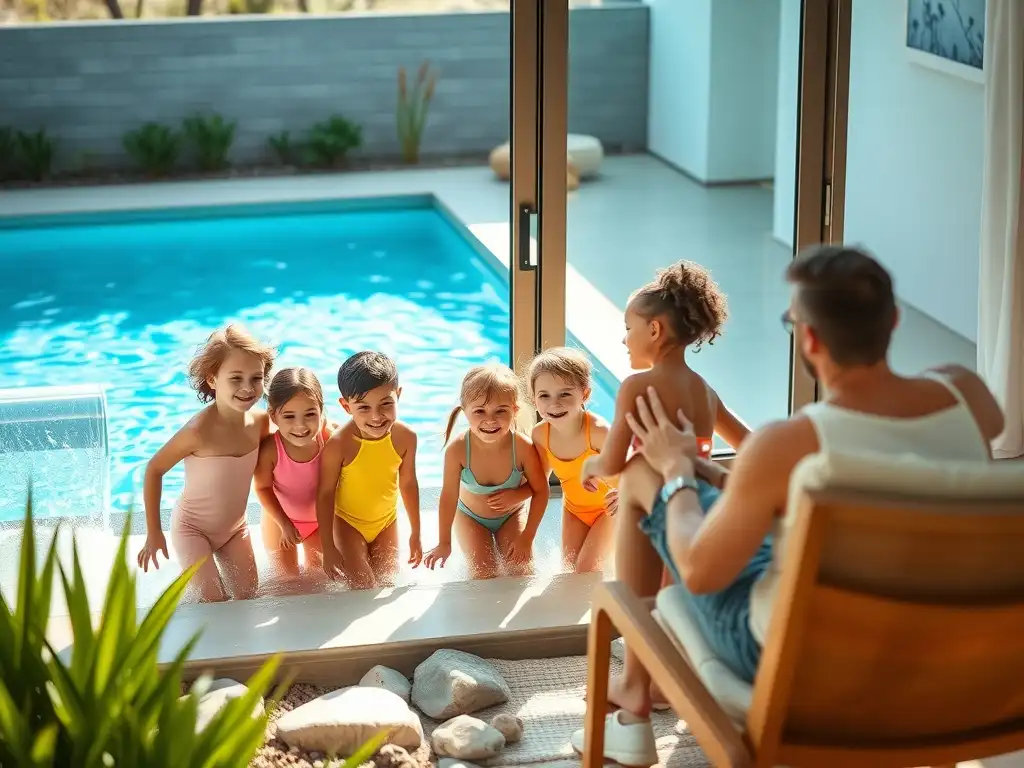
Even with thorough babyproofing, accidents can still happen. A proactive approach to water safety extends beyond securing your home; it involves consistent education and supervision. This isn't a one-time task; it's an ongoing process that adapts as your child grows and develops. Remember, baby pool safety tips aren't just about physical barriers; they're about teaching your child safe behavior around water.
Teaching Water Safety to Toddlers and Preschoolers
Teaching toddlers and preschoolers about water safety requires patience, repetition, and positive reinforcement. Start early, even before they can walk. Use age-appropriate language and methods to convey crucial information.
- Introduce the concept of "water's power": Explain that water can be fun but also dangerous if not treated with respect. Show them pictures or videos (without causing fear) of water's strength, like a rushing river or strong waves.
- "Water's a big deal" rule: Make it clear that water is not a place to play unsupervised, even in shallow areas. Emphasize that they should never go near water without a responsible adult present.
- Practice "touch and go": Teach them to only touch the water with an adult nearby. This helps them understand the importance of supervision.
- "Ask before you splash" rule: Establish a rule where they must ask permission before entering a pool or playing near any water source.
- Enroll in swim lessons: As soon as your child is developmentally ready, enroll them in formal swim lessons. Professional instruction provides valuable skills and builds confidence in the water. Many programs begin as young as 6 months old, focusing on water acclimation and safety.
- Make it fun: Use games and songs to reinforce water safety lessons. Create engaging activities around the rules, turning learning into a positive experience.
Remember, consistency is key. Regularly review these safety guidelines with your child, adjusting the complexity as they mature. Positive reinforcement, like praise and small rewards, encourages adherence to the rules. This consistent approach fosters a lifelong respect for water safety.
Continuing Safety Measures as Your Child Grows
As your child grows older, the focus shifts from preventing access to promoting responsible behavior around water. While they may become more independent, adult supervision remains crucial, especially around pools and other water features.
- Supervision is paramount: Never leave a child unattended near water, regardless of their swimming ability. Even strong swimmers can experience accidents. Designate a "water watcher" who remains focused solely on the children in the water.
- Layer safety: Continue using pool fences, covers, and alarms, even as your child gets older. These act as additional layers of protection, complementing supervision.
- Teach advanced water safety skills: As your child develops, teach them more advanced skills, such as how to enter and exit the water safely, how to tread water, and what to do if they fall into the water unexpectedly.
- Emergency preparedness: Ensure everyone in the family knows basic water rescue techniques and CPR. Knowing what to do in an emergency can be the difference between life and death.
- Open communication: Maintain open communication about water safety. Encourage your child to ask questions and express any concerns they might have. This builds trust and reinforces the importance of safety.
Regularly review and update your water safety plan as your child matures and their abilities change. Remember, consistent education and vigilant supervision are essential components of baby pool safety tips and contribute significantly to preventing accidents. The goal is to instill a lifelong respect for water and create a safe environment for your child to enjoy aquatic activities.
Creating a Safe and Enjoyable Water Environment for Your Baby
This section focuses on establishing a secure and stimulating aquatic environment for your baby, prioritizing safety without sacrificing enjoyment. Remember, consistent supervision is paramount, even with the most robust safety measures in place. We'll explore practical strategies for mitigating risks associated with pools and water features, ensuring your little one can explore the joys of water play safely. Proper baby pool safety tips are crucial for peace of mind.
Balancing Safety and Fun Around Water
Creating a safe water environment isn't about eliminating all water play; it's about careful planning and proactive safety measures. Think of it as risk management, not risk avoidance. For example, a shallow paddling pool can provide a wonderful sensory experience, but requires constant, vigilant supervision. Never leave your baby unattended near any water source, even for a moment. This applies to bathtubs, sinks, toilets, and even buckets of water. Drowning is silent and swift; constant watchful eyes are your best defense.
Consider using a pool fence that completely surrounds the pool area, with a self-closing and self-latching gate that's out of a child's reach. This is crucial for baby pool safety. The fence should be at least four feet high and meet all local safety regulations. Furthermore, ensure all pool gates are properly secured and regularly checked. A simple visual check before and after every use is a good practice.
Implementing layers of safety is key. For instance, in addition to a fence, you could also use pool alarms that sound when the water is disturbed. These alarms provide an extra layer of protection, alerting you to any potential incidents. Regularly test the alarms to ensure they are functioning correctly. Remember, no single measure guarantees complete safety; a multi-faceted approach is most effective. Think of these measures as a team working together to safeguard your baby.
Adapting Your Approach as Your Baby Develops
Your baby's developmental milestones directly impact your approach to water safety. As your baby grows from a non-mobile infant to a crawling and then walking toddler, your safety strategies must adapt. What might suffice for a baby lying passively in a bath is completely inadequate for an active toddler exploring the pool's edge.
- Infancy (0-6 months): Focus is on bath safety. Never leave your baby unattended in the bath, even for a second. Always use a non-slip mat in the tub and maintain a consistent water temperature. Never fill the tub too high.
- Crawling (6-12 months): Increased mobility requires heightened vigilance. Secure any access to pools or water features with strong barriers and alarms. Supervise closely during bath time and even when near sinks or toilets. Consider using a baby pool designed for infants with safety features.
- Walking (12+ months): The risk of accidental entry into a pool or other water feature increases dramatically. Reinforce the importance of pool fencing and alarms. Teach your child basic water safety rules, although this is more about preparing for future lessons than immediate protection at this age.
The key is to proactively anticipate your baby's developing abilities and adjust your safety precautions accordingly. Regularly reassess your baby pool safety measures as they learn and grow, ensuring your strategies remain appropriate and effective. Remember, consistent vigilance and a layered approach to safety are the cornerstones of a secure and enjoyable water experience for your baby. This is vital for your peace of mind and your baby's safety.
Frequently Asked Questions
What are the most important safety measures around a pool for babies?
Always supervise your baby directly and constantly near any water. Install a four-sided fence around the pool with a self-closing, self-latching gate. Consider pool alarms as an extra layer of protection.
How can I prevent my baby from falling into the pool?
Ensure your pool fence meets safety standards, is securely locked, and has no gaps. Never leave toys near the pool's edge that might tempt your baby to reach for them. Keep the pool area free from clutter.
What should I do if my baby falls into the pool?
Immediately call for emergency help. If you're able, safely retrieve your baby from the water and begin CPR if needed. Time is crucial in these situations.
At what age can babies start taking swimming lessons?
While some babies can start as young as six months, it's crucial to remember that lessons are not a substitute for constant supervision. Professional infant swimming resources can advise on readiness and appropriate programs.
Are pool floats and inflatable toys safe for babies?
While they can be fun, never rely on floats or inflatable toys as safety devices. They can deflate or be easily overturned. Always maintain direct and active supervision while your baby is in or near the water, regardless of any flotation aids.
Final Reflection: A Legacy of Safe Splashes
The relentless energy of a baby, coupled with the alluring mystery of water, creates a potent combination demanding our unwavering vigilance. Every year, countless preventable accidents involving young children and water occur, highlighting the critical need for proactive safety measures. This isn't just about statistics; it's about protecting the precious lives of our little ones.
The pervasive nature of water hazards, from backyard pools to decorative fountains, underscores the importance of constant awareness and diligent preparation. We, as parents and caregivers, bear the responsibility of creating safe environments for our children to explore and grow. The best safety device is a watchful eye,
a wise adage reminds us, and this holds especially true when it comes to water safety. This article aimed to equip you with the knowledge and tools to build that watchful eye, transforming potential dangers into opportunities for joyful, secure play.
Consider the impact of even one small change you make today. A properly secured pool fence, a vigilant adult's presence, or simply a heightened awareness of potential hazards – these seemingly minor adjustments can make all the difference between a carefree summer and a devastating tragedy. You have the power to shape your child's future, one safe splash at a time.
Take a moment to reflect on the information presented, implement the safety tips discussed, and share this vital knowledge with others. Let's work together to create a world where every child can enjoy the joy of water without the fear of the unknown.
Ready to Dive into Worry-Free Water Fun?
Thank you for taking the time to learn about pool and water feature safety for your child! We hope you found this information valuable and are ready for a fun and safe summer. Now, let's put that knowledge into practice.
- Conduct a thorough safety check of your pool area immediately. This is crucial to identify and address any potential hazards.
- Share this article with other parents—helping to keep children safe is a wonderful way to contribute to your community.
- Visit BabyCareHub.org for more expert advice on childproofing your home and creating a safe environment for your family.
What creative safety measures have you implemented around your water features? Share your ideas in the comments below—let's learn from each other!