
Picking the Perfect AntiColic Bottle: A StepbyStep Guide


Welcome to BabyCareHub, your ultimate guide to navigating the incredible journey of parenthood! Are you overwhelmed by the sheer number of baby bottles available? Finding the perfect one can feel impossible, especially when colic is a concern. Our comprehensive guide on the Best Anticolic Baby Bottle will demystify this crucial choice, providing you with the knowledge and confidence to select the ideal bottle for your little one's needs. Dive in and discover the secrets to smoother feeding sessions and a happier baby!
- Understanding Colic and its Impact on Your Baby
-
Types of Anti-Colic Baby Bottles: A Detailed Comparison
- Best Anti-Colic Bottles with Slow Flow Nipples: Dr. Brown's Options
- Top-Rated Anti-Colic Bottles with Vent Systems: Philips Avent Natural
- Effective Anti-Colic Bottles with Air Reduction Valves: Tommee Tippee Closer to Nature
- Comparing Features: Flow Rates, Materials, and Cleaning Ease of Different Anti-Colic Bottles
- Choosing the Best Anti-Colic Bottle for Your Baby's Needs
- Step-by-Step Guide to Using an Anti-Colic Baby Bottle
- Maintaining Your Anti-Colic Baby Bottle: Cleaning and Sterilization
- Frequently Asked Questions about Anti-Colic Baby Bottles
- Conclusion: Finding the Perfect Fit for You and Your Baby
- Frequently Asked Questions
- Final Reflection: The Lasting Legacy of a Peaceful Feeding Time
- Unlock Your Baby's Comfort: Find the Perfect Bottle Today!
Understanding Colic and its Impact on Your Baby
Colic, that agonizing period of inconsolable crying in newborns, is a common experience for many new parents. Characterized by intense, unpredictable bouts of crying that seem impossible to soothe, colic can be incredibly stressful for both baby and caregiver. While the exact cause of colic remains somewhat mysterious, it's widely believed to be related to a combination of factors, including digestive issues, immature digestive systems, and perhaps even sensitivity to certain foods the mother may have consumed.
This article focuses on one aspect that can significantly alleviate colic symptoms: choosing the right anti-colic baby bottle. We will provide a step-by-step guide to help you navigate the world of anti-colic bottles and select the best one for your little one, ultimately contributing to a more peaceful and comfortable experience for your entire family. Finding the perfect bottle can make a world of difference in reducing your baby's discomfort and improving your family's overall well-being.
This guide will help you understand the nuances of colic and how the right bottle choice can be a game-changer. Let's dive in!
Recognizing Colic Symptoms in Newborns
Identifying colic can be the first step towards finding relief for your baby. Colic is typically defined as excessive crying for no apparent reason, lasting for more than three hours a day, more than three days a week, and for more than three weeks. However, it's important to remember that every baby is different, and the intensity and frequency of crying can vary greatly.
Some common signs of colic include:
- Intense, inconsolable crying: This is the hallmark symptom of colic. The crying is often high-pitched and difficult to soothe.
- Drawing up legs: Your baby may pull their legs up to their stomach, indicating abdominal discomfort.
- Fisted hands: Tightly clenched fists can also be a sign of discomfort.
- Facial expressions: Your baby may have a strained or pained facial expression during crying episodes.
- Gas and bloating: Some babies with colic experience visible bloating or excessive gas.
It's crucial to rule out other underlying medical conditions before diagnosing colic. If you are concerned about your baby's crying, always consult your pediatrician to ensure there are no other issues at play. Remember, seeking professional medical advice is always the best course of action when you have concerns about your baby's health.
The Link Between Feeding and Colic in Infants
Many experts believe that feeding practices play a significant role in colic. Air ingestion during feeding is a common culprit, leading to gas bubbles and discomfort in a baby's tummy. This is where anti-colic bottles come in.
These bottles are specifically designed to reduce air intake during feeding, minimizing gas and potentially easing colic symptoms. The type of nipple, the bottle's design, and even the flow rate can all affect how much air your baby ingests while feeding. Understanding these factors is key to choosing a bottle that best suits your baby's needs and feeding style.
Some babies may also be sensitive to certain types of formula or breast milk, leading to digestive upset and increased crying. Working closely with your pediatrician or a lactation consultant can help you identify any potential sensitivities and adjust your feeding strategy accordingly. Remember, a holistic approach, considering both the bottle and the feeding method, is often the most effective.
Why Choosing the Right Anti-Colic Bottle Matters
Selecting the right anti-colic bottle can significantly impact your baby's comfort and your own peace of mind. A well-designed bottle can reduce air intake, minimize gas buildup, and promote more comfortable feeding sessions. This, in turn, can lead to less crying, better sleep for your baby (and you! ), and a more positive overall feeding experience.
The market is flooded with various anti-colic bottles, each with its own unique features and claims. Understanding the different types and their mechanisms will help you make an informed decision and choose the best anticolic baby bottle for your baby's specific needs. Don't be afraid to try a few different options to find the perfect fit.
The right bottle can be a game changer, paving the way for happier, healthier feeding times for both you and your little one. Choosing wisely can truly contribute to a more harmonious and enjoyable journey through those early months of parenthood. 👶🍼
Types of Anti-Colic Baby Bottles: A Detailed Comparison
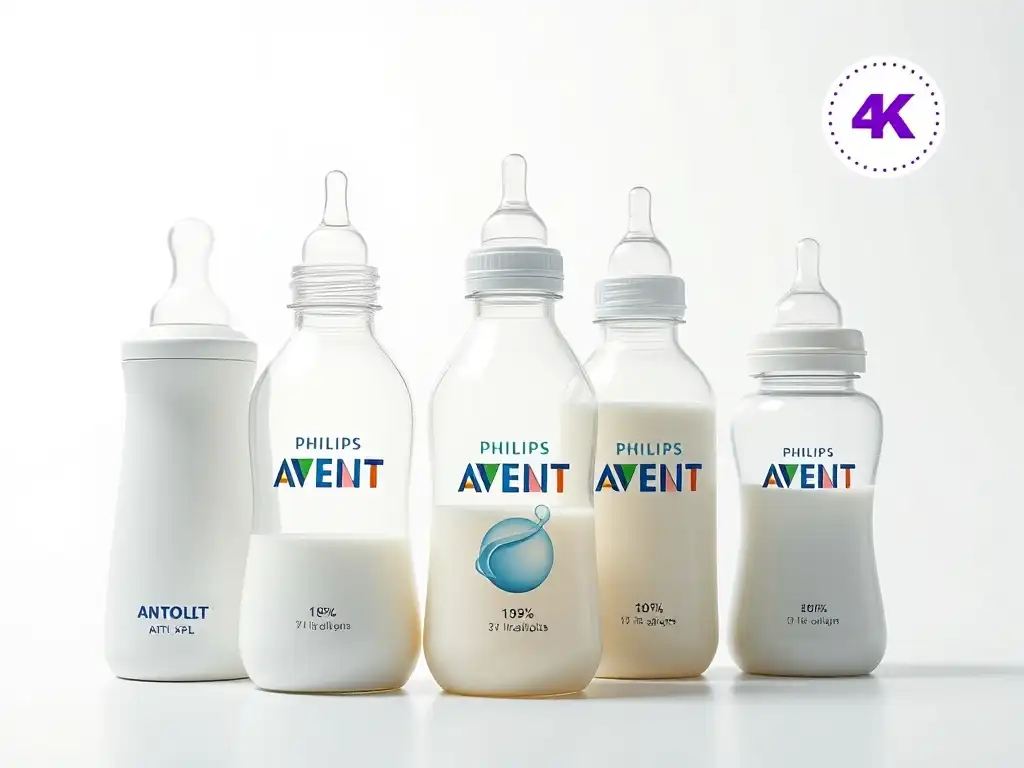
Choosing the best anticolic baby bottle for your little one can feel overwhelming. The market is flooded with options, each boasting unique features designed to reduce colic symptoms. Understanding the different types is crucial to making an informed decision. This section breaks down three popular categories of anti-colic bottles, highlighting their mechanisms and key features. Remember, what works best varies from baby to baby, so patience and experimentation might be necessary.
Best Anti-Colic Bottles with Slow Flow Nipples: Dr. Brown's Options
Dr. Brown's bottles are renowned for their internal vent system that helps reduce air intake during feeding. This minimizes the formation of bubbles in the milk, a common cause of colic. A key feature differentiating Dr. Brown's from other best anticolic baby bottle contenders is their focus on slow flow nipples. These nipples are designed to mimic breastfeeding, promoting a more natural feeding experience and reducing the risk of gulping air.
Several variations exist within the Dr. Brown's line, including options for newborns and older babies. The slow flow nipples are particularly beneficial for newborns and babies prone to spitting up or gas. The gradual flow rate encourages slower, more controlled feeding, minimizing air intake.
The benefits extend beyond colic reduction. Many parents report that Dr. Brown's bottles help preserve the nutrients and vitamins in breast milk or formula. The internal vent system also helps to maintain a consistent temperature throughout the feeding session. However, some parents find the multiple parts require more thorough cleaning and assembly, potentially increasing cleanup time.
While considered a top contender for the title of best anticolic baby bottle, individual results may vary. Some babies may still experience colic despite using Dr. Brown's bottles. It's important to monitor your baby's feeding patterns and adjust accordingly.
Top-Rated Anti-Colic Bottles with Vent Systems: Philips Avent Natural
Philips Avent Natural bottles utilize a unique airflex vent system integrated into the nipple. This system allows air to flow into the bottle, preventing vacuum formation and reducing the amount of air your baby ingests. The design aims for a more natural latch and feeding experience, similar to breastfeeding. This is a crucial aspect for parents seeking a bottle that minimizes disruption to their baby's feeding routine. This is often cited as a key selling point when considering the best anticolic baby bottle.
Unlike some other anti-colic bottles, the Philips Avent Natural bottles generally require less assembly. This can be a significant advantage for busy parents. The simplicity of the design makes cleaning and sterilization relatively straightforward. The wide-neck design also makes filling and cleaning easier.
However, the effectiveness of the vent system may vary depending on the baby's feeding style. Some babies might still experience some air intake, leading to occasional gas or discomfort. The nipple design, while aiming for natural feel, might not suit every baby's preference. Testing different nipple flows might be necessary to find the best fit.
Effective Anti-Colic Bottles with Air Reduction Valves: Tommee Tippee Closer to Nature
Tommee Tippee Closer to Nature bottles feature an innovative air reduction valve system located at the base of the nipple. This valve allows air to enter the bottle, thus reducing pressure and preventing vacuum formation. This mechanism is designed to minimize the ingestion of air during feeding, a primary contributor to colic in infants. This is a strong contender for the title of best anticolic baby bottle due to the simplicity of its design.
The design focuses on mimicking the natural flow of breastfeeding, offering a more comfortable and familiar feeding experience for the baby. The soft silicone nipples are designed to be gentle on baby's gums and palate, and the wide-neck design makes filling and cleaning easy. The bottles are also compatible with Tommee Tippee's extensive range of accessories.
However, some users have reported that the valve system can sometimes leak, requiring careful assembly and cleaning. Additionally, the effectiveness of the air reduction valve can depend on the baby's feeding habits and position during feeding. As with all anti-colic bottles, individual results can vary. Regular monitoring of your baby's feeding and any signs of discomfort remains crucial. This is an important point to consider when deciding on the best anticolic baby bottle.
Comparing Features: Flow Rates, Materials, and Cleaning Ease of Different Anti-Colic Bottles
Choosing the right anti-colic bottle involves considering several key features beyond just the advertised colic-reducing mechanism. Let's delve into the specifics of flow rates, materials, and cleaning ease, crucial aspects impacting both baby's feeding experience and parents' convenience.
Flow Rates: Different babies have different preferences and sucking strengths. Some anti-colic bottles offer adjustable flow rates, allowing you to customize the speed of milk delivery to match your baby's needs. This is particularly beneficial as your baby grows and their sucking ability improves. Newborns often need slower flow rates to prevent choking and avoid swallowing too much air, contributing to colic.
Faster flow rates might be suitable for older babies who feed more quickly. Always check the manufacturer's recommendations for age appropriateness and flow rate settings. Look for bottles clearly labeled with flow rate indicators, such as "slow," "medium," and "fast," or numerical equivalents. A bottle with multiple nipple options is a valuable investment, allowing you to adapt to your baby's changing needs.
Materials: The material of the bottle is another significant factor. Many anti-colic bottles are made from Polypropylene (PP), a durable and BPA-free plastic known for its resistance to high temperatures, making it suitable for sterilization. Glass bottles are another popular choice, offering a non-porous, easily cleanable surface. However, they are more fragile and heavier than plastic alternatives.
Some parents prefer silicone bottles for their flexibility and softness, believing they mimic the feel of a breast more closely. However, silicone can be more prone to staining and might not be as heat-resistant as PP. Consider your priorities – durability, ease of cleaning, weight, and potential environmental impact – when selecting the bottle material. Always check for BPA-free certification to ensure your baby's safety.
Cleaning Ease: Cleaning your baby's bottles thoroughly is essential for hygiene and preventing bacterial growth. Choose bottles with wide-neck openings that are easy to access and scrub. Bottles with fewer parts are generally easier to clean, reducing the risk of trapped milk residue. Some anti-colic bottles have specialized designs that simplify cleaning, such as one-piece valves or self-sterilizing options.
Consider the ease of disassembling and reassembling the bottle, as well as the compatibility with your dishwasher and sterilizer. A time-consuming cleaning process can be a significant burden, especially for busy parents, so prioritizing ease of cleaning can significantly improve your daily routine. Always refer to the manufacturer's instructions for proper cleaning and sterilization techniques to maintain hygiene and prolong the bottle's lifespan. The ease of cleaning is often overlooked but is a key factor in long-term satisfaction with an anti-colic bottle.
Choosing the Best Anti-Colic Bottle for Your Baby's Needs
This section dives deep into the crucial factors you should consider when selecting the best anticolic baby bottle for your little one. Choosing the right bottle can significantly impact your baby's comfort and feeding experience, contributing to a happier and healthier baby. Finding the best anticolic baby bottle is a personal journey, but understanding these key elements will guide you towards making an informed decision.
Factors to Consider When Selecting an Anti-Colic Bottle for Newborns
Selecting the perfect anticolic bottle involves carefully evaluating several key features. The right bottle will depend on your baby's individual needs and preferences, as well as your personal lifestyle and preferences. Let's explore these factors in detail.
Bottle Material: Glass vs. Plastic - Pros and Cons for Anti-Colic Bottles
The choice between glass and plastic anticolic bottles presents a trade-off between durability, safety, and ease of use.
| Feature | Glass Bottle | Plastic Bottle |
|---|---|---|
| Durability | More fragile, prone to breakage | More durable, less prone to breakage |
| Sterilization | Easy to sterilize in boiling water or steam | Can be sterilized using various methods |
| Cleaning | Relatively easy to clean | Can be easier to clean, depending on design |
| Temperature | Can withstand higher temperatures | Some plastics may leach chemicals at high temps |
| Cost | Generally more expensive | Generally less expensive |
| Environmental Impact | Less environmentally friendly (recycling crucial) | Can be more environmentally friendly (depending on material and recycling) |
Glass bottles are known for their inert nature, meaning they don't leach chemicals into the milk. However, they are heavier and more prone to breakage. Plastic bottles, on the other hand, are lighter and more durable but may contain BPA or other potentially harmful chemicals (although BPA-free options are widely available). Always opt for BPA-free plastic if choosing this material. The best choice depends on your priorities and lifestyle.
Nipple Flow Rate Selection Guide for Different Baby Ages
The nipple flow rate is paramount for preventing choking and ensuring efficient feeding. A slow flow is ideal for newborns, while older babies may need a faster flow. Many anticolic bottles offer multiple nipple flow rates, making them adaptable as your baby grows.
Here's a general guideline:
- Newborns (0-3 months): Slow flow nipples are recommended to prevent choking and promote proper latch.
- 3-6 months: A medium flow nipple is usually suitable as the baby's sucking strength increases.
- 6+ months: A faster flow nipple might be needed as the baby's intake increases.
Always observe your baby's feeding behavior. If they seem frustrated or are struggling to feed, consider adjusting the nipple flow rate. Remember, these are guidelines; individual needs vary.
Ease of Cleaning and Sterilization for Anti-Colic Feeding Bottles
Thorough cleaning and sterilization are crucial for maintaining hygiene and preventing bacterial growth. Choose an anticolic bottle that is easy to clean and sterilize, ideally with parts that are dishwasher-safe and can be easily disassembled.
Some bottles have wide-necked designs that make cleaning easier, while others offer specialized brushes for reaching hard-to-clean areas. Consider the ease of assembly and disassembly when assessing the cleaning process. The convenience of sterilization will influence your daily routine.
Addressing Specific Feeding Challenges with Anti-Colic Bottles
Anti-colic bottles are designed to mitigate common feeding issues. Let's explore how different designs address specific challenges.
Reducing Gas and Spit-Up with Anti-Colic Bottle Technology
Many anticolic bottles incorporate innovative designs to reduce gas and spit-up. These features often include:
- Internal vents: These vents allow air to enter the bottle, preventing a vacuum from forming and reducing the ingestion of air.
- Special nipple designs: Some nipples are shaped to minimize air intake during feeding.
- Angled bottles: The angled design can help keep the milk flowing smoothly and reduce air bubbles.
These features work together to minimize gas buildup in your baby's tummy, leading to less fussiness and discomfort. The reduction in swallowed air translates to less gas and spit-up.
Managing Reflux with Specialized Anti-Colic Bottle Designs
Reflux, or the return of stomach contents into the esophagus, can be a significant concern for some infants. Certain anticolic bottle designs can help manage reflux:
- Thicker milk flow: Some bottles offer nipples with thicker milk flows, making it easier for babies to consume their food without overexertion.
- Specific bottle angles: Certain angles can help keep milk in the stomach and prevent it from flowing back up.
- Smaller feeding volumes: Feeding smaller, more frequent amounts can also help minimize reflux episodes.
Consult with your pediatrician if your baby experiences persistent reflux. While anticolic bottles can assist, they may not be the sole solution for severe reflux cases. Remember, always prioritize your baby's health and well-being. Careful observation and professional advice are essential.
Step-by-Step Guide to Using an Anti-Colic Baby Bottle

This section provides a detailed, step-by-step guide on how to properly use an anti-colic baby bottle to maximize its effectiveness in reducing colic symptoms and ensuring comfortable feeding for your baby. Choosing the best anticolic baby bottle is only half the battle; correct usage is crucial. We'll cover preparation, feeding techniques, and burping – essential steps for a successful feeding experience.
Preparing the Anti-Colic Bottle for Feeding
Before each feeding, meticulous preparation is key to preventing colic and ensuring a smooth feeding process. This involves careful cleaning and sterilization, as well as the correct preparation of the formula or breast milk.
First, thoroughly wash all bottle parts (bottle, nipple, ring) with hot, soapy water. A bottle brush is invaluable for reaching all crevices. Pay close attention to the valve system inherent in many anti-colic bottles; these often have small parts that require special care. Rinsing thoroughly is essential to remove all traces of soap.
Next, sterilize the bottle and all its components. You can achieve this through boiling, using a steam sterilizer, or employing microwave sterilizing bags. Follow the manufacturer's instructions for your chosen method. Sterilization is crucial, especially during your baby's first few months, to eliminate harmful bacteria. Remember that proper sterilization is a critical aspect of finding the best anticolic baby bottle experience.
Finally, prepare the formula or breast milk according to the instructions on the packaging. Ensure the temperature is appropriate – neither too hot nor too cold – before pouring it into the sterilized bottle. Avoid shaking the bottle vigorously, as this can introduce air bubbles. Gently swirl the bottle to mix the contents. This careful preparation contributes significantly to a more comfortable feeding session, minimizing the risk of gas and colic.
Correct Bottle Holding Techniques for Reducing Air Intake
The way you hold the bottle during feeding directly impacts your baby's air intake. Incorrect holding can lead to increased gas and discomfort, negating the benefits of your best anticolic baby bottle. Here's how to hold the bottle correctly:
- Keep the nipple full of milk: Ensure the nipple remains fully submerged in the milk throughout the feeding. This prevents your baby from sucking in air along with the milk. Tilt the bottle slightly, keeping the nipple filled.
- Maintain a consistent flow: Adjust the bottle's angle to maintain a steady flow of milk. A slow, consistent flow encourages proper latching and reduces gulping, which can lead to air ingestion.
- Avoid tilting the bottle too much: Over-tilting can cause the milk to flow too rapidly, leading to air ingestion. A gentle tilt is sufficient to keep the nipple filled.
- Hold the bottle close to your baby's mouth: This minimizes the distance the milk has to travel and reduces the chances of air entering the bottle. Support your baby's head and neck, ensuring a comfortable feeding position.
Here's a table summarizing the key points:
| Holding Technique | Description | Impact on Air Intake |
|---|---|---|
| Nipple Full of Milk | Keep the nipple constantly submerged in milk. | Reduces significantly |
| Consistent Flow | Maintain a steady flow of milk to avoid gulping. | Reduces |
| Avoid Excessive Tilting | Avoid tilting the bottle too much to prevent rapid milk flow. | Reduces |
| Bottle Close to Baby's Mouth | Hold the bottle near your baby's mouth to minimize air entry. | Reduces |
Remember, consistent practice of these techniques is crucial for maximizing the effectiveness of your chosen anti-colic bottle in reducing colic symptoms.
Burping Your Baby After Feeding with an Anti-Colic Bottle
Even with an anti-colic bottle, your baby may still swallow some air. Burping is essential to release this trapped air and prevent discomfort.
There are several effective burping techniques:
- Over-the-shoulder burp: Hold your baby upright against your shoulder, supporting their head and back. Gently pat or rub your baby's back.
- Across-the-lap burp: Sit your baby on your lap, supporting their chin and chest. Lean your baby slightly forward and gently pat or rub their back.
- Sitting-up burp: Support your baby in a sitting position on your lap or in an infant seat. Gently rub or pat their back.
Regardless of the method you choose, remember to support your baby's head and neck at all times. Be patient; some babies burp easily, while others may require more time and effort. If your baby doesn't burp after a few minutes, try a different position. Persistent discomfort after feeding could indicate a different issue, and consulting a pediatrician is advisable. Proper burping is an integral part of optimizing the use of your best anticolic baby bottle. The goal is to provide the most comfortable and effective feeding experience for your little one 👶.
Identifying Signs Your Baby Needs a Different Anti-Colic Bottle
Even with the best anti-colic bottle, your little one might still experience discomfort. Recognizing the subtle cues your baby gives can be crucial in determining if a change in bottle type is necessary. Persistent fussiness during and after feeding, despite using an anti-colic bottle, is a significant red flag. This fussiness might manifest as excessive crying, arching of the back, or pulling away from the nipple frequently. These behaviors aren't always indicative of colic, but they could suggest the current bottle isn't effectively addressing your baby's individual needs.
Another key indicator is excessive gas and bloating. While some gas is normal, an unusually large amount, coupled with noticeable abdominal distension, could point towards an incompatibility between your baby's digestive system and the bottle's design. Observe your baby's bowel movements – frequent spitting up or forceful vomiting, combined with inconsolable crying, may warrant a change. This isn't simply about spit-up; we're talking about a volume that suggests a potential issue with the bottle's ability to regulate air intake.
Furthermore, pay attention to your baby's feeding pattern. Is your baby frequently interrupting feeding sessions, seemingly frustrated or in pain? This could stem from the bottle's flow rate being too slow or too fast, leading to frustration and swallowing excessive air. A slow flow might lead to exhaustion, while a fast flow could cause discomfort. Finally, consider the type of nipple.
Certain nipple shapes and materials might better suit your baby's latch and sucking ability. If you notice your baby struggling to latch or exhibiting signs of nipple confusion, it might be time to experiment with different nipple types and flow rates. Remember, patience and observation are key in determining if your baby's needs are being adequately met by their current anti-colic bottle. A small adjustment could make a world of difference in their comfort and feeding experience.
Maintaining Your Anti-Colic Baby Bottle: Cleaning and Sterilization
Proper cleaning and sterilization of your anti-colic baby bottle are crucial for your baby's health and well-being. Neglecting this can lead to bacterial growth and potential illness. This section details best practices to ensure your little one is always fed from a clean and safe bottle.
Best Practices for Cleaning and Sterilizing Anti-Colic Bottles
Maintaining hygiene is paramount when it comes to your baby's feeding equipment. Here's a step-by-step guide to ensure your anti-colic bottle is perfectly clean:
- Immediate Cleaning: After each feeding, rinse the bottle and nipple thoroughly with warm water. This removes any leftover milk residue, preventing bacteria buildup. A quick rinse is better than letting milk sit for hours.
- Disassembly: Carefully disassemble the bottle, separating the nipple, ring, and bottle. This allows for thorough cleaning of all parts. Remember to check the manufacturer’s instructions for specific disassembly guidance, as some anti-colic systems have intricate parts.
- Washing: Use warm, soapy water and a bottle brush to scrub all parts of the bottle, paying close attention to the crevices and valves specific to anti-colic designs. Avoid harsh chemicals or abrasive cleaners.
- Rinsing: Rinse each part thoroughly under running warm water to remove all traces of soap. Ensure no soap residue remains, which can irritate your baby's sensitive mouth.
- Sterilization: Sterilization is essential, especially for newborns. You can choose from several methods: boiling, steaming, using a microwave sterilizer, or an electric sterilizer. Each method has its pros and cons (discussed in the next section). Always follow the manufacturer's instructions for your chosen method.
- Drying: Allow all parts to air dry completely on a clean, sterile surface. Avoid using towels, as they can introduce bacteria. Alternatively, you can use a bottle drying rack.
Following these steps diligently will significantly reduce the risk of contamination and keep your baby healthy. Remember, consistency is key! 🍼
Recommended Sterilizers and Cleaning Products for Baby Bottles
The market offers various sterilizers and cleaning products specifically designed for baby bottles. Choosing the right ones can simplify the cleaning process and ensure optimal hygiene.
Here's a comparison of common sterilization methods:
| Method | Pros | Cons | Suitable for Anti-Colic Bottles? |
|---|---|---|---|
| Boiling | Simple, readily available | Can damage some plastic bottles over time | Yes, but check bottle material |
| Steaming | Effective, preserves bottle integrity | Requires a dedicated steamer | Yes |
| Microwave Sterilizer | Convenient, fast | Can be expensive, may not sterilize evenly | Yes, if microwave-safe |
| Electric Sterilizer | Efficient, consistent sterilization | More expensive, takes up counter space | Yes |
Regarding cleaning products, opt for gentle, baby-safe dish soap. Avoid using harsh chemicals, bleach, or abrasive cleaners, which can damage the bottle and potentially harm your baby. Always rinse thoroughly!
Storage and Care of Anti-Colic Bottles
Proper storage of your clean, sterilized anti-colic bottles is crucial to maintain hygiene between feedings.
- Clean and Dry Storage: Store clean and dry bottles in a clean, airtight container or cabinet. This prevents dust and other contaminants from settling on them.
- Avoid Direct Sunlight: Keep bottles away from direct sunlight to prevent degradation of the materials, especially plastic bottles.
- Regular Inspection: Regularly inspect bottles for any cracks, chips, or damage. Discard any damaged bottles immediately.
- Replacement Schedule: Even with proper care, anti-colic bottles should be replaced periodically, typically every 3-6 months, depending on usage and material. Check the manufacturer's recommendations for specific guidelines.
Remember, maintaining your anti-colic bottles properly is an investment in your baby's health. By following these guidelines, you can ensure your little one enjoys every feeding from a clean and safe bottle, contributing to their overall well-being and reducing colic discomfort. ✨
Frequently Asked Questions about Anti-Colic Baby Bottles
This section addresses common queries regarding the use of anti-colic baby bottles. Choosing the right bottle can significantly impact your baby's comfort and feeding experience. Let's delve into some frequently asked questions to help you navigate this important aspect of baby care.
How long should I use an anti-colic bottle?
The duration of anti-colic bottle use depends largely on your baby's individual needs and whether colic symptoms persist. While some babies may outgrow colic and associated symptoms within the first few months, others might require the specialized design of an anti-colic bottle for a longer period. There's no magic number; it's all about observing your baby's cues.
If your baby is showing signs of discomfort during feeding, such as excessive fussiness, gas, or spitting up, continue using the anti-colic bottle. However, if your baby seems content and comfortable with a standard bottle after a few weeks or months, you can gradually transition. Always prioritize your baby's comfort and well-being. Remember, consistency is key – sticking with one type of bottle for a while can help you identify if it's truly effective for your little one.
Observe feeding patterns, noting frequency, duration, and post-feeding behavior for a clearer picture. If you notice a significant improvement with the anti-colic bottle, you may continue to use it until your baby is around six months old, or even longer, depending on individual needs. However, always consult your pediatrician if you have any concerns.
Can I use an anti-colic bottle with breast milk?
Absolutely! Many parents successfully use anti-colic bottles with breast milk. The design of these bottles is primarily focused on reducing air intake during feeding, not on altering the milk itself. However, it's important to choose a bottle that is compatible with breast milk and that doesn't interfere with the natural flow.
Some mothers find that certain anti-colic bottle nipples mimic the latch and flow of breastfeeding better than others. Experimentation might be needed to find the perfect fit for both you and your baby. Always ensure the bottle and nipple are properly cleaned and sterilized before each use, whether you are using formula or breast milk. Proper hygiene is crucial for preventing bacterial contamination and maintaining your baby's health. Remember, a clean bottle is crucial for both formula and breast milk feeding.
My baby still has colic, what should I do?
If your baby continues to experience colic symptoms despite using an anti-colic bottle, it's essential to consult your pediatrician. Colic can sometimes indicate an underlying issue that requires professional medical attention. While anti-colic bottles can be very helpful, they are not a guaranteed solution for every baby.
Your pediatrician can perform a thorough examination to rule out any medical conditions and provide personalized advice. They may suggest additional strategies to manage colic, such as dietary changes (if breastfeeding), adjustments to feeding techniques, or other comfort measures. Remember, you are not alone in this journey. Seeking professional help is a sign of responsible parenting and can provide you with the support and guidance you need to help your baby.
Don't hesitate to reach out to your healthcare provider; their expertise is invaluable in addressing your baby's specific needs. Keep a detailed record of your baby's feeding habits, bowel movements, and sleep patterns to share with your doctor. This information can be incredibly useful in diagnosing and treating colic.
Conclusion: Finding the Perfect Fit for You and Your Baby
Choosing the best anticolic baby bottle for your little one can feel overwhelming, but by carefully considering the factors discussed throughout this guide, you're well-equipped to make an informed decision. Remember, there's no single "best" bottle for every baby; the ideal choice depends on your baby's individual needs and your preferences as a parent. Trial and error might be necessary, and that's perfectly okay. The most important aspect is finding a bottle that minimizes colic symptoms and promotes comfortable feeding for both you and your baby.
Prioritizing a bottle that's easy to clean and sterilize will also save you valuable time and effort in your already busy schedule. Don't hesitate to consult your pediatrician if you have concerns about colic or feeding difficulties. They can provide personalized advice and address any specific issues your baby might be experiencing. Remember, a happy, well-fed baby is a happy family!
Recap of Key Considerations for Choosing the Right Anti-Colic Baby Bottle
Before making a purchase, revisit these key elements that significantly influence a bottle's effectiveness in reducing colic:
- Valve System: Understanding the different valve systems – including vented, air-free, and slow-flow – is crucial. Each system works differently to reduce air intake, so consider your baby's feeding habits and preferences. For example, babies with a fast suck might benefit from a slow-flow system to prevent gulping.
- Nipple Shape and Size: The nipple's shape and size directly impact your baby's latch and comfort. Experiment with different shapes (e.g., orthodontic, wide-neck) and sizes to discover what works best for your baby. A poor latch can contribute to colic, so finding the right fit is essential.
- Material: The material of the bottle—silicone, glass, or plastic—affects durability, ease of cleaning, and potential for leaching of chemicals. Weigh the pros and cons of each material before making your decision. Consider factors such as BPA-free certification and ease of sterilization.
- Ease of Cleaning and Sterilization: A bottle that's easy to clean and sterilize will save you significant time and effort in the long run. Look for bottles with wide necks and simple designs that are compatible with your preferred sterilization method (e.g., dishwasher, steamer).
- Price and Value: While price shouldn't be the sole deciding factor, consider the overall value and durability of the bottle. A more expensive bottle might offer superior features or longer lifespan, justifying the higher cost.
Remember, consistent and patient observation of your baby's feeding and behavior is essential. Take notes on what works best and what doesn't. This will aid you in finding the perfect bottle for your baby's unique needs. Consider keeping a feeding journal to track feeding times, amounts, and any observed signs of colic. This data can be invaluable when discussing concerns with your pediatrician.
Where to Buy the Best Anti-Colic Baby Bottles (Affiliate Links)
[This section would contain affiliate links to retailers selling the discussed anti-colic baby bottles. Due to the instructions to avoid links, this section is left blank. Note that this section is crucial for monetization and should be populated with relevant affiliate links in the final published article.]
Frequently Asked Questions
What is an anti-colic baby bottle?
Anti-colic bottles are designed to reduce air intake during feeding, minimizing the risk of colic symptoms like fussiness, gas, and spitting up. They achieve this through specialized vents, valves, or shapes.
How do I choose the best anti-colic bottle for my baby?
Consider your baby's individual needs and preferences. Look for bottles with features like slow-flow nipples, easy-to-clean designs, and materials that are BPA-free and safe. Trial and error may be necessary.
Are all anti-colic bottles the same?
No, anti-colic bottles vary significantly in their design and functionality. Some use vents, others use internal valves, and some focus on bottle shape to minimize air intake. Read reviews to find the best fit for your baby.
What if my baby still has colic even with an anti-colic bottle?
While anti-colic bottles can help, they aren't a guaranteed solution for all babies. If your baby continues to experience colic, consult your pediatrician to rule out other underlying issues and explore additional strategies.
Can I use any type of nipple with an anti-colic bottle?
It's generally recommended to use the nipple specifically designed for your chosen anti-colic bottle. Using a different nipple might compromise the bottle's anti-colic functionality and potentially increase air intake.
Final Reflection: The Lasting Legacy of a Peaceful Feeding Time
The quest for the perfect anticolic bottle isn't just about finding the right product; it's about fostering a calmer, more connected experience for both parent and baby. The seemingly simple act of feeding transforms into a profound moment of bonding, and the right tools can significantly impact this crucial interaction. Choosing wisely can mean the difference between a peaceful evening and a night of restless frustration.
The impact of colic on a family's well-being is immeasurable. The constant crying, the sleepless nights, the worry – it takes a toll on everyone involved. The most important thing a father can do for his children is to love their mother.
While this quote speaks to a broader family dynamic, its essence applies here: a peaceful feeding experience, facilitated by the right bottle, contributes significantly to a more harmonious family life. This isn't just about product reviews; it's about recognizing the profound impact of a parent's journey and the tools that can ease its challenges.
Consider the journey you've embarked on. You've learned about different bottle designs, flow rates, and materials. Now, take this knowledge and apply it to your unique situation. Don't be afraid to experiment, to trust your instincts, and to prioritize what works best for your little one. Remember, there's no one-size-fits-all solution, but with informed choices, you can create a feeding experience that nurtures both your baby and your relationship. Embrace the journey, celebrate the small victories, and remember that you are doing an incredible job.
Unlock Your Baby's Comfort: Find the Perfect Bottle Today!
Thank you for exploring the world of anti-colic baby bottles! We hope this guide has empowered you to make a confident choice for your little one. Now, let's put that knowledge into practice.
- Understand Your Baby's Needs: Consider your baby's individual feeding habits and any challenges you've encountered. Does your baby often suffer from gas or spit up? Do they seem to prefer a slower or faster flow? These observations will guide your decision.
- Explore Your Options: Don't hesitate to explore a wide range of brands and bottle designs. You might discover innovative features or lesser-known brands that perfectly suit your baby's needs.
- Share Your Journey: Connect with other parents in our online community at BabyCareHub.org. Share your experiences, ask questions, and learn from others' successes and challenges.
What features are you most looking forward to trying in your next anti-colic bottle?