
Decoding Diaper Bags: What You REALLY Need Inside

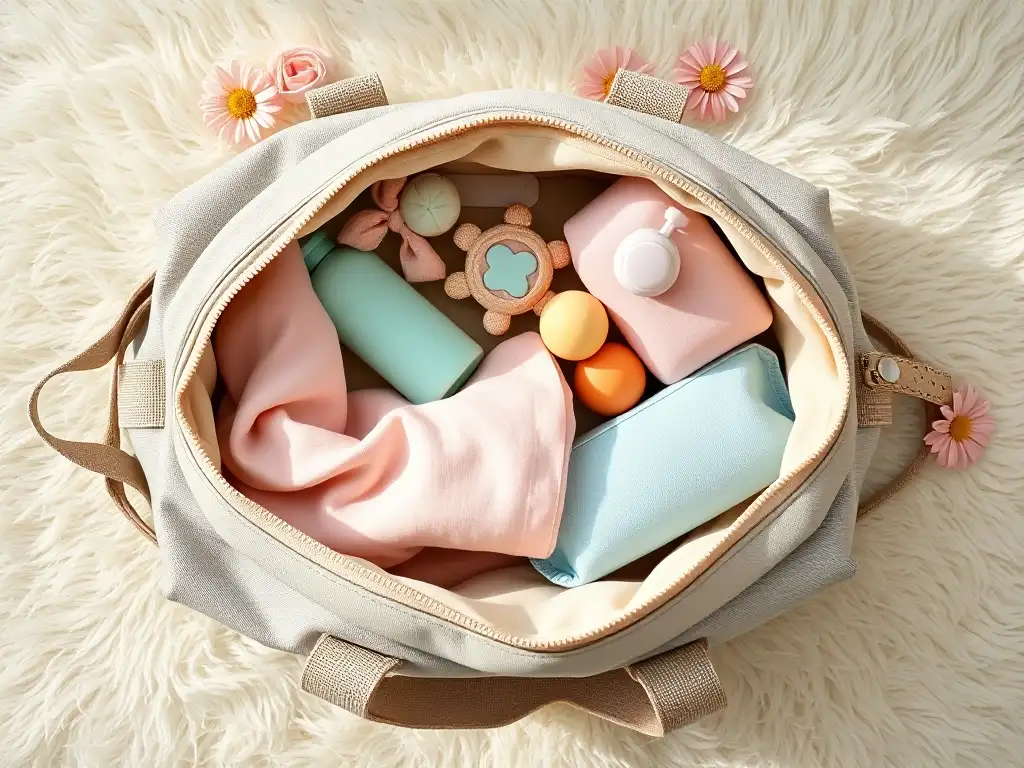
Welcome to BabyCareHub, your ultimate guide to navigating the exciting (and sometimes overwhelming!) world of parenthood. Are you ready to embark on this incredible journey? We're here to help you every step of the way, providing expert advice and practical tips for all aspects of baby care. But first, let's tackle a crucial element of those first few months – preparing your diaper bag. Discover our Essential Diaper Bag Checklist and ensure you're equipped for any adventure, big or small. Let's dive in!
- The Ultimate Essential Diaper Bag Checklist for New Parents
- Beyond the Basics: Feeding Essentials for On-the-Go
- Outfit Changes and Weather Protection: Packing for All Occasions
- Comfort and Entertainment: Keeping Baby Happy and Calm
- First Aid and Hygiene for Peace of Mind
- Organization and Accessibility: Tips for a Streamlined Diaper Bag
- Choosing the Right Diaper Bag: Size, Style, and Features
- Creating Your Personalized Diaper Bag Packing List
- Frequently Asked Questions
- Final Reflection: Beyond the Bag: A Journey of Parenthood Preparedness
- Unleash Your Diaper Bag Zen: Simplify & Conquer!
The Ultimate Essential Diaper Bag Checklist for New Parents
Navigating the world of parenthood for the first time can feel overwhelming, and packing the perfect diaper bag is no exception! This comprehensive guide will help you avoid unnecessary bulk and ensure you're prepared for every diaper change, feeding, and unexpected situation. We'll delve into the essentials, offering practical advice and insights to make your diaper bag a well-organized and efficient lifeline during those busy early months.
This checklist focuses on creating a truly essential diaper bag, not one overloaded with unnecessary items. Remember, a lighter bag is a happier parent! We'll cover everything from diaper selection and rash cream choices to the best methods for managing waste and keeping your little one comfortable.
By the end, you'll be confident in assembling a diaper bag that's perfectly tailored to your needs and your baby's. This guide aims to help you create an Essential diaper bag checklist that will become your go-to resource for every outing.
Must-Have Diapers and Wipes: Quantity and Types
The foundation of any diaper bag is, of course, diapers and wipes! But choosing the right quantity and type can make a big difference. The number of diapers you need depends on your baby's age and frequency of changes. Newborns, for example, typically require more changes than older babies.
- Quantity: For a shorter outing (a few hours), pack 6-8 diapers. For a full day out, aim for 10-12, plus a couple of extra. Always err on the side of caution!
- Type: Consider your baby's skin sensitivity. Some babies react better to specific brands or materials (e.g., cloth diapers, hypoallergenic options). Keep a variety of diaper sizes on hand if your baby is nearing a size change.
- Wipes: Pack a generous supply of baby wipes. Look for options that are fragrance-free and hypoallergenic to minimize the risk of irritation. Consider bringing a small, resealable container of water to use with cloth wipes for a more eco-friendly and budget-friendly option.
Remember to regularly check your diaper bag's contents and replenish as needed. Running out of diapers when you're out and about is a scenario every parent wants to avoid! 👶
Choosing the Right Diaper Rash Cream: Brands and Types
Diaper rash is a common occurrence, but choosing the right cream can significantly reduce its severity and duration. Several factors influence the effectiveness of a diaper rash cream:
- Ingredients: Look for creams containing zinc oxide, which is known for its barrier properties. Avoid creams with fragrances or harsh chemicals, as these can irritate sensitive skin.
- Brand Recommendations: [Specific brand recommendations pending – research needed on popular and effective brands with varying price points].
- Types: Pastes, ointments, and creams offer varying levels of protection and ease of application. Experiment to find what works best for your baby.
- Application: Apply a thin layer of cream at each diaper change, particularly if your baby shows signs of redness or irritation.
A good diaper rash cream is an invaluable asset in your diaper bag arsenal. Remember to always consult your pediatrician if a rash persists or worsens.
Essential Diaper Changing Supplies: Pad, Bags, etc.
Beyond diapers and wipes, several other items make diaper changes easier and more hygienic:
- Changing Pad: A portable changing pad provides a clean and comfortable surface for changing diapers on the go. Many diaper bags include built-in changing pads, but a separate, waterproof pad is beneficial for extra hygiene.
- Diaper Rash Cream: As mentioned above, always have diaper rash cream readily available.
- Waste Bags: Disposable waste bags are essential for disposing of soiled diapers hygienically, especially when you're away from a trash can.
- Hand Sanitizer: Keeping your hands clean is crucial for preventing the spread of germs. Choose an alcohol-based hand sanitizer that is safe for use around babies.
- Extra Outfit: Accidents happen! Always pack an extra outfit or two to handle unexpected messes.
Having these supplies organized and readily accessible in your diaper bag will help you navigate any diaper change situation with ease and confidence. Remember, preparedness is key to a stress-free outing with your little one! 🎉
Beyond the Basics: Feeding Essentials for On-the-Go
This section delves into the often-overlooked feeding necessities for your diaper bag, ensuring you're prepared for any feeding situation, whether breastfeeding or formula-feeding. Remember, preparedness is key to a stress-free outing with your little one! This detailed Essential diaper bag checklist will help you pack efficiently.
Bottles and Formula: Preparing for Feedings Away From Home
Preparing formula for your baby while you're out and about requires careful planning and the right equipment. Forget the hassle of measuring powder on the go! Pre-measured formula is your best friend. Consider using pre-mixed formula bottles or individual formula pods. These eliminate the need for water and measuring, simplifying the process significantly.
For older babies who drink milk from a bottle, consider packing enough bottles for at least two feedings, plus an extra. This accounts for spills or unexpected delays. Don't forget bottle brushes and a small container of soap or sanitizing wipes for cleaning. A small, portable cooler bag will help keep your pre-mixed formula or milk cold.
Here's a sample packing list for formula-fed babies:
| Item | Quantity | Notes |
|---|---|---|
| Pre-mixed Formula Bottles | 2-3 | Choose a size appropriate for your baby's feeding volume. |
| Formula Pods | 2-3 | A convenient alternative to pre-mixed bottles. |
| Bottle Brush | 1 | Essential for cleaning bottles on the go. |
| Baby Soap/Sanitizing Wipes | 1 small container | For quick and easy cleaning. |
| Cooler Bag | 1 | To keep formula or milk at the correct temperature. |
Remember to always check the expiration date on your formula before leaving home. Always prioritize hygiene when preparing and handling your baby's formula.
Breastfeeding Supplies: Nursing Pads, Cover, etc.
For breastfeeding mothers, packing the right supplies can make all the difference in maintaining comfort and hygiene. While you might not need as much as formula-feeding parents, the right items can transform a public nursing experience.
Beyond the basics of nursing pads (pack several! ), consider including a nursing cover for privacy. A lightweight, breathable cover is preferable for warmer weather. Some mothers find a small, soft blanket a useful alternative. A small hand sanitizer is also extremely important for maintaining hygiene, especially when handwashing facilities are unavailable.
A reusable, washable nursing cover is an eco-friendly and cost-effective option. If you use disposable nursing pads, remember to pack a small plastic bag for disposal. Remember to pack extra nursing pads, as leaks can happen unexpectedly.
Snacks and Drinks for Baby and Parent: Suggestions and Considerations
Don't forget about the adults! Packing snacks and drinks for yourself is just as important as packing for your baby. A hungry, tired parent is less likely to cope well with a fussy baby. Plan ahead and pack healthy snacks that are easy to eat on the go. This is a crucial part of your Essential diaper bag checklist.
For your baby, consider age-appropriate snacks such as puffs (if they're old enough), soft fruits (cut into small pieces), or teething biscuits. Always supervise your baby while they are eating. Bring water or a suitable drink for your baby in a spill-proof sippy cup.
Here are some suggestions for parent and baby snacks:
- For Baby: Fruit pouches (check for age appropriateness! ), soft cooked vegetables, teething biscuits.
- For Parent: Energy bars, fruit, nuts, crackers, water bottle.
Remember to choose snacks that are not messy and easy to clean up. Always consider potential allergies when choosing snacks for your baby. This planning is an important aspect of your overall Essential diaper bag checklist. 🍼
Outfit Changes and Weather Protection: Packing for All Occasions
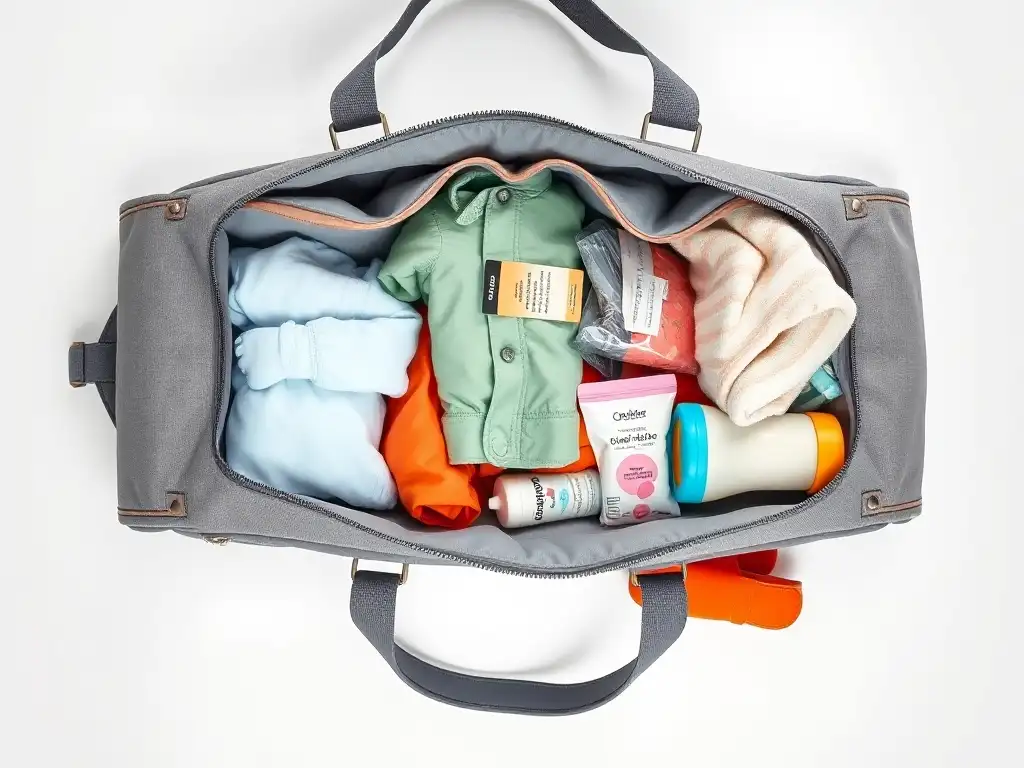
This section focuses on ensuring your little one stays comfortable and protected, regardless of the weather or unexpected spills. A well-stocked diaper bag means being prepared for anything – from a sudden temperature drop to a messy feeding incident. Remember, over-packing is better than under-packing when it comes to baby essentials! This checklist will guide you towards creating an essential diaper bag checklist for clothing and weather protection.
Baby Clothes: Number and Types of Outfits
The number of outfit changes you need depends on your baby's age and activity level. Newborns, especially, are prone to spit-up and accidents. A good rule of thumb is to pack at least two complete changes of clothes. This includes:
- Bodysuits: At least two, preferably three, to account for spills and blowouts. Snap-up onesies are easier to manage than pull-over styles.
- Pants or Leggings: One or two pairs, depending on the season and your baby's tendency to get messy.
- Socks or Booties: These are crucial for warmth, especially in colder months. Pack at least one extra pair.
- Outerwear: This will vary depending on the season (see below).
Consider the fabric of the clothing. Opt for soft, breathable materials like cotton. Avoid anything too bulky or restrictive. Remember, comfort is key for your little one! For example, if you anticipate a longer outing, pack three complete sets of clothing. This avoids stress and ensures your baby remains comfortable throughout the day. Planning ahead based on your baby's habits and the day's activities is crucial to building your essential diaper bag checklist.
Weather-Appropriate Gear: Jacket, Hat, etc. based on season
Your baby's clothing needs will differ greatly based on the season. Always check the weather forecast before heading out and pack accordingly. Here's a seasonal guide:
| Season | Essential Items | Additional Considerations |
|---|---|---|
| Summer | Lightweight cotton outfit, sun hat, sunscreen | Cooling blanket, extra burp cloths |
| Autumn | Light jacket or sweater, long-sleeved outfit | Waterproof outerwear, booties, extra layers |
| Winter | Warm jacket, hat, mittens, scarf, booties | Thermal layers, fleece blanket, extra socks, waterproof pants |
| Spring | Light jacket or sweater, long-sleeved outfit | Rain jacket, umbrella, extra layers in case of cooler temps |
Always prioritize layering. This allows you to adjust your baby's clothing based on the changing temperatures throughout the day. A lightweight, breathable blanket is also a great addition to your bag year-round. This ensures you're always prepared for variations in temperature.
Protecting Baby from Sun and Elements: Sunscreen, Hat, etc.
Protecting your baby's delicate skin from the sun's harmful rays is paramount. Even on cloudy days, UV rays can penetrate, so sunscreen is an essential part of your essential diaper bag checklist.
- Sunscreen: Use a broad-spectrum, high-SPF (30 or higher) sunscreen specifically formulated for babies. Apply liberally 15-30 minutes before sun exposure and reapply every two hours, or more frequently if swimming or sweating.
- Sun Hat: A wide-brimmed hat provides excellent protection for your baby's face, ears, and neck.
- Sunglasses: While not always necessary, sunglasses can help protect your baby's eyes from the sun's glare, especially on bright days. Choose a pair with 100% UV protection.
Remember, prevention is key. Seek shade whenever possible, especially during peak sun hours (10 am to 4 pm). By carefully considering these factors and creating a comprehensive essential diaper bag checklist, you can ensure your baby stays safe, comfortable, and protected from the elements.
Comfort and Entertainment: Keeping Baby Happy and Calm
This section focuses on the crucial aspect of keeping your baby comfortable and entertained while on the go. A well-stocked diaper bag doesn't just cater to hygiene needs; it also prioritizes your little one's emotional well-being. We'll explore the essential items that contribute to a happy and calm baby, even during unexpected delays or outings. Remember, a content baby translates to a more relaxed parent!
Toys and Comfort Items: Pacifiers, Teethers, etc.
Choosing the right toys and comfort items for your diaper bag is key to managing fussiness. Consider your baby's age and developmental stage. For newborns, pacifiers are a lifesaver, offering a soothing sensation during feeding or when they need comfort. Ensure you have at least two or three, in case one gets lost or dropped.
As your baby grows, teethers become increasingly important to alleviate teething pain. Opt for teethers made of safe, non-toxic materials, and consider different textures and shapes to appeal to their developing senses. A small, soft toy, easily washable, can also provide comfort and a familiar sense of security.
Remember to regularly clean these items to maintain hygiene. A small, portable sanitizing wipe container is a smart addition to your diaper bag for quick clean-ups on the go. Consider variations in material; silicone teethers are easy to clean and durable, while fabric toys offer a different tactile experience. Always check for any small parts that could pose a choking hazard, especially as your baby gets older.
Books and Entertainment: Age-Appropriate Options
While you might not think of books as "essentials," age-appropriate books and interactive toys can be invaluable in keeping your baby entertained during longer outings or while waiting for appointments. For newborns and very young infants, high-contrast books are ideal for stimulating their visual development. As they grow, consider board books with simple, engaging pictures and textures. Small, soft books are also a safer option, minimizing the risk of damage if dropped or chewed on.
Remember to select books made from durable, non-toxic materials that can withstand plenty of handling and drool! Consider including a small, quiet toy that engages their senses, such as a crinkle toy or a rattle. Variety is key; having a few different options ensures that your baby stays interested and engaged, preventing boredom and potential meltdowns. Keep in mind the size and weight of these items to avoid overloading your diaper bag.
Blankets and Swaddles: For Comfort and Warmth
A soft, lightweight blanket or swaddle is a must-have for your diaper bag, providing comfort and warmth for your baby, especially in air-conditioned environments or during unpredictable weather changes. A muslin swaddle is a versatile option, offering breathability and softness. For older babies, a smaller, lightweight blanket is sufficient. Choose materials that are soft against your baby's delicate skin and easy to wash.
Consider the season and weather conditions when choosing a blanket. A thinner muslin blanket is perfect for warmer weather, while a slightly thicker fleece blanket can offer extra warmth during colder months. Always prioritize safety; ensure that the blanket is securely fastened and doesn't pose a suffocation risk. Remember to choose a size that's manageable for your diaper bag, avoiding overly bulky items that take up too much space. A compact, foldable blanket is ideal for easy storage and portability. Having a backup blanket is also a smart idea for unexpected spills or messes.
First Aid and Hygiene for Peace of Mind
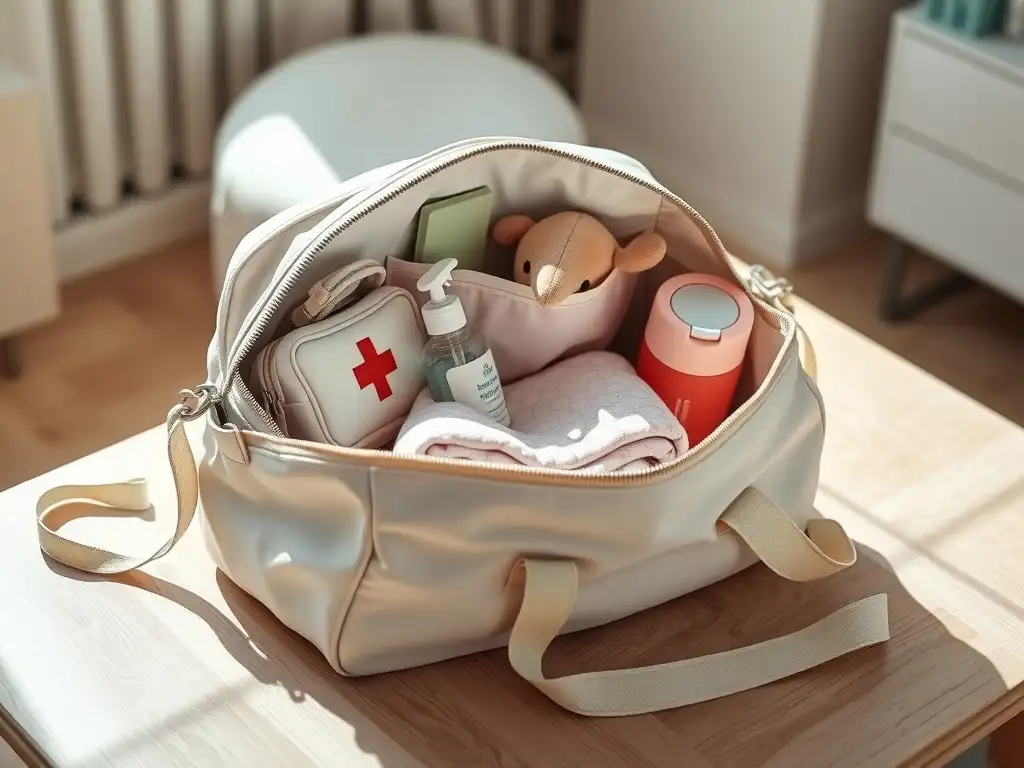
Accidents happen, especially with little ones constantly exploring their world. Being prepared for minor mishaps is crucial for maintaining peace of mind, and a well-stocked diaper bag plays a vital role in this. This section focuses on the essential first-aid and hygiene items you should always include in your diaper bag, ensuring you're ready to handle common situations effectively and safely. This detailed checklist will help you curate an essential diaper bag checklist for your baby's needs, prioritizing both safety and convenience.
Baby First-Aid Kit Essentials: Detailed List
A dedicated baby first-aid kit within your diaper bag is non-negotiable. Don't rely on a general first-aid kit; a baby-specific kit ensures you have the right tools and supplies readily available. Here's a detailed list of what to include:
- Thermometer: A digital thermometer is quickest and easiest to use for accurate temperature readings. Consider a temporal artery thermometer for quick, non-invasive readings.
- Infant Acetaminophen (Paracetamol) or Ibuprofen (check with your pediatrician): Always check with your pediatrician before administering any medication to your baby and follow dosage instructions meticulously. Note: Never give aspirin to a child.
- Antiseptic wipes or cotton balls and rubbing alcohol (for cleaning minor wounds): These are crucial for cleaning minor scrapes and cuts. Ensure the alcohol is diluted appropriately if using cotton balls.
- Sterile gauze pads and bandages: Various sizes are useful for covering wounds of different sizes.
- Tweezers (for removing splinters): Small, blunt-ended tweezers are ideal for safely removing splinters.
- Petroleum jelly: Soothes chapped lips and minor skin irritations.
- Small pair of scissors (with rounded tips): Essential for cutting bandages or clothing if needed.
- Instruction sheet: Include a small, printed sheet with emergency contact information and dosage instructions for any medications included.
Remember to always check the expiration dates of medications and replace them as needed. It's also a good idea to familiarize yourself with basic first aid techniques for infants before you need to use them. This proactive approach significantly reduces stress and ensures your baby receives prompt and appropriate care. Consider taking a first aid course specifically designed for infants and children.
Hand Sanitizer and Disinfectant Wipes: Importance and Usage
Maintaining hygiene is paramount, especially when dealing with a baby who's constantly touching surfaces. Including hand sanitizer and disinfectant wipes in your diaper bag provides a crucial layer of protection against germs and bacteria.
Hand sanitizer should be alcohol-based (at least 60% alcohol) and suitable for sensitive skin. Always supervise young children when using hand sanitizer to prevent accidental ingestion. Remember that hand sanitizer is a supplement to, not a replacement for, proper handwashing.
Disinfectant wipes are invaluable for quickly cleaning surfaces your baby might come into contact with, such as changing tables, shopping cart handles, or highchair trays. Choose wipes that are gentle on baby's skin and effective against common bacteria and viruses. Look for wipes specifically labeled as "antibacterial" or "disinfectant."
Further Considerations for Hygiene
Consider including a small container of baby wipes specifically designed for sensitive skin. These are gentler than standard cleaning wipes and can be used for cleaning your baby's hands and face. Also, packing a small, resealable bag for soiled clothes or diapers prevents the spread of germs and keeps your diaper bag organized.
The combination of a comprehensive first-aid kit and readily available hygiene products ensures you're prepared for various scenarios, promoting a healthy and safe environment for your little one. This proactive approach contributes significantly to your overall peace of mind, allowing you to focus on enjoying precious moments with your baby.
Organization and Accessibility: Tips for a Streamlined Diaper Bag
Efficient organization is key to a stress-free diaper bag experience. A well-organized bag allows for quick access to essentials, minimizing frustration during those crucial moments when a diaper change or a quick feeding is needed. The goal isn't just to have the items, but to have them readily available.
This section focuses on strategies to maximize your diaper bag's functionality and minimize the chaos. Remember, a well-organized diaper bag contributes significantly to a smoother parenting journey, freeing you to focus on bonding with your little one. This is especially important for first-time parents navigating the often overwhelming world of baby care.
Compartmentalization Strategies: Using dividers and organizers
Effective compartmentalization is the cornerstone of a well-organized diaper bag. Instead of a jumbled mess, consider using various organizers and dividers to create dedicated spaces for different items. Think of it like creating mini-stations within your larger bag. For example, a separate section for diapers and wipes, another for changes of clothes, and yet another for feeding supplies.
Several options exist to achieve this:
- Hanging organizers: These often feature multiple pockets and compartments, hanging from the inside of the bag. This keeps everything upright and easily visible.
- Waterproof zip bags: Perfect for containing messy items like soiled clothes or used wipes, preventing them from contaminating other things. These bags offer an extra layer of hygiene and organization.
- Small containers and boxes: Use small, stackable containers to hold smaller items such as pacifiers, teething toys, or ointments. This keeps things contained and prevents them from getting lost in the bag's depths.
- Diaper caddy: A dedicated diaper caddy is a great option for keeping diapers, wipes, and diaper rash cream all together and easily accessible.
By employing these strategies, you'll transform your diaper bag from a chaotic jumble into a well-oiled machine, ready for any situation. The improved accessibility will save you precious time and energy.
Easy-Access Pockets for Frequently Used Items: Examples
Quick access to frequently used items is paramount. Imagine needing a diaper and wipes in a hurry – fumbling through a disorganized bag is the last thing you want. Strategic placement of frequently used items in easily accessible pockets is crucial.
Here are some examples of items that deserve prime real estate in your diaper bag's easily accessible pockets:
- Wipes: Keep a pack of wipes in an exterior pocket for immediate access. Baby wipes are used constantly, so instant access is essential.
- Diapers (a few): Keep a couple of diapers in a dedicated, easily accessible pocket for rapid diaper changes. This prevents having to dig through the entire bag every time a change is needed.
- Hand sanitizer: Hygiene is key, so keep a small bottle of hand sanitizer in an easily accessible pocket. This is especially important when changing diapers on the go.
- Small, portable changing pad: A compact changing pad is ideal for quick changes in inconvenient locations.
Prioritize easy access for these items to streamline your diaper-changing routine and enhance your overall diaper bag experience. Think about the items you use most often and position them accordingly.
Keeping the Bag Clean and Hygienic: Cleaning tips and tricks
Maintaining a clean and hygienic diaper bag is essential for your baby's health and well-being. Diaper bags are breeding grounds for bacteria and germs if not properly cleaned. Regular cleaning prevents the spread of germs and keeps your baby safe.
Here's a simple cleaning routine to follow:
- Daily wipe-down: Wipe down the interior of your bag with a disinfecting wipe after each use, focusing on areas that come into contact with soiled items.
- Weekly deep clean: Once a week, empty the bag completely and wash it thoroughly. Follow the manufacturer's instructions for cleaning. For fabric bags, you can usually machine wash them. For waterproof bags, a simple wipe down with a disinfectant may suffice.
- Air it out: After cleaning, leave the bag open to air out completely before packing it again. This helps to prevent the growth of mold and mildew.
- Replace soiled items promptly: Don't let soiled clothing or used wipes linger in the bag for extended periods. Dispose of them immediately to maintain hygiene.
By following these simple steps, you can ensure your diaper bag remains a clean and safe environment for your baby's essentials. Remember, a clean diaper bag is a happy baby!
Choosing the Right Diaper Bag: Size, Style, and Features
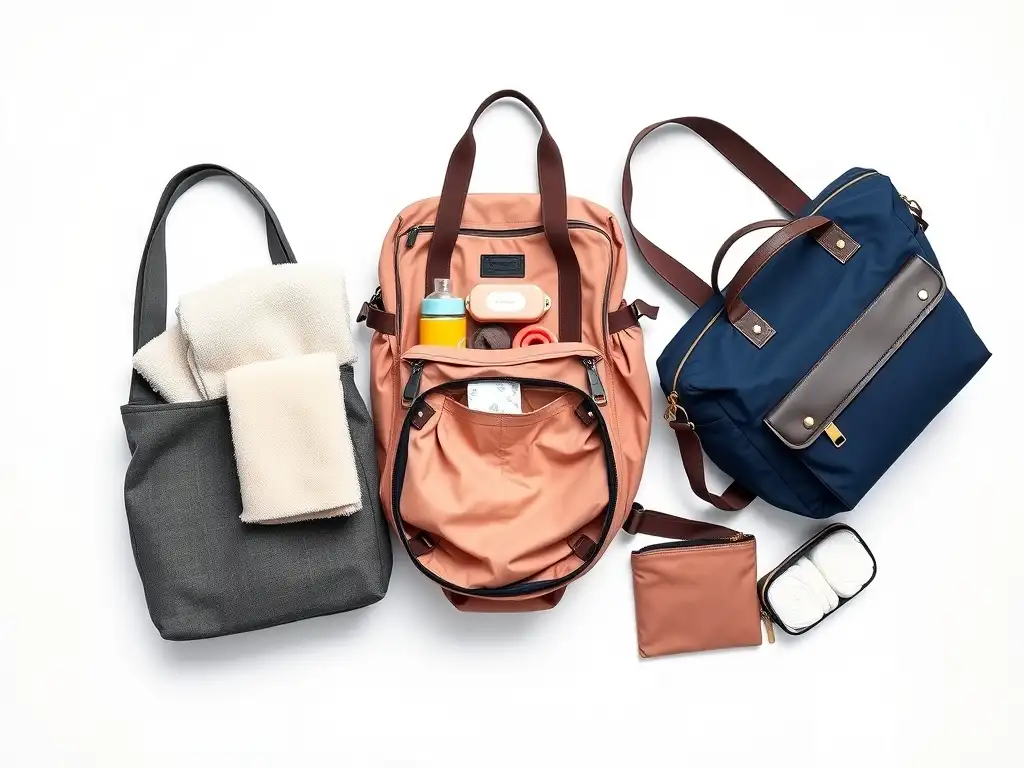
Choosing the right diaper bag is crucial for navigating the world of parenthood with ease. The ideal bag isn't just about aesthetics; it's about functionality and practicality, ensuring you have everything you need readily accessible for your little one. Consider your lifestyle and the typical length of your outings when determining the optimal size and style. Overpacking a small bag is just as inconvenient as struggling to find essentials in an oversized one. Think about your daily routine: Are you a frequent traveler? Do you need space for extra clothes, toys, or snacks? This will significantly impact your choice.
Backpack vs. Tote: Advantages and Disadvantages
The age-old debate: backpack or tote? Both offer unique advantages, and the best choice depends on personal preference and typical outings.
| Feature | Backpack | Tote |
|---|---|---|
| Hands-Free | ✅ Excellent, leaves hands free for baby | ❌ Requires carrying, can be cumbersome |
| Weight Distribution | ✅ Even weight distribution | ❌ Weight can be uneven, causing strain |
| Capacity | Varies greatly, can be very spacious | Varies greatly, often more shallow |
| Style | More casual, sporty | More stylish, professional |
| Organization | Often includes multiple compartments | Organization varies, may require inserts |
Backpacks: Offer superior hands-free convenience, especially beneficial during outings involving walking or carrying your baby. The even weight distribution minimizes strain on your shoulders and back. However, accessing items at the bottom of a heavily packed backpack can be challenging.
Totes: Provide easy access to items, particularly those frequently needed. They often boast a larger, more open space, making it easy to locate essentials. However, carrying a heavy tote can strain your arms and shoulders, limiting hands-free mobility.
Features to Consider: Insulated pockets, changing pad, etc.
Beyond basic size and style, several key features can significantly enhance a diaper bag's functionality. These features transform it from a simple carrier into a well-organized, efficient system for managing baby essentials.
- Insulated Pockets: Essential for keeping bottles and food at the right temperature. Look for pockets that are truly insulated, not just lined. These are a lifesaver for maintaining the temperature of breast milk or formula.
- Changing Pad: A built-in changing pad is a must-have. It eliminates the need to carry a separate one, saving space and ensuring you're always prepared for diaper changes on the go. Consider the size and material; a larger, waterproof pad is ideal.
- Multiple Compartments: Organization is key! Choose a bag with various-sized compartments for diapers, wipes, clothes, toys, and other necessities. This helps keep everything tidy and easily accessible. Consider bags with specific pockets for wet or soiled items.
- Stroller Straps: Stroller straps allow you to attach the diaper bag securely to your stroller, freeing up your hands and avoiding carrying extra weight. This is particularly helpful for longer outings.
- Easy-to-Clean Material: Spills and messes are inevitable. Opt for a diaper bag made from a durable, easy-to-clean material, such as nylon or polyester. Avoid delicate fabrics that are difficult to clean.
Durability and Materials: Choosing appropriate fabrics
The durability of your diaper bag is paramount. You'll be using it daily, often under demanding conditions. Investing in a high-quality, durable bag will ensure it withstands the rigors of parenthood for an extended period.
Consider these factors:
- Material: Nylon and polyester are popular choices due to their water resistance and durability. Leather offers a more stylish option, but requires more careful maintenance. Avoid delicate fabrics that are prone to tearing or staining.
- Stitching: Check the stitching carefully; strong, reinforced stitching indicates a well-constructed bag that can withstand daily wear and tear. Loose or poorly stitched seams are a sign of low quality.
- Zippers and Fasteners: Durable zippers and sturdy fasteners are essential for ensuring the bag's contents stay secure. Test the zippers and buckles before purchasing to ensure they are smooth and reliable.
- Weight: While a sturdy bag is important, avoid excessively heavy bags, especially those made from thick materials. A lighter bag is easier to carry, particularly when already burdened with a baby and other essentials. Consider the weight when the bag is empty and fully packed.
By carefully considering these factors, you can choose a diaper bag that perfectly suits your needs and lifestyle, making your parenting journey a little smoother and more organized. Remember, the best diaper bag is one that meets your specific requirements and helps you stay organized and prepared on the go.
Creating Your Personalized Diaper Bag Packing List
This section focuses on building a diaper bag packing list tailored to your unique needs and your baby's age and developmental stage. Forget generic lists; let's create a truly essential diaper bag checklist. The key is personalization. What works for one family might not work for another.
Tailoring Your Bag to Your Lifestyle and Baby's Needs: Considerations
Your lifestyle significantly impacts your diaper bag contents. A parent who spends most days at home will pack differently than one who commutes or travels frequently. Similarly, a baby's age dramatically alters necessities. A newborn requires different items than a toddler.
Consider these factors when creating your personalized list:
- Your daily routine: Do you spend most of your day at home, or are you constantly on the go? This directly impacts the quantity of supplies you'll need. For example, a parent who primarily stays home might only need a few diapers and wipes for a short outing, while a parent who travels extensively needs a more comprehensive supply.
- Your baby's age: A newborn's needs differ significantly from those of a mobile toddler. Newborns require more frequent diaper changes and may need extra clothing changes due to spit-up. Toddlers, on the other hand, might need snacks, drinks, and extra toys.
- Your transportation: If you primarily walk or use public transportation, your bag will need to be lighter and easier to manage than if you drive. Think about accessibility and weight distribution.
- Climate: Hotter climates may require extra sun protection, while colder climates necessitate extra layers and hand warmers. Consider the season and adjust accordingly.
Here's a sample table illustrating the differences in needs based on age and lifestyle:
| Item | Newborn (Home-Based) | Newborn (On-the-Go) | Toddler (Home-Based) | Toddler (On-the-Go) |
|---|---|---|---|---|
| Diapers | 4-6 | 8-12 | 4-6 | 6-8 |
| Wipes | 1 pack | 2 packs | 1 pack | 2 packs |
| Changing Pad | 1 | 1 | 1 | 1 |
| Outfit Changes | 2 | 3-4 | 1-2 | 2-3 |
| Burp Cloths | 2 | 3 | 1 | 2 |
| Baby Food/Snacks | N/A | N/A | As needed | As needed |
| Drinks | N/A | N/A | Sippy cup/bottle | Sippy cup/bottle |
| Toys | 1-2 small | 2-3 small | Several | Several |
Remember, this is just a starting point. Adapt it to your specific needs and preferences. The goal is convenience and preparedness, not excessive weight!
Regularly Reviewing and Updating Your Supplies: Importance and Frequency
Regularly checking and restocking your diaper bag is crucial for maintaining preparedness. Forgotten essentials can lead to stressful situations, especially when away from home. Ideally, you should review and refresh your supplies at least once a week, or even more frequently if you use items rapidly.
Think of it like this: Would you go on a road trip without checking your car's fluids and tire pressure? Your diaper bag is your "mobile baby care vehicle," requiring similar attention to detail.
Consider these points for effective supply management:
- Check expiration dates: Wipes, ointments, and other items have expiration dates. Discard expired items and replace them promptly.
- Replenish frequently used items: Diapers and wipes are consumed quickly. Keep a good supply on hand to avoid running out unexpectedly.
- Inspect for damage: Check for tears in wipes or leaks in containers. Damaged items should be replaced immediately.
- Seasonal adjustments: Remember to adjust your supplies based on the season. Summer might require more sunscreen and hats, while winter necessitates extra layers and hand warmers.
By establishing a regular review schedule, you'll ensure your diaper bag remains fully equipped to handle any situation. This proactive approach significantly reduces stress and increases peace of mind.
Troubleshooting Common Diaper Bag Dilemmas: Solutions to problems
Even with careful planning, diaper bag issues can arise. Being prepared for common problems can significantly reduce frustration.
Here are some common dilemmas and their solutions:
- Spills: Inevitable with babies! Always include extra clothing changes and some absorbent cloths or towels to clean up messes. Consider using leak-proof containers for liquids.
- Running out of diapers: Keep an extra supply in your car or at home. Having a backup plan prevents panic when you unexpectedly run short.
- Lost items: Use a diaper bag organizer to keep everything in its place. This makes it easier to find specific items quickly.
- Overstuffed bag: Regularly review your contents and remove unnecessary items. Consider using a smaller bag for shorter outings.
- Bag malfunction: If zippers break or straps tear, have a backup bag readily available.
Addressing these potential problems proactively ensures a smoother experience and less stress when dealing with a baby. Remember, preparation is key to a successful outing with your little one! A well-organized and regularly updated diaper bag is an essential part of confident parenting.
Frequently Asked Questions
What are the absolute essentials for a diaper bag?
The absolute essentials include diapers, wipes, a changing pad, a small outfit change, and a small container of diaper rash cream. Don't forget a plastic bag for soiled items!
How many diapers should I pack for a diaper bag?
The number depends on the outing's length. For shorter trips, 4-6 diapers are usually sufficient. For longer outings, pack 8-10 diapers, especially for newborns who need more frequent changes.
What about feeding supplies? What should I include?
For bottle-fed babies, pack bottles, formula, or breast milk in a cooler bag. For breastfed babies, bring breast pads. Consider a burp cloth or bib.
What are some helpful but less essential items for my diaper bag?
Consider including hand sanitizer, baby toys, a small blanket, and a pacifier (if used). These items can make outings more comfortable, but aren't strictly necessary.
How do I keep my diaper bag organized?
Use small zippered pouches or separating compartments to organize items. This makes finding things quickly much easier and keeps your bag tidy.
Final Reflection: Beyond the Bag: A Journey of Parenthood Preparedness
The seemingly simple act of packing a diaper bag transcends mere logistics; it's a daily affirmation of preparedness and a testament to the unwavering love for a little one. The seemingly mundane checklist of essentials becomes a powerful symbol of parental dedication, a constant companion in the beautiful chaos of early parenthood. This journey of preparation, as explored in this article, is far more significant than simply gathering items; it's about embracing the unpredictable and celebrating the unexpected joys along the way.
The impact of this seemingly small act resonates far beyond the immediate needs of a baby. It's a reflection of our societal shift towards prioritizing family and well-being. The constant evolution of diaper bag contents mirrors the ever-changing needs of a growing child and the evolving understanding of parental care. The most important thing a father can do for his children is to love their mother.
This quote, while focusing on a specific relationship, highlights the interconnectedness of family well-being and the importance of preparedness in navigating the complexities of parenthood. The diaper bag, in its own way, becomes a symbol of this commitment.
Now, consider your own journey. What items do you deem essential? What have you learned from your own experiences that might add to this checklist? Take a moment to reflect on the significance of preparedness, not just for diaper changes, but for the unexpected moments of joy, the challenges, and the sheer wonder of raising a child. Embrace the journey, one well-packed diaper bag at a time, and remember that the most valuable items within are the love, patience, and unwavering dedication you bring to the role.
Unleash Your Diaper Bag Zen: Simplify & Conquer!
Thanks for exploring diaper bag organization with us! We hope you've gained valuable insights to simplify your daily routine. Now, let's put that knowledge into action!
- Declutter and Re-organize: Take 15 minutes today to completely empty your diaper bag and repack only the essentials. You'll feel the difference immediately!
- Share Your Tips: What's your indispensable diaper bag item that we missed? Share your clever solutions in the comments below to help other parents!
- Download Our Free Checklist: Grab our handy printable checklist to ensure you always have everything you need. [Link to checklist would go here]
Ready to experience the joy of a perfectly organized diaper bag? What are you most looking forward to removing from your bag today?