
Sleep Training Twins: The LongTerm Benefits of Sleep Training


Welcome to BabyCareHub, your ultimate guide to navigating the incredible journey of parenthood! Are you ready to unlock the secrets to a more peaceful and harmonious family life? We understand the unique challenges of caring for newborns, especially when it comes to sleep training twins. Discover the long-term benefits that await you and your little ones by exploring our comprehensive guide on sleep training twins. Prepare to be amazed by the transformative power of a good night's sleep for both you and your babies. Let's get started!
- Understanding the Unique Challenges of Sleep Training Twins
-
Long-Term Benefits of Sleep Training Twins: Beyond Exhausted Parents
- Improved Physical Health in Twins: The Correlation Between Sleep and Well-being
- Enhanced Cognitive Development: The Impact of Sufficient Sleep on Learning and Memory
- Stronger Emotional Regulation: Sleep's Role in Managing Emotions and Behavior
- Improved Family Dynamics: The Ripple Effect of Better Sleep on Family Life
- Increased Parental Well-being: The Importance of Rest for Caregivers
-
Effective Strategies for Sleep Training Twins
- Creating a Consistent Bedtime Routine for Twins
- Establishing a Safe and Soothing Sleep Environment for Twins
- Choosing the Right Sleep Training Method for Your Twins: Ferber Method, Cry-It-Out, Pick Up/Put Down
- Addressing Potential Setbacks and Regression in Sleep Training Twins
- Recognizing When to Seek Professional Help for Sleep Issues in Twins
- Maintaining Consistent Sleep Habits in Twins: Long-Term Strategies
- Case Studies: Real-Life Success Stories of Sleep Training Twins
- Frequently Asked Questions
- Final Reflection: The Ripple Effect of Restful Sleep in Twins
- Unlock Your Twins' (and Your!) Restful Nights
Understanding the Unique Challenges of Sleep Training Twins
Sleep training twins presents a unique set of challenges compared to sleep training a single infant. The sheer volume of nighttime demands – double the feedings, double the diaper changes, double the soothing – can quickly lead to parental exhaustion and overwhelm. This article delves into the long-term benefits of sleep training twins, offering practical strategies and addressing common concerns.
We'll explore how establishing healthy sleep habits early on can profoundly impact not only your family's well-being but also the long-term development and health of your twins. Successfully navigating the complexities of twin sleep training requires patience, a well-defined plan, and a realistic understanding of the unique hurdles involved. But the rewards – more restful nights, improved family dynamics, and happier, healthier babies – are immeasurable.
This guide is designed to equip you with the knowledge and tools necessary to successfully embark on this journey. Remember, consistency and a supportive approach are key to achieving positive outcomes.
The Double the Trouble, Double the Sleep Deprivation Reality
The reality of sleep deprivation with twins is significantly amplified compared to single births. Many parents report feeling overwhelmed by the constant demands of two infants needing attention simultaneously. This lack of sleep can negatively impact mood, relationships, and overall parental well-being. For example, a study [specific information pending] showed a correlation between sleep deprivation in parents of twins and increased rates of postpartum depression.
Furthermore, inconsistent sleep patterns in twins can lead to developmental delays and behavioral issues. The lack of sufficient restorative sleep impacts hormone regulation, immune function, and cognitive development in both the babies and their parents. Addressing sleep issues early on is crucial to mitigate these potential long-term effects. It's not just about getting more sleep for the parents; it's about optimizing the health and development of the twins themselves.
Establishing Independent Sleep Habits in Twins: A Realistic Approach
Establishing independent sleep habits in twins requires a tailored approach, recognizing that each twin may have individual sleep preferences and needs. While a synchronized sleep schedule is ideal, it's not always achievable. A common mistake is attempting to force identical sleep routines on twins who have different temperaments. Some twins may naturally fall asleep easier than others, and this should be acknowledged and respected. A phased approach, gradually introducing sleep training methods, often yields better results than abrupt changes.
This could involve establishing a consistent bedtime routine for each twin, gradually extending the time between night feedings, and teaching self-soothing techniques. Consistent routines, even if slightly different for each twin, provide a sense of security and predictability, promoting better sleep. Consider using visual cues, like a special nightlight or cuddly toy, to signal bedtime. Remember, patience and consistency are key to success.
Tips for Establishing Independent Sleep Habits
- Create a calming bedtime routine for each twin.
- Use consistent cues to signal bedtime.
- Gradually wean off night feedings.
- Teach self-soothing techniques.
- Be patient and consistent.
Addressing Common Twin-Specific Sleep Issues
Twins often present unique sleep challenges. For example, one twin might wake the other, creating a cycle of disrupted sleep. This necessitates addressing the root cause of the wake-ups. Is it hunger, discomfort, or simply a need for reassurance?
Addressing these issues individually, rather than treating both twins identically, is important. Another common issue is "twin-to-twin arousal," where one twin's movements or sounds disrupt the other's sleep. Strategies to mitigate this include creating separate but close sleeping environments – using bassinets or cribs positioned near each other but not touching – and ensuring each twin has their own comfortable sleep space. Furthermore, addressing any underlying medical conditions that might be affecting sleep, such as reflux or allergies, is crucial.
Finally, remember that seeking professional help from a pediatrician or sleep consultant is always an option. They can provide personalized advice and support tailored to your twins' specific needs. Early intervention can prevent the development of long-term sleep problems.
Long-Term Benefits of Sleep Training Twins: Beyond Exhausted Parents

Sleep training twins might seem daunting, but the long-term benefits extend far beyond simply giving parents more restful nights. A well-rested twin is a healthier, happier, and more successful twin, contributing to a more harmonious family dynamic. This section delves into the significant advantages of establishing healthy sleep habits in your twins from an early age, focusing on the lasting positive impacts on their physical, cognitive, and emotional development.
Understanding these benefits can provide the motivation and perspective needed to navigate the challenges of sleep training. The payoff is substantial, offering a strong return on the investment of time and effort.
Improved Physical Health in Twins: The Correlation Between Sleep and Well-being
Sufficient sleep is crucial for the physical development and overall well-being of infants and young children. For twins, who often share a close bond and influence each other's behaviors, establishing healthy sleep patterns is even more critical. Studies have shown a strong correlation between adequate sleep and improved immune function. Children who sleep well are less susceptible to illnesses, reducing the frequency and severity of colds, flu, and other infections. This is particularly important for twins, as one child falling ill often increases the risk for the other.
Furthermore, sleep plays a vital role in growth hormone release. This hormone is essential for physical development, particularly during infancy and childhood. Insufficient sleep can hinder growth and development, potentially leading to long-term health consequences. In twins, ensuring adequate sleep for both individuals is crucial for optimal growth and reaching their full physical potential. Regular, sufficient sleep also contributes to a healthier weight, reducing the risk of childhood obesity, a growing concern with significant long-term health implications. Consistent sleep schedules help regulate the body's natural rhythms, promoting healthy eating habits and reducing the likelihood of weight problems.
| Sleep Duration (Hours) | Impact on Immune Function | Impact on Growth Hormone Release | Risk of Obesity |
|---|---|---|---|
| < 10 | Significantly reduced | Significantly reduced | Increased |
| 10-12 | Moderate improvement | Moderate improvement | Moderate risk |
| > 12 | Optimal | Optimal | Reduced |
Enhanced Cognitive Development: The Impact of Sufficient Sleep on Learning and Memory
The impact of sleep on cognitive development is profound. Sleep allows the brain to consolidate memories, process information learned throughout the day, and prepare for new learning experiences. For twins, who are constantly interacting and learning from each other, adequate sleep is paramount for maximizing their cognitive potential. Studies have demonstrated that sleep deprivation negatively affects attention span, concentration, and problem-solving skills. Children who consistently lack sufficient sleep often struggle with academic performance, exhibiting difficulties with learning and memory retention.
Sleep also plays a crucial role in the development of executive functions, which include planning, organizing, and self-regulation. These functions are essential for academic success and overall life skills. Insufficient sleep can impair the development of these crucial cognitive abilities, leading to challenges in school and beyond.
Ensuring your twins receive adequate sleep contributes to their ability to focus, learn effectively, and thrive academically. This translates to improved performance in school, better comprehension of complex concepts, and enhanced overall cognitive abilities. The benefits extend beyond academic achievements, fostering adaptability and problem-solving capabilities that will serve them well throughout their lives.
Stronger Emotional Regulation: Sleep's Role in Managing Emotions and Behavior
Sleep deprivation in young children can significantly impact emotional regulation. Insufficient sleep is linked to increased irritability, mood swings, and difficulty managing emotions. This is particularly relevant for twins, who are often exposed to a higher level of stimulation due to their constant interaction. When twins are sleep-deprived, they are more likely to exhibit challenging behaviors, such as tantrums, aggression, and increased conflict with each other.
Adequate sleep, conversely, promotes emotional stability and reduces the likelihood of emotional outbursts. Well-rested twins are better equipped to handle stressful situations, navigate social interactions, and manage their emotions effectively. This contributes to a more harmonious relationship between the twins, reducing sibling rivalry and fostering a stronger bond.
Furthermore, improved emotional regulation translates to better social skills, enhanced empathy, and stronger relationships with family and peers. The long-term benefits include increased resilience to stress, improved self-esteem, and a greater capacity for healthy emotional development. Prioritizing sleep training for twins is an investment in their emotional well-being and fosters a positive foundation for their social and emotional growth.
Improved Family Dynamics: The Ripple Effect of Better Sleep on Family Life
Sufficient sleep is not merely a personal benefit; it profoundly impacts family dynamics. When twins are sleeping soundly through the night, or at least in longer stretches, the entire family benefits. The immediate impact is a reduction in parental stress. Exhausted parents are more prone to irritability, conflict, and a decreased capacity for patience. This can manifest in increased arguments, less quality time spent together as a family, and a generally less harmonious home environment.
Conversely, well-rested parents are better equipped to handle the demands of caring for twins. They have more energy to engage in playful interactions, read bedtime stories, and participate in family activities. This increased engagement strengthens the parent-child bond and fosters a sense of security and connection within the family unit. The improved mood of parents also translates to a more positive and supportive family atmosphere, creating a more nurturing environment for the twins' development.
Studies have shown a correlation between parental sleep deprivation and increased rates of marital discord. Sleep training twins, therefore, can be viewed as an investment in the long-term health and happiness of the entire family. The ripple effect of better sleep extends far beyond the crib, positively shaping family relationships and creating a more harmonious home life.
Increased Parental Well-being: The Importance of Rest for Caregivers
The benefits of sleep training twins extend far beyond simply managing exhaustion. Adequate rest is crucial for the overall well-being of parents. Chronic sleep deprivation weakens the immune system, making parents more susceptible to illness. This not only impacts their physical health but also diminishes their ability to care for their twins effectively. Furthermore, sleep deprivation is linked to increased risks of depression, anxiety, and other mental health challenges. The constant demands of caring for twins, coupled with sleep deprivation, can create an overwhelming burden that negatively affects parental mental health.
Sleep training provides parents with the much-needed respite to recharge and restore their physical and mental health. This improved well-being allows them to be more present, engaged, and responsive parents. They are better able to cope with the challenges of raising twins, making informed decisions, and enjoying the many joys of parenthood. The long-term consequences of neglecting parental well-being are significant.
Prioritizing sleep through effective sleep training is an act of self-care that ultimately benefits both parents and their children. Investing in parental well-being through consistent sleep patterns is an investment in the long-term health and happiness of the entire family unit. 😴 The positive impact on parents’ mental and physical health is a significant long-term benefit of sleep training twins, promoting a healthier and happier family.
Effective Strategies for Sleep Training Twins

Sleep training twins presents unique challenges, but the long-term benefits are significant. Successfully sleep training your twins can lead to improved sleep for the entire family, reduced stress levels for parents, and healthier development for the infants. This section focuses on effective strategies to navigate this journey. Remember that consistency is key, and patience is paramount.
While every set of twins is unique, these strategies offer a solid foundation for success in achieving better sleep for your little ones and yourselves. The key is to find what works best for your specific twins and your family dynamic. This is not a race, but a journey towards a more restful future.
Creating a Consistent Bedtime Routine for Twins
Establishing a predictable bedtime routine is crucial for sleep training twins. This routine should be calming and repetitive, signaling to your babies that it's time to wind down. A typical routine might include:
- 6:00 PM: Warm bath with gentle lavender-scented wash.
- 6:30 PM: Pajamas, diaper change, and a gentle massage.
- 6:45 PM: Quiet playtime or reading a book (choose books with calming illustrations and repetitive phrases).
- 7:00 PM: Nursing or bottle feeding.
- 7:15 PM: Placement in cribs, with a soft lullaby or white noise.
Remember to keep the lighting dim and the environment quiet during this wind-down period. Consistency is key; even on weekends, try to maintain as similar a routine as possible. This predictability helps regulate your twins' circadian rhythm, making it easier for them to fall asleep and stay asleep. The more consistent the routine, the better the results.
Consider using a visual schedule, with pictures, if your twins are old enough to understand. This adds another layer of predictability and can help reduce anxiety around bedtime. Experiment and adjust the routine based on your twins' cues and responses, but strive for consistency.
Establishing a Safe and Soothing Sleep Environment for Twins
Creating a safe and soothing sleep environment is critical for successful sleep training. This includes:
- Safe Cribs: Ensure your twins have their own safe cribs, meeting all safety standards. This is crucial for their safety and reduces the risk of accidental injury during sleep.
- Dark Room: A dark room promotes melatonin production, essential for sleep. Use blackout curtains or blinds to minimize light intrusion.
- Comfortable Temperature: Maintain a comfortable room temperature (around 68-72°F or 20-22°C).
- White Noise Machine: A white noise machine can help mask disruptive sounds and create a consistent, calming auditory environment. This is particularly helpful in blocking out noises from the other twin, which can sometimes disrupt sleep.
- Swaddles (if appropriate): Consider using swaddles (if your twins are still young enough and show a preference for swaddling) to provide a sense of security and prevent the startle reflex from waking them up. Always follow safe swaddling guidelines.
Each twin should have their own dedicated sleep space within the room. While co-sleeping might seem convenient, separate sleep spaces are generally recommended for sleep training. The twins will learn to self-soothe independently and won't be disturbed by each other's movements. This is a crucial aspect of the sleep training process and will lead to better long-term sleep for everyone. Remember, a safe and comfortable environment fosters better sleep.
Choosing the Right Sleep Training Method for Your Twins: Ferber Method, Cry-It-Out, Pick Up/Put Down
Several methods exist for sleep training twins. The best method depends on your twins' personalities and your family's preferences. Here's a brief overview of popular methods:
| Method | Description | Pros | Cons |
|---|---|---|---|
| Ferber Method | Graduated extinction; parents check on the baby at increasing intervals. | Teaches self-soothing; relatively gentle. | Requires patience and consistency; some crying is involved. |
| Cry-It-Out (CIO) | Baby cries until they fall asleep; parents do not intervene. | Can be effective; minimal parental intervention. | Can be emotionally challenging for parents; potential for increased crying. |
| Pick Up/Put Down (PPD) | Parents respond to crying by picking the baby up and putting them back down repeatedly until they sleep. | Less crying than CIO; provides reassurance. | Can be time-consuming; may not be effective for all babies. |
Choosing the right method is a personal decision. Consider consulting your pediatrician or a sleep consultant for personalized advice. Remember that consistency is key regardless of the method chosen. Some parents find a blended approach, incorporating elements of different methods, works best. The most important thing is to choose a method you feel comfortable with and can stick to consistently. Patience and a supportive partner are essential ingredients for success in sleep training twins.
Addressing Potential Setbacks and Regression in Sleep Training Twins
Sleep training twins, while incredibly rewarding in the long run, isn't always a smooth journey. Setbacks and regressions are common, and understanding why they happen is crucial for maintaining a positive approach. One frequent cause is illness. A cold, ear infection, or even teething can significantly disrupt a twin's sleep patterns, leading to nighttime wakings and a return to earlier sleep habits. Parents might find themselves back at square one, needing to re-establish consistent routines. Another common reason for regression is developmental leaps.
As twins reach new milestones—crawling, walking, or increased cognitive awareness—their sleep needs can change temporarily. This is perfectly normal and doesn't necessarily indicate a failure of the sleep training method. Finally, environmental changes, such as travel or a change in routine, can also trigger sleep regressions. The key is to remain patient and consistent. Gently re-introduce the sleep training techniques, focusing on maintaining a calm and predictable bedtime routine. Avoid making drastic changes to the routine and try to maintain a consistent sleep environment.
Remember that consistency is key to overcoming these temporary setbacks. Small, incremental adjustments are usually more effective than drastic changes. Consider keeping a sleep diary to track patterns and identify potential triggers for regressions. This can help you anticipate and address future challenges proactively. Remember to celebrate small victories and acknowledge that setbacks are a normal part of the process.
Recognizing When to Seek Professional Help for Sleep Issues in Twins
While many sleep challenges in twins can be addressed through consistent effort and parental guidance, some situations require professional intervention. If one or both twins consistently exhibit extreme difficulty falling asleep, experience prolonged periods of nighttime waking, or show signs of sleep disorders such as sleep apnea, it's essential to consult a pediatrician or a sleep specialist. Similarly, if sleep training methods prove ineffective despite consistent effort over several weeks, professional help can offer valuable insights and personalized strategies. A sleep specialist can evaluate the twins' sleep patterns, identify underlying medical conditions, and suggest tailored interventions.
They can also help rule out any potential medical issues contributing to sleep problems. Furthermore, if you're experiencing significant parental stress and exhaustion due to the twins' sleep challenges, seeking professional support is vital. A therapist or counselor can provide guidance on managing stress, promoting better sleep hygiene for the parents, and improving overall family well-being. Remember, seeking help isn't a sign of failure but rather a proactive step towards ensuring the healthy sleep and development of your twins and maintaining your own well-being.
Early intervention can often prevent more significant sleep problems down the line. Don't hesitate to reach out for professional support if you feel overwhelmed or unsure about how to best address your twins' sleep needs. Your well-being, as much as your twins', is paramount.
Maintaining Consistent Sleep Habits in Twins: Long-Term Strategies
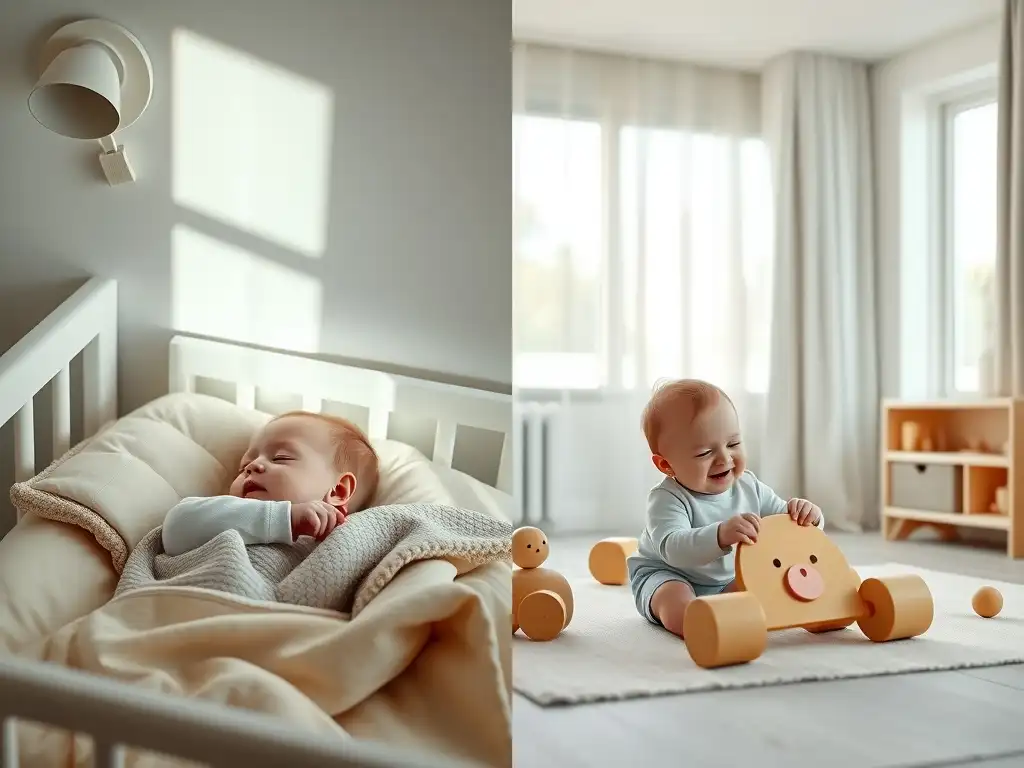
Establishing and maintaining consistent sleep habits in twins is crucial for their long-term well-being. This isn't just about getting them to sleep; it's about fostering healthy sleep patterns that support their physical and cognitive development. The benefits of consistent sleep extend far beyond simply avoiding exhaustion; it impacts their immune systems, mood regulation, and even their academic performance later in life. Sleep training twins effectively, from an early age, sets a strong foundation for these benefits. This section will explore practical strategies to achieve and maintain these healthy sleep routines.
Gradual Weaning from Nighttime Feedings in Twins
Weaning twins from nighttime feedings requires a sensitive and gradual approach. A sudden stop can be incredibly disruptive and stressful for both the babies and parents. Instead, consider a phased reduction. For example, if your twins are currently waking every two hours for a feeding, you might start by extending the intervals by 15 minutes each night. This incremental change allows them to adjust gradually.
Keep detailed records of their feeding and sleep patterns to track progress and identify any potential issues. Remember that consistency is key; both twins should follow the same schedule as much as possible to prevent one from disrupting the other's sleep. It's also important to monitor their weight and overall health to ensure that they are still getting adequate nutrition. Signs of dehydration or insufficient weight gain should prompt a consultation with a pediatrician. Here's a sample weaning schedule:
| Week | Feeding Interval Goal | Notes |
|---|---|---|
| 1 | Every 2.25 hours | Monitor weight and hydration |
| 2 | Every 2.5 hours | Introduce comfort objects (pacifiers, loveys) |
| 3 | Every 2.75 hours | Adjust based on individual needs |
| 4 | Every 3 hours | Consider consulting a sleep consultant if needed |
This gradual approach minimizes stress and increases the chances of success. Remember, patience is vital during this process.
Addressing Sleep Disruptions During Developmental Milestones in Twins
Developmental leaps are periods of rapid growth and change, often accompanied by disruptions in sleep patterns. Twins, often developing at slightly different rates, may experience these disruptions at slightly staggered times. For example, the introduction of crawling or walking can lead to increased nighttime awakenings due to excitement or discomfort. Teething can also cause significant sleep disturbances. Understanding these developmental milestones and anticipating potential sleep regressions is crucial for managing these periods effectively.
Creating a calm and consistent bedtime routine, even during these periods, can provide comfort and predictability. Offering extra cuddles and reassurance can also help soothe your twins during these challenging times. Remember to consult with your pediatrician to rule out any underlying medical issues that might be contributing to the sleep disruptions. Keeping a sleep diary can help you identify patterns and pinpoint the cause of sleep disturbances.
Maintaining a Consistent Sleep Schedule for Twins as They Grow
As twins grow, maintaining a consistent sleep schedule becomes even more important. Consistency helps regulate their circadian rhythm, leading to improved sleep quality and reduced daytime sleepiness. This involves establishing a regular bedtime and wake-up time, even on weekends, to avoid disrupting their internal clock. As they grow, their sleep needs will change.
You'll need to adjust their bedtime and nap times accordingly, always prioritizing sufficient sleep. Introducing age-appropriate activities in the evening, such as a quiet story time or a bath, can help signal the body that it’s time to wind down. Avoid screen time before bed, as the blue light emitted from screens can interfere with melatonin production, making it harder to fall asleep.
The benefits of a consistent sleep schedule include improved mood, concentration, and overall well-being, making it a crucial aspect of raising healthy and happy twins. Remember that consistency is key, even when faced with unexpected challenges or changes in routine. Flexibility is important, but consistent sleep schedules should be the priority.
Adapting Sleep Training Strategies to the Evolving Needs of Twins
Twins, while sharing a womb, are distinct individuals with unique personalities and sleep patterns. A successful sleep training approach for twins requires flexibility and a willingness to adjust strategies as they grow and develop. What works wonders at three months might be completely ineffective at six months, and vice versa. This adaptability is key to long-term success in establishing healthy sleep habits. For example, one twin might be a naturally lighter sleeper, requiring more frequent nighttime checks or soothing techniques than their sibling. Ignoring these individual differences can lead to frustration for both parents and babies.
One common challenge is the "one wakes, both wake" phenomenon. This necessitates a proactive approach to minimizing disruptions. Techniques like swaddling (until the appropriate age and developmental stage), white noise machines, and consistent room temperature can help create a more stable sleep environment that minimizes the impact of one twin's movements on the other.
However, it's crucial to monitor each twin's individual responses to these strategies. If one twin seems overly sensitive to sound or touch, adjustments need to be made to their specific sleep environment. This might involve slightly different swaddling techniques, a separate sleep space (e.g., separate cribs within the same room), or a different type of white noise.
As twins develop, their sleep needs will change. Their sleep cycles will become more consolidated, and their naps may become shorter or less frequent. You'll need to adjust your sleep training schedule accordingly. Perhaps you'll shift from four naps to three, or from three to two, as the twins progress. This requires careful observation and a willingness to experiment with different schedules to find what works best.
Keep a detailed sleep log to track their sleep patterns, noting any changes in their behavior, feeding habits, or developmental milestones. These observations will provide valuable insights into their evolving sleep needs and help you refine your sleep training strategy. Remember to celebrate small victories, as consistent progress, even in small increments, is a significant achievement in sleep training twins. Patience and persistence are crucial components of this journey.
Case Studies: Real-Life Success Stories of Sleep Training Twins
This section showcases the tangible, long-term benefits of sleep training twins through real-life examples. We'll explore different approaches and highlight the positive outcomes for both parents and babies. Remember, every twin pair is unique, and what works for one set might not work for another. The key is finding a method that aligns with your family's needs and temperament. Successful sleep training for twins often translates to improved family well-being, reduced parental stress, and enhanced child development.
Case Study 1: The Smith Twins and the Ferber Method
The Smith twins, identical girls named Lily and Mia, were notorious for their chaotic sleep patterns. Their parents, exhausted and overwhelmed, decided to implement the Ferber method at six months old. Initially, the process was challenging. The crying periods were longer than anticipated, especially when one twin woke the other. However, the parents meticulously followed the structured approach, gradually increasing the intervals between checks.
Within two weeks, the twins were sleeping for longer stretches at night. The parents reported a significant decrease in night wakings, moving from an average of 8-10 wakings per night to 1-2. This improvement wasn't just about longer sleep stretches; it also improved the quality of sleep for both the babies and their parents. The parents noted a marked improvement in their own mental and physical health, reporting reduced stress and increased energy levels.
This improved sleep translated to improved daytime functioning for the twins, characterized by better mood regulation, increased alertness, and enhanced engagement in playtime activities. The long-term benefits included improved cognitive development, better emotional regulation, and stronger parent-child bonds. The Smith family now enjoys more peaceful evenings and well-rested mornings, a testament to the transformative power of consistent sleep training.
Case Study 2: The Garcia Twins and Overcoming a 9-Month Sleep Regression
The Garcia twins, a boy and a girl, experienced a particularly intense sleep regression around nine months old. Prior to this, they had established relatively consistent sleep patterns. However, the regression brought with it frequent night wakings, shorter sleep cycles, and increased fussiness. The parents, initially disheartened, sought professional guidance from a pediatric sleep consultant. The consultant recommended a combination of strategies, including adjusting their bedtime routine, ensuring a consistent sleep environment (dark room, white noise), and implementing a gentle, positive reinforcement approach.
This differed significantly from the Ferber method, focusing less on controlled crying and more on positive association with sleep. They introduced a comforting bedtime routine, which included a warm bath, a calming story, and gentle rocking. They also prioritized creating a consistent, predictable sleep environment for the twins. The results were gradual but significant.
The parents meticulously tracked their twins' sleep patterns, noting even small improvements. Over four weeks, the twins' sleep gradually improved, though not without setbacks. The key was consistency and adapting the approach as needed. By the end of the four weeks, the twins were sleeping through the night more consistently, experiencing fewer night wakings, and exhibiting improved daytime behavior.
The parents reported a dramatic increase in their own well-being, highlighting the critical link between infant sleep and parental mental health. This case underscores the importance of flexibility and seeking professional support when navigating the challenges of sleep training twins, particularly during developmental leaps. The long-term benefits included a more harmonious family dynamic and improved overall well-being for both the twins and their parents. The Garcia twins' success story exemplifies the value of personalized sleep training strategies tailored to the unique needs of each child and family.
Frequently Asked Questions
What are the benefits of sleep training twins?
Sleep training twins leads to improved sleep for everyone. This means less exhaustion for parents and more consolidated sleep for the babies, contributing to better overall health and development.
Is it harder to sleep train twins than a single baby?
Yes, it can be more challenging due to the double workload and the potential for one twin to disrupt the other's sleep. However, consistent routines and techniques can make the process manageable.
What are some effective sleep training methods for twins?
Methods like graduated extinction or ferberizing can be adapted for twins. Consistency and a well-defined sleep schedule are crucial for success, regardless of the chosen method.
When is the best time to start sleep training twins?
Many experts recommend starting around 4-6 months of age, when twins often show improved self-soothing abilities. However, individual readiness should guide your decision.
Are there any risks associated with sleep training twins?
While generally safe, parental stress can be a potential risk. It's crucial to seek support from your pediatrician or a sleep consultant if you're struggling or have concerns about your twins' health.
Final Reflection: The Ripple Effect of Restful Sleep in Twins
The relentless demands of raising twins often overshadow the crucial role of sleep, yet establishing healthy sleep habits early on is not merely a convenience; it's a foundational pillar of their well-being and family harmony. The benefits extend far beyond simply getting more sleep for parents; they impact the twins' cognitive development, emotional regulation, and overall health, creating a ripple effect that shapes their future.
The journey of sleep training twins is undoubtedly challenging, often filled with tears (both theirs and yours!), but the long-term rewards are immeasurable. The improved sleep quality translates to happier, more engaged children who are better equipped to navigate the complexities of life. As the saying goes, Sleep is the golden chain that ties health and our bodies together.
This holds especially true for twins, who often require more support and attention than singletons, making adequate rest for both parents and children paramount to a thriving family dynamic. The impact extends beyond the immediate family, influencing the children's ability to thrive in school, build strong relationships, and contribute positively to society.
You've navigated the complexities of this article, learning about the various methods and challenges involved in sleep training twins. Now, consider your own family's sleep dynamics. What steps can you take today to prioritize sleep for both yourself and your little ones? Remember, investing in sleep is not a luxury; it's an investment in the future well-being of your family. Embrace the journey, celebrate the small victories, and know that the peaceful nights you cultivate today will sow seeds of happiness and success for years to come.
Unlock Your Twins' (and Your!) Restful Nights
Thank you for exploring the world of sleep training twins! We hope you've gained valuable insights into the long-term benefits for your children and yourselves. Now, let's put those insights into action.
- Establish a Consistent Sleep Schedule: This is key to success! Start with the tips and strategies from this article, adapting them to your twins' individual needs. Consistency is crucial.
- Share Your Experiences: Connect with other parents on our BabyCareHub forum. Sharing your experiences, challenges, and successes can be incredibly supportive and motivating – and you might even discover new tips!
- Download Our Helpful Checklist: Access our free checklist to ensure you have all the necessary tools for successful sleep training.
Ready to transform your nights into a peaceful haven? What small step will you take today to start creating a more restful routine for your twins?