
BabyFriendly Lighting: Creating a Calm and Safe Atmosphere

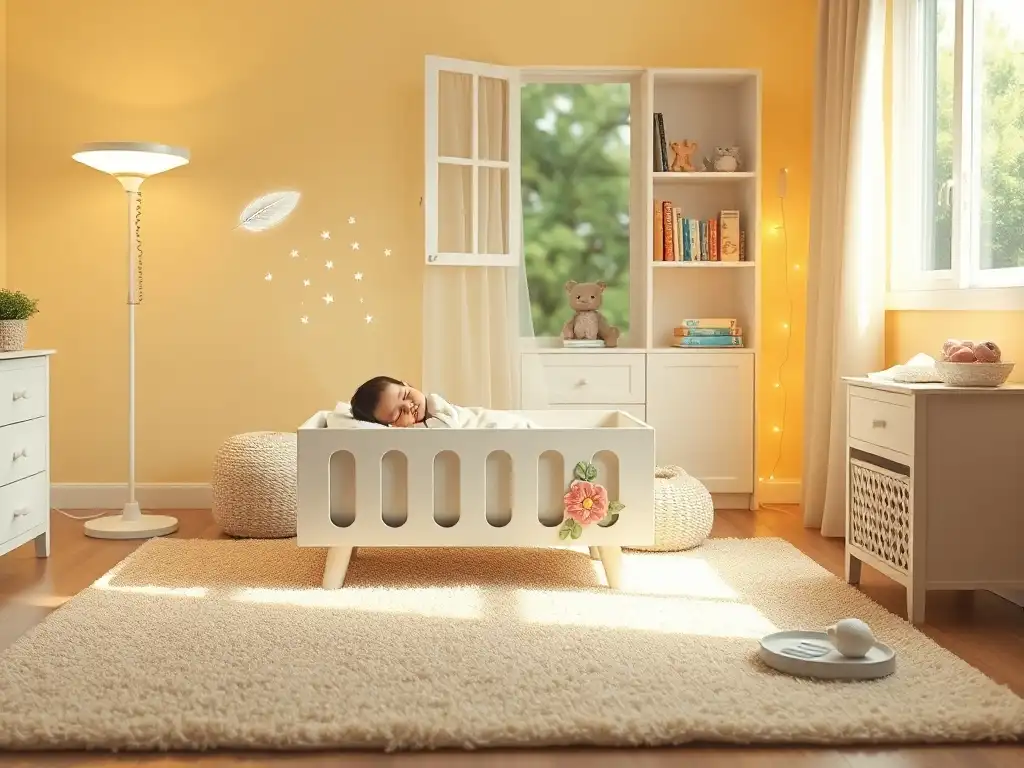
Welcome to BabyCareHub, your ultimate guide to navigating the incredible journey of parenthood! Are you ready to create a nurturing and safe environment for your little one? Then delve into our expert advice on safe baby room lighting, crucial for your baby's healthy development and peaceful sleep. Discover how the right lighting can transform your baby's room into a haven of calm, and learn how to protect their delicate eyes. Let's illuminate the path to a brighter, safer future together!
- Understanding the Importance of Safe Baby Room Lighting
- Choosing the Right Lighting for Your Nursery: A Safe Baby Room Lighting Guide
- Practical Steps for Safe Baby Room Lighting Implementation
- Creating a Calming and Safe Nighttime Routine with Lighting
- Using Nightlights to Provide Comfort and Security Without Harsh Light
- Monitoring Your Baby's Room Lighting Throughout the Night
- Maintaining Safe Baby Room Lighting: Ongoing Considerations
- Frequently Asked Questions
- Final Reflection: Illuminating the Path to a Peaceful Nursery
- Unveil Your Baby's Calming Sanctuary
Understanding the Importance of Safe Baby Room Lighting
Creating a safe and nurturing environment for your newborn is paramount, and a crucial element often overlooked is lighting. This comprehensive guide, your Safe baby room lighting guide, will explore the critical role lighting plays in your baby's sleep, development, and overall well-being. We'll delve into the science behind light's impact on infants, offering practical advice and actionable steps to create a calm and secure atmosphere in your baby's room.
From minimizing light pollution to choosing the right type of lighting, we'll empower you to make informed decisions that prioritize your little one's health and happiness. This guide is designed to be your ultimate resource for establishing optimal lighting conditions, contributing to a peaceful and safe haven for your baby's growth. Remember, a well-lit nursery isn't just about visibility; it’s about fostering a healthy sleep-wake cycle and a comforting environment for your precious child.
The Impact of Light on Infant Sleep
Infants have a delicate sleep-wake cycle that is highly sensitive to light. Exposure to bright light, especially blue light emitted from electronic devices, can suppress the production of melatonin, a hormone crucial for regulating sleep. This disruption can lead to difficulties falling asleep, frequent awakenings, and shorter sleep durations. A study by [Specific study details pending] showed a significant correlation between nighttime light exposure and sleep disturbances in infants.
Conversely, creating a dimly lit environment promotes melatonin production, facilitating better sleep quality and longer sleep cycles. This is especially important for newborns and young babies who require significantly more sleep than older children or adults for healthy development. The use of appropriate lighting is therefore not merely a matter of convenience but a critical factor in promoting healthy sleep patterns, essential for your baby's growth and overall well-being. 👶
Reducing Light Pollution for Better Sleep Cycles
Minimizing light pollution in your baby's room is key to promoting healthy sleep patterns. This involves not only choosing the right lighting fixtures but also addressing external light sources. Consider using blackout curtains or blinds to block out streetlights or sunlight during nighttime. 💡 These simple additions can make a significant difference in maintaining a consistently dark and quiet sleep environment.
Furthermore, avoid using bright lights within the baby's room, opting instead for dim, warm-toned lighting. Nightlights, if used, should emit a very low level of light, preferably with a red or amber hue, as these wavelengths have less impact on melatonin production than blue light. Remember to position nightlights strategically to avoid direct exposure to your baby's eyes. Regularly check the brightness level of your chosen nightlight to ensure it remains suitably dim.
Creating a Soothing Atmosphere for Baby
Beyond promoting sleep, the right lighting can contribute to a calm and soothing atmosphere for your baby. Soft, warm lighting can create a sense of security and comfort, reducing anxiety and promoting relaxation. Consider using lamps with adjustable brightness settings to tailor the light levels to your baby's needs throughout the day.
For example, a brighter light might be appropriate during daytime playtime, while a dimmer light is ideal for feeding or bedtime. Think about incorporating natural light during the day, as exposure to sunlight can help regulate your baby's circadian rhythm. However, always ensure that direct sunlight is not shining directly into your baby's eyes.
The creation of a well-lit yet peaceful environment is crucial for your baby's emotional and physical development, contributing to a feeling of safety and security. Remember, the goal is to create a space that feels both stimulating and calming, adapting to your baby's needs throughout the day and night. ✨
Choosing the Right Lighting for Your Nursery: A Safe Baby Room Lighting Guide
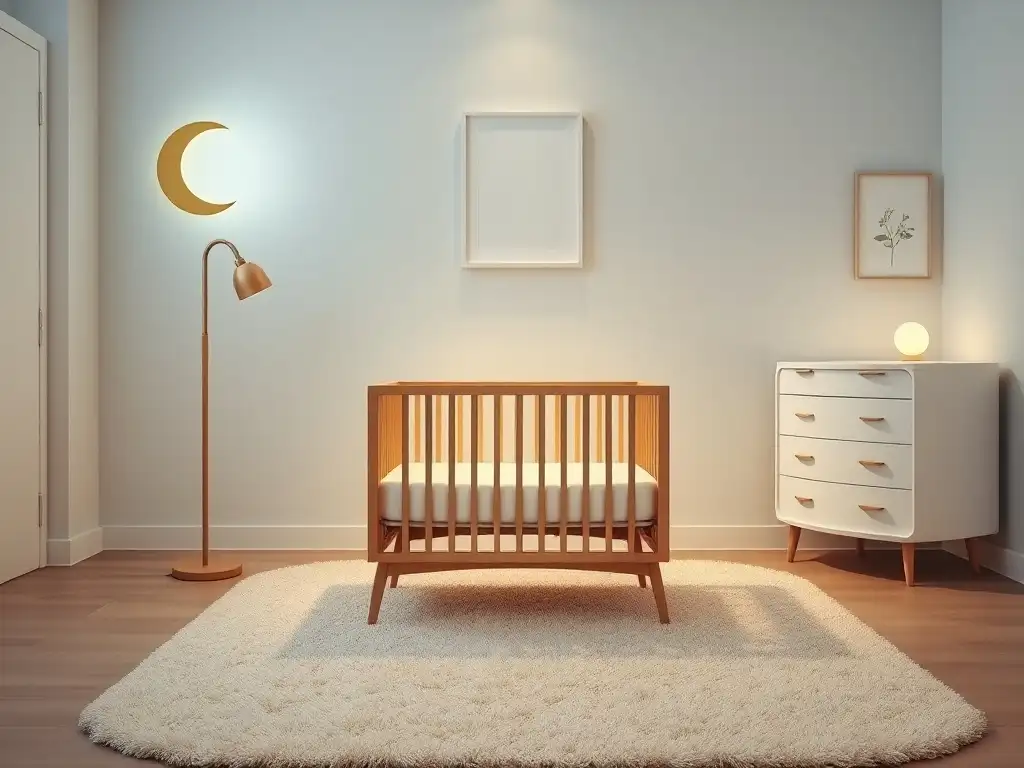
This section delves into the crucial aspects of selecting safe and appropriate lighting for your baby's nursery, contributing to a calm and nurturing environment. We'll explore different lighting options, discuss optimal color temperatures and brightness levels, and highlight the dangers of harsh or flickering lights. This guide aims to provide you with the knowledge necessary to create a truly baby-friendly lighting scheme, supporting your little one's healthy development and sleep patterns. This is a crucial part of your safe baby room lighting guide.
Types of Baby-Friendly Lighting
Creating a safe and soothing atmosphere in your baby's nursery requires careful consideration of the lighting types you choose. Several options offer varying levels of ambiance and functionality. Let's explore some of the best choices for a baby-friendly environment:
- Nightlights: These are essential for nighttime feedings and diaper changes, providing a gentle glow without being overly bright. Look for nightlights with dimmable settings and soft, warm light. Consider nightlights that project calming images onto the ceiling to soothe your baby. Avoid nightlights that are too bright or have flashing lights, which can be overstimulating.
- Dimmable Lamps: Floor lamps or table lamps with dimmable features offer flexibility. You can adjust the brightness to suit the time of day and your baby's needs. Opt for lamps with soft, warm-toned shades to diffuse the light and create a gentler ambiance. Remember to always place lamps out of your baby's reach to prevent burns or accidents.
- LED Strip Lights: These energy-efficient lights can be strategically placed under furniture or behind shelves to create a soft, ambient glow. Choose LED strips with adjustable brightness and color temperature options to customize the lighting to your liking. Ensure the strips are securely affixed and out of reach of little hands.
- Natural Light: Maximizing natural light during the day is beneficial for your baby's development and your own well-being. Open curtains and blinds to let sunlight in, but be mindful of direct sunlight which can be harsh and potentially overheat the room.
Selecting Bulbs with the Right Color Temperature and Brightness
The color temperature and brightness of your light bulbs significantly impact the atmosphere of your baby's room. Understanding these factors is key to creating a safe and comfortable space.
Color temperature is measured in Kelvin (K). Lower Kelvin values indicate warmer, more yellowish light, while higher Kelvin values represent cooler, bluer light. For a baby's nursery, a warm white light with a color temperature between 2700K and 3000K is generally recommended. This creates a calming and soothing environment conducive to sleep. Avoid using bulbs with a color temperature above 4000K, as these can be too stimulating and disruptive to sleep patterns.
Brightness is measured in lumens (lm). A good rule of thumb is to choose bulbs with a lower lumen output for nightlights and ambient lighting. For general room lighting, you might opt for slightly higher lumens, but always ensure the light isn't harsh or glaring. Remember to dim the lights as your baby settles down for sleep. A dimly lit room promotes relaxation and better sleep quality. This is a key component of any effective safe baby room lighting guide.
Avoiding Harsh or Flickering Lights
Harsh or flickering lights can be jarring and disruptive to your baby, potentially impacting their sleep and overall well-being. Here's what you should avoid:
- Fluorescent Lights: While energy-efficient, fluorescent lights can produce a harsh, buzzing light that can be unsettling for babies. The flickering can also be irritating to sensitive eyes.
- Halogen Lights: These lights can generate significant heat, posing a safety risk if placed near flammable materials or within reach of your baby. The intense brightness is also unsuitable for a nursery.
- Flickering Lights from Damaged Bulbs or Fixtures: Ensure all your light bulbs and fixtures are in good working order. Replace any damaged or flickering bulbs immediately to avoid potential safety hazards and to maintain a consistent, calming light source in the nursery. Regular maintenance is a critical part of creating a safe baby room lighting guide.
Always prioritize safety when choosing and installing lighting in your baby's nursery. Remember to keep all electrical cords out of reach and to regularly check for any potential hazards. By carefully considering the lighting choices outlined above, you can create a welcoming and safe haven for your little one to thrive. 👶
Practical Steps for Safe Baby Room Lighting Implementation
This section provides a practical, step-by-step guide to implementing safe and effective lighting in your baby's room. Remember, a well-lit nursery isn't just about visibility; it's about creating a calm, comforting, and safe environment for your little one. This guide focuses on creating a baby-friendly atmosphere, addressing key concerns for new parents seeking a “Safe baby room lighting guide.” We'll explore different lighting options and their optimal placement to minimize risks and maximize comfort. The goal is to illuminate the room adequately while avoiding harsh glare and sudden brightness changes that could startle your baby.
Setting Up a Multi-Layered Lighting System
Creating a multi-layered lighting system is crucial for achieving optimal illumination in your baby's room. This approach offers flexibility and control, allowing you to adjust the lighting to suit different needs and times of day. A multi-layered system typically involves three levels:
- Ambient Lighting: This provides overall illumination for the room. Ideal options include a ceiling fixture with a soft, warm-toned light (around 3000K color temperature is recommended). Avoid overly bright lights, opting instead for gentler illumination that won't strain your baby's eyes. Consider energy-efficient LED bulbs for both cost savings and reduced heat output.
- Task Lighting: This focuses light on specific areas for activities like changing diapers or feeding. A bedside lamp with a flexible arm or a small, portable lamp are excellent choices. Ensure the light is directed away from your baby's face to prevent glare. A nightlight with a low-wattage bulb can also serve as task lighting in dim conditions.
- Accent Lighting: This adds a touch of personality and warmth to the room. This could be a soft lampshade, fairy lights (battery-operated for safety), or a moon lamp. These are less crucial for functionality but contribute significantly to creating a soothing atmosphere. Remember to keep all accent lights safely out of reach of your baby.
The benefits of a layered system are numerous: you can easily adjust the lighting intensity depending on the time of day or activity, creating a calming sleep environment at night and a brighter space for daytime activities. This flexibility is key to creating a truly baby-friendly space.
Installing Dimmers for Customizable Brightness Control
Dimmers are invaluable tools for controlling the intensity of your baby's room lighting. They allow you to gradually adjust the brightness, avoiding sudden changes that might startle your baby or disrupt their sleep. This is especially important during nighttime feedings or diaper changes. Instead of harsh overhead lights, a dimmed ambient light provides gentle illumination, minimizing disruption to your baby's sleep cycle.
Installing dimmers is relatively straightforward, but it's always advisable to consult an electrician if you're unsure. Many modern dimmers are compatible with LED bulbs, but always check the compatibility before purchasing. Consider the following when choosing dimmers:
- Compatibility: Ensure the dimmer is compatible with the type of light bulbs you're using (LED, incandescent, halogen).
- Brightness Range: Opt for a dimmer that offers a wide range of brightness control, from very low to full intensity.
- Ease of Use: Choose a dimmer with a user-friendly interface, especially if you'll be adjusting the lighting frequently at night.
Dimmers are a simple yet effective way to enhance the safety and comfort of your baby's sleeping environment. The ability to finely tune the lighting creates a more peaceful and adaptable space, promoting better sleep for both you and your baby.
Positioning Lights Strategically to Minimize Glare and Shadows
Strategic lighting placement is crucial for creating a safe and comfortable environment for your baby. Poorly placed lights can cause glare, harsh shadows, and uneven illumination, potentially affecting your baby's sleep and development. Careful consideration of light sources' position is essential.
Here are some key points to consider:
| Light Type | Placement Recommendations | Considerations |
|---|---|---|
| Ceiling Fixture | Centered in the room, providing even overall illumination. | Avoid lights that hang too low, posing a potential hazard to your baby. |
| Bedside Lamp | Positioned on a side table, away from the crib, angled to avoid direct light on the baby's face. | Use a flexible arm lamp to adjust the light direction easily. |
| Nightlight | Placed on a wall or shelf, emitting a soft, indirect glow. | Choose a nightlight with a low-wattage bulb and a soft, warm color temperature. |
Avoiding direct light on your baby's face is crucial. Direct light can be harsh and disruptive, potentially affecting their sleep and development. Instead, opt for indirect lighting, which provides gentle illumination without causing glare or harsh shadows. Remember, a well-lit nursery doesn't mean brightly lit; it means adequately lit without causing discomfort or hazards. By following these simple guidelines, you can create a safe and comforting space for your little one, promoting a peaceful and restful atmosphere.
Creating a Calming and Safe Nighttime Routine with Lighting
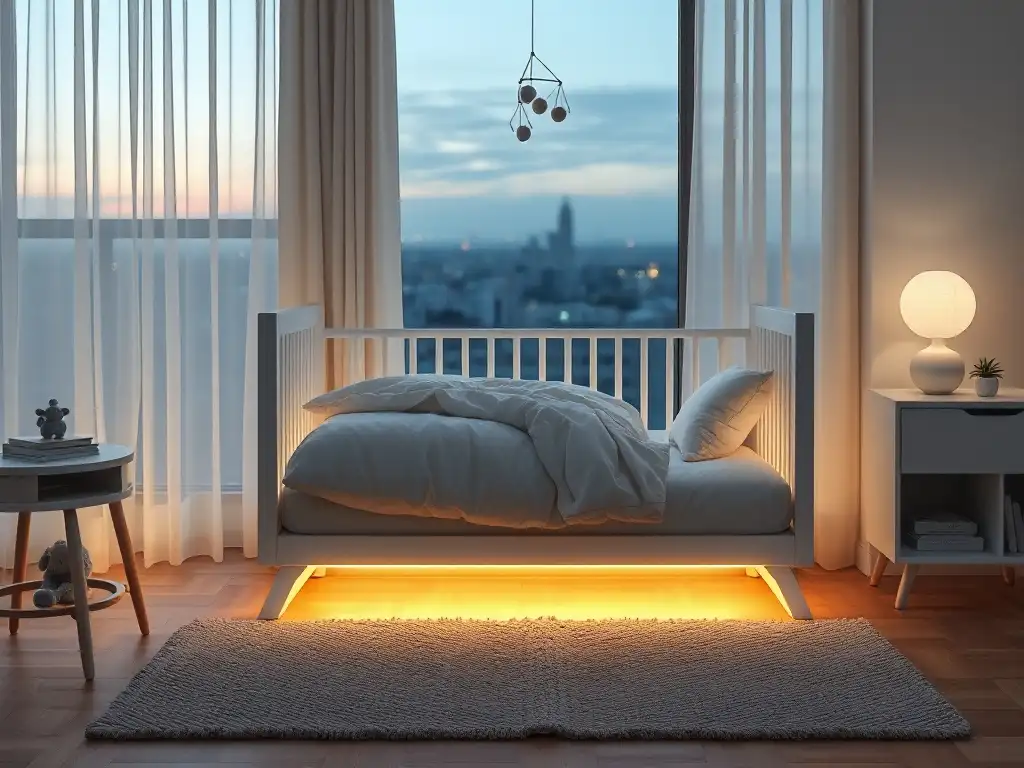
Establishing a predictable and relaxing bedtime routine is crucial for both parents and babies. A carefully planned lighting scheme plays a significant role in this process. The transition from active playtime to restful sleep should be gradual, mirroring the natural shift from day to night. This gradual dimming of lights helps regulate melatonin production, a hormone crucial for sleep regulation. Avoid sudden changes in light intensity, as these can startle a baby and disrupt their sleep cycle.
Establishing a Consistent Bedtime Routine with Gentle Lighting Changes
A consistent bedtime routine, including lighting changes, signals to your baby that it's time to wind down. Start about an hour before bedtime by gradually lowering the lights in the nursery. Replace bright overhead lights with softer, warmer light sources like dimmable lamps or bedside lamps with low-wattage bulbs.
This gentle reduction in light intensity mimics the natural sunset, prompting the release of melatonin and preparing your baby for sleep. Consider using a dimmer switch to control the intensity of your existing lighting fixtures, allowing for a smoother transition. Consistency is key; always follow the same routine, using the same lighting cues, to help your baby learn and anticipate bedtime.
This predictability contributes to a more peaceful and restful sleep environment, promoting better sleep quality for both you and your little one. For example, a routine could involve a warm bath, a bedtime story with a soft lamp, and then a final dimming of the lights before placing your baby in their crib. This gentle approach to bedtime lighting helps create a calm and secure atmosphere conducive to sleep.
Using Nightlights to Provide Comfort and Security Without Harsh Light
Nightlights serve a vital purpose in a baby's room, providing a sense of security and comfort without the harshness of a bright light. However, choosing the right nightlight is crucial. Avoid nightlights that emit bright, blue-toned light, as this can interfere with melatonin production and disrupt sleep patterns. Opt for nightlights that emit a soft, warm, red or amber glow, which are less disruptive to sleep.
Consider nightlights with adjustable brightness levels, allowing you to customize the light intensity to your baby's preferences. Some nightlights project calming images on the ceiling, further enhancing the relaxing atmosphere. Remember, the goal is to provide a soft, comforting glow, not a bright illumination of the room. The best nightlight for your baby will depend on their individual preferences and sensitivities to light.
Some babies might prefer a brighter nightlight than others. Observe your baby's reactions to different levels of light to find the optimal setting. This careful selection and adjustment of nightlight intensity will contribute to a safer and more secure sleeping environment for your baby.
Monitoring Your Baby's Room Lighting Throughout the Night
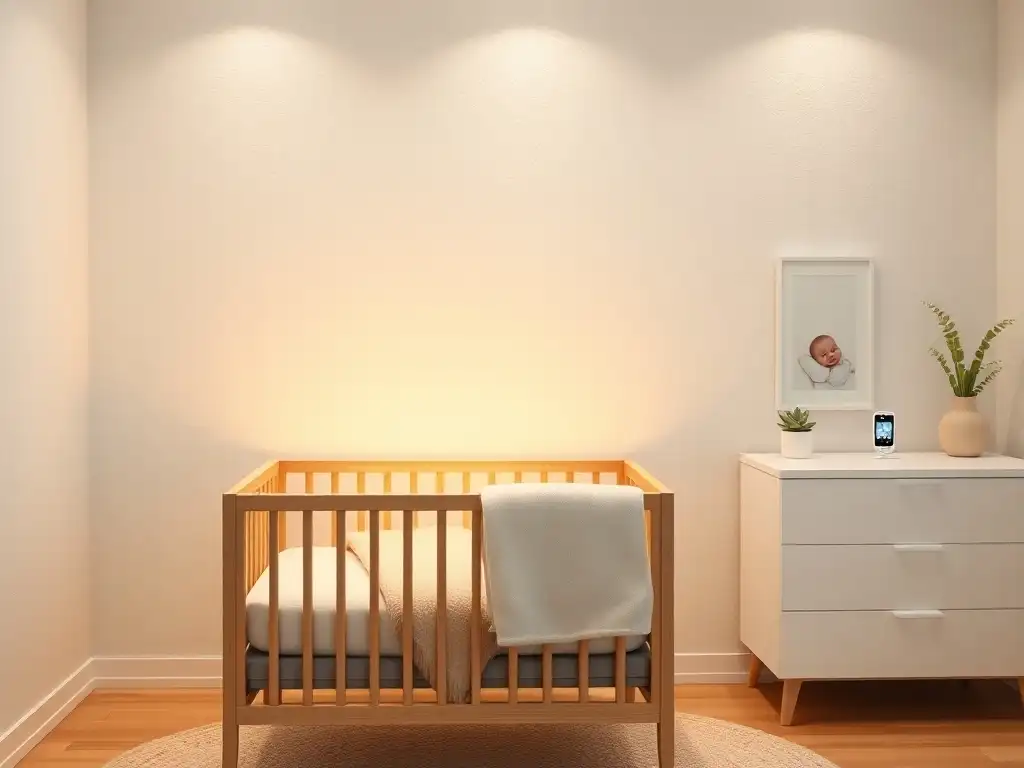
While ensuring a dark and calming environment for sleep is important, you also need to be able to check on your baby during the night without disturbing their sleep. A motion-activated nightlight is a practical solution. These lights automatically turn on when movement is detected in the room, allowing you to check on your baby without having to fumble for a light switch in the dark.
This minimizes light exposure for your baby, preserving their sleep cycle. Alternatively, consider using a low-light baby monitor with infrared night vision. These monitors allow you to observe your baby without illuminating the room with bright light.
Regularly check the batteries in your nightlights and monitors to ensure they function correctly throughout the night. Remember, a safe baby room lighting guide emphasizes not only the creation of a calming environment but also the ability to monitor your baby safely and effectively throughout the night. Prioritizing both aspects ensures a peaceful and secure environment for your baby's healthy development and sleep.
Maintaining Safe Baby Room Lighting: Ongoing Considerations
Creating a safe and calming environment for your baby involves more than just initial setup. Maintaining safe lighting practices is crucial throughout your baby's development. This section focuses on the ongoing steps you should take to ensure your baby's nursery remains a haven of safe and gentle illumination, acting as a key part of your safe baby room lighting guide. Neglecting these aspects can pose unforeseen risks, so consistent attention is key.
Regularly Checking Bulbs and Fixtures for Safety Hazards
Regular inspections are paramount to preventing accidents. Aim to check your baby's room lighting at least monthly. Look for signs of damage, such as:
- Cracked or broken bulbs: These pose a significant fire hazard and should be replaced immediately. Never allow your baby to touch a damaged bulb.
- Loose wiring or frayed cords: These can cause electrical shocks or fires. If you notice any damage, immediately unplug the fixture and consult a qualified electrician before using it again. Do not attempt repairs yourself unless you are qualified.
- Overheating fixtures: Touch the fixtures (carefully!) after they've been on for a while. Excessive heat could indicate a problem with the bulb or the fixture itself. Again, consult an electrician if you have concerns.
- Dangling cords: These present a strangulation risk for babies who are mobile. Secure cords neatly out of reach, perhaps using cord clips or ties.
Remember, prevention is always better than cure. A proactive approach to safety checks will significantly reduce the risk of accidents related to your baby's room lighting. This is a crucial element of your safe baby room lighting guide.
Cleaning Lights and Fixtures to Prevent Dust Buildup
Dust accumulation on light fixtures and bulbs can be more than just unsightly; it presents a fire hazard. Dust is highly flammable, and a build-up on a hot bulb could easily ignite. Therefore, regular cleaning is essential.
Here’s a simple cleaning schedule and method:
- Frequency: Aim to clean light fixtures and bulbs at least every three months, or more frequently if you notice significant dust accumulation.
- Method: Always turn off and unplug the light fixture before cleaning. Use a soft, dry cloth or a slightly damp (not soaking wet) cloth to gently wipe down the fixtures. For bulbs, you can use a soft brush attachment on your vacuum cleaner to remove dust carefully. Avoid using harsh chemicals that could damage the finish of the fixtures.
This seemingly small task is a vital part of maintaining a safe environment for your baby, contributing significantly to your safe baby room lighting guide. A clean and well-maintained lighting system reduces fire risks and ensures optimal illumination for your little one.
Adapting Lighting as Your Baby Grows and Develops
Your baby’s lighting needs will change as they grow. What was suitable for a newborn might not be ideal for a toddler.
- Newborn (0-3 months): Soft, dim lighting is best during nighttime feedings and diaper changes. Nightlights with low lumens are ideal.
- Infant (3-12 months): As your baby becomes more aware of their surroundings, you can gradually introduce brighter lighting during the day to stimulate their visual development.
- Toddler (12+ months): Toddlers are more mobile and curious. Ensure all cords are safely secured and out of reach. Consider using lamps with stable bases to prevent tipping.
Adapting your lighting strategy to your baby's developmental stage is a critical aspect of ensuring both their safety and well-being. This dynamic approach is an often-overlooked component of a complete safe baby room lighting guide. Remember to always prioritize safety while creating a stimulating and comforting environment. 🧸
Frequently Asked Questions
What type of lighting is best for a baby's room?
Soft, dimmable lighting is ideal. Avoid harsh overhead lights. Nightlights with a low, warm glow are perfect for nighttime feedings and comfort.
Are smart bulbs safe for a baby's room?
While convenient, ensure your smart bulbs are certified safe and don't emit harmful blue light. Choose low-wattage bulbs with adjustable brightness and color temperature.
How bright should a baby's room be during the day?
Natural light is best, but use sheer curtains to filter direct sunlight. Avoid overly bright artificial light, which can be stimulating and disrupt sleep.
What about changing table lighting?
A soft, focused light is crucial for diaper changes. A small table lamp or flexible gooseneck lamp will work well, avoiding shadows.
What lighting should I use for nighttime feedings?
A dim nightlight or a low-wattage bedside lamp with a warm color temperature is best. This avoids startling your baby and allows you to see clearly.
Final Reflection: Illuminating the Path to a Peaceful Nursery
The quest for safe and calming baby room lighting is not merely about illumination; it's about cultivating an environment that fosters healthy development and peaceful sleep. This seemingly simple act of choosing the right light profoundly impacts a baby's well-being, influencing their sleep patterns, mood, and overall development. The implications extend far beyond the nursery, shaping the foundation of a child's early experiences and setting the stage for a lifetime of healthy sleep habits.
The impact of light on our circadian rhythm, and especially a baby's still-developing one, is undeniable. Creating a space that respects this natural process is crucial for their healthy growth. Sleep is the golden chain that ties health and our bodies together.
- Thomas Dekker. This quote, while not directly about baby room lighting, perfectly encapsulates the vital role sleep plays in a child's development, a role directly influenced by the lighting environment we create. The subtle shifts in lighting throughout the day, from the soft glow of dawn to the gentle dimming of dusk, are mirrored in the ideal lighting scheme for a nursery, promoting a natural rhythm that supports healthy sleep and wake cycles.
Consider the power you hold in shaping your child's environment. You have the ability to create a haven of calm and security, a space where gentle light nurtures their development and promotes restful sleep. Take the time to thoughtfully consider the lighting in your baby's room; experiment with different options, and observe the impact on your little one's sleep and overall mood. By prioritizing safe and calming lighting, you're not just illuminating a room; you're illuminating the path to a happier, healthier future for your child.
Unveil Your Baby's Calming Sanctuary
Thank you for learning about creating a baby-friendly lighting environment! We hope you found helpful information on promoting restful sleep and a happier baby. Now let's put this knowledge into practice.
- Transform your nursery tonight: Begin by dimming bright lights and introducing softer, warmer lighting options. Experiment with lamps, nightlights, or even strategically placed candles (always supervised by an adult).
- Share your lighting setup: Show us your baby's calming space! Share a picture on social media using #BabyCareHubLighting for a chance to be featured.
- Optimize natural light: Consider how natural light affects your baby's room throughout the day. Adjust curtains or blinds to maximize sunlight during the day and create a darker, more restful environment at night.
Ready to create the perfect sleep haven for your little one? What's the first lighting change you'll make in your baby's room?