
Summer Car Seat Safety: Keeping Your Baby Cool and Protected

Welcome to BabyCareHub, your ultimate guide to navigating the incredible journey of parenthood! Are you ready to conquer the challenges and joys of raising your little one? We're here to help. This summer, ensure your baby's safety and comfort with our in-depth guide on Baby Summer Car Seat Safety. Discover essential tips and expert advice to keep your precious cargo cool and protected during those hot summer months. Dive in and learn how to create a safe and happy car ride for your baby – it's more crucial than you might think!
- Understanding the Risks of Summer Heat in Car Seats
- Choosing the Right Summer Car Seat for Your Baby
- Preparing Your Baby for a Safe Summer Car Ride
- Installing Your Car Seat Safely for Summer Travel
- Keeping Your Baby Cool During Summer Car Journeys
- Emergency Preparedness for Summer Car Travel
- Summer Car Seat Safety Checklist for Parents
- Frequently Asked Questions
- Final Reflection: The Enduring Legacy of Summer Car Seat Safety
- Unlock Summer's Safety Secrets: Protect Your Little One
Understanding the Risks of Summer Heat in Car Seats
Summertime brings sunshine, fun, and… increased risks for your little one's safety, especially when it comes to car seat use. As first-time parents, navigating the world of car seats can feel overwhelming, and the added challenge of summer heat can be particularly concerning. This guide focuses on baby summer car seat safety, providing practical tips and crucial information to ensure your baby stays cool and protected during those hot summer months.
We'll explore the dangers of overheating, the signs of heat exhaustion, and practical strategies to mitigate these risks, helping you confidently navigate summer travels with your precious cargo. Understanding these risks is the first step towards ensuring a safe and comfortable journey for your baby every time you hit the road. Remember, a proactive approach to summer car seat safety is crucial for protecting your baby's health and well-being.
Dangers of Overheating in Baby Car Seats
A car's interior can reach dangerously high temperatures in minutes, even on moderately warm days. The dark interior of a car absorbs and retains heat, creating a greenhouse effect that rapidly increases the temperature. This effect is significantly amplified in direct sunlight. Babies, with their immature temperature regulation systems, are particularly vulnerable to overheating. Their bodies struggle to cool down efficiently, making them more susceptible to heat exhaustion and heatstroke.
The enclosed space of a car seat further restricts airflow, exacerbating the risk. A car seat that is already warm from sitting in the sun can quickly become a dangerously hot environment for your infant. Even short periods of exposure can have serious consequences. For example, on an 80°F (27°C) day, the temperature inside a parked car can climb to over 100°F (38°C) within minutes. This level of heat poses a significant threat to a baby's health.
Dehydration and Heatstroke in Infants
Overheating in a car seat can lead to dehydration and, more seriously, heatstroke. Dehydration occurs when your baby loses more fluids than they take in, and in the context of a hot car, this is exacerbated by sweating. Infants have a higher rate of fluid loss per unit of body weight compared to adults, making them particularly vulnerable. Prolonged exposure to high temperatures can lead to severe dehydration, resulting in lethargy, irritability, and ultimately, heatstroke.
Heatstroke is a life-threatening condition characterized by a dangerously high body temperature, confusion, seizures, and loss of consciousness. It's a medical emergency requiring immediate attention. The consequences of dehydration and heatstroke can be severe and long-lasting, potentially causing permanent damage to the brain and other organs. Early recognition and preventative measures are therefore essential.
Recognizing Signs of Heat Exhaustion in Babies
Recognizing the signs of heat exhaustion in babies is crucial for prompt intervention. These signs can vary but often include:
- Excessive sweating (though sometimes sweating may be absent in severe cases)
- Flushed or red skin
- Rapid heartbeat
- Headache (difficult to assess in infants, but look for fussiness and irritability)
- Lethargy or unusual sleepiness
- Vomiting
- Diarrhea
- Rapid breathing
If you notice any of these signs, immediately remove your baby from the car seat and move them to a cool environment. Offer them cool fluids (breast milk or formula, if appropriate) and seek medical attention if the symptoms persist or worsen. Early intervention can significantly reduce the risk of heatstroke and its associated complications. Remember, it is always better to err on the side of caution. If you are unsure, seek professional medical advice.
Choosing the Right Summer Car Seat for Your Baby
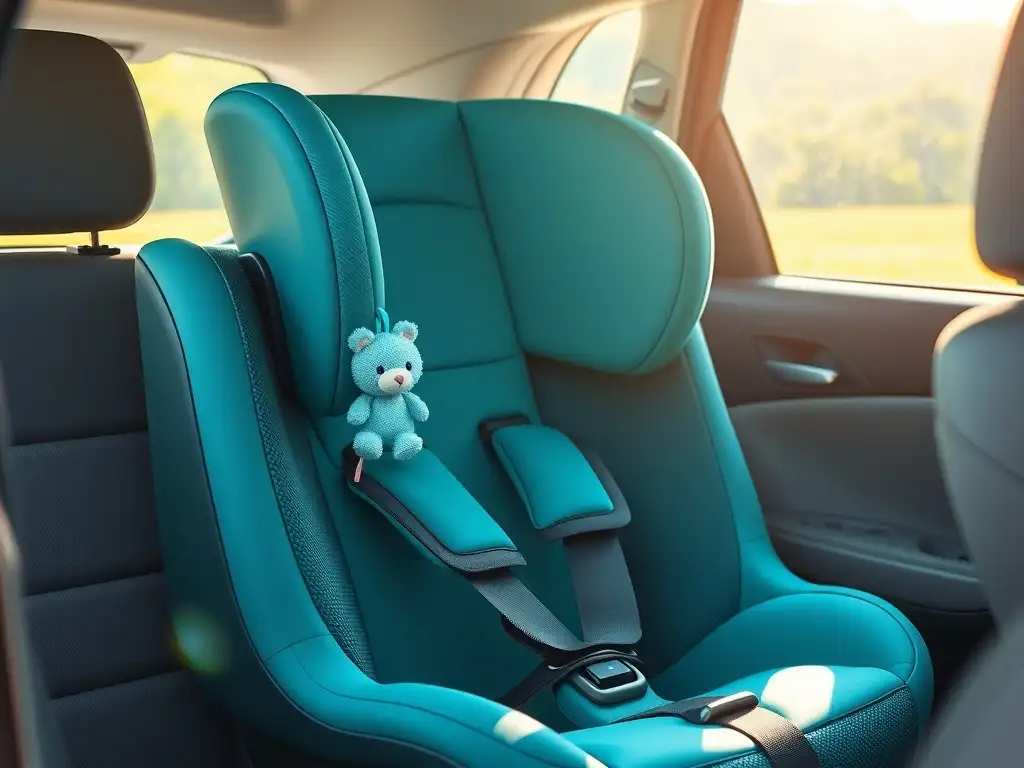
Summer heat poses unique challenges to baby car seat safety. Choosing the right car seat can significantly impact your baby's comfort and safety during hot weather. The key is to prioritize features that enhance ventilation and minimize heat absorption. This section will guide you through selecting a car seat that's perfect for those sweltering summer months. Remember, always prioritize safety features alongside comfort considerations. Improper installation, regardless of the car seat's features, is a major safety risk.
Best Car Seat Materials for Summer
The material of your baby's car seat plays a crucial role in how well it manages heat. Avoid dark-colored fabrics, as they absorb more heat than lighter colors. Look for car seats made with breathable materials like mesh or ventilated fabrics. These materials allow for better airflow, keeping your baby cooler and more comfortable.
Some manufacturers even use special fabrics designed to wick away moisture, preventing sweat buildup. Consider the car seat's padding as well; thicker padding might offer more comfort in cooler months but could trap heat during summer. A well-ventilated, lightweight car seat made with breathable fabrics is your best bet for summer. Always check the car seat's care instructions, as some materials may require specific cleaning methods.
Ventilation and Airflow Features in Car Seats
Many modern car seats incorporate features designed to improve ventilation and airflow. These features are crucial for maintaining a comfortable temperature for your baby during hot weather. Look for car seats with mesh panels, strategically placed vents, or other design elements that promote airflow. Some car seats have enhanced airflow systems that circulate air around your baby, reducing the risk of overheating.
Consider the placement of these ventilation features; they should be well-distributed to provide even cooling. A car seat with excellent airflow can make a noticeable difference in your baby's comfort level, especially on long summer drives. Remember to check for any potential hazards associated with ventilation features—ensure that no small parts pose a choking risk. Before purchasing, thoroughly examine the car seat for airflow features and their effectiveness.
Sunshades and Window Covers for Added Protection
Even with a well-ventilated car seat, direct sunlight can significantly increase the temperature inside the vehicle and the car seat. Investing in a high-quality sunshade for your car's windows is a simple yet effective way to minimize heat exposure. Look for sunshades that block a high percentage of UV rays and provide sufficient coverage for your baby's car seat.
Window covers specifically designed for car seats are also available and offer an additional layer of protection. These covers can further reduce the amount of sunlight reaching your baby, keeping them cooler and safer. Remember to regularly check the condition of your sunshade or window cover; damaged or worn-out ones might not provide adequate protection.
Prioritize sunshades made of durable, reflective materials for optimal protection against the sun's harmful rays. A combination of a well-ventilated car seat and effective sun protection will provide the best possible summer car seat safety for your baby.
Preparing Your Baby for a Safe Summer Car Ride
Summer travel with a baby requires extra precautions to ensure their safety and comfort. High temperatures inside a vehicle can pose a serious risk, even on relatively short journeys. This section focuses on proactive measures you can take to mitigate these risks and keep your little one safe and happy during summer car trips. Remember, prioritizing your baby's well-being is paramount, so always err on the side of caution. Effective "baby summer car seat safety" strategies are crucial for preventing heatstroke and ensuring a pleasant experience for both you and your child.
Dressing Your Baby Appropriately for Hot Weather
Overdressing your baby in a hot car is a common mistake that can lead to overheating. Instead of bundling them up, opt for lightweight, breathable clothing made from natural fibers like cotton. Avoid using heavy fabrics like fleece or wool, even if the air conditioning in your car isn't working perfectly. A simple onesie or a light cotton shirt and diaper are usually sufficient. Remember, your baby will generate their own body heat, and layers of clothing can trap this heat, increasing the risk of overheating.
Consider the ambient temperature outside. If it's extremely hot, you might even consider dressing your baby in just a diaper for the car ride. Always check your baby's skin frequently for signs of overheating, such as excessive sweating, flushed skin, or rapid breathing. If you notice any of these signs, immediately stop the car in a safe location, remove any extra clothing, and offer your baby some cool water. Prioritizing appropriate clothing is a key aspect of effective baby summer car seat safety.
Hydrating Your Baby Before and During Travel
Dehydration is another significant concern during hot weather, especially for infants. Before embarking on any car journey, ensure your baby is well-hydrated. If your baby is breastfed, offer frequent feeds. If formula-fed, offer extra bottles of formula. For older babies, you can offer small sips of water from a sippy cup, but remember to always consult your pediatrician about introducing water into your baby's diet.
During the car ride, continue to offer fluids regularly. Even short trips can lead to dehydration, especially if the air conditioning is not functioning optimally. Monitoring your baby's hydration levels is an essential part of maintaining baby summer car seat safety. Signs of dehydration include dry mouth, decreased urination, and lethargy. If you observe any of these symptoms, stop the car immediately and seek medical attention if necessary. Always pack extra fluids for your baby, especially during longer trips. A well-hydrated baby is a safer baby.
Checking Car Seat Temperature Before Placing Your Baby
Before placing your baby in their car seat, always check the temperature of the car seat itself. Dark-colored car seats absorb more heat than lighter-colored ones. On a hot day, a dark car seat can become dangerously hot to the touch. You can use the back of your hand to test the temperature. If the car seat feels too hot, allow it to cool down before placing your baby inside. Consider using a car seat cover made from a breathable material to help reduce heat absorption. This simple precaution can significantly contribute to "baby summer car seat safety."
You can also use a thermometer designed to measure surface temperature to get an accurate reading of the car seat's temperature. This is particularly useful on extremely hot days or if you are concerned about the car seat overheating. Remember, preventing overheating is a crucial component of ensuring your baby's safety and comfort during summer car travel. Always prioritize your baby’s well-being and take proactive measures to ensure they remain cool and protected. Consistent vigilance is key to effective baby summer car seat safety strategies.
Installing Your Car Seat Safely for Summer Travel
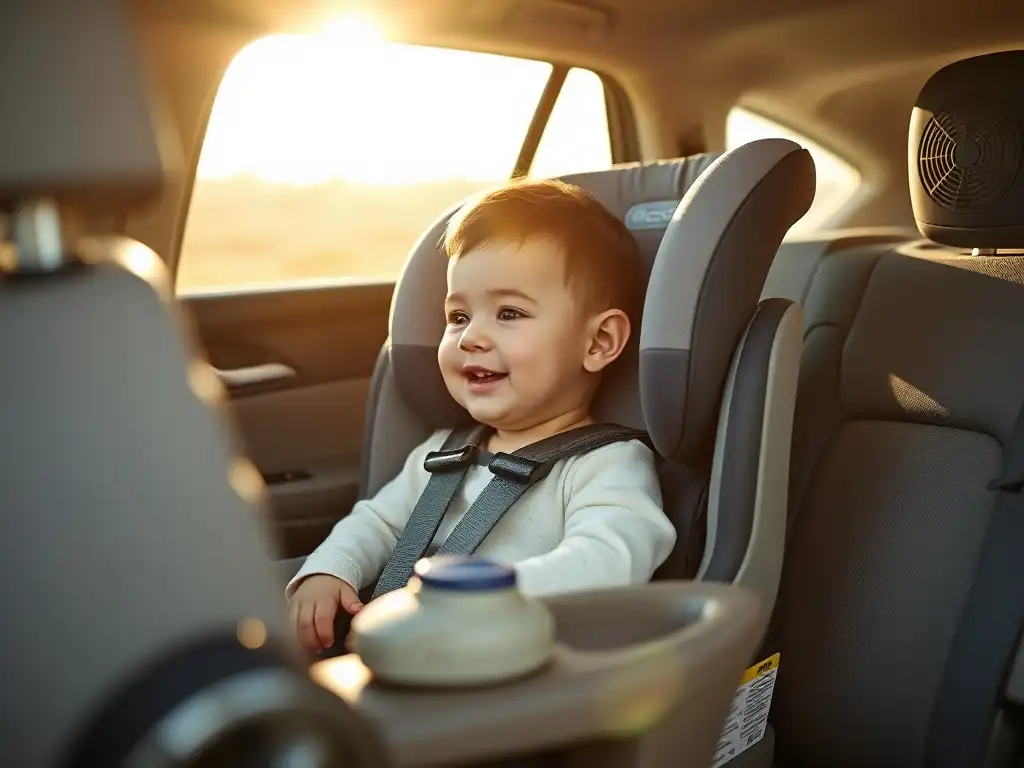
Summer travel with a baby requires extra vigilance, especially when it comes to car seat safety. High temperatures can pose significant risks, impacting both your baby's comfort and the integrity of the car seat itself. This section focuses on ensuring your car seat is correctly installed to maximize safety during the warmer months. Remember, proper installation is crucial year-round, but summer heat adds another layer of importance.
Proper Car Seat Installation Techniques
Ensuring your car seat is correctly installed is paramount for baby summer car seat safety. Incorrect installation significantly increases the risk of injury in a collision. Here's a step-by-step guide tailored for summer conditions:
- Check your vehicle's manual: Before even touching the car seat, consult your vehicle's owner's manual to identify the correct Lower Anchors and Tethers for Children (LATCH) system locations or seat belt paths. Summer heat can make fabrics more pliable, potentially affecting the tightness of your installation.
- Clean the installation area: Wipe down the vehicle seat where the car seat will be installed. Sweat and grime can compromise the grip and stability of the car seat.
- Tighten the straps: Once the car seat is in place, whether using LATCH or the vehicle's seat belt, ensure the straps are incredibly tight. You should only be able to pinch a small amount of slack in the straps. This is especially important in summer as the heat can loosen straps over time.
- Check for movement: After tightening, try to move the car seat. There should be minimal to no movement. If it moves more than an inch, re-tighten the straps. Remember, a securely installed car seat is the cornerstone of baby summer car seat safety.
- Regularly re-check: Even with a proper initial installation, regularly check the tightness of the straps throughout your journey, especially during longer trips. The heat can cause expansion and contraction of materials, potentially loosening the car seat.
Securing Your Baby in the Car Seat
Once the car seat is correctly installed, securing your baby is just as critical for optimal baby summer car seat safety. Follow these guidelines for a safe and comfortable ride:
- Proper harness adjustment: Ensure the harness straps are snug against your baby's body, sitting at or just below their shoulders. Avoid loose straps, which can significantly reduce protection in a crash.
- Avoid bulky clothing: Thick layers of clothing can create slack in the harness, reducing its effectiveness. Dress your baby in lightweight, breathable clothing.
- Use a sunshade: Direct sunlight can make the car seat dangerously hot. A good quality sunshade will protect your baby from overheating and keep the car seat cooler. Remember, a cool car seat is part of overall baby summer car seat safety.
- Check for overheating: Regularly monitor your baby for signs of overheating, such as excessive sweating or fussiness. Take frequent breaks to allow your baby to cool down.
- Never leave your baby unattended: Even for a short time, leaving your baby unattended in a hot car can have devastating consequences.
Regular Car Seat Inspections
Regular inspection is a crucial aspect of baby summer car seat safety. Heat and sun exposure can degrade car seat materials over time, compromising their protective capabilities.
- Check for damage: Regularly inspect the car seat for any signs of damage, such as cracks, tears, or fading. Look closely at the straps, buckles, and the car seat shell itself. Replace the car seat immediately if any damage is found.
- Check the expiration date: Car seats have expiration dates. Consult your car seat's manual to find its expiration date and replace it if necessary. This is especially crucial given the extra stress summer heat puts on the materials.
- Keep it clean: Regular cleaning removes dirt and grime that could weaken the car seat's structure or compromise its functionality. Always follow the manufacturer's cleaning instructions.
- Professional inspection: Consider having your car seat professionally inspected periodically to ensure its proper installation and condition. A professional can identify potential issues you might miss.
Remember, proactive measures are key to ensuring your baby's safety during summer travels. By following these guidelines, you'll significantly contribute to their well-being and peace of mind on the road. Prioritizing baby summer car seat safety is an investment in your child’s future.
Keeping Your Baby Cool During Summer Car Journeys
Summer heat poses a significant risk to infants and toddlers in car seats. Even on relatively short journeys, the temperature inside a car can rise dramatically, leading to heatstroke and other heat-related illnesses. Understanding how to mitigate this risk is crucial for every parent. This section focuses on practical strategies to keep your baby cool and safe during summer car travel, addressing the concerns surrounding "baby summer car seat safety".
Using Cooling Car Seat Accessories
Several accessories can significantly reduce your baby's exposure to heat while in the car seat. These range from simple to more advanced options, offering varying degrees of cooling. Proper usage is key to maximizing their effectiveness.
Several products are designed to lower the temperature of your baby's car seat. These include:
- Cooling car seat pads: These pads often incorporate breathable fabrics and gel inserts to draw heat away from your baby's body. Look for pads with moisture-wicking properties and ensure they fit your car seat snugly to prevent bunching. Always check manufacturer instructions before use and ensure the pad doesn't interfere with the car seat's safety features.
- Mesh car seat covers: These covers improve air circulation around the car seat, allowing for better ventilation and reducing the build-up of heat. They are generally lightweight and easy to install, but their effectiveness is dependent on ambient temperature and air conditioning.
- Fan attachments: While not directly cooling the car seat itself, small, battery-operated fans can create a gentle breeze around your baby, offering additional comfort, especially during stationary periods. Always ensure the fan is securely mounted and positioned away from your baby's face to prevent injury. Never leave a fan unattended.
Choosing the right accessories depends on your budget and climate. A combination of a mesh cover and a cooling pad might be the most effective strategy in extremely hot conditions. Remember to always prioritize safety and ensure any accessories used do not compromise the car seat's safety features or proper installation.
Maintaining a Comfortable Car Temperature
Even with cooling accessories, maintaining a comfortable car temperature is vital for "baby summer car seat safety". Here's how to effectively manage the car's internal temperature:
- Pre-cooling the car: Before placing your baby in the car seat, pre-cool the vehicle using the air conditioning. Aim for a comfortable temperature, ideally around 72-78°F (22-26°C).
- Strategic window placement: Slightly cracked windows can aid in air circulation, but be mindful of security. It’s best to use the air conditioning to cool the car rather than relying on open windows.
- Air conditioning usage: Ensure the air conditioning is working efficiently and directed away from your baby's face. Avoid excessively cold air, as this can also be uncomfortable and potentially harmful.
Regularly monitoring the temperature inside the car is crucial. A car thermometer can provide an accurate reading and help you adjust the air conditioning accordingly. Remember that the temperature inside a parked car can rise rapidly, even on a cloudy day.
Planning Travel During Cooler Times of Day
Scheduling car journeys during cooler parts of the day significantly reduces the risk of heat-related illnesses. Early mornings or late evenings offer the most comfortable temperatures for both you and your baby.
Consider these factors when planning your travel schedule:
- Peak heat avoidance: Avoid driving during the hottest parts of the day, typically between 10 am and 4 pm.
- Alternative transportation: If possible, consider alternative transportation methods, such as public transport or walking, for shorter distances during peak heat periods.
- Trip planning: Plan your route in advance to minimize the duration of the car journey, particularly during hot weather.
Prioritizing cooler travel times is a simple yet effective way to improve "baby summer car seat safety". By adjusting your schedule, you can significantly reduce your baby's exposure to potentially dangerous heat levels. Remember that even short periods of exposure to extreme heat can have severe consequences for infants.
Emergency Preparedness for Summer Car Travel
Summer travel with a baby requires meticulous planning to ensure their safety and well-being. While focusing on keeping your little one cool in the car seat is crucial (as discussed in other sections), equally important is preparedness for unexpected events. Proactive measures can significantly reduce the risk of complications and ensure a smoother journey. This section focuses on essential emergency preparedness strategies for summer car travel with your baby, specifically addressing potential heat-related issues and unforeseen delays. Ignoring these precautions can lead to serious consequences, so let's delve into the specifics.
Having a First Aid Kit in Your Car
A well-stocked first aid kit is non-negotiable for any car journey, especially during the summer months. The increased risk of heatstroke, sunburns, insect bites, and minor accidents necessitates having the appropriate supplies readily available. Your kit should include, but isn't limited to:
- Antiseptic wipes or solution
- Band-aids of various sizes
- Pain relievers suitable for infants (always consult your pediatrician before administering any medication)
- Anti-diarrheal medication (again, consult your pediatrician first)
- Tweezers for removing splinters or ticks
- Hydrocortisone cream for insect bites or rashes
- Thermometer
- Gauze pads and bandages
- A small pair of scissors
Beyond the basic supplies, consider adding items specific to summer travel:
- Sunscreen with a high SPF (specifically formulated for babies)
- Insect repellent (DEET-free is recommended for babies)
- Cooling gel packs or towels
Remember to regularly check the expiration dates of all items and replenish as needed. A comprehensive first aid kit is your first line of defense against minor injuries and illnesses on the road, bolstering your baby's summer car seat safety. Being prepared can alleviate significant stress in unexpected situations.
Knowing the Signs of Heatstroke
Heatstroke is a serious medical emergency that can rapidly develop in infants and young children. Recognizing the symptoms early is crucial for prompt intervention. Heatstroke isn't just about feeling hot; it's a life-threatening condition requiring immediate medical attention. The signs can include:
- High body temperature (above 104°F or 40°C)
- Rapid pulse
- Rapid breathing
- Headache
- Dizziness
- Confusion
- Loss of consciousness
- Seizures
- Red, hot, and dry skin (although sometimes the skin can be moist)
If you suspect your baby is suffering from heatstroke, take immediate action:
- Move your baby to a cool place immediately.
- Remove excess clothing.
- Apply cool compresses or a cool bath (not ice water).
- Call emergency services immediately. Don't delay seeking professional medical assistance.
Early detection and swift action are vital in preventing potentially fatal consequences. Understanding the signs of heatstroke is a cornerstone of responsible summer car seat safety for your baby.
Planning for Potential Delays or Emergencies
Unforeseen circumstances, like traffic jams or vehicle breakdowns, can significantly impact your travel time, especially during peak summer travel seasons. Planning for potential delays is crucial for maintaining your baby's comfort and safety. Consider these strategies:
- Pack extra supplies: Include extra diapers, wipes, formula or breast milk (if applicable), and baby food. Having sufficient supplies eliminates the stress of running short during unexpected delays.
- Plan alternate routes: Familiarize yourself with alternative routes to your destination, allowing for flexibility in case of road closures or heavy traffic. GPS navigation systems can be invaluable in these situations.
- Communicate your travel plans: Inform a family member or friend of your itinerary and expected arrival time. Regular check-ins can provide peace of mind and ensure someone is aware of your location in case of emergencies.
- Emergency contact information: Keep a list of emergency contact numbers readily accessible, including your pediatrician, local emergency services, and roadside assistance.
By anticipating potential problems and developing contingency plans, you significantly enhance your baby's summer car seat safety and overall well-being during travel. Proactive planning transforms potential stressful situations into manageable ones. Remember, preparation is key to a safe and enjoyable summer road trip with your little one.
Summer Car Seat Safety Checklist for Parents
Summer heat poses unique challenges to baby car seat safety. High temperatures can significantly increase the risk of heatstroke for infants and toddlers, making a thorough safety checklist crucial. This checklist outlines pre-trip, during-trip, and post-trip checks to ensure your little one's comfort and safety throughout the summer months. Remember, proactive measures are key to preventing accidents and ensuring your baby’s well-being during hot weather travel. This guide focuses on baby summer car seat safety, providing practical steps to mitigate risks associated with summer driving.
Pre-Trip Safety Check
Before embarking on any journey, a meticulous pre-trip check is essential. This involves several key steps to ensure your baby's car seat is properly installed and ready for the trip. Neglecting these steps can compromise your baby's safety.
First, inspect the car seat itself. Look for any signs of damage, wear and tear, or recalls. Check the straps for fraying or damage. Ensure all buckles and clips function smoothly. A damaged car seat should never be used.
Second, verify the car seat installation. Make sure the car seat is securely fastened according to the manufacturer's instructions and your vehicle's manual. The seat should not move more than one inch from side to side or front to back at the belt path. Proper installation is paramount for baby summer car seat safety. Consider using a level to ensure the car seat is correctly positioned.
Third, check the ambient temperature. Before placing your baby in the car seat, check the temperature inside the vehicle. On a hot day, even a short period of time can lead to dangerously high temperatures inside a parked car. Use a thermometer to gauge the temperature and take appropriate measures to cool the car down before placing your baby inside.
During the Trip Safety Check
Maintaining your baby's safety during the trip requires vigilance and proactive measures. Remember that even with proper preparation, unforeseen circumstances can occur.
Regularly monitor your baby's condition. Check on your baby frequently to ensure they are comfortable and not showing signs of overheating, such as excessive sweating, flushed skin, or lethargy. Take breaks frequently to allow for air circulation and to check on your baby.
Keep your baby hydrated. Offer frequent sips of water or formula, especially during longer journeys. Dehydration can exacerbate the effects of heat. Remember that babies dehydrate more quickly than adults.
Use sunshades or window coverings to block direct sunlight from entering the vehicle. Direct sunlight can significantly increase the temperature within the car, putting your baby at risk. Consider using window shades specifically designed for car seats. This is a simple yet effective step for baby summer car seat safety.
Post-Trip Safety Check
Once you arrive at your destination, continue to prioritize your baby's safety and well-being.
Immediately remove your baby from the car seat and place them in a cool environment. Allow them to cool down gradually.
Inspect the car seat for any signs of damage or excessive heat. Prolonged exposure to high temperatures can damage the car seat materials. If you notice any issues, consider replacing the car seat.
Remember, consistent vigilance is crucial. Following these pre-trip, during-trip, and post-trip checks significantly contributes to baby summer car seat safety. Prioritizing these steps ensures your baby's comfort and protection throughout the summer months. Remember to always consult your car seat's manual and your pediatrician for specific recommendations. 🏖️👶🚗
Frequently Asked Questions
How can I keep my baby cool in a car seat during summer?
Never leave your baby unattended in a car. Overheating is a serious risk. Use sunshades, dress your baby lightly, and ensure adequate ventilation in the car.
What are the best car seat fabrics for summer?
Look for car seats with breathable fabrics like mesh or cotton. Avoid dark-colored materials that absorb heat. Lightweight materials will help keep your baby cooler.
Are there any specific car seat safety concerns during summer?
Yes, heatstroke is a major concern. Always check the car seat's temperature before placing your baby inside. Never leave your baby unattended, even for a short time.
How often should I check my baby's temperature in the car seat?
Check your baby's temperature frequently, especially during hot weather. Look for signs of overheating like sweating, flushed skin, or rapid breathing. If concerned, seek medical attention immediately.
What are some additional tips for summer car seat safety?
Use a car seat fan (if appropriate for your car seat model). Pre-cool your car before placing your baby inside. Plan your trips carefully to minimize time spent in the car during the hottest parts of the day.
Final Reflection: The Enduring Legacy of Summer Car Seat Safety
The sweltering heat of summer poses a silent threat to our most precious cargo: our babies. Failing to prioritize car seat safety during the summer months can have devastating consequences, turning a simple car ride into a life-threatening situation. The information presented in this article underscores the critical need for vigilance and proactive measures to ensure our children's well-being.
The impact of summer car seat safety extends far beyond the immediate concern of heatstroke. It speaks to a broader societal responsibility to protect our vulnerable populations. We must continually educate ourselves and others on the best practices, ensuring that every child enjoys safe and comfortable travel. The best safety device in any car is a careful driver, but a properly installed car seat is the best safety device for a child.
This quote highlights the importance of both driver awareness and the correct use of safety equipment.
Now, consider your own summer car journeys. Are you fully equipped with the knowledge and resources to keep your baby safe from the dangers of overheating and improper car seat installation? Take a moment to review the information presented, and make a conscious effort to implement these life-saving practices. Your vigilance and proactive approach will not only ensure your child's safety but also contribute to a safer future for all children. Let's make this summer, and every summer to come, a season of safe travels.
Unlock Summer's Safety Secrets: Protect Your Little One
Thank you for learning about keeping your baby safe and cool in their car seat this summer! We hope you found this information helpful. Let's put that knowledge into practice.
- Prioritize shade: Before leaving your child in the car, always check the parking spot for sun exposure. A sunshade can significantly reduce the interior temperature of your vehicle, keeping your little one comfortable and safe.
- Check the temperature: Before placing your baby in their car seat, always feel the seat and buckle to ensure they are not too hot. If they feel warm, wait for them to cool down before securing your child.
- Share the knowledge: Help create a safer summer for all children! Share this article with other parents to spread awareness about summer car seat safety.
What simple adjustments are you making to your routine to enhance your baby’s summer car seat safety?