
Iron Deficiency and Baby's Growth: How They Are Interconnected

Welcome to BabyCareHub, your ultimate guide to navigating the incredible journey of parenthood! Are you concerned about your little one's development? We understand that the first few months can be overwhelming, especially when it comes to nutrition. That's why we've created this comprehensive resource, packed with expert advice and practical tips. Discover the crucial link between baby iron deficiency and healthy growth with our in-depth article on the Baby iron deficiency growth chart – a vital tool for ensuring your baby thrives. Let's explore how to nurture your baby's growth and well-being together!
- Understanding the Link Between Iron Deficiency and Baby Growth
- Baby Iron Deficiency Growth Chart: Monitoring Your Baby's Progress
- Identifying Risk Factors for Iron Deficiency Anemia in Babies
- Preventing Iron Deficiency Anemia in Infants: A Step-by-Step Guide
- Dietary Sources of Iron for Babies: A Comprehensive List
- Addressing Iron Deficiency: Treatment and Management
- Frequently Asked Questions
- Final Reflection: The Unseen Impact of Iron on a Child's Future
- Unlock Your Baby's Growth Potential
Understanding the Link Between Iron Deficiency and Baby Growth
Iron deficiency is a prevalent nutritional concern among infants, significantly impacting their growth and overall development. This article delves into the crucial role iron plays in a baby's life, exploring the interconnectedness between iron deficiency and stunted growth. We'll examine the telltale signs of iron deficiency anemia, its effects on physical development, and how early detection and intervention are paramount for ensuring your baby thrives.
Understanding this connection empowers parents to proactively address potential iron deficiencies and support their child's healthy growth trajectory. This guide aims to provide you with the knowledge necessary to interpret a baby iron deficiency growth chart and take appropriate action, helping you navigate this important aspect of infant care. We will also consider the implications of insufficient iron intake and discuss strategies for prevention and supplementation where necessary.
Iron's Crucial Role in Infant Development
Iron is an essential mineral vital for numerous bodily functions, particularly in infants experiencing rapid growth. It plays a critical role in:
- Red blood cell production: Iron is a key component of hemoglobin, the protein in red blood cells responsible for carrying oxygen throughout the body. Insufficient iron leads to anemia, reducing oxygen delivery to tissues and organs, hindering growth and development.
- Brain development: Iron is crucial for brain development, impacting cognitive function, learning, and behavior. Iron deficiency can negatively affect a baby's neurological development, potentially leading to developmental delays.
- Immune function: Iron is essential for a healthy immune system. Iron deficiency weakens the immune response, making babies more susceptible to infections and illnesses, further hindering their growth.
- Energy production: Iron is a vital component of enzymes involved in energy metabolism. Iron deficiency can lead to fatigue and lethargy, impacting a baby's overall activity levels and potentially affecting their growth.
A baby's iron stores are typically depleted by 6 months of age, making supplementary iron crucial for continued healthy development. The impact of iron deficiency can be significant, and early intervention is key to mitigating long-term effects.
Recognizing the Signs of Iron Deficiency Anemia in Infants
Recognizing the signs of iron deficiency anemia in infants can be challenging, as symptoms can be subtle and easily overlooked. However, vigilance is essential. Some common indicators include:
- Fatigue and lethargy: Babies may appear unusually tired, less active, and less playful than usual.
- Pale skin: Check the baby's gums, inner eyelids, and palms for pallor. Pale skin can be a strong indicator of anemia.
- Irritability and restlessness: Iron deficiency can lead to increased fussiness and irritability.
- Poor appetite: A lack of iron can affect appetite, leading to decreased food intake and potentially further compromising iron levels.
- Fast heartbeat: The heart works harder to compensate for reduced oxygen levels.
- Shortness of breath: Anemia can cause shortness of breath, especially during activity.
It's crucial to note that these symptoms can also be indicative of other health issues. Therefore, consulting a pediatrician is essential for accurate diagnosis and appropriate management. A blood test is the most reliable method to confirm iron deficiency anemia. Early diagnosis is critical for timely intervention and to prevent long-term developmental consequences.
The Impact of Iron Deficiency on Physical Growth and Development
Iron deficiency anemia has a demonstrably negative impact on a baby's physical growth and development. The reduced oxygen-carrying capacity of the blood restricts the delivery of essential nutrients and oxygen to tissues and organs, hindering growth processes. This can manifest in several ways:
- Delayed growth: Babies with iron deficiency anemia may experience slower linear growth, resulting in shorter stature compared to their peers.
- Delayed motor skill development: Iron is crucial for neurological development, and deficiency can delay the acquisition of motor skills, such as crawling, walking, and other milestones.
- Reduced muscle strength: Iron deficiency can lead to reduced muscle mass and strength, making it challenging for infants to engage in physical activities.
- Increased susceptibility to infections: A weakened immune system due to iron deficiency increases vulnerability to infections, which can further impede growth and development.
The severity of these impacts varies depending on the extent and duration of the iron deficiency. Regular monitoring of a baby's growth, including weight and height measurements, is crucial, alongside regular check-ups with a pediatrician. Using a baby iron deficiency growth chart can help to track progress and identify any potential problems early on. Early intervention is crucial to mitigate the long-term effects and ensure healthy growth and development.
The Connection Between Iron Deficiency and Cognitive Development in Babies
Iron plays a crucial role in the development of a baby's brain and nervous system. Insufficient iron levels can significantly impact cognitive development, leading to noticeable delays and difficulties. This isn't simply about a child being slightly behind; iron deficiency anemia can affect a child's ability to learn, remember information, and focus their attention. Studies have shown a strong correlation between iron deficiency anemia in infancy and lower scores on intelligence tests later in childhood. 1 The effects are particularly pronounced during the critical periods of brain development, which occur primarily during the first few years of life. This is because iron is essential for the production of neurotransmitters, the chemical messengers that allow brain cells to communicate effectively. Without sufficient iron, these crucial communication pathways are hampered, leading to impaired cognitive function.
The impact isn't always immediately apparent. A subtle slowing of cognitive milestones, like delayed language acquisition or difficulty with problem-solving, might be the first sign. In more severe cases, developmental delays become more pronounced, affecting a child's ability to interact socially and participate in age-appropriate activities. It's important to remember that the effects of iron deficiency on cognitive development are often cumulative and long-lasting, potentially impacting academic performance and overall life success.
Early detection and intervention are therefore paramount to mitigate these potentially significant consequences. Addressing iron deficiency promptly through dietary changes, supplementation, or both, can help to minimize the negative impacts on a baby's cognitive abilities and support healthy brain development. Early intervention programs emphasizing nutritional education and access to iron-rich foods are crucial in preventing long-term cognitive deficits associated with iron deficiency anemia in infants.
1 [Citation needed: A specific study demonstrating the correlation between iron deficiency anemia in infancy and lower intelligence test scores in childhood]
Baby Iron Deficiency Growth Chart: Monitoring Your Baby's Progress
This section focuses on utilizing growth charts as a key tool in monitoring your baby's development and identifying potential links to iron deficiency. While a growth chart alone doesn't diagnose iron deficiency, it provides valuable data points that, when considered alongside other observations, can help alert you to potential problems. Regular monitoring allows for early intervention, maximizing the chances of a positive outcome.
Using Growth Charts to Track Your Baby's Development
Growth charts, provided by your pediatrician or available from reliable sources like the World Health Organization (WHO), track your baby's weight, length (or height), and head circumference over time. These charts plot percentiles, showing where your baby's measurements fall compared to other babies of the same age and sex. For example, a baby in the 50th percentile for weight means their weight is average compared to other babies their age.
Consistent tracking allows you to observe patterns and spot deviations. A baby consistently falling below the 5th percentile, particularly in weight, might warrant further investigation, including checking iron levels. Remember, growth charts are tools for monitoring; they are not diagnostic in themselves.
Consistent use of the Baby iron deficiency growth chart is crucial. Plotting your baby's measurements accurately is vital. Any irregularities, such as a sudden drop in percentile ranking, should be noted and discussed with your pediatrician. This proactive approach allows for early detection of any potential issues, including iron deficiency anaemia. The charts help build a picture of your baby's overall health trajectory.
It's important to understand that variations exist within the "normal" range. A baby might temporarily fall below a certain percentile due to illness or a growth spurt. However, persistent deviations below the expected range should prompt a discussion with your healthcare provider. They can assess the context, consider other factors, and determine if further testing is needed.
Interpreting Your Baby's Growth Chart in Relation to Iron Levels
While growth charts don't directly measure iron levels, a consistently poor growth trajectory can be an indicator of underlying health issues, including iron deficiency. Iron is crucial for the production of hemoglobin, which carries oxygen throughout the body. Iron deficiency anaemia can lead to fatigue, reduced appetite, and impaired growth. A baby with iron deficiency may not gain weight as expected, resulting in a lower percentile ranking on the growth chart. This is because their bodies are not receiving the necessary nutrients for optimal growth and development.
Consider this example: A baby consistently falls below the 10th percentile for weight for several months. This, combined with symptoms like pale skin, lethargy, and irritability, could suggest iron deficiency. However, it's crucial to remember that these symptoms are not exclusive to iron deficiency and can be caused by other factors. A comprehensive assessment by your pediatrician is essential for accurate diagnosis. They will likely order blood tests to measure iron levels directly.
It's also important to consider other factors that might affect your baby's growth, such as premature birth, underlying medical conditions, or dietary restrictions. These factors should be discussed with your doctor to ensure a complete evaluation. The interpretation of the baby iron deficiency growth chart should always be done in conjunction with a holistic assessment of your baby's health.
When to Consult a Pediatrician Regarding Growth Concerns and Iron Deficiency
Consulting your pediatrician is crucial if you observe any concerning patterns on your baby's growth chart or notice symptoms that might indicate iron deficiency. Don't hesitate to reach out if:
- Your baby consistently falls below the 5th percentile for weight or length.
- You notice a sudden and significant drop in your baby's growth percentile.
- Your baby exhibits symptoms like pale skin, fatigue, irritability, or difficulty breathing.
- Your baby has a family history of iron deficiency anaemia.
- You have concerns about your baby's feeding habits or dietary intake.
Early intervention is key in managing iron deficiency. Your pediatrician can perform a thorough evaluation, order necessary blood tests (including a complete blood count or CBC to check hemoglobin and hematocrit levels), and recommend appropriate treatment, which might involve iron supplements or dietary adjustments. Remember, proactive monitoring and timely consultation with your pediatrician are essential for ensuring your baby's healthy growth and development. Regular check-ups and open communication with your healthcare provider are vital for addressing any concerns related to your baby's growth and potential iron deficiency.
Understanding Percentile Ranges in Baby Growth Charts
Growth charts, including those tracking iron levels indirectly via weight and length, utilize percentile ranges to illustrate where your baby's measurements fall relative to other babies of the same age and sex. These percentiles aren't about "better" or "worse"; they simply show your baby's position within a statistical distribution. For example, a baby in the 50th percentile means their measurements are right in the middle – half of the babies measured were larger, and half were smaller.
A baby in the 90th percentile means their measurements are larger than 90% of babies their age and sex. Conversely, a baby in the 10th percentile means their measurements are larger than only 10% of babies their age and sex.
It's crucial to understand that these percentiles are just a snapshot in time. A baby's growth is rarely a straight line; it fluctuates naturally. A baby might be in the 75th percentile for weight at one visit and the 50th percentile at the next, and this is perfectly normal.
What's more important than the exact percentile is the trend of your baby's growth. Is their growth following a consistent pattern, or are there sudden drops or plateaus? Consistent and steady growth, even if it's in a lower percentile, is generally a positive sign.
Sudden deviations from the established pattern, however, especially if coupled with other symptoms, warrant a discussion with your pediatrician. This is particularly relevant when considering potential iron deficiency, as stunted growth can be a key indicator. Therefore, while the "Baby iron deficiency growth chart" itself might not directly measure iron, it provides crucial context for assessing growth patterns that could signal an underlying iron deficiency.
Remember, growth charts are tools to help monitor your baby's development, not to compare them to other babies. Every baby grows at their own unique pace. Focus on your baby's overall health, well-being, and consistent growth pattern, and consult your pediatrician with any concerns you may have. They can interpret the growth chart data in context with your baby's individual history and other relevant factors.
Don't hesitate to ask questions and express any anxieties you might have regarding your baby's growth and development. Your pediatrician is your best resource for understanding your baby's specific needs and ensuring they are thriving.
Identifying Risk Factors for Iron Deficiency Anemia in Babies
Iron deficiency anemia in babies is a serious concern, impacting their growth, development, and overall well-being. Understanding the risk factors is crucial for early intervention and prevention. This section delves into key factors that increase a baby's susceptibility to iron deficiency, providing parents with valuable insights to better protect their little ones. We will explore premature birth, breastfeeding practices, and dietary influences, aiming to equip you with the knowledge to monitor your baby's iron levels effectively and advocate for their optimal health. This information is not a substitute for professional medical advice; always consult your pediatrician for personalized guidance.
Premature Birth and Low Birth Weight as Risk Factors
Premature babies, born before 37 weeks of gestation, and those with low birth weight (below 5.5 pounds) are at significantly higher risk of iron deficiency anemia. This is because they often have lower iron stores at birth than full-term babies. Their limited time in the womb prevents them from accumulating sufficient iron reserves. Furthermore, premature infants may have impaired iron absorption, making it harder for their bodies to utilize iron from their diet.
The impact of low birth weight on iron deficiency is multifaceted. Smaller babies inherently have smaller iron stores. Additionally, their immature digestive systems may struggle to absorb iron efficiently from food sources. This vulnerability is further compounded by the increased need for iron during rapid growth phases, which are often more pronounced in premature infants.
Regular monitoring of hemoglobin levels is essential for premature and low-birth-weight infants to detect and address any iron deficiency promptly. A pediatrician can provide guidance on appropriate iron supplementation and monitoring strategies based on your baby's individual needs. Careful attention to their dietary intake, including iron-rich foods, is also crucial.
Exclusive Breastfeeding and Iron Deficiency: A Balanced Perspective
Exclusive breastfeeding is widely recommended for its numerous health benefits. However, it's crucial to understand its potential impact on iron levels in infants. Breast milk, while providing essential nutrients, is relatively low in iron compared to formula. This can lead to iron deficiency, particularly if breastfeeding is continued exclusively beyond six months without supplemental iron.
The American Academy of Pediatrics (AAP) recommends iron supplementation for exclusively breastfed babies starting at around 4 months of age. This is because the baby's iron stores begin to deplete around this time. The recommended dosage and duration of supplementation should always be determined by a pediatrician.
It is important to note that this doesn't diminish the benefits of breastfeeding; rather, it highlights the need for a balanced approach that ensures sufficient iron intake. Introducing iron-rich complementary foods around 6 months of age, along with continued breastfeeding, is a crucial strategy to prevent iron deficiency. The timing and types of foods introduced should always be guided by a pediatrician to ensure a safe and healthy transition.
Dietary Factors Contributing to Iron Deficiency in Infants
Even with adequate iron stores at birth, insufficient dietary iron intake can lead to deficiency. Introducing iron-rich foods at the appropriate time is crucial, but the type and amount of food given also plays a significant role. The following factors can contribute to iron deficiency in infants:
- Delayed introduction of iron-rich foods: The AAP recommends introducing iron-rich complementary foods around 6 months of age. Delaying this introduction can significantly increase the risk of iron deficiency.
- Insufficient intake of iron-rich foods: Even if iron-rich foods are introduced, insufficient quantities can still result in deficiency. Parents should ensure that their babies consume adequate amounts of iron-rich foods.
- Poor absorption of iron: Certain dietary factors can interfere with iron absorption. For example, excessive consumption of milk can inhibit iron absorption. A balanced diet that includes a variety of iron-rich foods is essential.
- Specific dietary restrictions: Infants with allergies or specific dietary restrictions may require careful dietary planning to ensure adequate iron intake. Working closely with a pediatrician and registered dietitian is essential in these cases.
Understanding these dietary factors is crucial for tailoring your baby's diet to meet their iron requirements. A well-planned diet, combined with appropriate supplementation when necessary, can effectively prevent iron deficiency and ensure optimal growth and development. Regular check-ups with a pediatrician are essential for monitoring your baby's iron levels and addressing any concerns promptly. 👶
Genetic Predisposition and Iron Absorption

Genetic factors can significantly influence a baby's risk of developing iron deficiency anemia. Some individuals are genetically predisposed to poor iron absorption, meaning their bodies are less efficient at extracting iron from the food they consume. This reduced absorption capacity can lead to lower iron stores, even with a seemingly adequate dietary intake.
This isn't a simple "on/off" switch; the impact varies considerably between individuals. Some might experience only mildly reduced absorption, while others might have a severely compromised ability to absorb iron, increasing their vulnerability to deficiency. Understanding family history is crucial.
If there's a history of iron deficiency anemia in the family, particularly among parents or siblings, the baby might inherit a genetic predisposition to lower iron absorption, making proactive monitoring and intervention even more important. Regular blood tests to assess iron levels can help identify and manage this risk effectively. Early detection through routine checkups is key to preventing more serious health consequences associated with iron deficiency.
Premature Birth and Low Birth Weight
Premature babies and those born with low birth weight often face a higher risk of iron deficiency. This is primarily because their iron stores are significantly lower at birth compared to full-term babies. Full-term infants typically have sufficient iron stores to last for the first 4-6 months of life. However, premature infants, with their shorter gestation periods, have less time to accumulate these crucial iron reserves.
Consequently, they deplete their stores much faster, increasing their vulnerability to iron deficiency anemia. Furthermore, premature babies often have underdeveloped digestive systems, which can further impair their ability to absorb iron from food. Their smaller body size also means they require less iron overall, making even a small deficiency more impactful on their overall health and development.
Careful monitoring of iron levels and potentially supplemental iron are crucial aspects of the care for premature and low-birth-weight babies. Nutritional strategies and close collaboration with pediatricians are vital for mitigating the risk of iron deficiency and supporting healthy growth. The need for iron supplementation should be determined by individual assessment.
Exclusive Breastfeeding and Iron Intake
While breastfeeding is generally recommended for its numerous health benefits, exclusive breastfeeding can, in some cases, contribute to iron deficiency. Breast milk, while a perfect food in many ways, is relatively low in iron compared to formula. Although breast milk contains bioavailable iron, meaning the body can readily absorb it, the amount is often insufficient to meet the growing needs of a baby, especially after six months of age.
After six months, a baby's iron requirements increase substantially as they start introducing solid foods. This is why the introduction of iron-rich foods, such as pureed meats, iron-fortified cereals, and legumes, is crucial alongside continued breastfeeding. A baby exclusively breastfed beyond six months without sufficient iron-rich complementary foods is at a higher risk of developing iron deficiency.
Monitoring the baby's development and iron levels is especially important in exclusively breastfed infants. Consulting a pediatrician or registered dietitian can provide personalized guidance on the optimal feeding strategy to prevent iron deficiency while maximizing the benefits of breastfeeding. The timing and type of iron-rich foods introduced should be guided by the baby's developmental stage and individual needs.
Preventing Iron Deficiency Anemia in Infants: A Step-by-Step Guide
Iron deficiency anemia in infants can significantly impact their growth and development. Early intervention and preventative measures are crucial. This section outlines a practical, step-by-step guide to ensure your baby receives sufficient iron for optimal growth, helping you navigate the complexities of a baby iron deficiency growth chart. Understanding these steps will empower you to make informed decisions regarding your baby's nutritional well-being. Remember, always consult your pediatrician for personalized advice tailored to your baby's specific needs.
Ensuring Adequate Iron Intake Through Breast Milk or Formula
Breast milk is a fantastic source of iron for newborns, especially in the first six months. However, the bioavailability of iron in breast milk is influenced by several factors. The iron content itself can vary depending on the mother's diet. A mother's iron stores and her overall nutritional status play a significant role in the iron content of her breast milk.
While breast milk provides readily absorbable iron, supplementing with iron-fortified formula might be necessary for premature babies or those with low birth weight. These infants often have lower iron stores and may require additional supplementation to meet their increased needs.
Formula, especially iron-fortified varieties, provides a more consistent and predictable source of iron. Always follow the instructions on the formula packaging carefully to ensure correct dilution and intake. The concentration of iron differs between brands and types of formula, so understanding the nutritional label is vital. A baby iron deficiency growth chart can be helpful in monitoring your baby's progress, but should always be interpreted in consultation with your pediatrician.
Introducing Iron-Rich Foods into Your Baby's Diet
Once your baby reaches six months of age, it's time to introduce iron-rich complementary foods. This is a crucial step in preventing iron deficiency. The timing of introducing solids is important because breast milk or formula alone may not provide sufficient iron to meet the growing needs of your baby after this age.
Here's a list of excellent iron-rich foods to consider:
- Iron-fortified infant cereals: These are a great starting point, offering a readily absorbable form of iron.
- Pureed meats: Red meats, chicken, and turkey are excellent sources of heme iron, which is more easily absorbed than non-heme iron.
- Legumes: Lentils, chickpeas, and beans are good sources of iron, but their bioavailability is lower than heme iron.
- Green leafy vegetables: Spinach and other leafy greens contain iron, but their absorption can be improved with the addition of vitamin C-rich foods.
Remember to introduce new foods one at a time, monitoring for any allergic reactions. A gradual introduction allows you to identify any potential sensitivities and ensure your baby tolerates the new foods well. The consistency of the food should be adjusted to suit your baby's developmental stage, starting with purees and gradually progressing to more textured foods.
Optimizing Iron Absorption: Dietary Tips and Strategies
Even with a diet rich in iron, absorption can be affected by various factors. Certain dietary strategies can enhance iron absorption and maximize its benefits.
| Factor Affecting Iron Absorption | Strategy to Improve Absorption |
|---|---|
| Vitamin C | Include vitamin C-rich foods (e.g., oranges, strawberries) with iron-rich meals. Vitamin C enhances the absorption of non-heme iron. |
| Calcium and Phytates | Limit the consumption of calcium-rich foods (e.g., dairy) and foods high in phytates (e.g., whole grains) during iron-rich meals. These substances can inhibit iron absorption. However, these are important nutrients, so don't eliminate them entirely; just consider spacing them out. |
| Tannins | Reduce tea and coffee consumption, especially near mealtimes. Tannins can interfere with iron absorption. |
By following these guidelines and monitoring your baby's growth using a baby iron deficiency growth chart in conjunction with your pediatrician's guidance, you can significantly reduce the risk of iron deficiency anemia and ensure your baby thrives. Remember, consistent monitoring and a balanced diet are key to your baby's healthy development. Early detection and intervention are crucial for addressing any potential deficiencies. 👶
The Importance of Regular Checkups and Blood Tests
Regular checkups with your pediatrician are crucial in preventing and detecting iron deficiency anemia in infants. These visits provide opportunities for your doctor to monitor your baby's growth and development, assess their overall health, and identify potential risks. A key component of these checkups is the regular evaluation of your baby's iron levels through blood tests. These tests, often a simple heel prick, can detect low hemoglobin levels, a primary indicator of anemia, early enough to allow for timely intervention. Early detection is paramount because untreated iron deficiency can lead to significant developmental delays and other health complications.
The frequency of these blood tests varies depending on your baby's individual risk factors and your doctor's assessment. Babies born prematurely, those with low birth weight, or those exclusively breastfed after six months are often at higher risk and may require more frequent monitoring. Your pediatrician will discuss a tailored screening schedule based on your baby's specific needs. Don't hesitate to ask questions and voice any concerns you may have about your baby's health during these appointments.
It's vital to establish open communication with your healthcare provider to ensure the best possible care for your little one. Remember, proactive monitoring is key to preventing serious consequences associated with iron deficiency. By consistently attending checkups and adhering to the recommended blood test schedule, you're actively participating in safeguarding your baby's health and well-being.
This vigilance allows for prompt diagnosis and treatment, maximizing the chances of a healthy and thriving infant. It also helps establish a baseline for your baby's development, offering a valuable reference point for future health assessments. The peace of mind gained from knowing your baby's iron levels are within the healthy range is invaluable for any parent.
Dietary Sources of Iron for Babies: A Comprehensive List
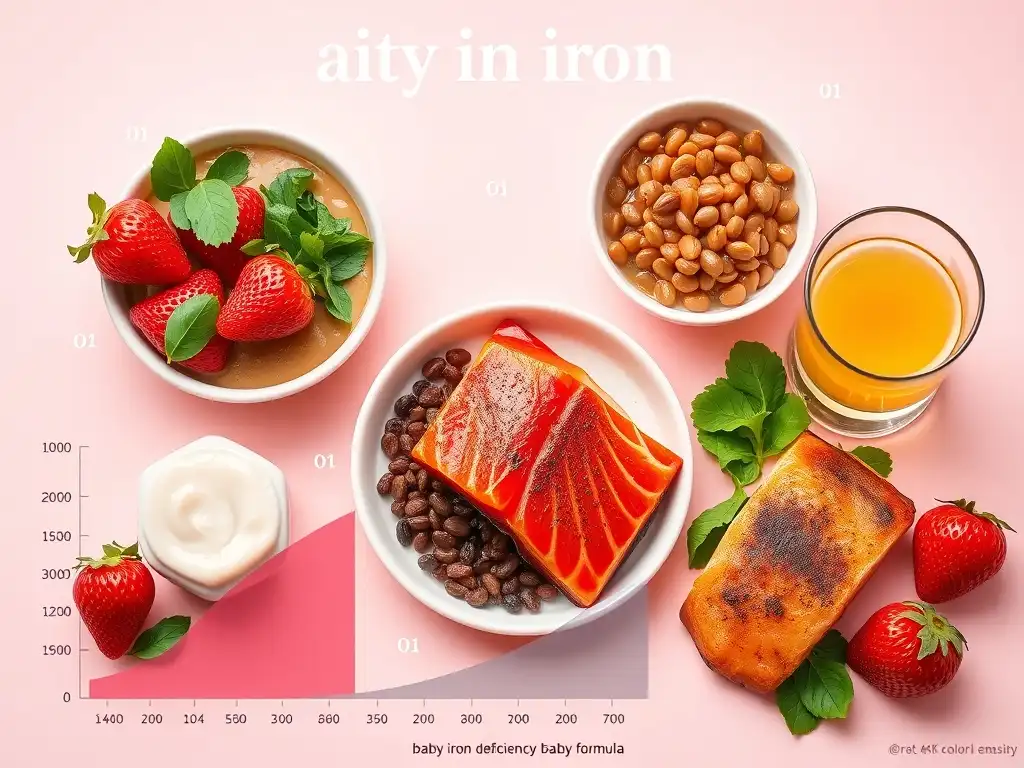
Iron is crucial for your baby's growth and development, playing a vital role in oxygen transport and cognitive function. Introducing iron-rich foods into your baby's diet is paramount, especially after 6 months of age when their iron stores from birth begin to deplete. Understanding the best sources of iron for your little one is key to preventing iron deficiency anemia.
This section will explore various options, highlighting their nutritional value and suitability for different developmental stages. Remember to always consult with your pediatrician before making significant changes to your baby's diet, especially regarding supplementation. This information is for educational purposes and should not be considered medical advice.
Iron-Rich Foods for Babies 6 Months and Older
Once your baby reaches six months of age, introducing iron-rich foods becomes crucial. Breast milk and formula, while providing essential nutrients, are relatively low in iron compared to the baby's needs at this stage. Here are some excellent options to incorporate into your baby's diet:
- Iron-Fortified Cereals: These are often the first solid food introduced and provide a readily available source of iron. Look for cereals specifically formulated for infants, ensuring they're iron-fortified. Many brands offer single-grain options like rice cereal, oatmeal, or barley cereal, which are easier to digest for babies.
- Pureed Meats: Starting with iron-rich meats like beef, chicken, or turkey is a fantastic way to bolster your baby's iron intake. Pureed or finely minced meats can be easily incorporated into various meals. Remember to remove any visible fat or gristle.
- Legumes (Pureed): Lentils, chickpeas, and beans are excellent sources of iron, though their bioavailability (how well the body absorbs the iron) is slightly lower than heme iron found in meats. Pureeing these legumes makes them easier for babies to digest.
- Iron-Fortified Baby Foods: Many commercially available baby food jars and pouches are fortified with iron to enhance their nutritional value. Check the labels carefully to ensure the product is indeed iron-fortified.
- Egg Yolks (after 6 months, with caution for allergies): Egg yolks are rich in iron and other essential nutrients. However, it's important to introduce egg yolks gradually to monitor for any allergic reactions.
| Food Source | Iron Content (mg/serving - approximate) | Notes |
|---|---|---|
| Iron-fortified Cereal | 8-12 | Varies by brand and serving size |
| 1 tbsp Pureed Beef | 1-2 | Adjust amount based on baby's age/needs |
| 1/4 cup Pureed Lentils | 1-1.5 | Introduce gradually and check for allergies |
| Iron-fortified Baby Food | Varies greatly | Always check the nutrition label |
Remember to consult a pediatrician or a registered dietitian for personalized dietary recommendations based on your baby's individual needs and growth milestones. Proper monitoring is essential to ensure adequate iron levels.
Age-Appropriate Iron Supplementation: When and How
While a balanced diet rich in iron is the primary method of preventing iron deficiency, sometimes supplementation is necessary. This is especially true for premature babies, babies with low birth weight, or babies who are exclusively breastfed and not consuming sufficient iron-rich foods. Your pediatrician will assess your baby's iron levels through blood tests and recommend supplementation if needed.
Iron supplements are typically available in liquid or drop form, making them easy to administer to babies. The dosage will depend on your baby's age, weight, and the specific recommendation from your doctor. It's crucial to follow the prescribed dosage precisely and never exceed the recommended amount. Iron overdose can be harmful. Furthermore, iron supplements can cause constipation in some babies; therefore, monitoring your baby's bowel movements is important.
Important Considerations Regarding Iron Supplementation
Always store iron supplements out of reach of children. If you suspect an iron overdose, seek immediate medical attention. Iron supplements can interact with certain medications, so inform your doctor about all medications your baby is taking.
Creating a Balanced Diet Rich in Iron for Your Baby
Building a balanced diet for your baby that's rich in iron requires careful planning and consistent effort. It's not just about adding iron-rich foods; it's about ensuring a diverse intake of all essential nutrients. Vitamin C enhances iron absorption; therefore, incorporating foods rich in vitamin C, such as citrus fruits (in appropriate amounts and forms once introduced), alongside iron-rich foods can improve iron bioavailability. Remember to introduce new foods one at a time, monitoring for any allergic reactions.
Creating a diverse and balanced diet is crucial for your baby's overall health and development. Regular check-ups with your pediatrician will help you track your baby's growth and iron levels, ensuring they're on the right track. Remember, consistent monitoring and a proactive approach to nutrition are key to preventing iron deficiency and supporting your baby's healthy growth. Tracking your baby's growth using a baby iron deficiency growth chart 1 in conjunction with regular check-ups can provide a comprehensive overview of their development.
1 Note: While a "baby iron deficiency growth chart" isn't a standardized medical tool, regularly tracking your baby's weight and height alongside iron level testing provides essential information for monitoring their growth.
Preparing Iron-Rich Foods Safely for Your Baby
Introducing iron-rich foods into your baby's diet is crucial for their development, but safety should always be the top priority. Improper food preparation can lead to choking hazards or introduce harmful bacteria, undermining the benefits of iron supplementation. Therefore, understanding safe food preparation techniques is paramount.
One of the most important aspects is thorough cooking. Many iron-rich foods, such as meats and beans, require proper cooking to eliminate harmful bacteria like Salmonella and E. coli. Undercooked foods pose significant health risks to infants, whose immune systems are still developing. Always cook meats to their recommended internal temperatures using a reliable food thermometer. For example, ground beef should reach an internal temperature of 160°F (71°C) to ensure it's safe for consumption. Similarly, beans and lentils should be cooked until tender to aid digestion and reduce the risk of choking.
Another critical factor is proper food handling. Maintaining hygiene throughout the preparation process is essential. Wash your hands thoroughly with soap and water before and after handling food. Clean all surfaces and utensils that come into contact with the food to prevent cross-contamination. If using pre-packaged foods, check the expiration date and ensure the packaging is intact. Store leftovers properly in airtight containers in the refrigerator to prevent bacterial growth. Remember, even small amounts of bacteria can cause significant illness in infants.
Once the food is prepared, introducing it gradually is vital. Start with small portions of pureed or mashed foods, carefully observing your baby's reactions. Begin with one new food at a time, waiting a few days before introducing another, to identify any potential allergies or intolerances.
Pay close attention to your baby's stool consistency and any signs of discomfort. It's crucial to introduce iron-rich foods in conjunction with other nutrients for optimal absorption and overall health. For example, vitamin C enhances iron absorption; therefore, combining iron-rich foods with foods rich in vitamin C, like citrus fruits, can significantly improve the bioavailability of iron in the baby's diet.
Finally, avoiding choking hazards is crucial. Ensure all foods are finely pureed or mashed, especially during the initial stages of introducing solids. Cut larger foods into small, manageable pieces to minimize the risk of choking. Always supervise your baby while they are eating, and never leave them unattended.
Always check the food for any hard pieces or bones that could pose a choking hazard. Remember, a choking incident can be life-threatening, so vigilance is paramount. By following these safety guidelines, you can ensure that your baby receives the necessary iron from their diet while minimizing health risks. This careful approach is vital for supporting healthy growth and development.
Addressing Iron Deficiency: Treatment and Management
Iron deficiency in infants requires prompt and appropriate intervention to prevent long-term developmental consequences. Successfully managing iron deficiency involves a multi-pronged approach encompassing treatment, monitoring, and long-term preventative strategies. This section will detail these crucial steps, focusing on practical advice and considerations for parents.
Treatment Options for Iron Deficiency Anemia in Infants
Treatment for iron deficiency anemia in infants typically involves oral iron supplementation. The type and dosage of iron supplements will be determined by a pediatrician based on the infant's age, weight, and the severity of the deficiency. Common forms include iron drops or syrups, often containing ferrous sulfate or ferrous gluconate.
It's crucial to follow the pediatrician's instructions precisely regarding dosage and administration. Iron supplements can cause gastrointestinal side effects such as constipation, dark stools (which is normal), and upset stomach. These side effects can often be mitigated by administering the iron supplement with food, such as a small amount of fortified baby cereal. Giving the iron with vitamin C-rich foods, such as citrus fruits (in pureed form, appropriate for age), can enhance iron absorption.
Important Considerations Regarding Iron Supplementation
- Never exceed the prescribed dosage.
- Store iron supplements out of reach of children.
- Monitor your baby for any adverse reactions and contact your pediatrician immediately if concerns arise.
- Understand that it may take several weeks or even months to see a significant improvement in iron levels.
In severe cases of iron deficiency anemia, intravenous iron therapy might be necessary. This is usually reserved for infants who are unable to tolerate or absorb oral iron supplements adequately. This method delivers iron directly into the bloodstream, bypassing the digestive system. However, intravenous iron therapy is typically administered in a hospital setting under medical supervision.
Monitoring Your Baby's Progress During and After Treatment
Regular monitoring is vital to ensure the effectiveness of the treatment and to detect any potential complications. This usually involves periodic blood tests to assess the infant's hemoglobin levels and ferritin levels (a measure of iron stores in the body). These tests will help the pediatrician track the progress and adjust the treatment plan as needed. A Baby iron deficiency growth chart, while not a direct measure of iron levels, can be a helpful tool to monitor growth alongside blood tests. Consistent weight gain and healthy developmental milestones are positive indicators.
The frequency of blood tests will depend on the initial severity of the anemia and the infant's response to treatment. Some infants might require monthly monitoring, while others might need less frequent checks. Parents should maintain open communication with their pediatrician to address any concerns or questions that arise during the monitoring process. Early detection of any setbacks allows for timely adjustments to the treatment strategy.
Long-Term Management of Iron Deficiency
Even after iron levels have returned to normal, preventative measures are crucial to avoid future deficiencies. A balanced and nutritious diet rich in iron-containing foods is essential. This includes iron-fortified infant cereals, pureed meats, and age-appropriate iron-rich foods as the infant progresses to solid foods. Breast milk and iron-fortified infant formula continue to be important sources of iron for infants who are not yet eating a wide variety of solid foods.
Furthermore, regular check-ups with the pediatrician are crucial to monitor the infant's growth and development and to ensure that iron levels remain within the normal range. The pediatrician may recommend continued iron supplementation for a specific period, even after the anemia is resolved, particularly if there are underlying medical conditions that may affect iron absorption. This proactive approach ensures the infant's overall health and well-being. A consistent focus on a healthy diet and regular medical check-ups is key to long-term management of iron deficiency and promoting healthy growth and development.
The Role of Parental Support and Education
Parental involvement is crucial in addressing and preventing iron deficiency in infants. Educating parents about the importance of iron-rich foods, breastfeeding practices (if applicable), and the signs and symptoms of iron deficiency anemia is paramount. This education should begin even before the baby is born, during prenatal care. Expectant mothers need to understand the significance of their own iron levels for fetal development and the potential implications for their baby's iron stores. Postpartum education should focus on appropriate introduction of iron-rich foods and continued monitoring for any signs of deficiency.
Many healthcare providers offer informational pamphlets or workshops specifically designed to address these concerns. These resources can be invaluable in providing parents with the knowledge and confidence to make informed decisions about their baby's nutrition. Furthermore, support groups and online communities can create a sense of shared experience and provide a platform for parents to ask questions, share concerns, and learn from others who have navigated similar challenges.
A strong support network can significantly ease the burden of managing a baby's iron deficiency and ensure consistent adherence to treatment plans. The emotional and practical support offered to parents during this time is just as important as the medical intervention itself. Regular check-ups and open communication with healthcare professionals are essential for early detection and effective management of iron deficiency.
Early intervention is key to minimizing the long-term impacts on the child's growth and development. This collaborative approach between healthcare professionals and parents is vital for ensuring the best possible outcome for the child.
Frequently Asked Questions
What is the connection between iron deficiency and a baby's growth?
Iron is crucial for hemoglobin production, which carries oxygen throughout the body. A deficiency limits oxygen delivery, impacting energy levels and growth. Untreated deficiency can lead to significant developmental delays.
How can I tell if my baby has iron deficiency?
Look for symptoms like pale skin, fatigue, irritability, and poor appetite. However, these are non-specific, so a blood test is necessary for diagnosis. Consult your pediatrician if you have concerns.
Is there a specific "baby iron deficiency growth chart"?
While there isn't a single chart specifically for iron deficiency, your pediatrician will use standard growth charts alongside blood test results to assess your baby's growth in relation to their iron levels. Developmental milestones are also considered.
What are the potential long-term effects of untreated iron deficiency in babies?
Untreated iron deficiency can lead to cognitive delays, behavioral problems, and impaired immune function. Early detection and treatment are vital for minimizing long-term consequences. Early intervention is key.
How can I prevent iron deficiency in my baby?
Ensure your baby receives adequate iron through breast milk or iron-fortified formula. Introduce iron-rich foods like pureed meats, beans, and iron-fortified cereals at the appropriate age. Follow your pediatrician's guidance on supplementation if needed.
Final Reflection: The Unseen Impact of Iron on a Child's Future
Iron deficiency in infants is not merely a nutritional concern; it's a silent thief stealing potential from the next generation. The data presented clearly demonstrates the profound and often irreversible impact insufficient iron can have on a child's physical and cognitive development, hindering their ability to reach their full potential. Understanding this connection is crucial for parents, healthcare providers, and policymakers alike.
The pervasive nature of iron deficiency, particularly in vulnerable populations, underscores the urgent need for widespread education and accessible preventative measures. This isn't just about numbers on a growth chart; it's about shaping the future trajectory of a child's life, their ability to learn, thrive, and contribute meaningfully to society. The brain is the most iron-dependent organ in the body,
a fact that highlights the critical role iron plays in cognitive development and underscores the long-term consequences of deficiency. This resonates deeply with me, emphasizing the importance of early intervention and proactive care.
You, as a parent or caregiver, now possess the knowledge to advocate for your child's well-being. Don't hesitate to discuss iron levels with your pediatrician, ensuring regular check-ups and addressing any concerns promptly. By understanding the interconnectedness of iron, growth, and a child's future, you are empowered to make informed decisions that will positively shape their journey. Let's work together to ensure every child has the opportunity to flourish, unbound by the limitations of iron deficiency.
Unlock Your Baby's Growth Potential
Thank you for learning about the crucial link between iron deficiency and your baby's development. We hope this information empowers you to make informed choices to support their healthy growth. Let's explore the next steps!
- Prioritize iron-rich foods: Begin incorporating iron-rich foods such as fortified cereals, pureed spinach, and lentils into your baby's diet. This is a vital step in promoting healthy development.
- Schedule a checkup: Discuss your baby's diet and development with your pediatrician at their next appointment. They can assess your baby's iron levels and recommend appropriate actions.
- Connect with other parents: Share your experiences and tips on feeding your baby with other parents on our BabyCareHub forums. This supportive community can offer valuable insights and encouragement.
What small change will you make today to support your baby's iron intake and healthy growth?