
BabyCareHub's Bedtime Routine Checklist: Ensuring a Smooth Transition to Sleep


Welcome to BabyCareHub, your ultimate guide to navigating the exciting (and sometimes challenging!) world of parenthood. Are you ready to unlock the secret to peaceful nights and happy babies? We've created a newborn bedtime routine checklist designed to help you establish healthy sleep habits from day one. Discover the step-by-step strategies that will transform bedtime from a battleground into a blissful bonding experience. Let's dive in and unlock the secrets to a smoother transition to sleep!
- Establishing a Consistent Newborn Bedtime Routine: A Step-by-Step Guide
-
The Essential Newborn Bedtime Routine Checklist: A Timetable for Success
- Early Evening Wind-Down: Identifying Early Signs of Tiredness
- Bath Time Bliss: A Soothing Routine for Cleanliness and Relaxation
- Pajama Time and Story Time: Creating a Sense of Calm Before Bed
- Feeding Time: Ensuring Your Baby is Comfortably Full Before Sleep
- Bedtime Song and Cuddles: Strengthening the Bond and Promoting Sleep
- Putting Your Baby Down Drowsy But Awake: Establishing Independent Sleep Skills
- Troubleshooting Common Bedtime Challenges for Newborns
- Adapting Your Newborn Bedtime Routine as Your Baby Grows
- Resources for Further Support on Newborn Sleep
- Frequently Asked Questions
- Final Reflection: Cultivating Calm in the Chaos of Bedtime
- Unlock Your Little One's Best Sleep Yet!
Establishing a Consistent Newborn Bedtime Routine: A Step-by-Step Guide
Creating a consistent bedtime routine for your newborn is crucial for establishing healthy sleep habits and ensuring a peaceful night's rest for both you and your baby. This guide provides a practical, step-by-step approach to developing a successful bedtime routine, addressing key aspects from creating a soothing pre-sleep environment to implementing calming rituals. We'll explore how a well-structured routine can significantly improve your baby's sleep quality and contribute to their overall well-being.
This checklist focuses on the critical elements of a newborn bedtime routine, helping first-time parents navigate the often-challenging transition to parenthood and providing a framework for fostering healthy sleep patterns from the very beginning. Remember, consistency is key! A predictable routine helps your baby understand when it's time to wind down and prepare for sleep, reducing nighttime awakenings and promoting longer, more restful sleep periods.
This comprehensive guide will equip you with the tools and knowledge to build a personalized bedtime routine that works best for you and your little one. Let's dive in!
Creating a Relaxing Pre-Sleep Environment for Your Baby
Preparing your baby for sleep begins well before placing them in their crib. Creating a calm and relaxing environment is paramount. This involves dimming the lights approximately 30-60 minutes before bedtime. The reduction in bright light helps trigger melatonin production, a hormone essential for regulating sleep.
Consider using soft, warm lighting, such as a nightlight or dimmable lamp, to create a soothing ambiance. Gentle music or white noise can also be incredibly helpful in masking disruptive sounds and promoting relaxation. A consistent temperature is also important; aim for a room temperature between 68-72°F (20-22°C). Overly warm or cold rooms can disrupt sleep.
Finally, ensure the room is well-ventilated to maintain a comfortable and fresh atmosphere. Remember to minimize stimulation during this pre-sleep period, avoiding screen time and overly active play. The goal is to create a tranquil space that signals to your baby it's time to wind down. This consistent pre-sleep environment will become an important cue for sleep, helping your little one associate these factors with rest.
Optimizing the Baby's Sleep Space for a Peaceful Night
The baby's sleep environment plays a significant role in their sleep quality. A safe and comfortable sleep space is essential for promoting peaceful nights. The American Academy of Pediatrics (AAP) recommends room sharing (but not bed sharing) for the first six months, or longer if desired. The crib should be firm and flat, with no loose bedding, bumpers, or toys.
A fitted sheet is all that’s necessary. Ensure the crib meets current safety standards, and that it is free from any potential hazards. The room should be dark, quiet, and at a comfortable temperature, as previously discussed. Consider using blackout curtains or blinds to block out external light, especially if your baby tends to wake easily.
White noise machines can help mask disruptive noises from outside the room, creating a more consistent soundscape. Remember to regularly check the temperature of the room to ensure it remains consistently comfortable throughout the night. Maintaining a consistent sleep environment contributes significantly to a more restful sleep for your baby. A safe and comfortable space will help ease anxieties and encourage better sleep.
Implementing a Calming Bedtime Ritual for Your Newborn
A consistent bedtime ritual signals to your baby that it's time to sleep. This ritual should be short, predictable, and calming. Examples include a warm bath, a gentle massage, putting on pajamas, reading a book (or singing a lullaby), and cuddling. The key is consistency. Perform the same steps in the same order every night.
This predictability helps your baby anticipate bedtime and promotes relaxation. Avoid stimulating activities during this time. The ritual should be calming and soothing. Keep it short, typically 15-30 minutes, to prevent overtiredness which can paradoxically make it harder for your baby to fall asleep. It’s crucial to be mindful of your baby's cues.
If they seem tired, adjust the routine accordingly. If they seem overly stimulated, shorten the routine or eliminate certain steps. A consistent and calming bedtime ritual will become a powerful sleep cue, helping your baby associate these actions with sleep onset. Over time, this ritual will become a cherished part of your bedtime routine, fostering a sense of security and predictability.
The Essential Newborn Bedtime Routine Checklist: A Timetable for Success
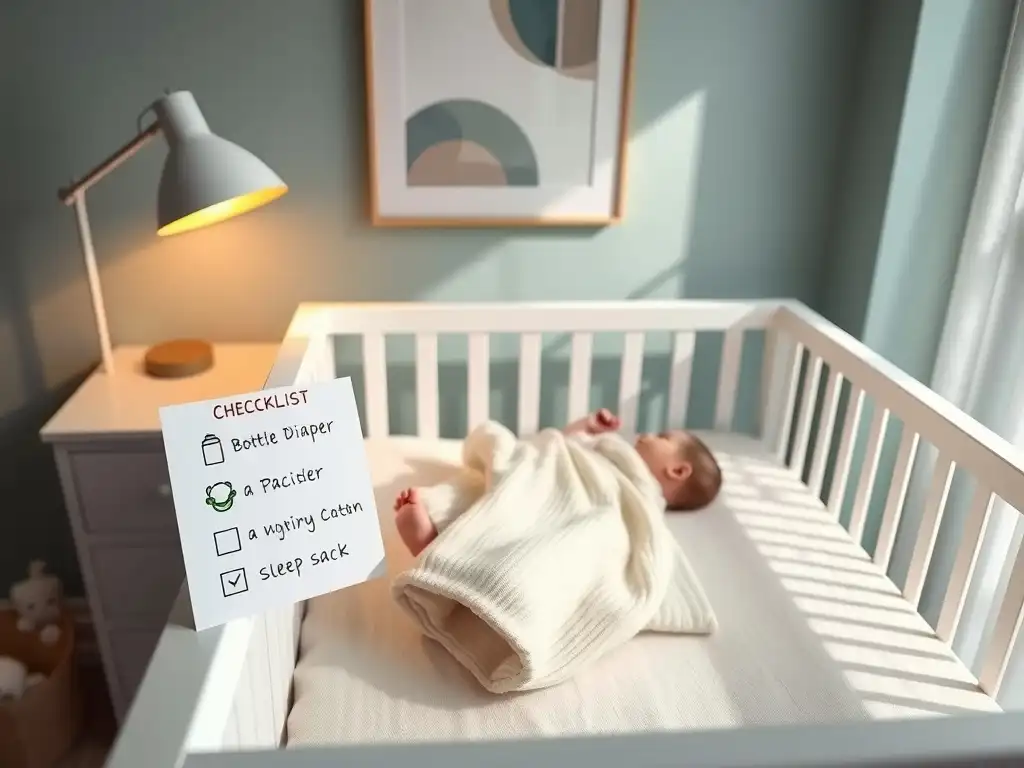
This section details a sample newborn bedtime routine checklist, focusing on consistency and predictability to promote healthy sleep habits. Remember, every baby is unique, so adjust this timetable to fit your little one's individual needs and cues. The key is consistency – sticking to a similar routine each night will help your baby learn to associate certain actions with sleep.
This is crucial for establishing a strong foundation for a successful newborn bedtime routine and minimizing nighttime wakings. We'll explore each step in more detail below, providing practical tips and addressing common challenges faced by parents navigating this crucial phase. The goal is to create a peaceful, predictable bedtime experience that helps both parent and baby achieve restful sleep.
Early Evening Wind-Down: Identifying Early Signs of Tiredness
The first step in establishing a successful newborn bedtime routine checklist is recognizing your baby's early signs of tiredness. This is crucial to preventing overtiredness, a common culprit for disrupted sleep. Instead of waiting until your baby is inconsolable, aim to start the wind-down process when you notice subtle cues, such as:
- Rubbing eyes: This is a classic sign of fatigue.
- Yawning: Frequent yawning indicates your baby is getting sleepy.
- Fussiness or irritability: A change in mood, becoming more fussy or irritable than usual, can signal tiredness.
- Pulling at ears: Some babies pull at their ears when tired.
- Quietening down: A shift to less activity and quieter play can be a subtle indicator.
Observing these subtle cues allows you to initiate the bedtime routine before your baby becomes overtired and overly stimulated, making it harder for them to settle down. Begin the wind-down process at least 30-60 minutes before the target bedtime. This allows for a gradual transition from active play to a calm and peaceful state. Early identification and response to these signals are key components of a successful newborn bedtime routine checklist. The earlier you start, the smoother the process will become.
Bath Time Bliss: A Soothing Routine for Cleanliness and Relaxation
Bath time isn't just about cleanliness; it's a crucial part of the newborn bedtime routine checklist, providing a calming transition to sleep. The warm water, gentle touch, and soothing atmosphere can help relax your baby and prepare them for bed. Here are some tips for making bath time a truly blissful experience:
- Temperature: Ensure the water temperature is comfortably warm, around 98-100°F (36-38°C). Test the water with your elbow before placing your baby in the tub.
- Products: Use mild, fragrance-free baby wash and avoid harsh soaps that can dry out their delicate skin.
- Routine: Maintain a consistent bath time routine. This predictability can be very comforting for your baby.
- Interaction: Sing lullabies, talk softly, or engage in gentle play during bath time.
- Post-Bath: After the bath, gently pat your baby dry and apply a moisturizing lotion to prevent dry skin. This adds a comforting, tactile element to the routine.
This calming experience helps to signal the end of the day and the beginning of bedtime, making it a valuable part of your newborn bedtime routine checklist. Remember to always supervise your baby closely during bath time and ensure the bathroom is a safe environment.
Pajama Time and Story Time: Creating a Sense of Calm Before Bed
The final stages of your newborn bedtime routine checklist involve preparing your baby for sleep. This usually includes putting on pajamas and engaging in a calming activity, such as reading a book or singing a lullaby. This transition period should be quiet and peaceful, promoting relaxation and preparing your baby for sleep.
- Pajamas: Choose comfortable, loose-fitting pajamas made from soft, breathable fabric.
- Story Time: Even newborns benefit from a quiet story time. Choose books with simple illustrations and repetitive phrases. The sound of your voice is soothing and creates a comforting association with bedtime.
- Lullabies: Singing lullabies or playing calming music can soothe your baby and help them relax before sleep.
- Quiet Interaction: Keep the interaction gentle and quiet. Avoid stimulating activities or bright lights during this time.
This segment of your newborn bedtime routine checklist focuses on creating a calming and predictable environment to signal the upcoming sleep. The consistency of these actions, coupled with the calming activities, reinforces the association between these actions and the onset of sleep. Remember, the key is consistency and a peaceful atmosphere. This will help your baby understand that it's time to wind down and prepare for a restful sleep.
Feeding Time: Ensuring Your Baby is Comfortably Full Before Sleep

A full tummy is crucial for a peaceful night's sleep for your newborn. The timing of the last feeding before bed is key to establishing a successful bedtime routine. For newborns, this often means a feeding approximately 30-60 minutes before the desired bedtime. 1 However, every baby is different, and you'll need to observe your little one's cues to determine the optimal feeding time. Some babies may show signs of hunger later, while others may be content with an earlier feed. Pay close attention to your baby's hunger cues, such as rooting, sucking on their hands, or fussiness. Avoid overfeeding, as this can lead to discomfort and disrupted sleep. A good rule of thumb is to stop feeding when your baby shows signs of satiety, such as slowing down their suckling or turning away from the breast or bottle. Remember to burp your baby after feeding to prevent discomfort from trapped air. This mindful approach to feeding will contribute significantly to a more restful sleep for both you and your baby. Consistency in feeding times will also help regulate your baby's internal clock, making the transition to sleep smoother over time. Keep a feeding diary to track your baby's feeding patterns and adjust the bedtime feeding as needed.
Bedtime Song and Cuddles: Strengthening the Bond and Promoting Sleep
The time leading up to sleep shouldn't just be about functional tasks; it's a crucial opportunity to bond with your baby and create positive sleep associations. A consistent bedtime song or a calming lullaby can work wonders in signaling to your baby that it's time to wind down. The gentle rhythm and soothing melody can have a profoundly relaxing effect. 2 Choose a song that you enjoy singing, as your positive energy will transfer to your baby. Combine the song with gentle cuddles and skin-to-skin contact, further strengthening the bond and creating a sense of security. This physical affection releases oxytocin, a hormone associated with relaxation and bonding, promoting a feeling of calmness and contentment in your baby. Remember, this isn't just about getting your baby to sleep; it's about building a positive and loving bedtime routine that fosters a secure attachment. Experiment with different songs and cuddling styles to find what works best for you and your baby. The consistency of this ritual is paramount; the familiar routine will become a comforting signal for your baby, easing the transition to sleep. Consider incorporating a special stuffed animal or a security blanket into this routine to create additional comfort and familiarity.
Putting Your Baby Down Drowsy But Awake: Establishing Independent Sleep Skills
This crucial step is often the most challenging, yet it's essential for teaching your baby to self-soothe and fall asleep independently. The goal is to put your baby down in their crib while they are still drowsy but awake. This means they are not fully asleep but are calm and relaxed. 3 If you put your baby down fully asleep, they may not learn to self-soothe and may become reliant on being put to sleep by you each time. This can lead to difficulties later on. Once your baby is drowsy, gently place them in their crib, offer a final pat or kiss, and quietly leave the room. It's normal for babies to fuss or cry a little at first, but resist the urge to immediately pick them up. Allow your baby a few minutes to self-soothe. If the crying persists or becomes inconsolable, you can check on your baby after a short period, offering reassurance without picking them up. Gradually increasing the time you wait before checking on your baby will help them learn to fall asleep independently. This method promotes healthy sleep habits and reduces sleep associations with being held or rocked to sleep. Remember, consistency is key. While it may be challenging initially, the long-term benefits of teaching your baby to self-soothe are invaluable. This approach fosters independence and contributes to better sleep for both you and your baby in the long run.
1 Based on common pediatric sleep recommendations. Specific timelines may vary. 2 Research suggests the positive impact of lullabies on infant sleep. 3 This method is supported by many sleep training approaches.
Troubleshooting Common Bedtime Challenges for Newborns
Establishing a consistent newborn bedtime routine checklist is crucial, but even with meticulous planning, challenges arise. This section addresses some common hurdles and offers practical solutions to help you navigate these difficulties and foster better sleep habits for your little one. Understanding the root causes of sleep disturbances is key to effectively addressing them.
Addressing Night Wakings and Feeding Issues
Frequent night wakings are a common complaint among new parents. Often, these wakings are driven by hunger, but other factors can contribute. A detailed feeding log can help identify patterns. For example, tracking the timing and amount of each feed, along with your baby's sleep duration afterward, can reveal if your baby is waking due to insufficient milk intake during daytime feeds or simply needing comfort.
Let's analyze a hypothetical scenario: Imagine a baby waking every 2 hours throughout the night. Initially, assuming hunger, you might increase the amount of milk at each daytime feed. However, if the night wakings persist, it suggests an alternative cause. This could be a need for comfort, a developmental leap, or even a slight illness. Keeping a detailed log – including notes on diaper changes, fussiness levels, and environmental factors – is invaluable in pinpointing the underlying issue.
One useful strategy is to distinguish between hunger cues and comfort cues. Hunger cues are often more intense and involve rooting, vigorous sucking motions, and a consistently unhappy demeanor. Comfort cues might include gentle fussing, stirring, and a general restlessness that doesn't seem directly related to intense hunger. Learning to differentiate these cues is a vital skill for parents.
Remember, consistency is key. Avoid rushing to feed your baby at every stir. Try offering a pacifier or gentle rocking first. If hunger is confirmed, offer a feed, but strive for a calm, routine-based feeding approach rather than a frantic response to every whimper. Consistent, calm responses teach your baby to self-soothe and reduce reliance on immediate feeding for comfort.
Managing Separation Anxiety and Comforting Your Baby
Separation anxiety is a common developmental phase, often peaking around 8 months, but signs can appear earlier. A newborn may cry when placed in the crib, even after a seemingly successful bedtime routine. This isn't necessarily a sign of a flawed routine, but rather a reflection of your baby's growing awareness of separation.
Addressing this involves creating a sense of security and predictability. A consistent bedtime routine provides this predictability. Additionally, consider leaving a familiar-smelling item, like a soft blanket or piece of your clothing, in the crib. This provides olfactory comfort and a link to you, even in your absence.
Another helpful technique is to gradually decrease your physical presence during the bedtime routine. Start by holding your baby close during the initial steps, and then slowly move further away as the routine progresses. This helps your baby adapt to your decreasing presence. Avoid sneaking out; instead, provide reassurance with gentle pats and soft words before leaving.
Remember, patience is paramount. The process of soothing a baby experiencing separation anxiety takes time and consistency. Avoid reacting with frustration; instead, maintain a calm, reassuring demeanor. Your calm presence will help your baby feel more secure. This approach builds trust and helps your baby learn to self-soothe more effectively.
Dealing with Irregular Sleep Patterns in Newborns
Newborns often have unpredictable sleep patterns. This is perfectly normal. However, if the irregularity causes significant distress, some strategies can help. Firstly, ensure your baby is getting adequate daytime stimulation. Overtiredness can lead to more difficult nighttime sleep. Balanced periods of activity and rest throughout the day contribute to better nighttime sleep.
Secondly, consider optimizing your baby's sleep environment. A dark, quiet, and cool room is ideal. White noise machines can help mask disruptive sounds. A consistent sleep surface, whether it's a crib or bassinet, also promotes better sleep. Minimizing external stimuli, such as bright lights or loud noises, is crucial.
Finally, remember that some irregularity is inherent in newborn sleep. While striving for consistency is important, don't get discouraged by occasional setbacks. Keep a record of your baby's sleep patterns, noting feeding times, diaper changes, and any significant events. This will help you identify any recurring patterns and adjust your approach accordingly. Flexibility and patience are your greatest allies in navigating this phase. Remember, every baby is unique, and what works for one may not work for another. Embrace the journey and celebrate the small victories along the way!
Adapting Your Newborn Bedtime Routine as Your Baby Grows
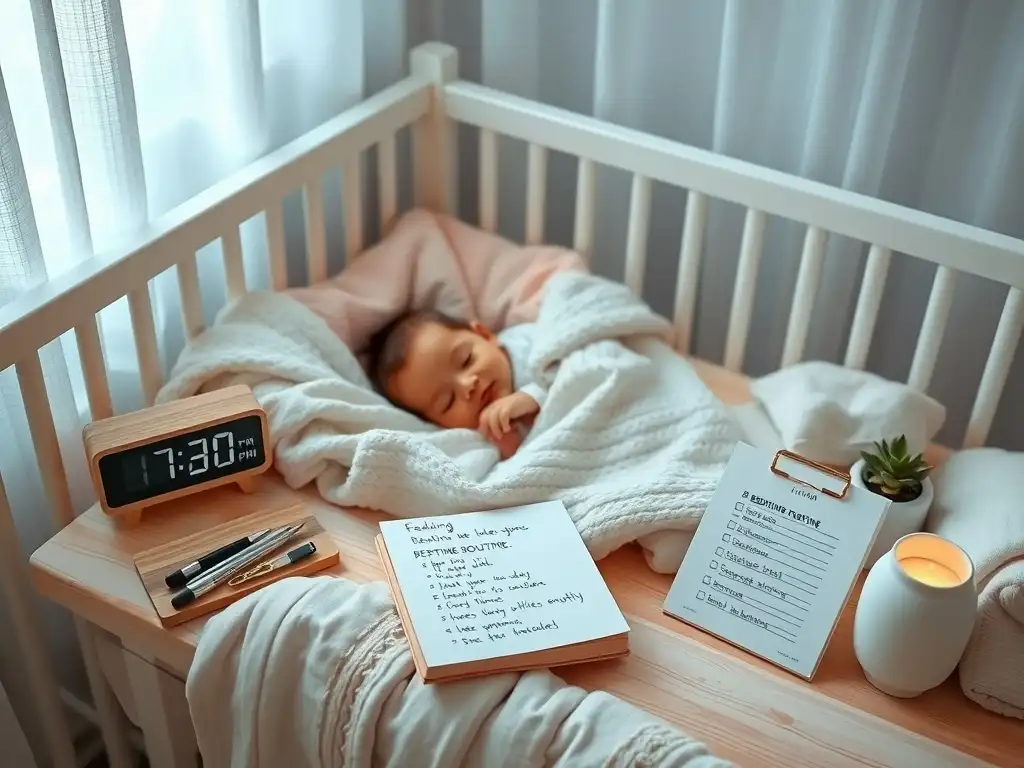
A newborn's bedtime routine is vastly different from that of a six-month-old, and even more so from a one-year-old. Consistency is key, but flexibility is equally important as your little one develops. The beauty of a well-structured newborn bedtime routine checklist lies in its adaptability. This isn't a rigid set of rules etched in stone; it's a living document that evolves alongside your baby's growth.
As your baby's needs change, so should your approach to bedtime. Understanding these developmental shifts is crucial for maintaining a peaceful sleep schedule for both you and your baby. Failure to adapt can lead to sleep disruptions and increased parental stress.
Adjusting the Routine for Different Developmental Stages
The first three months are characterized by frequent feeding and short sleep cycles. Your newborn bedtime routine checklist might focus on feeding, a calming bath (optional), swaddling, and putting your baby down drowsy but awake. However, by month four, your baby might be sleeping for longer stretches. You can then begin to extend the wind-down period, introducing a short book reading or a gentle lullaby. By six months, solid foods are usually introduced, potentially shifting the timing of the last feed. Always consult your pediatrician for guidance on feeding schedules.
| Age Range | Routine Adjustments | Key Considerations |
|---|---|---|
| 0-3 Months | Frequent feeds, swaddling, calming sounds. Short, simple routine. | Focus on consistency and responding to baby's cues. |
| 4-6 Months | Longer wind-down period, introduction of books or quiet playtime. | Baby's sleep cycles are lengthening; adjust accordingly. |
| 7-12 Months | Solid foods introduction might shift feeding timing. More interactive bedtime routines. | Baby's becoming more aware of their surroundings; maintain a calm and predictable environment. |
Remember, each baby is unique. Some might transition smoothly, while others might require more patience and adjustments. Observing your baby's cues is paramount – are they showing signs of tiredness, such as rubbing their eyes or yawning excessively? These are valuable indicators to guide your adjustments. Don't hesitate to seek professional advice from your pediatrician or a child sleep consultant if you encounter difficulties. A personalized approach is often the most effective way to achieve a successful bedtime routine. Utilizing a newborn bedtime routine checklist can help you track these changes and ensure that you are adapting effectively.
Introducing New Habits and Routines Gradually
Introducing new elements to your baby's bedtime routine should be done gradually to avoid overwhelming them. Sudden changes can disrupt their sleep patterns and lead to resistance. For example, if you want to introduce a bath before bedtime, start by incorporating it once or twice a week before gradually increasing the frequency. Similarly, if you're introducing a new book or lullaby, do so consistently for a few nights before adding another element.
The key is to maintain a sense of predictability and routine. Your baby thrives on knowing what to expect. A consistent bedtime routine provides a sense of security and helps them understand that it's time to wind down and prepare for sleep. This predictable sequence of events helps regulate their circadian rhythm, making it easier for them to fall asleep and stay asleep.
Think of it as creating a comforting and familiar ritual, a signal to their little bodies that rest is on the horizon. By gradually incorporating new habits, you're building a strong foundation for healthy sleep habits that will benefit your baby for years to come. Remember to remain patient and consistent; the rewards of a well-established bedtime routine are well worth the effort. A well-structured newborn bedtime routine checklist can help you effectively manage this gradual introduction of new habits.
Resources for Further Support on Newborn Sleep
Establishing a consistent and effective newborn bedtime routine is a crucial step in ensuring your baby's healthy sleep development. While this checklist provides a solid foundation, remember that every baby is unique, and what works for one may not work for another. Seeking additional support and information can be incredibly beneficial during this challenging yet rewarding period. This section highlights resources to supplement your journey towards peaceful nights and happy days.
Recommended Books and Articles on Baby Sleep
Navigating the world of baby sleep can feel overwhelming. Fortunately, numerous resources offer evidence-based advice and practical strategies. Choosing reliable sources is key to avoiding conflicting or potentially harmful information. Here are some examples of reputable resources you might find helpful:
- Books focusing on newborn sleep: Look for books that emphasize age-appropriate sleep expectations and gentle, positive parenting techniques. Many books offer detailed sleep schedules and troubleshooting tips for common sleep problems. Pay attention to publication dates to ensure the information is current and aligned with the latest scientific understanding of infant sleep. Check reviews before purchasing to gauge the effectiveness and helpfulness of the content.
- Peer-reviewed articles and journals: For a more in-depth scientific understanding of infant sleep, explore articles published in reputable parenting and child development journals. These articles often present research findings on sleep patterns, sleep disorders, and effective sleep training methods. However, be mindful that the language and content might be more technical than books aimed at parents.
- Articles from reputable organizations: Organizations dedicated to child health and development often publish articles and guides on baby sleep. These resources typically provide reliable, evidence-based information that is easy to understand and apply. Look for materials that are reviewed by medical professionals and adhere to established child development guidelines.
The key is to find resources that resonate with your parenting philosophy and your baby's individual needs. Don't hesitate to explore multiple sources to find the approach that works best for your family. Remember that consistency and patience are paramount when establishing a healthy sleep routine for your newborn.
Helpful Online Communities and Support Groups for Parents
The journey of parenthood is often best navigated with the support of others. Connecting with other parents facing similar challenges can provide invaluable comfort, encouragement, and practical advice. There are many online communities and support groups specifically designed to address newborn sleep issues. However, it's crucial to approach online forums with a discerning eye:
- Prioritize moderated groups: Look for online communities that are moderated by healthcare professionals or experienced parents. Moderation helps to ensure the quality of information shared and can prevent the spread of misinformation or unhelpful advice.
- Be mindful of varying perspectives: Remember that every baby and every family is unique. What works for one parent might not work for another. While sharing experiences is valuable, avoid fixating on any single approach as the "one-size-fits-all" solution.
- Focus on positive and supportive environments: Choose communities known for their supportive atmosphere and respectful communication. Avoid groups that promote harsh or potentially harmful sleep training methods.
- Supplement, don't replace professional advice: Online communities can be a wonderful source of support and practical tips, but they should never replace professional medical advice. If you have any concerns about your baby's sleep, always consult your pediatrician or other qualified healthcare provider.
Joining a supportive online community can significantly reduce feelings of isolation and provide a sense of connection with others who understand the challenges of establishing a good newborn bedtime routine. Remember to prioritize your well-being alongside your baby's, and don't hesitate to seek help when needed. 😴 The journey to restful sleep is a marathon, not a sprint!
Frequently Asked Questions
What is the ideal bedtime routine for a newborn?
A consistent routine is key. Start with a warm bath, followed by a massage, quiet playtime, and finally, feeding before putting your baby down to sleep. Remember to keep it short and sweet, around 30-45 minutes.
How long should my newborn's bedtime routine last?
Newborns have short attention spans. Aim for a concise routine of 30-45 minutes, maximizing relaxation and minimizing overstimulation. Adjust as your baby grows and their needs change.
What if my newborn doesn't seem to settle during the bedtime routine?
Try adjusting the order or elements of the routine. Swaddling, white noise, or a pacifier might help soothe your baby. If problems persist, consult your pediatrician.
At what age should I start a consistent bedtime routine?
It's beneficial to start a consistent bedtime routine from day one. Even newborns benefit from predictability and the calming effects of a regular schedule. This helps establish healthy sleep habits.
My newborn wakes frequently at night. Is my bedtime routine ineffective?
Night wakings are common, even with a good routine. Focus on consistency and ensure the room is dark, quiet, and cool. If frequent wakings are disruptive, consult your pediatrician to rule out any underlying issues.
Final Reflection: Cultivating Calm in the Chaos of Bedtime
Establishing a consistent bedtime routine is not merely about getting a baby to sleep; it's about building a foundation of healthy sleep habits that will benefit them for years to come. The seemingly small act of creating a predictable and soothing bedtime ritual can have a profound impact on a child's development, reducing stress for both parent and child, and fostering a sense of security and well-being.
The journey of parenthood is filled with challenges, and sleep deprivation often ranks high among them. The impact of a well-structured bedtime routine extends far beyond the immediate relief of a peaceful night's sleep. It shapes a child's emotional regulation, contributing to their overall development and well-being. Sleep is the golden chain that binds health and our bodies together.
– Thomas Dekker. This quote highlights the crucial link between sleep, health, and overall well-being, a connection that begins in the earliest stages of life. The consistent routine we've outlined helps forge this vital link.
Now, consider your own family's bedtime routine. Is it working for you? Are there areas where you can implement small changes to create a more peaceful and predictable experience for everyone? Take a moment to reflect on the power of routine, not just for your baby, but for your entire family. Embrace the opportunity to create a calming and loving ritual that strengthens your bond and sets the stage for a happier, healthier future. The investment in time and effort will yield immeasurable rewards.
Unlock Your Little One's Best Sleep Yet!
Thank you for exploring BabyCareHub's guide to creating a peaceful bedtime routine! We hope you found helpful advice for making nighttime smoother for both you and your baby. Now it's time to put that advice into practice.
Here's what you can do next:
- Download our free printable bedtime routine checklist: This customizable chart helps you track your progress and tailor the routine to your baby's unique needs. You can find the link in the sidebar.
- Share your bedtime routine successes (or challenges!) in the comments below. Let's build a supportive community of parents!
- Experiment with different calming activities: A warm bath, gentle massage, or a quiet story can all help your little one relax before bed. See what works best for your child.
Ready to transform bedtime from a struggle into a blissful experience? What small change will you try tonight?