
The Connection Between Bottle Features and Feeding Success


Welcome to BabyCareHub, your ultimate guide to navigating the incredible journey of parenthood! Are you a first-time parent feeling overwhelmed by the choices available, especially when it comes to feeding your little one? Then you've come to the right place. Discover the secrets to successful feeding with our in-depth analysis of the Best bottle for newborn feeding, and unlock the connection between bottle features and your baby's thriving development. Dive in and explore the Feeding & Nutrition Insights section to uncover expert advice and practical tips that will empower you every step of the way.
- Understanding Your Newborn's Feeding Needs: Choosing the Best Bottle for Newborn Feeding
- Bottle Shape and Design: Impact on Latch and Feeding Comfort
- Cleaning and Sterilization: Maintaining Hygiene for Your Baby's Bottles
- Transitioning to a Bottle: Tips for Breastfed Babies
- Frequently Asked Questions about Choosing the Best Bottle for Newborn Feeding
-
Frequently Asked Questions
- What is the most important feature to consider when choosing a newborn bottle?
- How do different bottle materials affect my baby's feeding experience?
- My baby seems fussy during feeding; could the bottle be the problem?
- Are anti-colic bottles truly effective in reducing colic?
- What's the best way to sterilize different types of baby bottles?
- Final Reflection: Nurturing the Bond: Bottles, Babies, and the Journey Ahead
- Unlock Your Baby's Feeding Potential
Understanding Your Newborn's Feeding Needs: Choosing the Best Bottle for Newborn Feeding
Choosing the right bottle for your newborn can significantly impact their feeding experience and overall well-being. This comprehensive guide delves into the key features of baby bottles, helping you navigate the options and select the best bottle for newborn feeding. Finding the perfect fit involves considering several factors, from nipple flow rate to anti-colic design.
A successful feeding experience contributes to a happy, healthy baby, and understanding the nuances of bottle features is crucial for first-time parents. We'll explore how different bottle designs and features can influence your baby's feeding success, ultimately guiding you towards a more comfortable and efficient feeding routine.
This article will help you make an informed decision when selecting the best bottle for your little one, contributing to a positive and successful feeding journey. We'll cover everything you need to know to confidently choose a bottle that supports your baby's healthy development and your own peace of mind.
Identifying the Right Flow Rate for Your Baby: Slow, Medium, or Fast?
The flow rate of a bottle nipple is a critical factor influencing your baby's feeding experience. Choosing the wrong flow rate can lead to frustration, swallowing too much air (increasing the risk of colic), or feeding difficulties. Let's explore the three main types:
Slow Flow Nipples for Newborns
Slow flow nipples are ideal for newborns and babies who are still adjusting to bottle feeding. These nipples have smaller holes, dispensing milk at a slower pace, mimicking the natural rhythm of breastfeeding. This slower flow helps prevent choking and allows the baby to control the feeding pace. Slow flow nipples are particularly beneficial for babies who are transitioning from breastfeeding to bottle feeding, as it helps them adjust to the different feeding method more smoothly. The slower pace promotes a more natural and relaxed feeding experience. 🍼
Medium Flow Nipples
As your baby grows and their sucking ability improves, you can transition to a medium flow nipple. These nipples have slightly larger holes, allowing for a moderate milk flow. Medium flow nipples are suitable for babies who are around 3-6 months old and have developed stronger sucking reflexes. They provide a good balance between a controlled flow and a satisfying feeding experience, helping to prevent overfeeding and promoting healthy eating habits. The slightly faster flow caters to their improved sucking skills.
Fast Flow Nipples
Fast flow nipples are designed for older babies who have strong sucking reflexes and can handle a faster milk flow. These nipples have larger holes, providing a quicker milk delivery. However, it's crucial to only use fast flow nipples when your baby has demonstrably strong sucking abilities, as a fast flow can lead to choking or discomfort in younger babies. Fast flow nipples are typically recommended for babies over 6 months old, often when they are consuming thicker liquids like baby formula or cereals.
The Importance of Anti-Colic Bottles: Reducing Air Intake During Feeding
Colic can be a distressing experience for both baby and parents. Anti-colic bottles are designed to minimize air intake during feeding, reducing the likelihood of gas bubbles and colic symptoms. These bottles typically incorporate special vents, valves, or internal designs that regulate airflow.
Top Anti-Colic Bottle Options
Several brands offer anti-colic bottles with varying designs and effectiveness. [Specific bottle brands and models pending] It's important to read reviews and consider your baby's individual needs when choosing an anti-colic bottle. Factors such as ease of cleaning, durability, and the type of anti-colic system are important considerations.
Comparing Anti-Colic Systems
Different anti-colic bottles use different systems to reduce air intake. Some use vents, others use internal valves, and some incorporate a unique bottle shape. [Comparison table of different anti-colic systems pending]. Understanding the mechanics of each system can help you choose the best option for your baby. Not all systems work equally well for all babies, making trial and error potentially necessary.
Recognizing Colic Symptoms and Their Relationship to Bottle Choice
Colic is characterized by excessive crying, fussiness, and drawing up legs. While the exact cause of colic is unknown, air intake during feeding is a contributing factor. Choosing an appropriate bottle and feeding technique can help minimize colic symptoms. If colic persists, consulting your pediatrician is essential. Remember, that while the right bottle can help, it's not a guaranteed solution for all colic cases.
Material Matters: Choosing the Best Material for Your Baby Bottle
The material of your baby's bottle is a crucial factor influencing feeding success and overall safety. Different materials offer unique advantages and disadvantages, impacting everything from ease of cleaning to potential health concerns. Choosing the right material requires careful consideration of your baby's needs and your personal preferences. Let's explore the most common options available for new parents seeking the best bottle for newborn feeding.
Glass Bottles: Pros and Cons of Glass Baby Bottles for Newborn Feeding
Glass bottles have long been a popular choice for parents prioritizing safety and durability. They are naturally inert, meaning they don't leach chemicals into the milk or formula, unlike some plastics. This makes them an excellent option for parents concerned about potential health risks associated with certain plastics.
Glass bottles are also incredibly easy to clean and sterilize, ensuring optimal hygiene for your baby's feeding. However, their fragility is a significant drawback. Glass bottles are prone to breakage, especially with clumsy little hands or accidental drops.
Their weight can also be a concern for some parents, and they are generally more expensive than their plastic counterparts. Ultimately, the decision of whether or not to use glass bottles hinges on your tolerance for breakage risk weighed against the benefits of their superior safety and cleaning ease. The choice often depends on individual lifestyle and preferences, making them a top contender among options for the best bottle for newborn feeding for some parents.
Plastic Bottles: BPA-Free Options and Their Safety for Newborns
Plastic baby bottles are widely available and often more affordable than glass. However, the type of plastic is crucial. Bisphenol A (BPA) is a chemical found in some plastics that has raised concerns about potential health effects on infants. Therefore, it's essential to choose BPA-free plastic bottles. Many reputable brands now offer BPA-free options, often made from polypropylene (PP) or other safe plastics.
These BPA-free bottles are lightweight, durable, and relatively inexpensive, making them a convenient choice for many parents. While generally safe, it's important to replace plastic bottles regularly, as they can become scratched and harbor bacteria more easily than glass. Regular replacement is key to maintaining hygiene and ensuring continued safety when choosing the best bottle for newborn feeding. Always check the manufacturer's recommendations for safe usage and replacement.
Silicone Bottles: The Flexibility and Softness of Silicone for Gentle Feeding
Silicone bottles are becoming increasingly popular due to their unique properties. Silicone is a soft, flexible material that mimics the feel of a breast, which can be particularly beneficial for babies who are breastfed and bottle-fed. This softness can help to reduce nipple confusion and make the transition between breast and bottle smoother. Silicone bottles are also durable and relatively lightweight, making them easy to handle and less prone to breakage than glass.
However, silicone can be more challenging to clean thoroughly than glass, and some parents find that the material can retain odors over time. While silicone offers a gentle feeding experience, the potential for odor retention and slightly more challenging cleaning needs to be considered when selecting the best bottle for newborn feeding. The choice often comes down to weighing the benefits of the soft texture against the cleaning considerations.
Bottle Shape and Design: Impact on Latch and Feeding Comfort
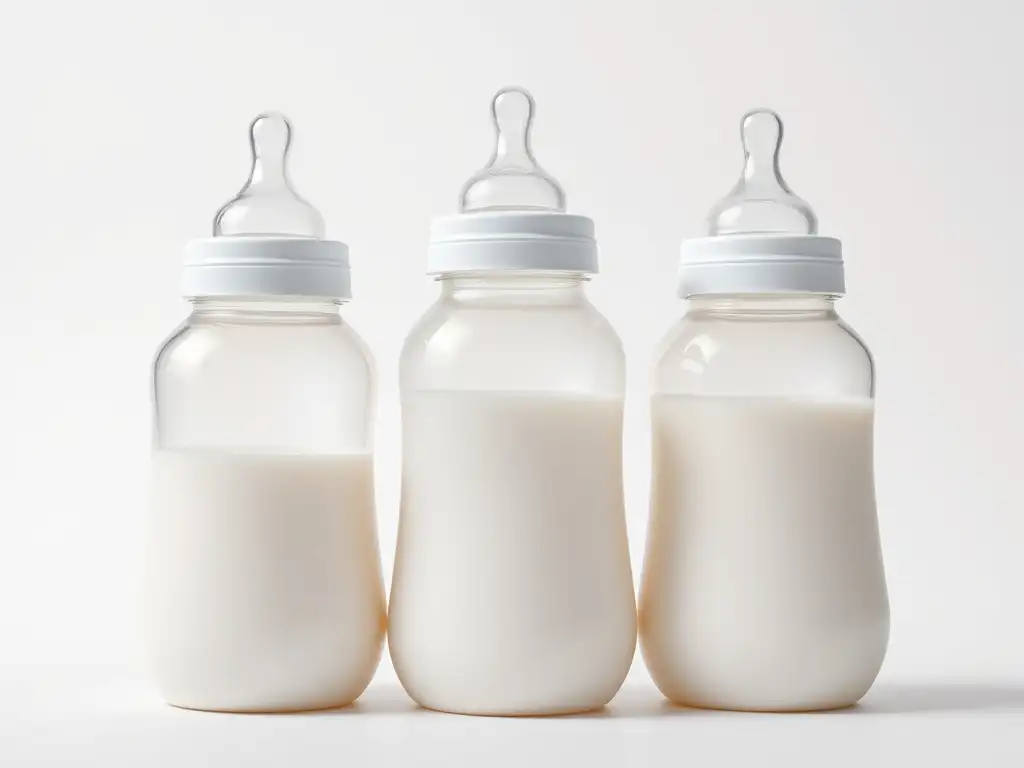
The shape and design of a baby bottle significantly influence a baby's ability to latch and their overall feeding comfort. Choosing the right bottle can make a world of difference, especially for newborns transitioning from breastfeeding or those with specific feeding challenges. The key factors to consider here are the bottle's neck width and its overall ergonomic design. Selecting a bottle that mimics the natural shape and feel of a breast can greatly enhance the feeding experience and minimize potential issues. Let's delve into the specifics of wide-neck and narrow-neck bottles, and the importance of ergonomic considerations.
Wide-Neck Bottles: Promoting Natural Latch and Easy Cleaning
Wide-neck bottles are designed with a larger opening, often resembling the shape of a breast more closely than narrow-neck bottles. This wider opening allows for a more natural latch, mimicking the experience of breastfeeding and potentially reducing nipple confusion. The larger opening also makes cleaning significantly easier, allowing for more thorough access to all parts of the bottle, reducing the risk of bacteria buildup. This is crucial for maintaining hygiene and preventing the development of infections. Furthermore, wide-neck bottles often accommodate a wider variety of nipples, providing more options for finding the perfect fit for your baby.
Wide Neck Bottle Recommendations
While specific product recommendations are outside the scope of this section, parents should look for wide-neck bottles made from high-quality, BPA-free materials. Features like rounded corners and a smooth interior surface are also beneficial for cleaning and preventing nipple damage. Consider bottles with graduated measurements for easy tracking of milk intake. Reading independent reviews and comparing different brands is recommended to find a suitable option based on individual needs and preferences. Remember to always check for compatibility with your chosen nipples.
Narrow Neck Bottles: Advantages and Disadvantages
Narrow-neck bottles, on the other hand, are characterized by a smaller opening. While they may be more compact and easier to store, the narrower neck can make cleaning more challenging. Reaching all corners of the bottle to remove milk residue can be difficult, potentially leading to the accumulation of bacteria.
Additionally, the narrower opening might not be as conducive to a natural latch for some babies, potentially contributing to nipple confusion. However, narrow-neck bottles often come with a variety of different nipple flow rates, making them suitable for babies of different ages and feeding patterns. The choice between wide-neck and narrow-neck bottles ultimately depends on your baby's individual needs and preferences.
Ergonomic Bottle Designs: Comfort for Both Baby and Parent
Ergonomic bottle designs prioritize the comfort of both the baby and the parent. Features like a comfortable grip for the parent, a lightweight design to prevent hand fatigue, and an angled bottle shape to facilitate a natural feeding position are crucial considerations. These features can significantly improve the overall feeding experience, making it less stressful for both the baby and the caregiver. A well-designed ergonomic bottle can help prevent colic and gas in babies by minimizing air intake during feeding. Furthermore, an anti-colic system incorporated into the bottle's design can further improve the feeding process.
Best Ergonomic Bottles for Newborn Feeding
The "best" ergonomic bottle for newborn feeding is subjective and depends on individual baby preferences and parental needs. However, several key features to look for include: a comfortable, non-slip grip, a lightweight design, an angled neck for easier feeding, and a wide base for stability. Consider the overall shape and size of the bottle—a bottle that fits comfortably in your hand and supports a natural feeding position will make the entire experience more pleasant. Look for bottles with vents or anti-colic systems designed to reduce air intake, thus minimizing gas and discomfort for your baby.
Remember that trial and error might be necessary to find the perfect fit for your baby and your feeding style. Pay attention to your baby's cues and adjust your approach accordingly. The goal is to create a relaxed and enjoyable feeding experience for everyone involved.
Cleaning and Sterilization: Maintaining Hygiene for Your Baby's Bottles
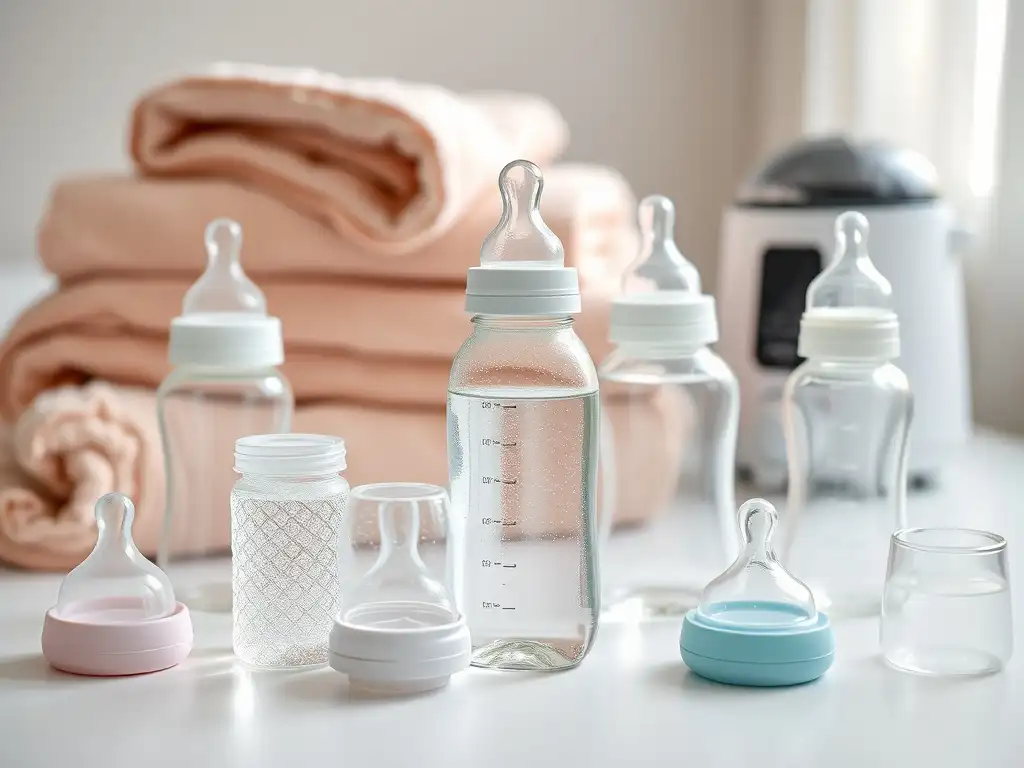
Maintaining the hygiene of your baby's bottles is crucial for preventing illness and ensuring optimal feeding success. Newborns, especially, have developing immune systems, making them particularly vulnerable to infections. Choosing the best bottle for newborn feeding involves not only selecting the right bottle type but also committing to a rigorous cleaning and sterilization routine. This section details the best practices to keep your baby's feeding equipment clean and safe.
Proper Cleaning Techniques for Baby Bottles: Step-by-Step Guide
Cleaning baby bottles effectively requires a methodical approach. Here's a step-by-step guide to ensure thorough cleaning:
- Pre-rinse: Immediately after feeding, rinse the bottle and nipple with warm water to remove any milk residue. This prevents milk from drying and sticking, making cleaning easier later. Leaving milk to dry can lead to bacteria buildup.
- Disassemble: Take apart the bottle completely. Separate the nipple, ring, and bottle parts. This allows for a more thorough cleaning of all surfaces.
- Wash with soap and water: Use warm, soapy water and a bottle brush to scrub all components thoroughly. Pay special attention to the crevices of the nipple and the base of the bottle. A soft-bristled brush is recommended to avoid scratching the bottle's surface. Use a baby-safe, non-toxic dish soap.
- Rinse thoroughly: Rinse all parts meticulously under running warm water to remove all traces of soap. Any soap residue left on the bottle can irritate your baby's mouth and stomach.
- Air dry or sanitize: Allow the bottle parts to air dry completely on a clean, sanitized surface. Alternatively, use a sanitized drying rack. Avoid using towels, as they can introduce bacteria.
Sterilizing Options: Steam Sterilizers vs. Microwave Sterilizers vs. Boiling
Sterilization is critical, particularly for newborns. There are several methods available:
- Steam Sterilization: Steam sterilizers use steam to kill germs and bacteria. They are generally considered very effective and convenient for sterilizing multiple bottles simultaneously. They are available in electric and stovetop versions. The process usually takes around 5-10 minutes.
- Microwave Sterilization: Microwave sterilizers are quicker and convenient but may not be as effective as steam sterilization for all types of bottles. Always follow the manufacturer's instructions carefully. Some bottles and nipples may not be suitable for microwave sterilization.
- Boiling: This traditional method involves boiling the bottle parts in water for 5-10 minutes. Ensure the bottle parts are fully submerged during boiling. This is a simple and effective method, but it's less convenient than electric sterilizers and may damage certain bottle materials over time.
Recommended Sterilizers for Baby Bottles
Choosing the best bottle for newborn feeding also involves selecting a compatible sterilizer. While specific product recommendations are beyond the scope of this article, research different models and consider factors like capacity, ease of use, and compatibility with your chosen bottle type. Look for sterilizers with features such as automatic shutoff and easy-to-clean designs. Consider the size of your family and how many bottles you need to sterilize at once.
Maintaining Bottle Hygiene for Optimal Feeding Success
Consistent cleaning and sterilization are essential for maintaining optimal feeding hygiene. It's not just about sterilizing before the first use; it's a continuous process. Here are some additional tips for maintaining hygiene:
- Regular replacement: Replace nipples and bottle parts regularly, especially if they show signs of wear and tear or damage. This prevents cracks where bacteria can accumulate.
- Storage: Store clean and sterilized bottles in a clean, dry, and covered container to prevent recontamination.
- Handwashing: Always wash your hands thoroughly before handling your baby's bottles and nipples.
Remember, maintaining a clean and sterile feeding environment contributes significantly to your baby's health and well-being. By following these guidelines, you'll be well on your way to choosing the best bottle for newborn feeding and ensuring a healthy and happy feeding experience for both you and your little one. 🍼
Transitioning to a Bottle: Tips for Breastfed Babies
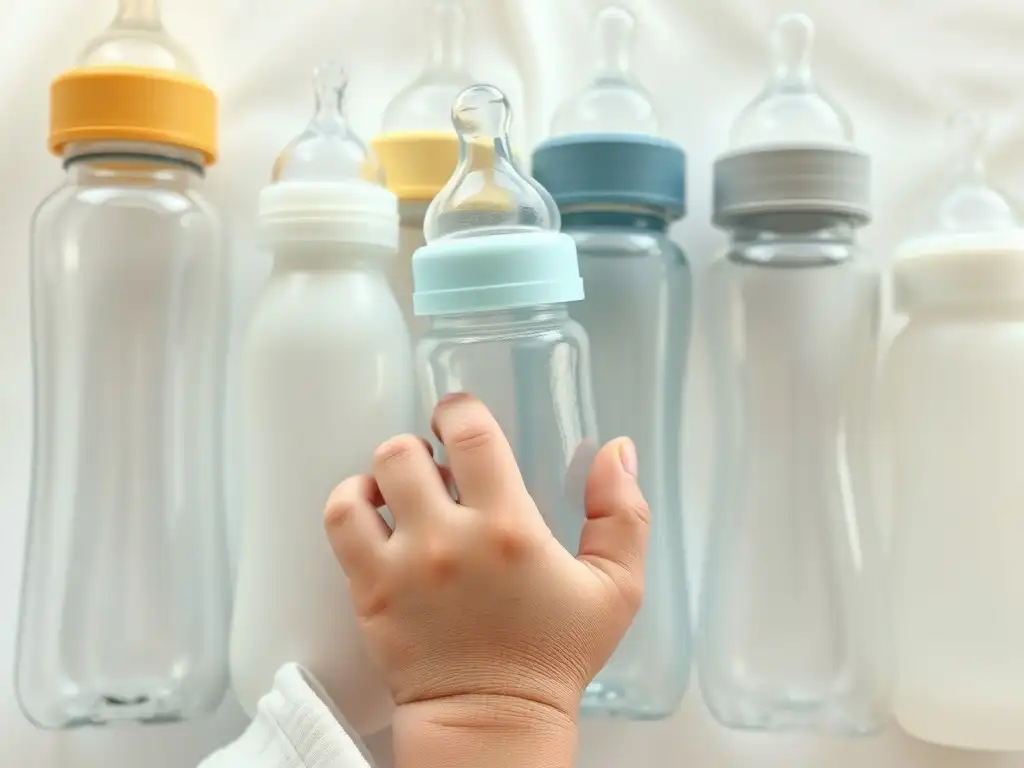
Successfully introducing a bottle to a breastfed baby requires patience, understanding, and the right approach. Many factors influence a baby's acceptance of a bottle, and choosing the best bottle for newborn feeding is just one piece of the puzzle. This section focuses on strategies to make the transition smoother and less stressful for both parent and child. Remember, every baby is unique, and what works for one may not work for another.
Introducing the Bottle Gradually: Avoiding Nipple Confusion
The most common challenge when introducing a bottle is nipple confusion. This occurs when a baby prefers the different sucking patterns and sensations of the bottle nipple compared to the mother's breast. To minimize this risk, a gradual introduction is key. Don't immediately replace a breastfeeding session with a bottle. Instead, start by offering a bottle only after a breastfeeding session when your baby is already partially satisfied. This reduces the likelihood of them rejecting the breast in favor of the bottle.
Begin with just an ounce or two of expressed breast milk or formula in the bottle. Observe your baby's cues closely. Are they actively sucking? Do they seem frustrated or confused? If they show signs of discomfort or rejection, stop and try again later. Consistency is important, but forcing the issue will likely backfire. Remember, patience is paramount. Positive reinforcement, such as skin-to-skin contact before and after feeding, can also help.
Consider the type of nipple. Some nipples mimic the feel of a mother's breast more closely than others. Slow-flow nipples are generally recommended for newborns, as they help prevent choking and encourage a more natural sucking rhythm. Experimentation might be necessary to find the nipple that suits your baby best. Keep in mind that even with the best bottle for newborn feeding, some babies may still exhibit nipple confusion.
Combining Breastfeeding and Bottle Feeding: A Balanced Approach
Successfully integrating bottle-feeding into an established breastfeeding routine requires careful planning and a balanced approach. It’s not about replacing breastfeeding entirely but rather supplementing it to meet your baby's needs and yours. Consider scenarios where bottle feeding may be necessary, such as when you need to return to work, or when another caregiver needs to feed your baby.
Establishing a routine that balances both breastfeeding and bottle-feeding is crucial. For instance, you might breastfeed in the morning and evening and use a bottle for one midday feeding. This allows your baby to experience both feeding methods without feeling overwhelmed. Remember to maintain adequate milk supply by continuing to breastfeed frequently. Supplementing with formula should only be done if necessary and always under the guidance of a pediatrician or lactation consultant. The goal is to create a feeding system that works best for both the baby and the parent.
Signs Your Baby is Ready for a Bottle: Observing Feeding Cues
Knowing when your baby is ready for a bottle is crucial for successful introduction. There are several cues to watch for. Don't rush the process. Prematurely introducing a bottle can lead to nipple confusion and negatively impact breastfeeding.
Observe your baby's feeding cues. Is your baby showing signs of hunger, such as increased rooting, sucking on hands or fingers, or fussiness? These are natural indicators that your baby is ready to feed. However, this doesn't automatically mean they are ready for a bottle. Babies may also show signs of readiness for increased milk volume, which can be addressed by increasing breastfeeding frequency or duration. Furthermore, consider your individual circumstances.
Are you returning to work? Does another caregiver need to feed your baby? These are all valid reasons to introduce a bottle, independent of the baby's immediate feeding cues. Remember to consult with your pediatrician or a lactation consultant to determine the best course of action for you and your baby. They can provide personalized guidance based on your baby's individual development and your feeding goals.
Frequently Asked Questions about Choosing the Best Bottle for Newborn Feeding
This section addresses common concerns parents have when selecting the best bottle for their newborn's feeding, focusing on practical advice and evidence-based information to help you make informed decisions. Finding the right bottle can significantly impact feeding success and your baby's overall well-being. Remember, every baby is unique, and what works for one might not work for another. Experimentation and patience are key!
How to choose the right nipple size for my baby?
Choosing the correct nipple flow rate is crucial for preventing choking, frustration, and colic. Newborns typically start with a slow flow nipple. However, the ideal nipple size depends heavily on your baby's individual sucking ability, age, and feeding preferences. There's no one-size-fits-all answer.
Here's a guide to help you navigate this:
- Observe your baby during feeding: Is your baby working too hard to get milk? Are they gulping excessively or becoming frustrated and pulling away frequently? These are signs the flow might be too fast. Conversely, if they're constantly sucking without much milk coming out, the flow might be too slow.
- Check the nipple manufacturer's recommendations: Most bottle brands provide age-based recommendations for nipple flow rates (slow, medium, fast). These are good starting points, but always consider your baby's individual needs.
- Start with a slow flow: It's generally recommended to begin with a slow flow nipple, especially for newborns and exclusively breastfed babies. You can gradually increase the flow rate as your baby's sucking strength and coordination improve.
- Consider the type of milk: Thicker milks, such as those containing added cereals or formula with a higher concentration, might require a faster flow rate.
- Don't be afraid to experiment: If you're unsure, try different nipple sizes and observe your baby's response. The goal is to find a flow rate that allows your baby to feed comfortably and efficiently without becoming overwhelmed or frustrated.
How often should I sterilize my baby's bottles?
Sterilizing baby bottles is essential, especially during the first few months of life, to minimize the risk of infection. While the frequency decreases as your baby gets older, maintaining hygiene is crucial throughout their bottle-feeding journey.
Here's a practical approach:
- First few months: Sterilize all bottles and components (nipples, rings) after each use. You can achieve this through boiling, using a steam sterilizer, or employing microwave sterilizing bags.
- After 3 months: You can gradually reduce sterilization frequency. Washing bottles thoroughly with hot, soapy water, followed by rinsing with clean water, is usually sufficient. Sterilizing once or twice a day is often enough, especially if you're using a dishwasher that reaches high temperatures.
- Consider your baby's health: If your baby has a weakened immune system or is experiencing health issues, continue sterilizing bottles more frequently.
- Always prioritize cleanliness: Regardless of sterilization frequency, ensure that all bottles and components are thoroughly cleaned after each use to prevent bacterial growth. Pay close attention to cleaning the nipple thoroughly, as this is where bacteria can accumulate.
- Regularly replace nipples: Nipples should be replaced every few weeks or sooner if they show signs of wear and tear, such as cracks or holes. This helps to maintain optimal hygiene and prevent leakage.
What are the signs of nipple confusion?
Nipple confusion, also known as bottle-breast confusion, occurs when a baby struggles to coordinate their sucking patterns between the breast and a bottle. This can lead to difficulties breastfeeding and potentially impact milk supply. While not all babies experience it, understanding the signs is vital.
Here are some key indicators of nipple confusion:
| Sign | Description |
|---|---|
| Frustration at the breast | Baby becomes fussy, pulls away frequently, or refuses to latch properly during breastfeeding. |
| **Weak latch | Baby struggles to maintain a proper latch, resulting in shallow or ineffective sucking. |
| **Shallow sucking | Baby's sucking pattern is shallow and inefficient, leading to poor milk transfer. |
| **Increased fussiness | Baby exhibits increased fussiness during and after breastfeeding. |
| **Poor weight gain | Baby's weight gain is slower than expected due to insufficient milk intake. |
Recognizing these signs early is crucial. If you suspect nipple confusion, consult a lactation consultant or healthcare professional for personalized advice and support. They can help you find strategies to minimize nipple confusion and maintain successful breastfeeding. Remember, patience and a supportive environment are essential for both you and your baby.
Frequently Asked Questions
What is the most important feature to consider when choosing a newborn bottle?
The most crucial feature is the nipple design. A nipple that mimics the natural latch and flow will help prevent colic and improve feeding efficiency. Consider slow-flow nipples for newborns.
How do different bottle materials affect my baby's feeding experience?
Glass bottles are easy to clean and sterilize, and are BPA-free. Plastic bottles are lightweight and portable but may scratch and harbor bacteria if not cleaned thoroughly. Choose BPA-free plastic.
My baby seems fussy during feeding; could the bottle be the problem?
Yes, a poorly designed bottle can cause fussiness. Consider factors like nipple flow rate, air intake, and bottle shape. Try different brands and types to find the best fit for your baby.
Are anti-colic bottles truly effective in reducing colic?
While not a guaranteed solution, anti-colic bottles often help. They are designed to reduce air intake, a common cause of colic. Look for bottles with venting systems or unique nipple designs that minimize air bubbles.
What's the best way to sterilize different types of baby bottles?
Glass bottles can be sterilized by boiling. Plastic bottles can be sterilized using a steam sterilizer or by boiling (check manufacturer's instructions). Always ensure bottles are thoroughly dried before use.
Final Reflection: Nurturing the Bond: Bottles, Babies, and the Journey Ahead
The right bottle can significantly impact a newborn's feeding experience and the parent-child bond, a truth resonating deeply in today's world of diverse feeding choices. Finding the perfect fit isn't just about convenience; it's about fostering a healthy, happy start to life, minimizing frustration for both parent and baby, and setting the stage for a positive feeding journey.
The subtle yet profound influence of bottle design on infant feeding success extends far beyond the immediate act of nourishment. It shapes the parent-child interaction, impacting the development of trust and attachment. The ease or difficulty of feeding directly affects parental confidence and reduces stress levels, crucial elements in the early stages of parenthood. The most important thing a father can do for his children is to love their mother.
– Theodore Hesburgh. While not directly about bottles, this quote highlights the importance of creating a supportive and loving environment, which the right bottle can contribute to. The right bottle can be a small but significant piece of that puzzle.
Consider the implications of this exploration. You've learned about various bottle features and how they can influence feeding success. Now, take a moment to reflect on your own experiences or those of loved ones. What aspects of bottle design resonate most with your personal values and priorities? Remember, the "best" bottle is subjective and depends on your individual needs and your baby's unique preferences. Embrace the journey, trust your instincts, and don't hesitate to experiment until you find the perfect fit that nurtures both your baby and your bond.
Unlock Your Baby's Feeding Potential
Thank you for exploring the connection between bottle features and successful feeding! We hope you gained valuable insights into optimizing your baby's feeding experience. Now, let's put that knowledge to practical use.
- Adjust the nipple flow: Finding the right nipple flow is crucial. Observe your baby's feeding style and adjust the flow rate accordingly to ensure a comfortable and efficient feeding experience.
- Connect with other parents: Join our BabyCareHub community to share tips and experiences with other parents. Building a supportive network can make bottle feeding easier and more enjoyable for everyone.
- Consider a different bottle: Sometimes a change in bottle design can significantly improve comfort and efficiency during feeding. Experimenting with different brands or styles might reveal a better fit for your baby.
What small change can you make today to improve your baby's feeding experience?