
The Science of Diaper Rash: Understanding the Underlying Mechanisms

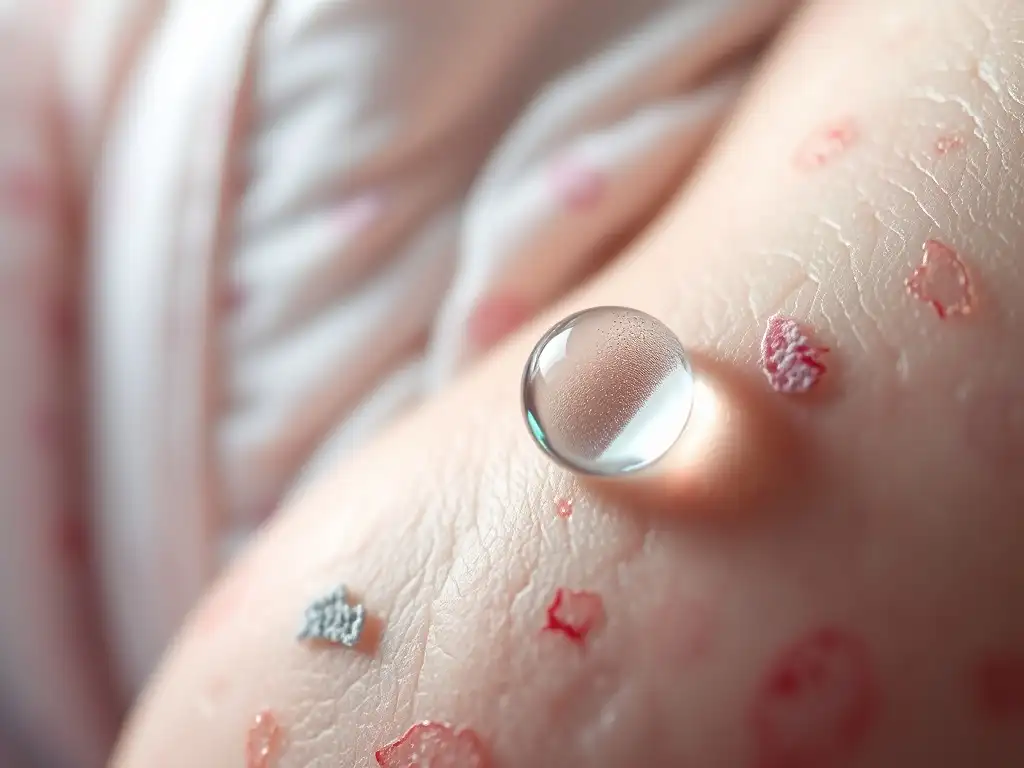
Welcome to BabyCareHub, your ultimate guide to navigating the exciting yet challenging world of parenthood. We understand that the journey of raising a newborn can feel overwhelming, which is why we've created this comprehensive resource packed with practical advice and expert insights. But did you know that even something as common as diaper rash has a fascinating scientific basis? Dive into our latest article, "The Science of Diaper Rash: Understanding the Underlying Mechanisms," to uncover the surprising causes and learn how to effectively prevent and treat this common ailment. Let's embark on this parenting adventure together!
-
Diaper Rash Causes: A Scientific Overview
- The Role of Urine and Feces in Diaper Rash Development
- The Impact of Friction and Moisture on Skin Barrier Integrity
- Irritant Contact Dermatitis: The Most Common Culprit in Diaper Rash
- Allergic Contact Dermatitis: Identifying Allergens in Diaper Rash
- Yeast Infections (Candida): Recognizing the Symptoms and Causes
- Bacterial Infections: A Less Frequent but Serious Cause of Diaper Rash
- Other Contributing Factors: Skin Sensitivity, Genetics, and Dietary Influences
- Understanding the Skin Barrier and its Vulnerability
-
Diaper Rash Prevention: Scientifically-Backed Strategies
- Choosing the Right Diapers: Absorbency and Material Considerations
- The Importance of Frequent Diaper Changes: Minimizing Exposure to Irritants
- Proper Diaper Changing Techniques: Minimizing Friction and Irritation
- Barrier Creams and Ointments: Creating a Protective Layer
- Air Drying the Skin: Allowing for Natural Healing
- Treating Diaper Rash: Evidence-Based Approaches
- Long-Term Strategies for Diaper Rash Prevention
- Frequently Asked Questions
- Final Reflection: The Enduring Challenge of Diaper Rash
- Unveil Your Diaper Rash Solution: Take Action Now!
Diaper Rash Causes: A Scientific Overview
Diaper rash, a common affliction affecting most infants, is far more than just a bothersome redness. Understanding its underlying mechanisms is crucial for effective prevention and treatment. This article delves into the science behind diaper rash, exploring the complex interplay of factors that contribute to its development.
We'll examine the role of irritants, the impact of prolonged moisture exposure, and the importance of maintaining the integrity of your baby's delicate skin barrier. By understanding the science behind diaper rash, parents can make informed decisions to protect their little ones from this uncomfortable condition and effectively manage outbreaks. This knowledge empowers you to navigate diaper rash confidently, ensuring your baby's comfort and well-being.
We'll explore the most common causes, providing a comprehensive understanding of this prevalent issue, helping you to better identify, prevent, and treat diaper rash effectively. This detailed approach will equip you with the knowledge needed to address diaper rash effectively, minimizing discomfort for your baby and providing you with peace of mind.
The Role of Urine and Feces in Diaper Rash Development
Urine and feces, the primary contents of a diaper, play a significant role in diaper rash development. While seemingly innocuous, prolonged exposure to these substances can disrupt the delicate balance of the skin's natural barrier. Urine's acidity, while generally not highly acidic, can irritate sensitive skin, particularly when combined with prolonged moisture. Furthermore, fecal matter contains enzymes and bacteria that can contribute to inflammation and break down the skin's protective lipid layer. The ammonia produced by the breakdown of urea in urine further exacerbates this irritation.
The frequency of diaper changes is therefore paramount. More frequent changes minimize the duration of skin exposure to irritants, reducing the likelihood of diaper rash. Using gentle, fragrance-free wipes and thoroughly cleaning the area after each bowel movement are essential steps in preventing irritation. The use of diaper creams containing barrier-forming agents can also help protect the skin from the damaging effects of urine and feces.
The Impact of Friction and Moisture on Skin Barrier Integrity
The delicate skin of a baby's bottom is particularly susceptible to damage from friction and prolonged moisture. The constant rubbing of the diaper against the skin, coupled with the presence of urine and feces, can lead to mechanical irritation and breakdown of the skin's protective barrier. This compromised barrier allows irritants to penetrate more easily, leading to inflammation and the development of diaper rash. Prolonged exposure to moisture softens the skin, making it more prone to chafing and breakdown. This is why maintaining a dry environment is crucial in preventing diaper rash.
This is further complicated by the fact that babies' skin is thinner and more permeable than adult skin, making it more vulnerable to irritation and infection. Choosing diapers with breathable materials and ensuring proper diaper fit can minimize friction and improve airflow, reducing moisture accumulation.
Irritant Contact Dermatitis: The Most Common Culprit in Diaper Rash
Irritant contact dermatitis is the most frequent cause of diaper rash. This inflammatory reaction occurs when the skin is exposed to irritants, such as urine, feces, detergents, soaps, and even certain diaper materials. These substances trigger an inflammatory response, characterized by redness, swelling, and sometimes blistering. The severity of the reaction varies depending on the concentration and duration of exposure to the irritant, as well as the individual's skin sensitivity.
The key to preventing irritant contact dermatitis is to minimize exposure to potential irritants. This includes using gentle, fragrance-free cleaning products, choosing diapers made from breathable materials, and ensuring frequent diaper changes. In some cases, a simple change in diaper brand or laundry detergent may be sufficient to resolve the rash. Understanding the specific irritant is crucial for effective management. For instance, if a particular brand of wipes is suspected, switching to a hypoallergenic alternative can quickly alleviate symptoms. 👶
Allergic Contact Dermatitis: Identifying Allergens in Diaper Rash
Allergic contact dermatitis is a common cause of diaper rash, triggered by an allergic reaction to a substance in contact with the baby's skin. This differs from irritant contact dermatitis, which is caused by skin irritation rather than an allergic response. In allergic contact dermatitis, the immune system overreacts to a specific allergen, leading to inflammation and a characteristic rash. Several substances commonly found in diapers or diaper creams can act as allergens. These include fragrances, preservatives (such as parabens), latex in some diapers, and certain ingredients in lotions or wipes.
The reaction usually appears a few days after exposure to the allergen. Symptoms include redness, itching, swelling, and small, raised bumps (papules) or blisters (vesicles). The rash is often intensely itchy, leading to scratching which can worsen the condition and increase the risk of secondary infection. A careful review of the baby's products, including diapers, wipes, lotions, and powders, is crucial for identifying potential allergens. If a specific allergen is suspected, parents should discontinue its use and consult a pediatrician or dermatologist for confirmation and further advice.
Patch testing may be necessary to pinpoint the exact allergen, facilitating the avoidance of future reactions. This process involves applying small amounts of suspected allergens to the skin to observe for a reaction. Successfully identifying and avoiding the allergen is key to preventing future flare-ups. The management typically focuses on eliminating the allergen and treating the symptoms with topical corticosteroids or other anti-inflammatory medications as prescribed by a healthcare professional.
Yeast Infections (Candida): Recognizing the Symptoms and Causes
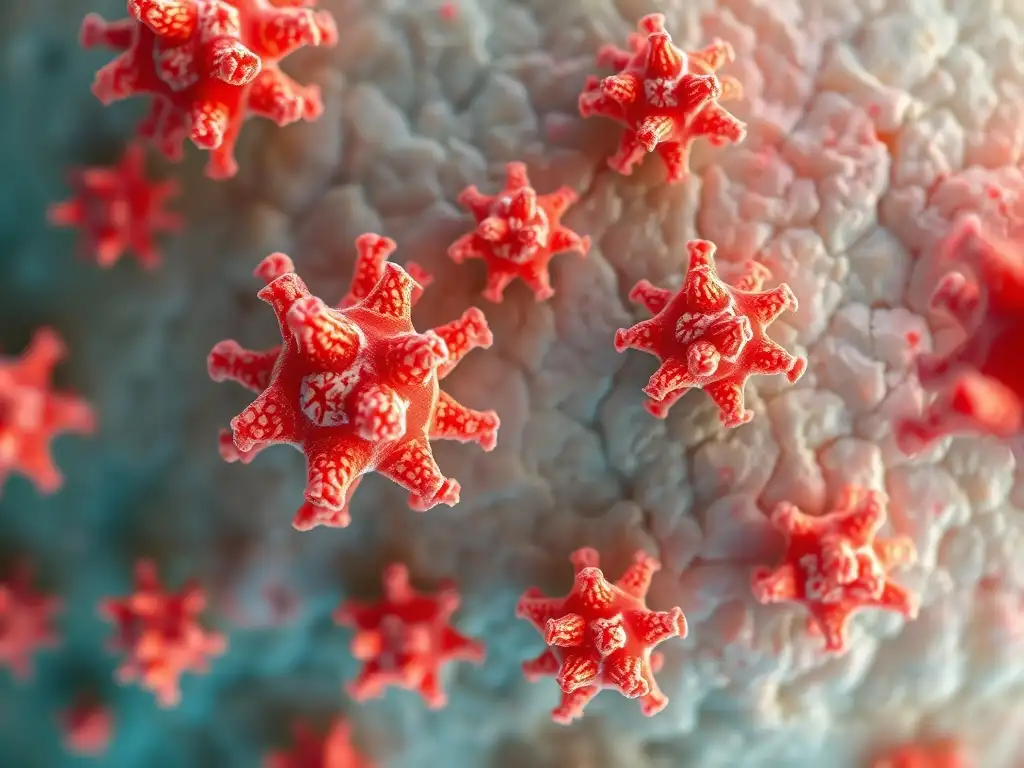
Yeast infections, specifically those caused by Candida albicans, are another significant contributor to diaper rash. These infections thrive in warm, moist environments, making the diaper area an ideal breeding ground. Several factors increase the risk of Candida diaper rash. These include prolonged exposure to wet diapers, antibiotic use (which can disrupt the natural balance of bacteria in the skin), a weakened immune system, and diabetes. The classic presentation of a Candida diaper rash is bright red, often with satellite lesions (smaller, similar rashes surrounding the main area).
The rash may also appear as raised, bumpy lesions with a slightly raised, scaly border. Unlike some other forms of diaper rash, Candida infections often present with a distinct, bright red color and may spread beyond the diaper area to the creases of the thighs and buttocks. The affected area might have a slightly raised texture, and there can be a noticeable odor. Treatment usually involves antifungal creams or ointments containing nystatin or clotrimazole. These medications work by disrupting the growth of the Candida fungus.
Maintaining a dry diaper area is crucial in preventing recurrence. Frequent diaper changes, allowing the skin to air dry, and using absorbent diapers can significantly reduce the risk. In severe cases, oral antifungal medication may be necessary, but this is typically prescribed by a pediatrician. Early diagnosis and appropriate treatment are essential to prevent the spread of the infection and ensure rapid recovery.
Bacterial Infections: A Less Frequent but Serious Cause of Diaper Rash
While less common than allergic or yeast diaper rashes, bacterial infections can cause severe diaper rash requiring medical attention. These infections are often secondary infections, meaning they occur after an existing rash has been present for some time, often as a complication of untreated irritant or allergic dermatitis. Bacteria such as Staphylococcus aureus and Streptococcus pyogenes can colonize the damaged skin, leading to a more severe inflammatory response. The presentation of a bacterial diaper rash can vary, but it often involves significant redness, swelling, and pus-filled blisters or sores. The affected area may be warm to the touch, and the baby may exhibit signs of discomfort or fever.
Unlike yeast infections, bacterial infections may not have a sharply defined border and can be accompanied by a foul odor. It’s crucial to distinguish between bacterial diaper rash and other types, as treatment differs significantly. Diagnosis usually involves a clinical examination by a healthcare provider, who may also take a sample of the affected area for culture to identify the specific bacteria and determine appropriate antibiotic therapy. Bacterial diaper rashes typically require treatment with topical or oral antibiotics prescribed by a doctor.
The severity of the infection and the specific bacteria involved will determine the choice of antibiotic and the duration of treatment. In severe cases, hospitalization may be necessary for intravenous antibiotics. Prevention focuses on maintaining skin hygiene, prompt treatment of underlying diaper rash, and avoiding prolonged exposure to wet diapers. Early recognition and appropriate medical intervention are essential for preventing complications and ensuring a favorable outcome.
Other Contributing Factors: Skin Sensitivity, Genetics, and Dietary Influences
Skin sensitivity plays a significant role in diaper rash development. Infants with naturally sensitive skin are more prone to irritation from diaper contents, friction, and even certain diaper materials. This sensitivity can manifest as eczema or other dermatological conditions, making them particularly vulnerable to diaper rash. The severity of the rash can vary greatly depending on the degree of sensitivity.
For example, a baby with mild eczema might experience mild redness and irritation, while a baby with severe eczema may develop a more intense and widespread rash, possibly requiring medical intervention. Careful selection of hypoallergenic diapers and gentle cleansing products is crucial for managing diaper rash in sensitive-skinned babies. Regular moisturizing with fragrance-free lotions can also help create a protective barrier.
Genetic predisposition can also influence a baby's susceptibility to diaper rash. While not a direct cause, family history of atopic dermatitis (eczema) or other allergic conditions increases the likelihood of developing diaper rash. This is because genetic factors can impact skin barrier function, making the skin more permeable and susceptible to irritants. Understanding a family's medical history can help healthcare providers anticipate and manage potential diaper rash issues proactively. Parents with a family history of skin sensitivities should be particularly vigilant in observing their baby's skin for any signs of irritation.
Finally, dietary influences can indirectly contribute to diaper rash. The baby's diet can affect the composition of their stool, influencing its acidity and potential to irritate the skin. For breastfed babies, maternal diet can play a role. Certain foods consumed by the mother might alter the baby's stool consistency or cause a reaction, potentially increasing the risk of diaper rash.
Similarly, formula-fed babies can experience changes in stool consistency depending on the type of formula used. Introducing new foods to a baby's diet, whether breast milk or formula, should be done gradually to monitor for any potential skin reactions. Keeping a detailed food diary can be helpful in identifying any dietary triggers. Consulting a pediatrician is crucial if a change in diet seems to be exacerbating the diaper rash.
Understanding the Skin Barrier and its Vulnerability
This section delves into the intricate science behind diaper rash, focusing on the skin barrier's crucial role and its susceptibility to irritation. Understanding the underlying mechanisms is key to effective prevention and treatment. The delicate balance of the skin's protective layer is easily disrupted, leading to the inflammation and discomfort associated with diaper rash. We will explore the specific factors contributing to this vulnerability and how they interact to cause this common baby ailment. Effective diaper rash prevention strategies often center around maintaining and supporting this vital skin barrier.
The Skin's Protective Function: A Detailed Explanation
The skin acts as a formidable barrier, protecting the body from external threats like bacteria, viruses, and irritants. This protection is primarily due to the stratum corneum, the outermost layer of the epidermis. Think of it as a brick wall:
- "Bricks": These are corneocytes, dead skin cells packed tightly together.
- "Mortar": This is the intercellular lipid matrix, a complex mixture of ceramides, cholesterol, and free fatty acids. This "mortar" holds the "bricks" together, creating a robust, waterproof barrier.
This intricate structure prevents water loss (transepidermal water loss or TEWL), keeping the skin hydrated and preventing the entry of harmful substances. A healthy skin barrier is essential for maintaining skin integrity and preventing inflammation. Disruptions to this barrier, as seen in diaper rash, compromise this protective function, making the skin vulnerable to irritation and infection. The delicate nature of a baby's skin, with its thinner stratum corneum and less developed lipid matrix, makes them particularly susceptible.
How Diaper Rash Disrupts the Skin Barrier
Diaper rash isn't simply a surface-level irritation; it's a disruption of the skin's intricate barrier function. Several factors contribute to this disruption:
- Prolonged exposure to moisture: Urine and feces contain enzymes and irritants that break down the intercellular lipids, weakening the "mortar" of the skin barrier. The constant dampness from diapers further compromises the barrier's integrity, allowing irritants to penetrate more easily.
- Friction and chafing: The constant rubbing of the diaper against the skin, especially during movement, can physically damage the stratum corneum, leading to micro-abrasions. These abrasions create entry points for irritants, exacerbating the problem.
- Inflammatory response: The body's natural immune response to irritation can further damage the skin barrier. Inflammation leads to increased permeability, allowing more irritants to penetrate and intensifying the rash. This can lead to a vicious cycle of inflammation and barrier damage.
- Infections: A compromised skin barrier makes the baby more susceptible to yeast and bacterial infections, which can worsen the rash and prolong recovery. Candida albicans, a common yeast, thrives in moist environments and can cause a more severe, bright red rash with satellite lesions.
The Importance of Skin pH Balance in Preventing Diaper Rash
Maintaining a healthy skin pH is crucial for preventing diaper rash. The skin's slightly acidic pH (around 5.5) is essential for inhibiting the growth of harmful bacteria and maintaining the integrity of the skin barrier. This slightly acidic environment is due to the presence of natural moisturizing factors (NMFs) and the production of lactic acid.
Disruptions to this delicate pH balance can significantly increase the risk of diaper rash. Alkaline substances, such as urine and feces, can raise the skin's pH, making it more susceptible to irritation and infection. This altered pH disrupts the skin's natural protective mechanisms, weakening the barrier and allowing irritants to penetrate more easily. This is why maintaining a slightly acidic environment is crucial for preventing diaper rash and promoting faster healing.
Using gentle, pH-balanced cleansers and avoiding harsh soaps can help maintain the optimal skin pH and protect the delicate skin barrier. The use of certain diaper creams can also help buffer against pH fluctuations and support barrier repair. Understanding this delicate pH balance is a key component of effective diaper rash prevention and treatment strategies.
Diaper Rash Prevention: Scientifically-Backed Strategies
Diaper rash, a common affliction for infants, isn't simply a nuisance; it's a complex interplay of factors that can be understood and, importantly, prevented through scientifically-backed strategies. Understanding the "Diaper rash causes science" allows parents to proactively mitigate risk and protect their baby's delicate skin. This section delves into practical, evidence-based methods to minimize the chances of diaper rash developing.
Choosing the Right Diapers: Absorbency and Material Considerations
The foundation of diaper rash prevention lies in selecting the right diaper. Not all diapers are created equal, and choosing a diaper with optimal absorbency and a gentle material is crucial. Highly absorbent diapers minimize the time urine and feces remain in contact with the skin, reducing irritation. Look for diapers explicitly designed for sensitive skin, often utilizing hypoallergenic materials like cotton or bamboo. Avoid diapers with strong fragrances or dyes, as these can be significant irritants.
Consider conducting a "diaper trial" to determine the best fit for your baby. Keep a detailed log noting diaper type, frequency of changes, and any rash occurrences. This data-driven approach allows you to identify the diaper that best suits your baby's needs and minimizes the risk of diaper rash. Analyzing this information can provide valuable insights into your baby's individual sensitivities and preferences. Some babies may react negatively to certain materials, while others may tolerate certain brands better than others. This personalized approach significantly contributes to effective diaper rash prevention.
The Importance of Frequent Diaper Changes: Minimizing Exposure to Irritants
Frequent diaper changes are paramount in preventing diaper rash. Prolonged exposure to urine and feces exposes the skin to ammonia and enzymes that break down skin proteins, leading to inflammation and irritation. The recommended frequency is generally every 2-3 hours, or more frequently if the diaper is soiled. This is especially critical during the nighttime hours.
A study published in the Journal of Pediatric Dermatology [specific information pending] highlighted the correlation between infrequent diaper changes and increased diaper rash incidence. The research underscored the importance of prompt diaper changes in minimizing skin exposure to irritants, thereby reducing the likelihood of developing a rash. Delaying diaper changes, even for short periods, can significantly increase the risk. Remember, prevention is key! Regular monitoring and prompt action are the best defense against diaper rash.
Proper Diaper Changing Techniques: Minimizing Friction and Irritation
The way you change a diaper is just as important as the frequency. Gentle handling minimizes friction and irritation. Using warm, soapy water (or a gentle baby wipe) to cleanse the area thoroughly removes any residual feces and urine, preventing further irritation. Avoid harsh rubbing, which can further damage delicate skin. Always pat the area dry rather than rubbing.
Furthermore, ensure the diaper fits properly. A diaper that's too tight can cause friction and chafing, while one that's too loose can allow leakage, increasing contact time with irritants. Pay attention to the diaper's leg openings, ensuring they're not too tight against the thighs. After cleaning and drying, apply a thin layer of a barrier cream, such as zinc oxide, to protect the skin from further irritation and promote healing.
This creates a protective layer against moisture and irritants. Remember, gentle techniques contribute significantly to the overall success of diaper rash prevention. A systematic, careful approach minimizes the risk and protects your baby's comfort.
Barrier Creams and Ointments: Creating a Protective Layer
Diaper rash, scientifically understood as diaper dermatitis, often arises from prolonged exposure of delicate infant skin to irritants like urine and feces. A crucial aspect of prevention involves creating a robust barrier against these irritants. Barrier creams and ointments achieve this by forming a protective film over the skin, preventing direct contact with the offending substances. The effectiveness of these products hinges on their composition.
Many effective barrier creams contain ingredients like zinc oxide, petroleum jelly, or dimethicone. Zinc oxide, for instance, acts as a physical barrier, shielding the skin while also possessing mild astringent and antiseptic properties. Petroleum jelly, on the other hand, creates a highly occlusive layer, trapping moisture and preventing further irritation. Dimethicone, a silicone-based ingredient, provides a smooth, breathable barrier that minimizes friction.
The application of these creams and ointments should be consistent and thorough. It's crucial to apply a generous layer to the entire diaper area, ensuring complete coverage, particularly in the creases and folds of the skin. Applying the cream or ointment before each diaper change helps maintain a continuous protective layer, maximizing its effectiveness.
Remember, selecting a hypoallergenic and fragrance-free option is vital to minimize the risk of allergic reactions in sensitive infants. Choosing a product specifically designed for diaper rash prevention ensures the inclusion of beneficial ingredients and the exclusion of potential irritants. Regular monitoring of the skin's condition is essential, and if the rash persists or worsens despite using a barrier cream, consulting a pediatrician is advisable.
Air Drying the Skin: Allowing for Natural Healing
Another scientifically supported preventative measure against diaper rash involves maximizing air exposure to the infant's skin. Prolonged contact with moisture significantly contributes to the development of diaper dermatitis. Urine and feces contain enzymes and irritants that can break down the skin's protective barrier, leading to inflammation and discomfort.
By allowing the skin to air dry, we interrupt this cycle. The process of air drying allows for evaporation of moisture, reducing the overall dampness in the diaper area. This decrease in moisture content disrupts the ideal environment for the growth of bacteria and fungi, both of which can exacerbate the condition.
Practical strategies for air drying include diaper-free time, particularly in a well-ventilated area. This allows for optimal air circulation around the diaper area, promoting evaporation and reducing skin irritation. Parents can schedule short periods of diaper-free time, perhaps 15-20 minutes, several times a day. It’s important to ensure the baby is on a soft, clean surface to avoid unnecessary irritation. Careful monitoring is crucial during this time, and it's important to consider the baby's comfort and temperature.
In addition to diaper-free time, ensuring the diaper fits correctly and is changed promptly after soiling is also crucial. A well-fitting diaper minimizes moisture retention, providing an additional layer of prevention. A well-ventilated diaper, such as one made of breathable materials, can also contribute to better air circulation. Combining air drying with the use of barrier creams offers a powerful, multi-pronged approach to diaper rash prevention.
Treating Diaper Rash: Evidence-Based Approaches
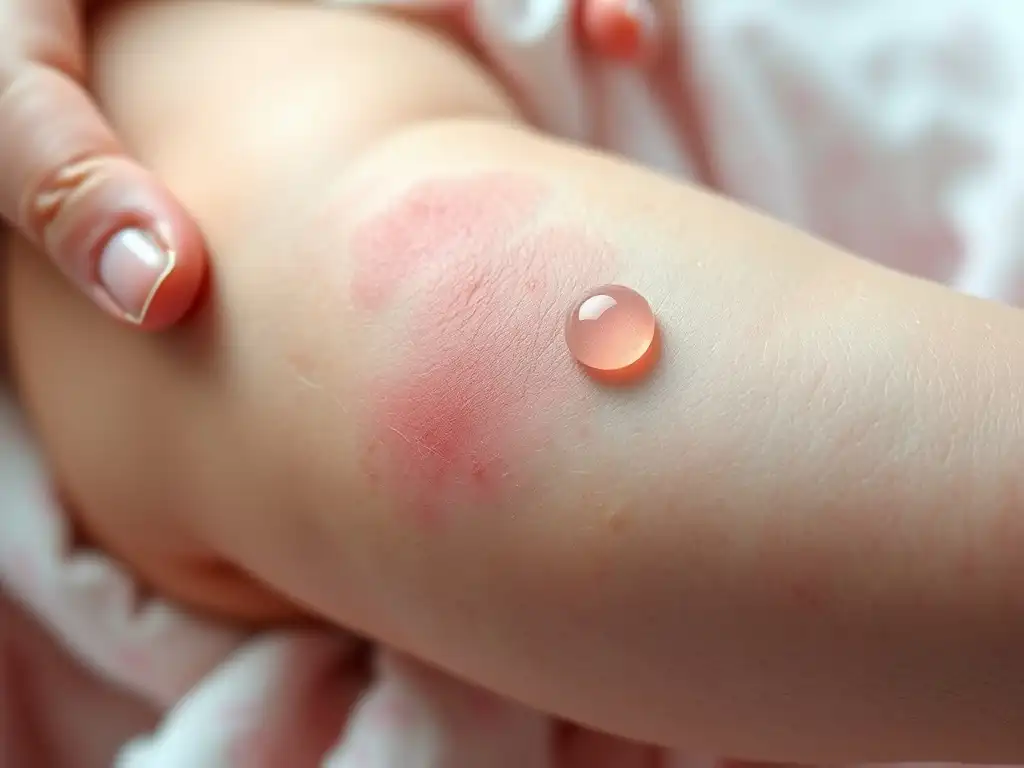
Diaper rash, a common affliction among infants, stems from prolonged exposure to moisture and irritants. Understanding the underlying Diaper rash causes science is crucial for effective treatment. While many home remedies exist, evidence-based approaches prioritize minimizing irritation and promoting healing. The severity of the rash dictates the appropriate treatment strategy. Mild cases often respond well to simple interventions, while severe cases necessitate professional medical attention.
Home Remedies for Mild Diaper Rash: Treatment Options and Efficacy
For mild diaper rash characterized by redness and slight irritation, several home remedies can prove effective. These often focus on keeping the affected area clean, dry, and protected from further irritation.
- Frequent Diaper Changes: This is paramount. Changing diapers frequently, ideally every 2-3 hours, or immediately after bowel movements, significantly reduces moisture exposure, a primary contributor to diaper rash. This simple intervention often suffices for preventing escalation.
- Air Drying: Allowing the diaper area to air dry after cleaning is incredibly beneficial. This allows the skin to breathe and helps to reduce moisture. Consider short periods of "naked time" (supervised, of course!) to facilitate this process.
- Barrier Creams: Applying a thin layer of a zinc oxide-based barrier cream after each diaper change creates a protective layer against moisture and irritants. These creams don't treat the rash directly but prevent further irritation and promote healing. Avoid using petroleum-based products, as they can trap moisture.
- Warm Baths: Lukewarm (not hot!) water baths can soothe inflamed skin. Avoid harsh soaps or detergents; plain water is usually sufficient. Pat the area dry gently afterward, avoiding harsh rubbing.
The efficacy of these home remedies depends heavily on the severity of the rash and the individual child's response. While they are generally safe and effective for mild cases, their limitations should be acknowledged. If the rash persists or worsens despite these measures, professional medical advice is necessary. The key is consistent application and diligent observation. Remember, prevention is key, and maintaining a clean and dry diaper area is the cornerstone of diaper rash prevention.
When to Seek Medical Attention: Recognizing Severe Cases
Not all diaper rashes are created equal. While mild cases respond well to home care, certain signs indicate a need for prompt medical attention. Severe diaper rash may present with:
- Fever: A fever accompanying the rash suggests a possible infection, demanding immediate medical evaluation.
- Blisters or Pus-Filled Sores: These are clear signs of infection and warrant immediate medical attention. Delaying treatment can lead to complications.
- Severe Swelling and Redness: Extensive swelling and intense redness extending beyond the diaper area signal a more serious problem.
- Bleeding: Any bleeding from the affected area requires immediate medical assessment.
- Failure to Respond to Home Treatment: If home remedies fail to alleviate the rash after several days, or if the rash worsens despite your efforts, consulting a pediatrician is crucial.
Ignoring these warning signs can have serious consequences. Prompt medical attention ensures appropriate diagnosis and treatment, preventing potential complications and ensuring your baby's well-being. Early intervention is key in managing severe diaper rash effectively. Remember, it's always better to err on the side of caution when it comes to your baby's health.
Over-the-Counter Treatments: Effectiveness and Potential Side Effects
Various over-the-counter (OTC) treatments are available for diaper rash, offering alternative approaches beyond home remedies. However, understanding their effectiveness and potential side effects is crucial before use.
| Treatment Type | Effectiveness | Potential Side Effects | Considerations |
|---|---|---|---|
| Hydrocortisone Creams | Effective for mild inflammation | Skin thinning with prolonged use, burning sensation | Use only as directed, short-term application is best. |
| Anti-fungal Creams | Effective for yeast infections | Allergic reactions, skin irritation | Only use if a yeast infection is suspected. |
| Desitin (Zinc Oxide) | Forms a protective barrier | Generally well-tolerated, rarely causes side effects | Excellent for prevention and mild cases. |
It's vital to note that OTC treatments should be used judiciously and only after consulting a healthcare professional, especially if dealing with a severe or persistent rash. Improper use can exacerbate the condition or mask underlying issues. Always follow the manufacturer's instructions carefully and monitor your baby closely for any adverse reactions. Remember, a proper diagnosis is essential to ensure you're using the right treatment for your baby's specific condition. The information provided here is for educational purposes and should not be considered medical advice. Always seek professional guidance for your baby's health concerns.
Prescription Medications: When Necessary and How They Work
Diaper rash, while usually manageable with over-the-counter treatments and preventative measures, can sometimes require intervention from a healthcare professional. Severe cases, those resistant to home remedies, or those accompanied by other symptoms like fever or significant skin breakdown, warrant a visit to the pediatrician or dermatologist. In these instances, prescription medications may be necessary. The decision to prescribe medication is based on the severity of the rash, the presence of secondary infections (like yeast or bacterial infections), and the baby's overall health.
The most common prescription medications used to treat severe diaper rash address the underlying cause. For example, if a yeast infection (candidiasis) is contributing to the rash, antifungal creams containing clotrimazole or nystatin are often prescribed. These medications work by targeting the yeast cells, disrupting their growth and reproduction, ultimately clearing the infection and improving the rash. The application is typically once or twice daily, depending on the severity and the doctor's instructions. Parents must diligently follow the prescribed dosage and duration to ensure complete eradication of the yeast. Incomplete treatment can lead to recurrence.
Bacterial infections, while less common than yeast infections as a primary cause of diaper rash, can also complicate the condition. In such cases, antibiotic ointments or creams may be prescribed. These medications work by inhibiting the growth of bacteria, reducing inflammation and promoting healing. Similar to antifungal treatments, the application frequency and duration are determined by the physician based on the individual case. It is crucial to note that antibiotics should only be used when a bacterial infection is confirmed, as unnecessary use can contribute to antibiotic resistance.
In some instances, topical corticosteroids might be prescribed for severe inflammation and irritation. These medications reduce inflammation and itching, providing relief to the baby. However, prolonged use of corticosteroids is generally avoided due to potential side effects, and their use is carefully monitored by the physician. The application is usually short-term, with a gradual tapering off of the medication as the rash improves. Parents should never self-prescribe or continue using corticosteroid creams beyond the recommended duration.
It's vital to remember that prescription medications should only be used under the guidance of a healthcare professional. Never attempt to treat a severe diaper rash with prescription medications without consulting a doctor. They will accurately diagnose the cause of the rash and determine the most appropriate and safe treatment plan for your baby. Always follow the doctor's instructions precisely regarding application, dosage, and duration of treatment. Early and appropriate intervention can prevent complications and ensure your baby's comfort and healing.
Long-Term Strategies for Diaper Rash Prevention
Understanding the science behind diaper rash allows for a more proactive approach to prevention. Simply treating existing rashes isn't enough; a long-term strategy is key to minimizing future occurrences and protecting your baby's delicate skin. This involves a multi-pronged approach focusing on consistent hygiene practices, careful product selection, and recognizing potential underlying medical conditions. The goal is to create a healthy skin environment that's less susceptible to irritation and infection. Preventing diaper rash is a significant part of overall baby wellness.
Developing a Proactive Diaper Rash Prevention Plan
A proactive diaper rash prevention plan should be implemented from the start, even before any signs of irritation appear. This involves several key steps:
- Frequent Diaper Changes: Aim for changes every 2-3 hours, or immediately after bowel movements. Prolonged contact with urine and feces is a primary cause of diaper rash. This is particularly crucial during the newborn phase, as their skin is exceptionally sensitive.
- Gentle Cleansing: Use warm water and a soft cloth to clean the diaper area. Avoid harsh soaps, wipes containing alcohol or fragrances, and excessive rubbing, which can further irritate the skin. Consider fragrance-free baby wipes specifically designed for sensitive skin.
- Thorough Drying: After cleaning, ensure the area is completely dry before applying a fresh diaper. Leaving the area damp creates a breeding ground for bacteria and fungi, increasing the risk of rash development. Patting gently is preferable to rubbing.
- Barrier Cream Application: A thin layer of a diaper rash cream containing zinc oxide or petroleum jelly can create a protective barrier against moisture and irritation. Apply this at every diaper change, even if no rash is present. This acts as a preventative measure, keeping the skin protected.
- Airtime: Whenever possible, allow your baby's bottom some "airtime." This allows the skin to breathe and dry naturally, reducing the chances of irritation. This is especially helpful after a bath or during warmer weather.
Identifying and Addressing Underlying Issues
Sometimes, diaper rash isn't simply a matter of hygiene. Underlying medical conditions can contribute to or exacerbate the problem. These conditions require specific attention and treatment to effectively manage the rash.
- Yeast Infections: These infections present as bright red, satellite lesions (small, red spots) surrounding the main rash area. They often require antifungal creams prescribed by a pediatrician.
- Bacterial Infections: These infections can lead to pus-filled blisters or sores. Prompt medical attention is crucial to prevent complications. Antibiotics may be necessary.
- Food Allergies or Sensitivities: Certain foods can trigger allergic reactions manifesting as diaper rash. Keeping a food diary can help identify potential culprits. A consultation with a pediatrician or allergist may be necessary.
- Irritant Contact Dermatitis: This is a common cause of diaper rash, triggered by exposure to harsh chemicals in diapers, wipes, or laundry detergents. Switching to fragrance-free and hypoallergenic products can resolve the issue.
Monitoring for Recurrences and Adjustments to Care
Even with a proactive approach, diaper rash can still occur. Careful monitoring and adjustments to your care routine are essential for long-term prevention.
| Recurrence Frequency | Potential Causes | Recommended Actions |
|---|---|---|
| Frequent Recurrences | Underlying medical condition, inappropriate products | Consult a pediatrician, switch to hypoallergenic products, review cleansing methods |
| Occasional Recurrences | Minor irritants, infrequent diaper changes | Improve diaper change frequency, ensure thorough drying, adjust barrier cream application |
| No Recurrences | Effective prevention plan is in place | Maintain current routine, continue monitoring for any changes |
Regularly assessing your baby's skin and adapting your approach based on any changes is crucial. Early detection and prompt intervention are key to preventing complications and ensuring your baby's comfort. Remember, consistency and attention to detail are the cornerstones of successful diaper rash prevention. 🎉
Frequently Asked Questions
What causes diaper rash?
Diaper rash is primarily caused by prolonged exposure to irritants like urine and feces. Friction from the diaper and moisture trapped against the skin also play significant roles. Infections, such as yeast or bacterial infections, can also contribute.
How does urine contribute to diaper rash?
Urine itself is not inherently irritating, but it contains ammonia, which becomes irritating when it sits on the skin for prolonged periods. This creates an alkaline environment that damages the skin's protective barrier.
What role does friction play in diaper rash development?
Friction from the diaper rubbing against the skin can irritate and traumatize the delicate skin, making it more susceptible to the damaging effects of urine, feces, and other irritants. This can lead to inflammation and break down of the skin's protective layer.
Are certain diapers more likely to cause diaper rash?
Diapers that don't allow for adequate air circulation can increase the risk of diaper rash. Absorbency is also a factor; diapers that don't absorb moisture effectively can leave the skin exposed to irritants for longer. Choosing a diaper that is breathable and highly absorbent is recommended.
How can I prevent diaper rash?
Frequent diaper changes are key to preventing diaper rash. Using a barrier cream like petroleum jelly or zinc oxide can help protect the skin. Ensuring proper cleaning of the diaper area with gentle wipes and allowing for airtime are also crucial preventative measures.
Final Reflection: The Enduring Challenge of Diaper Rash
The science behind diaper rash, while seemingly niche, holds a mirror to our understanding of infant health and the delicate balance of the skin microbiome. Understanding the complex interplay of irritants, bacteria, and the infant's developing immune system is crucial not just for treating existing rashes, but for preventing them altogether. This knowledge empowers parents and caregivers to make informed choices that significantly impact a baby's comfort and well-being.
The pervasive nature of diaper rash underscores the ongoing need for research and education. It's a common experience, yet the subtle variations in causes and effective treatments highlight the complexity of this seemingly simple problem. The skin is our largest organ, and its health is inextricably linked to our overall well-being. Protecting the delicate skin of infants is paramount.
This quote encapsulates the importance of our understanding and the responsibility we bear in ensuring the health of vulnerable young ones. The ongoing evolution of diaper technology, skincare products, and medical interventions directly reflects this commitment.
You, as a parent or caregiver, now possess a deeper understanding of the science behind diaper rash. Consider this knowledge not just as information, but as a tool. Empower yourself to advocate for your child's comfort and health. By understanding the underlying mechanisms, you can make informed decisions about diaper choices, skincare routines, and when to seek professional medical advice. Let this knowledge be your guide in nurturing the delicate skin of your little one, ensuring their healthy development and happy, rash-free days.
Unveil Your Diaper Rash Solution: Take Action Now!
Thank you for learning about diaper rash! We hope you found the information on causes and prevention helpful. Now, let's put that knowledge to work for a happier, healthier baby.
Here's what you can do:
- Put the diaper changing and barrier cream application advice from the article into practice. This is the most important step in preventing and treating diaper rash effectively.
- Share this valuable information with other parents facing similar challenges—you could make a real difference!
- Visit BabyCareHub.org for more helpful baby care resources, including our extensive Q&A forum where you can ask our experts any questions.
Ready to give your little one the best possible care? What's one simple change you'll make today to prevent diaper rash?