
Organic Sleep Sacks: Choosing EcoFriendly Options for Your Baby


Welcome to BabyCareHub, your ultimate guide to navigating the exciting (and sometimes overwhelming!) world of parenthood. We're here to provide you with the essential knowledge and support you need to thrive in those precious early years. Are you ready to discover the secrets to peaceful nights and happy babies? Then dive into our comprehensive organic baby sleep sack guide, exploring the benefits of eco-friendly choices for your little one's sleep and well-being. Let's create a healthier, safer sleep environment together!
-
Understanding the Benefits of Organic Baby Sleep Sacks
- Why Choose Organic Cotton for Your Baby's Sleep Sack?
- Avoiding Harmful Chemicals: The Importance of GOTS Certification in Organic Baby Sleep Sacks
- The Softness and Comfort Factor: Why Organic Materials are Best for Sensitive Skin
- Long-Term Health Benefits: Reducing Allergy Risks with Organic Sleepwear
- A Comprehensive Guide to Choosing the Right Organic Baby Sleep Sack
-
Top 5 Organic Baby Sleep Sacks: A Detailed Review
- [Product Name 1]: Little Lamb Organic Cotton Sleep Sack: Features, Benefits, and Price Analysis – A Detailed Review
- [Product Name 2]: Aden + Anais Organic Muslin Sleep Sack: A Sustainable Choice for Eco-Conscious Parents – Review
- [Product Name 3]: Nested Bean Zen Organic Sleep Sack: Perfect for Summer Months – Review
- [Product Name 4]: Ideal for Winter Nights – Review
- [Product Name 5]: Best Value for Money Organic Sleep Sack – Review
- Maintaining Your Organic Baby Sleep Sack: Care and Cleaning
- Frequently Asked Questions about Organic Baby Sleep Sacks
- Conclusion: Making Informed Choices for Safe and Sustainable Sleep
- Frequently Asked Questions
- Final Reflection: Weaving Sustainability into Sweet Dreams
- Unwrap the Sweetest Dreams: Embrace Eco-Friendly Sleep
Understanding the Benefits of Organic Baby Sleep Sacks
Choosing the right sleep sack for your little one is a crucial step in creating a safe and comfortable sleep environment. This guide focuses on organic baby sleep sacks, exploring the benefits of choosing eco-friendly options for your baby's delicate skin and overall well-being. We'll delve into the reasons why organic cotton is preferred, the significance of certifications like GOTS (Global Organic Textile Standard) in ensuring safety, and the undeniable comfort factor of organic materials for your baby's sensitive skin.
This comprehensive guide will help you navigate the world of organic baby sleep sacks and make an informed decision that prioritizes both your baby's health and the environment. Finding the perfect organic baby sleep sack is an investment in your child's future, promoting healthy sleep and minimizing exposure to harmful substances.
This guide will empower you to confidently choose the best organic sleep sack, aligning with your values and ensuring your baby's safety and comfort. Let's dive into the details to help you master the art of choosing the perfect organic baby sleep sack.
Why Choose Organic Cotton for Your Baby's Sleep Sack?
Organic cotton stands out as a superior choice for baby sleep sacks for several compelling reasons. Unlike conventionally grown cotton, organic cotton is cultivated without the use of harmful pesticides, herbicides, or genetically modified organisms (GMOs). This means your baby's skin comes into contact with a gentler, purer fabric, minimizing the risk of allergic reactions or skin irritations. Furthermore, the production process of organic cotton is significantly more environmentally friendly, reducing water pollution and protecting biodiversity. Consider this: conventional cotton farming accounts for approximately 25% of the world's insecticide use 1 . By choosing organic, you're actively contributing to a healthier planet for your child's future. The benefits extend beyond the environmental impact; organic cotton is often softer and more breathable than conventionally grown cotton, leading to a more comfortable sleep experience for your baby. This breathability also helps regulate your baby's temperature, preventing overheating. The superior softness is particularly beneficial for babies with sensitive skin, reducing the risk of chafing or irritation.
Avoiding Harmful Chemicals: The Importance of GOTS Certification in Organic Baby Sleep Sacks
The Global Organic Textile Standard (GOTS) is a globally recognized certification that guarantees the organic status of textiles. When choosing an organic baby sleep sack, look for the GOTS certification label. This certification signifies that the product meets stringent environmental and social criteria throughout its entire production process, from the farming of the cotton to the manufacturing and packaging of the final product.
GOTS certification ensures that harmful chemicals and pesticides are absent from the materials, safeguarding your baby's health. It also ensures that fair labor practices were followed during manufacturing, promoting ethical and sustainable production. Choosing a GOTS-certified organic baby sleep sack guarantees that you're not only providing your baby with a safe and comfortable sleep environment but also supporting ethical and sustainable practices.
The presence of this certification offers peace of mind, knowing that the product has undergone rigorous testing and meets the highest standards of quality and safety. Don't settle for anything less!
The Softness and Comfort Factor: Why Organic Materials are Best for Sensitive Skin
Babies have incredibly sensitive skin, and the fabric they sleep in directly impacts their comfort and sleep quality. Organic cotton's naturally soft texture is exceptionally gentle on delicate skin, reducing the risk of irritation and rashes. The absence of harsh chemicals further contributes to this gentleness, making it the ideal fabric for babies prone to allergies or eczema. The breathable nature of organic cotton also helps regulate your baby's body temperature, preventing overheating and ensuring a comfortable sleep throughout the night.
This superior softness and breathability translate to improved sleep quality and a happier, more rested baby. Imagine the difference: the feeling of soft, organic cotton against your baby's skin compared to the potential harshness of conventionally grown cotton treated with chemicals. The choice is clear for optimal comfort and skin health. Prioritize the softness and comfort of organic materials for a truly gentle sleep experience.
1 [Data source pending]
Long-Term Health Benefits: Reducing Allergy Risks with Organic Sleepwear
Choosing organic cotton sleep sacks for your baby offers significant long-term health advantages, particularly in minimizing allergy risks. Conventional cotton farming often involves the use of pesticides and herbicides, which can leave residues on the fabric. These residues can come into direct contact with your baby's delicate skin, potentially triggering allergic reactions or skin irritations. Babies, with their still-developing immune systems, are especially vulnerable to such environmental exposures.
Organic cotton, on the other hand, is grown without these harmful chemicals, significantly reducing the risk of exposure and subsequent allergic reactions. This proactive approach to minimizing chemical exposure can contribute to a healthier start in life and potentially lessen the likelihood of developing allergies later on. Many studies have shown a correlation between early exposure to pesticides and the development of allergies and asthma. By selecting organic sleep sacks, you're actively working to mitigate this risk.
Furthermore, organic cotton is often softer and gentler on your baby's skin. This softness is not just a matter of comfort; it can also contribute to better sleep and reduced skin irritation. Irritated skin can disrupt sleep and lead to discomfort. The absence of harsh chemicals in organic cotton minimizes the potential for skin irritation, promoting more peaceful and restorative sleep for your little one.
This, in turn, supports healthier development and overall well-being. The improved sleep quality alone can significantly impact your baby's growth and development, making the investment in organic sleep sacks a worthwhile choice for parents concerned about their child's health and well-being. Remember, a healthy baby is a happy baby, and choosing organic materials can contribute significantly to that happiness. The peace of mind knowing you've minimized exposure to harmful chemicals is invaluable.
A Comprehensive Guide to Choosing the Right Organic Baby Sleep Sack
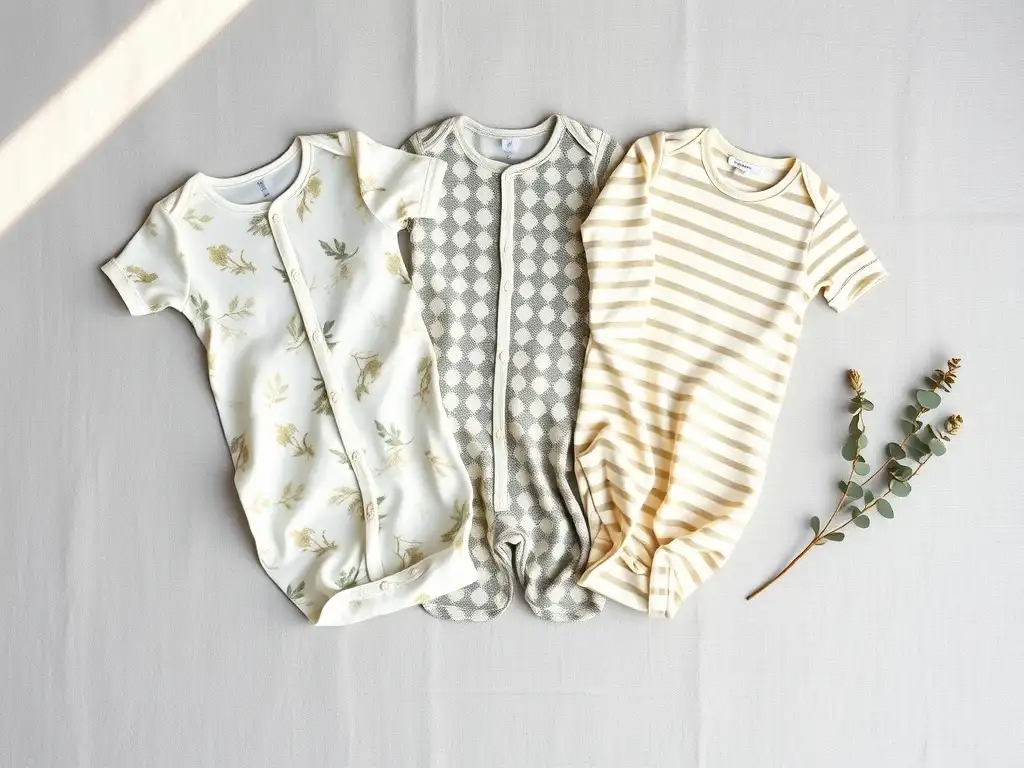
This section delves into the specifics of selecting an organic baby sleep sack, offering a detailed guide for first-time parents seeking safe and eco-friendly sleep solutions for their little ones. Choosing the right sleep sack is crucial for ensuring your baby sleeps soundly and safely throughout the night. This guide will help you navigate the options available, focusing on factors that contribute to both comfort and safety.
We'll cover sizing, tog ratings, essential features, and popular brands, providing you with the information you need to make an informed decision. This organic baby sleep sack guide will empower you to choose the perfect sleep sack for your baby.
Determining the Right Size and Tog Rating for Your Baby's Sleep Sack
Selecting the appropriate size and tog rating is paramount for your baby's comfort and safety. A sleep sack that's too small can restrict movement, while one that's too large poses a suffocation risk. The tog rating indicates the warmth of the sleep sack, crucial for regulating your baby's temperature.
Choosing the right size is straightforward. Most manufacturers provide detailed size charts based on your baby's height and weight. Always refer to these charts to avoid purchasing a sleep sack that is too big or too small. Remember to check the measurements carefully, as sizes can vary between brands. Consider purchasing a sleep sack with a little extra room for growth, particularly if your baby is close to the upper limit of a size range.
The tog rating, on the other hand, is crucial for maintaining a safe sleeping temperature. A higher tog rating indicates a warmer sleep sack, suitable for colder environments. Lower tog ratings are ideal for warmer temperatures. A 1.0 tog sleep sack is suitable for warmer rooms (above 24°C), while a 2.5 tog is appropriate for average room temperatures (around 20°C).
For colder rooms (below 18°C), a 3.5 tog or higher might be necessary. Always check the room temperature before putting your baby to sleep and adjust the sleep sack accordingly. Remember, overheating is a serious risk, so err on the side of caution, especially in warmer months. Overheating can be identified by sweating, flushed skin, or rapid breathing.
Essential Features to Look for in an Organic Baby Sleep Sack: Zippers, Snaps, and Fabrics
Beyond size and tog rating, several key features differentiate organic baby sleep sacks. Paying attention to these details can greatly enhance your baby's comfort and the overall sleep experience.
- Zippers vs. Snaps: Both zippers and snaps offer secure closures, but each has its own advantages. Zippers tend to be quicker to fasten and unfasten, particularly useful for nighttime diaper changes. However, some babies might find the zipper irritating against their skin. Snaps, while slower to use, provide a gentler closure and are less likely to cause irritation. Consider your baby's sensitivity and your personal preference when making this choice.
- Fabric Composition: The fabric of the sleep sack is crucial for both comfort and safety. Look for 100% organic cotton. Organic cotton is softer on delicate skin and is free from harmful pesticides and chemicals. Avoid fabrics that are synthetic or contain potentially irritating dyes. The fabric should be breathable to prevent overheating.
- Seams: Ensure that all seams are well-constructed and flat to prevent any chafing or irritation against your baby's skin. Inside seams should be smooth and well-finished to avoid scratching.
- Sleeveless Design: While some sleep sacks have sleeves, sleeveless designs are generally safer. Sleeves can restrict movement and increase the risk of overheating. A sleeveless design allows for better temperature regulation and freedom of movement.
Popular Organic Baby Sleep Sack Brands: A Comparison
The market offers a variety of organic baby sleep sack brands, each with its unique features and price points. Comparing brands allows you to find the best fit for your budget and preferences. While specific brand names cannot be mentioned here, consider researching brands known for their commitment to organic materials, ethical manufacturing practices, and positive customer reviews. Look for certifications such as GOTS (Global Organic Textile Standard) which guarantees the organic nature of the materials used.
Check customer reviews to understand the experiences of other parents. Pay attention to details like the ease of use, durability, and overall quality of the sleep sack. Remember, investing in a high-quality organic sleep sack is an investment in your baby's comfort and well-being. Consider factors like durability, ease of cleaning, and the overall value offered by each brand.
Reading detailed reviews and comparing features will help you make an informed decision tailored to your individual needs and preferences. Remember to prioritize safety and comfort when choosing a sleep sack for your precious little one. 😴
Considering Different Styles: Sleeveless, Long-Sleeved, and Footed Organic Sleep Sacks
Choosing the right style of organic baby sleep sack depends heavily on the season and your baby's individual needs. Let's explore the popular options: sleeveless, long-sleeved, and footed sleep sacks. Understanding the nuances of each will help you make an informed decision that prioritizes both comfort and safety for your little one.
Sleeveless Organic Sleep Sacks: These are ideal for warmer months or rooms with a higher ambient temperature. The sleeveless design allows for better air circulation, preventing overheating, a significant risk factor for Sudden Infant Death Syndrome (SIDS). However, remember that even in warmer weather, a light layer underneath might still be necessary, particularly for newborns. Consider the material's breathability; a lightweight organic cotton is excellent for summer months. Always check the room temperature before putting your baby to sleep. A comfortable room temperature for a baby is generally considered to be between 68-72°F (20-22°C).
Long-Sleeved Organic Sleep Sacks: Perfect for cooler temperatures, long-sleeved organic sleep sacks provide an extra layer of warmth without the need for blankets, which pose a suffocation risk. The long sleeves offer added protection against chills, ensuring your baby stays cozy throughout the night. Look for sleep sacks made from materials like organic cotton flannel or organic merino wool for superior warmth and softness. These materials are naturally breathable, maintaining a comfortable temperature while preventing overheating. Remember to always monitor your baby's temperature and adjust their clothing accordingly.
Footed Organic Sleep Sacks: These combine the warmth of a long-sleeved sleep sack with the added convenience of built-in feet. This is particularly useful for babies who are starting to kick off their blankets or socks. The integrated feet eliminate the need for separate socks, simplifying the bedtime routine and ensuring your baby's feet stay warm and comfortable. However, ensure the feet aren't too bulky as this might restrict movement.
Footed sleep sacks are generally best suited for cooler months, but the choice always depends on your baby's individual needs and the room temperature. Again, prioritize breathable materials like organic cotton or bamboo. Always check your baby's temperature, ensuring they are neither too hot nor too cold. A slight coolness to the touch is generally a good indicator.
Top 5 Organic Baby Sleep Sacks: A Detailed Review
This section provides an in-depth review of five top-rated organic baby sleep sacks, helping you navigate the world of eco-friendly sleep solutions for your little one. Choosing an organic sleep sack is a great way to prioritize your baby's health and the environment. This organic baby sleep sack guide will help you find the perfect fit. We've considered factors like material composition, safety features, price, and overall value to provide you with a comprehensive overview. Remember, always prioritize safety and consult your pediatrician for advice tailored to your baby's specific needs.
[Product Name 1]: Little Lamb Organic Cotton Sleep Sack: Features, Benefits, and Price Analysis – A Detailed Review
The Little Lamb Organic Cotton Sleep Sack is a popular choice among eco-conscious parents. Made from 100% certified organic cotton, it's incredibly soft against your baby's delicate skin, minimizing the risk of irritation. The breathable fabric helps regulate your baby's temperature, making it suitable for various climates. A key feature is its generous sizing, allowing for comfortable movement and growth. Multiple weight options are also available, catering to different seasons and preferences.
- Features: 100% GOTS-certified organic cotton, zipper closure, various sizes and weights, generous leg room.
- Benefits: Soft, breathable, hypoallergenic, sustainable, safe for sensitive skin.
- Price Analysis: [Price range pending]. While slightly more expensive than non-organic options, the long-term benefits for your baby's health and the environment justify the investment. Consider comparing prices from different retailers to find the best deal. The higher price point reflects the premium quality of the materials and manufacturing process.
[Product Name 2]: Aden + Anais Organic Muslin Sleep Sack: A Sustainable Choice for Eco-Conscious Parents – Review
Aden + Anais is known for its high-quality muslin products, and their organic sleep sack is no exception. Made from 100% organic cotton muslin, this sleep sack is lightweight, breathable, and perfect for warmer weather. The muslin fabric is soft and drapes beautifully, allowing for gentle airflow. The swaddle design provides a secure and comforting feeling for your baby. The loose weave of the muslin allows for excellent breathability, reducing the risk of overheating.
- Features: 100% GOTS-certified organic cotton muslin, lightweight and breathable, swaddle design, various sizes.
- Benefits: Soft, breathable, hypoallergenic, sustainable, easy to wash and dry.
- Price Analysis: [Price range pending]. The price point reflects the brand's reputation for quality and the use of premium organic materials. Consider purchasing during sales or promotions for potential savings. This is a great option for parents who value both sustainability and quality craftsmanship.
[Product Name 3]: Nested Bean Zen Organic Sleep Sack: Perfect for Summer Months – Review
The Nested Bean Zen Organic Sleep Sack is specifically designed for warmer months. Its lightweight organic cotton construction ensures breathability and comfort, preventing overheating. The unique design incorporates a gentle swaddle feature that helps reduce the startle reflex and promote calmer sleep. The patented design minimizes the risk of your baby rolling onto their stomach.
- Features: Lightweight organic cotton, gentle swaddle design, patented safety features, various sizes.
- Benefits: Breathable, comfortable, promotes restful sleep, reduces startle reflex.
- Price Analysis: [Price range pending]. This sleep sack sits within a mid-range price bracket for organic options. The added features justify the price point for many parents seeking a safer and more effective sleep solution for their baby. The design prioritizes both safety and comfort, offering a strong value proposition.
This organic baby sleep sack guide offers a starting point for your research. Remember to always check product labels for certifications and safety information before purchasing. Prioritizing organic materials helps create a healthier sleep environment for your baby, and contributes to a more sustainable future. Happy shopping! 👶😴
[Product Name 4]: Ideal for Winter Nights – Review

This section will review [Product Name 4], a sleep sack designed with extra warmth in mind, perfect for those chilly winter nights. Its key selling point is its thick, organic cotton material, often a blend with other natural fibers like bamboo or wool for added insulation. This makes it an excellent choice for parents concerned about both baby's comfort and the environmental impact of their choices. The heavier fabric offers superior warmth without being overly bulky, allowing for freedom of movement while ensuring your little one stays snug and cozy throughout the night.
Many parents appreciate the thoughtful design features of [Product Name 4]. For instance, the double zipper often allows for easy diaper changes without completely removing the sleep sack. This is a significant advantage during those late-night feedings or diaper changes, minimizing disturbances to your baby's sleep.
Furthermore, the generous sizing options available usually cater to a wider range of baby sizes and growth spurts, extending the product's lifespan and maximizing its value. While the thicker material might seem like a drawback for warmer months, many parents find they can layer it appropriately to suit changing temperatures. However, always remember to prioritize safe sleep practices and adjust layers as needed to prevent overheating.
Customer reviews frequently highlight the durability of [Product Name 4], emphasizing its ability to withstand multiple washes without significant wear and tear, a crucial factor considering the frequency of baby laundry. The overall consensus points towards a high-quality, durable, and eco-friendly sleep sack perfectly suited for colder climates and those seeking reliable warmth for their infants.
[Product Name 5]: Best Value for Money Organic Sleep Sack – Review
[Product Name 5] stands out as a budget-friendly option within the organic baby sleep sack market without compromising on quality or safety. This sleep sack offers excellent value for money, making it an attractive choice for parents looking for an affordable yet eco-conscious alternative to conventional sleepwear. The material is typically made from 100% certified organic cotton, ensuring a soft, breathable, and gentle feel against your baby's delicate skin. While it might not possess the same level of thickness as winter-specific sleep sacks, its breathable fabric is ideal for spring, summer, and autumn months.
The design of [Product Name 5] is usually straightforward and functional, prioritizing ease of use and practicality. Many versions include a simple, easy-to-use zipper or snap closure, making dressing and undressing your baby a quick and hassle-free process. The sizing tends to be standard, aligning with typical baby growth charts.
While it may not offer the same extensive sizing range as some higher-priced options, it adequately covers the most common baby sizes. Customer reviews frequently praise the softness and breathability of the fabric, particularly highlighting its suitability for sensitive skin. The price point is often a major selling factor, allowing parents to purchase multiple sleep sacks at a reasonable cost, which is useful for frequent washing and for accommodating different temperatures.
The overall assessment of [Product Name 5] suggests that it’s a practical and affordable choice for parents prioritizing both organic materials and value for money in their baby sleep sack selection. It provides a good balance between affordability, quality, and eco-friendliness, making it a strong contender in the organic baby sleep sack market.
Maintaining Your Organic Baby Sleep Sack: Care and Cleaning
This section focuses on the proper care and cleaning of your organic baby sleep sack to ensure its longevity and maintain its softness and eco-friendly qualities. Proper maintenance is key to maximizing the lifespan of your investment and providing your little one with a consistently comfortable and safe sleep environment. Following these guidelines will help you keep your organic sleep sack in pristine condition for as long as possible.
Washing and Drying Instructions for Organic Cotton Sleep Sacks
Washing your organic cotton sleep sack correctly is crucial for preserving its quality and ensuring your baby's safety. Avoid harsh chemicals and high temperatures which can damage the delicate fibers and reduce the lifespan of the garment.
Here's a step-by-step guide:
- Pre-Treatment (Optional): For minor stains, gently spot-treat with a small amount of eco-friendly stain remover before washing. Avoid harsh scrubbing which can damage the fabric.
- Washing: Always wash your organic sleep sack in cold water on a gentle cycle. Using a mesh laundry bag can further protect the fabric from damage.
- Detergent: Opt for a plant-based, fragrance-free, and hypoallergenic laundry detergent specifically designed for baby clothes. (See the next section for more detail on eco-friendly detergents.)
- Drying: Air drying is the preferred method. Lay the sleep sack flat on a clean, dry surface, away from direct sunlight, to prevent fading and damage. If using a dryer, select the lowest heat setting and remove the sleep sack promptly to prevent shrinking or damage. Over-drying can also reduce the softness of the organic cotton.
- Frequency: Wash your baby's sleep sack after every 2-3 uses, or more frequently if soiled. Regular washing ensures hygiene and prevents the build-up of bacteria.
Extending the Lifespan of Your Organic Sleep Sack: Tips and Tricks
Beyond proper washing, several practices can significantly extend the life of your organic baby sleep sack. These simple steps contribute to a longer-lasting, safer, and more sustainable sleep solution for your little one.
- Regular Inspection: Before each use, visually inspect the sleep sack for any tears, loose seams, or signs of wear and tear. Address any issues promptly to prevent further damage.
- Gentle Handling: Avoid rough handling or excessive pulling on the fabric. This prevents fraying and extends the overall lifespan.
- Proper Storage: When not in use, store the sleep sack in a clean, dry place away from direct sunlight and moisture. This prevents mildew and maintains its quality.
- Rotation: If you have multiple sleep sacks, rotate them regularly to ensure even wear and tear. This prevents one sleep sack from bearing the brunt of use and extends the lifespan of your entire collection.
- Patching: For small tears or holes, consider using a small patch of similar organic cotton fabric to repair the damage instead of discarding the entire sleep sack. This is a simple, eco-friendly repair solution.
Eco-Friendly Laundry Detergents for Organic Baby Clothes
Choosing the right laundry detergent is paramount when maintaining your organic baby sleep sack. Harsh chemicals can irritate your baby's sensitive skin and damage the delicate organic cotton fibers. Prioritize plant-based, hypoallergenic, and fragrance-free options.
Here are some key features to look for when selecting an eco-friendly laundry detergent:
| Feature | Description | Importance |
|---|---|---|
| Plant-Based | Derived from natural ingredients, not harsh chemicals. | Minimizes skin irritation and environmental impact. |
| Hypoallergenic | Free from dyes, fragrances, and other common allergens. | Protects your baby's sensitive skin from potential reactions. |
| Fragrance-Free | Lacks artificial fragrances which can be irritating and potentially harmful. | Essential for babies with sensitive skin or allergies. |
| Biodegradable | Breaks down easily in the environment, minimizing pollution. | Promotes environmental sustainability. |
| Concentrated | Less product is needed per wash, reducing packaging waste and transportation costs. | Contributes to a more sustainable approach to laundry. |
Remember, investing in an organic baby sleep sack is a commitment to both your baby's health and the environment. By following these care and cleaning guidelines, you can ensure your sleep sack remains a safe, comfortable, and sustainable choice for many months to come. A little extra care goes a long way in protecting your investment and your baby's well-being. 😴
Frequently Asked Questions about Organic Baby Sleep Sacks
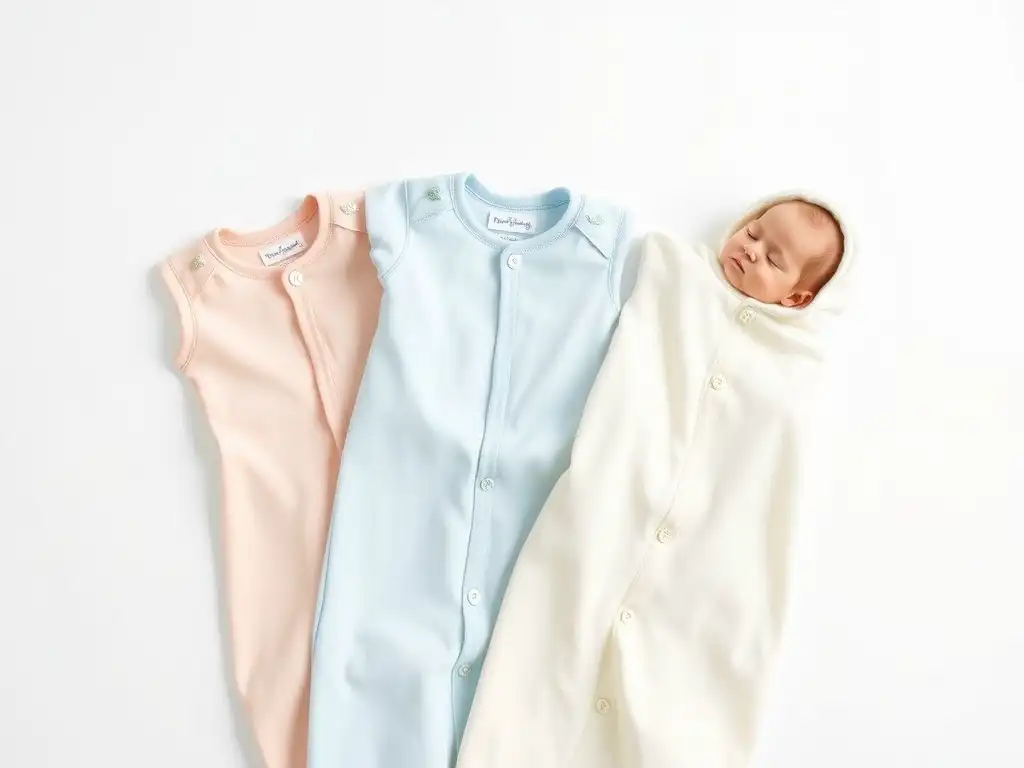
This section addresses common queries regarding organic baby sleep sacks, helping you make an informed decision when choosing the best sleep solution for your little one. We'll delve into the cost, certification, and differences between various organic standards to guide you in your search for an "organic baby sleep sack."
Are organic sleep sacks really worth the extra cost?
The question of whether organic sleep sacks are "worth it" is subjective and depends on your priorities. While they often come with a higher price tag than conventional sleep sacks, the benefits extend beyond just the material. Many parents prioritize the reduced exposure to potentially harmful pesticides and chemicals found in conventionally grown cotton. This is especially important for babies whose skin is sensitive and absorbent.
Consider this: organic cotton farming practices are better for the environment, reducing water pollution and promoting biodiversity. This aligns with the values of many eco-conscious parents. Furthermore, the softer texture of organic cotton can lead to improved comfort for your baby, potentially resulting in better sleep.
The long-term health benefits for your child, coupled with the environmental advantages, may outweigh the initial higher cost for some families. Ultimately, the decision depends on your budget and personal values regarding sustainability and your child's well-being. Weighing the pros and cons based on your individual circumstances will help determine if the investment is worthwhile for your family.
How can I tell if a sleep sack is truly organic?
Verifying the authenticity of an "organic baby sleep sack" requires careful scrutiny of the product labeling and certification. Don't just rely on marketing claims; look for independent certifications. The most widely recognized certifications for organic textiles are the Global Organic Textile Standard (GOTS) and OEKO-TEX Standard 100. These certifications guarantee that the cotton used is organically grown and processed, and that the entire production process adheres to strict environmental and social standards.
Look for these certifications clearly displayed on the product label and packaging. A reputable brand will readily provide information about their certifications and the sourcing of their materials. Be wary of vague claims or labels that merely state "organic" without specifying the certification. Reputable brands will often provide detailed information on their websites about their sourcing and manufacturing processes, allowing you to independently verify the claims made on the packaging. Transparency is key to ensuring you are purchasing a genuinely organic product.
What is the difference between GOTS and OEKO-TEX certified organic sleep sacks?
Both GOTS and OEKO-TEX Standard 100 are respected certifications for organic textiles, but they focus on different aspects. The GOTS (Global Organic Textile Standard) is a comprehensive standard that covers the entire supply chain, from the farming of the organic cotton to the final product. It ensures that the cotton is organically grown, that environmentally friendly processing methods are used, and that fair labor practices are followed throughout the production process.
OEKO-TEX Standard 100, on the other hand, focuses primarily on the absence of harmful substances in the finished textile. While it doesn't necessarily guarantee organic farming practices, it tests for over 100 harmful chemicals, ensuring the product is safe for your baby's delicate skin. Therefore, a GOTS certification implies OEKO-TEX compliance, but the reverse isn't necessarily true.
An OEKO-TEX certified sleep sack might be made from conventionally grown cotton that has been rigorously tested for harmful substances. Choosing a sleep sack with a GOTS certification provides the highest assurance of both organic farming practices and the absence of harmful chemicals. Ultimately, both certifications offer a level of assurance, but GOTS offers a more comprehensive guarantee of organic and ethical production.
Can I use an organic sleep sack with a swaddle?
Using a sleep sack and a swaddle simultaneously is generally not recommended, especially for newborns and infants. The combination can create an overly warm and restrictive sleeping environment, increasing the risk of overheating and Sudden Infant Death Syndrome (SIDS). Sleep sacks are designed to provide warmth and security without the risk of loose blankets or swaddling cloths covering the baby's face. Swaddles, while offering a sense of security, can restrict movement and increase the risk of overheating if combined with a sleep sack.
The key is to prioritize a safe sleep environment. If your baby enjoys the security of a swaddle, consider transitioning to a sleep sack gradually. Look for sleep sacks with arms that can be adjusted or removed as your baby grows and their need for swaddling decreases. Always ensure your baby can move their hips and knees freely in their sleepwear.
Prioritizing a safe and comfortable sleep environment, prioritizing a single layer of appropriate clothing, is crucial for your baby's health and well-being. Consulting your pediatrician is always advisable if you have any concerns about your baby's sleep habits or safe sleep practices. Remember, a safe sleep environment is paramount.
Conclusion: Making Informed Choices for Safe and Sustainable Sleep
Choosing the right sleep sack for your baby is a crucial step in creating a safe and comfortable sleep environment. This decision extends beyond mere convenience; it impacts your baby's health, development, and the environment. By prioritizing organic materials and understanding the features that contribute to safe sleep, you're investing in your baby's well-being and contributing to a more sustainable future.
Remember, a well-fitting sleep sack made from breathable, organic cotton can significantly reduce the risk of overheating and Sudden Infant Death Syndrome (SIDS), while also minimizing exposure to harmful chemicals. This guide has provided you with the information necessary to navigate the world of organic baby sleep sacks, empowering you to make an informed choice that benefits both your child and the planet. The journey to restful sleep for your little one begins with thoughtful consideration and responsible selection.
Prioritizing Your Baby's Health and Well-being with Organic Sleep Sacks
The benefits of choosing an organic sleep sack extend far beyond the environmental impact. Your baby's delicate skin is highly susceptible to irritation and allergic reactions. Conventional sleep sacks often contain pesticides, herbicides, and other chemicals used in conventional cotton farming.
These chemicals can be absorbed through the skin, potentially leading to eczema, rashes, or other skin sensitivities. Organic cotton, on the other hand, is grown without the use of these harmful substances, providing a safer and gentler alternative for your baby's sensitive skin. This is especially important during the first few months of life when their immune system is still developing.
Furthermore, the breathability of organic cotton helps regulate your baby's temperature, reducing the risk of overheating, a significant factor in safe sleep practices. Consider the long-term health benefits: by choosing organic, you're investing in your baby's health from the very beginning, fostering a healthier and happier future. The peace of mind knowing your baby is sleeping soundly and safely in an organic sleep sack is invaluable.
Finding the Perfect Organic Sleep Sack for Your Little One
Selecting the ideal organic sleep sack involves considering several key factors beyond the material. The size is paramount; a sleep sack that's too small can restrict movement, while one that's too large poses a suffocation risk. Always check the size chart provided by the manufacturer and choose a sleep sack that fits snugly but allows for comfortable movement. The tog rating indicates the warmth of the sleep sack; opt for a lower tog rating (e.g., 0.5 tog) for warmer months and a higher tog rating (e.g., 2.5 tog) for cooler months.
Pay attention to the zipper or fastening mechanism; ensure it's secure and easy to use, yet prevents accidental opening during sleep. Look for features like double zippers for easy diaper changes, or a two-way zipper for adjusting temperature. Finally, consider the overall design and style; while functionality is key, a sleep sack that is visually appealing can add a touch of joy to your baby's bedtime routine.
Remember, careful consideration of these factors will ensure that you find the perfect organic sleep sack that promotes safe, comfortable, and restful sleep for your little one. Choosing the right sleep sack is an investment in their well-being and your peace of mind. 😴
Frequently Asked Questions
What are organic baby sleep sacks?
Organic baby sleep sacks are wearable blankets made from certified organic cotton or other natural, eco-friendly materials. They provide a safe and comfortable sleeping environment for your baby, reducing the risk of overheating and accidental suffocation. They are a great alternative to loose blankets.
Why choose an organic sleep sack?
Choosing an organic sleep sack minimizes your baby's exposure to harmful pesticides and chemicals often found in conventionally grown cotton. This is particularly important for babies with sensitive skin or allergies. It's also a more sustainable and ethical choice.
What should I look for when buying an organic sleep sack?
Look for sleep sacks made with GOTS (Global Organic Textile Standard) certified organic cotton. Check the TOG rating to ensure it's appropriate for the room temperature. Consider the size and design features, such as zippers or snaps, for ease of use.
Are organic sleep sacks safe for my baby?
Yes, when chosen appropriately, organic sleep sacks are a safe and effective way to keep your baby warm and snug at night. Always follow the manufacturer's instructions and ensure the TOG rating is suitable for the room temperature. Never use a sleep sack if your baby shows signs of overheating.
How do I care for an organic sleep sack?
Most organic sleep sacks are machine washable, making them easy to clean. Always check the care label for specific instructions. Air drying is generally recommended to maintain the quality and softness of the fabric.
Final Reflection: Weaving Sustainability into Sweet Dreams
The conscious choice of organic baby sleep sacks isn't merely a trend; it's a fundamental shift in prioritizing our children's health and the planet's well-being. We've explored the myriad benefits of choosing organic cotton, from reducing exposure to harmful pesticides to supporting sustainable farming practices. This isn't just about a product; it's about a commitment to a healthier future.
The impact of our consumption choices on the environment, and subsequently on our children's health, is undeniable. The pervasive use of synthetic materials in baby products raises serious concerns about long-term effects. We do not inherit the Earth from our ancestors, we borrow it from our children.
This quote perfectly encapsulates the responsibility we bear in making conscious choices for the next generation. Choosing organic sleep sacks is a small but significant step towards a more sustainable and healthier world for our babies and ourselves.
Consider the legacy you're creating. Think about the comfort and safety you're providing your little one, knowing they're nestled in soft, breathable, and ethically sourced materials. You are not just choosing a sleep sack; you are choosing a future. Take a moment to reflect on your own consumption habits and how you can incorporate more sustainable practices into your daily life. Start small, but start now. The future of our planet, and the well-being of our children, depends on it.
Unwrap the Sweetest Dreams: Embrace Eco-Friendly Sleep
Thank you for exploring the world of organic sleep sacks with us! We hope you've gained valuable insights into choosing safe and sustainable options for your baby. Now, let's put that knowledge into practice:
- Choose organic cotton sleep sacks: Make the switch today and experience the difference in quality and peace of mind. Start browsing local retailers or trusted online stores to find the perfect fit.
- Share your experience: Tell us about your favorite brands or share your tips with other parents on our BabyCareHub community forum!
- Discover the joy of sustainable baby products: Explore our other articles on eco-friendly baby gear to create a healthier and happier home for your family.
What do you love most about choosing organic options for your baby's sleep? Let's chat in the comments below!