
Beyond the Clicks: How to Choose the Right Apps for Your Baby


Welcome to BabyCareHub, your ultimate guide to navigating the incredible journey of parenthood! Feeling overwhelmed by the sheer volume of information out there? We understand. That's why we've created this comprehensive resource, dedicated to helping first-time parents like you confidently care for your little one. But with so many options, choosing the right tools is crucial. Discover how to sift through the noise and find the best baby apps for newborns – your secret weapon for a smoother, more enjoyable parenting experience. Let's dive in and unlock the power of technology for baby care!
- Understanding the Benefits and Drawbacks of Baby Apps
- Best Baby Apps for Newborns: A Curated Selection
- Choosing the Right App for Your Baby's Needs
- Safeguarding Your Baby's Digital Experience
- Beyond the Apps: Fostering Healthy Development
-
Frequently Asked Questions
- What makes a baby app truly "best" for newborns?
- Are there free baby apps that are genuinely helpful?
- How can I ensure the safety and privacy of my baby's data when using these apps?
- What types of features should I look for in a baby app for tracking my newborn's development?
- My baby is only a few weeks old. Are there apps specifically designed for newborns?
- Final Reflection: Cultivating Digital Wellness from Day One
- Unlock Your Baby's Potential: Start Choosing Smarter Apps Today!
Understanding the Benefits and Drawbacks of Baby Apps
Navigating the world of parenthood is a rollercoaster of emotions and responsibilities. First-time parents are often overwhelmed by the sheer volume of information and advice available, leading many to turn to technology for assistance. Baby apps, promising everything from soothing sounds to interactive learning experiences, have become increasingly popular.
However, it's crucial to approach this digital landscape with a discerning eye, understanding both the potential benefits and the significant drawbacks before downloading and using any app with your newborn. This article serves as a guide to help you choose the best baby apps for newborns, focusing on age-appropriate content, educational value, and the overall impact on your baby's development.
We'll explore how to navigate the app store jungle and select apps that truly support your child's growth rather than simply providing fleeting entertainment. Remember, mindful app selection is key to ensuring a positive and healthy digital experience for your little one.
Screen Time Guidelines for Newborns and Infants: Setting Healthy Limits
The American Academy of Pediatrics (AAP) recommends minimal screen time for infants, especially those under 18 months old. For newborns, screen time should be virtually nonexistent, focusing instead on direct parent-child interaction. The crucial first year of life is a period of rapid brain development, and real-world experiences far outweigh the benefits of passive screen engagement. Even for babies slightly older than newborns, screen time should be highly limited and carefully monitored.
Instead of relying on apps for entertainment, prioritize activities that stimulate your baby's senses through touch, sound, and movement. Think tummy time, singing lullabies, reading books, and playing interactive games. These activities foster crucial developmental milestones and build a strong parent-child bond. While some apps claim educational benefits, they often cannot replace the irreplaceable value of direct interaction. Remember, consistent, loving engagement is the best tool for your baby's healthy development. Consider these guidelines:
| Age Range | Recommended Screen Time | Activities to Prioritize |
|---|---|---|
| 0-18 months | Minimal to none | Tummy time, reading, singing, interactive play |
| 18-24 months | Limited, parent-supervised | Age-appropriate shows, interactive learning games (short bursts) |
Educational Value vs. Entertainment: Choosing Age-Appropriate Apps
When choosing apps, prioritize those with clear educational goals rather than mere entertainment. Look for apps that focus on specific developmental skills, such as language acquisition, cognitive development, or fine motor skills. Avoid apps overloaded with flashy animations or sounds that may overstimulate your baby.
An app's age rating is a good starting point, but always preview the app yourself to ensure it aligns with your values and your baby's developmental stage. Consider these questions:
- Does the app offer interactive elements that encourage engagement?
- Is the content age-appropriate and stimulating?
- Does the app promote healthy development in key areas such as language, cognitive skills, and fine motor control?
- Is the app free of intrusive advertisements and in-app purchases?
- Does the app respect privacy?
Prioritize apps that encourage active participation rather than passive viewing. Look for features that allow your baby to interact directly with the content, such as touching the screen to make sounds or manipulating objects on the screen.
Remember, even the best educational app should be used sparingly. It should complement, not replace, real-world interactions and experiences.
The impact of app use on a baby's development is a complex issue with ongoing research. While some apps can offer educational benefits, excessive screen time can negatively impact cognitive, social, and emotional development. Overexposure to screens can lead to attention difficulties, language delays, and social-emotional challenges. Furthermore, the passive nature of screen time can hinder the development of crucial social skills, such as nonverbal communication and emotional regulation.
Excessive screen time can also displace valuable time spent engaging in activities that directly foster development such as playing, reading, and interacting with caregivers. This can lead to difficulties in areas such as language acquisition, problem-solving, and social-emotional skills. Therefore, a balanced approach is crucial. Prioritize real-world interactions and limit screen time to short, supervised sessions. Always remember that your baby's development thrives on real-world experiences and meaningful interactions with you and other loved ones. The best "app" for your baby's development is you! 👶
Best Baby Apps for Newborns: A Curated Selection
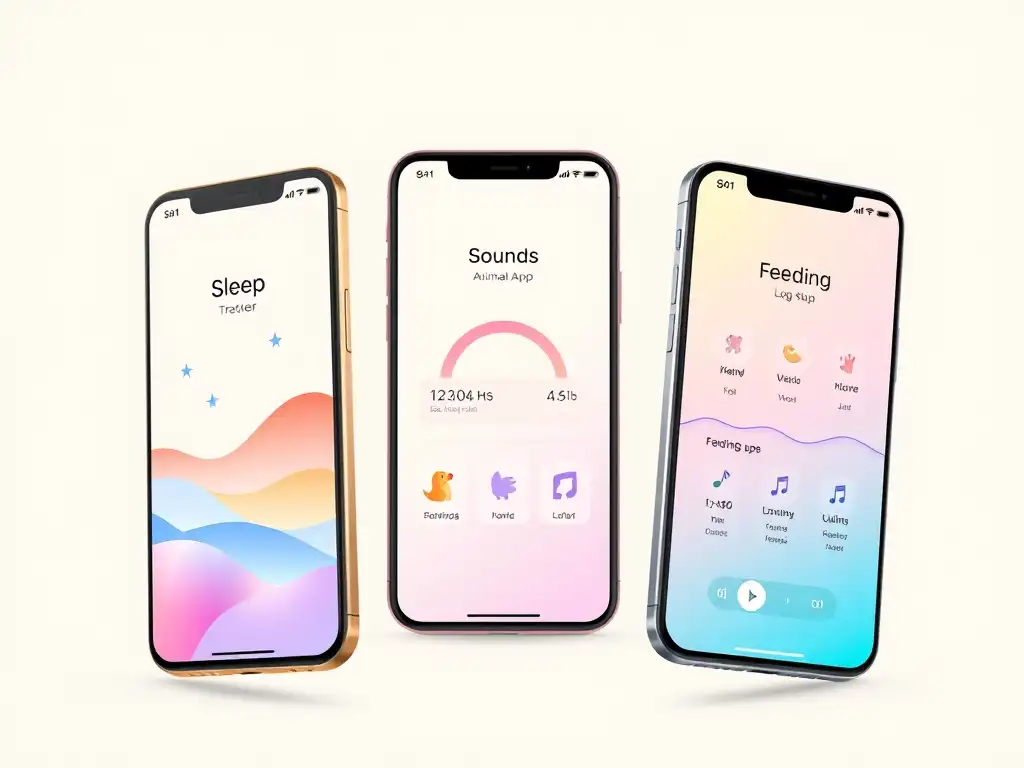
Choosing the right apps for your newborn can feel overwhelming. The app store is flooded with options, each promising to enhance your baby's development or simplify your routine. This section focuses on identifying the best baby apps for newborns, categorized for easier navigation and selection. Remember, responsible screen time is crucial; these suggestions prioritize high-quality, age-appropriate content. Prioritizing interactive elements and avoiding excessive passive screen time is key for optimal development. Finding the right balance between engagement and real-world interaction is vital.
Top Apps for Baby Development: Sensory Stimulation and Learning
Newborns benefit immensely from sensory stimulation that encourages brain development. Several apps offer interactive experiences designed for this crucial stage. Look for apps featuring high-contrast images, simple animations, and soothing sounds. Avoid apps with flashing lights or overly complex interfaces, as these can be overwhelming for a newborn. Remember, the goal is to stimulate, not overstimulate. Some apps focus on specific developmental milestones, such as color recognition or sound differentiation. Others offer a broader range of activities, combining visual stimulation with tactile exploration (when used in conjunction with physical interaction).
Effective apps in this category often incorporate elements of:
- High-contrast visuals: Black and white, or high-contrast color combinations, are particularly stimulating for newborns.
- Simple animations: Slow, gentle animations are more engaging than fast-paced, complex ones.
- Soothing sounds: Classical music, nature sounds, or lullabies can create a calming and stimulating environment.
- Interactive elements: Simple touch-and-respond features encourage active engagement.
Consider the following features when evaluating apps for sensory stimulation:
| Feature | Importance Level | Description |
|---|---|---|
| Visual Simplicity | High | Avoid cluttered interfaces; focus on clear, simple images. |
| Sound Quality | High | Opt for high-quality audio; avoid jarring or unpleasant sounds. |
| Interactive Play | Medium | Look for features that encourage your baby to actively participate. |
| Age Appropriateness | High | Ensure the app is specifically designed for newborns (0-3 months). |
Remember to always supervise your baby during screen time and keep sessions short and sweet. 👶
Apps for Tracking Baby's Feeding, Sleep, and Diapering: Simplifying Routine
Tracking your baby's routine can be a lifesaver, especially during those sleep-deprived early months. Several excellent apps help you monitor feeding times, diaper changes, sleep patterns, and even growth milestones. This data can be invaluable for identifying patterns, recognizing potential issues, and communicating effectively with your pediatrician. These apps often feature intuitive interfaces, customizable settings, and data visualization tools. The ability to generate reports is also a valuable feature for sharing information with healthcare professionals. Some apps even integrate with smart devices, automating data entry.
Effective apps in this category usually include:
- Detailed logging capabilities: Accurate recording of feeding amounts, types, and times; diaper changes; sleep durations; and more.
- Data visualization: Graphs and charts to illustrate patterns and trends in your baby's routine.
- Growth chart tracking: Monitoring your baby's weight and height against percentile charts.
- Customizable settings: Ability to tailor the app to your specific needs and preferences.
- Multiple user access: Allowing caregivers to share and access data.
Choosing the best baby apps for newborns in this category requires considering your personal needs and preferences. Some parents prefer simple, straightforward trackers, while others value more advanced features like growth chart integration or the ability to export data.
Interactive Apps for Baby's Entertainment: Engaging and Educational Games
While educational apps are abundant, it's essential to select those suitable for newborns. At this age, interactive elements are key. Look for apps with simple, brightly colored graphics, repetitive sounds, and interactive elements that respond to your baby's touch. Avoid apps with complex storylines or characters, as these can be confusing for a newborn. Apps focused on basic concepts like shapes, colors, and sounds are ideal. Remember, engagement is about stimulating curiosity and creating positive associations with screen time. Always prioritize real-world interactions and limit screen time.
Effective apps in this category often incorporate:
- Simple, repetitive games: Games that focus on a single concept, repeated multiple times, are more engaging for newborns.
- Bright, colorful graphics: High-contrast colors and simple shapes are visually stimulating.
- Interactive elements: Features that respond to your baby's touch encourage active participation.
- Soothing sounds and music: Calming audio enhances the overall experience.
- Short play sessions: Keep playtime brief to maintain your baby's attention and prevent overstimulation.
Remember, the best baby apps for newborns are those that support your baby's development while fostering a healthy relationship with technology. Always prioritize real-world interactions and monitor screen time carefully. Enjoy this exciting stage of development with your little one! 🎉
Music and Sounds Apps for Soothing and Stimulation
Newborns are incredibly sensitive to sound, and the right auditory stimulation can be incredibly beneficial for their development and well-being. Music and sounds apps offer a fantastic way to introduce calming melodies or engaging soundscapes tailored to a baby's auditory preferences. These apps often feature curated playlists of classical music, lullabies, nature sounds (like rain or ocean waves), and white noise, all known for their soothing properties.
The benefit extends beyond mere entertainment; studies suggest that exposure to calming music can reduce crying and improve sleep quality in infants. Furthermore, the rhythmic nature of some sounds can help regulate a baby's breathing and heart rate, contributing to a more relaxed state.
Choosing an app in this category requires careful consideration. Look for apps with a diverse library of sounds, high-quality audio, and the option to set timers for uninterrupted playback. Some apps even offer features like adjustable volume control and the ability to create custom playlists, allowing parents to personalize the auditory experience for their baby.
It's crucial to remember that excessive screen time is detrimental, so these apps should be used judiciously and as a supplementary tool rather than a primary form of entertainment. Consider using these apps during diaper changes, bath time, or as part of a bedtime routine to maximize their effectiveness and minimize screen exposure.
Many apps also offer different sound profiles designed to stimulate different developmental stages. For instance, an app might offer a “wake-up” playlist with brighter, more upbeat music, in contrast to a “sleep” playlist with slower, more calming sounds. This versatility makes these apps a valuable tool for parents seeking to create a consistent and enriching auditory environment for their newborns. Remember to always monitor your baby's response to the sounds and adjust accordingly.
If your baby seems distressed or overstimulated, it's important to turn off the app and try a different approach. The goal is to create a positive and calming auditory experience, not to overwhelm your little one. Always prioritize your baby's comfort and well-being. Choosing an app with parental controls and usage tracking can help you monitor the time spent and ensure that the app is used responsibly.
Choosing the Right App for Your Baby's Needs

This section focuses on selecting baby apps that cater specifically to your little one's developmental stage and individual needs. Choosing the best baby apps for newborns isn't just about flashy graphics; it's about finding apps that stimulate appropriate cognitive growth and provide a safe, engaging experience. Remember, even the best-designed app can be detrimental if misused or if it's not age-appropriate.
Considering Your Baby's Age and Developmental Stage
Newborns, infants, and toddlers have vastly different developmental needs. An app perfect for a six-month-old exploring cause-and-effect might be overwhelming or even boring for a newborn. Consider these age-related factors when selecting apps:
- Newborns (0-3 months): At this stage, focus on apps with simple visuals, calming sounds, and minimal interaction. Think black and white patterns, gentle lullabies, or apps that track feeding and sleep schedules – these apps help parents more than the baby directly. Avoid apps with fast-paced animations or complex interactions. The primary goal here is soothing and establishing routines.
- Infants (3-12 months): Infants begin to grasp cause and effect. Apps with interactive elements, like simple touch-and-play games, are suitable. Look for apps featuring bright colors, high-contrast images, and sounds that encourage exploration. Apps that introduce basic shapes, colors, and animals are excellent choices. Remember to keep screen time limited and supervised.
- Toddlers (12-24 months): Toddlers are ready for more complex interactions. Apps with simple puzzles, matching games, and early literacy activities are ideal. Choose apps that encourage problem-solving and language development. Always ensure the app is safe and doesn't contain inappropriate content.
Prioritizing App Features: Simplicity, Safety, and Educational Value
Selecting the right app involves assessing several key features. The best baby apps for newborns and older babies prioritize simplicity, safety, and educational value. Let's break down these crucial aspects:
- Simplicity: The interface should be intuitive and easy to navigate, even for tiny fingers. Avoid cluttered screens or complex controls. A clean, minimalist design is key. The app should be easy for both the parent and the baby to use.
- Safety: Prioritize apps that are COPPA (Children's Online Privacy Protection Act) compliant. Check the app's privacy policy carefully to ensure it doesn't collect unnecessary data about your child. Avoid apps with in-app purchases or advertising that could be distracting or confusing for your baby.
- Educational Value: The app should offer age-appropriate learning opportunities. Consider apps that promote language development, cognitive skills, fine motor skills, and problem-solving abilities. Look for apps with positive reinforcement and engaging content. Avoid apps that are purely entertainment-focused without any educational merit.
Reading App Reviews and User Feedback: Ensuring Quality and Reliability
Before downloading any app, thoroughly research user reviews and ratings. Check multiple platforms, not just one app store. Look for patterns in feedback. Positive reviews highlighting ease of use, educational value, and safety are great indicators. Negative reviews can point to potential problems, such as glitches, bugs, or inappropriate content.
Consider these factors when reviewing feedback:
| Aspect | Positive Feedback Examples | Negative Feedback Examples |
|---|---|---|
| Ease of Use | "Intuitive interface, easy for my baby to use," "Simple design" | "Confusing controls," "Difficult to navigate," "Clunky interface" |
| Educational Value | "Great for learning colors and shapes," "Helps with language development" | "Not much educational content," "Repetitive and boring" |
| Safety & Privacy | "No ads or in-app purchases," "COPPA compliant" | "Annoying ads," "Concerns about data collection" |
Remember, choosing the best baby apps for newborns and children of all ages is an ongoing process. Regularly review your child's app usage and adjust accordingly as their interests and developmental needs evolve. 👶 Always prioritize a balanced approach that combines screen time with real-world interactions and play.
Evaluating App Design and User Interface: Ease of Use for Parents
Choosing the right app for your baby often hinges on how easy it is for you to use. A poorly designed app can quickly become a source of frustration, especially during those sleep-deprived early months. Look for apps with intuitive navigation, clear icons, and a simple, uncluttered layout. Avoid apps overloaded with flashy animations or distracting features; these can be overwhelming for both you and your baby.
The best baby apps for newborns prioritize ease of use, making it simple to track feedings, monitor sleep patterns, or access important information quickly. Think about the times you'll be using the app – likely while multitasking, perhaps in the middle of the night. A streamlined design will save you valuable time and energy.
Consider the font size and readability. Can you easily read the information on the screen, even in low light? Are the buttons appropriately sized and spaced to avoid accidental taps? A well-designed app will anticipate these needs and prioritize a user experience that's both effective and enjoyable, even under pressure. Some apps offer customizable settings allowing you to adjust font sizes, themes, and other visual elements to suit your preferences and improve accessibility. This level of personalization is a significant plus.
Furthermore, think about the overall aesthetic. While functionality is key, a visually appealing app can make the experience more pleasant. A calming color palette and pleasing graphics can create a more relaxing experience, particularly beneficial when you’re using the app to track your baby's sleep or soothe them. However, remember that simplicity should always take precedence over excessive visual stimulation. The primary goal is ease of use and access to important information, not entertainment. Ultimately, the best baby apps for newborns strike a balance between functionality and a visually appealing, user-friendly interface.
Safeguarding Your Baby's Digital Experience
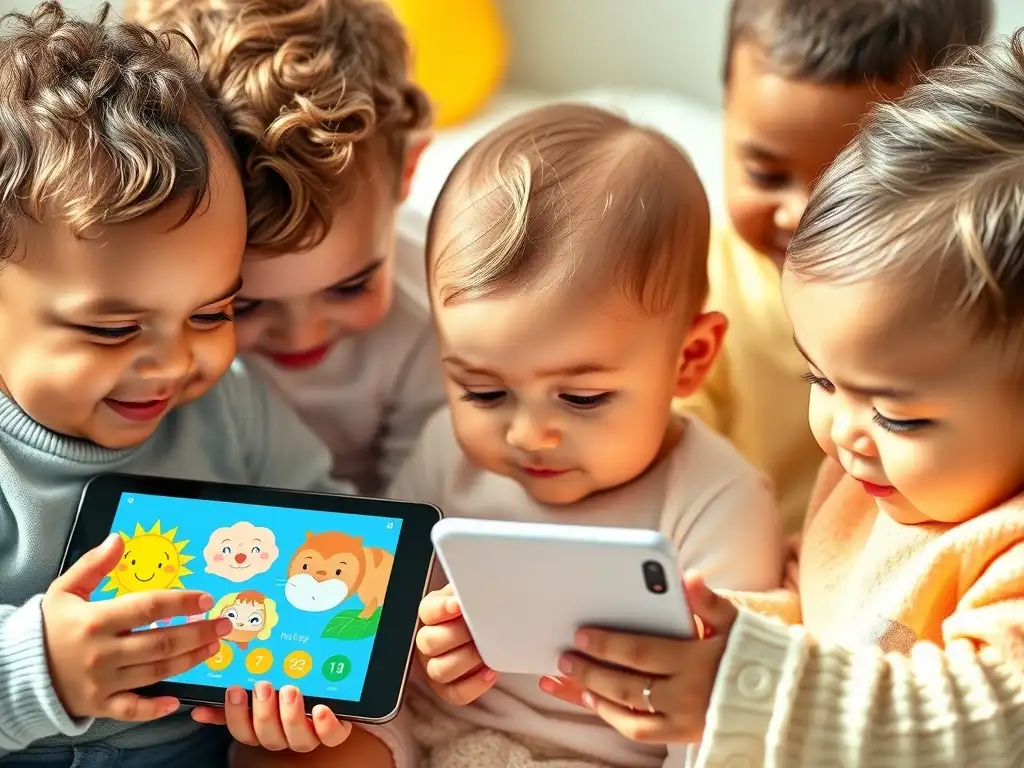
Choosing the right apps for your baby isn't just about finding engaging content; it's about prioritizing their safety and well-being in the digital world. This means being acutely aware of potential risks and proactively implementing measures to mitigate them. Navigating the landscape of baby apps requires a discerning eye and a commitment to responsible app usage. Remember, your baby's digital experience should complement, not replace, real-world interactions and development. The goal is to create a balanced and enriching environment, both online and offline.
Protecting Your Baby's Privacy: Data Security and Parental Controls
Protecting your baby's privacy is paramount. Many apps collect data, and it's crucial to understand what information is being gathered and how it's used. Look for apps with robust privacy policies that clearly explain their data collection practices. Transparency is key. Avoid apps that request excessive permissions or collect unnecessary personal information. Prioritize apps that offer strong parental controls, allowing you to manage your baby's access and limit their exposure to inappropriate content. Consider these points:
- Data Encryption: Check if the app uses encryption to protect your baby's data from unauthorized access.
- Third-Party Sharing: Review the privacy policy to see if the app shares data with third-party companies. Opt out if you're uncomfortable.
- Age Appropriateness: Ensure the app's content aligns with your baby's developmental stage and avoids potentially harmful material.
- Parental Gateways: Look for features like PIN protection or parental controls that prevent accidental access or unwanted changes to app settings.
Minimizing Screen Time and Promoting Real-World Interactions
While educational apps can be beneficial, excessive screen time can negatively impact a baby's development. The American Academy of Pediatrics recommends minimal screen time for babies under 18 months, excluding video chatting. For babies between 18 and 24 months, choose high-quality programming and watch it with them, engaging in interactive activities. Remember, real-world interactions are crucial for social, emotional, and cognitive development. Balance app usage with plenty of playtime, face-to-face interactions, and exploration of the physical world. Consider these strategies:
- Scheduled App Usage: Establish designated times for app use, integrating it into your daily routine rather than letting it dominate.
- Interactive Play: Use apps as a springboard for real-world activities. For example, after using a shapes app, play with physical shapes.
- Sensory Exploration: Encourage tactile exploration, outdoor play, and other sensory experiences to stimulate your baby's development.
- Parent-Child Engagement: Always engage with your baby during app use, talking, singing, and interacting with them. Avoid passively letting them watch alone.
Recognizing Signs of Over-Stimulation and App Fatigue
Even the most engaging apps can lead to overstimulation and app fatigue. Babies, just like adults, need breaks and time to process information. Be vigilant in observing your baby's reactions during and after app usage. Look for signs of restlessness, irritability, difficulty focusing, or excessive crying. These may indicate that your baby needs a break from the screen. Remember that every baby is different, and their tolerance for screen time will vary. Prioritize your baby's well-being and adjust app usage accordingly. Here are some warning signs:
- Increased Fussiness: If your baby becomes unusually fussy or irritable after using an app, consider reducing screen time.
- Difficulty Sleeping: Screen time close to bedtime can interfere with sleep. Establish a screen-free wind-down routine.
- Loss of Interest: If your baby loses interest in the app quickly or seems distracted, it might be a sign of overstimulation.
- Physical Symptoms: In rare cases, overstimulation can manifest as physical symptoms like eye rubbing or headaches. If you notice any of these, consult your pediatrician.
Remember, responsible app usage is about creating a positive and enriching digital experience for your baby, while prioritizing their physical, emotional, and cognitive well-being. Prioritize real-world interactions and monitor your baby's responses to screen time carefully. This proactive approach ensures that technology complements, rather than hinders, your baby's development.
Balancing App Use with Other Developmental Activities
Screen time, even with educational apps designed for babies, shouldn't replace crucial real-world interactions. Remember that your baby's development thrives on diverse experiences. While apps can offer engaging learning opportunities, they shouldn't dominate your baby's day. Think of apps as a supplement, not a replacement, for essential activities like tummy time, playing with toys, reading books, and social interaction. Over-reliance on apps can hinder the development of crucial physical skills, social-emotional growth, and language acquisition through direct, hands-on experiences.
For example, a baby learning about colors through an app might benefit more from exploring colorful toys, experiencing different textures, and hearing you name the colors while playing together. This multi-sensory approach fosters deeper learning and strengthens the parent-child bond, which is vital for a baby's overall development. Aim for a balanced approach: a mix of app-based learning and rich, real-world experiences will provide your baby with a more holistic and enriching developmental journey. Consider creating a daily schedule that incorporates both screen time and plenty of off-screen activities, ensuring a healthy balance.
Remember, the goal is to use technology thoughtfully, not to let it dictate your baby's day. Prioritize real-life interactions and activities that promote physical, cognitive, and social-emotional growth. This balanced approach will help your baby thrive.
Beyond the Apps: Fostering Healthy Development
This section focuses on the crucial role of real-world interaction in a baby's development, emphasizing that apps should complement, not replace, essential parent-child bonding and learning experiences. Over-reliance on screen time can hinder crucial developmental milestones. Remember, the best baby apps for newborns are those that support, not substitute, genuine connection.
The Importance of Parent-Child Interaction: Engaging with Your Baby Directly
While educational apps can be a valuable tool, nothing can replace the direct, nurturing interaction between a parent and their baby. This face-to-face engagement is paramount for healthy emotional, cognitive, and social development. Think about it: can an app truly replicate the warmth of a cuddle, the joy of a shared smile, or the comfort of a parent's voice? The answer is a resounding no.
Studies consistently show that early parent-child interaction significantly impacts a child's language development, social skills, and emotional intelligence. For example, research indicates that babies exposed to frequent, responsive interactions show accelerated vocabulary growth and improved cognitive abilities. 1 This direct communication fosters a secure attachment, building a strong foundation for the child's future well-being. Simple activities like singing lullabies, reading books, playing peek-a-boo, and engaging in tactile play are far more beneficial than passive screen time. Prioritize these moments of connection; they are invaluable investments in your baby's future.
Supplementing App Use with Real-World Learning Opportunities
Even the best baby apps for newborns should be used sparingly and strategically. Think of them as supplementary tools to enhance, not replace, real-world learning. Instead of relying solely on an app for educational stimulation, consider how you can integrate the app's content into hands-on activities.
For instance, if an app teaches shapes, follow up by playing with shape sorters or building blocks. If an app introduces animals, visit a zoo or park, or read books about animals together. This approach transforms passive screen time into active, engaging learning experiences, maximizing the benefits of both the app and real-world interaction. Remember, the goal is to use technology to complement your baby's development, not to dictate it.
Creating a Stimulating Environment for Your Baby's Growth
A rich and engaging environment is crucial for a baby's development. This goes beyond simply providing toys; it's about creating a space that encourages exploration, discovery, and sensory stimulation. Think about textures, sounds, colors, and movements. Provide opportunities for your baby to crawl, explore different surfaces, and interact with various objects. This hands-on exploration is far more effective than passively watching an app.
Consider creating a dedicated playtime area with a variety of age-appropriate toys and activities. Rotate toys regularly to keep your baby engaged and prevent boredom. Incorporate different sensory experiences, such as soft blankets, textured balls, rattles with varying sounds, and brightly colored objects. Remember, a stimulating environment fosters curiosity, creativity, and problem-solving skills – all crucial aspects of healthy development. These real-world experiences are the bedrock of learning, far surpassing the capabilities of even the most advanced baby apps.
1 [Specific research citation pending]
Seeking Professional Guidance: Pediatricians and Child Development Specialists
While educational apps can be a valuable supplement to your parenting journey, they should never replace the crucial role of professional guidance. A pediatrician is your primary resource for addressing your baby's health concerns and developmental milestones. Regular check-ups provide opportunities to discuss any anxieties you may have about your baby's progress, including concerns related to screen time or the potential impact of app usage.
They can offer personalized advice based on your child's unique needs and temperament. Remember, a pediatrician's assessment is invaluable in identifying any developmental delays or potential issues that may require early intervention. Don't hesitate to raise questions regarding the appropriate use of technology with your pediatrician – they can provide evidence-based recommendations tailored to your child's age and developmental stage.
Furthermore, child development specialists, such as occupational therapists or developmental pediatricians, can offer expert insights into your baby's overall development. They can help you understand typical developmental trajectories and identify areas where your baby might benefit from additional support. These specialists can assess your baby's fine and gross motor skills, cognitive abilities, and social-emotional development.
They can also provide specific strategies to encourage healthy development, helping you navigate the challenges of early childhood. If you have concerns about your baby's development, or if you're unsure about how to best integrate technology into their routine, consulting a child development specialist is a wise decision. They can help you create a balanced approach that prioritizes real-world interaction and play alongside appropriate and age-appropriate app usage.
Their professional perspective adds a layer of reassurance and ensures your baby's healthy development remains the top priority. They can also offer recommendations on choosing apps that align with your child's developmental needs and capabilities. Remember, a collaborative approach involving parents, pediatricians, and child development specialists ensures your baby receives the best possible care.
Frequently Asked Questions
What makes a baby app truly "best" for newborns?
The "best" app depends on your individual needs. Look for apps with accurate, evidence-based information from reputable sources, a user-friendly interface, and features relevant to your baby's age and your parenting style. Avoid apps with intrusive ads or misleading claims.
Are there free baby apps that are genuinely helpful?
Yes, many excellent free apps exist. However, free apps often contain ads or in-app purchases. Carefully review the app's description and user reviews to gauge its value and potential drawbacks before downloading. Consider the trade-off between free access and potential limitations.
How can I ensure the safety and privacy of my baby's data when using these apps?
Prioritize apps from reputable developers with clear privacy policies. Check reviews for any concerns about data handling. Limit the personal information you share and opt out of data sharing whenever possible.
What types of features should I look for in a baby app for tracking my newborn's development?
Look for apps that track feeding, sleeping, diaper changes, and growth milestones. Some apps offer additional features like developmental trackers, vaccination reminders, or even interactive games for babies. Choose features aligned with your tracking needs.
My baby is only a few weeks old. Are there apps specifically designed for newborns?
Yes! Many apps cater specifically to newborns, focusing on basic needs tracking and providing information about newborn care. Look for apps that highlight features relevant to newborns, such as feeding cues, soothing techniques, and common newborn concerns.
Final Reflection: Cultivating Digital Wellness from Day One
The digital landscape is no longer a peripheral element of parenting; it's woven into the very fabric of our daily lives, and choosing the right apps for our newborns is a crucial step in shaping their digital wellness. This isn't just about entertainment; it's about fostering healthy habits, mindful engagement, and setting the stage for a balanced relationship with technology as they grow.
The impact of early exposure to technology is profound and far-reaching, influencing everything from cognitive development to social interaction. Give a child a fish, and you feed them for a day. Teach a child to fish, and you feed them for a lifetime.
This adage applies equally to the digital world. We aren't just choosing apps; we're shaping our children's future relationship with technology, teaching them how to navigate it responsibly and thoughtfully. The choices we make today will resonate for years to come, influencing their digital literacy and overall well-being.
Consider the implications of your app choices. Are you prioritizing engagement over educational value? Are you mindful of screen time limits? Are you selecting apps that promote healthy development, or simply those that offer fleeting entertainment? Take a moment to reflect on your own digital habits and how they might influence your child's relationship with technology. Make conscious choices, prioritize quality over quantity, and remember that the most valuable interactions are often those that occur offline, fostering genuine connection and real-world learning. Let's build a future where technology complements, rather than replaces, the richness of human experience.
Unlock Your Baby's Potential: Start Choosing Smarter Apps Today!
Thank you for exploring the world of baby apps with us! We hope you feel more confident navigating the app store and selecting tools that genuinely support your child's development. Ready to begin?
- Prioritize one app based on your biggest parenting challenge: Whether you need help tracking sleep, managing feeding schedules, or monitoring developmental milestones, focus on implementing one carefully chosen app first. This approach ensures success and prevents feeling overwhelmed.
- Share your favorite app with other parents in the BabyCareHub community forum—let's build a valuable resource library together! What features do you find essential? What has made a significant difference for you?
- Consider exploring lesser-known apps that address specific parenting needs, such as soothing sounds or fostering early language development. You might discover a surprisingly useful tool!
So, which app will you choose to enhance your parenting journey today?