
Baby Medication and Vomiting: What To Do When Your Baby Throws Up

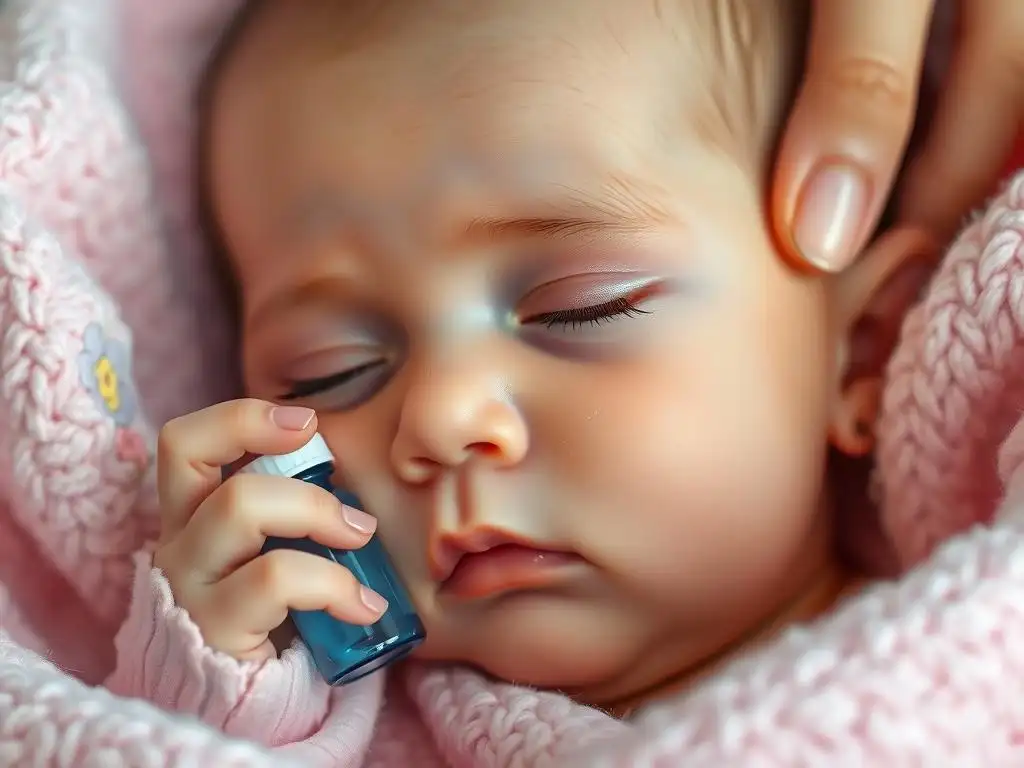
Welcome to BabyCareHub, your ultimate guide to navigating the incredible journey of parenthood. We understand that the first few months can be overwhelming, filled with questions and unexpected challenges. That's why we've created this comprehensive resource, packed with expert advice and practical tips to help you confidently care for your little one.
Are you concerned about your baby's vomiting? Our in-depth Baby Vomiting Medication Guide within the Health & Safety section will provide you with the information you need to understand the causes, when to seek medical attention, and what steps to take to help your baby feel better. Discover the answers you need, and embark on this exciting adventure with confidence.
- Understanding Baby Vomiting and Medication
- Administering Medication Safely After Baby Vomiting
- Dealing with Vomiting After Giving Medication
- Preventing Future Vomiting Episodes Related to Medication
- When to Contact Your Pediatrician Regarding Baby Vomiting and Medication
- Baby Vomiting and Medication: Key Takeaways and Resources
- Frequently Asked Questions
- Final Reflection: Navigating the Storm of Baby Vomiting
- Unlock Your Baby's Comfort: Next Steps for Peaceful Nights
Understanding Baby Vomiting and Medication

Navigating the world of infant care can be daunting, especially for first-time parents. One of the most common anxieties revolves around a baby's health, particularly when they experience vomiting. This comprehensive guide provides crucial information on understanding the causes, types, and appropriate responses to baby vomiting, specifically addressing when and how medication might be involved. We'll explore common causes, help you differentiate between various vomiting types, and outline when immediate medical attention is necessary.
Remember, this information is for educational purposes and should not replace professional medical advice. Always consult your pediatrician before administering any medication to your baby. This guide aims to empower parents with knowledge and increase confidence in handling these situations safely and effectively, providing a practical "baby vomiting medication guide" for navigating this common challenge. Let's delve into the specifics to help you understand and address your baby's vomiting effectively.
Common Causes of Infant Vomiting
Infant vomiting is surprisingly common and often stems from relatively benign causes. Understanding these common culprits can help alleviate parental anxiety. The most frequent reasons include:
- Overfeeding: Babies, especially newborns, have small stomachs. Overfeeding is a significant contributor to spitting up or vomiting. Learning to recognize your baby's fullness cues is crucial.
- Reflux: Gastroesophageal reflux (GER) is extremely common in infants. It occurs when stomach contents flow back up into the esophagus, causing spitting up or vomiting. While usually harmless, persistent or forceful reflux warrants medical attention.
- Viral Infections: Viral gastroenteritis (stomach flu) is a frequent cause of vomiting and diarrhea in babies. It's highly contagious and often accompanied by fever and lethargy.
- Food Allergies or Intolerances: Certain foods can trigger vomiting in sensitive infants. Common culprits include cow's milk protein, soy, and wheat. Careful monitoring of diet and introduction of new foods is essential.
- Medication Side Effects: Some medications can cause vomiting as a side effect. Always inform your pediatrician about all medications your baby is taking.
- Intussusception: While less common, intussusception (where one part of the intestine slides into another) can cause severe vomiting, often accompanied by bloody stools and abdominal pain. This requires immediate medical attention.
Differentiating Vomiting Types in Infants
Not all vomiting is created equal. Understanding the characteristics of your baby's vomiting can provide valuable clues about the underlying cause. Consider the following:
- Spitting up: This is the gentle expulsion of small amounts of milk or formula after a feeding. It's usually not a cause for concern, particularly in healthy babies.
- Projectile vomiting: This forceful expulsion of vomit can indicate a more serious problem, such as pyloric stenosis (a narrowing of the stomach outlet). Seek immediate medical attention if your baby experiences projectile vomiting.
- Bilious vomiting: Vomiting that is green or yellow (bilious) suggests a blockage in the digestive tract and requires urgent medical evaluation.
- Frequent vomiting: Multiple episodes of vomiting within a short period, especially accompanied by other symptoms like diarrhea, fever, or lethargy, warrant immediate medical attention.
Urgent Care for Infant Vomiting: Warning Signs
While many instances of infant vomiting are benign, certain signs demand immediate medical attention. These warning signs indicate a potentially serious underlying condition and require prompt professional evaluation:
- Projectile vomiting: As mentioned earlier, this forceful expulsion of vomit is a significant red flag.
- Bloody vomit: The presence of blood in the vomit is a serious sign and requires immediate medical attention.
- Lethargy or unusual sleepiness: A baby who is unusually lethargic or sleepy should be seen by a doctor immediately.
- High fever: A high fever (above 100.4°F or 38°C) accompanied by vomiting requires prompt medical attention.
- Dehydration: Signs of dehydration, including sunken eyes, dry mouth, decreased urination, and lack of tears, necessitate immediate medical care.
- Abdominal pain or distension: If your baby is exhibiting signs of abdominal pain or a swollen abdomen, seek immediate medical attention.
- Persistent vomiting: Vomiting that lasts for more than 24 hours without improvement warrants immediate medical attention.
Remember, this information serves as a guide and should not replace professional medical advice. Always contact your pediatrician or seek immediate medical attention if you have any concerns about your baby's health. Early intervention is key to ensuring your baby's well-being. 👶
Administering Medication Safely After Baby Vomiting
This section focuses on the safe administration of medication to infants who have been vomiting. It's crucial to remember that always consult your pediatrician or other qualified healthcare professional before administering any medication to your baby, especially after an episode of vomiting. This guide provides general information and should not replace professional medical advice. Understanding the nuances of infant medication and vomiting is key to ensuring your baby's well-being. This information is crucial for navigating the complexities of "Baby vomiting medication guide."
Safe Infant Medication Practices
Before we delve into administering medicine to a vomiting infant, let's review some essential safety practices for all infant medications:
- Accurate Measurement: Always use the measuring device provided with the medication or a calibrated oral syringe. Never use household spoons or cups, as these can lead to inaccurate dosages and potential harm. Precise measurement is paramount, especially when dealing with a baby's delicate system. Even slight variations can impact the effectiveness of the treatment.
- Proper Storage: Store all medications as directed on the label. This typically involves keeping them in a cool, dry place, away from direct sunlight and out of the reach of children. Improper storage can compromise the medication's efficacy and safety.
- Medication Identification: Clearly label all medications and keep them in their original containers. This prevents accidental ingestion or confusion between different medications.
- Expiration Dates: Always check the expiration date before administering any medication. Expired medications may lose their effectiveness or even become harmful. Discard expired medications properly according to your local guidelines.
- Documentation: Keep a record of all medications given to your baby, including the date, time, dosage, and any observed reactions. This information is valuable for your pediatrician during future visits.
Administering Medicine to a Vomiting Infant
If your baby is vomiting, administering medication can be challenging. Here's a step-by-step approach:
- Assess the Situation: Determine the severity and frequency of the vomiting. If your baby is vomiting frequently or showing signs of dehydration (dry mouth, sunken eyes, decreased urination), seek immediate medical attention. This is crucial for ensuring your baby receives the proper care in a timely manner. Do not attempt to self-treat serious cases.
- Consult Your Pediatrician: Before giving any medication, always contact your pediatrician. They can advise on whether the medication is still necessary and how to adjust the dosage or administration method, considering the vomiting. They may also recommend alternative methods of administering the medicine, such as through a suppository if oral administration is not possible.
- Small Frequent Doses (if advised by doctor): If your doctor approves, consider giving smaller, more frequent doses of medication instead of a single large dose. This can reduce the likelihood of your baby vomiting up the entire dose. This strategy is particularly helpful for medications that need to be taken regularly.
- Medication Timing: Try administering medication when your baby is relatively calm and not actively vomiting. Giving it between vomiting episodes may improve absorption. Timing is key to maximizing the effectiveness of the medication.
- Post-Medication Observation: Carefully monitor your baby for any adverse reactions after administering the medication. Note any changes in behavior, vomiting, or other symptoms and report them to your pediatrician immediately. Close observation is essential to ensure the medication's safety and effectiveness.
Adjusting Infant Medication Dosage for Vomiting
Adjusting medication dosage for a vomiting infant is never something to be determined by the parent. Always consult your pediatrician. They will assess your baby's condition, consider the medication in question, and provide guidance on whether to adjust the dosage, delay administration, or explore alternative treatment options. Incorrect dosage can have severe consequences.
Never attempt to adjust dosages based on online information or personal judgment. Your baby's health is paramount, and professional guidance is essential in these situations. This aspect of "Baby vomiting medication guide" is crucial for safe and effective medication management. Remember, seeking professional help is always the best course of action when your baby is ill.
Dealing with Vomiting After Giving Medication

Vomiting after administering medication to your baby can be alarming, but understanding the situation and taking appropriate steps can alleviate your concerns. This section provides a guide for navigating this common scenario, offering practical advice tailored to the needs of first-time parents. Remember, always consult your pediatrician before administering any medication to your infant. This guide is for informational purposes only and should not replace professional medical advice.
Actions After Infant Vomiting Following Medication
If your baby vomits after receiving medication, the first thing to do is remain calm. Assess the situation: how much of the medication was administered, how much was vomited, and how long ago the medication was given.
- Assess the amount: Was it a small amount or a significant portion of the medication? A small amount of vomit may not necessitate immediate action, especially if your baby seems otherwise well. However, if a substantial portion of the medication was expelled, further action might be required.
- Observe your baby: Monitor your baby closely for any signs of distress, such as lethargy, unusual irritability, or difficulty breathing. Note the time of the vomiting episode and record any other symptoms, such as fever, diarrhea, or changes in skin color. This detailed record will be invaluable when discussing the situation with your pediatrician.
- Contact your pediatrician: This is crucial. Your pediatrician can provide tailored advice based on your baby's age, health history, the type of medication, and the circumstances of the vomiting. They can determine whether a repeat dose is necessary or if alternative administration methods should be considered. Don't hesitate to call – it's always better to err on the side of caution.
- Keep a record: Maintain a detailed log of your baby's medication administration, including dosage, time, and any vomiting episodes. This detailed record is essential in ensuring consistent care and provides valuable information for your pediatrician. Consider using a dedicated baby health journal or a digital app for this purpose.
Remember, timely and effective communication with your pediatrician is key to managing this situation effectively. Don't attempt to self-treat, and trust your instincts – if you are concerned, seek medical attention immediately.
When to Repeat Infant Medication Dosage
Deciding whether to repeat an infant's medication dosage after vomiting is a critical decision that should always be made in consultation with your pediatrician. There's no one-size-fits-all answer. Factors influencing this decision include:
- Type of medication: Some medications require immediate re-administration if vomited, while others have a wider therapeutic window. The medication's properties (e.g., absorption rate, half-life) are crucial factors.
- Time since administration: If the vomiting occurred shortly after administration, the medication might not have been absorbed effectively. Conversely, if a significant time has elapsed, re-administration may not be necessary.
- Amount vomited: As previously mentioned, the amount of vomit relative to the medication dose is a key consideration. A small amount may not necessitate a repeat dose, while a significant portion might.
- Baby's overall condition: Your baby's overall health and well-being are paramount. If your baby shows signs of distress or worsening symptoms, immediate medical attention is required.
Never repeat a dose without explicit instructions from your pediatrician. Following their guidance ensures the safest and most effective treatment for your baby.
Identifying Medication Side Effects in Infants
Infants can react to medications differently than adults, and recognizing potential side effects is crucial for their well-being. Some common side effects may include:
| Side Effect | Description | Severity | Action |
|---|---|---|---|
| Rash/Hives | Red, itchy bumps or patches on the skin | Mild to severe | Stop medication & contact pediatrician immediately. |
| Diarrhea | Loose, watery stools | Mild to severe | Monitor fluid intake; contact pediatrician if severe or persistent. |
| Constipation | Difficulty passing stools | Mild to moderate | Adjust fluid & fiber intake; consult pediatrician if persistent. |
| Fever | Elevated body temperature | Mild to severe | Monitor temperature; contact pediatrician if high or persistent. |
| Drowsiness/Lethargy | Excessive sleepiness or lack of responsiveness | Mild to severe | Monitor closely; contact pediatrician if unresponsive or significantly lethargic. |
| Vomiting | Expulsion of stomach contents | Mild to severe | Monitor frequency & amount; contact pediatrician if excessive or persistent. |
| Irritability | Increased fussiness or crying | Mild to moderate | Try soothing techniques; contact pediatrician if excessively irritable. |
This table provides a general overview. The specific side effects of a particular medication will be outlined in its prescribing information. Always read the medication's instructions carefully and consult your pediatrician with any concerns. Early identification and management of side effects are crucial for your baby's safety and well-being. Remember, proactive communication with your pediatrician is key to ensuring your baby receives the best possible care.
Monitoring Infant Hydration After Vomiting
Vomiting can quickly lead to dehydration in infants, a serious concern requiring immediate attention. Dehydration can manifest in several ways, and recognizing the signs is crucial for your baby's well-being. Look for symptoms like fewer wet diapers than usual (a significant indicator), dry mouth and lips, sunken eyes, lethargy or unusual sleepiness, and a lack of tears when crying.
These are not always immediately obvious, so diligent observation is key. For example, if your baby usually wets six to eight diapers a day, a noticeable decrease to two or three should prompt immediate action. Similarly, a normally playful baby becoming unusually subdued is a warning sign.
Regularly checking your baby's diapers is one of the most effective ways to monitor hydration. Keep a record of the number of wet and soiled diapers throughout the day. If you notice a significant drop, contact your pediatrician immediately. This proactive approach can help prevent more serious complications. It's also important to observe your baby's overall behavior. Are they actively feeding? Are they alert and responsive? Any changes from their baseline behavior should be noted and reported to your doctor.
Beyond diaper checks, observe your baby's skin turgor. Gently pinch a fold of skin on their abdomen. If the skin slowly returns to its normal position, hydration is likely adequate. However, if the skin remains tented or slow to return, this is a strong indication of dehydration. This is especially important to monitor after episodes of vomiting following medication administration.
Remember, prompt action is crucial. Do not hesitate to seek medical advice if you are concerned about your baby's hydration level. Early intervention is key to preventing severe dehydration and its potential complications. The "baby vomiting medication guide" emphasizes the importance of close observation and prompt medical attention.
This section focuses on proactive strategies to minimize the risk of your baby vomiting after medication administration. Understanding the underlying causes and implementing preventative measures can significantly reduce the frequency of this distressing event. Remember, always consult your pediatrician before making any changes to your baby's medication regimen or diet. This guide provides information, not medical advice.
Safe Medication Storage and Handling
Improper storage and handling of baby medications can contribute to vomiting. Accidental ingestion of incorrect dosages or expired medications can lead to gastrointestinal upset. To mitigate this risk:
- Store medications out of reach: Keep all medications, including over-the-counter remedies, securely locked away in a high cabinet or drawer inaccessible to children. This prevents accidental ingestion, a major cause of medication-related vomiting. A childproof lock is essential.
- Check expiration dates: Regularly check the expiration dates on all medications and discard any expired products immediately. Expired medications can lose their effectiveness and potentially cause adverse reactions, including vomiting.
- Follow dosage instructions precisely: Never deviate from the prescribed dosage or administration instructions provided by your pediatrician. Incorrect dosages can lead to adverse effects and vomiting. Double-check the dosage before each administration.
- Use appropriate measuring devices: Utilize the correct measuring device, such as a calibrated oral syringe or dropper, to ensure accurate medication delivery. Improper measurement can result in an overdose or underdose, both of which can trigger vomiting.
- Proper disposal of unused medication: Dispose of unused or expired medications according to your local guidelines. Never flush medications down the toilet unless specifically instructed by your pharmacist.
Preventing Medication-Induced Vomiting in Infants
Certain medications are more likely than others to cause vomiting in infants due to their taste, texture, or effect on the digestive system. Here are some strategies to reduce this risk:
- Administer medication with food: Offering medication with a small amount of breast milk, formula, or baby food can help mask the taste and minimize the likelihood of vomiting. Experiment to find what works best for your baby.
- Give medication slowly: Administering medication slowly, allowing your baby time to swallow, can decrease the chances of them spitting it out. Avoid rushing the process.
- Choose appropriate formulations: If your baby consistently vomits after taking a particular medication, discuss alternative formulations with your pediatrician. Liquid suspensions are often easier to administer than tablets or capsules.
- Distraction techniques: Distract your baby during medication administration with a toy or soothing activity. This can help keep them calm and reduce their likelihood of rejecting the medicine.
- Positioning: Hold your baby upright for a few minutes after administering medication to prevent reflux.
Dietary Modifications to Minimize Vomiting
Dietary changes can sometimes help reduce the frequency of vomiting, especially if it's not directly medication-related. However, always consult your pediatrician before making significant dietary changes, particularly for infants.
- Smaller, more frequent feedings: Offering smaller amounts of food or formula more frequently can be better tolerated than larger, less frequent feedings. This reduces the volume in the stomach and minimizes the chance of reflux.
- Avoid greasy or spicy foods (for older babies): Once your baby is on solid foods, avoid greasy or spicy foods, which can be more likely to cause digestive upset.
- Introduce new foods gradually: Gradually introduce new foods to your baby's diet, allowing their digestive system time to adjust. Rapid introduction of new foods can sometimes lead to digestive problems and vomiting.
- Identify potential food allergens: If vomiting is persistent, consider the possibility of food allergies and consult your pediatrician for allergy testing. Common allergens in babies include dairy, soy, eggs, and wheat.
- Hydration is key: Ensure your baby is well-hydrated by offering frequent small sips of water or breast milk/formula, especially after vomiting episodes. Dehydration can worsen vomiting.
Remember, this information is for educational purposes only and should not replace professional medical advice. Always consult your pediatrician before making any changes to your baby's medication or diet. A personalized approach is crucial for ensuring your baby's health and well-being.
When to Contact Your Pediatrician Regarding Baby Vomiting and Medication

Knowing when to seek professional medical advice for your baby's vomiting is crucial, especially when medication is involved. This section provides guidance on determining the severity of your baby's condition and when to contact your pediatrician. Understanding the nuances of baby vomiting and medication interaction is key to ensuring your little one's safety and well-being. This guide aims to help you navigate this challenging situation with confidence.
Emergency Situations Requiring Immediate Medical Attention
Certain situations necessitate immediate medical attention. Don't hesitate to call emergency services or rush your baby to the nearest hospital if you observe any of the following:
- Projectile vomiting: This indicates forceful expulsion of vomit, often a sign of a serious underlying issue. The force and distance of the vomit are important indicators.
- Bloody vomit (hematemesis): The presence of blood in vomit is a serious warning sign and requires immediate medical evaluation.
- Lethargy and unresponsive behavior: If your baby is unusually lethargic, difficult to arouse, or unresponsive, seek immediate medical help. This could indicate dehydration or a more serious condition.
- High fever (above 100.4°F or 38°C): Combined with vomiting, a high fever suggests a possible infection requiring urgent medical intervention.
- Signs of dehydration: Dehydration is a significant concern, especially in infants. Look for sunken eyes, dry mouth, decreased urination, and lack of tears when crying. These symptoms require prompt medical attention.
- Difficulty breathing: Any signs of respiratory distress, such as rapid breathing, wheezing, or grunting, should be addressed immediately.
- Persistent vomiting for more than 24 hours: Prolonged vomiting can lead to severe dehydration and electrolyte imbalances. Continuous vomiting beyond a day warrants immediate medical consultation.
Remember, it's always better to err on the side of caution. If you are unsure about the severity of your baby's condition, contact your pediatrician immediately. Early intervention can significantly improve the outcome.
Post-Vomiting Follow-up Appointments
Even if your baby's vomiting subsides, a follow-up appointment with your pediatrician is often recommended. This allows for a comprehensive assessment of the underlying cause and ensures your baby is recovering well. The pediatrician might perform a physical examination, order tests (such as blood work or stool cultures), and discuss preventative measures. This follow-up is especially crucial if the vomiting was associated with medication administration.
The doctor may want to review the medication, dosage, and timing to ensure proper administration and minimize the risk of future vomiting episodes. They may also adjust the medication or suggest alternative treatment options. Accurate record-keeping of vomiting episodes, including timing, volume, and any associated symptoms, is crucial for your pediatrician to make informed decisions. Don't hesitate to share detailed information to help your pediatrician understand the situation thoroughly.
Questions to Ask Your Pediatrician About Infant Medications
Before administering any medication to your baby, it's essential to have a thorough discussion with your pediatrician. Here are some key questions to ask:
- What is the exact dosage of the medication for my baby's weight and age?
- What are the potential side effects of this medication, including vomiting?
- How should I administer the medication (e.g., with food, water, or on its own)?
- What should I do if my baby vomits after taking the medication? Should I re-administer the dose?
- Are there any alternative treatment options available?
- What are the signs of an allergic reaction to this medication?
- How long should I administer the medication, and when should I expect to see improvement?
- When should I contact you again regarding my baby's condition and medication?
Remember, open communication with your pediatrician is vital for ensuring your baby's health and safety. Don't hesitate to ask any questions you may have, no matter how small they may seem. Your pediatrician is your partner in your baby's healthcare journey. A well-informed parent is a better caregiver.
Baby Vomiting and Medication: Key Takeaways and Resources
This section summarizes crucial information regarding baby vomiting and the appropriate response, focusing on when and how medication might be involved. Remember, always consult your pediatrician before administering any medication to your infant. This guide is for informational purposes only and does not replace professional medical advice.
Summary of Safe Infant Medication Practices
Administering medication to a baby requires extreme caution and precision. Dosage is critical, and even slight errors can have severe consequences. Always follow these guidelines:
- Check the dosage meticulously: Double, even triple-check the dosage instructions on the medication label against your doctor's prescription. Infant dosages are tiny, and a mistake can be dangerous. Use a calibrated dropper or syringe provided by your pharmacist to measure the precise amount.
- Understand the medication: Before administering any medication, thoroughly understand its purpose, potential side effects, and how to administer it correctly. Ask your doctor or pharmacist to clarify any uncertainties. Don't hesitate to ask them to demonstrate the correct administration technique.
- Observe your baby closely: After giving your baby medication, monitor them closely for any adverse reactions such as rash, unusual sleepiness, or changes in behavior. Note the time of administration and any subsequent changes in your baby's condition.
- Store medications safely: Keep all medications out of reach of children and store them according to the manufacturer's instructions. Discard expired medications appropriately. This is crucial for baby vomiting medication guide research and practice.
- Never give over-the-counter medication without consulting a doctor: Many over-the-counter medications, even those seemingly harmless, can be unsafe for infants. Always seek professional medical advice before giving your baby any medication, even for seemingly minor ailments.
| Medication Type | Safe for Infants? | Considerations |
|---|---|---|
| Acetaminophen (Tylenol) | Generally yes | Follow dosage instructions precisely; monitor for liver issues |
| Ibuprofen (Advil) | Generally no | Not recommended for infants under 6 months; consult a doctor |
| Cough & Cold Medicines | Generally no | Often contain ingredients unsafe for infants; avoid unless explicitly prescribed |
This table highlights the importance of consulting your pediatrician before administering any medication, emphasizing the critical need for precision and awareness when dealing with infant health. Remember, prevention is key! Understanding the causes of vomiting can help you avoid situations requiring medication.
Reliable Resources for Infant Health and Safety
Finding reliable information about infant health and safety is crucial for new parents. Here are some avenues to explore:
- Your pediatrician: Your pediatrician is your primary resource for all health concerns relating to your baby. They can provide personalized advice and guidance based on your baby's specific needs and medical history.
- The American Academy of Pediatrics (AAP): The AAP provides comprehensive information on various aspects of child health and development, including medication safety.
- Your local hospital or health clinic: These institutions often offer resources and educational materials on infant care and safety. They may also have programs specifically designed for new parents.
- Reputable online resources: While online information can be helpful, always ensure the source is credible and medically accurate. Look for sites affiliated with professional medical organizations.
Remember, accurate information is paramount when it comes to your baby's health and safety. Always prioritize seeking advice from qualified healthcare professionals before making any decisions regarding your baby's medication. This comprehensive approach is essential for responsible and effective baby vomiting medication guide implementation. 👶 This information forms a crucial part of any responsible baby vomiting medication guide.
Frequently Asked Questions
What should I do if my baby is vomiting?
First, assess the severity and frequency of the vomiting. If your baby is lethargic, dehydrated, or vomiting forcefully and frequently, seek immediate medical attention. For mild vomiting, offer small amounts of electrolyte solution to prevent dehydration.
When should I give my baby medication for vomiting?
Generally, medication is not recommended for babies experiencing vomiting unless a doctor specifically prescribes it. Treatment usually focuses on supportive care, like hydration and rest. Always consult your pediatrician before giving your baby any medication.
What are some common causes of baby vomiting?
Common causes include gastroenteritis (stomach flu), overfeeding, reflux, and allergies. Less common causes require medical evaluation. Keeping a record of vomiting episodes and other symptoms is helpful for your doctor.
Are there any over-the-counter medications safe for babies with vomiting?
No, avoid giving your baby any over-the-counter medication for vomiting without first consulting your pediatrician. Many common remedies are not suitable for infants and can be harmful. Focus on hydration and supportive care instead.
My baby is vomiting and has a fever. What should I do?
A fever combined with vomiting is a serious concern and requires immediate medical attention. This could indicate a more serious illness that needs prompt diagnosis and treatment. Do not delay seeking professional medical help.
The unsettling experience of a vomiting baby is far more common than many parents realize, and understanding the appropriate responses is crucial for their well-being. This guide aimed to equip parents with the knowledge to differentiate between harmless spitting up and concerning vomiting, providing a framework for when intervention, including medication, might be necessary. It's a journey no parent wants to take alone.
The emotional toll of a sick baby is immense, a feeling of helplessness amplified by the uncertainty surrounding the best course of action. The most important thing a parent can do is to trust their instincts and seek professional help when needed.
This sentiment, though simple, underscores the importance of open communication with pediatricians and the reliance on evidence-based information, rather than anecdotal advice. The ongoing challenge lies in ensuring accessible and reliable information reaches all parents, regardless of their background or access to healthcare.
You, as a parent, now possess a more informed perspective on managing your baby's vomiting. Remember, this guide is a tool, not a replacement for professional medical advice. Take a moment to reflect on what you've learned. Empower yourself with knowledge, build a strong relationship with your pediatrician, and trust your instincts. By doing so, you'll be better equipped to navigate the anxieties of parenthood and provide the best possible care for your little one.
Unlock Your Baby's Comfort: Next Steps for Peaceful Nights
Thank you for learning about managing infant medication and vomiting. We hope this guide provided valuable insights and reassurance. Now, let's put that knowledge into practice!
Here's what you can do next:
- Prioritize hydration: Closely monitor your baby's fluid intake. If vomiting continues, consult your pediatrician immediately.
- Share your experiences: Connect with other parents in our BabyCareHub community forum—your insights could help others facing similar challenges.
- Explore our detailed guide on administering infant medication for additional tips and strategies.
Ready to feel more confident in navigating this challenging time? What small step will you take today to help your little one feel better?