
Ear Care for Newborns: Gentle Cleaning Techniques

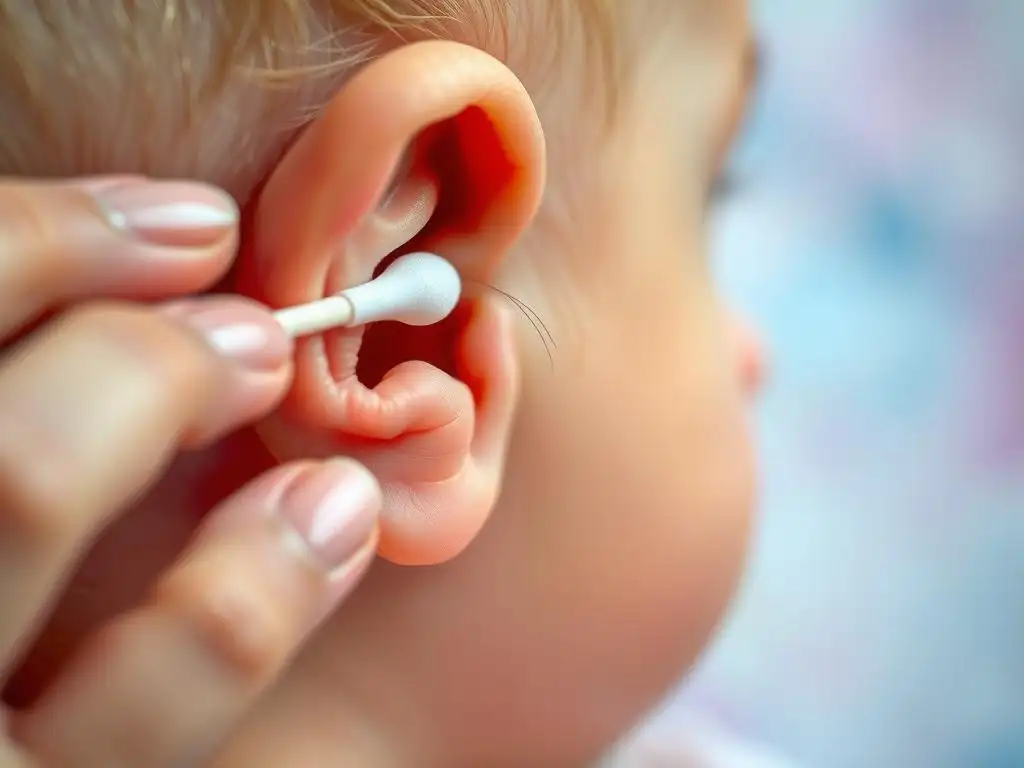
Welcome to BabyCareHub, your ultimate guide to navigating the exciting yet sometimes overwhelming world of parenthood! Are you a first-time parent eager to learn the best practices for your little one? Then you've come to the right place. We're dedicated to providing clear, step-by-step guidance on all aspects of baby care, from feeding schedules to developmental milestones. But first, let's address a common parental concern: newborn ear cleaning safety tips. Discover essential techniques and dispel common myths surrounding this delicate subject – read on to learn more!
- Understanding Newborn Ear Anatomy and Hygiene
-
Newborn Ear Cleaning: Step-by-Step Guide
- Gathering Your Supplies: What You'll Need for Safe Ear Cleaning
- Preparing Your Newborn for Ear Cleaning: A Calming Approach
- Gentle Cleaning Techniques: Step-by-Step Instructions for Safe Ear Cleaning
- Cleaning the Outer Ear: Removing Excess Wax and Debris
- Avoiding the Inner Ear: Why It's Crucial to Stay Away from the Ear Canal
- What to Do if You Notice Discharge or Unusual Odor
- Addressing Specific Ear Concerns in Newborns
- Maintaining Newborn Ear Health: Prevention and Care
- Safe Ear Cleaning Products for Newborns: Recommendations
- Frequently Asked Questions about Newborn Ear Cleaning Safety Tips
- Frequently Asked Questions
- Final Reflection: The Unsung Symphony of a Newborn's Ear
- Unlock Your Newborn's Comfort: Gentle Ear Care Steps
Understanding Newborn Ear Anatomy and Hygiene
New parenthood is a whirlwind of emotions and responsibilities, and ensuring your little one's health and well-being is paramount. This guide focuses on a crucial yet often overlooked aspect of newborn care: ear hygiene. Understanding the delicate anatomy of a newborn's ears and employing safe cleaning techniques are essential for preventing infections and ensuring your baby's comfort.
We'll explore the importance of gentle ear cleaning, identify potential ear problems, and debunk common misconceptions surrounding this topic, providing you with the confidence and knowledge to care for your baby's ears effectively and safely. This is a critical part of your newborn's overall hygiene routine, contributing to their healthy development and reducing the risk of future complications.
Mastering newborn ear cleaning techniques is a vital skill for every first-time parent, offering peace of mind and contributing to a healthier, happier baby. This article will equip you with the knowledge to confidently navigate this aspect of newborn care.
The Importance of Safe Ear Cleaning Practices for Newborns
A newborn's ears are incredibly sensitive and prone to infection. The ear canal is narrow and delicate, making it crucial to avoid any harsh or forceful cleaning methods. Safe ear cleaning practices are not just about hygiene; they're about preventing potential harm. Using inappropriate techniques can lead to:
- Ear infections (otitis media): These are common in babies and can cause significant discomfort, requiring medical intervention.
- Damage to the eardrum: The eardrum is a thin membrane that can be easily perforated by improper cleaning methods.
- Introduction of bacteria: Using unclean cotton swabs or other instruments can introduce bacteria into the ear canal, leading to infection.
Safe cleaning focuses on removing only visible dirt or debris from the outer ear. The inner ear naturally cleans itself. Over-cleaning can disrupt this natural process and actually increase the risk of infection. Remember, the goal is gentle cleansing, not deep cleaning. We will explore appropriate techniques shortly. 👶
Identifying Potential Ear Problems in Newborns: Signs and Symptoms
While routine ear cleaning is important, it's equally crucial to recognize potential signs of ear problems. Early detection is key to prompt medical intervention. Contact your pediatrician immediately if you notice any of the following:
| Symptom | Description |
|---|---|
| Ear discharge (otorrhea) | Any fluid draining from the ear, regardless of color or consistency. |
| Ear pain (otalgia) | Your baby crying or fussing excessively, especially when touched near the ear. |
| Fever | An elevated body temperature, often accompanied by other symptoms. |
| Hearing loss | Difficulty responding to sounds or appearing less attentive than usual. |
| Redness or swelling | Noticeable redness or swelling around the ear. |
| Irritability | Unusual fussiness or irritability that may indicate discomfort. |
It is vital to remember that these are just potential indicators. Only a medical professional can diagnose an ear infection or other ear-related problems. Therefore, if you have any concerns, always consult your pediatrician. Early diagnosis and treatment are essential for preventing complications.
Common Misconceptions about Newborn Ear Cleaning
Many parents unknowingly employ cleaning practices that can be harmful. Let's address some common misconceptions:
- Using cotton swabs: This is a major no-no! Cotton swabs can push wax deeper into the ear canal, causing impaction and increasing the risk of infection. They can also damage the delicate eardrum. ❌
- Using ear candles: These are completely unsafe and ineffective. There is no scientific evidence to support their use, and they pose a significant risk of burns and other injuries. 🚫
- Over-cleaning: The inner ear naturally cleans itself. Frequent or aggressive cleaning can disrupt this process and irritate the delicate skin. Focus only on visible dirt in the outer ear. ✅
Remember, gentle cleaning of the outer ear is sufficient. Avoid any practices that involve inserting objects into the ear canal. If you're unsure about any aspect of ear care, always consult your pediatrician. They can provide personalized guidance and address any specific concerns you may have.
Newborn Ear Cleaning: Step-by-Step Guide
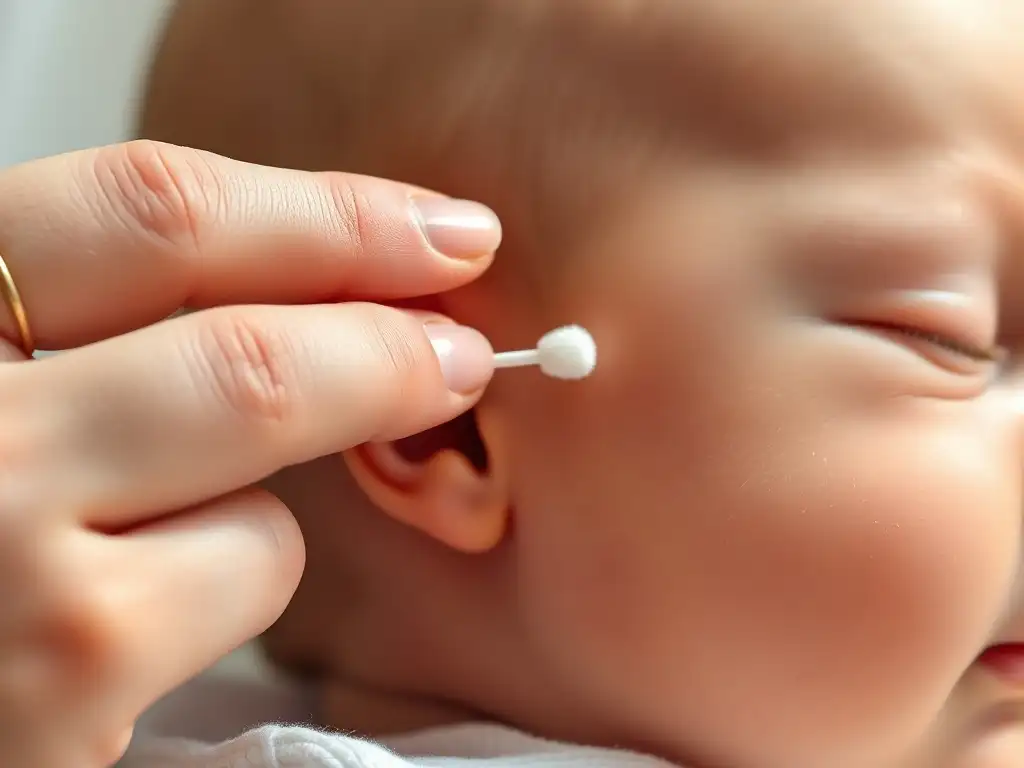
This section provides a detailed, step-by-step guide on how to safely clean your newborn's ears. Remember, a gentle approach is key to ensuring your baby's comfort and preventing any injury. Following these instructions will help you confidently handle this aspect of newborn care and contribute to your baby's overall well-being. Always prioritize safety and seek professional advice if you have any concerns.
Gathering Your Supplies: What You'll Need for Safe Ear Cleaning
Before you begin cleaning your newborn's ears, gather all necessary supplies. This ensures a smooth and efficient process, minimizing any potential disruption to your baby. Having everything readily available will help you maintain a calm and controlled environment, creating a more positive experience for both you and your little one. The key is simplicity; you don't need a complex array of products.
Here's a checklist of what you'll need:
- Soft, damp washcloth: Avoid using harsh fabrics or abrasive materials. A 100% cotton washcloth is ideal.
- Warm water: Use lukewarm water, never hot. Test the temperature on your inner wrist before using it on your baby.
- Baby-safe oil (optional): A tiny amount of baby oil or mineral oil can help soften any dried earwax, making it easier to remove. However, this is generally only necessary if you notice a significant buildup.
- Soft towel: To gently dry your baby's ears after cleaning.
Preparing Your Newborn for Ear Cleaning: A Calming Approach
The success of cleaning your newborn's ears hinges significantly on creating a relaxed and comfortable atmosphere. A fussy baby will make the process much more difficult and potentially risky. Therefore, preparation is crucial. Consider these steps to ensure a calm and positive experience:
- Timing: Choose a time when your baby is alert but not overly hungry or tired. A happy and content baby is much more cooperative.
- Positioning: Lay your baby down on a flat, soft surface, such as a changing mat or bed. Ensure they are secure and comfortable.
- Distraction: Use a calming voice, sing a lullaby, or offer a favorite toy to distract your baby and keep them relaxed during the cleaning process. A pacifier can also be helpful.
- Skin-to-skin contact: Holding your baby close during this process can provide comfort and reassurance, reducing their anxiety.
Gentle Cleaning Techniques: Step-by-Step Instructions for Safe Ear Cleaning
Cleaning your newborn's ears is a delicate process requiring utmost gentleness. Never insert anything into the ear canal. Focus solely on the outer ear. Remember, the ear canal naturally cleans itself. Excessive cleaning can be harmful.
Follow these steps meticulously:
- Wet the washcloth: Dampen the washcloth with warm water. Wring out any excess water to prevent it from dripping into your baby's ears.
- Gently wipe the outer ear: Use the damp washcloth to gently wipe the visible outer part of your baby's ear, removing any visible dirt or dried secretions. Use circular motions, being extremely careful near the ear opening.
- Address any buildup: If you notice any dried earwax buildup on the outer ear, very gently moisten the area with a tiny amount of baby oil (if using) and then carefully wipe it away.
- Dry thoroughly: Use a soft, dry towel to gently pat your baby's ears dry. Avoid rubbing vigorously.
- Observe: After cleaning, take a moment to observe your baby's ears for any redness, swelling, or discharge. If you notice anything unusual, consult your pediatrician immediately.
Remember, consistent, gentle cleaning of the outer ear is sufficient. Avoid inserting cotton swabs or other objects into the ear canal, as this can cause injury and potentially lead to infection. These simple steps will help you maintain your newborn's ear hygiene safely and effectively. Always prioritize safety and consult your pediatrician with any concerns. These newborn ear cleaning safety tips will help you navigate this important aspect of baby care with confidence.
Cleaning the Outer Ear: Removing Excess Wax and Debris
Gentle newborn ear cleaning focuses primarily on the outer ear, the visible part of the ear. The goal is to remove any visible dirt, dried milk, or excess earwax that might accumulate around the outer ear flap. Never attempt to clean inside the ear canal. Using a soft, damp washcloth is the safest and most effective method.
Gently wipe the outer ear and surrounding area, paying attention to any creases or folds where debris might collect. You can use a clean washcloth for each wipe to ensure thorough cleaning. For particularly stubborn dried milk or residue, you can slightly warm the washcloth under warm running water (test the temperature on your wrist first to ensure it's not too hot) before gently wiping.
Remember, the key is gentleness; avoid scrubbing or applying any pressure. Excessive cleaning can irritate the delicate skin around the newborn's ears. Many parents find that cleaning the ears during bath time is the most convenient and efficient approach, as the warm water helps soften any dried secretions.
Avoiding the Inner Ear: Why It's Crucial to Stay Away from the Ear Canal
The inner ear, particularly the ear canal, is extremely sensitive and prone to injury. Attempting to clean the inside of the ear can lead to several serious complications. Firstly, you risk pushing earwax further into the canal, potentially causing a buildup that leads to impacted earwax. This can result in hearing loss, discomfort, and even infection.
Secondly, the delicate skin of the ear canal is easily damaged. Any scratching or forceful cleaning can cause abrasions, increasing the risk of infection. Furthermore, the eardrum is located at the end of the ear canal and is very fragile. Accidental damage to the eardrum can result in significant hearing loss and require medical intervention.
Newborns, with their smaller and more sensitive ear canals, are particularly vulnerable to these risks. Therefore, the safest approach is to simply focus on cleaning the visible outer ear and leave the inner ear alone. Your baby's body will naturally clear out excess wax and debris.
What to Do if You Notice Discharge or Unusual Odor
While you should generally avoid interfering with the inner ear, there are exceptions. If you notice any unusual discharge from your baby's ear, such as pus, blood, or a yellowish fluid, or if you detect a foul odor emanating from the ear, it's crucial to seek medical attention immediately. These symptoms could indicate an infection, such as otitis externa (swimmer's ear) or otitis media (middle ear infection), both of which require prompt treatment.
Similarly, if you observe any redness, swelling, or excessive tenderness around the ear, consult a pediatrician. Delaying treatment can lead to more serious complications. Remember, it's always better to err on the side of caution when it comes to your baby's health.
A healthcare professional can properly assess the situation and recommend the appropriate course of action, which may include medication or other interventions. Early detection and treatment are key to ensuring a quick recovery and preventing long-term issues. Never attempt to self-treat ear infections; always consult a doctor for diagnosis and treatment.
Addressing Specific Ear Concerns in Newborns
This section delves into common ear-related issues faced by new parents and provides practical, safe solutions for addressing them. Remember, always prioritize your newborn's safety and consult a pediatrician for any concerns beyond the scope of basic home care. This information is for educational purposes and does not replace professional medical advice. Following these newborn ear cleaning safety tips is crucial for your baby's well-being.
Dealing with Excess Earwax in Newborns: Safe Removal Methods
Excess earwax, or cerumen, is a natural occurrence. However, excessive buildup can sometimes lead to discomfort or even temporary hearing impairment. Crucially, never attempt to insert anything into your newborn's ear canal to remove wax. This can cause serious injury.
Instead, focus on gentle external cleaning. A soft, damp cloth can be used to wipe away any visible wax on the outer ear. The majority of earwax will naturally migrate out of the ear canal on its own. Observe your baby's ears regularly. If you notice a significant buildup or your baby exhibits signs of discomfort (fussiness, tugging at their ear), consult your pediatrician.
They may recommend a safe and effective method of wax removal, such as ear drops to soften the wax. Remember, prevention is key. Avoid using cotton swabs or other objects that could push wax further into the ear canal. Gentle external cleaning is the safest approach.
Here's a simple table summarizing safe and unsafe practices:
| Practice | Safety Rating | Explanation |
|---|---|---|
| Damp Cloth Wipe | 👍 Very Safe | Gently wipes away visible wax on the outer ear. |
| Cotton Swab | 👎 Very Unsafe | Can push wax deeper, potentially damaging the eardrum. |
| Ear Candling | 👎 Very Unsafe | Extremely dangerous and ineffective; can cause burns and ear damage. |
| Pediatrician Visit | 👍 Safe | Professional assessment and guidance for wax removal if needed. |
Managing Newborn Ear Infections: When to Seek Professional Help
Newborn ear infections, or otitis media, are a common concern. Recognizing the symptoms early is vital. Signs of an ear infection can include:
- Fussiness or irritability, especially when lying down
- Tugging or pulling at the ear
- Fever
- Discharge from the ear (this may be pus)
- Difficulty sleeping
- Loss of appetite
- Reduced responsiveness to sounds
If you notice any of these symptoms, seek immediate medical attention. Delaying treatment can lead to complications. A pediatrician will be able to diagnose the infection and prescribe appropriate antibiotics or other treatments. Early intervention is crucial in preventing more serious issues and ensuring your baby's comfort. Remember, home remedies are not a substitute for professional medical care when dealing with a suspected ear infection. Your baby's health is paramount.
Newborn Ear Pulling: Causes and Solutions
Newborns may pull at their ears for various reasons, not all of them related to ear problems. Possible causes include:
- Ear infection (as discussed above)
- Teething discomfort – the nerves in the ear area can be stimulated during teething, causing discomfort.
- Irritants – something like soap residue in the ear can cause irritation.
- General discomfort or fussiness – babies often pull on their ears as a way to soothe themselves or express general discomfort.
If your baby is constantly pulling at their ears and you suspect an underlying issue, consult a pediatrician. However, if the ear pulling is intermittent and not accompanied by other symptoms like fever or discharge, it might simply be a phase of self-soothing behavior. Providing comfort through cuddling, rocking, or other soothing techniques can help reduce the behavior. Ensure the ears are clean and dry after bathing to eliminate the possibility of irritation from soap residue.
Remember to always prioritize gentle handling and observation. This diligent approach is key to ensuring your baby's well-being and addressing any concerns promptly and effectively. These newborn ear cleaning safety tips, combined with careful observation, will empower you to provide the best care for your little one.
Maintaining Newborn Ear Health: Prevention and Care
Newborn ear care is crucial for preventing infections and ensuring your little one's comfort. While a baby's ears are remarkably self-cleaning, understanding proper hygiene and recognizing potential problems is paramount. This section focuses on proactive measures to maintain your baby's ear health and minimize the risk of complications. Remember, always prioritize gentle handling and consult your pediatrician with any concerns. This proactive approach encompasses several key strategies, from preventing common infections to performing regular checks.
Preventing Ear Infections in Newborns: Practical Tips
Ear infections, or otitis media, are a common ailment in infants. Proactive measures significantly reduce the likelihood of your baby experiencing this discomfort. The following tips are crucial for maintaining healthy ears:
- Breastfeeding: Breast milk provides antibodies that boost your baby's immune system, reducing the risk of various infections, including ear infections. The benefits extend beyond nutrition, actively contributing to overall health.
- Hygiene: While you shouldn't insert anything into your baby's ear canal, maintaining good hygiene around the outer ear is essential. Gently wipe away any visible dirt or dried milk residue with a soft, damp cloth. Avoid using cotton swabs or other objects that could damage the delicate ear canal.
- Proper Positioning During Feeding: Ensure your baby is sitting upright or slightly inclined during feeding to prevent milk from entering the Eustachian tubes, which connect the middle ear to the back of the throat. This simple practice can dramatically reduce the risk of infection.
- Avoiding Smoke Exposure: Secondhand smoke significantly increases the risk of ear infections and respiratory problems in infants. Create a smoke-free environment for your baby to breathe clean air and promote healthy lung and ear development.
- Vaccination: Following your pediatrician's recommended vaccination schedule is vital for protecting your baby from various illnesses, including those that could lead to ear infections. Vaccines significantly reduce the risk of serious complications.
Regular Ear Checks: What Parents Should Look For
Regularly checking your baby's ears allows for early detection of any potential problems. While you shouldn't attempt to clean the inner ear, a visual inspection of the outer ear is recommended. Here's what to look for:
- Redness or Swelling: Noticeable redness or swelling around the outer ear may indicate an infection or irritation. Report this to your pediatrician immediately.
- Discharge: Any discharge from the ear canal, whether clear, yellow, or bloody, requires immediate medical attention. This could signify an infection or other underlying issue.
- Pain or Fussiness: If your baby is consistently tugging at their ear or exhibiting unusual fussiness, it could be a sign of ear pain. Pay close attention to their behavior and consult your pediatrician if you notice any changes.
- Fever: A fever, coupled with any of the above symptoms, is a clear indication that your baby may have an ear infection. Seek medical attention promptly.
Remember, early detection is crucial for effective treatment. Regular checks, performed gently and attentively, are a vital part of your baby's overall healthcare routine. These regular checks are a proactive approach to identifying potential issues early.
When to Consult a Pediatrician: Recognizing Warning Signs
While regular checks are important, knowing when to seek professional medical advice is equally crucial. The following signs necessitate a visit to your pediatrician:
| Symptom | Description | Action |
|---|---|---|
| Persistent Ear Pain | Your baby shows signs of discomfort or consistently pulls at their ear. | Consult your pediatrician immediately. |
| Fever | Elevated body temperature, especially accompanied by other symptoms. | Seek immediate medical attention. |
| Ear Drainage | Any discharge from the ear canal, regardless of color or consistency. | Consult your pediatrician immediately. |
| Redness or Swelling | Significant redness or swelling around the outer ear. | Schedule an appointment with your pediatrician. |
| Hearing Loss (Suspected) | Your baby doesn't respond to sounds as expected or shows signs of hearing impairment. | Seek immediate medical advice. This requires prompt professional assessment. |
| Difficulty Sleeping | Unusual fussiness or difficulty sleeping, potentially linked to ear discomfort. | Consult your pediatrician. |
Don't hesitate to contact your pediatrician if you have any concerns, even if the symptoms seem minor. Early intervention is key to preventing more serious complications. Trust your instincts; if something seems amiss, it's always best to err on the side of caution. This proactive approach ensures your baby receives the best possible care.
Post-Bath Ear Care Routine: Drying and Protecting Delicate Skin
After bathing your newborn, gently pat their ears dry with a soft, clean towel. Avoid using cotton swabs or other objects that could potentially damage the delicate eardrum. The outer ear is the only part you need to clean; never attempt to clean inside the ear canal. Remember, the ear naturally cleans itself.
Excessive cleaning can actually push dirt and debris further into the ear, potentially leading to infection. A soft, absorbent towel is all you need for effective drying. Pay particular attention to the creases and folds of the outer ear to ensure complete dryness, which helps prevent the buildup of moisture that could lead to irritation or infection. This gentle drying technique is a crucial part of your newborn ear cleaning safety tips routine.
Following the drying process, consider applying a small amount of a hypoallergenic, fragrance-free moisturizer to the outer ear area if the skin appears dry or irritated. This will help protect the delicate skin and prevent dryness and cracking. Always check the product label to ensure it's suitable for newborns and test a small amount on a less sensitive area of skin before applying it to the ears. This extra step of moisturizing can contribute significantly to maintaining your baby's overall ear health and comfort, especially during the dry winter months.
Remember, keeping your baby's skin healthy is a key element of newborn ear cleaning safety tips. Always prioritize gentle handling and choose products specifically formulated for sensitive newborn skin. Regular moisturizing can help prevent skin problems and promote healthy ear development.
Safe Ear Cleaning Products for Newborns: Recommendations
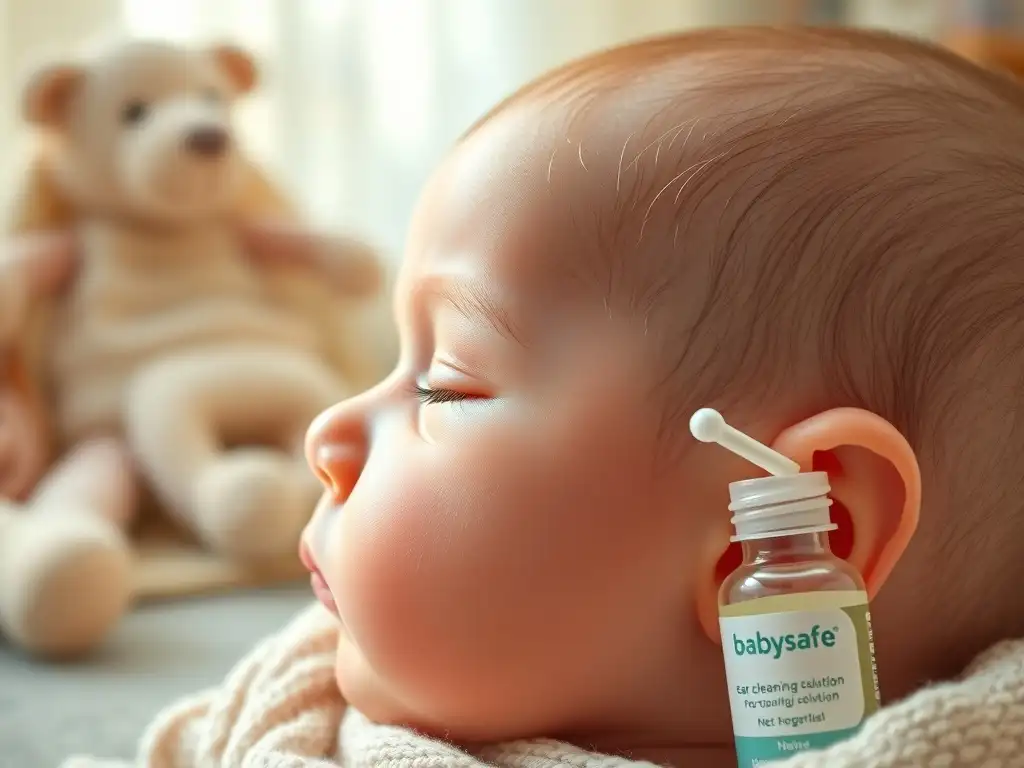
Cleaning your newborn's ears requires a gentle touch and the right products. Using inappropriate items can lead to injury or infection, so choosing wisely is crucial. Remember, the goal is to remove only visible dirt and debris from the outer ear, not to delve into the ear canal. Over-cleaning can be just as harmful as neglecting hygiene. This section focuses on providing you with "newborn ear cleaning safety tips" to ensure your baby's ear health.
Choosing the Right Products: Avoiding Harsh Chemicals and Irritants
Never use cotton swabs, bobby pins, or any sharp objects to clean your baby's ears. These can easily damage the delicate eardrum and cause serious problems. Instead, opt for products specifically formulated for sensitive newborn skin. Look for labels indicating "hypoallergenic," "fragrance-free," and "tear-free." Harsh chemicals, perfumes, and alcohol can irritate the sensitive skin around your baby's ears, leading to redness, inflammation, or even allergic reactions. Avoid products containing:
- Strong fragrances: These can be overpowering and irritating for your baby.
- Alcohol: Alcohol is drying and can damage the delicate skin.
- Menthol: Menthol-based products can cause burning sensations.
- Salicylic acid: While used in some adult ear cleaning products, it's too harsh for newborns.
Always perform a patch test on a small area of skin before applying any new product to your baby's entire ear area. This helps identify potential allergic reactions early.
Natural Solutions for Newborn Ear Care: Gentle and Effective Options
For many parents, natural solutions offer a safe and effective approach to newborn ear care. These options minimize the risk of irritation and allergic reactions. Some gentle and effective options include:
- Warm Water: Simply using a warm, damp washcloth to gently wipe the outer ear is often sufficient. Avoid inserting the washcloth into the ear canal.
- Olive Oil: A tiny drop of warmed olive oil can help soften and loosen any dried earwax buildup on the outer ear. However, be extremely cautious and only apply it to the outer ear; never attempt to insert it into the ear canal. Consult your pediatrician before using olive oil, especially if your baby has any ear infections or existing skin conditions.
- Baby-Specific Ear Cleaning Solution: Some companies produce ear cleaning solutions specifically formulated for newborns. These are usually saline-based and are designed to be gentle and effective. Always follow the product instructions carefully.
Safe and Effective Ear Cleaning Products for Newborns
The best approach to newborn ear cleaning often involves minimal intervention. Most of the time, simply wiping the outer ear with a damp washcloth is all that's needed. However, if you notice excessive buildup of earwax or other visible debris, you might consider using a baby-specific ear cleaning solution. Remember to:
- Always check the label: Ensure the product is specifically designed for newborns and is free from harsh chemicals and irritants.
- Use sparingly: Apply only a small amount of the solution as directed.
- Wipe gently: Use a soft, damp cloth to wipe away any loosened debris.
- Observe your baby: Monitor your baby for any signs of irritation or discomfort after cleaning their ears. If you notice any redness, swelling, or discharge, consult your pediatrician immediately.
Remember, prevention is key. Regularly inspect your baby's ears during bath time and address any visible dirt or debris promptly. Following these "newborn ear cleaning safety tips" will help you maintain your baby's ear health and prevent potential complications. Always consult your pediatrician if you have any concerns or questions about your baby's ear care.
Frequently Asked Questions about Newborn Ear Cleaning Safety Tips
This section addresses common queries regarding the safe cleaning of your newborn's ears, offering practical advice and dispelling myths surrounding this delicate topic. Remember, always prioritize gentle handling and consult your pediatrician if you have any concerns. Following these newborn ear cleaning safety tips will help ensure your little one's ear health.
Common Concerns about Newborn Ear Care
Many new parents feel anxious about cleaning their baby's ears. The fear of causing injury is completely understandable. However, with the right approach, ear cleaning can be a straightforward part of your baby's routine. Let's address some common worries:
- Is it necessary to clean my baby's ears regularly? Generally, no. A newborn's ears naturally clean themselves. The ears are designed to self-clean through the migration of earwax (cerumen) outwards. Excessive cleaning can actually be harmful, potentially pushing wax further into the ear canal and causing irritation or even infection.
- What if I see earwax? A small amount of visible earwax is perfectly normal. It's a natural substance that protects the ear canal. Only intervene if you notice a significant buildup that seems to be impacting your baby's hearing or causing discomfort. Signs of impacted earwax might include fussiness, pulling at the ears, or drainage. Always consult your pediatrician before attempting to remove impacted earwax.
- How often should I wipe the outer ear? The outer ear (the visible part of the ear) can be gently wiped with a soft, damp cloth during bath time. This removes any visible dirt or dried milk residue. Avoid using cotton swabs or other instruments that could potentially damage the delicate inner ear.
- My baby seems to have something stuck in their ear. What should I do? Do not attempt to remove anything yourself. Contact your pediatrician immediately. Attempting to remove a foreign object could cause further damage.
Safe Cleaning Techniques for Newborn Ears
The key to safe ear cleaning is gentle and minimal intervention. Remember, the aim is not to meticulously clean the inside of the ear canal but to maintain the outer ear's hygiene.
- Use a soft, damp cloth: During bath time, gently wipe the outer ear with a soft, damp cloth. Avoid using cotton swabs, Q-tips, or any sharp objects. These can easily damage the eardrum.
- Avoid using harsh chemicals or solutions: The delicate skin around your baby's ears is easily irritated. Never use alcohol, hydrogen peroxide, or other harsh substances inside the ear canal.
- Focus on the outer ear: The only part that requires cleaning is the visible outer ear. Leave the ear canal alone, as it will naturally clean itself.
- Observe your baby for any signs of discomfort: If your baby shows signs of ear pain or discomfort during or after cleaning, stop immediately and contact your pediatrician.
Signs of Ear Infection in Newborns
Recognizing the signs of an ear infection is crucial for timely medical intervention. While we've focused on newborn ear cleaning safety tips, it's equally important to know when professional help is needed. Consult your pediatrician immediately if you notice any of the following:
| Symptom | Description |
|---|---|
| Fussiness or crying | Excessive crying, especially during feeding or lying down. |
| Tugging at the ears | Your baby repeatedly pulls or rubs at their ears. |
| Fever | A high temperature accompanied by other ear infection symptoms. |
| Drainage from the ear | A yellowish or greenish discharge from the ear. |
| Difficulty hearing | Your baby seems to have trouble responding to sounds or seems less attentive. |
| Loss of appetite | Your baby is eating less than usual. |
Remember, prevention is key. These newborn ear cleaning safety tips, combined with regular check-ups with your pediatrician, will help ensure your baby's ear health and overall well-being. Always prioritize gentle care and seek professional advice when needed. 👶
Frequently Asked Questions
How often should I clean my newborn's ears?
You generally don't need to clean your newborn's ears frequently. The ears self-clean; avoid using cotton swabs, which can push wax further in and damage the eardrum.
What if I see earwax in my baby's ears?
A small amount of visible earwax is perfectly normal. Only clean the outer ear; if you're concerned about excessive wax, consult your pediatrician.
Are there any safe ways to clean my newborn's outer ear?
Yes, you can use a damp washcloth to gently wipe the outer ear during bath time. Focus on removing any visible dirt or dried milk.
What are the signs of an ear infection in a newborn?
Signs include fussiness, pulling at the ear, and fever. Consult your pediatrician immediately if you suspect an ear infection.
What should I avoid when cleaning my newborn's ears?
Avoid using cotton swabs, Q-tips, or any sharp objects inside the ear canal. Never use ear candles as they are dangerous and ineffective.
Final Reflection: The Unsung Symphony of a Newborn's Ear
The gentle art of newborn ear care is far more than a routine; it's a testament to the profound responsibility we bear in safeguarding the delicate sensory world of a new life. Ignoring proper techniques can lead to serious complications, highlighting the critical need for informed and careful practices. This knowledge empowers parents and caregivers to navigate this seemingly simple task with confidence and care.
The impact of safe ear cleaning extends far beyond the immediate physical well-being of the infant. It speaks to a broader cultural shift towards informed parenting, where evidence-based practices replace outdated myths and anxieties. The most important thing a parent can do is to be informed and to trust their instincts, but also to seek professional guidance when needed.
This quote underscores the importance of community support and access to reliable information in ensuring the health and happiness of our youngest members of society. The quiet act of cleaning a newborn's ears becomes a symbol of nurturing, protection, and the unwavering commitment to a child's development.
Now, consider the gentle touch you'll use when cleaning your little one's ears. Remember the importance of avoiding cotton swabs and opting for a damp cloth. Embrace this simple act as a moment of connection, a quiet affirmation of your love and dedication. Let this knowledge empower you to approach every interaction with your newborn with the same gentle care and informed understanding, fostering a foundation of health and well-being that will resonate throughout their life.
Unlock Your Newborn's Comfort: Gentle Ear Care Steps
Thank you for learning about gentle ear care for your baby! We hope you feel confident caring for their delicate ears. Ready to put your knowledge into practice?
- Gentle Cleaning is Key: Gently wipe away any visible dirt or dried secretions from the outer ear using a soft, damp cloth. Never insert anything into the ear canal.
- Share Your Knowledge: Share this article with other parents who might find it helpful.
- Let's Talk Ear Care: Do you have any tips or questions about newborn ear care? Share them in the comments below!
What small change will you make to your baby's ear care routine today?