
Pumping and Your Body: Understanding Hormonal Changes and Milk Production


Welcome to BabyCareHub, your ultimate guide to navigating the incredible journey of parenthood! Are you ready to unlock the secrets of successful breastfeeding? We delve into the fascinating world of postpartum hormone milk production, exploring the hormonal shifts that influence your milk supply and how to optimize your pumping journey. Discover the crucial connection between your body's natural processes and your baby's nourishment – let's embark on this enlightening exploration together!
- Postpartum Hormone Milk Production: The Initial Stages
- Understanding the Hormonal Regulation of Milk Supply
- Pumping and its Effect on Hormonal Balance
- Optimizing Milk Production Through Healthy Lifestyle Choices
- Signs of Hormonal Imbalances Affecting Milk Supply
- Frequently Asked Questions
- Final Reflection: The Amazing Symphony of Postpartum Hormones
- Unlock Your Body's Amazing Potential: Nurture Your Breastfeeding Journey
Postpartum Hormone Milk Production: The Initial Stages
The journey of breastfeeding is a remarkable physiological process intricately linked to a complex interplay of hormones. Understanding these hormonal shifts is crucial for first-time mothers navigating the postpartum period and establishing successful breastfeeding. This article delves into the key hormonal players influencing milk production after childbirth, specifically focusing on the crucial role of prolactin, the impact of estrogen and progesterone fluctuations, and the fascinating hormonal mechanisms driving colostrum production.
Successfully managing your postpartum hormone levels can significantly contribute to a positive breastfeeding experience and a strong bond with your newborn. This guide aims to empower new mothers with knowledge about the hormonal changes that affect milk supply, allowing them to address any concerns proactively and confidently. We will explore the intricacies of postpartum hormone milk production, providing a clear understanding of the natural processes involved.
Prolactin's Role in Breast Milk Production After Birth
Prolactin, often called the "milk-making hormone," is the primary driver of breast milk production. Its levels surge dramatically during pregnancy, preparing the breasts for lactation. After birth, prolactin levels remain elevated, signaling the mammary glands to begin producing milk. The more frequently a baby nurses or a mother pumps, the more prolactin is released, creating a positive feedback loop that sustains milk production. This is why consistent and effective pumping is crucial, especially in the early days postpartum.
Insufficient prolactin can lead to reduced milk supply, highlighting the importance of understanding its pivotal role. Factors such as stress, inadequate rest, and certain medications can influence prolactin levels, potentially impacting milk production. Therefore, prioritizing maternal well-being is essential for optimal prolactin function and successful breastfeeding. Regular monitoring of milk supply and addressing any potential issues early can help prevent significant challenges.
Estrogen and Progesterone Levels Postpartum and Their Impact on Lactation
While prolactin is the primary hormone responsible for milk production, estrogen and progesterone also play significant roles, albeit indirectly. During pregnancy, high levels of estrogen and progesterone suppress lactation. However, after delivery, these hormone levels plummet dramatically. This sharp decrease is the crucial trigger that allows prolactin to fully exert its milk-producing effects.
If these levels don't decrease sufficiently, it can interfere with the onset of lactation. The rapid drop in estrogen and progesterone also contributes to other postpartum physiological changes, such as uterine involution and the onset of menstruation. Understanding this hormonal interplay is critical for recognizing potential complications and seeking appropriate support when necessary. Variations in the rate and extent of these hormonal changes can influence individual experiences with lactation.
Colostrum Production: Nature's First Milk and its Hormonal Drivers
Colostrum, the yellowish, thick, and nutrient-rich fluid produced in the first few days postpartum, is a powerhouse of antibodies and essential nutrients for the newborn. Its production is also hormonally regulated, primarily by prolactin, but also influenced by other factors. Even though the volume is small, colostrum is incredibly important for the baby's immune system development. The hormonal cascade leading to colostrum production begins well before birth, with the gradual increase in prolactin throughout pregnancy laying the foundation for this vital first milk.
Postpartum, the continued elevated prolactin levels, combined with the drop in estrogen and progesterone, ensure sufficient colostrum production for the newborn's initial needs. The composition of colostrum is unique and changes subtly over the first few days, adapting to the infant's evolving needs. The production of colostrum serves as a clear indication of the body's preparation for breastfeeding and is a positive sign for new mothers.
Understanding the Hormonal Regulation of Milk Supply
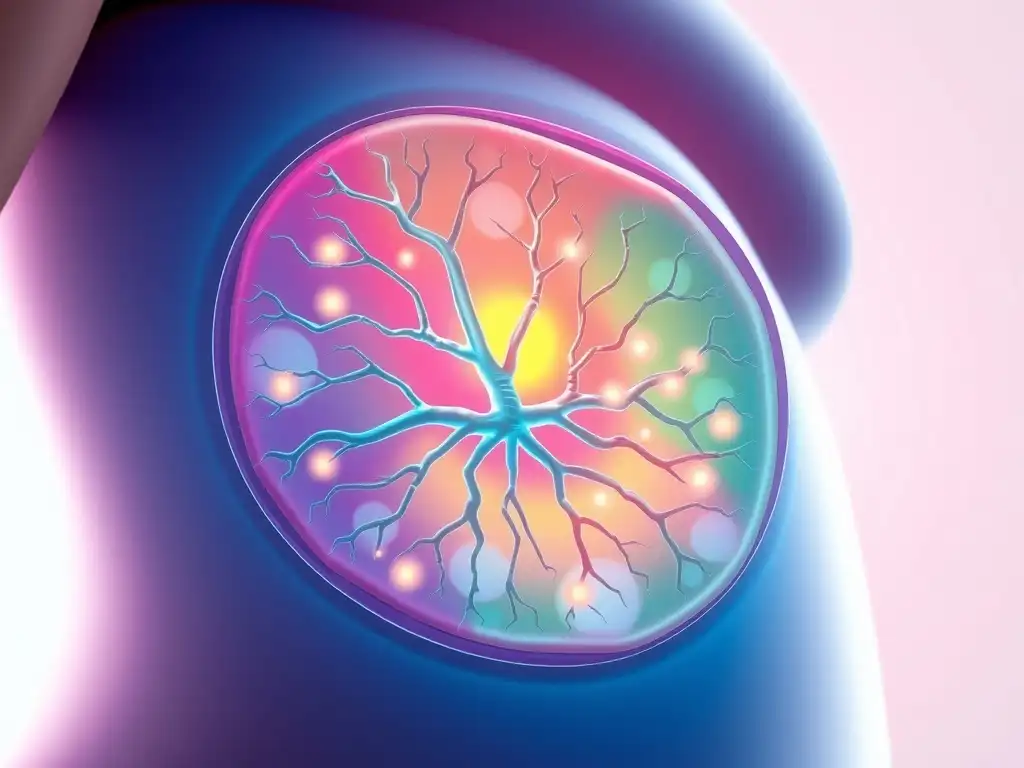
Postpartum hormone milk production is a complex process orchestrated by a fascinating interplay of hormones. Understanding this hormonal dance is crucial for new mothers who are breastfeeding or pumping, as it directly impacts milk supply and the overall breastfeeding journey. The primary hormones involved are prolactin and oxytocin, each playing a distinct yet interconnected role.
Variations in these hormone levels, influenced by factors like stress, sleep deprivation, and even the baby's feeding pattern, can significantly affect milk production. This section delves into the specific roles of these hormones and how their interaction contributes to a successful breastfeeding or pumping experience. We'll explore the feedback loops involved, highlighting the importance of consistent stimulation for maintaining an adequate milk supply.
Oxytocin and the Let-Down Reflex: How Hormones Trigger Milk Release
The let-down reflex, that wonderful feeling of milk flowing freely, is triggered primarily by oxytocin, often called the "love hormone." This hormone isn't directly responsible for making milk, but it's essential for releasing it. When a baby suckles, the stimulation of the nipple sends signals to the brain, triggering the release of oxytocin. This hormone then causes the muscles surrounding the milk ducts to contract, pushing milk towards the nipple. This process is crucial for efficient milk transfer during breastfeeding.
Interestingly, the release of oxytocin isn't solely dependent on the baby's suckling. Other stimuli, such as the sound of a baby crying, the sight of a baby's photo, or even the thought of the baby, can trigger oxytocin release in some mothers. This explains why some mothers experience a let-down reflex even before the baby begins to nurse. The intensity of the let-down reflex can also vary from woman to woman and even from feeding to feeding, influenced by factors such as stress levels and hydration.
Thinking about your baby, or hearing their cries, can even trigger oxytocin release! This highlights the powerful connection between mother and baby, and how deeply intertwined their hormonal systems are during this period. Understanding this connection helps mothers manage stress and promote a positive breastfeeding experience.
The Feedback Loop: How Baby's Suckling Influences Hormone Production
The process of milk production isn't a one-way street; it's a dynamic feedback loop involving the baby, the mother's body, and the hormones. The baby's suckling, the most significant stimulus, triggers the release of prolactin, the hormone responsible for milk production. The more frequently and effectively the baby suckles (or the more frequently and effectively a mother pumps), the more prolactin is released, leading to increased milk production. This creates a positive feedback loop: more suckling leads to more prolactin, which leads to more milk, which leads to more suckling, and so on.
This feedback loop explains why consistent and effective emptying of the breasts is so crucial for maintaining a sufficient milk supply. Incomplete emptying can disrupt this delicate balance, potentially leading to a decrease in milk production over time. Understanding this feedback mechanism emphasizes the importance of regular nursing or pumping sessions, especially in the early postpartum period, to establish a healthy and sustainable milk supply. This is especially true for mothers who are exclusively pumping.
Maintaining Milk Supply: The Interplay of Hormones and Frequent Pumping
Maintaining an adequate milk supply through pumping requires understanding and responding to the hormonal signals. Prolactin, the workhorse of milk production, needs consistent stimulation to keep producing milk. Frequent pumping mimics the baby's suckling, providing the necessary stimulation to maintain prolactin levels and thus, milk production. The frequency and duration of pumping sessions are crucial; a schedule that effectively empties the breasts without overstimulating them is ideal.
The timing of pumping sessions is also important. Many mothers find that pumping in response to feelings of fullness, rather than adhering to a strict schedule, helps to maintain a comfortable and efficient milk supply. Listening to your body and adjusting your pumping routine accordingly is key.
Pay attention to your body's cues and adjust your pumping strategy to meet your needs and your baby's needs. Remember that consistency is key; a regular pumping schedule helps to maintain a steady supply of breast milk and avoids fluctuations that might lead to discomfort or reduced milk production. Maintaining adequate hydration and nutrition also plays a crucial role in supporting hormone production and milk supply.
Pumping and its Effect on Hormonal Balance
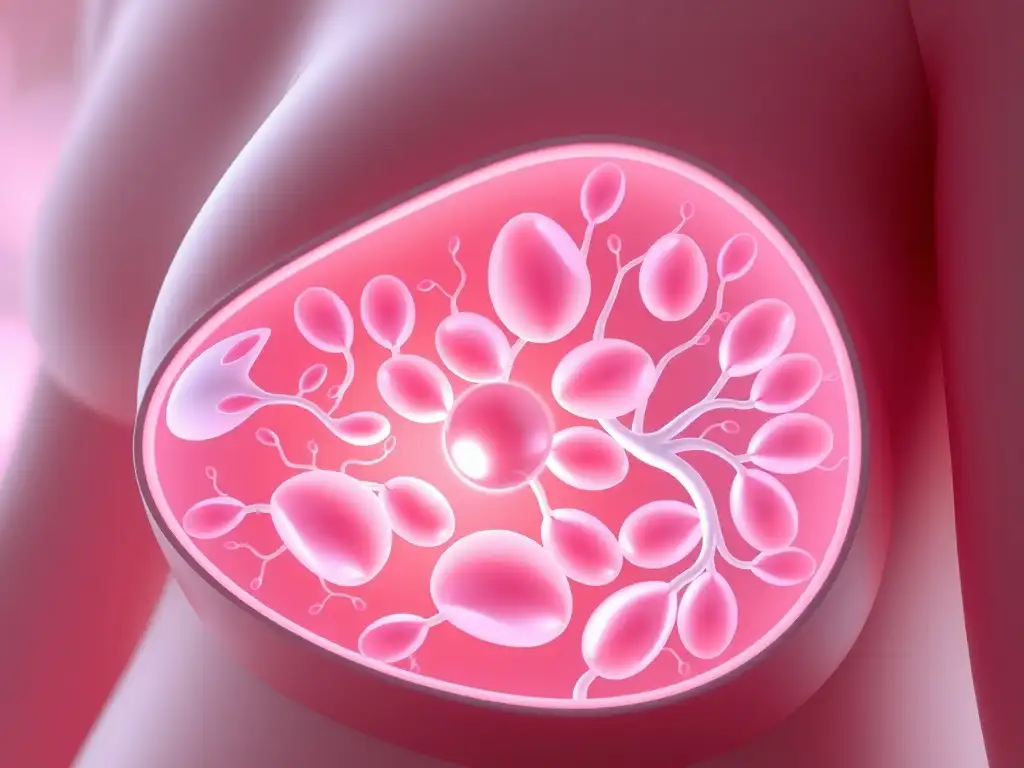
Postpartum hormone milk production is a complex interplay of several hormones, and breastfeeding, including pumping, significantly influences this delicate balance. The primary hormones involved are prolactin and oxytocin. Prolactin, the "milk-making" hormone, stimulates the mammary glands to produce milk. Oxytocin, the "let-down" hormone, facilitates the release of milk from the breasts.
Pumping directly impacts these hormones, influencing both milk production and the mother's overall hormonal state. Understanding this interplay is crucial for successful breastfeeding and managing potential hormonal imbalances. The frequency and duration of pumping sessions, as well as the type of pump used, all play a role in this hormonal dance. Ignoring these factors can lead to difficulties with milk supply, fatigue, and other postpartum complications.
Stimulating Milk Production Through Pumping: Frequency and Duration
The frequency and duration of pumping directly impact prolactin levels. More frequent and longer pumping sessions generally lead to higher prolactin levels, thus stimulating greater milk production. However, there's a point of diminishing returns. Over-pumping can lead to exhaustion and potentially even suppress prolactin production in the long run, a phenomenon known as supply suppression.
Research suggests that pumping every 2-3 hours during the day, for 15-20 minutes per session, is generally effective for establishing and maintaining a sufficient milk supply for many mothers. 1 However, individual needs vary significantly based on factors including baby's feeding pattern, maternal health, and the individual's hormonal response. Some mothers may find that they need to pump more frequently, while others may find that less frequent sessions are sufficient.
It's crucial to listen to your body and adjust your pumping schedule accordingly. Signs of over-pumping can include breast pain, nipple soreness, exhaustion, and a feeling of being overwhelmed. If you experience any of these symptoms, it's important to consult with a lactation consultant to adjust your pumping strategy and ensure optimal milk production without compromising your well-being. Remember, consistency is key, but so is self-care. Prioritizing rest and proper nutrition is also vital for maintaining healthy prolactin levels and overall well-being.
Hormonal Response to Different Pumping Methods
Different pumping methods can elicit varying hormonal responses. For example, using a hospital-grade electric pump often provides more efficient milk removal compared to a manual pump. This more efficient milk removal can lead to a greater stimulation of prolactin and oxytocin release, potentially resulting in a higher milk supply. However, the intensity of suction and the stimulation provided by different pumps can also impact the mother's comfort level, which can indirectly affect her hormonal response. A comfortable pumping experience is essential for promoting relaxation and optimal hormone production.
The following table summarizes potential differences:
| Pumping Method | Prolactin Stimulation | Oxytocin Release | Comfort Level |
|---|---|---|---|
| Hospital-Grade Electric | High | High | Can vary; may be intense |
| Personal Electric | Moderate | Moderate | Generally comfortable |
| Manual Pump | Low | Low | Generally comfortable, but requires more effort |
A comfortable and effective pumping experience is crucial for maintaining a healthy hormonal balance. Experimentation and consultation with a lactation consultant can help determine the optimal pumping method for individual needs and preferences.
Postpartum hormonal imbalances are common, and pumping can exacerbate existing issues or create new ones. Signs of potential hormonal imbalances might include:
- Low milk supply: This can be due to insufficient prolactin production or other underlying hormonal issues.
- Postpartum depression (PPD) or anxiety: Hormonal fluctuations can significantly impact mental health.
- Fatigue and exhaustion: This is a common symptom related to disrupted sleep patterns and hormonal changes.
- Weight changes: Significant weight gain or loss can be indicative of hormonal imbalances.
If you experience any of these symptoms, it's essential to consult your doctor or a lactation consultant. They can assess your situation, identify potential underlying causes, and recommend appropriate interventions. These interventions might include adjusting your pumping schedule, trying different pumping methods, exploring nutritional supplements (under medical supervision), or addressing underlying medical conditions. Remember, seeking professional help is crucial for managing postpartum hormonal imbalances and ensuring both your physical and mental well-being. Early intervention is key for better outcomes. Don't hesitate to reach out for support; you are not alone.
1 Note: This is a general guideline. Individual needs may vary.
Optimizing Milk Production Through Healthy Lifestyle Choices

Postpartum hormone milk production is a complex process significantly influenced by lifestyle choices. While hormonal shifts are central to lactation, supporting your body through healthy habits can dramatically improve your milk supply and overall well-being. This section explores key lifestyle factors that directly impact postpartum hormone milk production. Understanding these factors empowers new mothers to actively participate in their lactation journey.
Nutrition and Hydration for Optimal Lactation
Adequate nutrition is paramount for successful breastfeeding. Your body requires extra calories and nutrients to produce breast milk, a nutrient-rich substance vital for your baby's growth and development. Focus on a balanced diet rich in fruits, vegetables, whole grains, and lean protein. Specifically, incorporating foods rich in galactagogues – substances that may stimulate milk production – can be beneficial. These include:
- Oatmeal: A readily available and easily digestible source of complex carbohydrates.
- Fenugreek: A spice often used traditionally to boost milk supply; however, consult your doctor before adding it to your diet.
- Blessed thistle: Another herbal remedy often associated with increased milk production; professional advice is crucial before use.
Staying well-hydrated is equally crucial. Dehydration can directly impact milk production, leading to a decrease in supply. Aim to drink plenty of water throughout the day, paying attention to your thirst cues. Consider keeping a water bottle handy as a constant reminder.
| Nutrient | Importance in Lactation | Food Sources |
|---|---|---|
| Calories | Provides energy for milk production and maternal recovery. | Whole grains, lean proteins, healthy fats |
| Protein | Essential for building and repairing tissues; vital component of breast milk. | Lean meats, poultry, fish, beans, lentils, dairy products |
| Healthy Fats | Support hormone production and brain development in the baby. | Avocado, nuts, seeds, olive oil |
| Vitamins & Minerals | Crucial for various bodily functions and milk composition (calcium, iron, vitamin D, etc. ). | Diverse fruits, vegetables, whole grains, fortified foods |
Remember, individual nutritional needs vary. Consult with a registered dietitian or lactation consultant for personalized dietary advice tailored to your specific circumstances and any pre-existing health conditions.
Stress Management Techniques to Support Milk Supply
Stress significantly impacts hormone levels, including those responsible for milk production. Elevated cortisol levels, a hallmark of stress, can interfere with prolactin, the hormone primarily responsible for milk synthesis. Implementing effective stress management techniques is therefore crucial for optimizing postpartum hormone milk production.
Effective strategies include:
- Mindfulness and meditation: Regular practice can help regulate stress hormones and promote relaxation. Even short meditation sessions can be beneficial.
- Deep breathing exercises: A simple yet powerful technique to calm the nervous system and reduce stress. Practice deep, slow breaths throughout the day.
- Yoga and gentle exercise: Physical activity releases endorphins, natural mood boosters that combat stress. Choose activities that you enjoy and that are suitable for your postpartum body.
- Seeking social support: Connecting with other mothers, family, or friends can provide emotional support and reduce feelings of isolation, a common source of stress during the postpartum period.
Prioritizing self-care is not selfish; it's essential for both your physical and mental well-being, which directly impacts your ability to breastfeed successfully. Remember to seek professional support if you're struggling to manage stress effectively.
Sleep and Rest: Their Crucial Role in Hormonal Regulation and Milk Production
Sleep deprivation is a common experience for new parents, and it significantly impacts hormone regulation. Insufficient sleep disrupts the delicate balance of hormones, including prolactin, affecting milk production. Prioritizing sleep and rest is therefore critical for sustaining adequate milk supply.
Tips for Maximizing Sleep During the Postpartum Period
- Accept help from family and friends.
- Prioritize sleep during the baby's naps.
- Practice good sleep hygiene: establish a regular sleep schedule.
- Create a relaxing bedtime routine.
- Consider co-sleeping (if safe and comfortable).
Adequate rest is equally important. Even short periods of rest throughout the day can help restore energy levels and support hormonal balance. Don't hesitate to ask for help with household chores or childcare, allowing yourself time to rest and recover. Remember, a well-rested mother is a better mother, capable of providing optimal care for her baby and maintaining a healthy milk supply. The impact of sleep on postpartum hormone milk production cannot be overstated; it's a cornerstone of successful breastfeeding.
Signs of Hormonal Imbalances Affecting Milk Supply
Postpartum hormone milk production is a complex process influenced significantly by hormonal fluctuations. Understanding these changes is crucial for new mothers to manage their milk supply effectively. Several hormonal imbalances can impact the quantity and quality of breast milk, leading to concerns about sufficient nourishment for the baby. This section will explore key indicators that may suggest underlying hormonal issues affecting lactation. Remember, this information is for educational purposes and should not replace professional medical advice.
Low Milk Supply: Identifying Hormonal Causes
Insufficient milk supply, or hypogalactia, is a common concern among new mothers. While various factors can contribute, hormonal imbalances often play a significant role. Several hormones are vital for lactation, including prolactin (responsible for milk production) and oxytocin (responsible for milk ejection or "let-down"). Imbalances in these hormones, often stemming from postpartum thyroiditis, insufficient prolactin levels, or even certain medications, can directly impact milk production.
For example, insufficient prolactin can lead to significantly reduced milk volume, while problems with oxytocin release can make it difficult for the mother to effectively empty her breasts. This can create a vicious cycle, where incomplete emptying further reduces future milk production. It's important to note that stress, poor nutrition, and infrequent breastfeeding can also mimic symptoms of hormonal imbalances, making accurate diagnosis crucial.
The impact of hormonal imbalances on milk production can manifest differently in each mother. Some may experience a gradual decrease in milk supply, while others may notice an abrupt decline. This variability makes it essential to closely monitor your body and seek professional help if you have concerns. Keeping a detailed breastfeeding journal, including the frequency and duration of feeding sessions, along with any observed changes in milk volume, can be incredibly helpful for your healthcare provider.
Beyond low milk supply, other symptoms may indicate underlying hormonal issues affecting lactation. These symptoms aren't always directly related to milk production but can be indicative of a broader hormonal imbalance impacting the breastfeeding process. These can include:
- Fatigue and exhaustion: Persistent fatigue beyond what's typically expected postpartum can be a sign of hormonal disruption.
- Mood swings and irritability: Significant mood fluctuations, more intense than the usual postpartum emotional changes, may point to hormonal imbalances.
- Hair loss: Excessive hair loss beyond the normal postpartum shedding can be a sign of thyroid issues, which can also affect milk production.
- Weight changes: Unexpected weight gain or loss, unrelated to diet or exercise, can be a symptom of hormonal imbalances.
- Changes in menstrual cycle: Irregular or absent periods, while common postpartum, can sometimes indicate hormonal disruption affecting lactation.
- Headaches and migraines: More frequent or severe headaches than usual may be related to hormonal fluctuations.
It's vital to remember that these symptoms can also be caused by other factors unrelated to hormonal imbalances. However, the presence of multiple symptoms, particularly in conjunction with low milk supply, warrants a consultation with a healthcare professional. Careful observation and detailed record-keeping are key to accurate diagnosis.
When to Seek Professional Help: Consulting a Lactation Consultant or Doctor
If you experience any of the symptoms mentioned above, especially if combined with concerns about your milk supply, it's crucial to seek professional guidance. A lactation consultant can assess your breastfeeding technique, milk supply, and baby's weight gain to rule out other causes of low milk supply. They can also provide personalized support and strategies to improve breastfeeding effectiveness.
A doctor or endocrinologist can conduct blood tests to check hormone levels, such as prolactin and thyroid hormones, to determine if an underlying hormonal imbalance is contributing to your difficulties. Early intervention is key to addressing hormonal issues and ensuring sufficient milk production for your baby. Don't hesitate to reach out for help; many resources are available to support you during this important phase of motherhood. Remember, seeking help is a sign of strength, not weakness, and prioritizing your health and your baby's well-being is paramount. Early intervention is key for successful management of postpartum hormone milk production challenges.
Frequently Asked Questions
How do hormones affect milk production after childbirth?
After birth, prolactin is the primary hormone responsible for milk production. Other hormones, like oxytocin, play a crucial role in the let-down reflex, enabling milk release. Hormonal fluctuations significantly impact milk supply.
What if my milk supply seems low?
Low milk supply can be due to several factors including hormonal imbalances, infrequent nursing/pumping, stress, or underlying medical conditions. Consulting a lactation consultant is recommended for personalized advice and support.
Does pumping increase milk production?
Yes, regular pumping can stimulate the breasts to produce more milk. It mimics the baby's suckling and signals the body to produce more prolactin. Consistency is key to seeing results.
How long does it take for milk production to stabilize?
Milk production typically stabilizes within 4-6 weeks postpartum, though it can vary. The initial period involves significant hormonal changes and adjustments as your body adapts to breastfeeding or pumping.
Can stress affect my postpartum milk production?
Yes, stress significantly impacts milk production. High levels of cortisol can interfere with prolactin's function, reducing milk supply. Stress management techniques, such as relaxation and support networks, are vital.
Final Reflection: The Amazing Symphony of Postpartum Hormones
The intricate dance of hormones following childbirth is far more than just milk production; it's a profound physiological transformation impacting a mother's entire well-being. Understanding this complex interplay is crucial for navigating the postpartum period with confidence and grace, ensuring both mother and baby thrive. This knowledge empowers women to advocate for their health and support their bodies in this remarkable journey.
The impact of postpartum hormonal shifts extends far beyond the simple act of breastfeeding. It shapes a mother's emotional landscape, her energy levels, and her overall sense of self. The experience is deeply personal, yet universally shared, creating a powerful bond between mothers across time and cultures. Motherhood is the exquisite agony of being utterly responsible for another human being.
This quote, while not directly about hormones, perfectly captures the profound emotional and physical changes women undergo. Understanding the hormonal underpinnings of this experience allows us to approach it with greater empathy and support.
Now, consider your own journey, or the journey of a mother you know. What can you learn from this exploration of postpartum hormones? How can you use this knowledge to better support yourself or others navigating this transformative period? Take a moment to reflect on the power of your body, its incredible capacity for adaptation, and the profound impact of hormonal shifts on your well-being. Embrace this knowledge, and empower yourself to navigate the postpartum period with strength, understanding, and self-compassion.
Unlock Your Body's Amazing Potential: Nurture Your Breastfeeding Journey
Thank you for exploring the fascinating world of breastfeeding and postpartum hormonal changes. You've gained valuable insights into your body's incredible capabilities! Now, let's put that knowledge into action.
- Maintain a detailed breastfeeding journal: Record your milk supply, your baby's feeding patterns, and your own emotional well-being. This empowers you to understand your body's rhythms and make informed decisions for both you and your baby. This proactive approach will build your confidence.
- Connect with other mothers: Share your experiences with other mothers in your community or online support groups. This shared journey offers invaluable support and creates a sense of solidarity.
- Seek out additional resources: Explore the wealth of information available on breastfeeding and postpartum health. Many supportive communities and resources are available to assist you.
What specific strategies will you use to best support your breastfeeding journey?