
The Magic of Mobiles: Stimulating Visual Tracking and Focus


Welcome to BabyCareHub, your ultimate guide to navigating the incredible journey of parenthood! Are you ready to unlock the secrets to a happy, healthy baby? We're here to support you every step of the way, from feeding schedules to developmental milestones. Discover how even something as seemingly simple as a baby mobile can play a crucial role in your little one's visual development. Dive into our expert advice on baby mobile visual development and unlock the magic of stimulating your baby's focus and tracking skills—and much more! Let's begin this exciting adventure together.
- Understanding Baby Mobile Visual Development: The Importance of Early Stimulation
- Selecting the Perfect Baby Mobile for Visual Development
- Baby Mobile Visual Development: Beyond the Basics
- Beyond the Mobile: Further Supporting Visual Development
- Frequently Asked Questions
- Final Reflection: The Enduring Power of Play in Visual Development
- Unlock Your Baby's Visual Potential!
Understanding Baby Mobile Visual Development: The Importance of Early Stimulation
New parenthood is a whirlwind of emotions and responsibilities, and ensuring your baby's healthy development is paramount. Among the many aspects of childcare, stimulating your baby's visual development plays a crucial role in their overall cognitive growth. This article delves into the magic of baby mobiles, exploring how these seemingly simple toys can significantly contribute to your baby's visual tracking, focus, and overall brain development.
We'll explore the science behind infant vision, the benefits of mobile stimulation, and how to select the perfect mobile to enhance your little one's visual journey. Understanding the importance of early visual stimulation with tools like baby mobiles is key to supporting your baby’s healthy development, laying the foundation for future learning and cognitive skills.
This guide will equip you with the knowledge to choose and use mobiles effectively, maximizing their developmental impact and making playtime more engaging for your baby. The keyword "baby mobile visual development" is central to this discussion, highlighting the specific benefits of this type of stimulation.
Newborn Vision and the Role of Mobiles in Visual Development
Newborns have surprisingly limited vision at birth. Their visual acuity is estimated to be around 20/400, meaning they can only clearly see objects very close to their faces. However, their vision develops rapidly during the first few months.
Baby mobiles play a vital role in this development by providing high-contrast visual stimulation. The movement of the mobile, coupled with the contrasting colors and patterns, helps to engage the infant's attention and encourages them to track moving objects. This tracking strengthens the eye muscles and improves visual coordination, paving the way for better focus and depth perception.
Studies have shown that consistent exposure to visually stimulating mobiles can significantly improve visual acuity and tracking skills in infants, contributing to better overall cognitive development. Furthermore, the engaging nature of mobiles can also stimulate the release of endorphins, promoting a sense of calm and well-being in your baby. The subtle movements and captivating visuals can create a soothing and engaging environment, contributing to positive early sensory experiences.
How Mobiles Enhance Focus and Attention Span in Infants
The captivating movement and patterns of a baby mobile are not merely entertaining; they are actively training your baby's brain. By repeatedly tracking the mobile's movement, infants are strengthening neural pathways associated with attention and focus. This process is crucial for the development of their attention span, which is essential for future learning and cognitive development. A well-designed mobile can hold an infant’s attention for surprisingly long periods, allowing them to practice focusing their gaze and improving their concentration skills.
The increased engagement time with the mobile translates into improved visual processing and the ability to discriminate between different shapes, colors, and patterns. Moreover, the interactive nature of some mobiles, where the baby can initiate the movement, further enhances their engagement and encourages active participation in the sensory experience. This active engagement fosters a sense of agency and control, positively contributing to their overall development.
Choosing the Right Mobile: Size, Colors, and Patterns for Optimal Stimulation
Selecting the right mobile is crucial for maximizing its developmental benefits. Several factors should be considered:
- Size and Distance: The mobile should be positioned within your baby's optimal viewing range, typically 12-18 inches above their crib. It shouldn't be so close that it poses a safety hazard.
- Colors and Contrast: High-contrast colors such as black, white, and red are ideal for newborns. As your baby's vision develops, you can introduce more colors and patterns.
- Patterns and Shapes: Simple, geometric patterns are generally best for newborns, gradually progressing to more complex designs as they grow. Avoid overly busy or distracting patterns.
- Materials and Safety: Ensure the mobile is made of safe, non-toxic materials and is securely attached to the crib. Regularly check for any signs of wear and tear. Always adhere to safety guidelines provided by the manufacturer.
Choosing a mobile that is appropriately stimulating and engaging is a great way to support your baby's visual development while fostering a sense of wonder and joy. Remember, this is not just about entertainment; it's about building a strong foundation for future learning and cognitive development. The right mobile can be a powerful tool in your baby's early developmental journey. 👶
Selecting the Perfect Baby Mobile for Visual Development
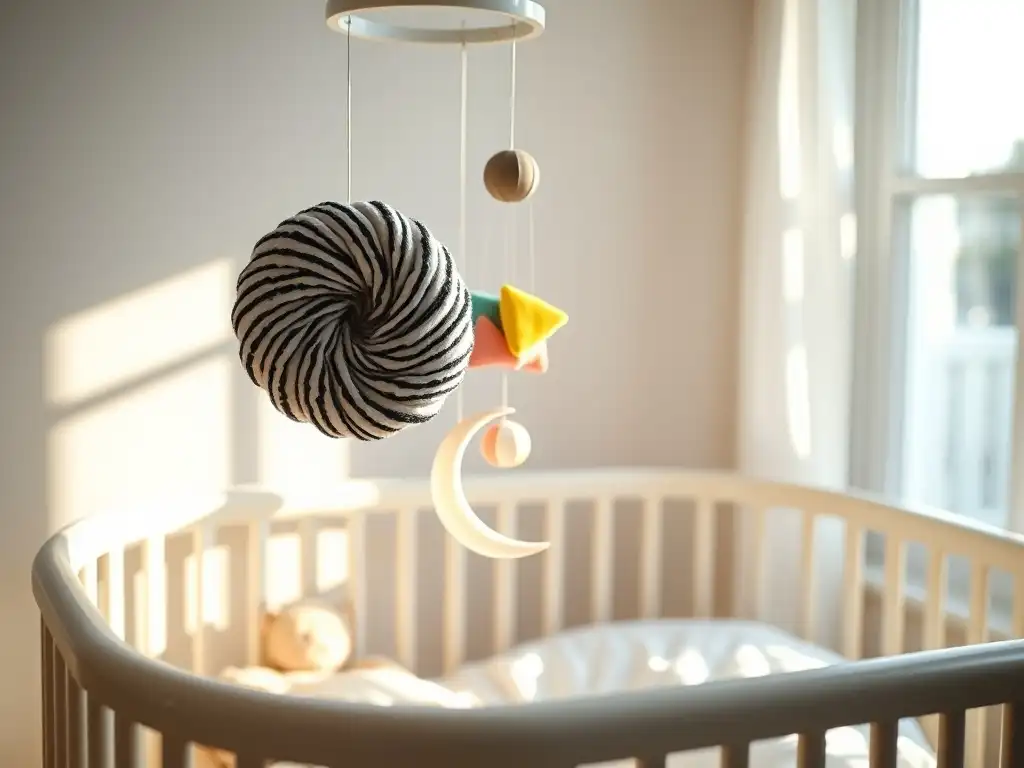
Choosing the right baby mobile is crucial for maximizing its benefits for your baby's visual development. A poorly designed mobile might be visually overwhelming or even pose a safety risk. Therefore, careful consideration of several factors is essential. This section focuses on selecting mobiles that effectively stimulate visual tracking and focus, aligning with the developmental milestones of infants. Remember, the goal is to promote healthy visual development, not simply entertain. The right mobile can be a powerful tool in this process.
Baby Mobile Visual Development: Material Considerations and Safety
The materials used in a baby mobile are paramount for both visual appeal and safety. High-contrast colors are ideal for newborns, stimulating their developing visual system. Think black and white, or bold primary colors like red, blue, and yellow. Avoid overly complex patterns or overly bright, flashing lights that could overstimulate your little one.
The materials themselves should be non-toxic, durable, and easily washable. Look for mobiles made from soft, natural fabrics like cotton or felt, or high-quality plastics that are BPA-free and phthalate-free. Always check for any small parts that could pose a choking hazard; anything that could be easily detached should be avoided, especially for babies under six months.
Regularly inspect the mobile for any signs of wear and tear and replace it if necessary. Safety should always be the top priority when selecting and using any baby product, including mobiles. Remember, a safe and stimulating environment is key to optimal baby mobile visual development.
Creating a Stimulating Visual Environment with Mobiles: Positioning and Placement
Optimal placement is critical for maximizing the benefits of a baby mobile. The mobile should be positioned within your baby's clear line of vision, typically above their crib or play area. The ideal distance is generally around 12-18 inches, allowing your baby to focus comfortably without straining their eyes. The height should be adjusted as your baby grows to maintain this appropriate distance.
Avoid placing the mobile too close, which can cause eye strain, or too far, making it difficult for your baby to track the objects. Consider the lighting in the room; bright sunlight or harsh overhead lights can make it difficult for your baby to see the mobile clearly. A softly lit room is preferable.
Furthermore, the mobile should be positioned in a way that avoids obstructing airflow, ensuring proper ventilation within the crib. The surrounding environment should be calm and quiet to promote focused attention. A cluttered or overly stimulating environment can hinder your baby's ability to engage with the mobile effectively.
Interactive Mobiles and Their Impact on Baby's Visual Tracking Skills
Interactive mobiles, unlike static ones, offer an added layer of engagement and developmental benefits. These mobiles often incorporate features like spinning elements, musical sounds, or even gentle movements triggered by your baby's actions. This interactivity helps to strengthen your baby's visual tracking skills as they learn to follow the moving objects. The combination of visual and auditory stimulation can enhance their cognitive development and attention span.
However, it's important to monitor your baby's response to the interactive features. If they seem overwhelmed or distressed by the movement or sounds, reduce the stimulation or try a simpler mobile. The goal is to create a positive and engaging experience that promotes healthy development, not to overstimulate your baby.
Data suggests that interactive mobiles can significantly improve visual tracking skills in infants between 2 and 6 months old, but more research is needed to determine the long-term effects on visual development. Observing your baby's reactions and adjusting the mobile's use accordingly is crucial for maximizing its benefits. Remember to always prioritize your baby's comfort and well-being.
Baby Mobile Visual Development: Beyond the Basics

This section delves into the specifics of how baby mobiles contribute to visual development, going beyond the general understanding of their entertainment value. We'll explore the mechanics of how these seemingly simple toys actually stimulate crucial developmental milestones in your little one. Understanding this connection allows you to choose and use mobiles effectively, maximizing their developmental benefits. Remember, the goal isn't just to keep your baby entertained, but to actively support their cognitive and physical growth through engaging, age-appropriate stimulation. This is key to fostering healthy baby mobile visual development.
Using Mobiles to Encourage Hand-Eye Coordination
Mobiles aren't just pretty decorations; they're powerful tools for developing hand-eye coordination. The act of tracking a moving object with the eyes, and eventually, reaching for it, is a fundamental step in this crucial developmental process. Newborns possess a limited range of focus, typically only a few inches. A mobile, hung at the appropriate distance (approximately 8-12 inches above the crib), gradually expands this range. The slow, deliberate movements of the mobile's components encourage the baby to follow them with their eyes, strengthening the connection between their visual perception and motor skills.
As your baby grows, their ability to track the mobile's movement improves. They'll start to anticipate its path, further refining their hand-eye coordination. This improved tracking isn't just about eye movement; it's about the brain's ability to process visual information and translate it into coordinated action. This is a critical skill that underpins future achievements, from grasping toys to learning to write. Consider the types of mobiles you choose. High-contrast patterns, varying shapes, and textures all contribute to a richer visual experience, improving the effectiveness of the mobile in stimulating baby mobile visual development.
We can illustrate this with a simple example: A mobile with black and white patterns will be more stimulating for a newborn than one with pastel colors due to the higher visual contrast. As your baby's vision develops, you can introduce more complex patterns and colors. This gradual increase in visual complexity mirrors the natural progression of their cognitive development.
The Connection Between Mobile Engagement and Cognitive Development
The benefits of mobiles extend far beyond hand-eye coordination. Engaging with a mobile stimulates cognitive development in several ways. The constant visual stimulation provided by a mobile helps develop the baby's visual cortex, the part of the brain responsible for processing visual information. This enhanced processing capability leads to improved pattern recognition, depth perception, and spatial awareness – all vital components of cognitive development.
Furthermore, the predictable yet varied movement of a mobile introduces concepts of cause and effect. The baby learns that their actions (e.g., kicking their legs) might cause the mobile to move, establishing a fundamental understanding of their influence on the world around them. This is an early step in developing problem-solving skills and understanding the basic principles of physics.
Studies have shown a correlation between early visual stimulation and improved cognitive outcomes later in life. While more research is needed to definitively establish a causal link between mobile use and specific cognitive achievements, the evidence suggests a positive correlation. The stimulating effect of mobiles on a baby's visual system contributes to a richer sensory experience, leading to a more holistic development.
This holistic approach to early childhood development is crucial for establishing a solid foundation for future learning and cognitive abilities. The use of mobiles, therefore, is not merely entertainment; it's a proactive step in fostering healthy baby mobile visual development and broader cognitive growth.
Signs Your Baby is Ready for a Mobile (and When to Move On)
Knowing when to introduce and remove a mobile is crucial for maximizing its benefits. Generally, newborns are ready for a mobile almost immediately after birth, provided it's placed at the correct distance and the patterns are age-appropriate. However, you should monitor your baby's engagement. If they consistently seem uninterested or frustrated, it might be time to change the mobile or remove it entirely. Signs of engagement include focused gazing, following the mobile's movement with their eyes, and even attempts to reach for the hanging objects.
On the other hand, you'll know it's time to remove the mobile when your baby begins to actively reach for and try to grab the hanging elements. This usually happens around 3-4 months of age. Continued use after this point may be less beneficial and could even pose a slight safety risk as they are capable of reaching and pulling on the mobile.
Moving on to different toys that encourage grasping, reaching, and other motor skills is important at this stage. The transition from a mobile to other toys is a natural progression in your baby's development, and understanding this transition allows for a smooth and developmentally appropriate shift in their play experience, ensuring continued stimulation and healthy baby mobile visual development. Always prioritize safety; ensure the mobile is securely attached and remove it as soon as your baby shows signs of reaching for it.
Beyond the Mobile: Further Supporting Visual Development
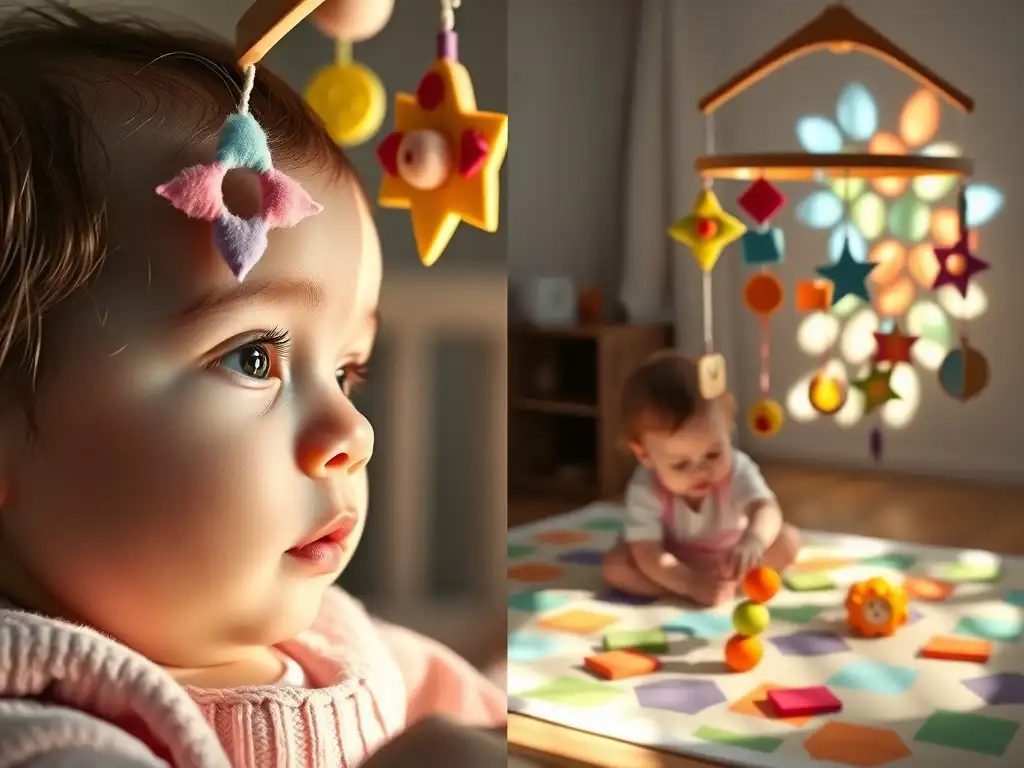
This section delves into strategies beyond baby mobiles to nurture your little one's visual development. Remember, a baby mobile is just one tool in a larger toolkit designed to stimulate and enhance their burgeoning visual skills. Consistent engagement with various activities is key to fostering strong visual tracking and focus. The key is to provide a stimulating environment that caters to your baby's developmental stage, encouraging active participation and interaction. This holistic approach ensures optimal visual development, laying a strong foundation for future learning and development.
Interactive Play and Visual Stimulation Activities
Beyond the mesmerizing spins of a mobile, interactive play significantly boosts visual development. Think of activities that encourage your baby to follow moving objects, focus their gaze, and track movement across their visual field. Here are some examples:
- High-contrast patterns: Use toys or blankets with bold black and white, or red and white patterns. Newborns have better contrast vision initially.
- Face-to-face interaction: Engage your baby in face-to-face interactions, slowly moving your face from side to side, encouraging them to follow your gaze. This is crucial for social-emotional development as well.
- Following objects: Slowly move a brightly colored toy or rattle across your baby's field of vision, encouraging them to follow its movement with their eyes. Start with slow movements and gradually increase the speed as they improve.
- Tummy time: Supervised tummy time is beneficial for visual development as it encourages them to lift their heads and scan their surroundings. Make it engaging by placing interesting toys within their reach.
- Mirrors: Babies are fascinated by reflections. Placing a mirror (with proper safety precautions) where your baby can see themselves can be a very engaging visual activity.
Other Age-Appropriate Toys for Visual Development
While mobiles are excellent for early visual development, other age-appropriate toys can further enhance visual skills as your baby grows. The type of toy should align with your baby's developmental stage and abilities.
| Age Range | Recommended Toys | Focus |
|---|---|---|
| 0-3 Months | High-contrast books, rattles, textured toys | Contrast perception, hand-eye coordination |
| 3-6 Months | Soft blocks, stacking toys, simple shape sorters | Object permanence, spatial reasoning |
| 6-9 Months | Balls, push-and-pull toys, picture books with simple images | Depth perception, tracking moving objects |
| 9-12 Months | Building blocks, musical toys, interactive books | Fine motor skills, cause-and-effect |
Remember to always supervise your baby during playtime and choose toys appropriate for their age and developmental stage. Prioritize safety and ensure the toys are free from small parts that could pose a choking hazard. The goal is to make playtime fun and engaging while promoting healthy visual development.
When to Seek Professional Advice Regarding Visual Development
While most babies develop their visual skills naturally, it's crucial to recognize potential signs of visual problems. If you notice any of the following, consult a pediatrician or an ophthalmologist specializing in pediatric eye care:
- Persistent eye turning or wandering (strabismus): This is a condition where one or both eyes don't look in the same direction.
- Excessive light sensitivity: Your baby is unusually bothered by bright lights.
- Difficulty tracking objects: Your baby struggles to follow moving objects with their eyes.
- Excessive rubbing of eyes: Frequent eye rubbing could indicate discomfort or irritation.
- Abnormal eye appearance: Notice any unusual appearance in your baby's eyes, such as cloudiness or unusual color.
Early intervention is key to addressing any potential visual impairments. Don't hesitate to seek professional help if you have any concerns about your baby's visual development. Regular check-ups with your pediatrician are also important for monitoring your baby's overall health and development, including their visual acuity. Early detection and treatment can significantly improve your baby's visual outcome and quality of life. 👶
Frequently Asked Questions
What is the importance of baby mobiles for visual development?
Baby mobiles provide crucial visual stimulation for newborns. The contrasting colors and moving objects help develop visual tracking skills, focusing abilities, and hand-eye coordination, all essential for healthy development.
At what age should I introduce a baby mobile?
Ideally, introduce a mobile around 4-6 weeks old, once your baby can begin to focus their vision. However, always ensure the mobile is safely positioned out of reach.
What are the best features of a baby mobile for visual development?
Look for mobiles with high-contrast patterns, a variety of shapes and colors, and slow, predictable movements. Avoid anything too flashy or overwhelming.
How long should my baby look at a mobile?
Start with short sessions, 5-10 minutes, a few times a day. Observe your baby's cues; if they seem tired or disinterested, take a break. Never leave a baby unattended with a mobile.
Are there any safety concerns I should be aware of when using a baby mobile?
Always ensure the mobile is securely attached and out of your baby's reach to prevent strangulation hazards. Choose a mobile with sturdy materials and avoid anything with small parts that could be a choking hazard.
Final Reflection: The Enduring Power of Play in Visual Development
The captivating allure of mobiles extends far beyond simple entertainment; they are powerful tools shaping the crucial visual development of infants. Their impact on a child's cognitive growth is undeniable, laying the foundation for future learning and understanding. This seemingly simple toy holds the key to unlocking a world of visual acuity and focus in our youngest learners.
The influence of mobiles on early childhood development is profound and lasting, shaping not only visual skills but also cognitive development and even emotional well-being. The gentle movement, contrasting colors, and engaging patterns stimulate the brain's visual pathways, fostering crucial neural connections. As parents and caregivers, we are privileged witnesses to this developmental magic. Play is the highest form of research.
- Albert Einstein. This quote perfectly encapsulates the inherent value of mobiles, transforming playtime into a vital learning experience.
Consider the impact of this knowledge. You now understand the significance of engaging your little one with stimulating visuals from the earliest stages of development. Take the time to choose mobiles thoughtfully, considering color contrast, movement patterns, and the overall visual complexity. Observe your child's reactions, and let their engagement guide your choices. Remember, this isn't just about entertainment; it's about nurturing the foundation of their future cognitive abilities. Let the magic of mobiles continue to inspire and delight you and your child on this incredible journey of growth and discovery.
Unlock Your Baby's Visual Potential!
Thank you for exploring the world of visual development with us! We hope you've gained valuable insights into how stimulating activities can boost your baby's focus and tracking skills. Now let's put that knowledge into practice.
- Create a Stimulating Mobile: Design a mobile using household items with varied colors, textures, and shapes—think ribbons, textured balls, or safe, colorful kitchen utensils! A personalized mobile will be even more engaging than a store-bought one.
- Share Your Creations: Show us pictures of your baby's new mobile! We'd love to see your unique approach to fostering visual development on our BabyCareHub community forum.
- Track Your Baby's Progress: Observe your baby's interaction with the mobile, noting any improvement in their eye tracking and concentration. This personalized data is invaluable!
Ready to watch your baby's world become clearer and more vibrant? What creative mobile ideas will you create?