
Teething and Ear Infections: Understanding the Link and What to Do

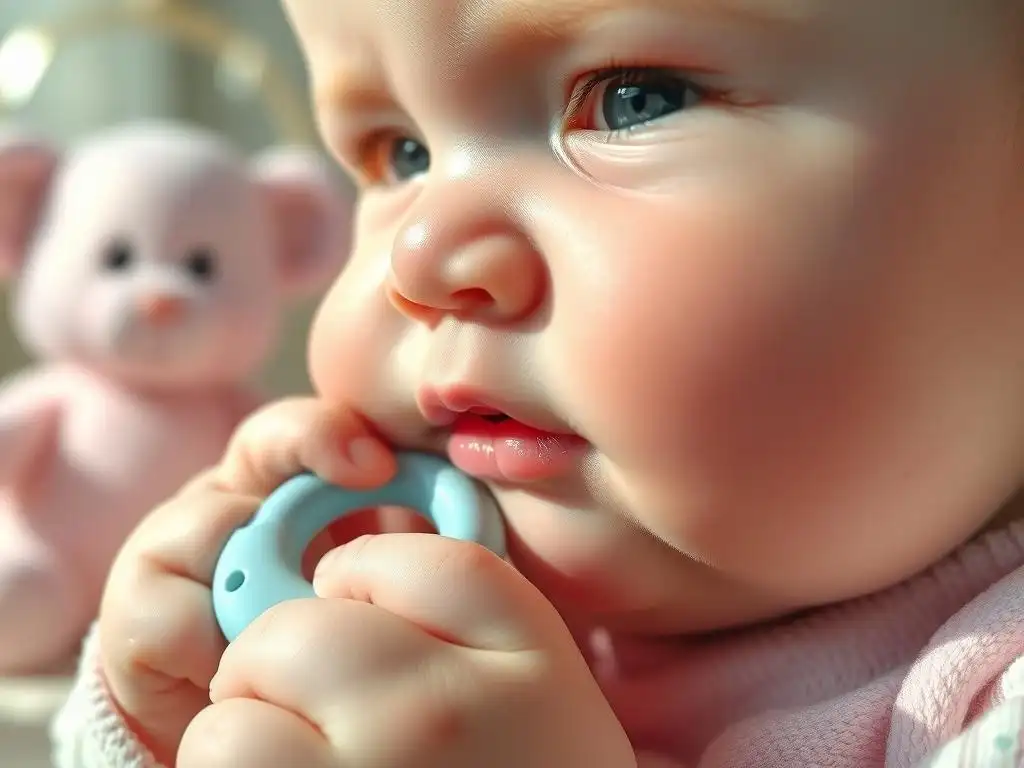
Welcome to BabyCareHub, your ultimate guide to navigating the incredible journey of parenthood! Are you facing the sleepless nights and worried cries that often accompany baby teething? We understand. Discover crucial information about the often-misunderstood link between baby teething and ear infections, and learn practical, effective relief strategies in our comprehensive guide, "Teething and Ear Infections: Understanding the Link and What to Do." Prepare to feel more confident and equipped to care for your little one. Let's explore!
- The Connection Between Teething and Ear Infections in Babies
- Symptoms of Teething-Related Ear Infections
- Home Remedies for Teething Discomfort and Ear Infection Relief
- Preventing Ear Infections During Teething
- When to Consult a Doctor for Baby Teething Ear Infection Relief
- Long-Term Management of Teething and Ear Infections
-
Frequently Asked Questions
- Does teething always cause ear infections?
- What are the symptoms of a teething-related earache?
- How can I tell the difference between teething pain and an ear infection?
- What home remedies can help with teething pain that might also ease ear discomfort?
- When should I take my baby to the doctor for suspected ear infection?
- Final Reflection: Navigating the Storm of Teething and Ear Infections
- Unlock Your Baby's Comfort: Easing Teething & Ear Infection Worries
The Connection Between Teething and Ear Infections in Babies
Teething is a significant milestone in a baby's development, marked by the emergence of their first teeth. While this process is generally considered normal, it often brings discomfort and can sometimes be linked to other health issues, most notably ear infections. This article delves into the relationship between teething and ear infections in babies, exploring how teething pain can impact the delicate structures of the ear and increase the risk of infection.
We'll provide practical information and guidance for first-time parents navigating this potentially challenging period, offering relief strategies for both teething discomfort and ear infection symptoms. Understanding this connection empowers parents to proactively address their baby's needs and seek appropriate medical care when necessary.
Learning to differentiate between teething symptoms and the signs of an ear infection is crucial for effective management and ensuring your baby's well-being. This comprehensive guide will equip you with the knowledge to provide the best possible care for your little one during this transitional phase.
Understanding Baby Teething Pain and Discomfort
Teething can be a painful and uncomfortable experience for babies. Symptoms vary, but common indicators include:
- Excessive drooling
- Gum swelling and redness
- Irritability and fussiness
- Chewing on objects
- Difficulty sleeping
- Reduced appetite
The pain stems from the pressure exerted by the emerging teeth against the gums. This pressure can cause inflammation and sensitivity, making even simple actions like feeding or sucking uncomfortable. Babies often express their discomfort through crying, whining, and increased clinginess. While many home remedies offer temporary relief, it's crucial to remember that each baby experiences teething differently, and the intensity of symptoms can vary considerably. Some babies exhibit minimal symptoms, while others experience significant distress. Understanding the range of normal teething symptoms helps parents differentiate between typical discomfort and potential complications like an ear infection.
How Teething Can Affect the Eustachian Tubes
The link between teething and ear infections lies in the proximity of the teeth to the Eustachian tubes. These tubes connect the middle ear to the back of the throat, equalizing pressure and draining fluid. During teething, inflammation in the mouth and surrounding tissues can sometimes spread to the Eustachian tubes. This inflammation can cause the tubes to swell and become blocked, preventing proper drainage of fluid from the middle ear.
The trapped fluid creates a breeding ground for bacteria, significantly increasing the risk of developing an ear infection (otitis media). The exact mechanism isn't fully understood, and not all babies who teethe develop ear infections, but the anatomical proximity provides a plausible pathway for infection. This explains why many parents associate teething with increased ear infection occurrences in their infants.
Increased Risk of Ear Infections During Teething
While teething doesn't directly cause ear infections, it's widely acknowledged that it can increase the likelihood. The inflammation and swelling associated with teething create a favorable environment for bacterial growth in the middle ear. Several studies have explored this correlation, though definitive causal links remain under investigation. However, the observed increased incidence of ear infections during teething periods strongly suggests an association. It's important for parents to be vigilant and monitor their baby closely for signs of an ear infection, such as:
| Symptom | Description |
|---|---|
| Fever | Elevated body temperature, often above 100.4°F (38°C) |
| Fussiness and irritability | Increased crying and difficulty soothing |
| Tugging at the ears | Baby repeatedly pulls or rubs at their ears |
| Drainage from the ears | Pus or fluid draining from the ear canal |
| Difficulty hearing | Baby seems less responsive to sounds or has difficulty hearing you |
| Loss of appetite | Reduced interest in feeding |
| Vomiting or diarrhea | In some cases, these gastrointestinal symptoms may accompany an ear infection |
The presence of any of these symptoms, especially in conjunction with teething discomfort, warrants immediate consultation with a pediatrician. Early diagnosis and treatment are crucial to prevent complications and ensure your baby's swift recovery. 👶 Remember, seeking professional medical advice is always the best approach when dealing with potential ear infections.
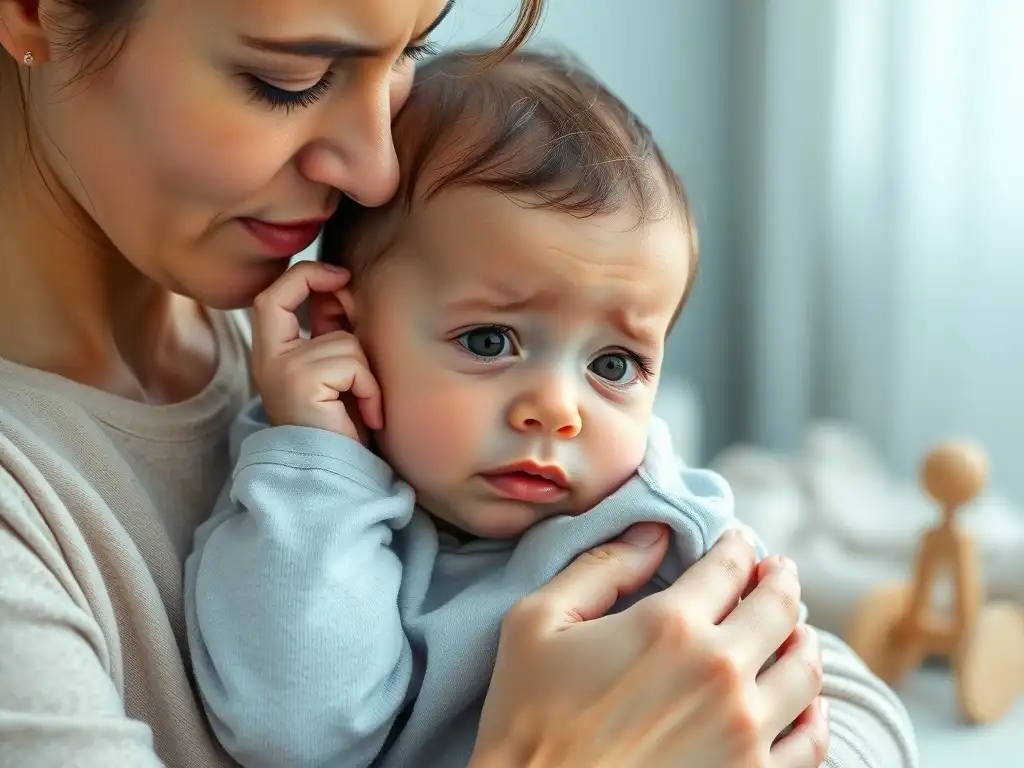
Teething, while a normal developmental milestone, can sometimes be associated with ear infections, particularly in infants and young children. This isn't a direct causal relationship—teething doesn't cause ear infections—but the inflammation and discomfort associated with teething can sometimes exacerbate existing conditions or lower the body's resistance, making it more susceptible. Understanding the symptoms is crucial for early intervention and effective baby teething ear infection relief.
The proximity of the teeth to the middle ear makes it plausible that irritation could spread or that the act of chewing could increase pressure in the eustachian tube. However, more research is needed to definitively establish a direct correlation. This section will focus on identifying symptoms that might indicate a teething-related ear infection.
Common Ear Infection Symptoms in Infants
Infants can't always express their discomfort verbally, making it challenging to identify an ear infection. However, there are several telltale signs parents should watch for. These symptoms often overlap with teething symptoms, making differentiation crucial. Look for:
- Pulling or tugging at the ears: This is a classic sign, though it can also manifest during teething discomfort. Observe the intensity and frequency of this behavior.
- Irritability and fussiness: Increased crying, especially inconsolable crying, could indicate pain. Note the timing and duration of this irritability.
- Fever: A high temperature (above 100.4°F or 38°C) often accompanies ear infections. Monitor your baby's temperature regularly using a reliable thermometer.
- Loss of appetite: Pain can affect feeding habits. A sudden decrease in your baby's usual intake should be concerning.
- Diarrhea or vomiting: Sometimes, ear infections can be accompanied by gastrointestinal upset.
- Fluid draining from the ear: This is a more serious symptom and requires immediate medical attention. Note the color and consistency of the discharge.
- Difficulty sleeping: Pain makes it hard for infants to sleep soundly. Observe disrupted sleep patterns and restlessness.
- Lethargy or unusual quietness: A significant change in your baby's usual energy levels should raise concern. This is especially important if combined with other symptoms.
Remember, observing multiple symptoms together is more indicative of an ear infection than a single symptom alone. It's always better to err on the side of caution and seek professional advice.
Differentiating Teething Pain from Ear Infection Pain
Differentiating between teething pain and ear infection pain can be challenging since both can present with irritability, fussiness, and difficulty sleeping. However, key distinctions exist:
| Symptom | Teething Pain | Ear Infection Pain |
|---|---|---|
| Ear Tugging | May be present, but often less intense and frequent. | Usually more intense and frequent. |
| Fever | Less common; usually mild if present. | Often present and may be high. |
| Discharge | Absent | May be present (pus or fluid from the ear). |
| Appetite | May be slightly decreased. | Often significantly decreased or absent. |
| Behavior | May chew on objects, drool excessively. | Often inconsolable, exhibiting more severe distress. |
While a baby might exhibit some ear tugging while teething, the overall presentation of an ear infection will typically be more severe and involve a combination of symptoms, including fever and potential discharge. Moreover, teething pain usually improves as the tooth erupts, while an ear infection generally requires medical intervention.
When to Seek Medical Attention for Baby's Ear Pain
If your baby is exhibiting any of the symptoms mentioned above, particularly a combination of symptoms like fever, ear tugging, and irritability, it's crucial to seek medical attention promptly. Don't hesitate to contact your pediatrician or another healthcare professional if you are concerned. Early diagnosis and treatment can prevent complications and ensure your baby receives appropriate baby teething ear infection relief. Specifically, seek immediate medical attention if you observe:
- A high fever (above 100.4°F or 38°C)
- Fluid draining from the ear
- Severe irritability or inconsolable crying
- Lethargy or unusual quietness
- Significant loss of appetite lasting more than a day
Delaying treatment can lead to more severe complications, so prompt medical evaluation is essential for effective management and baby teething ear infection relief. Remember, your pediatrician is the best resource for assessing your baby's specific situation and providing the most appropriate course of action. Early intervention is key for ensuring your little one's comfort and well-being. 👶
Home Remedies for Teething Discomfort and Ear Infection Relief
This section explores gentle, home-based approaches to alleviate teething pain and discomfort, potentially mitigating the symptoms often associated with teething-related ear infections. Remember, while these remedies can offer relief, they are not a substitute for professional medical advice. Always consult your pediatrician if your baby shows signs of infection or persistent discomfort. Early intervention is key for managing baby teething ear infection relief.
Safe and Effective Teething Remedies for Babies
Many parents find that simple, natural methods effectively soothe their teething babies. These remedies focus on managing the symptoms rather than directly treating an ear infection, which requires medical attention.
Here are some options:
- Cold Relief: A chilled, clean teething ring or a damp, cool washcloth can numb the gums and provide temporary relief. The coolness helps reduce inflammation and provides a soothing sensation. Avoid freezing the teething ring solid, as this can be too cold for sensitive gums.
- Gentle Gum Massage: Gently rubbing your baby's gums with a clean finger can help to relieve pressure and soothe irritated tissues. Use a clean fingertip and apply gentle pressure.
- Baby-Safe Teething Toys: Choose toys specifically designed for teething babies, made from safe, non-toxic materials like silicone or rubber. Ensure they are appropriately sized to prevent choking hazards. Look for toys with different textures to stimulate the gums.
- Over-the-counter Medications (with caution): For babies older than 6 months, you can consult your pediatrician about using infant acetaminophen or ibuprofen. Always follow the dosage instructions carefully and never exceed the recommended amount. These medications can help reduce fever and pain associated with teething, but they should only be used under the guidance of a healthcare professional. Never give aspirin to a child.
Soothing Techniques to Ease Ear Pain
When teething pain seems to coincide with ear pain, it's crucial to distinguish between teething discomfort and an actual ear infection. While teething can sometimes contribute to ear discomfort due to proximity, it's not the primary cause of an ear infection. However, soothing techniques can help manage the perceived discomfort.
- Warm Compress: A warm, damp cloth applied gently to the affected ear can provide some relief from ear pain. Ensure the cloth is not too hot to avoid burning your baby's delicate skin.
- Quiet Environment: Reduce noise levels and provide a calming atmosphere to minimize stimulation and potential aggravation of ear pain.
- Positioning: Sometimes, a specific sleeping position can exacerbate ear pain. Experiment with different positions to find one that seems most comfortable for your baby.
- Swaddling: Swaddling can provide a sense of security and comfort, potentially helping to reduce overall discomfort.
Pain Relief Options for Teething Babies (with doctor's advice)
If home remedies don't provide sufficient relief, or if you suspect an ear infection, it's essential to seek professional medical advice immediately. Your pediatrician can accurately diagnose the issue and recommend appropriate treatment. Options may include:
- Prescription Pain Medication: For more severe pain, your doctor might prescribe stronger pain relief medication suitable for infants.
- Antibiotics: If an ear infection is diagnosed, antibiotics might be necessary to combat the bacterial infection. Never administer antibiotics without a doctor's prescription.
- Monitoring: Your pediatrician may recommend close monitoring to track your baby's symptoms and ensure the condition improves. Regular check-ups are crucial for effective baby teething ear infection relief.
Remember, accurate diagnosis and appropriate treatment are paramount. Don't hesitate to contact your pediatrician if you have any concerns about your baby's health. Early intervention can significantly improve the outcome and ensure your baby's comfort and well-being. Seeking professional help is the best way to achieve effective baby teething ear infection relief.
Preventing Ear Infections During Teething

Teething is a common cause of discomfort for babies, often leading to increased fussiness and irritability. While teething itself doesn't directly cause ear infections (otitis media), it can create conditions that increase the risk. Understanding this connection and implementing preventative measures is crucial for baby's well-being.
This section focuses on proactive strategies to minimize the chances of your baby developing an ear infection during the teething phase. The key is to address factors that contribute to ear infections, such as poor hygiene, improper positioning, and nutritional deficiencies. Remember, early intervention and preventative care are vital components of effective baby teething ear infection relief.
Hygiene Practices to Minimize Infection Risk
Maintaining impeccable hygiene is paramount in preventing ear infections, especially when your baby is teething. Their little hands are constantly in their mouths, transferring germs. This is exacerbated during teething as they tend to drool more, increasing the risk of bacteria spreading.
- Frequent Handwashing: Wash your baby's hands frequently throughout the day, especially before meals and after they've touched potentially contaminated surfaces. Use warm water and mild soap, ensuring you thoroughly clean between their fingers.
- Clean Teething Toys: Sterilize or thoroughly clean teething toys regularly. Boiling for a few minutes or using a dishwasher's sanitize cycle are effective methods. Rotate toys to allow for thorough drying between uses. Avoid sharing teething toys with other children.
- Clean Pacifiers: Similar to teething toys, clean pacifiers frequently. If dropped, replace or thoroughly clean before returning it to your baby's mouth.
- Avoid Sharing Utensils: Never share utensils or cups with your baby to prevent the transmission of bacteria.
Regular cleaning reduces the bacterial load in your baby's environment, thereby lowering the risk of infection spreading to the ears. This simple yet effective strategy is a cornerstone of baby teething ear infection relief.
Positioning Your Baby to Prevent Fluid Buildup
The position of your baby can significantly influence the risk of ear infection. Fluid buildup in the middle ear is a major contributing factor to otitis media. Certain positions can exacerbate this issue, particularly during teething when increased drooling and congestion are common.
Proper positioning aids in drainage and prevents fluid from accumulating in the Eustachian tubes, the tiny canals connecting the middle ear to the back of the throat. Here's how to optimize positioning:
- Upright Feeding: When feeding your baby, hold them upright to facilitate proper drainage. Avoid feeding them while lying down, as this can promote fluid accumulation in the ears.
- Avoiding Prone Sleeping: While some babies prefer sleeping on their stomachs, it's generally recommended to encourage back sleeping to minimize the risk of fluid buildup in the middle ear.
- Elevated Head: When your baby is sleeping or resting, consider slightly elevating their head with a rolled-up towel or a small, firm pillow (always supervise and ensure safety). This can assist in better drainage.
By paying close attention to your baby's positioning, you actively contribute to their overall ear health and reduce the risk of ear infections, offering a key component of baby teething ear infection relief.
Importance of Breastfeeding and Healthy Diet
A healthy immune system is your baby's best defense against infections. Nutrition plays a pivotal role in building and maintaining a strong immune response.
- Breastfeeding Benefits: Breast milk provides essential antibodies and nutrients that bolster your baby's immune system, offering natural protection against various infections, including ear infections. Breastfeeding is particularly beneficial during teething, when the immune system might be slightly compromised due to discomfort and stress.
- Balanced Diet for Older Infants: For babies who are no longer exclusively breastfed, a balanced diet rich in fruits, vegetables, and whole grains is crucial for optimal immune function. Introduce solid foods gradually, following your pediatrician's recommendations. Ensure your baby receives adequate amounts of Vitamin D and other essential nutrients.
A strong immune system, nurtured through proper nutrition, is a significant factor in preventing ear infections during teething. This contributes significantly to baby teething ear infection relief by reducing the baby's susceptibility to infection. Remember to consult your pediatrician for personalized dietary advice.
When to Consult a Doctor for Baby Teething Ear Infection Relief

Teething can be a challenging time for both babies and parents. While many teething symptoms resolve on their own, it's crucial to understand when to seek professional medical advice, especially if you suspect an ear infection alongside teething. The connection between teething and ear infections isn't a direct cause-and-effect relationship, but the inflammation and discomfort associated with teething can sometimes exacerbate existing ear infections or increase susceptibility to them. Therefore, vigilant monitoring is key. This section focuses on identifying situations requiring immediate medical intervention for baby teething ear infection relief.
Recognizing Serious Symptoms Requiring Immediate Medical Attention
Several symptoms, when combined with teething discomfort, warrant immediate medical attention. These signs may indicate a more serious condition than simple teething pain. Don't hesitate to contact your pediatrician if your baby exhibits any of the following:
- High fever: A temperature above 100.4°F (38°C) for a prolonged period, especially accompanied by other symptoms, is a cause for concern. This could signify a bacterial infection requiring medical intervention. Always use a reliable thermometer and follow your pediatrician's guidelines on fever management.
- Persistent crying or fussiness: While some fussiness is normal with teething, inconsolable crying that lasts for extended periods suggests underlying discomfort, potentially an ear infection. Note the duration and intensity of the crying.
- Pulling at ears: Repeatedly pulling or tugging at an ear is a strong indicator of ear pain, a common symptom of otitis media (middle ear infection).
- Fluid draining from the ear: Any discharge from the ear, regardless of color or consistency, requires immediate medical evaluation. This could indicate a serious infection.
- Loss of appetite or difficulty feeding: A significant reduction in your baby's feeding intake combined with other symptoms could signify illness. Monitor food and milk consumption carefully.
- Lethargy or unusual sleepiness: Unusual sleepiness or lethargy beyond typical teething-related tiredness may point to a more serious health issue.
- Vomiting or diarrhea: While teething can sometimes cause mild digestive upset, persistent vomiting or diarrhea requires medical attention. This could indicate a separate illness.
Remember, it's always better to err on the side of caution. If you're unsure whether your baby's symptoms warrant a visit to the doctor, it's always best to consult your pediatrician. Early intervention can often prevent more serious complications. Early detection and treatment can provide faster baby teething ear infection relief.
Diagnosis and Treatment Options from Healthcare Professionals
Your pediatrician will conduct a thorough physical examination to diagnose the cause of your baby's symptoms. This will likely involve examining your baby's ears using an otoscope to visualize the eardrum. They may also assess your baby's overall health, including temperature, heart rate, and other vital signs. The doctor will consider the presence of other symptoms, such as a fever, alongside the teething discomfort, to determine the appropriate course of action. Accurate diagnosis is crucial for effective baby teething ear infection relief.
The treatment options will vary depending on the diagnosis. If an ear infection is confirmed, the doctor may recommend:
- Observation: For mild ear infections, the doctor may recommend watchful waiting, monitoring the symptoms closely. Many ear infections resolve on their own within a few days.
- Pain relief: Over-the-counter pain relievers, such as acetaminophen or ibuprofen (always following the recommended dosage for your baby's age and weight), can help alleviate pain and discomfort associated with both teething and ear infections. Never give aspirin to a child.
- Decongestants: These medications are generally not recommended for infants and young children due to potential side effects.
Antibiotics and Other Medical Interventions for Ear Infections
Antibiotics are typically prescribed only when a bacterial ear infection is confirmed and symptoms are severe. Viral ear infections, which are more common, will not respond to antibiotics. The decision to prescribe antibiotics will be based on the severity of the infection, your baby's overall health, and the potential risks and benefits of antibiotic use. Inappropriate antibiotic use can contribute to antibiotic resistance.
In some cases, more invasive interventions may be necessary, such as:
- Myringotomy: This procedure involves creating a small incision in the eardrum to drain fluid from the middle ear. This is typically reserved for severe or persistent ear infections that don't respond to other treatments.
- Tympanostomy tubes: These small tubes are inserted into the eardrum to allow for continuous drainage of fluid from the middle ear. This helps prevent recurrent ear infections.
Remember, this information is for educational purposes only and should not be considered medical advice. Always consult with your pediatrician for diagnosis and treatment of your baby's health concerns. Early and appropriate intervention is key for effective baby teething ear infection relief and preventing potential complications.
Long-Term Management of Teething and Ear Infections
This section focuses on strategies for managing teething and the potential link to ear infections over the long term. While a direct causal relationship isn't definitively established, understanding the correlation and employing preventative measures can significantly reduce the frequency and severity of ear infections during your baby's teething phases. The goal is to equip parents with proactive strategies for mitigating risk.
Strategies for Preventing Future Ear Infections
Preventing ear infections altogether is ideal, especially during periods of teething when discomfort is already present. Several strategies can significantly reduce the risk:
- Breastfeeding (if applicable): Studies suggest that breastfeeding can offer protection against ear infections. The antibodies transferred through breast milk contribute to a stronger immune system, reducing susceptibility to infections. 1 This protective effect can extend beyond the initial months of life.
- Hygiene Practices: Maintaining excellent hygiene is crucial. Regular handwashing, particularly before handling your baby, is paramount. This simple act minimizes the transmission of germs that could lead to ear infections. Thorough cleaning of toys and surfaces your baby frequently interacts with also helps.
- Avoiding Exposure to Sick Individuals: Whenever possible, limit your baby's exposure to individuals exhibiting symptoms of respiratory illnesses like colds or the flu. These infections can easily progress to ear infections, particularly during teething when the immune system might be slightly compromised.
- Proper Bottle Feeding Techniques: If bottle-feeding, ensure your baby is held upright during feeding to prevent milk from entering the eustachian tubes, which connect the middle ear to the back of the throat. This can contribute to the development of middle ear infections.
- Regular Checkups: Scheduled well-baby checkups with your pediatrician are essential. These visits provide opportunities for early detection of potential issues and allow for proactive intervention. Your doctor can monitor your baby's ear health and address any concerns.
Monitoring Your Baby's Health During Teething Phases
Close monitoring of your baby's health during teething is crucial for early detection of potential ear infections. Pay close attention to the following symptoms:
- Fever: A high fever (above 100.4°F or 38°C) can be a significant indicator of infection.
- Ear Pulling or Tugging: Your baby may tug or pull at their ears, indicating discomfort or pain.
- Irritability and Fussiness: Increased fussiness, crying, and difficulty sleeping can accompany ear infections.
- Fluid Drainage from the Ear: Noticeable discharge from the ear is a clear sign of a potential problem.
- Loss of Appetite: A decreased interest in feeding can also be a symptom.
It is important to remember that not all teething symptoms indicate an ear infection. However, if you observe any of these symptoms, especially in combination, consult your pediatrician immediately. Early intervention significantly improves treatment outcomes.
Building a Strong Immune System to Fight Infections
A robust immune system is your baby's best defense against infections. While you can't directly control the strength of their immune system, you can support it through several strategies:
- Balanced Nutrition: Ensure your baby receives a balanced diet rich in fruits, vegetables, and other nutrient-rich foods. Proper nutrition provides the building blocks for a healthy immune system.
- Adequate Sleep: Sufficient sleep is crucial for immune function. Establish a consistent sleep routine to ensure your baby gets the rest they need.
- Minimizing Stress: While difficult to completely control, minimizing stress in your baby's environment can positively impact their immune system. A calm and nurturing environment is beneficial.
- Vaccination: Following the recommended vaccination schedule is essential for protecting your baby from various infections, including some that can lead to ear infections. Discuss any concerns with your pediatrician.
1 Further research is needed to fully quantify the protective effects of breastfeeding against ear infections in the context of teething. [Specific data pending]
Frequently Asked Questions
Does teething always cause ear infections?
No, teething does not always cause ear infections. While teething can sometimes cause discomfort near the ears, it doesn't directly cause an infection. Ear infections are caused by bacteria or viruses.
Symptoms might include fussiness, tugging at the ears, and perhaps some redness or swelling around the ears. However, these are not definitive signs of an ear infection and could be just teething discomfort.
How can I tell the difference between teething pain and an ear infection?
A true ear infection usually presents with high fever, significant ear pain, and potentially pus or fluid drainage from the ear. Teething pain is generally less severe and localized to the gums and jaw.
What home remedies can help with teething pain that might also ease ear discomfort?
Gentle massage of the gums, cool compresses on the cheeks, and over-the-counter pain relievers like infant acetaminophen (always following dosage instructions) can help soothe both teething pain and any associated ear discomfort.
When should I take my baby to the doctor for suspected ear infection?
Seek medical attention if your baby has a high fever, excessive crying, or shows signs of a severe ear infection like pus or fluid drainage from the ear. Don't hesitate to contact your pediatrician for any concerns.
The agonizing cries of a teething baby, often accompanied by the telltale signs of an ear infection, are a common experience for parents worldwide, a painful reality that highlights the intricate connection between oral discomfort and middle ear inflammation. This seemingly simple link, however, underscores the importance of understanding infant development and the delicate balance within a young child's body. Early identification and appropriate management are crucial for alleviating suffering and preventing potential complications.
The emotional toll on parents during this period is immense, a mixture of helplessness and worry as they witness their little one's distress. The most beautiful things in the world cannot be seen or even touched - they must be felt with the heart.
This quote, while not directly about teething, perfectly captures the intangible yet profound emotional connection parents share with their children, making the experience of navigating teething and ear infections all the more poignant. The impact of this shared experience shapes parenting styles, strengthens family bonds, and underscores the critical need for accessible and reliable information to support families during this challenging time.
Now, consider your own experiences, or those of loved ones. Remember the sleepless nights, the frantic searches for relief, and the overwhelming feeling of wanting to ease your child's pain. Take this knowledge, this understanding of the link between teething and ear infections, and use it to empower yourself and other parents. Advocate for early intervention, seek professional guidance when needed, and remember that you are not alone in this journey. By sharing this information and supporting each other, we can create a more informed and compassionate environment for families facing this common yet challenging experience.
Unlock Your Baby's Comfort: Easing Teething & Ear Infection Worries
Thank you for learning more about the connection between teething and ear infections! We hope this article provided valuable insights into managing your little one's discomfort. Now, let's put that knowledge into action:
- Gentle Teething Relief: Offer your baby a chilled teething ring or a cool, damp washcloth to soothe their gums. Gentle gum massage can also be very effective.
- Recognizing Ear Infection Symptoms: While teething doesn't cause ear infections, knowing the signs—such as fever, fussiness, and tugging at the ears—will help you seek prompt medical attention if necessary.
- Share Your Experiences: Help other parents by sharing your tips and tricks in the comments below. Your insights could be incredibly valuable!
What simple comfort measures have worked best for your baby during teething or an ear infection? Let's build a supportive community!