
BatteryOperated Toys: Safety Tips for New Parents


Welcome to BabyCareHub, your ultimate guide to navigating the incredible journey of parenthood! Are you ready to confidently embrace the joys and challenges of raising your little one? We're here to support you every step of the way. Starting with crucial information on baby toy safety, particularly with battery-operated toys, we'll equip you with the knowledge you need to ensure your baby's well-being. Discover essential tips and expert advice – let's embark on this exciting adventure together!
- Choosing Safe Battery-Operated Toys for Infants
- Battery Safety for Infant Toys: Preventing Accidents
- Supervising Your Infant with Battery-Operated Toys
- Understanding Battery Hazards for Infants
- Resources and Further Information on Infant Toy Safety
- Frequently Asked Questions
- Final Reflection: The Enduring Power of Safe Play
- Unlock a World of Safe Playtime!
Choosing Safe Battery-Operated Toys for Infants
Navigating the world of baby toys can be overwhelming for first-time parents. With countless options available, ensuring your little one's safety is paramount. This article focuses specifically on battery-operated toys, a popular choice among parents, but one that requires extra vigilance regarding safety. We'll delve into crucial aspects of selecting, inspecting, and using battery-operated toys, providing you with practical tips to minimize risks and maximize your baby's playtime enjoyment.
Understanding these baby toy safety tips will empower you to make informed choices, fostering a safe and stimulating environment for your child's development. This comprehensive guide will equip you with the knowledge to confidently navigate the selection process, ensuring your baby's safety while enjoying the benefits of interactive playtime. We will cover selecting age-appropriate toys, identifying safe battery compartments, and checking for potential choking hazards, all vital aspects of baby toy safety.
Selecting Age-Appropriate Battery-Operated Toys
Choosing toys appropriate for your baby's developmental stage is crucial for their safety and well-being. Battery-operated toys often come with small parts, posing a potential choking hazard for younger infants. Always check the manufacturer's recommended age range, clearly indicated on the packaging. For example, toys designed for children aged 6 months and older might have larger parts and sturdier construction than toys intended for toddlers. Never give a toy to a baby that is not age-appropriate, even if it seems appealing.
Consider your baby's current developmental milestones. Can they grasp objects? Do they put everything in their mouth? This will help determine which types of battery-operated toys are safe and suitable for their current skills and behaviors.
Remember, preventing accidents is the best approach to baby toy safety. Always supervise your baby during playtime with battery-operated toys, regardless of their age. This allows you to intervene if they try to manipulate small parts or put the toy in their mouth. 👶
Identifying Safe Battery Compartments: Secure and Child-Resistant Designs
Battery compartments are a critical area to inspect when choosing battery-operated toys. Look for compartments with secure and child-resistant designs. These designs should prevent your baby from easily accessing the batteries, reducing the risk of ingestion or accidental exposure. The compartment should be difficult to open, requiring more than just a simple press or pull. Screw-on or snap-on compartments with secure latches are preferred. Avoid toys with easily accessible battery compartments, as these pose a significant safety risk.
Furthermore, check that the batteries are firmly secured within the compartment; loose batteries present a choking hazard. Regularly inspect the battery compartment for any signs of damage or wear and tear. A damaged compartment could compromise the child-resistant features, making it easier for your baby to access the batteries. Prioritize toys with well-designed and robust battery compartments for enhanced safety. Remember, prevention is key when it comes to baby toy safety.
Checking for Small Parts and Choking Hazards in Battery-Operated Toys
Small parts present a significant choking hazard for babies and young children. Before purchasing any battery-operated toy, thoroughly examine it for any detachable or loose components. Pay close attention to areas like buttons, switches, wheels, and decorative elements. If any parts are small enough to fit inside a toilet paper tube, they pose a choking risk. Avoid toys with small, easily detachable parts, especially for infants under 3 years old.
Always supervise your child when they are playing with battery-operated toys and be vigilant in checking for any loose or broken pieces. Regularly inspect the toys for any signs of wear and tear that could result in small parts breaking off. This proactive approach can prevent accidents and ensure your baby's safety. Remember, a toy that seems safe initially might become a hazard as it ages and deteriorates.
Prioritizing toys with durable construction and larger parts significantly reduces the risk of choking hazards. Always prioritize safety when choosing battery-operated toys for your baby. Choose toys with larger parts and sturdy construction to minimize the risk of choking. 🧸
Battery Safety for Infant Toys: Preventing Accidents
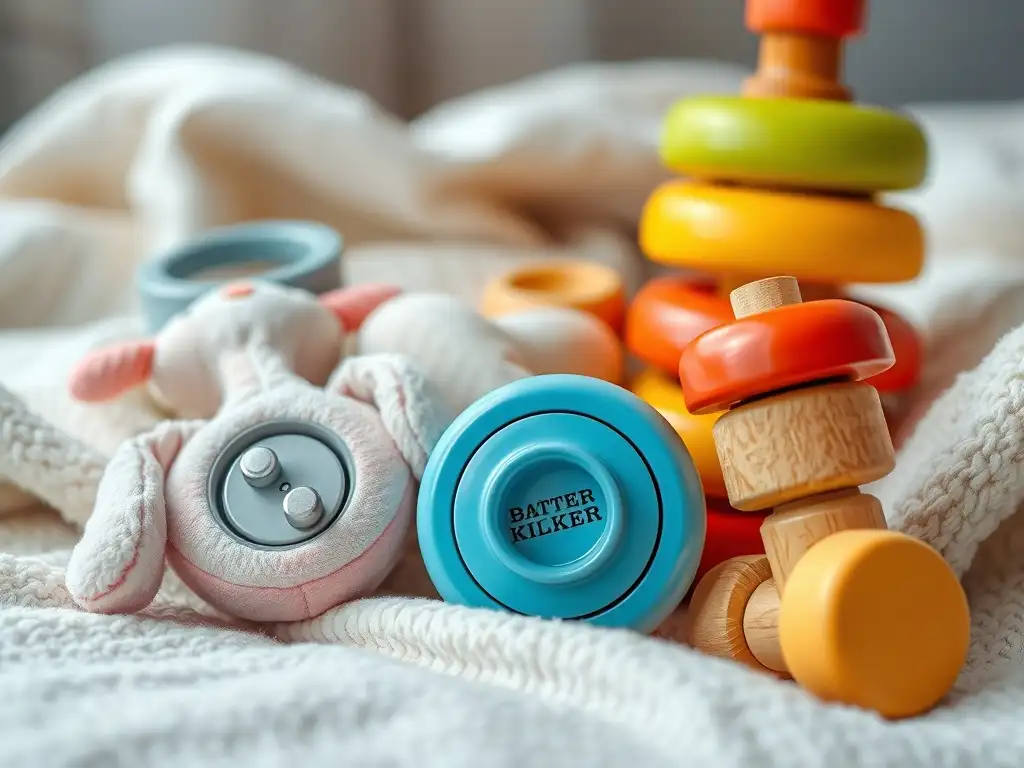
Infant toys powered by batteries, while often engaging and stimulating for babies, present unique safety hazards if not handled correctly. Button batteries, in particular, pose a significant risk due to their small size and high power density. This section focuses on minimizing these risks through proactive measures and informed choices.
Understanding battery safety is crucial for ensuring your baby's well-being and preventing potential accidents. This guide provides practical steps to mitigate these risks and create a safer environment for your little one. The key to safe baby toy usage lies in careful selection, regular inspection, and responsible disposal of batteries.
Button batteries, also known as coin cell batteries, are extremely dangerous if swallowed by a baby. Their small size makes them easily ingested, and their high voltage can cause severe internal burns, esophageal perforation, and even death within hours. The severity of the injury is directly related to the duration of contact with the battery and its chemical composition. For instance, a lithium button battery can cause severe damage much faster than an alkaline one.
Several alternatives to button battery-operated toys exist, offering safer options for your baby's playtime. Toys powered by traditional AA or AAA batteries are generally less hazardous. Furthermore, consider toys with mechanical actions rather than electronic components altogether. These can provide engaging sensory experiences without the inherent risks associated with batteries.
Always check the toy's packaging and instructions carefully before purchasing to confirm the type of battery used. Prioritize toys with secure battery compartments to minimize the risk of accidental ingestion. Remember, proactive measures are paramount when it comes to protecting your child from the dangers of button batteries. It's better to err on the side of caution and choose safer alternatives.
Secure Battery Compartment Checks: Regular Inspections and Maintenance
Regular inspection of battery compartments is paramount to prevent accidents. Even toys with seemingly secure compartments can become compromised over time due to wear and tear, or if a child manages to pry them open. Therefore, a proactive approach to maintenance is essential. Aim to check battery compartments at least weekly, or more frequently if your baby shows an inclination to mouth or manipulate toys excessively.
Examine the compartment for any signs of damage, looseness, or gaps. Ensure that the screws are tightly secured and that the cover fits snugly. If you notice any issues, replace the toy immediately or contact the manufacturer for repair or replacement. Remember, a damaged compartment may allow a button battery to become accessible to your baby, leading to a potentially life-threatening situation.
Don't hesitate to discard a toy if you are unsure about the security of its battery compartment. The safety of your baby should always be the top priority. A simple weekly check can go a long way in preventing serious accidents. Consider keeping a small tool kit readily available to tighten any loose screws or secure any damaged compartments.
Proper Battery Disposal: Safeguarding Your Infant's Environment
Improper disposal of batteries can lead to environmental contamination and potential harm to your child. Used batteries contain hazardous materials which can leach into the soil and groundwater if disposed of incorrectly. Therefore, proper battery disposal is crucial for protecting the environment and ensuring the safety of your child.
Always dispose of batteries according to local regulations. Many communities offer designated battery recycling programs or drop-off locations. Familiarize yourself with the proper procedures in your area. Never throw batteries in the regular trash. Avoid leaving spent batteries lying around, as children may mistake them for toys.
Properly disposing of batteries not only protects the environment but also minimizes the risk of your baby coming into contact with potentially hazardous materials. Consider using a designated container for used batteries to prevent accidental ingestion. By taking these simple steps, you contribute to a healthier environment and a safer home for your baby. Remember, your actions today help protect your child's future.
Supervising Your Infant with Battery-Operated Toys
Active supervision is paramount when your little one is playing with battery-operated toys. This isn't just about glancing over occasionally; it's about dedicated, focused attention. Remember, even seemingly simple toys can pose unexpected risks for curious infants. Their exploratory nature means they'll likely put toys in their mouths, pull at parts, and generally test the limits of durability.
Active Supervision: Constant Monitoring During Playtime
Constant monitoring is crucial for ensuring your baby's safety. This means actively watching your infant while they are playing with battery-operated toys, rather than passively observing from afar. Never leave your baby unattended with these toys, even for a moment. A seemingly safe toy can quickly become hazardous if a small part breaks off or the battery compartment opens. Consider this scenario: A small, seemingly sturdy toy car might have a loose wheel that your baby could easily detach and swallow.
Active supervision minimizes such risks. The ideal situation is to play alongside your baby, engaging with them and guiding their interaction with the toy. This not only ensures safety but also fosters bonding and development. Remember, accidents happen quickly, and a few seconds of inattention can have serious consequences. Prioritize active, focused supervision at all times.
Safe Play Environments: Preventing Accidents with Battery-Operated Toys
Creating a safe play environment is equally vital for preventing accidents with battery-operated toys. Choose a play area free from hazards such as sharp objects, electrical cords, or small items that could be choking hazards. A soft, padded playmat can help cushion falls and protect your baby if they drop the toy. Regularly inspect the play area for potential dangers.
It's also important to choose toys that are age-appropriate. Look for toys specifically designed for infants and toddlers, and always check for labels indicating suitability for a specific age range. Avoid toys with small parts that could easily be detached and ingested, and opt for toys with securely fastened components. Regularly inspect the toys themselves for signs of damage, such as loose parts or exposed wires.
Discard or repair damaged toys immediately. Remember, prevention is key when it comes to baby toy safety tips. A well-prepared and supervised environment significantly reduces the risk of accidents. Consider creating a designated play area specifically for battery-operated toys, keeping it separate from other areas where your baby might crawl or play.
Responding to Incidents: Addressing Accidental Ingestion or Exposure
Despite your best efforts, accidents can still happen. Knowing how to respond swiftly and effectively is crucial. If your baby accidentally ingests a small part from a battery-operated toy or shows signs of battery leakage (e.g., burns, irritation around the mouth), seek immediate medical attention. Do not induce vomiting or attempt home remedies. Contact your pediatrician or emergency services immediately.
Time is of the essence in these situations. Furthermore, if you suspect battery leakage, carefully remove the toy from your baby's reach and thoroughly clean the area where the incident occurred. Keep a detailed record of the toy, including the manufacturer's information and any relevant model numbers. This information will be invaluable if you need to seek medical assistance.
The quicker you can provide this information to medical professionals, the faster they can assess the situation and provide appropriate treatment. Remember, early intervention is key to minimizing any potential harm. Being prepared for such eventualities, even if you hope you never need it, is a crucial part of responsible baby toy safety. 🧸
Understanding Battery Hazards for Infants
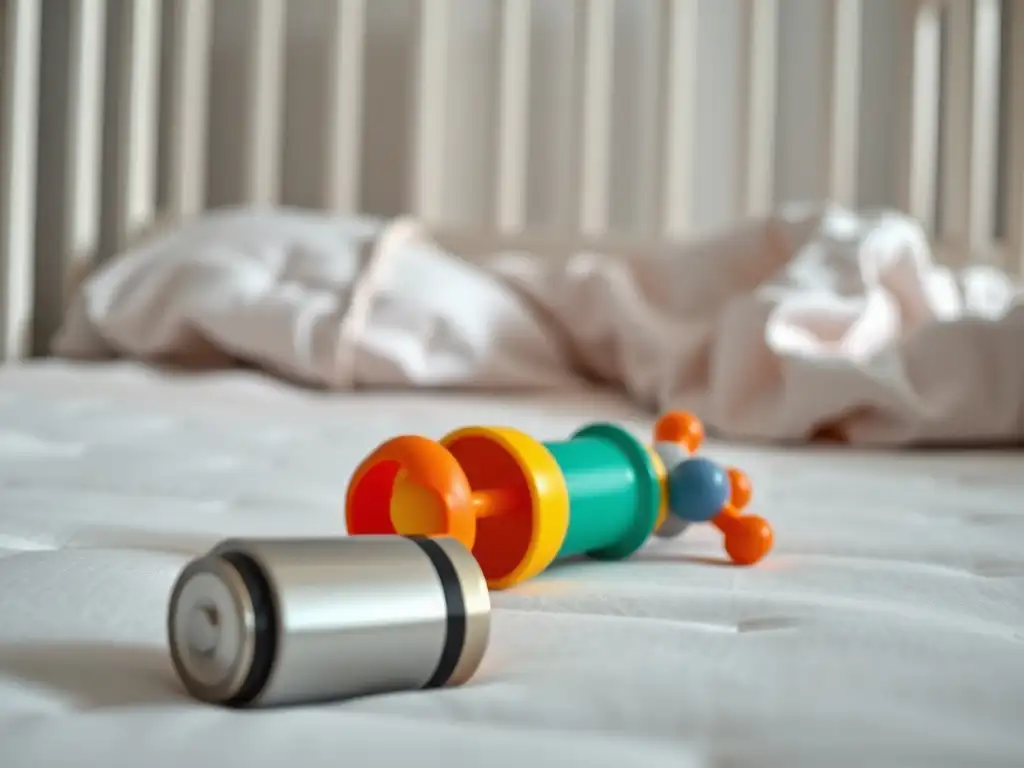
Infants and toddlers are naturally curious, exploring their world through touch and taste. This inherent inquisitiveness, however, presents significant risks when it comes to battery-operated toys. Small, easily accessible batteries, particularly button or coin cell batteries, pose a serious threat to young children.
Understanding these dangers and implementing preventative measures is crucial for ensuring your baby's safety and well-being. This section delves into the specific hazards associated with battery-operated toys, focusing on the potential for injury and offering practical safety tips to mitigate those risks. We'll explore the critical aspects of baby toy safety tips, concentrating on the unique dangers presented by batteries.
Button batteries, those small, flat, round batteries commonly found in many electronic devices including toys, hearing aids, and watches, represent a particularly serious hazard for infants and toddlers. If swallowed, these batteries can lodge in the esophagus, causing severe and potentially life-threatening injuries. The battery's alkaline composition can cause chemical burns to the esophageal lining within just a few hours.
This burn can lead to perforation, bleeding, and ultimately, the need for emergency surgery. Symptoms of button battery ingestion can include drooling, vomiting, coughing, difficulty swallowing, and decreased appetite. Early detection and immediate medical attention are absolutely critical for a positive outcome.
The severity of the injury depends on several factors, including the size and type of battery, the location of the battery in the esophagus, and the duration it remains lodged. While some cases might resolve with minimal intervention, others can result in significant long-term health complications. Therefore, proactive safety measures, as detailed in this article, are paramount to prevent this tragic accident. Understanding the potential for serious injury is the first step in effective baby toy safety.
Chemical Burns from Leaking Batteries: Prevention and First Aid
Even if a battery isn't swallowed, leakage from damaged or corroded batteries can still cause significant harm. The corrosive alkaline chemicals within these batteries can cause severe chemical burns to the skin and eyes upon contact. Furthermore, if a battery leaks inside a toy, the chemicals can contaminate the toy's components, potentially leading to further exposure risks. Regular inspection of battery-operated toys for signs of damage, such as cracks, rust, or bulging, is essential. Replace batteries promptly if any signs of damage are observed. This careful approach is key to ensuring effective baby toy safety.
In the event of a battery leak, immediately remove the battery from the toy, taking care to avoid direct contact with the leaking chemicals. Wash the affected area thoroughly with soap and water. If the chemical comes into contact with the eyes, flush them with clean water for at least 15 minutes and seek immediate medical attention. Remember, prompt action is vital in minimizing the potential for lasting damage. Keeping a first-aid kit readily available is a crucial aspect of responsible baby toy safety.
The Importance of Adult Supervision: Minimizing Risks with Battery-Operated Toys
Adult supervision is the cornerstone of safe playtime with battery-operated toys. Never leave a young child unattended while playing with a toy containing batteries. Constant vigilance is the most effective way to prevent accidents, particularly those involving ingestion or contact with leaking batteries. Even seemingly safe toys can become hazardous with unsupervised access. This constant supervision is a crucial part of comprehensive baby toy safety tips.
Consider the child's developmental stage when selecting battery-operated toys. Choose toys with secure battery compartments, ideally those requiring a screwdriver or other tool to open, making them difficult for young children to access. Regularly inspect these compartments for any signs of tampering. Educating older siblings about the dangers of batteries and the importance of responsible toy handling is also a valuable preventative measure. By combining careful toy selection with vigilant supervision, we can significantly reduce the risks associated with battery-operated toys and promote a safe and enjoyable playtime experience for our little ones. 🧸
Resources and Further Information on Infant Toy Safety
This section provides valuable resources to help you navigate the world of baby toy safety and ensure your little one's well-being. We understand that choosing safe toys can be overwhelming, so we've compiled information from reputable sources to guide you. Remember, a safe and stimulating play environment contributes significantly to your baby's healthy development. Prioritizing safety is crucial in fostering a secure and enjoyable playtime experience.
Reputable Organizations Providing Infant Product Safety Information
Several organizations dedicate themselves to researching and disseminating information on product safety, including toys for infants. Consulting these resources empowers you to make informed decisions about the toys you bring into your baby's life. These organizations often provide detailed safety guidelines, testing standards, and recall information. Staying updated with their advisories is a proactive step towards ensuring your baby's safety.
Here's a list of some key organizations:
- [Organization Name 1]: This organization focuses on [specific area of focus, e.g., testing standards for infant toys, chemical safety in baby products]. They offer [type of resource, e.g., detailed reports, online databases, educational materials]. They emphasize [key aspect of their work, e.g., independent testing, consumer advocacy, public awareness campaigns].
- [Organization Name 2]: Known for their work in [specific area of focus, e.g., recall alerts, injury prevention, advocacy for stricter safety regulations]. They provide [type of resource, e.g., a searchable database of recalled products, safety tips and guides, policy recommendations]. Their commitment to [key aspect of their work, e.g., rapid response to safety issues, collaboration with manufacturers, consumer education] is commendable.
- [Organization Name 3]: This organization specializes in [specific area of focus, e.g., choking hazards in small children, age-appropriate toy selection, safe material usage]. They offer [type of resource, e.g., interactive tools for assessing toy safety, parent education programs, research findings]. Their focus on [key aspect of their work, e.g., practical advice for parents, evidence-based recommendations, community engagement] makes their resources especially useful.
Remember to always check the labels and packaging of toys for age recommendations and safety warnings. If you have any concerns about a particular toy, it's always best to err on the side of caution and consult with a pediatrician or one of the organizations listed above.
Relevant Articles and Safety Guidelines
Beyond established organizations, numerous articles and guidelines offer detailed information on baby toy safety. These resources often delve into specific aspects of safety, such as choking hazards, material toxicity, and age-appropriate play. Regularly reviewing such resources keeps you updated on best practices and emerging safety concerns. Staying informed empowers you to create a safer play environment for your child.
Here are some topics frequently covered in these resources:
- Choking Hazards: This is a significant concern for babies, particularly those under three years old. Articles often detail the types of toys that pose a choking risk (small parts, loose buttons, etc.) and provide guidance on selecting age-appropriate toys. They might also emphasize the importance of supervising playtime closely and understanding the difference between a toy’s stated age appropriateness and a child's developmental capabilities.
- Material Safety: Many resources focus on the materials used in baby toys. They highlight the dangers of certain chemicals (e.g., lead, phthalates) and explain how to identify toys made from safe, non-toxic materials. Understanding different material certifications (e.g., [mention relevant certifications]) is important in determining the safety of a toy.
- Age-Appropriate Play: Choosing toys suitable for your baby's developmental stage is crucial. Articles often outline developmental milestones and suggest toys that are both safe and stimulating for each stage. This ensures that your baby can engage with toys in a way that is both enjoyable and developmentally beneficial, without posing safety risks.
- Battery Safety: For battery-operated toys, safety guidelines often address the risks associated with button batteries and how to prevent ingestion. This includes proper battery compartment securing, supervision during play, and prompt action if a battery is swallowed. This is a critical area of focus, given the potential severe health consequences of battery ingestion.
By utilizing these resources and consistently applying safe practices, you can create a fun and safe play environment for your baby, contributing to their healthy development and providing peace of mind for you. Remember, proactive safety measures are key to ensuring a happy and secure childhood.
Frequently Asked Questions
What are the biggest dangers of battery-operated toys for babies?
The biggest dangers are battery ingestion which can cause internal chemical burns and perforation, and small parts that can pose a choking hazard. Always supervise your child while they play.
How can I prevent my baby from swallowing batteries?
Choose toys with secure battery compartments, preferably those requiring a screwdriver to open. Regularly check the toy for any loose parts or damage. Never leave a baby unsupervised with battery-operated toys.
This is a medical emergency. Immediately call emergency services or your doctor. Do not induce vomiting.
Are all battery-operated toys equally risky?
No. Toys with larger batteries are generally less risky than those using button batteries. Look for toys with robust designs and age-appropriate labeling.
How can I tell if a toy is safe for my baby?
Check for the CE mark or other relevant safety certifications. Always read the manufacturer's instructions carefully and pay attention to any age recommendations. Discard damaged toys immediately.
Final Reflection: The Enduring Power of Safe Play
The innocent joy of a child's laughter, powered by a simple battery-operated toy, is a precious moment, but ensuring that joy remains safe and unmarred requires vigilance. The seemingly mundane act of choosing a toy can have profound implications for a child's well-being, highlighting the critical need for informed decision-making by parents and caregivers. This article has explored the often-overlooked safety aspects of battery-operated toys, emphasizing the importance of careful selection, responsible use, and proactive prevention of potential hazards.
The impact of toy safety extends far beyond the immediate moment of play; it shapes a child's development and instills lifelong habits of caution and responsibility. The subtle yet significant influence of a safe play environment cannot be overstated. It fosters a sense of security and trust, allowing children to explore their world with confidence. As the saying goes, Play is the highest form of research.
This research, however, must be conducted within a framework of safety, ensuring that the exploration of childhood is both enriching and secure.
Consider the toys you choose for your children, or the toys you might gift to a new parent. Take a moment to reflect on the potential hazards, however small they may seem. By actively engaging with the information presented in this article, you are taking a proactive step towards creating a safer and more enriching play environment for the children in your life. Let's empower ourselves to make informed choices, ensuring that the simple joy of battery-operated play remains a source of delight, not danger.
Unlock a World of Safe Playtime!
Thank you for learning about battery-operated toy safety! We hope you feel more confident choosing and using these toys for your child. Let's make playtime even safer and more fun.
- Prioritize battery safety: Secure battery compartments with screws or tape immediately to prevent accidental ingestion. This is crucial for a safe and enjoyable playtime experience.
- Share this vital information: Share these safety tips with other parents to help protect their children. Start a conversation in your parent groups or online communities.
- Explore further: Visit BabyCareHub.org for more insightful articles on child safety.
Ready to create a safer playtime environment for your child? What other safety precautions do you use with your battery-operated toys?