
Baby Skin Care: The Latest Research on Eczema Treatments


Welcome to BabyCareHub, your ultimate guide to navigating the incredible journey of parenthood. We understand the overwhelming experience of welcoming a new baby, and we're here to provide the step-by-step support you need. Are you concerned about your little one's delicate skin? Discover the latest breakthroughs in baby eczema treatment research and learn how to effectively care for your baby's health and well-being. Explore our comprehensive resources and embark on this exciting chapter with confidence.
- Understanding Baby Eczema: Symptoms and Diagnosis
- The Latest Research in Baby Eczema Treatment
- Managing Baby Eczema at Home: Practical Tips and Strategies
- Long-Term Management and Prevention of Baby Eczema
- Addressing Common Questions about Baby Eczema Treatment
- Resources and Support for Parents of Babies with Eczema
-
Frequently Asked Questions
- What is eczema, and why is it so common in babies?
- What are some of the latest research findings on eczema treatments for babies?
- Are there any natural remedies for baby eczema that research supports?
- How can I prevent baby eczema flare-ups?
- When should I seek professional medical help for my baby's eczema?
- Final Reflection: A Future Free from Eczema's Itch
- Unlock Your Baby's Softer, Healthier Skin
Understanding Baby Eczema: Symptoms and Diagnosis
Infant eczema, also known as atopic dermatitis, is a common inflammatory skin condition affecting many newborns and babies. Characterized by itchy, dry, and inflamed skin, it can significantly impact a baby's comfort and sleep, and cause considerable worry for parents. This article delves into the latest research on eczema treatments for babies, providing a comprehensive overview of symptoms, diagnosis, and effective management strategies.
Understanding the nuances of baby eczema is crucial for early intervention and improved outcomes, helping parents navigate this challenging phase with confidence and knowledge. We will explore various aspects of baby eczema, from recognizing the tell-tale signs to understanding the latest advancements in treatment approaches. This guide aims to empower parents with the information they need to effectively care for their little ones and ensure their skin health.
Identifying Eczema in Infants: Key Symptoms to Watch For
Recognizing the symptoms of eczema in infants is the first step towards effective management. While the presentation can vary, some key indicators include:
- Dry, rough, and flaky skin: This is often one of the earliest signs, frequently appearing on the cheeks, scalp, and extremities.
- Red, inflamed patches: These patches may be intensely itchy, leading to scratching and potential secondary infections.
- Small, raised bumps: These bumps can weep or crust over, especially if the baby scratches the affected area.
- Chronic itching: Intense itching is a hallmark symptom, often disrupting sleep and causing significant discomfort.
- Thickened skin: In chronic cases, the skin may become thickened and leathery.
It's important to note that the severity and location of symptoms can change over time. Some babies might experience flare-ups triggered by specific allergens or environmental factors, while others might have more persistent symptoms. Careful observation and detailed record-keeping of symptoms can be incredibly helpful when discussing treatment options with a pediatrician. Remember, early detection and intervention are key to minimizing the long-term impact of eczema. 👶
When to See a Doctor: Seeking Professional Diagnosis for Baby Eczema
While many parents can identify potential eczema based on the symptoms described above, a professional diagnosis is crucial for accurate assessment and effective treatment planning. You should consult a pediatrician or dermatologist if your baby exhibits any of the following:
- Severe itching that interferes with sleep or feeding. Persistent scratching can lead to skin damage and secondary infections, requiring prompt medical attention.
- Widespread rash or lesions. Extensive skin involvement warrants a thorough evaluation to rule out other conditions and determine the best course of treatment.
- Signs of infection: Yellow crusting, increased redness, swelling, or fever can indicate a secondary bacterial or viral infection, requiring antibiotic or antiviral treatment.
- Failure to respond to home remedies. If over-the-counter treatments provide no relief, professional intervention is necessary to explore alternative therapies.
- Concerns about the severity of the condition. Even if the symptoms seem mild, seeking a professional opinion can provide peace of mind and ensure appropriate management.
A doctor will conduct a thorough physical examination and may perform allergy testing to identify potential triggers. Early diagnosis and appropriate treatment are vital to minimize the long-term impact of eczema on your baby's skin health and overall well-being. Don't hesitate to seek professional medical advice if you have any concerns.
Differentiating Eczema from Other Skin Conditions in Babies
It's crucial to differentiate baby eczema from other skin conditions that might present similar symptoms. Several conditions can mimic eczema, including:
| Condition | Key Distinguishing Features |
|---|---|
| Seborrheic Dermatitis | Typically affects the scalp, eyebrows, and behind the ears; characterized by yellowish, greasy scales. |
| Food Allergies | Often accompanied by digestive issues, such as vomiting, diarrhea, or colic. |
| Contact Dermatitis | Usually appears in a specific area exposed to an irritant or allergen. |
| Psoriasis | Characterized by well-defined, silvery-white scales on red patches of skin. |
Misdiagnosis can lead to ineffective treatment. Therefore, a comprehensive evaluation by a healthcare professional is essential to accurately diagnose the condition and develop a personalized treatment plan. This careful approach ensures your baby receives the most appropriate and effective care for their specific skin condition. Remember, seeking professional guidance is always the best course of action when dealing with your baby's health.
The Latest Research in Baby Eczema Treatment
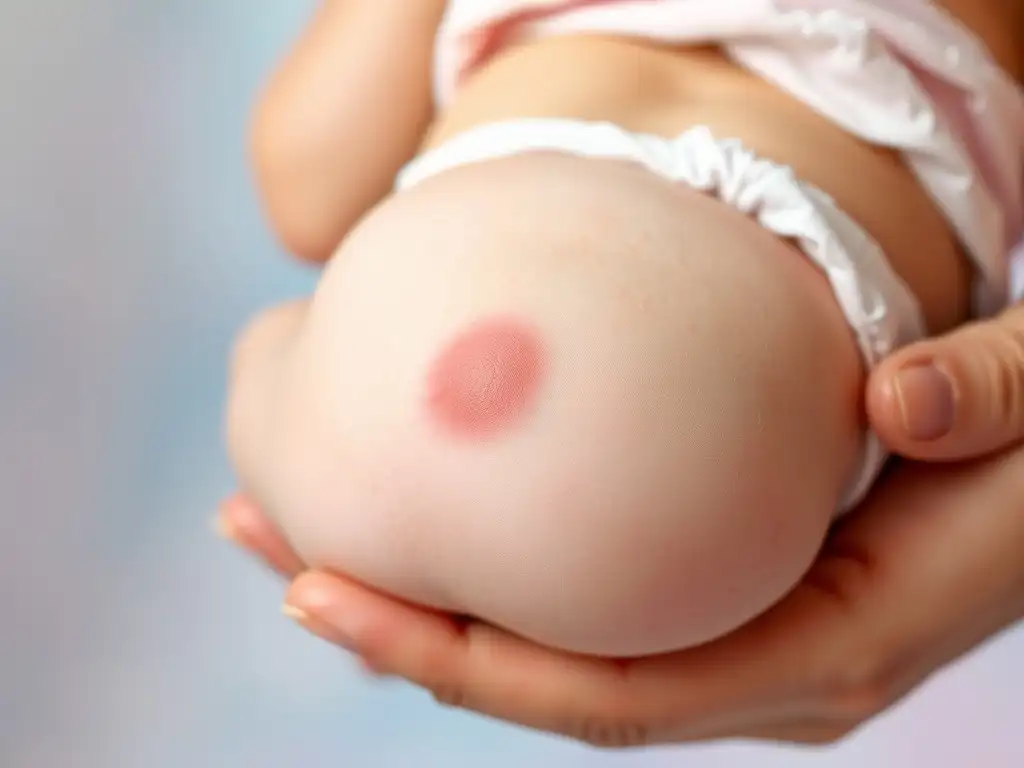
This section delves into the current state of research regarding baby eczema treatment, focusing on both established and emerging therapeutic approaches. Understanding the latest advancements is crucial for parents and caregivers seeking effective and safe management strategies for their infants' eczema. We'll explore topical treatments, novel biologic therapies, and the promising investigation into the role of probiotics and diet. This information aims to provide a comprehensive overview of baby eczema treatment research, empowering informed decision-making.
Topical Treatments: Corticosteroids, Emollients, and Calcineurin Inhibitors
Topical corticosteroids remain a cornerstone of eczema treatment in infants. These potent anti-inflammatory agents effectively reduce inflammation and itching, providing rapid relief. However, long-term use can have potential side effects, necessitating careful monitoring and adherence to prescribed regimens. The strength of the corticosteroid should always be determined by a pediatrician based on the severity of the eczema and the age of the baby. For example, weaker corticosteroids are generally preferred for infants' delicate skin on the face, while stronger options might be considered for more severe flares in other areas.
Emollients, on the other hand, play a crucial role in hydrating the skin and preventing dryness, a major trigger for eczema exacerbations. Regular application of emollients helps to restore the skin barrier, reducing inflammation and improving overall skin health. Studies show that consistent emollient use significantly reduces the frequency and severity of eczema flares. The choice of emollient can depend on individual preferences and the baby's skin type; some prefer ointments for their richer consistency, while others opt for lotions for easier application.
Calcineurin inhibitors, such as tacrolimus and pimecrolimus, offer an alternative topical treatment for eczema, particularly in cases where corticosteroids are not suitable or are proving ineffective. These medications work by suppressing the immune response that contributes to inflammation. Research suggests that calcineurin inhibitors can be effective in reducing eczema symptoms, but potential long-term side effects are still under investigation. Therefore, their use should be carefully considered and monitored by a healthcare professional.
Novel Approaches: Dupilumab and Other Biologics for Eczema
Recent years have witnessed significant advancements in the treatment of severe, refractory eczema with the introduction of biologic therapies. Dupilumab, a monoclonal antibody targeting interleukin-4 and interleukin-13, represents a major breakthrough. Clinical trials have demonstrated its effectiveness in significantly reducing eczema symptoms, improving skin clarity, and enhancing quality of life for infants and children with severe eczema. The mechanism of action differs from traditional topical treatments, making it a valuable option for those who haven't responded well to other therapies.
Other biologic agents are also under investigation for the treatment of baby eczema. These medications target various inflammatory pathways involved in the disease process, offering potential for personalized treatment approaches tailored to the specific needs of each infant. This research area is dynamic, with ongoing clinical trials exploring the efficacy and safety of new biologics. The results of these trials will shape future treatment guidelines and provide more options for managing severe eczema in infants.
Investigating the Role of Probiotics and Diet in Eczema Management
Emerging research explores the potential role of probiotics and dietary modifications in eczema management. The gut microbiome has been linked to immune function and skin health, suggesting that manipulating gut bacteria through probiotic supplementation might influence the course of eczema. While studies are still underway, some preliminary findings indicate that certain probiotic strains may reduce eczema severity and improve skin barrier function. More research is needed to establish definitive guidelines on probiotic use in infants with eczema.
Similarly, the influence of diet on eczema is a growing area of interest. While no single "eczema diet" has been universally proven effective, some studies suggest that eliminating certain allergens, such as dairy or eggs, from an infant's diet might reduce eczema symptoms in susceptible individuals. However, dietary restrictions should always be made under the guidance of a pediatrician or registered dietitian to ensure adequate nutritional intake and avoid potential deficiencies.
It's crucial to remember that the elimination of potentially allergenic foods should be done carefully and systematically under medical supervision. This approach requires careful monitoring for any improvements in eczema alongside ensuring the baby still receives all necessary nutrients. 👶
Emerging Research on Environmental Triggers and Eczema Prevention
Research into eczema prevention is increasingly focusing on environmental factors, moving beyond genetics alone. Studies are exploring the role of the home environment in triggering or exacerbating eczema in infants. For instance, some research suggests a correlation between exposure to certain household cleaning products and an increased risk of developing eczema. 1 These studies often analyze the composition of cleaning products, identifying specific chemicals that may irritate sensitive baby skin and contribute to inflammation. Further investigation is needed to pinpoint the exact causal relationships, but the findings highlight the importance of choosing baby-friendly, hypoallergenic cleaning products for homes with infants at risk or already diagnosed with eczema.
Another area of active research involves the impact of air pollution on eczema development. Studies in urban areas with high levels of air pollution have shown a higher prevalence of eczema in infants compared to those in less polluted environments. 2 These studies often consider various pollutants, such as particulate matter and nitrogen dioxide, and their effects on the skin barrier function. The mechanisms through which air pollution exacerbates eczema are still being investigated, but it's hypothesized that pollutants may disrupt the skin's protective barrier, making it more susceptible to irritants and allergens. This underscores the importance of minimizing exposure to air pollution, particularly during periods of high pollution alerts.
Beyond cleaning products and air pollution, investigations are underway to assess the influence of other environmental aspects, including pet dander, dust mites, and even certain types of fabrics on the development and severity of eczema. The research often employs observational studies and controlled experiments to isolate the effects of specific environmental factors. For example, some studies are comparing eczema prevalence among infants raised in homes with pets versus those without, carefully controlling for other variables like family history of atopy.
This multifaceted approach is crucial to gain a comprehensive understanding of the interplay between environmental triggers and eczema. The ultimate goal is to develop evidence-based recommendations for parents to minimize environmental exposures and proactively prevent eczema in their babies.
1 [Citation needed: Specific study on household cleaning products and eczema risk in infants]
2 [Citation needed: Specific study on air pollution and eczema prevalence in infants]
Managing Baby Eczema at Home: Practical Tips and Strategies
This section focuses on practical, at-home strategies for managing baby eczema, offering evidence-based advice to help parents navigate this common skin condition. Effective eczema management requires a multi-pronged approach, focusing on hydration, gentle cleansing, and minimizing irritants. Remember, always consult your pediatrician before starting any new treatment plan for your baby's eczema. Early intervention and consistent care are key to improving your baby's comfort and skin health. This section will explore several key areas of home management for baby eczema.
Maintaining Skin Hydration: The Importance of Moisturizing for Eczema
Maintaining optimal skin hydration is paramount in managing baby eczema. Dry skin is a major trigger for eczema flare-ups, leading to itching, inflammation, and discomfort. Therefore, a consistent moisturizing routine is crucial. Choose fragrance-free, hypoallergenic emollients specifically formulated for sensitive baby skin. Look for ingredients like ceramides, which help repair the skin barrier, and shea butter or colloidal oatmeal, which offer soothing and moisturizing properties.
Apply the moisturizer liberally and frequently, ideally after each bath and throughout the day, even when the skin appears healthy. This helps to prevent dryness and reduce the frequency and severity of eczema flare-ups. The timing of moisturizer application is key; applying it immediately after bathing, while the skin is still slightly damp, helps to lock in moisture.
Don't forget to moisturize all areas of your baby's skin, including the face, neck, and diaper area. Consistent and diligent moisturizing is an essential part of a successful eczema management plan. Regular monitoring of your baby's skin hydration levels will help you adjust your moisturizing routine as needed.
Bathing Techniques for Eczema-Prone Skin: Tips and Recommendations
Bathing your baby with eczema requires a gentle and thoughtful approach. Avoid long, hot baths, as these can further dry out the skin and worsen the condition. Opt for short, lukewarm baths (5-10 minutes) using a mild, fragrance-free cleanser. Many parents find that using plain water is sufficient, especially during flare-ups. If a cleanser is used, choose one specifically formulated for sensitive or eczema-prone skin. Avoid harsh soaps and detergents that can strip the skin of its natural oils.
After bathing, gently pat your baby's skin dry with a soft towel, avoiding rubbing, which can irritate the skin. Apply moisturizer immediately while the skin is still damp to trap in moisture. The frequency of bathing should be adjusted based on your baby's needs; over-bathing can worsen eczema. Consider using a humidifier in your baby's room, especially during dry winter months, to add moisture to the air and help prevent skin dryness. These seemingly small adjustments to bath time can make a significant difference in managing your baby's eczema.
Clothing Choices for Babies with Eczema: Fabrics and Avoiding Irritants
Clothing plays a significant role in managing baby eczema. Choose soft, breathable fabrics like 100% cotton. Avoid wool, synthetic materials (like polyester), and rough textures that can irritate the skin. Loose-fitting clothing allows for better air circulation, preventing overheating and sweat, which can exacerbate eczema. Seams and tags on clothing can also be irritating; consider turning clothing inside out or removing tags to minimize contact with sensitive skin.
Washing your baby's clothes is also crucial. Use fragrance-free, hypoallergenic laundry detergent. Thoroughly rinse clothes to remove any residual detergent, which can be a significant irritant. Avoid fabric softeners, dryer sheets, and strong-smelling detergents. Pay attention to your baby's reaction to different fabrics and detergents; if a rash develops, eliminate the suspect item from your baby's wardrobe and laundry routine. Careful consideration of clothing choices can significantly reduce eczema flare-ups and improve your baby's overall comfort. Remember, gentle fabrics and careful washing are key elements of a comprehensive eczema management plan.
Creating a Soothing and Eczema-Friendly Home Environment
Maintaining a calm and controlled environment is crucial in managing your baby's eczema. The right atmosphere can significantly reduce flare-ups and promote healing. This involves several key strategies, focusing on minimizing irritants and maximizing comfort.
One of the most important steps is controlling humidity. Dry air exacerbates eczema symptoms, leading to itchy, cracked skin. Using a humidifier, especially during dry seasons or in centrally heated homes, helps add moisture to the air, preventing excessive dryness. Aim for a humidity level between 40-60%. Regularly cleaning your humidifier is essential to prevent the growth of mold and mildew, which can further irritate sensitive skin. Remember to monitor the humidity levels to prevent overly humid conditions which can promote other issues.
Another crucial aspect is managing temperature. Extreme temperatures, both hot and cold, can trigger or worsen eczema. Dress your baby in lightweight, breathable clothing made from soft, natural fabrics like cotton. Avoid synthetic materials like polyester which can trap heat and moisture, potentially worsening the condition. Maintaining a comfortable room temperature is also vital; avoid overheating the house.
Beyond temperature and humidity, consider the cleaning products you use in your home. Harsh chemicals found in many household cleaners can irritate delicate baby skin and exacerbate eczema. Opt for fragrance-free, hypoallergenic cleaning products specifically designed for sensitive skin. Regularly dust and vacuum to minimize exposure to dust mites and other allergens which can trigger eczema. Consider using a HEPA filter vacuum cleaner for more effective allergen removal. Remember to wash all bedding, clothing, and soft toys regularly in fragrance-free detergent.
Finally, minimize stress. While it may seem unrelated, stress can impact your baby's skin health. A calm and predictable routine can help reduce stress for both you and your baby. Creating a soothing bedtime routine, incorporating calming activities like gentle massage or bath time, can contribute to a more peaceful environment and healthier skin for your little one. Remember that your own stress levels can also affect your baby, so prioritizing self-care is crucial. Consider relaxation techniques like deep breathing or meditation to manage your own stress levels.
Long-Term Management and Prevention of Baby Eczema

Long-term management of baby eczema focuses on minimizing flare-ups and improving the child's quality of life. It's a journey requiring patience, consistency, and a strong partnership with your pediatrician or dermatologist. The goal isn't necessarily to cure eczema – a chronic condition – but to effectively manage its symptoms and prevent severe complications. This involves a multi-pronged approach encompassing skincare routines, environmental controls, and sometimes, medication. Research consistently shows that proactive management significantly reduces the frequency and severity of eczema episodes, leading to better sleep, fewer infections, and improved overall well-being for your baby.
Developing a Personalized Eczema Management Plan with Your Doctor
Developing a tailored eczema management plan is crucial. This isn't a one-size-fits-all approach; what works for one baby might not work for another. Your doctor will consider several factors when creating your baby's plan, including the severity of their eczema, their age, any allergies or sensitivities, and your family's medical history. The plan will likely involve:
- Identifying and avoiding triggers: This could include specific foods, fabrics (like wool), soaps, detergents, or environmental allergens like dust mites or pet dander. Keeping a detailed diary documenting potential triggers and their effect on your baby's skin can be incredibly helpful.
- Moisturizing: Regular moisturizing is paramount. Your doctor will recommend suitable emollients, often fragrance-free and hypoallergenic, to keep your baby's skin hydrated. Applying moisturizer frequently, even after bathing, is key to preventing dryness, a major eczema trigger.
- Topical corticosteroids: For moderate to severe eczema, topical corticosteroids might be prescribed. These are potent anti-inflammatory medications that help reduce inflammation and itching. Your doctor will guide you on their correct application and usage to minimize potential side effects.
- Other medications: Depending on the severity and response to other treatments, your doctor might consider other medications like topical calcineurin inhibitors or even oral medications in severe cases. Always follow your doctor's instructions meticulously.
The Importance of Regular Follow-up Appointments for Eczema Monitoring
Regular follow-up appointments are not just a formality; they are essential for monitoring your baby's eczema and adjusting the management plan as needed. During these appointments, your doctor will:
- Assess the effectiveness of the current treatment: They'll evaluate the severity of your baby's eczema, noting any improvements or worsening of symptoms. This allows for timely adjustments to medication or skincare routines.
- Monitor for complications: Eczema can increase the risk of skin infections. Regular check-ups help detect and treat infections promptly, preventing potential complications.
- Discuss any new concerns or questions: These appointments provide a valuable opportunity to address any concerns you have about your baby's eczema, ask questions about the treatment, and receive guidance on managing flare-ups. Don't hesitate to voice your concerns; your doctor is there to support you.
- Adjust the treatment plan as your baby grows: As your baby grows and develops, their needs may change, requiring adjustments to the treatment plan. Regular monitoring ensures the plan remains effective and appropriate for their age and stage of development.
Lifestyle Adjustments for Reducing Eczema Flare-Ups
Beyond medical interventions, certain lifestyle adjustments can significantly reduce eczema flare-ups. These changes often involve modifying your baby’s environment and daily routines. Research indicates that these simple modifications can make a substantial difference in managing the condition.
- Bathing: Keep bath times short (5-10 minutes) and use lukewarm water. Avoid harsh soaps and opt for fragrance-free, hypoallergenic cleansers. Gently pat your baby's skin dry instead of rubbing.
- Clothing: Dress your baby in soft, breathable fabrics like cotton. Avoid wool or synthetic materials that can irritate the skin. Loose-fitting clothes allow for better air circulation, preventing overheating and sweat, which can exacerbate eczema.
- Humidity: Maintaining appropriate humidity levels in your home can help prevent dry skin. A humidifier can add moisture to the air, especially during dry winter months.
- Diet: While the link between diet and eczema is still being researched, some studies suggest that certain foods might trigger flare-ups in susceptible babies. Discuss any dietary concerns with your doctor or a registered dietitian. Careful food introduction and monitoring for reactions is crucial. Remember to always consult a pediatrician before making any significant dietary changes for your baby. 👶
- Stress Management (for parents!): Believe it or not, parental stress can indirectly impact your baby's eczema. Prioritizing self-care and stress-reduction techniques can positively influence your baby's overall well-being and potentially reduce the severity of flare-ups. This might include practices like yoga, meditation, or simply taking some time for yourself each day.
Remember, consistent and proactive management is key to effectively managing baby eczema. With a personalized plan, regular monitoring, and appropriate lifestyle adjustments, you can significantly improve your baby's comfort and quality of life. Always consult with your pediatrician or dermatologist for personalized advice and treatment.
Future Research Directions: Hope for Eczema Treatment Advancements
Research into eczema treatment is a constantly evolving field, with scientists continually exploring new avenues for improved therapies and preventative strategies. Several promising areas of investigation hold the potential for significant advancements in the management and even cure of baby eczema. One key area is the exploration of novel therapeutic targets within the immune system. Current treatments often focus on suppressing inflammation broadly, but future research aims to identify specific immune pathways directly involved in atopic dermatitis pathogenesis. This targeted approach could lead to more effective treatments with fewer side effects.
Another exciting avenue is the investigation of the microbiome's role in eczema development. The balance of bacteria on the skin is crucial for maintaining skin health. Studies are exploring how manipulating the skin microbiome—perhaps through probiotic therapies or topical prebiotics—might prevent or treat eczema. Early findings suggest that this approach could be highly effective, offering a natural and potentially less invasive alternative to current treatments.
Furthermore, personalized medicine approaches are gaining traction. This involves tailoring treatment strategies based on an individual baby's genetic makeup, environmental exposures, and the specific characteristics of their eczema. Genetic testing could help identify individuals at higher risk and allow for early intervention, potentially preventing the development of severe eczema.
Further research into environmental triggers is also crucial. While some triggers, such as allergens, are known, identifying less obvious environmental factors that contribute to eczema flare-ups is vital. This could include pollutants, certain types of clothing fabrics, or even specific household cleaning products.
Understanding these factors will enable parents to make informed decisions to minimize their baby's exposure and reduce the frequency and severity of eczema outbreaks. Finally, advancements in drug delivery systems are also promising. Developing more effective methods for delivering existing treatments, such as topical corticosteroids, could lead to improved efficacy and reduced side effects.
This might involve innovative formulations or targeted drug delivery systems that ensure the medication reaches the affected areas more efficiently. The ongoing research in these and other areas offers hope for significant improvements in eczema treatment in the years to come, leading to better outcomes for babies and their families. The ultimate goal is to develop safe and effective treatments that not only manage symptoms but also prevent the onset and progression of this common skin condition.
Addressing Common Questions about Baby Eczema Treatment

This section addresses frequently asked questions regarding baby eczema treatment, drawing upon the latest research to provide parents with accurate and reassuring information. Understanding these common concerns is crucial for effective management and reducing parental anxiety surrounding this prevalent skin condition. The information presented here is for informational purposes only and should not replace professional medical advice. Always consult with your pediatrician or dermatologist before starting any treatment plan for your baby's eczema.
Is my baby's eczema contagious?
No, baby eczema (atopic dermatitis) is not contagious. It's a chronic inflammatory skin condition resulting from a combination of genetic predisposition and environmental factors. While the exact cause isn't fully understood, research points towards a malfunction in the skin barrier, leading to dryness, inflammation, and increased susceptibility to allergens and irritants. This means that your baby's eczema cannot be passed on to other children or adults through touch or close contact.
However, it's important to note that secondary infections can sometimes occur due to scratching and broken skin, which could be contagious. Therefore, maintaining good hygiene practices and treating any secondary infections promptly is essential. This involves keeping fingernails trimmed short and applying prescribed topical antibiotics or antifungals as directed by your doctor. The focus of treatment remains on managing the eczema itself, not preventing its transmission, as it is not communicable.
What are the long-term effects of eczema?
The long-term effects of eczema can vary significantly depending on the severity of the condition and the individual child. While many children experience a significant improvement or even remission of symptoms as they get older, some may continue to experience eczema into adulthood. Research suggests that early and effective management is key to minimizing long-term complications. Potential long-term effects may include:
- Persistent dry and itchy skin: This can lead to ongoing discomfort and affect quality of life.
- Increased risk of skin infections: Scratching can break the skin, making it more vulnerable to bacterial or viral infections.
- Psychological impact: Chronic itching and visible skin changes can impact self-esteem and body image, particularly in older children and adolescents.
- Asthma and allergies: Eczema is often linked to other allergic conditions like asthma and hay fever. Studies show a strong correlation, though the exact nature of the relationship is still under investigation. Early intervention for eczema may help mitigate the development of these related conditions.
- Sleep disturbances: The intense itch associated with eczema can disrupt sleep, impacting overall health and well-being. Finding effective ways to manage the itch is crucial for promoting better sleep patterns.
It's crucial to work closely with your pediatrician or dermatologist to develop a long-term management plan that addresses these potential effects and aims to improve your child's quality of life. Regular check-ups and consistent treatment are vital for monitoring progress and adjusting the treatment plan as needed.
Can I use home remedies for baby eczema?
While some home remedies might provide temporary relief from itching, it's crucial to approach them cautiously and always consult your pediatrician or dermatologist before using any home remedy on your baby's eczema. Some home remedies, while seemingly innocuous, could potentially worsen the condition or cause allergic reactions. The effectiveness of home remedies also varies greatly depending on the severity of the eczema.
That said, some parents find that certain strategies can help manage their baby's eczema symptoms. These often focus on maintaining skin hydration and minimizing irritants:
- Frequent bathing with lukewarm water: Avoid hot water, which can further dry out the skin.
- Gentle, fragrance-free cleansers: Harsh soaps and detergents can exacerbate eczema.
- Moisturizing immediately after bathing: This helps trap moisture in the skin.
- Avoiding harsh fabrics and detergents: Opt for soft, breathable clothing made from natural fibers.
- Keeping fingernails trimmed short: This reduces the risk of scratching and secondary infections.
Remember, these are supportive measures, not cures. They should be used in conjunction with, and not as a replacement for, professional medical advice and treatment. Always discuss any home remedies you're considering with your pediatrician to ensure they're safe and appropriate for your baby's specific situation. Effective baby eczema treatment research emphasizes the importance of a holistic approach, combining medical interventions with supportive home care strategies.
How do I know if my baby's eczema is getting worse?
Recognizing worsening eczema in your baby is crucial for timely intervention. Several signs indicate a potential escalation of the condition. Increased redness and inflammation are key indicators. The affected areas might appear more swollen and intensely red than before.
Furthermore, the skin's texture can change; it may become noticeably thicker, drier, and more cracked, leading to potential bleeding or oozing. The intensity of itching can also significantly increase, causing your baby considerable distress and disrupting their sleep. You might observe your baby scratching more frequently and intensely, potentially leading to secondary skin infections. These infections often manifest as yellowish crusts or pus-filled blisters, requiring immediate medical attention.
Keep a close eye on your baby's behavior; increased fussiness, irritability, and difficulty sleeping can be indirect signs of worsening eczema, as the itching and discomfort can be profoundly disruptive. Finally, the spread of the rash to new areas of the body is another alarming sign that warrants a visit to your pediatrician. Regularly documenting the appearance of your baby's eczema, including taking photos, can be invaluable in tracking its progression and communicating effectively with your healthcare provider. Remember, early detection and intervention are key to managing baby eczema effectively and minimizing long-term complications.
Resources and Support for Parents of Babies with Eczema
Navigating the challenges of baby eczema can be overwhelming for new parents. Fortunately, a wealth of resources exists to provide support, information, and guidance. This section focuses on connecting you with reputable organizations, informative reading material, and reliable online medical databases specifically related to baby eczema treatment and management. Understanding and utilizing these resources is a crucial step in effectively managing your baby's condition. Effective baby eczema treatment often requires a multi-pronged approach, encompassing medical advice, lifestyle changes, and emotional support.
Reputable Organizations and Support Groups
Finding a supportive community can significantly impact your journey. Connecting with other parents facing similar challenges provides invaluable emotional support and practical advice. Several organizations dedicated to eczema and allergies offer resources and support networks specifically for parents of infants and young children. These groups frequently host online forums, workshops, and educational materials.
- National Eczema Association (NEA): The NEA is a leading organization providing comprehensive information on eczema, including resources tailored to babies and children. They offer educational materials, support groups, and information on the latest research in baby eczema treatment. Their website is a treasure trove of evidence-based information, helping parents make informed decisions about their child's care. They often provide updates on the latest research findings concerning baby eczema treatment options.
- American Academy of Allergy, Asthma & Immunology (AAAAI): The AAAAI offers resources on various allergic conditions, including eczema. Their website provides detailed information on eczema diagnosis, management, and treatment options for babies, along with articles and resources written for parents. They emphasize the importance of early intervention in baby eczema treatment research to improve long-term outcomes.
- Local support groups: Search online for local support groups or parent groups focused on eczema. These groups offer a platform for in-person connection and shared experiences. The personal interaction can be incredibly beneficial, fostering a sense of community and providing a safe space to discuss challenges and successes.
Recommended Books and Articles on Baby Eczema
Beyond online resources, several books and articles provide detailed, evidence-based information on managing baby eczema. These resources can offer a deeper understanding of the condition, treatment options, and long-term management strategies. Choosing reputable sources, such as those published by medical professionals or established organizations, is crucial for reliable information.
- Books focusing on infant eczema: Look for books authored by dermatologists or pediatricians specializing in allergies and skin conditions. These books often provide practical advice on managing flares, choosing appropriate moisturizers, and recognizing when to seek medical attention. Pay attention to publication dates to ensure the information is up-to-date with the latest baby eczema treatment research.
- Peer-reviewed journal articles: While potentially more technical, peer-reviewed articles offer the most current research findings on eczema treatment. These articles often delve into the specifics of different treatment approaches and their efficacy. However, it's important to remember that interpreting scientific literature requires some medical knowledge.
- Reputable online articles: Several health websites and blogs offer well-researched articles on baby eczema, but always verify the source's credibility and ensure the information aligns with current medical consensus regarding baby eczema treatment research.
Relevant Medical Websites and Databases
Accessing reliable medical information is paramount. These reputable websites and databases offer comprehensive information on eczema, backed by scientific research and medical expertise. Using these resources can empower you to make informed decisions about your baby's care, in conjunction with your pediatrician or dermatologist's guidance.
- PubMed: PubMed is a vast database of biomedical literature, containing thousands of research articles on eczema. While it may require some medical knowledge to navigate, it offers access to the most up-to-date scientific findings on eczema pathophysiology, diagnosis, and treatment. This is a valuable resource for understanding the latest advancements in baby eczema treatment research.
- National Institutes of Health (NIH): The NIH website provides access to a wealth of information on various health conditions, including eczema. Their resources are often written in easily understandable language, making them accessible to parents without a medical background. They often highlight key findings from baby eczema treatment research studies.
- Medical professional websites: Many reputable medical organizations, such as the American Academy of Pediatrics (AAP), offer detailed information on eczema and its management in infants. These websites provide evidence-based guidelines and recommendations for parents. They regularly update their content to reflect the latest baby eczema treatment research and best practices. Remember to always consult your pediatrician or dermatologist for personalized advice and treatment plans.
Frequently Asked Questions
What is eczema, and why is it so common in babies?
Eczema, or atopic dermatitis, is a chronic inflammatory skin condition characterized by itchy, dry, and inflamed skin. It's common in babies due to their immature skin barrier, making them more susceptible to irritants and allergens.
What are some of the latest research findings on eczema treatments for babies?
Recent research focuses on probiotics, topical corticosteroids, and moisturizers for eczema management. Studies also explore the role of environmental factors and allergen avoidance.
Are there any natural remedies for baby eczema that research supports?
While some natural remedies show promise, like oatmeal baths, research is still ongoing. It's crucial to consult a pediatrician before using any natural remedies, as some may be ineffective or even harmful.
How can I prevent baby eczema flare-ups?
Maintaining skin hydration through regular moisturizing is key. Minimizing exposure to irritants and allergens, such as harsh soaps and certain fabrics, can also help prevent flare-ups.
When should I seek professional medical help for my baby's eczema?
Seek medical attention if your baby's eczema is severe, widespread, or not responding to home treatments. A pediatrician can diagnose the condition and recommend appropriate treatment options.
Final Reflection: A Future Free from Eczema's Itch
The fight against eczema in infants is far from over, but the latest research offers a beacon of hope, promising gentler, more effective treatments for this pervasive condition. The journey towards healthier skin for our little ones is a testament to the power of scientific inquiry and unwavering dedication to improving their quality of life. We've explored promising avenues, from novel topical treatments to a deeper understanding of the underlying causes, and this progress represents a significant step forward.
The impact of eczema extends far beyond the physical discomfort it causes; it affects the entire family, impacting sleep, emotional well-being, and daily routines. The suffering of a child is the suffering of the whole family.
This sentiment rings true for countless parents navigating the challenges of infant eczema. The ongoing research into preventative measures and personalized treatment plans is not just about managing symptoms; it's about empowering families to reclaim their peace of mind and fostering a supportive environment where every child can thrive.
Now, consider the implications of this research for your own family, or for the families you know. What steps can you take to advocate for better eczema care? Perhaps it's staying informed about the latest breakthroughs, supporting organizations dedicated to eczema research, or simply sharing this information with others who might benefit. Let's work together to create a future where every baby can experience the joy of healthy, happy skin, free from the relentless itch of eczema.
Unlock Your Baby's Softer, Healthier Skin
Thank you for learning about eczema treatments! We hope this article has given you valuable tools to better care for your little one. Now, let's put that knowledge into practice.
- Prioritize a gentle, eczema-safe skincare routine: Begin by carefully examining your baby's bath and skincare products to identify and remove any potential irritants. This is crucial for achieving clearer skin.
- Share your experiences and tips with other parents in our supportive community forum. Let's help each other navigate these challenges together!
- Keep a record of your baby's skin reactions to different products and routines—this can be surprisingly effective in identifying patterns and finding solutions.
What small step will you take today to improve your baby’s skin health?