
Sleep Regression and the Use of a Bedtime Story


Welcome to BabyCareHub, your ultimate guide to navigating the incredible journey of parenthood! Are you facing the challenges of baby sleep regression? Discover how incorporating bedtime stories can be a surprisingly effective tool in establishing healthy sleep habits for your little one. We'll explore this and much more in our comprehensive guide to sleep training and routines, empowering you with the knowledge and confidence to help your baby thrive. Let's unlock the secrets to peaceful nights and happy days – explore more now!
- Understanding Baby Sleep Regression and its Stages
- The Power of Bedtime Stories in Sleep Regression Management
- Effective Storytelling Techniques for Calming Your Baby During Sleep Regression
- Selecting the Right Bedtime Story for Sleep Regression
- Beyond Bedtime Stories: Additional Tips for Managing Sleep Regression
- When to Seek Professional Help for Persistent Sleep Regression
- Frequently Asked Questions
- Final Reflection: Weaving Narratives into Peaceful Slumber
- Unlock Peaceful Nights: Your Next Steps to Better Sleep
Understanding Baby Sleep Regression and its Stages

Navigating the world of parenthood is a beautiful, yet often challenging, journey. One of the most frequently encountered hurdles for first-time parents is understanding and managing baby sleep regression. This phenomenon, characterized by periods of disrupted sleep patterns in infants who were previously sleeping well, can leave parents feeling exhausted and frustrated.
This article delves into the intricacies of baby sleep regression, exploring its typical stages, identifying its signs, and differentiating it from other sleep-related issues. Crucially, we will also examine the potential role of bedtime stories in soothing your little one during these challenging phases, offering a comforting and engaging tool to navigate this common developmental milestone.
Understanding the nuances of sleep regression and employing effective coping strategies, such as the calming power of a bedtime story, can significantly improve both your baby's and your own sleep quality, paving the way for a more peaceful and harmonious family life. We'll equip you with the knowledge and practical tips to confidently handle these sleep disruptions and foster a healthy sleep routine for your child.
Recognizing the Signs of Sleep Regression in Infants
Sleep regression manifests differently in each baby, but there are some common signs parents should watch out for. These signs often signal a developmental leap or a shift in your baby's sleep architecture. Instead of long stretches of uninterrupted sleep, you might observe:
- Frequent wakings: Your baby may wake up multiple times during the night, crying or fussing, even after seemingly falling back asleep.
- Shorter sleep cycles: The duration of their sleep cycles might shorten, leading to more frequent awakenings.
- Difficulty settling: Getting your baby to fall asleep and stay asleep may become significantly more challenging.
- Increased clinginess: Your baby may display increased clinginess during the day, seeking more comfort and attention.
- Changes in daytime naps: Nap patterns may also be affected, with shorter or more unpredictable naps.
- Regression in previously established sleep habits: A baby who was previously sleeping through the night might suddenly start waking up frequently.
It's crucial to remember that these changes are usually temporary and part of your baby's natural development. However, recognizing these signs early allows you to implement strategies like a comforting bedtime story to help navigate the regression. Remember to remain patient and consistent in your approach.
Typical Ages for Sleep Regressions: 4-Month, 8-Month, and 18-Month Regression
Sleep regressions are often associated with specific developmental milestones. While every baby is different, these ages are commonly cited as periods when sleep disruptions are more frequent:
- 4-Month Regression: This regression is often linked to the development of new skills, like rolling over and increased awareness of their surroundings. Babies at this age are also beginning to drop a nighttime feeding, which can disrupt sleep.
- 8-Month Regression: Around 8 months, babies are developing object permanence and separation anxiety. This means they understand that you exist even when they can't see you, leading to increased anxiety and frequent nighttime wakings.
- 18-Month Regression: This regression is often associated with increased mobility and a desire for independence. Toddlers at this age are learning to walk and explore, making it harder for them to settle down for sleep.
Understanding these developmental leaps can help you anticipate potential sleep disruptions and proactively implement strategies to support your baby through these phases. A well-loved bedtime story can become a comforting ritual during these periods of change.
Differentiating Sleep Regression from Other Sleep Problems
It's important to differentiate sleep regression from other potential sleep problems that may require different approaches. For example:
| Sleep Issue | Characteristics | Differentiating Factor |
|---|---|---|
| Sleep Regression | Temporary disruption in established sleep patterns, linked to developmental leaps | Resolves on its own after a period of time; often accompanied by developmental milestones |
| Underlying Medical Issue | Consistent sleep problems, potentially accompanied by other symptoms | Requires medical evaluation; often not linked to developmental milestones |
| Poor Sleep Habits | Inconsistent bedtime routines, irregular sleep schedules | Can be addressed through establishing consistent routines and sleep hygiene practices |
If you are concerned about your baby's sleep, it's always best to consult with your pediatrician to rule out any underlying medical conditions. However, understanding the characteristics of sleep regression can help you determine if the disruptions are likely related to a developmental leap and if a bedtime story might be a helpful tool in your sleep management strategy.
The Power of Bedtime Stories in Sleep Regression Management
Sleep regression in babies is a challenging phase for parents, often marked by disrupted sleep patterns and increased nighttime awakenings. While the underlying causes can vary (developmental leaps, teething, illness), managing sleep regression effectively often involves creating a calming and predictable bedtime routine. This is where the seemingly simple act of reading a bedtime story can become a powerful tool.
A well-chosen story, read in a soothing voice, can significantly contribute to a more peaceful transition to sleep, especially during periods of sleep regression. This isn't just about distraction; it's about leveraging the inherent benefits of storytelling to promote relaxation and reduce anxiety in your little one. The calming effect of a familiar story can help regulate your baby's nervous system, making it easier for them to drift off to sleep and stay asleep for longer stretches.
Studies have shown a strong correlation between consistent bedtime routines, including storytelling, and improved sleep quality in infants. The key is consistency and choosing age-appropriate content.
How Bedtime Stories Promote Relaxation and Sleep
The benefits of bedtime stories extend beyond mere entertainment. The rhythmic cadence of your voice, the gentle repetition of words and phrases, and the engaging narrative all work together to create a soothing atmosphere. This auditory stimulation helps to calm the baby's mind and body, preparing them for sleep. Furthermore, the shared experience of reading together fosters a sense of connection and security, reducing feelings of anxiety or loneliness that can often contribute to nighttime awakenings during sleep regression.
The act of listening to a story also helps to shift the baby's focus away from any anxieties or discomfort they may be experiencing. Instead of dwelling on the reasons for their disrupted sleep, they become engrossed in the story's world, allowing their minds to relax and their bodies to wind down. This is particularly beneficial during sleep regressions, when babies may be more sensitive to changes in their environment or their own internal state.
Think of it as a gentle form of cognitive behavioral therapy – redirecting negative thoughts and feelings towards a more positive and calming experience. This can be especially helpful for babies experiencing separation anxiety, a common trigger for sleep disturbances. The familiar comfort of your voice and a beloved story can provide a much-needed sense of security.
Choosing Appropriate Bedtime Stories for Different Ages
Selecting the right bedtime story is crucial for maximizing its effectiveness. The content, length, and complexity should be tailored to your baby's age and developmental stage. For newborns and very young infants (0-6 months), opt for simple stories with repetitive phrases and soothing sounds. Books with bright colors and contrasting images can also be engaging. Keep the reading sessions short, focusing on the calming effect rather than the narrative complexity.
For older infants and toddlers (6-24 months), you can gradually introduce more complex stories with longer narratives. Choose books with interactive elements, such as lift-the-flaps or textures, to keep your child engaged. However, avoid stories with frightening or overly stimulating content, as this can have the opposite effect and lead to increased anxiety. Remember, the goal is relaxation and peaceful sleep.
Consider the following age-based suggestions:
| Age Range | Story Characteristics | Example Themes |
|---|---|---|
| 0-6 months | Simple, repetitive phrases, soothing sounds, bright images | Animals, nature, everyday objects |
| 6-12 months | Slightly longer narratives, interactive elements | Familiar characters, gentle adventures |
| 12-24 months | More complex plots, engaging characters | Classic fairy tales (simplified versions), familiar routines |
Remember to always prioritize calming and predictable content. Avoid books that are too stimulating or anxiety-inducing. The goal is to help your baby wind down and prepare for sleep, not to excite them further.
The Importance of Routine and Consistency with Bedtime Stories
The effectiveness of bedtime stories is significantly enhanced when incorporated into a consistent and predictable bedtime routine. This routine should be established well in advance of the sleep regression and maintained consistently, even during periods of disrupted sleep. A consistent routine signals to your baby that it's time to wind down and prepare for sleep, helping to regulate their circadian rhythm.
A typical bedtime routine might include a warm bath, a quiet playtime, putting on pajamas, and finally, a bedtime story. The order of these activities should remain consistent, providing a sense of predictability and security for your baby. This predictability is crucial during sleep regression, as it helps to reduce anxiety and establish a sense of calm. The familiar sequence of events acts as a cue for sleep, helping your baby to understand that it's time to rest.
Remember, consistency is key. Even if your baby seems restless or is having trouble settling down, stick to the routine as much as possible. This will help to reinforce the association between the bedtime routine and sleep, making it easier for your baby to fall asleep and stay asleep, even during periods of sleep regression. The calming effects of the bedtime story, combined with the predictability of the routine, can significantly improve your baby's sleep quality and reduce the stress associated with sleep regression for both you and your baby. 😴
Effective Storytelling Techniques for Calming Your Baby During Sleep Regression

Sleep regression in babies is a challenging phase for parents, often marked by disrupted sleep patterns and increased nighttime awakenings. While the underlying causes can vary, the introduction of a calming bedtime story can be a powerful tool in managing these periods of unsettled sleep. This section explores effective storytelling techniques specifically designed to soothe your baby during sleep regression, improving both their sleep quality and your peace of mind.
We'll explore how to craft narratives and deliver them in a way that promotes relaxation and peaceful slumber. The use of bedtime stories as a part of a comprehensive sleep training plan for babies experiencing sleep regression is a valuable strategy many parents find successful. Remember, consistency is key when implementing any sleep training method, including using bedtime stories.
Creating a Relaxing Bedtime Environment for Storytelling
The environment plays a crucial role in the effectiveness of bedtime stories during sleep regression. A calm and soothing atmosphere significantly enhances a baby’s ability to relax and fall asleep. Think of it as setting the stage for a successful performance. Before you even begin telling the story, create a sanctuary of tranquility.
This involves dimming the lights – a soft nightlight is ideal – to mimic the natural lowering of light levels as the day ends. White noise, such as a fan or a white noise machine, can mask disruptive sounds and create a consistent auditory environment. A comfortable temperature is also essential; neither too hot nor too cold. Finally, ensure the baby is comfortably positioned, perhaps in their crib or a cozy nest, ready to receive your soothing narrative.
Consider using a soft, comforting blanket or a favorite plush toy to add to the sense of security and calm. The goal is to create a space where your baby feels safe, secure, and ready to drift off to sleep. Remember to keep the room clean and clutter-free to further enhance the feeling of peace and tranquility.
Using Calming Tones and Gentle Storytelling Techniques
Your tone of voice is as important as the story itself. A monotonous, fast-paced delivery will not promote relaxation. Instead, opt for a slow, gentle, and melodic voice. Think of the soothing rhythm of a lullaby.
Vary the pitch and volume subtly to keep your baby engaged without stimulating them. Practice your storytelling beforehand to ensure a smooth and calming delivery. The use of repetitive phrases and rhymes can also be incredibly effective. These predictable elements create a sense of security and comfort, helping your baby to relax and anticipate the next part of the story.
Furthermore, choose stories with simple, repetitive plots and familiar characters. Avoid stories with exciting or suspenseful elements that might stimulate your baby instead of calming them. Keep the story short and sweet, focusing on a peaceful and reassuring message. Consider tailoring the story to your baby's current developmental stage and interests to increase engagement and reduce any anxieties.
Incorporating Sensory Elements into Storytelling (e.g., soft toys, dim lights)
Beyond auditory elements, consider incorporating other sensory experiences to enhance the calming effect. For instance, using soft, textured toys as props while telling the story can engage your baby's sense of touch. A soft, cuddly toy can become a character in the story, further enhancing its emotional impact. Gentle stroking or massage while you tell the story can also promote relaxation and a sense of closeness.
Remember the importance of dim lighting, as mentioned earlier. The subdued light level promotes the release of melatonin, a hormone that regulates sleep. You can even use aromatherapy, such as lavender essential oil (always diluted appropriately and used cautiously), to create a relaxing aroma. However, always prioritize safety and avoid using anything that could pose a hazard to your baby.
The goal is to create a multi-sensory experience that is calming, comforting, and conducive to sleep. Experiment with different combinations of sensory elements to discover what works best for your baby. The key is to create a personalized, soothing experience to help your little one navigate sleep regression.
Selecting the Right Bedtime Story for Sleep Regression
Choosing the right bedtime story during a baby sleep regression is crucial. It's not just about entertainment; it's about creating a calming and predictable routine that helps your little one wind down and prepare for sleep. The wrong story, however, can have the opposite effect, leading to increased fussiness and difficulty settling. This section will guide you through selecting stories that promote restful sleep during this challenging period. Remember, consistency is key; stick with a chosen story for a few weeks to allow your baby to develop a positive association with it.
Stories Focused on Calm and Peaceful Themes
The ideal bedtime story during sleep regression should evoke feelings of calmness and tranquility. Avoid anything with fast-paced action, suspense, or frightening elements. Look for stories that feature gentle characters, slow-paced narratives, and soothing imagery.
Think of stories about quiet nature scenes, gentle animals, or characters peacefully engaged in calming activities. For example, a story about a little bunny settling down for the night in its cozy burrow, or a story about a family of owls softly singing lullabies, are excellent choices. The repetition of calming words and phrases can be particularly helpful in soothing your baby.
Consider stories with repetitive phrasing, like "Goodnight Moon," which utilizes a gentle rhythm and predictable structure that can become comforting and familiar. This predictability helps establish a sense of security and routine, which is especially important during periods of developmental change like sleep regression. The use of soft, gentle sounds and imagery in the story further promotes relaxation and sleepiness.
Avoiding Stimulating or Exciting Stories Before Bedtime
Conversely, avoid stories with fast-paced action, loud noises, or exciting plots. Stories about superheroes saving the day, adventurous journeys, or anything that might trigger excitement or alertness should be saved for daytime reading. These types of stories can stimulate your baby's brain and make it harder for them to transition to sleep. The adrenaline rush from an exciting story can keep your little one wide awake, making bedtime a battle instead of a peaceful transition.
Remember that the goal is to create a calm and predictable environment, and the wrong story can disrupt that carefully built routine. The impact of stimulating stories before bed can be significant, potentially leading to longer sleep onset times, more frequent night wakings, and an overall disruption to your baby's sleep cycle. It’s crucial to prioritize calm and peaceful narratives to foster healthy sleep habits.
The Benefits of Personalized Bedtime Stories
Creating a personalized bedtime story can add a special touch and enhance the calming effect. Instead of relying solely on commercially available books, consider incorporating elements that are specific to your baby's life. You could weave in details about their favorite toys, familiar places, or daily routines.
For instance, you could create a story about your baby going on an adventure with their favorite stuffed animal, encountering gentle creatures along the way, and finally settling down in their crib for a peaceful night's sleep. This personalized approach fosters a deeper connection and makes the story more meaningful and comforting for your baby. The familiarity of the details within the story can create a sense of security and belonging, further promoting relaxation and sleep.
This personalized approach can be incredibly effective in managing sleep regression by creating a unique and soothing bedtime ritual tailored specifically to your child's needs and preferences. The added element of emotional connection can significantly contribute to a more peaceful and restful sleep experience for both parent and child.
Beyond Bedtime Stories: Additional Tips for Managing Sleep Regression
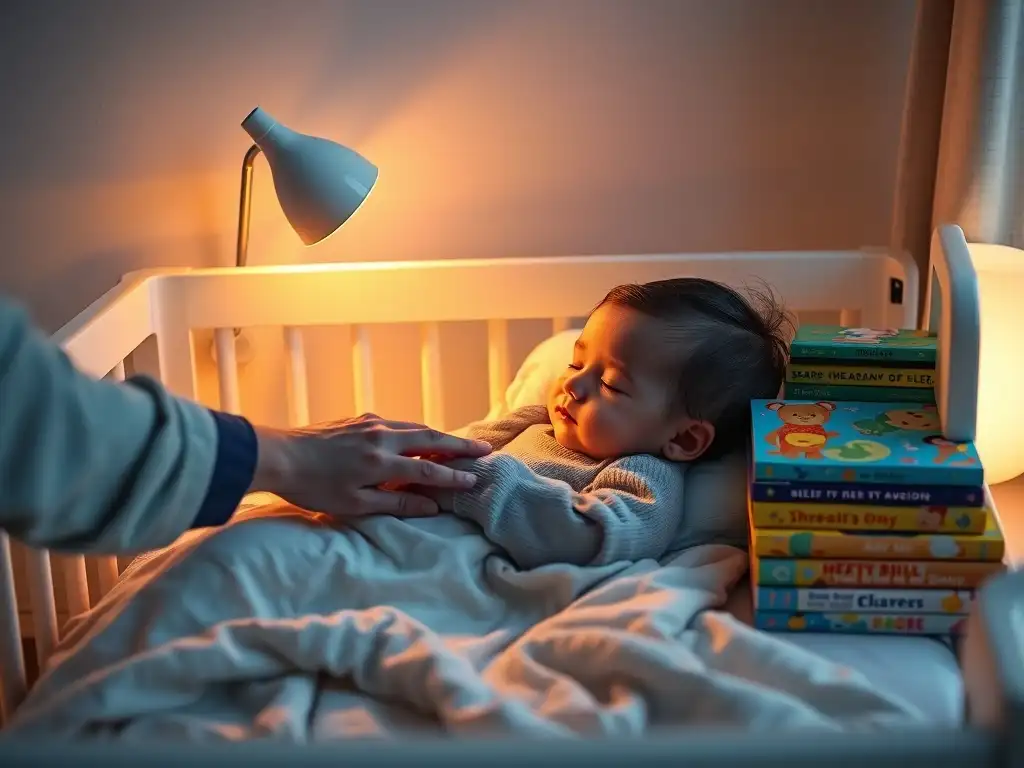
Bedtime stories can be a valuable tool in soothing your baby during sleep regression, but they are only one piece of the puzzle. Successfully navigating this challenging phase requires a multifaceted approach. This section explores additional strategies to support your little one and help them (and you!) get back to a more restful sleep schedule.
Remember, consistency and patience are key during this period. Many parents find that sleep regression resolves itself within a few weeks, but implementing these helpful tips can significantly ease the transition. The key is to understand that your baby's sleep patterns are changing, and adapting your approach accordingly is crucial for managing baby sleep regression bedtime stories effectively.
Establishing a Consistent Bedtime Routine
A predictable bedtime routine is incredibly important, especially during sleep regression. This routine signals to your baby that it's time to wind down and prepare for sleep. The routine should be calming and consistent, performed in the same order each night. Consider incorporating elements like a warm bath, a gentle massage, putting on pajamas, singing lullabies, or reading a bedtime story (naturally! ).
The length of the routine can be adjusted based on your baby's age and temperament. For newborns and very young infants, a shorter, simpler routine may suffice, while older babies might benefit from a slightly longer sequence of calming activities. Aim for a routine that takes about 30-45 minutes. Avoid stimulating activities like screen time immediately before bedtime.
Here's a sample routine for a 6-month-old:
| Time | Activity | Notes |
|---|---|---|
| 7:00 PM | Warm bath | Use calming, lavender-scented bath products |
| 7:30 PM | Pajamas & massage | Gentle massage promotes relaxation |
| 7:45 PM | Quiet playtime/book reading | Limit stimulation; choose calming books |
| 8:00 PM | Bedtime story & lullaby | Maintain a consistent bedtime story routine |
| 8:15 PM | Baby placed in crib | Ensure the room is dark and quiet |
Remember to adjust this based on your baby's individual needs and preferences. The goal is to create a predictable and relaxing experience that signals the end of the day and the start of sleep.
Creating a Comfortable and Safe Sleep Environment
The environment where your baby sleeps plays a significant role in their sleep quality. A dark, quiet, and cool room is ideal. Consider using blackout curtains or blinds to block out external light and a white noise machine to mask disruptive sounds. The room temperature should be comfortable – neither too hot nor too cold. Aim for a temperature between 68-72°F (20-22°C).
Ensure the crib or bassinet is safe and free of any potential hazards. The mattress should fit snugly, and there should be no loose bedding or toys that could pose a choking hazard. Always place your baby on their back to sleep, and follow safe sleep guidelines.
A comfortable sleep surface is also essential. Choose a firm mattress and ensure the bedding is breathable and appropriate for your baby's age. Avoid using overly soft or fluffy materials that could increase the risk of suffocation. Regularly check the mattress and bedding for any wear and tear.
Addressing Underlying Issues Contributing to Sleep Disruption
Sleep regression isn't always just a developmental leap; sometimes, underlying issues can contribute to disrupted sleep. Consider these possibilities:
- Teething: The discomfort of teething can significantly impact a baby's sleep. Providing appropriate teething relief, such as cool teething rings or pain relief medication (as advised by your pediatrician), can help.
- Illness: If your baby is unwell, their sleep will likely be affected. Address any underlying illness with appropriate medical attention.
- Dietary Changes: Introducing new foods or changing feeding patterns can sometimes disrupt sleep. Observe any potential connections between dietary changes and sleep disturbances.
- Developmental Leaps: While sleep regression is often associated with developmental leaps, it's vital to rule out other contributing factors. If you suspect an underlying issue, consult your pediatrician for guidance and support. They can help determine if there are other factors impacting your baby's sleep and recommend appropriate interventions. Remember, a healthy and well-cared-for baby is more likely to sleep soundly. 😴
When to Seek Professional Help for Persistent Sleep Regression
Sleep regression in babies is a common phase, often characterized by disrupted sleep patterns and increased nighttime wakings. While many instances resolve on their own with consistent routines and parental patience, some situations warrant professional intervention. Understanding when to seek help is crucial for ensuring your baby's well-being and your own mental health. Prolonged sleep disturbances can impact not only your baby's development but also the entire family's quality of life.
This section will outline key indicators suggesting the need for professional guidance in managing baby sleep regression. Remember, seeking help isn't a sign of failure; it's a proactive step towards a more peaceful and restful environment for everyone. Early intervention can often lead to quicker resolution and prevent the escalation of sleep problems.
Recognizing Signs That Indicate a Need for Professional Assistance
Persistent sleep regression that extends beyond a few weeks and significantly disrupts your baby's daily functioning and your family's routine should be a cause for concern. Several factors can indicate the need for professional help. These include:
- Extreme fussiness and inconsolability: While some nighttime crying is normal, persistent inconsolability that defies typical soothing techniques may suggest an underlying issue. This could be related to medical conditions, developmental delays, or other factors beyond the scope of typical sleep regression.
- Failure to respond to established sleep routines: If your previously effective bedtime routine, including the use of bedtime stories, no longer seems to work, and your baby is consistently resisting sleep, it's time to seek expert advice.
- Significant developmental delays: Sleep disturbances can sometimes be linked to underlying developmental issues. If you notice significant delays in your baby's milestones, alongside persistent sleep regression, professional evaluation is recommended.
- Parental burnout and exhaustion: Sleep deprivation significantly impacts parental well-being. If you're experiencing extreme exhaustion and are struggling to cope with your baby's sleep issues, seeking support is vital to prevent burnout and maintain your own mental and physical health.
- Medical concerns: Underlying medical conditions can often manifest as sleep problems. If your baby exhibits other symptoms such as fever, unexplained weight loss, or persistent irritability, a medical evaluation is crucial. This is especially true if bedtime stories or other calming techniques offer no relief.
The information provided here is for guidance only and should not substitute professional medical advice. Always consult with your pediatrician or a qualified sleep consultant for a personalized assessment and tailored recommendations.
Finding Resources and Support for Sleep Regression Challenges
Navigating sleep regression can be challenging, but you're not alone. Many resources are available to help you and your baby through this phase. These resources can provide invaluable support and guidance, offering practical strategies and emotional support. Here are some avenues to explore:
- Pediatrician: Your pediatrician is your first point of contact for any concerns regarding your baby's health, including sleep. They can rule out any underlying medical conditions and provide general advice.
- Certified Sleep Consultants: These professionals specialize in infant and child sleep and can offer personalized strategies tailored to your baby's specific needs and your family's routines. They often use evidence-based methods to address sleep challenges effectively.
- Online Support Groups: Connecting with other parents facing similar challenges can provide emotional support and practical tips. Online forums and support groups offer a sense of community and shared experience.
- Books and Articles: Numerous resources, including books and articles focused on baby sleep, offer valuable information and guidance. However, remember to critically evaluate the source's credibility and ensure the advice aligns with current best practices.
Remember, seeking help is a sign of strength, not weakness. Prioritizing your family's well-being and proactively addressing sleep challenges ensures a healthier and more harmonious environment for everyone. The use of bedtime stories, while helpful, should be considered part of a broader sleep management strategy, and professional guidance can significantly enhance its effectiveness.
Frequently Asked Questions
What is a sleep regression?
A sleep regression is a period where your baby, after establishing a good sleep pattern, suddenly starts sleeping worse. This is often characterized by frequent night wakings and changes in sleep duration. It's a normal developmental phase.
When do sleep regressions typically occur?
Sleep regressions commonly happen around 4 months, 8 months, and 18 months. These periods are marked by developmental leaps and changes in your baby's sleep cycle. However, other regressions can occur too.
How can bedtime stories help during sleep regression?
Bedtime stories create a calming and predictable routine, signaling to your baby it's time to sleep. The soothing voice and familiar story can help relax your little one and promote better sleep.
What kind of bedtime stories are best for sleep regressions?
Choose short, repetitive stories with calming tones and familiar characters. Avoid exciting or stimulating stories close to bedtime. Consider stories focused on sleep or quiet activities.
Are bedtime stories a guaranteed solution to sleep regression?
While bedtime stories can be a helpful tool, they are not a magic cure. Sleep regressions are a normal part of development and often resolve themselves. Combine stories with a consistent bedtime routine for best results.
Final Reflection: Weaving Narratives into Peaceful Slumber
The tumultuous world of baby sleep regressions is a universal experience, yet the power of a simple bedtime story to navigate these choppy waters remains often underestimated. These periods of disrupted sleep, characterized by sudden changes in sleep patterns, can leave parents feeling exhausted and frustrated. This article has explored the science behind sleep regressions and how the carefully chosen bedtime story can become a powerful tool in soothing anxieties and establishing a consistent, comforting bedtime routine.
The impact of storytelling on childhood development is profound, extending far beyond the immediate benefit of a peaceful night's sleep. It fosters a connection between parent and child, creating a sacred space for shared intimacy and emotional bonding. These moments, woven into the fabric of daily life, lay the foundation for a child's emotional intelligence and cognitive development. Once upon a time, there was a little star who was afraid of the dark... but with the help of a kind moon, they learned to love the night.
This simple narrative encapsulates the power of storytelling to address anxieties and offer comfort, mirroring the very real anxieties a child might experience during a sleep regression.
Now, consider your own bedtime rituals. What stories did you cherish as a child? How did they shape your understanding of the world and your own sense of self? Take a moment to reflect on the power of narrative and its potential to soothe, comfort, and connect. As you navigate the challenges of parenthood, remember the simple, yet profound, impact of a shared bedtime story. Embrace the opportunity to weave a tapestry of comforting narratives into your child's life, fostering a love of stories and creating a lasting legacy of peaceful nights and cherished memories.
Unlock Peaceful Nights: Your Next Steps to Better Sleep
Thanks for joining us on this journey to understand sleep regressions and the power of bedtime stories! We hope you gained valuable insights to help your child (and you!) sleep soundly. Now it's time to put that knowledge into action.
- Craft a captivating bedtime story: Instead of relying on familiar tales, try creating a personalized story featuring your child as the hero. This adds a unique connection and excitement to their bedtime routine. For example, you could weave their favorite toys or recent adventures into the narrative.
- Experiment with different story styles: Explore various tones and themes – from adventurous quests to calming nature scenes – to find what best soothes your child before bed. Observe their reactions to see which types of stories work best. You might find that a quiet, nature-themed story works better than a fast-paced adventure before bed.
- Share your bedtime story success (or challenges!): Join the conversation in the comments below. Let’s build a supportive community where we can share tips, tricks, and encourage each other on this sleep journey.
What creative element will you add to your next bedtime story to create a truly magical experience for your child?