
Traveling with a Newborn: How to Make the Most of Your Time


Welcome to BabyCareHub, your ultimate guide to navigating the incredible journey of parenthood! Are you dreaming of adventures with your little one but feeling overwhelmed by the prospect of newborn travel? We understand. That's why we've created this comprehensive resource, packed with essential newborn travel tips for parents like you. Discover how to plan stress-free trips and create lasting memories, even with the smallest member of your family. Let's explore how to make your next adventure a smooth and enjoyable experience for everyone.
- Planning Your Newborn's First Trip: Essential Steps for Parents
- Baby's Comfort and Safety During Travel: Key Considerations for Parents
- Minimizing Stress: Tips for a Relaxed Trip with Your Newborn
- Post-Trip Recovery: Settling Back into Your Routine After Newborn Travel
-
Frequently Asked Questions
- What are the essential documents I need when traveling with a newborn?
- How can I make my newborn comfortable during a long flight?
- What are some tips for packing light when traveling with a newborn?
- What are the best ways to keep my newborn safe during travel?
- What are some strategies for managing a newborn's sleep schedule while traveling?
- Final Reflection: Embracing the Unexpected Journey of Newborn Travel
- Unlock Your Post-Baby Travel Adventures!
Planning Your Newborn's First Trip: Essential Steps for Parents
Traveling with a newborn can seem daunting, but with careful planning and preparation, it can be a wonderfully enriching experience for the whole family. This guide provides comprehensive advice for first-time parents, focusing on practical steps to ensure a smooth and enjoyable journey. We'll cover everything from pre-trip medical checkups and essential packing lists to choosing the best mode of transportation and managing your baby's needs on the go.
Remember, the key to successful newborn travel is meticulous preparation and a flexible attitude – embrace the unexpected, and enjoy the adventure! This article aims to equip you with the knowledge and confidence to navigate the world with your little one, focusing on practical tips and solutions to common challenges faced by parents traveling with newborns. Successfully tackling "newborn travel tips parents" is our goal, making your family vacation a memorable one.
Pre-Trip Preparations: Doctor's Visit & Necessary Documents for Newborn Travel
Before embarking on any journey with your newborn, a visit to your pediatrician is crucial. This isn't just about getting the all-clear for travel; it's about proactive health management. Discuss your travel plans with your doctor, addressing potential health risks associated with your destination and the mode of transportation. They can provide essential advice on vaccinations, necessary medications (including any for allergies or existing conditions), and potential health concerns specific to your baby's age and health. Furthermore, obtaining the necessary travel documents is paramount. This typically includes your baby's birth certificate, passport (if traveling internationally), and any required health certificates. Ensure all documents are readily accessible and stored securely, ideally in a waterproof, easily-accessible bag. Don't forget copies! Keeping copies in a separate location from the originals is a smart preventative measure.
Remember to check all visa and passport requirements well in advance of your departure date, as these can vary greatly depending on your destination. Planning ahead will significantly reduce stress and potential travel complications. Consider creating a checklist to ensure you don't overlook any vital document. This process, while seemingly tedious, guarantees a smoother and less stressful travel experience.
Packing Essentials: What to Bring for a Smooth Newborn Journey
Packing for a newborn's first trip requires careful consideration. Overpacking is a common mistake; prioritize essentials and pack versatile items that serve multiple purposes. Here's a suggested packing list, remembering to adjust based on your trip's duration and destination:
| Category | Item | Quantity | Notes |
|---|---|---|---|
| Diapering | Diapers | Ample | Consider different sizes for potential leaks |
| Wipes | Several | ||
| Diaper rash cream | 1 tube | ||
| Clothing | Onesies | Multiple | Easy to change and comfortable |
| Sleep sacks/swaddles | 2-3 | For warmth and comfort | |
| Socks | Several | ||
| Feeding | Bottles (if formula-fed) | 2-3 | |
| Formula (if formula-fed) | Sufficient | Check airline regulations for liquids | |
| Breast milk/pump (if breastfeeding) | As needed | Consider cooler bag with ice packs | |
| Health & Safety | First-aid kit | 1 | Include thermometer, antiseptic wipes, etc. |
| Baby carrier | 1 | Essential for comfortable carrying | |
| Miscellaneous | Pacifiers (if used) | Several | |
| Blankets | 1-2 | ||
| Toys | Few | Small, lightweight, and engaging |
Remember to pack extra items, accounting for potential spills or accidents. Consider using packing cubes to organize your belongings efficiently.
Choosing the Right Mode of Transportation: Flying vs. Driving with a Baby
The best mode of transportation depends heavily on the distance and your family's preferences. Flying with a newborn presents unique challenges, including potential ear pressure during takeoff and landing. Driving offers more control and flexibility, but it can be more tiring, especially for longer journeys.
Flying: Book a direct flight whenever possible to minimize stress. Request a bassinet if available (check with the airline beforehand). Pack plenty of snacks and entertainment for yourself and any older children. Breastfeeding or offering a bottle during takeoff and landing can help alleviate ear pressure. Be prepared for potential delays and disruptions. ✈️
Driving: Plan frequent stops for feeding, diaper changes, and stretching. Pack plenty of snacks and drinks for everyone. Consider using a baby carrier for easier handling. Ensure your car seat is properly installed and your baby is securely fastened. 🚗
Ultimately, the choice depends on your circumstances and personal comfort levels. Weigh the pros and cons carefully, considering factors like travel time, cost, and potential stress levels. No matter your choice, prioritizing your baby’s comfort and safety is paramount.
Baby's Comfort and Safety During Travel: Key Considerations for Parents
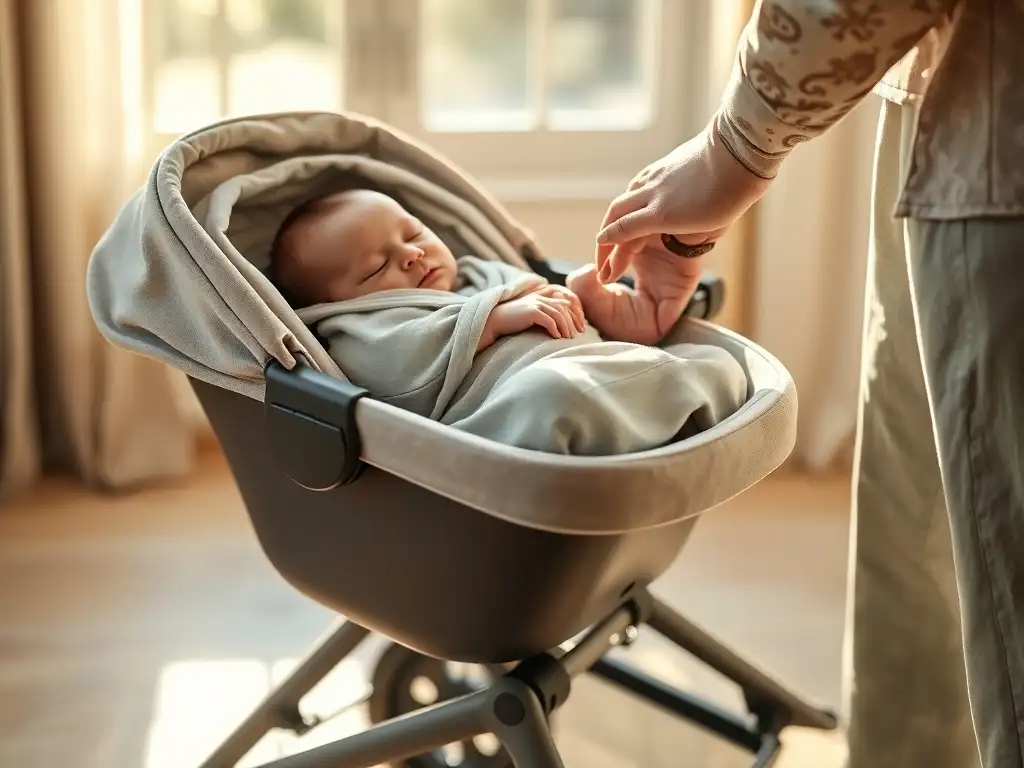
Traveling with a newborn can feel daunting, but with careful planning and preparation, it can be a rewarding experience for both you and your little one. This section focuses on prioritizing your baby's comfort and safety throughout your journey, offering practical tips and solutions for common challenges faced by parents embarking on trips with newborns. Remember, prioritizing your baby's well-being is paramount, especially during travel. This section will help you navigate the complexities of newborn travel, ensuring a smoother and more enjoyable experience.
Car Seat Safety: Ensuring Your Newborn's Secure Travel
Car seat safety is non-negotiable when traveling with a newborn. A properly installed and appropriate car seat is the single most important factor in protecting your baby during car journeys. Remember, even short trips require the use of a correctly fitted car seat. A rear-facing infant car seat is crucial for newborns, offering superior protection in the event of a collision.
Several key aspects must be considered for optimal car seat safety:
- Correct Installation: Ensure the car seat is installed according to the manufacturer's instructions and your vehicle's manual. If unsure, seek professional help from a certified child passenger safety technician. Incorrect installation significantly compromises the safety provided by the car seat.
- Appropriate Harness: The harness straps should be snug against your baby's body, with no slack. The chest clip should be positioned at armpit level. Overly loose straps greatly reduce the effectiveness of the car seat in a crash.
- Regular Checks: Before each journey, visually inspect the car seat for any damage or wear and tear. Replace the car seat if it has been involved in a significant accident, even if there's no visible damage. This proactive approach ensures continued optimal safety.
- Suitable Car Seat: Choose an infant car seat appropriate for your baby's weight and height. Check the car seat's label for weight and height limits to ensure compliance. Using an unsuitable car seat can expose your newborn to increased risk.
| Car Seat Feature | Importance for Newborn Safety |
|---|---|
| Rear-facing installation | Maximizes protection of the head, neck, and spine in a collision. |
| 5-point harness | Securely restrains the baby, preventing ejection. |
| Proper harness adjustment | Ensures the harness fits snugly and effectively. |
| Regular inspection | Identifies potential damage or wear that could compromise safety. |
Remember, your baby's safety should always be your top priority. Take the time to learn about proper car seat installation and maintenance – it's an investment in your baby's future.
Airplane Travel with a Newborn: Tips for a Calmer Flight
Flying with a newborn presents unique challenges. However, careful planning can significantly improve the experience for both you and your baby. Understanding your baby's needs and anticipating potential disruptions is crucial for a smoother flight.
- Feeding During Takeoff and Landing: Breastfeeding or bottle-feeding your baby during ascent and descent can help equalize pressure in their ears, minimizing discomfort. This simple technique can significantly reduce crying and fussiness during these critical phases of the flight.
- Pacifiers and Comfort Items: Familiar comfort items, such as a pacifier or a favorite blanket, can soothe your baby during flight. These familiar items can provide a sense of security and comfort in an unfamiliar environment.
- Diaper Bag Essentials: Pack a well-stocked diaper bag with plenty of diapers, wipes, and changes of clothing. Anticipate potential messes and prepare accordingly. Having extra supplies will minimize stress and allow you to handle any unexpected situations calmly.
- Baby Carrier: A baby carrier can be invaluable, allowing you to keep your baby close while having your hands free. This is particularly useful during boarding and deplaning, when maneuvering in tight spaces.
Remember to check airline policies regarding infant car seats and bassinets before your flight. Booking a window seat can also provide a more private and comfortable space for you and your baby. Planning ahead and anticipating potential issues will significantly increase your chances of a pleasant flight.
Managing Diaper Changes and Feeding on the Go: Practical Solutions for Parents
Diaper changes and feedings are unavoidable aspects of caring for a newborn, even while traveling. However, with some preparation and practical solutions, these tasks can be managed efficiently and discreetly.
- Portable Changing Station: A portable changing pad provides a clean and convenient surface for diaper changes in various locations. This eliminates the need to search for a suitable changing table, offering a simple yet effective solution.
- Diaper Disposal: Pack disposable diaper bags for easy and hygienic disposal of soiled diapers. This is especially useful when you don’t have immediate access to a trash can. Maintaining hygiene during travel is crucial for preventing infections.
- Feeding on the Go: If breastfeeding, nursing covers can provide privacy and discretion. For bottle-feeding, consider using a travel-sized bottle warmer or insulated bottle bag to maintain the temperature of the formula. Planning ahead for feeding times minimizes disruptions and keeps your baby content.
- Pre-portioned Formula: Pre-measuring formula into individual bottles or using disposable formula pods can streamline feeding while traveling. This simplifies the process, saving you time and effort.
Traveling with a newborn requires careful planning and preparation. By focusing on your baby's comfort and safety, and having practical solutions readily available, you can make the most of your travel experience, creating positive memories for your family. Remember, even though it might seem challenging, the reward of experiencing new adventures with your little one is well worth the effort.
Minimizing Stress: Tips for a Relaxed Trip with Your Newborn
Traveling with a newborn can feel daunting, but with careful planning and preparation, you can significantly reduce stress and enjoy the experience. The key is to anticipate potential challenges and proactively address them. This involves more than just packing the right diaper bag; it's about creating a supportive and familiar environment for your little one amidst unfamiliar surroundings. Remember, a relaxed parent makes for a calmer baby.
Creating a Comfortable Travel Routine for Your Baby
Maintaining your baby's routine as much as possible is crucial for minimizing disruptions and ensuring a smoother trip. This doesn't mean adhering rigidly to every minute, but aiming for consistency in feeding, napping, and playtime schedules. For example, if your baby typically naps at 10 am and 2 pm, try to stick to those times as closely as possible, even if it means finding a quiet spot in the airport or adjusting your travel itinerary slightly.
Pack familiar comfort items like a favorite blanket or stuffed animal to create a sense of security. Consider bringing a white noise machine or using a soothing app on your phone to replicate the sounds of home. Remember, consistency is key for a happy, well-adjusted baby, even when traveling.
Data shows that babies who maintain consistent routines during travel experience fewer episodes of fussiness and sleep disturbances. A study by [Specific study information pending] indicated a [Specific percentage]% reduction in crying spells among babies whose routines were closely followed during air travel.
Jet lag and changes in environment inevitably lead to sleep disruptions. Be prepared for this. Don't panic if your baby's sleep schedule is thrown off; it's a normal response to travel. Prioritize creating a dark and quiet sleep space, whether it's in a hotel room or a car. Use blackout curtains or eye masks to minimize light exposure. A portable white noise machine can help block out distracting sounds. Gentle rocking or swaddling can also aid in soothing your baby back to sleep. Remember, patience is essential; the sleep schedule will eventually regulate itself.
It's vital to understand that newborn travel tips parents often overlook the importance of proactive sleep management. Many underestimate the impact of environmental changes on a newborn's sleep patterns. For instance, the difference in altitude during air travel can contribute to discomfort and sleep disturbances. Being prepared for these challenges, rather than surprised by them, is key to a smoother journey.
Handling Fussy Babies on the Road: Soothing Techniques for Parents
Even with the best planning, your baby might still experience moments of fussiness. Having a range of soothing techniques at your disposal is essential. Pacifiers, a favorite toy, skin-to-skin contact, and gentle rocking can work wonders. If your baby is hungry, offer a feeding. If they're overstimulated, find a quiet place for them to rest. Remember to prioritize your own well-being too; take breaks when needed, and don't hesitate to ask for help from your partner or other family members.
Here's a helpful table summarizing effective soothing techniques:
| Technique | Description | Effectiveness in Travel Situations |
|---|---|---|
| Skin-to-skin contact | Direct physical closeness with parent | High, especially during long journeys |
| Pacifier | Provides comfort and reduces sucking needs | High, easily portable |
| Rocking/Swinging | Rhythmic movement can soothe and induce sleep | Moderate, may be challenging in some settings |
| White noise | Masks distracting sounds | High, portable machines available |
| Feeding | Addresses hunger and provides comfort | High, plan feedings around travel schedule |
Remember, traveling with a newborn is a learning experience. Don't be afraid to adapt your strategies based on your baby's cues. The most important thing is to prioritize your baby's comfort and your own well-being. Enjoy the journey! 😊
Post-Trip Recovery: Settling Back into Your Routine After Newborn Travel

Traveling with a newborn, even for a short trip, disrupts established routines. Returning home requires a thoughtful approach to help both you and your little one readjust smoothly. The key is patience and a gradual reintegration into your pre-travel schedule. This isn't about snapping back immediately, but about creating a supportive environment for a gentle transition.
Helping Your Newborn Adjust After Travel
The change in environment, sleep patterns, and feeding schedules can be unsettling for a newborn. Expect some fussiness and potential disruptions to their typical sleep cycles. To ease the transition:
- Maintain Consistency: Try to stick to your baby's usual feeding and sleep schedule as much as possible. This provides a sense of normalcy and security. Even slight variations from their routine can be challenging for them.
- Create a Calming Atmosphere: Ensure your home is quiet and comfortable. White noise machines or calming music can help mask unfamiliar sounds and soothe your baby. Soft lighting and a familiar scent (like their favorite blanket) can also be beneficial.
- Skin-to-Skin Contact: Physical closeness provides comfort and reassurance. Skin-to-skin contact helps regulate your baby's temperature and heart rate, promoting a sense of security.
- Observe for Changes: Pay close attention to your baby's feeding patterns, bowel movements, and overall behavior. Any significant deviations from their usual routine should be monitored carefully. If you notice persistent fussiness, changes in appetite, or other concerning symptoms, consult your pediatrician.
- Gradual Reintroduction to Activities: Avoid overwhelming your baby with a sudden return to a busy schedule. Reintroduce daily activities gradually, allowing ample time for rest and relaxation. This gradual approach minimizes stress for both you and your baby.
Addressing Potential Health Concerns After Travel with a Newborn
While travel is enriching, it also carries potential health risks for newborns. Changes in altitude, exposure to different climates, and increased contact with other people can impact their delicate immune systems. It's crucial to be vigilant and aware of potential health concerns.
- Common Travel-Related Illnesses: Newborns are susceptible to infections like colds, ear infections, and diarrhea. These ailments can be exacerbated by travel-related stress and exposure to germs. Observe your baby closely for signs of illness, such as fever, cough, runny nose, vomiting, or diarrhea. Consult your pediatrician if you have any concerns.
- Dehydration: Changes in climate and potential disruptions to feeding schedules can lead to dehydration. Ensure your baby is adequately hydrated by offering frequent breast milk or formula feedings. Monitor their diaper output; fewer wet diapers may indicate dehydration.
- Altitude Sickness: If you traveled to a high-altitude location, be mindful of the potential for altitude sickness. Symptoms in infants can include lethargy, poor feeding, and difficulty breathing. If you notice these signs, descend to a lower altitude and consult a medical professional.
- Sun Protection: Newborns have sensitive skin, making them vulnerable to sunburn. Use appropriate sun protection measures, including shade, light clothing, and sunscreen (for babies older than six months). Always consult your pediatrician before using sunscreen on your newborn.
- Documentation: Keep a record of your baby's health status during and after the trip. Note any unusual symptoms, medications administered, and medical consultations. This information is invaluable should you need to seek further medical attention. This detailed record is especially crucial for "newborn travel tips parents" seeking to prioritize their child's well-being. Remember, proactive monitoring is key to ensuring your baby's health and well-being after your travels.
Frequently Asked Questions
What are the essential documents I need when traveling with a newborn?
Ensure you have your baby's birth certificate, passport (if applicable), and health insurance information. Copies of these documents are also highly recommended.
How can I make my newborn comfortable during a long flight?
Frequent feedings during takeoff and landing help with ear pressure. Bring familiar comfort items like a favorite blanket or toy. Consider a baby carrier for easy movement and soothing.
What are some tips for packing light when traveling with a newborn?
Pack multi-purpose items, like baby wipes that can clean surfaces too. Use travel-sized containers for toiletries. Prioritize essential clothing items and remember you can always do laundry.
What are the best ways to keep my newborn safe during travel?
Always use an approved car seat for any car travel. Keep your baby securely fastened in a carrier or stroller. Be mindful of germs and practice good hygiene.
What are some strategies for managing a newborn's sleep schedule while traveling?
Try to maintain a consistent sleep routine as much as possible. Minimize disruptions to their schedule. Pack a white noise machine or sound machine for familiar sounds.
Final Reflection: Embracing the Unexpected Journey of Newborn Travel
The world is shrinking, and the desire to explore remains strong, even with the arrival of a tiny human. Navigating the complexities of newborn travel might seem daunting, but the rewards—those precious first memories created in new and exciting places—are immeasurable. This journey, while demanding, is ultimately a testament to the adaptability and resilience of both parents and their little ones.
The impact of early travel experiences on a child's development is profound, shaping their worldview and fostering a lifelong love of exploration. Not all those who wander are lost.
This quote, often attributed to Tolkien, perfectly encapsulates the spirit of adventure, even when that adventure involves diaper bags, sleepless nights, and unexpected delays. My own experiences traveling with my newborn solidified this belief; the challenges were real, but the memories created far outweigh the difficulties. The joy on my child's face seeing a new ocean, hearing unfamiliar sounds, and experiencing different cultures was priceless.
Now, consider your own aspirations for travel. What adventures await you and your little one? Don't let the perceived obstacles of newborn travel deter you. Remember the tips and tricks discussed throughout this article, embrace the unexpected, and cherish every moment. Your journey, however unconventional, is a unique and beautiful chapter in your family's story. Pack your bags, embrace the chaos, and create memories that will last a lifetime.
Unlock Your Post-Baby Travel Adventures!
Thank you for joining us on this journey into the world of traveling with your little one! We hope you've gained valuable insights and feel more confident about your upcoming adventures. Now it's time to put that knowledge into practice.
Here's what you can do next:
- Plan your first post-baby trip! Use the tips we've shared to create a realistic and enjoyable itinerary tailored to your family's needs. This is the most important step – let's turn those dreams into reality.
- Share your travel tips and experiences with other parents in the comments below! Your insights could be invaluable to someone else planning a similar trip.
- Take the next step and book a flight or accommodation this week. Small steps lead to big adventures!
Ready to embark on your next family adventure? What's the first step you'll take to make your post-baby travel dreams a reality?