
Decoding Baby Eczema: Identifying Triggers and Finding Relief

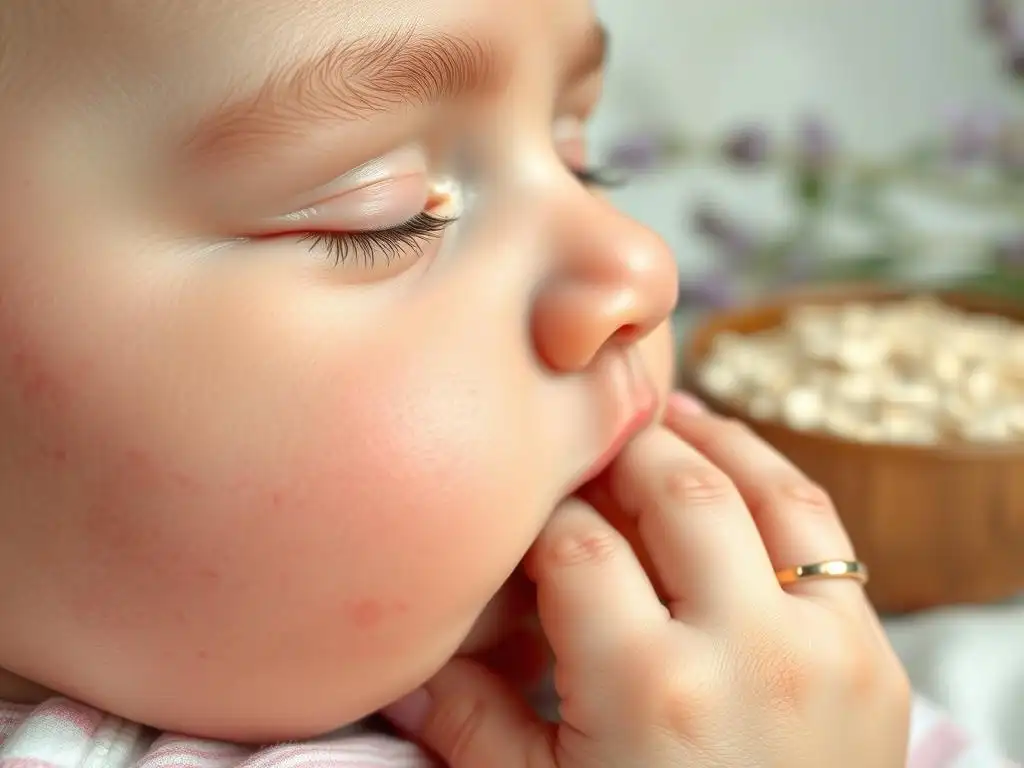
Welcome to BabyCareHub, your ultimate guide to navigating the incredible journey of parenthood! Are you facing the frustrating challenge of baby eczema? We understand the worry and sleepless nights it can bring. Discover effective home remedies and learn how to identify eczema triggers in our comprehensive guide, "Decoding Baby Eczema: Identifying Triggers and Finding Relief," a must-read for every new parent seeking natural solutions. Dive in and unlock the secrets to soothing your little one's delicate skin.
- Understanding Baby Eczema: Symptoms and Diagnosis
- Common Triggers for Baby Eczema: Identifying and Avoiding Irritants
-
Baby Eczema Treatment: Home Remedies and Natural Approaches
- Gentle Cleansing and Moisturizing for Baby Eczema: Product Recommendations
- Soothing Baby Eczema with Oatmeal Baths: A Step-by-Step Guide
- The Role of Diet in Managing Baby Eczema: Nutrition Tips for Parents
- Herbal Remedies and Essential Oils for Baby Eczema: Cautions and Considerations
- Baby Eczema Treatment Home Remedies: Practical Tips for Daily Care
- Medical Treatments for Baby Eczema: When Home Remedies Aren't Enough
- Preventing Future Eczema Flare-ups: Long-Term Strategies
- Supporting Your Baby Through Eczema: Emotional Well-being
- Frequently Asked Questions
- Final Reflection: A Gentle Path to Healing: Understanding and Managing Baby Eczema
- Unlock Your Baby's Eczema Relief Journey
Understanding Baby Eczema: Symptoms and Diagnosis
Baby eczema, also known as atopic dermatitis, is a common inflammatory skin condition affecting many infants. It's characterized by itchy, dry, and inflamed skin, often appearing as red patches, especially on the face, scalp, and creases of the elbows and knees. This article serves as a comprehensive guide for first-time parents navigating the challenges of baby eczema, focusing on identifying triggers, exploring effective home remedies, and understanding when professional medical intervention is necessary.
We'll delve into practical strategies for managing this condition and provide you with the knowledge to offer your little one the best possible care and relief. Successfully managing baby eczema involves a multifaceted approach, combining careful observation of symptoms, identification of potential triggers, and the implementation of appropriate treatment strategies, both at home and under the guidance of a pediatrician.
This guide will empower you to become a proactive participant in your baby's healthcare journey, helping you navigate the complexities of this common skin condition and provide your child with the comfort and care they deserve. Understanding the nuances of baby eczema is key to effectively managing it and ensuring your baby's well-being.
Recognizing the Signs of Baby Eczema: A Visual Guide
Baby eczema presents differently in various infants. While some babies experience mild dryness and occasional redness, others may have significantly inflamed skin with weeping sores. Common symptoms include:
- Dry, cracked skin: This is often the first sign, particularly on the cheeks, scalp, and limbs. The skin might feel rough and scaly to the touch.
- Red, inflamed patches: These patches can appear anywhere on the body but are frequently found on the face, scalp, elbows, knees, and diaper area. The intensity of redness can vary.
- Itching: Intense itching is a hallmark of eczema and can lead to scratching, which can worsen the condition and increase the risk of infection.
- Weeping sores: In more severe cases, the inflamed skin may weep clear fluid, making the area more vulnerable to infection.
- Thickened, leathery skin: Chronic eczema can lead to skin thickening, especially in areas that have been repeatedly scratched.
It's crucial to remember that there's a wide spectrum of eczema severity. Some babies might experience only mild symptoms, while others may require more intensive treatment. Keeping a detailed record of your baby's symptoms, including location, severity, and any potential triggers, can be invaluable for your pediatrician. A visual diary with photos can also be very helpful. Early identification and appropriate management are key to minimizing discomfort and preventing complications. 👶
When to See a Doctor: Distinguishing Eczema from Other Skin Conditions
While many parents can effectively manage mild eczema at home, it's essential to seek professional medical advice if:
- The rash is spreading rapidly or becoming increasingly severe.
- Your baby shows signs of infection, such as pus, increased swelling, or fever.
- Home remedies are not providing any relief after a reasonable period (e.g., a week).
- Your baby is experiencing intense itching and scratching that is disrupting their sleep or overall well-being.
- You are unsure whether the rash is eczema or another skin condition. Some conditions might mimic eczema, such as contact dermatitis (allergic reaction to a substance) or other infections.
A pediatrician can accurately diagnose eczema and rule out other potential causes. They can also recommend appropriate treatment options, including topical corticosteroids or other medications, if necessary. Don't hesitate to contact your healthcare provider if you have any concerns about your baby's skin condition. Early intervention is key to minimizing long-term complications. Delaying medical attention could potentially lead to more severe symptoms and secondary infections.
Diagnostic Methods for Baby Eczema: What to Expect from Your Pediatrician
Diagnosing baby eczema typically involves a thorough physical examination by a pediatrician. The doctor will examine your baby's skin, noting the location, appearance, and severity of the rash. They will also ask about your baby's medical history, family history of allergies or eczema, and any potential environmental triggers.
While there isn't a specific test for eczema, the pediatrician will rule out other conditions through visual assessment and possibly by taking a skin sample (biopsy) in rare cases to exclude other dermatological problems. The diagnostic process focuses on identifying the characteristic features of eczema, such as the location, appearance, and response to treatment. The pediatrician's expertise in assessing these features is crucial for accurate diagnosis and effective management.
Accurate diagnosis is essential for guiding the most effective treatment plan and ensuring your baby's comfort and well-being. Remember to keep detailed notes about your baby’s symptoms and any potential triggers to share with your pediatrician.
Common Triggers for Baby Eczema: Identifying and Avoiding Irritants
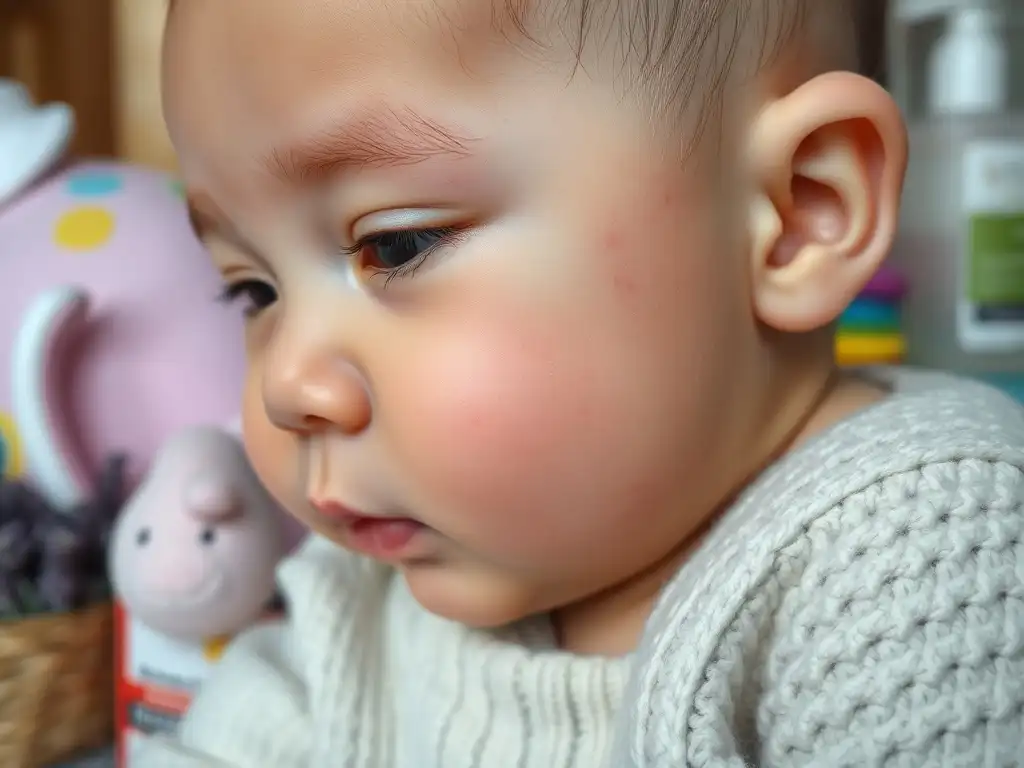
Understanding the root causes of your baby's eczema is crucial for effective management. While a cure doesn't exist, identifying and avoiding triggers can significantly reduce the frequency and severity of flare-ups. This section will delve into common culprits, empowering you to create a safer and more comfortable environment for your little one. Remember, consulting a pediatrician or dermatologist is vital for a personalized diagnosis and treatment plan. Effective management often involves a combination of strategies, including those discussed here and medical advice.
Food Allergies and Sensitivities as Eczema Triggers
Food allergies and sensitivities are frequently implicated in baby eczema. The most common culprits include cow's milk protein, eggs, soy, wheat, peanuts, and tree nuts. While not every baby with eczema has a food allergy, eliminating suspected allergens from the diet can sometimes dramatically improve symptoms. This process often involves an elimination diet, meticulously documenting food intake and observing changes in the baby's skin.
It's important to note that introducing potential allergens should be done carefully and under the guidance of a pediatrician or allergist. Introducing one allergen at a time and observing for reactions (such as rash, vomiting, diarrhea, or difficulty breathing) is a standard practice. Self-treating food allergies can be dangerous, so professional guidance is paramount.
A common misconception is that eliminating all potential allergens is necessary. This isn't always the case. The goal is to identify the specific allergens triggering your baby's eczema, not to restrict their diet unnecessarily. A detailed food diary, meticulously tracking both food consumed and eczema symptoms, can be invaluable in identifying problematic foods. This information is crucial for effective collaboration with healthcare professionals. Consider using a dedicated app to track this data; many apps are specifically designed to help with allergy tracking.
Environmental Factors Contributing to Baby Eczema: Allergens and Irritants
Beyond dietary factors, various environmental elements can exacerbate baby eczema. These environmental triggers can be difficult to pinpoint, but diligent observation can help identify patterns. Common irritants include:
- Dust mites: These microscopic creatures thrive in bedding, carpets, and upholstered furniture. Regular cleaning, using hypoallergenic bedding, and investing in a good air purifier can help minimize exposure.
- Pet dander: Cat and dog dander are potent allergens for many infants. While it might be difficult to completely remove pets from the home, regular cleaning and keeping pets out of the baby's room can help.
- Pollen: Seasonal pollen can trigger or worsen eczema. Keeping windows closed during high-pollen periods and using an air conditioner can significantly reduce exposure.
- Mold and mildew: These thrive in damp environments. Maintaining a clean and dry home is essential for minimizing exposure. Regularly cleaning bathrooms and checking for leaks is crucial.
- Smoke (cigarette, wood, etc.): Exposure to smoke, even secondhand smoke, can significantly irritate sensitive skin. Avoiding smoke-filled environments is critical.
Understanding these triggers and implementing appropriate preventative measures is a crucial part of managing baby eczema. Remember, consistent vigilance and a proactive approach are key to minimizing flare-ups.
Clothing and Fabrics: Impact on Eczema Flare-ups
The fabric of your baby's clothing can directly impact eczema severity. Certain fabrics can irritate sensitive skin, leading to flare-ups. Choosing the right clothing materials is therefore an essential aspect of managing baby eczema.
Here's a breakdown of suitable and unsuitable fabrics:
| Fabric Type | Suitability for Eczema-Prone Skin | Rationale |
|---|---|---|
| 100% Cotton | Excellent | Soft, breathable, and hypoallergenic. |
| Silk | Good | Soft and breathable, but can be expensive and requires delicate care. |
| Wool | Poor | Can be itchy and irritating for sensitive skin. |
| Synthetic Fabrics | Poor | Often retain heat and moisture, potentially worsening eczema. |
| Linen | Good | Breathable and absorbent, but can be a bit rough on sensitive skin initially. |
Avoid tight-fitting clothing, as this can rub against the skin and worsen irritation. Opt for loose, comfortable garments made from soft, breathable fabrics. Washing clothes in a fragrance-free detergent and thoroughly rinsing them is also crucial. Avoid fabric softeners, as these can contain chemicals that irritate sensitive skin. Finally, consider using hypoallergenic detergents specifically designed for sensitive skin. These steps, while seemingly small, can make a significant difference in managing your baby's eczema.
Skincare Products and Their Role in Eczema Development
Many skincare products marketed towards babies contain fragrances, dyes, and harsh chemicals that can significantly exacerbate baby eczema. These irritants can disrupt the skin's natural barrier, leading to inflammation and worsening symptoms. The delicate skin of a newborn is particularly susceptible to these irritants, making careful product selection crucial for eczema management. Choosing fragrance-free, hypoallergenic, and unscented products is paramount. Look for products specifically formulated for sensitive skin and those that contain soothing ingredients like colloidal oatmeal or shea butter.
Avoid products containing common irritants like parabens, sulfates, and phthalates. Always perform a patch test on a small area of skin before applying any new product to a larger area, especially if your baby has a history of eczema. This allows you to monitor for any adverse reactions before widespread application. Remember, even seemingly innocuous products can trigger flare-ups in susceptible infants. Reading labels carefully and opting for the simplest formulations is often the best approach.
Consider consulting with a pediatrician or dermatologist to determine which products are best suited for your baby’s specific needs and eczema severity. They can provide personalized recommendations based on your baby's individual skin condition and sensitivities. A well-informed choice of skincare products can significantly contribute to reducing eczema flare-ups and improving your baby's comfort. Regularly reviewing your baby's skincare routine and adjusting as needed is also a key aspect of managing eczema.
Baby Eczema Treatment: Home Remedies and Natural Approaches
Many parents seek natural and home-based solutions for managing their baby's eczema. While these remedies can offer relief and complement medical advice, it's crucial to remember that they are not a replacement for professional medical care. Always consult your pediatrician before starting any new treatment, especially for infants.
This section explores some commonly used home remedies for baby eczema, emphasizing gentle approaches and prioritizing your baby's comfort. Effective management often involves a multi-pronged approach, focusing on identifying and mitigating triggers alongside implementing soothing treatments. Remember that what works for one baby might not work for another, so patience and experimentation may be needed to find the best strategy for your little one.
Gentle Cleansing and Moisturizing for Baby Eczema: Product Recommendations
Gentle cleansing and consistent moisturizing are cornerstones of baby eczema treatment. Harsh soaps and detergents can strip the skin of its natural oils, exacerbating dryness and inflammation. Opt for fragrance-free, hypoallergenic cleansers specifically designed for sensitive baby skin. Look for products labeled as "free and clear" or "hypoallergenic."
Here's a table summarizing some key product characteristics to consider when choosing cleansers and moisturizers for your baby:
| Product Type | Key Characteristics | Potential Benefits | Considerations |
|---|---|---|---|
| Cleanser | Fragrance-free, hypoallergenic, pH-balanced | Minimizes irritation, prevents further dryness | Avoid products with dyes or harsh chemicals |
| Moisturizer | Fragrance-free, hypoallergenic, thick consistency | Creates a protective barrier, locks in moisture | Look for ingredients like ceramides, shea butter, or colloidal oatmeal |
| Baby Washcloths | Soft, 100% cotton | Gentle on sensitive skin | Avoid rough materials that can cause further irritation |
Remember to apply moisturizer immediately after bathing while the skin is still damp to trap in hydration. The frequency of moisturizing will depend on your baby's skin's dryness; some babies may need it several times a day.
Soothing Baby Eczema with Oatmeal Baths: A Step-by-Step Guide
Oatmeal baths are a popular home remedy for soothing baby eczema. Colloidal oatmeal, finely ground oatmeal, has anti-inflammatory and moisturizing properties that can help calm irritated skin. However, always ensure the oatmeal is finely ground to prevent any scratching or irritation.
Here's a step-by-step guide:
- Prepare the Bath: Fill your baby's tub with lukewarm water – never hot!
- Add Oatmeal: Add 1-2 cups of colloidal oatmeal (available at most pharmacies) to the water. Stir until it dissolves. Alternatively, you can make your own by blending regular oatmeal into a fine powder.
- Bath Time: Gently bathe your baby for 10-15 minutes. Avoid using soap during this bath.
- Rinse and Moisturize: Rinse your baby thoroughly and gently pat their skin dry with a soft towel. Immediately apply a fragrance-free moisturizer.
- Frequency: Oatmeal baths can be given 2-3 times a week, or as needed.
It's important to monitor your baby's reaction. If the eczema worsens or shows no improvement after several baths, discontinue use and consult your pediatrician. 🛀
The Role of Diet in Managing Baby Eczema: Nutrition Tips for Parents
While the exact link between diet and baby eczema is still being researched, some studies suggest that certain foods may trigger or worsen symptoms in susceptible infants. This is particularly true for breastfed babies, as the mother's diet can influence the baby's exposure to potential allergens. For formula-fed babies, the type of formula may play a role.
For breastfeeding mothers, consider eliminating common allergens from your diet, such as dairy, eggs, soy, peanuts, wheat, and fish, one at a time and monitoring your baby's skin for any improvements. Keep a detailed food diary to track your intake and your baby's reactions. 🍎 Remember to consult with a registered dietitian or your doctor before making significant dietary changes, to ensure you and your baby are getting adequate nutrition. For formula-fed babies, discuss potential formula changes with your pediatrician.
They may recommend a hypoallergenic formula if needed. This process requires patience and close observation. It's unlikely that eliminating one food will instantly clear up eczema, but consistent monitoring over time may reveal patterns and potential triggers.
Herbal Remedies and Essential Oils for Baby Eczema: Cautions and Considerations
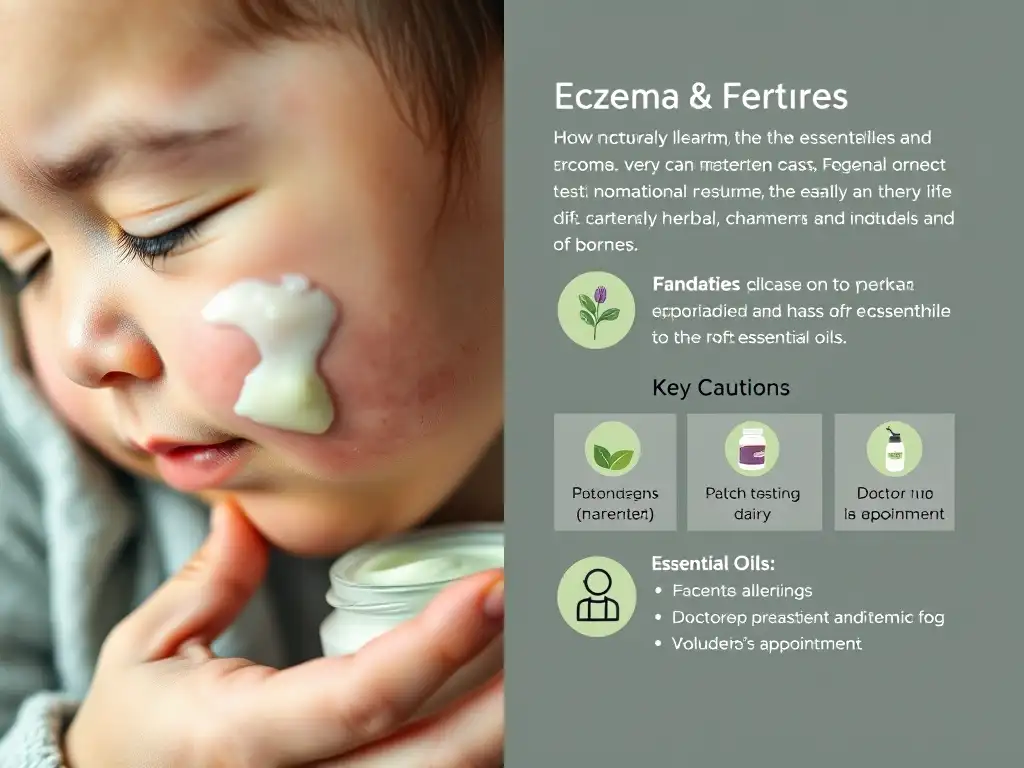
The use of herbal remedies and essential oils for baby eczema is a popular topic, but it's crucial to proceed with extreme caution. Many herbal remedies and essential oils lack rigorous scientific backing for their efficacy in treating eczema, and some can even be harmful to infants. Always consult your pediatrician or a qualified healthcare professional before using any herbal remedy or essential oil on your baby's skin. They can assess your baby's specific condition and advise on safe and appropriate treatments.
Some commonly mentioned herbal remedies include chamomile and calendula, often touted for their soothing properties. However, even these seemingly gentle options can cause allergic reactions in sensitive babies. A patch test on a small area of skin before widespread application is essential. Start with a very diluted solution and observe your baby closely for any signs of irritation, such as redness, swelling, or rash. If any adverse reaction occurs, discontinue use immediately.
Essential oils, while fragrant and potentially beneficial for adults, pose a significant risk to babies due to their potent concentration. Their application directly to the delicate skin of a baby can cause severe irritation, allergic reactions, or even toxicity if ingested. Many essential oils are not recommended for use on infants under six months old, and even older babies should only be exposed to highly diluted solutions, if at all, under strict medical supervision. Remember, "natural" doesn't automatically equate to "safe."
The information provided here is for educational purposes only and should not be considered medical advice. Always prioritize consulting a healthcare professional before attempting any home remedy, particularly for a condition like eczema that requires careful management. Self-treating can delay proper diagnosis and treatment, potentially worsening the condition.
Baby Eczema Treatment Home Remedies: Practical Tips for Daily Care
Beyond herbal remedies and essential oils, several practical daily care tips can significantly alleviate baby eczema symptoms and improve your little one's comfort. These strategies focus on minimizing irritants, maintaining skin hydration, and reducing inflammation. Consistency is key; implementing these practices diligently will yield the best results.
Maintaining Skin Hydration: Regular bathing is crucial, but avoid excessively hot water and long bath times, which can strip the skin of its natural oils. Opt for lukewarm water and shorter baths (5-10 minutes). After bathing, gently pat (don't rub) your baby's skin dry and immediately apply a fragrance-free, hypoallergenic moisturizer. This helps to lock in moisture and prevent dryness, a major eczema trigger. Consider using emollients like petroleum jelly or thicker creams that create a protective barrier on the skin.
Choosing the Right Clothing: Dress your baby in soft, breathable fabrics like cotton. Avoid harsh materials like wool or synthetic fibers that can irritate sensitive skin. Loose-fitting clothing allows for better air circulation, reducing overheating and sweating, which can exacerbate eczema. Washing clothes with a fragrance-free detergent is also essential to minimize exposure to irritants.
Managing Triggers: Identify and avoid known environmental triggers, such as certain detergents, soaps, lotions, fabrics, and even pet dander. Keep your baby's environment clean and dust-free, and regularly wash bedding and toys. Monitor your baby's reactions to different products and foods to pinpoint potential triggers. A food diary can be helpful in this process. Remember, managing triggers is a crucial part of long-term eczema management.
Cool Compresses: For flare-ups, cool compresses can provide soothing relief. Simply soak a clean cloth in cool water, wring it out, and gently apply it to the affected areas. This can help reduce inflammation and itching. Never use ice directly on the skin, as this can further irritate the delicate skin. This simple remedy can provide immediate comfort during uncomfortable flare-ups. Careful monitoring and a consistent approach to these daily care tips are your best allies in managing baby eczema effectively and safely.
Medical Treatments for Baby Eczema: When Home Remedies Aren't Enough
This section delves into medical interventions for baby eczema when home remedies prove insufficient in managing symptoms. It's crucial to remember that while home remedies can offer some relief, persistent or severe eczema often necessitates professional medical care. A pediatrician or dermatologist can accurately diagnose the severity of your baby's eczema and recommend the most appropriate treatment plan. The information below is for educational purposes and should not substitute professional medical advice.
Always consult your healthcare provider before starting any new treatment for your baby. Effective management of baby eczema often involves a multi-pronged approach combining home care strategies and medical treatments tailored to your baby's unique needs. The goal is to minimize discomfort, prevent infections, and promote healthy skin healing.
Topical Steroids for Baby Eczema: Understanding Usage and Side Effects
Topical corticosteroids are frequently prescribed for baby eczema. These medications come in various strengths, from mild to potent, and are applied directly to the affected skin. They effectively reduce inflammation and itching, providing rapid relief. However, it's paramount to use them precisely as directed by your doctor. Overuse or prolonged use of strong steroids can lead to skin thinning (skin atrophy) and other side effects.
Mild to moderate eczema often responds well to low-potency topical steroids applied sparingly. Your doctor will likely recommend a specific application schedule and duration, typically for short periods. They may also advise you on rotating between different steroid creams to minimize the risk of side effects.
| Steroid Strength | Typical Use Cases | Potential Side Effects |
|---|---|---|
| Low-potency | Mild eczema, maintenance | Minimal, usually skin dryness |
| Medium-potency | Moderate eczema, flares | Skin thinning, striae (stretch marks) |
| High-potency | Severe eczema, short bursts | Skin thinning, striae, impaired growth 1 |
1 High-potency steroids should only be used under strict medical supervision and for limited durations.
Antihistamines and Other Medications for Baby Eczema: A Doctor's Perspective
Beyond topical steroids, your pediatrician might prescribe oral antihistamines to alleviate itching and improve your baby's sleep. These medications don't directly treat eczema but can help manage the associated discomfort. Remember to always follow the prescribed dosage and consult your doctor if you notice any unusual side effects. In some cases, particularly with severe eczema or eczema complicated by bacterial infections, additional medications like antibiotics or immunosuppressants might be necessary.
These decisions are entirely dependent on your baby's specific condition and require a physician's assessment. The choice of medication will depend on the severity of the eczema, the age of the baby, and the presence of any other health conditions. For example, a baby with severe eczema and a history of allergies might require a different treatment plan than a baby with mild eczema and no other health issues.
Phototherapy for Baby Eczema: Understanding the Procedure and its Benefits
Phototherapy, also known as light therapy, involves exposing the affected skin to ultraviolet (UV) light. This treatment is typically reserved for moderate to severe eczema that hasn't responded adequately to other treatments. There are two main types: narrowband UVB and UVA phototherapy. Narrowband UVB is more commonly used in babies due to its effectiveness and lower risk of side effects.
The procedure usually involves several sessions over a period of weeks. Your doctor will carefully monitor your baby's progress and adjust the treatment plan as needed. While phototherapy can be very effective, it's essential to follow all safety precautions, including wearing appropriate protective eyewear and applying sunscreen to areas not being treated.
Potential side effects can include sunburn, skin dryness, and increased risk of skin cancer (long-term risks are minimal with proper monitoring). Phototherapy is a specialized treatment and should only be administered under the strict supervision of a dermatologist or healthcare professional experienced in this area. It's a powerful tool in the arsenal of baby eczema treatments, but it is not a first-line treatment and requires careful consideration and monitoring.
Preventing Future Eczema Flare-ups: Long-Term Strategies

Preventing future eczema flare-ups requires a proactive and multifaceted approach. While a cure for eczema doesn't exist, effective management can significantly reduce the frequency and severity of outbreaks. This involves understanding your baby's unique triggers and implementing long-term strategies to minimize their impact. Remember, consistency is key in managing this chronic condition and providing your baby with the best possible quality of life. The focus here should be on prevention rather than just reacting to flare-ups.
Maintaining a Consistent Skincare Routine for Baby Eczema Prevention
A consistent skincare routine is paramount in preventing baby eczema flare-ups. This involves using gentle, fragrance-free, and hypoallergenic products specifically designed for sensitive skin. Avoid harsh soaps, detergents, and lotions containing perfumes or dyes, as these can irritate the skin and exacerbate eczema symptoms.
Here's a sample daily routine:
- Morning: Gently cleanse your baby's skin with lukewarm water and a mild, fragrance-free cleanser. Pat the skin dry, avoiding harsh rubbing.
- Moisturizing: Immediately after cleansing, apply a thick, fragrance-free moisturizer to trap moisture in the skin. Look for products containing ceramides or hyaluronic acid, which help restore the skin barrier. Apply this liberally, especially after bathing.
- Evening: Repeat the cleansing and moisturizing steps before bedtime. This helps protect the skin overnight and prevents dryness.
Remember to choose moisturizers specifically formulated for sensitive or eczema-prone skin. Regular application is crucial – even when your baby's skin appears clear. This helps maintain the skin's protective barrier and prevents future outbreaks. Consider keeping a detailed log of the products you use and noting any reactions your baby has, to help you identify potential triggers.
Identifying and Managing Stress in Infants: Its Link to Eczema
While often overlooked, stress can significantly impact a baby's eczema. Infants, though seemingly placid, experience stress in various ways: changes in routine, hunger, discomfort, or even noisy environments. These stressors can trigger or worsen eczema flare-ups in susceptible babies. While you can't eliminate all stress, managing it effectively is crucial.
Here are some strategies to minimize stress in your baby:
- Establishing a predictable routine: Consistent feeding, sleeping, and playtime schedules provide a sense of security and reduce anxiety.
- Creating a calming environment: A quiet, dimly lit room can help soothe your baby, particularly during fussy periods. Soft music or white noise can also be beneficial.
- Responding promptly to your baby's needs: Addressing hunger, diaper changes, or discomfort quickly minimizes frustration and stress.
- Skin-to-skin contact: This provides comfort and security, reducing stress hormones and promoting relaxation. This close physical contact can be incredibly soothing for your baby.
- Massage therapy: Gentle massage with a hypoallergenic lotion can help relax muscles and soothe irritated skin. This also strengthens the parent-child bond.
Recognizing and addressing your baby's stress levels is an often-underestimated aspect of baby eczema treatment home remedies. By focusing on creating a calm and predictable environment, you can significantly contribute to their overall well-being and reduce the likelihood of eczema flare-ups.
Creating a Hypoallergenic Environment for Your Baby: Minimizing Allergen Exposure
A significant aspect of managing baby eczema involves minimizing exposure to allergens. While you can’t eliminate all allergens, reducing exposure can significantly reduce the severity and frequency of flare-ups. This involves creating a hypoallergenic environment at home.
Here's how to minimize allergen exposure:
- Laundry: Use fragrance-free, hypoallergenic laundry detergent and thoroughly rinse clothing and bedding. Consider using a detergent specifically designed for sensitive skin.
- Cleaning products: Opt for natural, fragrance-free cleaning products to avoid irritating your baby's skin and respiratory system. Avoid harsh chemicals whenever possible.
- Pets: While difficult, consider limiting pet contact, especially during flare-ups. Pets can trigger allergic reactions, worsening eczema symptoms.
- Dust mites: Regularly wash bedding in hot water and use dust mite covers for mattresses and pillows.
- Mold and mildew: Ensure proper ventilation in your home to prevent mold and mildew growth. Regularly clean damp areas to prevent accumulation.
By proactively addressing these environmental factors, you can significantly reduce your baby's exposure to common allergens and create a more comfortable and healthier environment. This proactive approach is a crucial part of a comprehensive strategy for baby eczema treatment home remedies. Remember to consult with your pediatrician or a dermatologist for personalized advice and guidance.
Long-Term Management of Baby Eczema: A Collaborative Approach with Your Doctor
Managing baby eczema effectively requires a long-term strategy that goes beyond immediate symptom relief. A collaborative approach with your pediatrician or dermatologist is crucial for developing a personalized plan tailored to your baby's specific needs and the severity of their eczema. Regular check-ups are essential to monitor the condition's progress, adjust treatment plans as needed, and address any potential complications. Your doctor can help you understand the best course of action, which may include a combination of topical treatments, such as corticosteroids or emollients, and potentially oral medications in more severe cases.
They can also guide you on identifying and avoiding potential triggers, helping to minimize the frequency and intensity of future flare-ups. Open communication with your doctor is key; don't hesitate to discuss any concerns or questions you may have about your baby's eczema, even if they seem minor. Remember, proactive management can significantly improve your baby's quality of life and reduce the long-term impact of eczema. This partnership ensures your baby receives the best possible care and support for managing this common skin condition.
Early intervention and consistent follow-up are vital in preventing more serious complications and ensuring your child's comfort and well-being. Don't underestimate the value of a strong doctor-parent relationship in navigating the challenges of baby eczema. Regular communication and a shared understanding of the treatment plan are crucial for success.
This collaborative approach extends beyond medical professionals. Regular communication with caregivers, family members, and even childcare providers (if applicable) can help ensure consistent application of treatment plans and avoidance of known triggers. This unified approach maximizes the chances of successful eczema management and minimizes disruptions to your baby's daily routine.
For instance, consistent use of prescribed emollients, as recommended by your doctor, is a cornerstone of long-term management. Similarly, maintaining a consistent routine for bathing and moisturizing your baby’s skin plays a vital role in preventing flare-ups. This holistic approach, integrating medical expertise with consistent home care, is the cornerstone of effective long-term eczema management.
Supporting Your Baby Through Eczema: Emotional Well-being
Dealing with baby eczema can be emotionally taxing for both parents and the baby. The constant itching, discomfort, and the visible impact on your little one's skin can lead to feelings of frustration, anxiety, and even helplessness. Understanding these emotions and actively addressing them is crucial for navigating this challenging phase.
This section focuses on providing emotional support strategies for parents and practical tips for soothing your baby's discomfort, ultimately promoting a healthier and happier environment for your family. Remember, you're not alone in this journey, and seeking support is a sign of strength, not weakness. Effective baby eczema treatment home remedies often involve a multifaceted approach that includes emotional well-being.
Coping with Baby Eczema: Emotional Support for Parents
The physical demands of caring for a baby with eczema are often compounded by the emotional toll. Parents may experience sleep deprivation due to disrupted nighttime routines from scratching and discomfort. The constant worry about the severity of the condition and the search for effective baby eczema treatment home remedies can lead to significant stress. It's vital to prioritize self-care during this time. This includes:
- Seeking professional help: Don't hesitate to reach out to a therapist or counselor specializing in parental stress and anxiety. They can provide valuable coping mechanisms and support.
- Joining support groups: Connecting with other parents facing similar challenges can offer a sense of community and shared understanding. Hearing others' experiences and exchanging tips can be incredibly helpful.
- Practicing mindfulness and relaxation techniques: Techniques like deep breathing exercises, meditation, or yoga can help manage stress and anxiety levels. Even short, 10-minute sessions can make a difference.
- Prioritizing sleep: Easier said than done, but even small improvements in sleep quality can significantly impact your emotional well-being. Consider asking for help from family or friends to allow for rest.
- Maintaining a healthy lifestyle: Eating nutritious meals, staying hydrated, and engaging in light exercise can boost your mood and overall well-being.
Addressing the Itch and Discomfort: Soothing Techniques for Your Baby
Beyond medical treatments and baby eczema treatment home remedies, soothing your baby's discomfort is paramount. The intense itching associated with eczema can be incredibly distressing for infants. Here are some techniques to alleviate the itch and provide comfort:
- Cool compresses: Applying cool, damp cloths to affected areas can soothe inflamed skin and reduce itching.
- Oatmeal baths: Adding colloidal oatmeal to your baby's bathwater can help calm irritated skin. Ensure the water is lukewarm, not hot.
- Gentle massage: A gentle massage with a hypoallergenic lotion can provide comfort and help moisturize the skin.
- Loose clothing: Dress your baby in soft, loose-fitting clothing made from breathable fabrics like cotton to avoid irritating the skin. Avoid wool or synthetic materials.
- Keeping nails trimmed: Keeping your baby's nails short and trimmed can minimize scratching and prevent skin damage. Consider using soft mittens at night to prevent scratching.
- Creating a cool and humid environment: Excessive heat and dryness can worsen eczema. Use a humidifier to add moisture to the air, especially during dry seasons.
Building a Support Network: Connecting with Other Parents Facing Similar Challenges
Navigating baby eczema is significantly easier with a strong support network. Connecting with other parents who understand the challenges you face can provide invaluable emotional support, practical advice, and a sense of community.
- Online support groups: Numerous online forums and communities are dedicated to parents of children with eczema. These platforms offer a space to share experiences, ask questions, and receive peer support.
- Local support groups: Check with your pediatrician or local hospitals for information on in-person support groups in your area. Meeting other parents face-to-face can be particularly beneficial.
- Family and friends: Don't hesitate to lean on your family and friends for help and support. They may be able to offer practical assistance, such as babysitting or meal preparation, freeing up time for you to focus on your baby's care.
- Pediatrician and healthcare professionals: Your pediatrician is an essential part of your support network. They can provide medical guidance, answer your questions, and refer you to specialists if needed. Open communication with your healthcare team is crucial for effective management of your baby's eczema. Remember, finding the right baby eczema treatment home remedies is a collaborative effort.
Remember, effective management of baby eczema involves a holistic approach, encompassing both physical care and emotional well-being. By prioritizing both, you can empower yourself and your baby to navigate this challenging phase with greater confidence and resilience. 👶
Frequently Asked Questions
What is baby eczema, and what are its common symptoms?
Baby eczema, or atopic dermatitis, is a common inflammatory skin condition causing itchy, dry, and inflamed skin. Symptoms include red rashes, scaly patches, and intense itching, often worse at night.
What are some common triggers for baby eczema?
Triggers vary but often include irritants like soaps and detergents, allergens such as food proteins or dust mites, and environmental factors like dry air and extreme temperatures. Stress can also play a role.
Are there any home remedies for baby eczema?
Yes, several home remedies can help soothe eczema symptoms. These include applying cool, wet compresses, using gentle, fragrance-free moisturizers, and bathing in lukewarm water with colloidal oatmeal. Always consult a pediatrician before trying any new treatment.
When should I seek professional medical help for my baby's eczema?
Seek medical advice if your baby's eczema is severe, doesn't respond to home remedies, or is accompanied by signs of infection (like pus or fever). A pediatrician can diagnose and recommend appropriate treatment.
Can I prevent baby eczema?
While you can't always prevent eczema, you can minimize the risk by using gentle, hypoallergenic detergents and soaps, keeping your baby's skin moisturized, and identifying and avoiding known triggers. A healthy diet for the breastfeeding mother can also help.
Final Reflection: A Gentle Path to Healing: Understanding and Managing Baby Eczema
The struggle with baby eczema is far from uncommon, affecting countless families and leaving parents feeling overwhelmed and helpless. This journey, filled with itchy rashes, sleepless nights, and the constant search for relief, highlights the urgent need for understanding and effective management strategies. The information presented in this article aims to empower parents with knowledge, offering a beacon of hope in navigating this challenging condition.
The impact of eczema extends far beyond the physical discomfort; it affects the entire family dynamic. The constant worry, the endless cycle of treatments, and the emotional toll on parents are often overlooked. It's a journey that requires patience, resilience, and a deep understanding of the triggers that exacerbate the condition. The most important thing is to remember that you are not alone. Many parents face this challenge, and with the right knowledge and support, you can find a path to healing for your little one.
This sentiment underscores the importance of community and shared experiences in coping with baby eczema.
Now, consider your own experiences with this common ailment. Perhaps you've already discovered some of the home remedies discussed, or maybe this article has opened your eyes to new possibilities. Take a moment to reflect on what you've learned and how you can apply this knowledge to your own situation.
Remember, finding the right balance between medical intervention and home remedies is key. Empower yourself with knowledge, advocate for your child's well-being, and embrace the journey towards healthier, happier skin. The path to relief may be challenging, but with perseverance and the right tools, you can help your baby find comfort and peace.
Unlock Your Baby's Eczema Relief Journey
Thank you for learning about managing your baby's eczema. We hope this article provided valuable insights and practical strategies. Now, let's put that knowledge to work!
- Prioritize one potential trigger: Based on the information in this article, identify a suspected eczema trigger and remove it from your baby's environment for a week. Carefully observe any changes in their skin condition.
- Share your experiences: Connect with other parents on our BabyCareHub forum – sharing your challenges and successes creates a supportive community for everyone.
- Try a gentle bath routine: Experiment with one of the soothing bath techniques described in the article to see if it improves your baby's discomfort.
Ready to make a difference in your little one's comfort? What small step will you take today to alleviate their eczema?