
Supervising Babies Near Water: The Key to Preventing Accidents

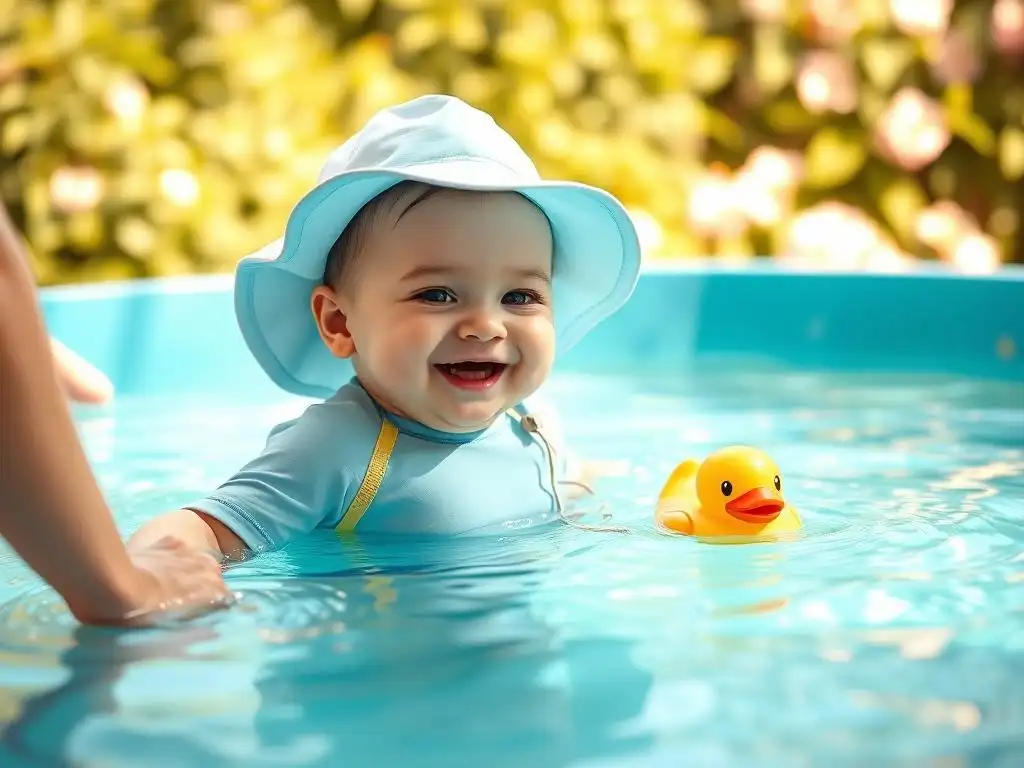
Welcome to BabyCareHub, your ultimate guide to navigating the incredible journey of parenthood! Are you ready to confidently embrace the challenges and joys of raising your little one? We understand the anxieties that come with caring for a newborn, especially when it comes to their safety. That's why we've compiled essential information on crucial topics, starting with our comprehensive article on baby water safety tips. Discover how to create a secure environment for your baby near water and prevent accidents – because their safety is our top priority. Let's dive in and explore the path to confident parenting together!
- Baby Water Safety Tips: Constant Vigilance is Crucial
- Practical Baby Water Safety Tips for Home
- Baby Water Safety Tips for Outdoor Activities
- Emergency Preparedness: Responding to Water Accidents
- Creating a Water-Safe Home Environment for Your Baby: A Checklist
- Frequently Asked Questions
- Final Reflection: A Ripple of Prevention: Protecting Our Little Ones Near Water
- Unlock Peace of Mind: Safeguarding Your Little One Near Water
Baby Water Safety Tips: Constant Vigilance is Crucial
Drowning is a silent killer, and tragically, it's a leading cause of death for young children. For first-time parents, the overwhelming joy of welcoming a new baby can sometimes overshadow the crucial safety precautions needed to protect them. This article focuses on providing practical and essential baby water safety tips, specifically designed to help you create a secure environment for your little one around all types of water, from bathtubs to swimming pools. We'll cover the risks involved, the importance of constant supervision, and how to establish safe zones both indoors and outdoors to minimize the risk of accidental drowning.
Remember, even a few seconds of inattention can have devastating consequences. This guide aims to equip you with the knowledge and strategies to keep your baby safe near water, fostering peace of mind and ensuring their well-being. Let's delve into the specifics of safeguarding your precious child.
Understanding Drowning Risks for Infants and Toddlers
Infants and toddlers are particularly vulnerable to drowning due to their limited physical abilities and developmental stages. Their natural curiosity and lack of understanding of water dangers make them prone to accidents. Several factors significantly increase their risk:
- Lack of swimming skills: Babies and toddlers cannot swim. Their small size and weight mean they can quickly submerge and struggle to stay afloat.
- Unexpected falls: A seemingly secure environment can quickly become dangerous if a child unexpectedly falls into water.
- Silent drowning: Drowning often occurs silently, without the dramatic splashing often depicted in movies. A child can slip underwater without making a sound, making it crucial to maintain constant visual contact.
- Quick submersion: Even shallow water can be extremely dangerous. A child can drown in as little as a few inches of water.
- Head injuries: Falls into water can lead to serious head injuries, even without complete submersion.
The statistics are alarming. [Specific drowning statistics for infants and toddlers pending]. These figures highlight the urgent need for proactive measures to prevent these tragic events. Understanding these risks is the first step towards implementing effective safety strategies. The next sections will provide concrete steps you can take to protect your child.
Never Leave Your Baby Unattended Near Water: The Golden Rule of Baby Water Safety
This cannot be stressed enough: Never, ever leave your baby unattended near any source of water, no matter how shallow or seemingly safe. This includes bathtubs, sinks, toilets, buckets, swimming pools, ponds, or even decorative fountains. Even a moment's distraction can be fatal.
Consider this scenario: You're busy preparing your baby's bath, momentarily turning your back to grab a towel. In those few seconds, a seemingly harmless situation can turn into a life-threatening emergency. This is why constant, uninterrupted supervision is absolutely paramount. Designate a responsible adult to supervise your child at all times when they are near water. Do not rely on others to supervise; always take personal responsibility.
The following table summarizes the key aspects of ensuring constant supervision:
| Situation | Supervision Level | Additional Precautions |
|---|---|---|
| Baby in bathtub | Constant, direct | Never leave baby alone, even for a second. |
| Baby near a pool | Constant, direct | Secure pool fencing, pool alarms, life vests (if applicable). |
| Baby near any water source | Constant, close | Remove any potential hazards, keep a watchful eye. |
Remember, even experienced swimmers should never leave a baby unattended near water. Accidents can happen to anyone, regardless of experience.
Setting up Safe Zones Around Pools, Baths, and Other Water Sources
Creating safe zones around potential water hazards is crucial for preventing accidents. This involves a multi-layered approach that combines physical barriers, constant supervision, and education.
For pools:
- Install a four-sided fence: The fence should completely surround the pool and be at least four feet high, with self-closing and self-latching gates.
- Use pool alarms: Pool alarms can alert you if a child enters the pool area.
- Teach children about water safety: While too young to understand fully, start introducing the concept of water safety to your child from a young age.
- Supervise constantly: Even with safety measures in place, constant supervision is essential.
For bathtubs:
- Never leave your baby unattended: Even for a few seconds.
- Use a non-slip mat: Prevent your baby from slipping in the tub.
- Keep bath water shallow: Fill the tub with only a few inches of water.
- Use a baby bath seat or support: Provide additional stability for your baby while bathing.
For other water sources:
- Empty buckets and containers: After use, immediately empty all containers that may hold water.
- Secure toilets: Keep toilet lids closed and use a toilet lid lock if necessary.
- Supervise children near any water: This includes ponds, lakes, rivers, oceans, and even decorative fountains.
By implementing these safety measures and maintaining constant vigilance, you can significantly reduce the risk of drowning accidents and create a safe and nurturing environment for your child. Remember, a few simple steps can make all the difference in protecting your little one. Always prioritize safety first!
Practical Baby Water Safety Tips for Home

This section focuses on implementing practical, proactive measures to ensure your baby's safety around water within the home environment. Even seemingly shallow water sources pose significant risks to infants and toddlers. Remember, baby water safety tips are crucial for preventing tragic accidents. Drowning is silent and swift; constant vigilance is paramount.
Bathroom Safety: Preventing Drowning in Bathtubs and Sinks
Never leave your baby unattended, even for a moment, near any water source, including bathtubs and sinks. A few seconds is all it takes for a tragedy to occur. Always keep the bathroom door closed when not in use to prevent unsupervised access.
Consider installing safety features such as:
- Anti-scald devices: These regulate water temperature, minimizing the risk of burns.
- Bath mats: These provide a non-slip surface, reducing the risk of slips and falls.
- A faucet cover: This protects your baby from bumping into the faucet.
- A baby bathtub: While seemingly obvious, using a baby bathtub specifically designed for infants offers more stability and control during bath time.
Remember to always test the water temperature before placing your baby in the bath. Use your wrist or elbow; your hands are less sensitive to temperature changes. Keep all toiletries and cleaning supplies out of reach to prevent accidental ingestion. Empty the bathtub immediately after use and ensure that the plug is securely in place. This prevents the accumulation of stagnant water, a breeding ground for bacteria. Even a small amount of water left in the sink can be dangerous.
Kitchen Safety: Preventing Accidents Near Water Sources in the Kitchen
The kitchen, with its sinks and often-present water sources like dishwashers and cleaning buckets, presents another potential hazard for curious babies. Implement the following safety measures to minimize risk:
- Never leave a sink filled with water: Even a small amount of water can be deadly to a baby.
- Keep cleaning supplies locked away: This prevents accidental spills and ingestion.
- Use childproof latches on cabinets: This prevents access to potentially dangerous items such as cleaning agents, detergents, and even sharp objects.
- Be mindful of spills: Clean up spills immediately to prevent your baby from slipping or falling.
- Supervise your baby closely: Even when you are performing a quick task, a baby can reach a water source very quickly.
Implementing these kitchen safety strategies, coupled with constant supervision, significantly reduces the risk of kitchen-related water accidents. Remember, consistent vigilance is key to preventing accidents. A proactive approach to safety is paramount in safeguarding your baby.
Securing Access to Pools and Other Bodies of Water
If you have a pool or live near a lake, river, or ocean, implementing stringent safety measures is non-negotiable. The risk of drowning is significantly higher outside the home, necessitating a more comprehensive approach. Consider these key strategies:
- Install a four-sided fence: This should completely surround the pool and be at least four feet high, with a self-closing and self-latching gate. The gate should be placed away from the pool's edge to prevent easy access.
- Always supervise children near water: Never leave a child unsupervised near a pool, lake, or any body of water. Even experienced swimmers can be at risk of accidents.
- Teach your child to swim: Swim lessons are invaluable, starting at an early age. However, they are not a substitute for constant supervision.
- Install pool alarms: These alert you if someone enters the pool area unexpectedly.
- Keep rescue equipment nearby: Have readily accessible life-saving equipment, such as a life ring or shepherd's crook.
Remember, even with the most rigorous safety measures in place, consistent supervision is crucial. These strategies, combined with constant vigilance, contribute to a safer environment for your baby around water both indoors and outdoors. These baby water safety tips are designed to prevent accidents, but constant supervision is the most important factor. 🏖️
Baby Water Safety Tips for Outdoor Activities
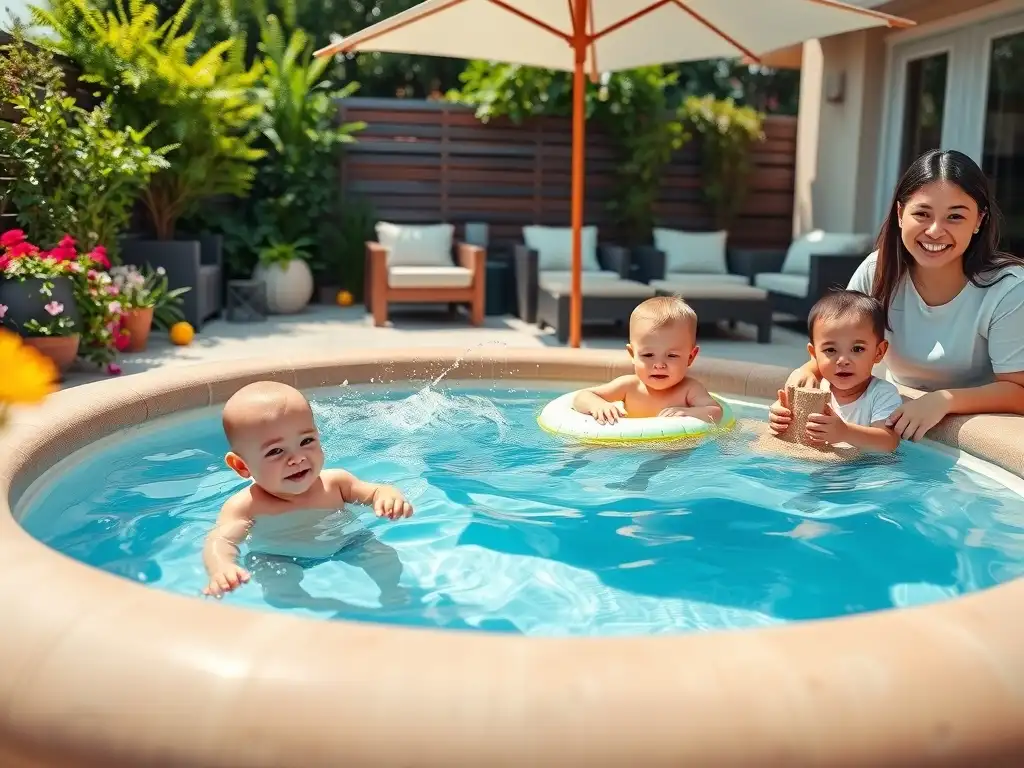
This section focuses on practical strategies for ensuring your baby's safety around water during outdoor activities. Remember, even a small amount of water can pose a significant risk to a baby. Consistent vigilance is paramount. These baby water safety tips will help you navigate various outdoor aquatic environments safely.
Supervision at Beaches, Lakes, and Pools: Constant Awareness
Never leave your baby unattended near water, even for a moment. This applies to beaches, lakes, pools, or even a bathtub with a few inches of water. Babies can drown in surprisingly shallow water incredibly quickly. A moment of distraction can be catastrophic. Designate a responsible adult as the sole supervisor at all times. This person should be focused solely on the baby, not on other activities like reading or socializing.
Consider using a waterproof wristband or tag that alerts you if you wander too far from your baby. While technology isn't a replacement for constant visual observation, it can provide an extra layer of security.
Here's a table summarizing the key differences in supervision needs for various outdoor aquatic environments:
| Location | Supervision Level | Specific Considerations |
|---|---|---|
| Swimming Pool | Constant, direct visual contact | Fence secured, no access without adult supervision |
| Beach | Constant, within arm's reach | Watch for waves, currents, and sudden drop-offs |
| Lake/Pond | Constant, within arm's reach | Be aware of uneven surfaces, slippery rocks, and hidden depths |
Remember, even if your baby is wearing a flotation device, constant supervision is crucial. Flotation devices are safety aids, not guarantees of safety. They can fail, or your baby might still need assistance.
Choosing Appropriate Life Jackets and Flotation Devices for Babies
When selecting a life jacket or flotation device for your baby, ensure it's specifically designed for infants and meets safety standards. Look for a snug fit, with straps that secure properly. A poorly fitting device can be ineffective or even dangerous.
- US Coast Guard Approval: Look for the US Coast Guard approval label to ensure it meets specific safety requirements.
- Proper Size: Always check the manufacturer's size chart and choose a life jacket appropriate for your baby's weight and height.
- Type of Device: Consider the type of activity. A puddle jumper might be suitable for shallow water play, but a full-fledged life jacket is recommended for boating or other high-risk water activities.
- Regular Inspection: Before each use, inspect the life jacket for any damage or wear and tear. Replace it if necessary.
Choosing the right flotation device is a crucial aspect of baby water safety tips. Don't compromise on quality or fit.
Teaching Water Safety Skills (Age-Appropriate)
While babies are too young for formal swimming lessons, you can begin introducing them to water safety concepts from a very young age. This involves gradually acclimating them to water and teaching them basic safety reflexes.
- Early Water Exposure: Start with supervised bath time, gradually introducing them to the feeling of water on their skin. Always ensure a safe environment with a non-slip surface.
- Blowing Bubbles: Teach them to blow bubbles in the water, which can help develop a sense of comfort and control in the aquatic environment. This is a simple yet effective baby water safety tip.
- Safe Water Habits: As they grow older, introduce simple concepts like always asking for permission before entering water and never going near water without an adult.
Remember, these are early steps in a long process. Formal swimming lessons will come later, but these early experiences create a foundation for safe water habits. Consistent reinforcement of these baby water safety tips will ensure your child’s safety around water for years to come. 🏊♀️👶
Emergency Preparedness: Responding to Water Accidents
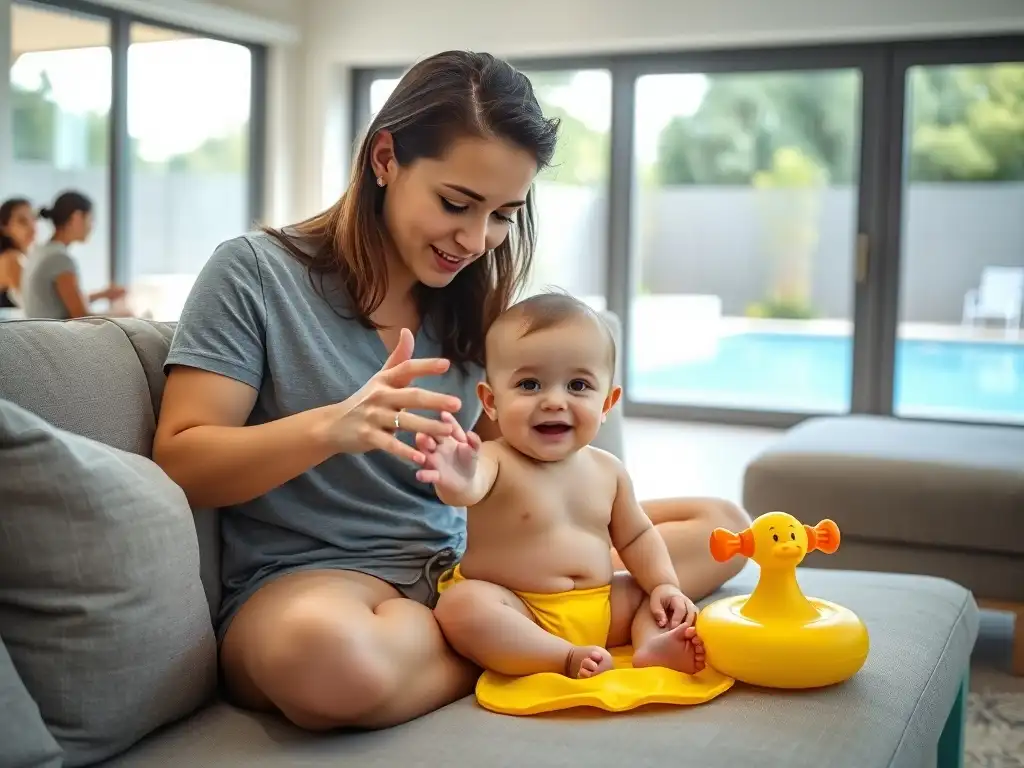
Accidents can happen in the blink of an eye, even with the most vigilant supervision. Therefore, being prepared for a water-related accident is crucial for every parent concerned about baby water safety tips. This section focuses on proactive measures you can take to ensure a swift and effective response should an incident occur. Knowing what to do before an emergency arises can significantly improve the outcome.
Recognizing the Signs of Drowning in Infants
Unlike the dramatic portrayals often seen in movies, infant drowning is often silent and subtle. A struggling infant may not splash or call for help. Instead, look for these quiet signs:
- Head tilted back: The infant's head may be tilted back, with their mouth open.
- Eyes closed or glassy: The eyes may appear vacant or closed.
- No kicking or splashing: Absence of the usual movements associated with swimming or playing in water.
- Submerged, but not necessarily underwater: They may be partially submerged, clinging to the side of the pool or tub, but struggling silently.
- Sudden quiet: An infant who was previously playful or vocal suddenly becomes quiet and still.
Recognizing these subtle cues is paramount. Early intervention is critical in preventing a tragic outcome. The time between noticing distress and initiating rescue significantly impacts the child's survival. Regular practice of water safety awareness drills can help parents quickly identify these signs.
CPR and First Aid Training: Essential for Parents
Knowing CPR (Cardiopulmonary Resuscitation) and basic first aid is non-negotiable for any parent, especially given the risks associated with water. These life-saving skills can be the difference between life and death in the event of a near-drowning incident.
Many community organizations and hospitals offer affordable CPR and first aid courses specifically designed for parents and caregivers. These courses cover crucial techniques, including:
- Recognizing and responding to a lack of breathing and heartbeat.
- Performing chest compressions and rescue breaths effectively.
- Handling a partially conscious or unconscious infant.
- Managing choking hazards.
Investing time in this training is an investment in your child's safety. The knowledge gained empowers you to act decisively and competently during a crisis, significantly increasing the chances of a positive outcome. Regular refresher courses are also recommended to maintain proficiency. Think of it as an essential part of your parental toolkit, alongside diapering and feeding.
Knowing Your Local Emergency Services
Knowing how to contact your local emergency services is another critical aspect of baby water safety tips. This knowledge should be readily available and easily accessible to everyone in your household.
- Emergency Number: Ensure everyone knows the local emergency number (e.g., 911 in the US). Program it into your phone and post it visibly near phones and in the bathroom.
- Address and Location: Be able to clearly and concisely provide your exact address and location to dispatchers. This is crucial for rapid response times. Consider using GPS coordinates if your location is difficult to describe.
- Emergency Contact List: Maintain an updated list of emergency contacts, including neighbors, relatives, and friends who can assist in case you are unable to.
Practicing these emergency preparedness steps is not about fearing the worst; it's about being equipped to handle any unexpected situation with confidence and competence. It's a vital component of responsible parenting and crucial for ensuring your baby's safety around water.
Creating a Water-Safe Home Environment for Your Baby: A Checklist
This section focuses on practical steps to minimize water-related risks for your baby at home. Creating a safe environment is the cornerstone of effective baby water safety tips. Proactive measures significantly reduce the chance of accidents. Remember, even brief periods of inattention can have devastating consequences. Let's delve into creating a truly water-safe home for your little one.
Regular Safety Checks and Maintenance of Water Features
Regular inspections are crucial for maintaining a safe home environment. This isn't a one-time task; it's an ongoing commitment. Think of it as a proactive approach to baby water safety.
- Toilet lids: Always keep toilet lids down and latched securely. Young children are incredibly curious and can easily access toilets. Consider using childproof latches for added security.
- Bathtubs: Never leave your baby unattended in the bathtub, even for a moment. A slippery surface and a few inches of water can be enough for a serious accident. Use a non-slip bath mat for extra safety.
- Swimming pools (if applicable): If you have a pool, ensure it's fully fenced with a self-closing, self-latching gate. The gate should be inaccessible to children. Regularly check the fence for any damage or weaknesses. Consider installing a pool alarm as an extra layer of protection.
- Buckets and containers: Empty any buckets or containers that hold water immediately after use. Even small amounts of water can pose a drowning risk to a baby.
- Water features: Inspect decorative fountains or ponds regularly for any cracks or leaks that could create unexpected water hazards.
- Spas and hot tubs: These should be completely inaccessible to children. Ensure they have secure covers and are locked when not in use. The temperature of the water should also be checked regularly.
Pro Tip: Make a checklist and stick it to your refrigerator as a visual reminder to perform these checks regularly. Consider adding a date column to track your maintenance schedule.
Educating Family Members and Caregivers about Water Safety
Effective baby water safety isn't just about physical barriers; it's about education and awareness. Everyone who cares for your baby needs to understand and follow the safety guidelines.
- Clear communication: Have a family meeting to discuss water safety rules and procedures. Ensure everyone understands the importance of constant supervision near water.
- Training: Consider enrolling in a CPR and water safety course. Knowing how to react in an emergency can be life-saving.
- Guest awareness: Inform guests about your water safety rules before they interact with your baby. This is particularly important if they're not familiar with your home environment.
- Childcare providers: If you use childcare services, discuss water safety protocols with your provider and ensure they are aligned with your approach. This proactive communication is a vital aspect of baby water safety tips.
| Family Member/Caregiver | Training Completed? | Understanding of Rules? |
|---|---|---|
| Parent 1 | Yes | Yes |
| Parent 2 | Yes | Yes |
| Grandparent 1 | Yes | Yes |
| Babysitter | No | Needs further instruction |
This table helps track who has received the necessary training and understands the water safety rules. Regular review and updates are essential.
Implementing Consistent Water Safety Routines
Consistency is key when it comes to baby water safety. Establish routines that become second nature. These routines become ingrained habits, significantly reducing the likelihood of accidents.
- Bathroom supervision: Never leave your baby alone in the bathroom, even for a moment. This includes while changing diapers, brushing teeth, or showering.
- Poolside vigilance: When near a swimming pool or any body of water, assign a designated "water watcher" whose sole responsibility is to supervise the baby. This person should not be distracted by phones or other activities.
- Bath time routine: Always have everything you need within reach before starting bath time. Never leave your baby unattended, even to grab a towel.
- Emergency preparedness: Know where your nearest phone is located and have emergency numbers readily accessible. Familiarize yourself with your local emergency services.
Remember, consistent vigilance and proactive safety measures are the most effective ways to protect your baby from water-related accidents. These baby water safety tips are not just suggestions; they're vital steps to ensure your child's safety. Prioritize these steps and enjoy peace of mind knowing you've taken every precaution.
Frequently Asked Questions
How can I best supervise my baby around water?
Never leave your baby unattended near any water source, even for a second. Constant, close supervision is crucial, even in shallow water. Consider using a life jacket for added safety in or near water.
What are some common water hazards for babies?
Bathtubs, toilets, buckets, swimming pools, and even pet water bowls pose significant risks. Always empty containers after use and keep them out of reach. Secure pool fences are essential if you have a pool.
At what age should I start teaching my baby about water safety?
It's never too early to start. From birth, accustom your baby to the presence of water during bath time and gradually introduce them to water play under strict supervision. Water safety education should be ongoing.
What are some safe water play activities for babies?
Supervised bath time is a great start. You can also introduce short, shallow water play sessions in a baby pool or shallow end of a pool with a life jacket and constant supervision. Focus on positive water experiences.
My baby has fallen in the water, what should I do?
Immediately call emergency services. If you are able to safely do so, retrieve your baby and begin CPR if necessary. Seek immediate medical attention after rescue.
Final Reflection: A Ripple of Prevention: Protecting Our Little Ones Near Water
The chilling statistics surrounding childhood drownings remain a stark reminder of the ever-present danger water poses to young children. Ignoring water safety precautions is simply not an option. This article has highlighted the crucial role of vigilant supervision, emphasizing that even a moment's lapse in attention can have devastating consequences. We've explored practical strategies, from designated water watchers to the importance of barriers and readily available flotation devices, all aimed at creating safer environments for our most vulnerable.
The pervasive nature of water in our lives—from backyard pools to bathtubs to oceans—means that water safety is not a seasonal concern, but a constant vigilance. It's a responsibility that extends beyond parents to caregivers, family members, and even community members. The weight of this responsibility is immense, and the potential for tragedy is ever-present. The best way to prevent drowning is to never let a child out of your sight near water.
This simple statement encapsulates the core message of this article: unwavering attention is paramount.
You, the reader, now possess the knowledge to make informed decisions about water safety. Take this information and integrate it into your daily routines. Become a champion of water safety, not just for your own children, but for every child you encounter. Engage in conversations with friends and family, share this vital information, and help create a culture of proactive water safety. Let's work together to ensure that every child has the opportunity to enjoy the joy of water without the fear of tragedy. Let's make a difference, one watchful eye, one safety precaution, at a time.
Unlock Peace of Mind: Safeguarding Your Little One Near Water
Thank you for taking the time to learn about water safety for your baby! We hope this article has provided valuable insights and practical tools to protect your child. Now, let's put that knowledge into action.
- Constant, close supervision is paramount: This is the single most important step in preventing accidents. Never allow distractions near water.
- Share this vital information: Forward this article to friends and family with young children to help raise awareness and potentially save lives.
- Join our online community: Connect with other parents and share your water safety tips and experiences. Let's build a supportive network dedicated to keeping our babies safe.
What's one small change you can make today to improve water safety around your baby?