
Portable Pool Safety: Protecting Your Baby On the Go

Welcome to BabyCareHub, your ultimate guide to navigating the exciting yet sometimes overwhelming world of parenthood! Are you ready to embark on a journey of discovery, filled with expert advice and practical tips? We understand the anxieties that come with caring for a newborn, especially when venturing out.
That's why we've created this resource, packed with essential information to help you confidently tackle every challenge. Discover our crucial Baby pool safety travel tips and learn how to ensure your little one's well-being, wherever your adventures may take you. Let's dive in and explore the essentials of safe and happy babyhood together!
-
Baby Pool Safety Travel Tips: Essential Precautions for Portable Pools
- Choosing the Right Portable Pool for Your Baby
- Setting Up Your Portable Pool Safely: Location and Supervision
- Water Temperature and Baby's Comfort: Maintaining Ideal Conditions
- Preventing Drowning Accidents: Constant, Close Supervision
- Baby Pool Safety Travel Tips: Essential Gear and Accessories
- Water Safety Gear for Babies: Inflatable Rings, Floaties, and Life Jackets
- Baby Pool Safety Travel Tips: First Aid Kit and Emergency Preparedness
- Baby Pool Safety: Travel Checklist for Portable Pools
- Baby Pool Safety After the Trip: Cleaning and Storage
- Baby Pool Safety Travel Tips: FAQs and Further Resources
- Frequently Asked Questions
- Final Reflection: The Enduring Importance of Portable Pool Safety
- Dive Deeper into Safe Summer Fun!
Baby Pool Safety Travel Tips: Essential Precautions for Portable Pools
Summer fun often includes portable pools, offering a refreshing splash for babies and toddlers. However, the convenience of these inflatable pools comes with the crucial responsibility of ensuring your little one's safety. This guide provides essential "baby pool safety travel tips," focusing on precautions to take when using portable pools while traveling or at home.
We'll cover selecting the right pool, setting it up safely, and maintaining ideal water conditions to minimize risks and maximize the enjoyment of this summertime activity. Remember, even a small amount of water can present a significant hazard to babies and young children, so vigilance is paramount. Following these guidelines will help you create a safe and enjoyable water play experience for your baby, ensuring peace of mind while you're enjoying your travels or simply relaxing at home.
Choosing the Right Portable Pool for Your Baby
Selecting the appropriate portable pool is the first step toward ensuring your baby's safety. Consider these factors:
- Size: Opt for a pool that's shallow enough for your baby to safely splash around in, ideally no deeper than a few inches. Larger pools can be more difficult to supervise effectively.
- Material: Look for a pool made from durable, non-toxic materials. Avoid pools with sharp edges or potentially hazardous components. Check for any manufacturing labels or certifications that indicate safety standards.
- Stability: Choose a pool with a sturdy base to prevent tipping. Inflatable pools should be fully inflated and placed on a level surface.
- Features: Some portable pools come with added safety features, such as a drain plug for easy emptying, or a cover for added security when not in use. Consider these beneficial additions.
Setting Up Your Portable Pool Safely: Location and Supervision
The location and supervision of your baby's portable pool are critical for safety. Follow these guidelines:
- Location: Always set up the pool on a level, even surface, away from any hazards like steps, sharp objects, or hard surfaces. Ensure it's in a shaded area to prevent overheating and sunburn. Direct sunlight can also cause the water temperature to rise quickly.
- Supervision: Never leave your baby unattended near water, even for a moment. Drowning can occur silently and swiftly, even in shallow water. Constant, vigilant supervision is absolutely essential. Designate a responsible adult to supervise the child at all times. Even if other adults are present, one person should be solely responsible for actively watching the baby.
- Accessibility: Keep the area around the pool clear of toys and other objects that could cause trips or falls. Ensure easy access for quick intervention if needed.
Water Temperature and Baby's Comfort: Maintaining Ideal Conditions
Maintaining the correct water temperature is crucial for your baby's comfort and safety. Remember that babies are more susceptible to hypothermia than adults.
- Temperature: The ideal water temperature for babies is between 86°F (30°C) and 90°F (32°C). Use a thermometer to check the water temperature frequently, especially in warmer climates. The water temperature can fluctuate throughout the day, particularly if it's in direct sunlight.
- Regular Checks: Check the water temperature before and during playtime. If the water becomes too cold or too hot, adjust accordingly or take a break. Always prioritize your baby's comfort and safety.
- Emptying the Pool: Empty and clean the pool after each use to prevent bacterial growth and maintain hygiene. This also helps prevent mosquitoes from breeding.
Remember, responsible parenting and careful preparation are key to ensuring a safe and enjoyable water play experience for your little one. Enjoy the summer fun, but always prioritize safety! 🏖️👶
Preventing Drowning Accidents: Constant, Close Supervision
Drowning is a silent killer, and even a few inches of water can pose a significant risk to infants and toddlers. Never leave your baby unattended near a portable pool, even for a moment. This is paramount, regardless of the pool's size or your baby's swimming abilities. A responsible adult should maintain constant, direct visual supervision at all times. Distractions, such as cell phones or conversations, can be deadly.
Designate a "water watcher," someone whose sole responsibility is to keep their eyes on the baby. This person should not be multitasking. Remember, young children can drown in seconds, and drowning often happens silently without a struggle or splashing. Consider implementing a buddy system where two adults share the responsibility of supervision, rotating duties to prevent fatigue. This vigilance is the single most effective measure to prevent drowning tragedies.
Even if your baby is wearing a flotation device, unwavering supervision remains crucial. Flotation devices are safety aids, not life-saving guarantees. They can fail, or your baby might slip out. The only true safeguard is your constant, unwavering attention.
Baby Pool Safety Travel Tips: Essential Gear and Accessories
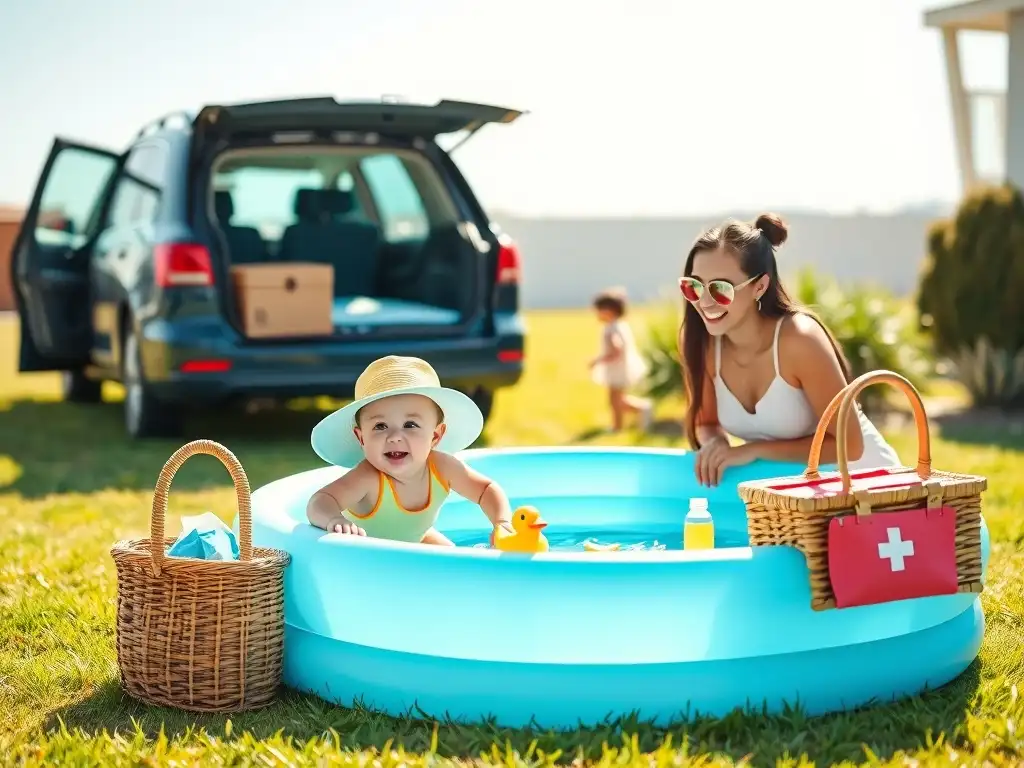
Taking your portable pool on the go requires careful planning and packing. Beyond the pool itself, several essential items can enhance safety and convenience. A sturdy, waterproof pool cover is vital when the pool is not in use. This prevents accidental falls and keeps debris out. Choose a cover designed for your specific pool size and type.
Consider a pool fence or barrier if you’re setting up the pool in a location where unsupervised access is possible. A portable, lightweight fence that's easy to assemble and disassemble is ideal for travel. Always check local regulations regarding pool fencing requirements before setting up your portable pool. Bringing along a first-aid kit specifically equipped for minor cuts, scrapes, and sunburns is essential.
Include items like antiseptic wipes, bandages, sunscreen (with a high SPF), and any medications your baby may require. A pool thermometer will help you maintain the optimal water temperature, preventing chills or overheating. Remember to pack extra towels, swim diapers (if applicable), and a change of clothes for your baby. Thorough preparation ensures a safer and more enjoyable experience for your little one.
Water Safety Gear for Babies: Inflatable Rings, Floaties, and Life Jackets
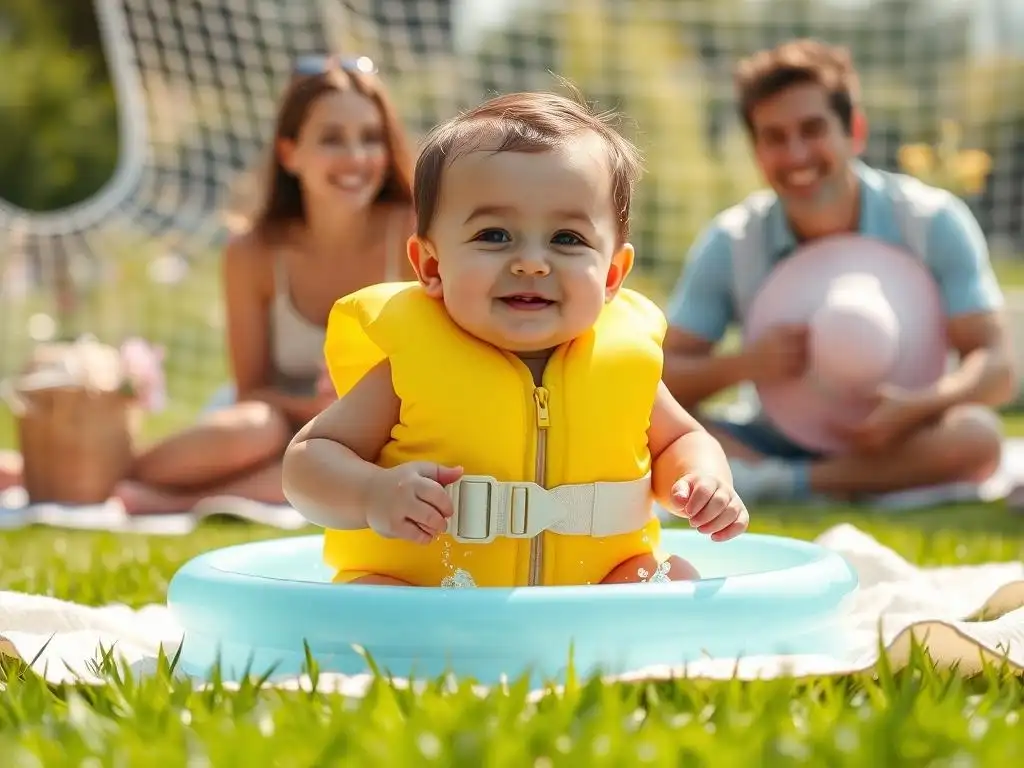
While flotation devices can provide additional safety, they are not a substitute for constant adult supervision. Inflatable rings, floaties, and life jackets each offer varying levels of support and safety. Inflatable rings and floaties should only be used under direct adult supervision, preferably in shallow water and with a caregiver within arm's reach at all times. Regularly check these devices for any signs of wear and tear, and replace them if necessary.
They are not designed to prevent drowning, only to provide some buoyancy aid. Life jackets, on the other hand, offer significantly more support and are designed to keep a child afloat even if they fall into the water. Ensure that any life jacket used is properly fitted to your baby's size and weight, following the manufacturer's instructions carefully. Look for life jackets that meet the appropriate safety standards.
Remember, even with a life jacket, a child should never be left unattended near water. No flotation device is a replacement for attentive, responsible adult supervision. Properly using and understanding the limitations of water safety gear is crucial for preventing accidents. 👶💦
Baby Pool Safety Travel Tips: First Aid Kit and Emergency Preparedness
Having a well-stocked first-aid kit is crucial, especially when traveling with a baby and a portable pool. Accidents can happen, and being prepared can make all the difference. Your kit should go beyond the basics.
Instead of a generic kit, assemble one specifically tailored for potential pool-related incidents and your baby's age. This means including items like antiseptic wipes for minor scrapes and cuts, antibiotic ointment, bandages in various sizes, tweezers for removing splinters (a common occurrence near pools), and hydrocortisone cream for mild rashes or allergic reactions. Remember, even seemingly minor injuries can become infected if not properly treated, especially in a warm, humid environment near water.
Beyond the standard first-aid supplies, consider adding items specific to water safety. This could include a pair of sterile gloves, to protect yourself during treatment, and perhaps some absorbent material to help control bleeding. A small, waterproof container for storing medications is also a good idea. Always check the expiration dates on all items before you travel and replace anything that’s nearing its end.
Furthermore, familiarize yourself with basic first aid techniques for common injuries like nosebleeds, minor burns, and insect stings. Many online resources and even short video courses offer quick tutorials. Knowing what to do in an emergency can provide invaluable peace of mind.
Beyond the physical supplies, emergency preparedness extends to knowing who to contact. Have a list of local emergency numbers readily accessible, including the number for poison control and your pediatrician. It’s also wise to inform someone at your destination of your travel plans, including where you’ll be setting up the portable pool and the approximate times you’ll be using it. This way, if an emergency occurs, someone knows your location and can assist.
Consider sharing your location via a smartphone app with a trusted friend or family member for added security. Remember, proactive planning for emergencies can significantly reduce stress and ensure the safety of your baby. Prevention is always the best medicine, but being prepared for the unexpected is a close second.
Baby Pool Safety: Travel Checklist for Portable Pools
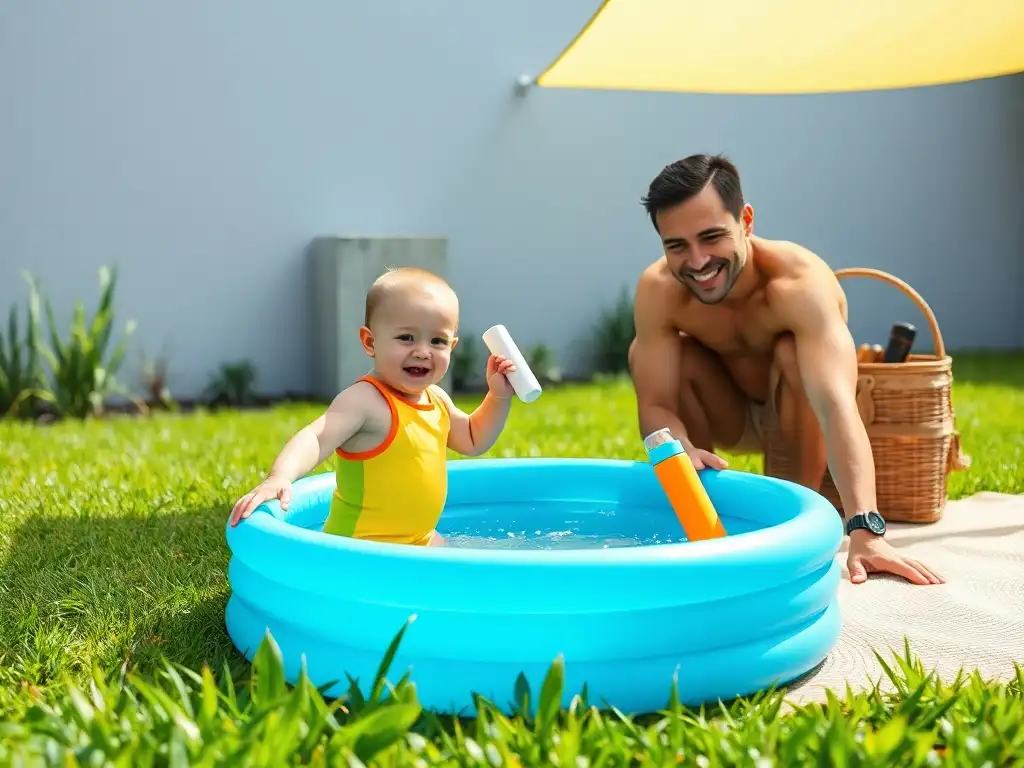
Planning a trip with your little one and their portable pool? Ensuring their safety should be your top priority. This checklist will help you pack smart and minimize risks associated with portable pool use while traveling. Remember, even small pools require vigilance. Following these "baby pool safety travel tips" can make a significant difference.
Packing Essentials for Safe Portable Pool Use
Packing for a trip with a baby is already a challenge; adding a portable pool increases the complexity. However, proper preparation is key to a safe and enjoyable experience. Here’s what you need:
- The Portable Pool: Obviously! Ensure it's clean and in good condition before you leave. Check for any tears or punctures.
- Pool Liner (if applicable): Protect the pool's surface and ensure it remains hygienic.
- Pool Cover: Essential for hygiene and safety when the pool is not in use. It prevents debris and accidental falls.
- Pool Filter (if applicable): Maintain clean water, crucial for your baby's health.
- Baby-Sized Pool Toys: Choose soft, buoyant toys that won't pose a choking hazard. Avoid small parts.
- Sunscreen (SPF 30+): Even on cloudy days, protect your baby's delicate skin from harmful UV rays. Apply liberally and frequently.
- Towels: Plenty of soft, absorbent towels for drying your baby after playtime.
- First-Aid Kit: Include items specifically for minor cuts and scrapes, along with any medication your baby requires.
- Inflatable Life Vest (for older babies): Consider an inflatable life vest appropriate for your baby's age and weight if they are old enough to sit up unassisted. This is a crucial baby pool safety measure.
Pre-Trip Safety Checks and Pool Maintenance
Before you even think about packing, perform a thorough inspection of your portable pool. This pre-trip maintenance is vital for your baby's safety.
- Pool Integrity: Carefully examine the pool for any damage, tears, or leaks. Repair any issues before you leave.
- Cleanliness: Thoroughly clean the pool with a baby-safe cleaner. Rinse it well and allow it to dry completely.
- Filter Check (if applicable): Inspect and clean the filter according to the manufacturer's instructions. A clean filter is essential for maintaining water quality.
- Accessories Check: Ensure all accessories, such as the pump and cover, are in working order.
On-Site Safety Measures: Setting up the Pool and Supervision
Setting up the pool and ensuring proper supervision are critical aspects of baby pool safety. Never leave your baby unattended near water, even for a moment.
- Level Surface: Choose a level, stable surface for setting up the pool. Avoid uneven ground or slopes.
- Shade: Position the pool in a shady area to minimize sun exposure for your baby.
- Supervision: Never leave your baby unattended near the pool, even for a second. Drowning can happen silently and quickly. Constant, vigilant supervision is paramount. Designate a responsible adult to supervise at all times.
- Emergency Plan: Know the location of the nearest phone and have a pre-determined plan in case of an emergency.
- Barrier: If possible, consider using a pool fence or other barrier to create a safe zone around the pool, especially if other children are present. This minimizes the risk of accidental entry.
- Water Temperature: Check the water temperature before letting your baby in. The water should be comfortably warm, not too hot or too cold.
Remember, these "baby pool safety travel tips" are designed to enhance your child's safety. Diligence and preparedness are key to preventing accidents and enjoying a fun and safe trip. Always prioritize your baby's safety above all else.
Baby Pool Safety After the Trip: Cleaning and Storage
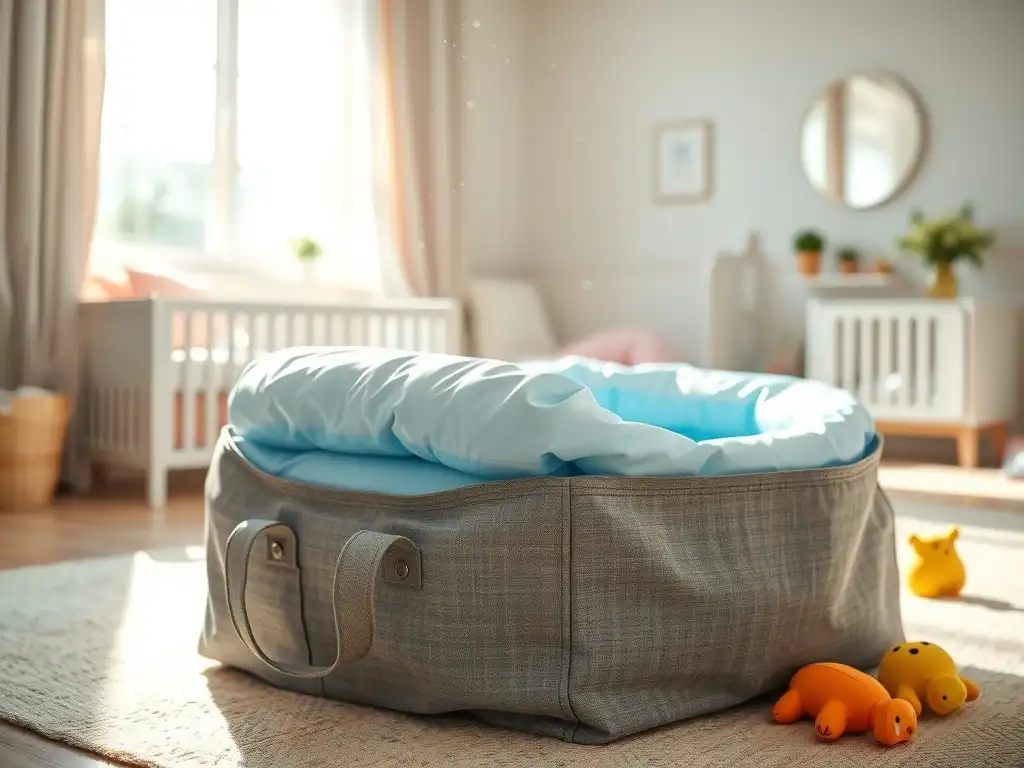
After a fun-filled day of splashing and playing, ensuring your portable baby pool is thoroughly cleaned and stored correctly is crucial for maintaining hygiene and extending its lifespan. Neglecting this vital step can lead to bacterial growth, mold, and ultimately, compromise your baby's health and safety. This section provides detailed instructions on how to properly clean and store your portable pool, ensuring it's ready for your next aquatic adventure.
Cleaning Your Portable Pool After Use
Cleaning your baby's portable pool immediately after each use is paramount. Prompt cleaning prevents the buildup of bacteria and algae, which can thrive in warm, stagnant water. Here's a step-by-step guide:
- Empty and Rinse: Completely empty the pool of all water. Then, rinse the interior thoroughly with clean water to remove any visible debris like leaves, sand, or toys. A garden hose works perfectly for this task.
- Scrub-a-dub-dub: Use a mild, baby-safe detergent and a soft sponge or brush to scrub the entire surface of the pool, paying close attention to any crevices or seams. Avoid harsh chemicals, as these can be harmful to your baby and damage the pool material.
- Rinse Again: Once you've scrubbed the pool, thoroughly rinse it again with clean water to remove all traces of soap. Ensure no residue remains.
- Air Dry: Allow the pool to air dry completely in a clean, sunny location before storing. This helps prevent mold and mildew growth. Turning it inside out can speed up the drying process.
- Inspect for Damage: Before storing, carefully inspect the pool for any tears, punctures, or other signs of damage. Address any issues promptly to prevent further problems.
Proper Storage to Prevent Damage and Maintain Hygiene
Proper storage is just as important as cleaning. Improper storage can lead to damage, mold, and mildew, rendering your pool unusable and potentially harmful to your baby. Consider these tips for optimal storage:
- Thorough Drying: As mentioned above, ensure the pool is completely dry before storing. Dampness is a breeding ground for bacteria and mold.
- Clean, Dry Storage Location: Store the pool in a clean, dry, and well-ventilated area, away from direct sunlight and extreme temperatures. A cool, dry garage or shed is ideal.
- Proper Folding/Deflation: Follow the manufacturer's instructions for folding or deflating the pool. Improper folding can damage the pool material.
- Protective Covering: Consider using a protective cover or bag to shield the pool from dust, debris, and moisture. This will help maintain its cleanliness and extend its lifespan.
- Regular Inspections: Periodically inspect the stored pool for any signs of damage or mold. Address any issues promptly to prevent problems.
Preparing for Your Next Trip: Maintaining Pool Safety
Before your next outing, remember to perform a pre-trip safety check. This ensures your baby's safety and enjoyment.
- Re-inspection: Before inflating or filling the pool, thoroughly inspect it for any damage that may have occurred during storage. Repair any punctures or tears before use.
- Cleanliness Check: Even if stored properly, visually inspect the pool for any signs of dirt, debris, or mold. If necessary, repeat the cleaning process outlined above before filling it with water.
- Water Quality: When filling the pool, use clean, fresh water. Avoid using water that has been sitting for a long time, as it may contain bacteria or other contaminants.
- Supervision: Never leave your baby unattended near or in the pool, even for a moment. Constant, vigilant supervision is crucial for preventing accidents. This is the most important aspect of baby pool safety travel tips.
Remember, prioritizing your baby's safety and health is paramount. Following these guidelines for cleaning, storage, and pre-trip checks will contribute significantly to worry-free fun in the sun. 🏖️
Baby Pool Safety Travel Tips: FAQs and Further Resources
This section addresses frequently asked questions regarding portable pool safety for babies while traveling, providing practical solutions and reinforcing the importance of vigilant supervision. We understand that bringing along a portable pool can add fun to family vacations, but prioritizing safety is paramount.
Addressing Common Concerns About Portable Pool Safety
Many parents wonder about the safety of portable pools, especially when traveling. Concerns often center around the ease of access for unsupervised children, the risk of drowning in shallow water, and the potential for injuries from the pool itself. Let's delve into these concerns.
1. Supervision is Key: Even in shallow water, babies can drown quickly and silently. Never leave your baby unattended near a portable pool, even for a moment. Designate a responsible adult to actively supervise at all times. This means maintaining constant visual contact and being close enough to intervene immediately if needed. Think of it like this: a dedicated "pool watcher" is essential, just as you would have a designated caregiver during playtime.
2. Pool Placement and Setup: Choose a location for your portable pool that minimizes risks. Avoid areas near steps, slippery surfaces, or other potential hazards. Ensure the pool is set up on a level surface to prevent tipping. Regularly check for any damage or leaks and address them promptly. A well-maintained pool is a safer pool.
3. Pool Features and Accessories: Consider the features of the portable pool itself. Some pools have built-in safety features, such as soft sides or a secure cover. While these features are helpful, they are not substitutes for constant supervision. Avoid using inflatable toys or floats that could obstruct your view of your baby in the water.
4. Emergency Preparedness: Always have a readily accessible first-aid kit and a phone nearby. Familiarize yourself with basic infant CPR and water rescue techniques. Knowing what to do in an emergency can make all the difference. Consider taking a CPR and first aid course specifically focused on infant and child safety.
5. Water Temperature: Always check the water temperature before letting your baby into the pool. Water that is too hot or too cold can be dangerous. Aim for a temperature that is comfortable to the touch.
Here's a summary table highlighting key safety measures:
| Safety Measure | Importance | Implementation |
|---|---|---|
| Constant Supervision | Prevents drowning, the leading cause of death for young children in pools. | Never leave your baby unattended, even for a second. |
| Safe Pool Placement | Minimizes risks of falls, trips, and access to unsupervised children. | Level surface, away from hazards. |
| Pool Condition Check | Ensures structural integrity and prevents leaks. | Regular inspections for damage. |
| Appropriate Accessories | Avoids obstructions and potential hazards. | Avoid inflatable toys that could impede supervision. |
| Emergency Preparedness | Enables quick response in case of accidents. | First-aid kit, phone, CPR knowledge. |
| Safe Water Temperature | Prevents discomfort and potential health issues. | Check temperature before placing baby in the pool. |
Additional Resources for Water Safety Information
Beyond the immediate concerns addressed above, comprehensive water safety education is crucial. We strongly encourage you to explore additional resources to enhance your understanding of baby pool safety and drowning prevention. These resources can provide in-depth information, practical tips, and valuable insights to ensure your baby's safety. Remember, consistent vigilance and proactive safety measures are the best ways to protect your little one around water, whether at home or while traveling.
The peace of mind gained from thorough preparation is invaluable. Consider seeking out local water safety organizations and programs for additional guidance and support. Your proactive approach to safety will contribute significantly to the well-being and enjoyment of your family trips.
Frequently Asked Questions
What are the essential safety measures for using a portable baby pool?
Always supervise your baby closely and never leave them unattended, even for a moment. Ensure the pool is on a level surface and away from any hazards. Empty the pool completely after each use.
How do I choose a safe portable baby pool?
Look for pools made from non-toxic, durable materials. Check for sturdy construction to prevent tipping or collapse. Consider features like slip-resistant bottoms and easy drainage.
What are some travel tips to ensure my baby's pool safety?
Pack the pool carefully to avoid damage. Choose a location with even ground and shade. Bring extra towels and change of clothes.
My baby is a little older, can I still use a portable pool?
While portable pools are great for infants, always consider your baby's age and abilities. Ensure the pool is appropriately sized and supervise closely regardless of age. Transition to a larger pool or other water activity as your baby grows.
What should I do if my baby falls into the portable pool?
Immediately retrieve your baby and check for any injuries. Administer first aid if necessary and contact your pediatrician or emergency services if concerned. Prevent future accidents by reinforcing safety measures.
Final Reflection: The Enduring Importance of Portable Pool Safety
The carefree joy of summer travel with a baby shouldn't come at the cost of their safety. Drowning is a silent killer, and even a small, portable pool presents a significant risk if proper precautions aren't taken. This risk is amplified when we're away from the familiar comforts of home, potentially facing unfamiliar environments and less vigilant supervision.
The pervasive nature of portable pools, coupled with the inherent vulnerability of infants, underscores the critical need for ongoing education and awareness. We often focus on the larger dangers, overlooking the seemingly innocuous risks right in front of us. The best safety device is a watchful eye,
a common adage in child safety, rings especially true when dealing with water. This article aimed to equip parents with the knowledge and tools to create a safe and enjoyable experience for their little ones, even while on the go. My own experiences as a parent have reinforced the importance of this message, reminding me that vigilance and preparedness are paramount.
Now, consider your own summer plans. Will you be taking your little one to a beach, a park with a splash pad, or perhaps even bringing along a portable pool? Take a moment to review the safety tips outlined in this article, and commit to implementing them. Your proactive approach will not only protect your child but also provide you with the peace of mind to fully enjoy those precious moments of family fun. Let's make this summer a season of safe and happy memories.
Dive Deeper into Safe Summer Fun!
Thank you for learning about portable pool safety! You now have the knowledge to protect your child from water-related risks. Let's put that knowledge into action this summer.
- Take action today: Choose one safety tip that's manageable and beneficial for your family. This could be securing the pool area with a fence, investing in a pool cover, or learning basic water rescue techniques.
- Share this information: Help keep other families safe by sharing this article with fellow parents.
- Join our online community: Connect with other parents on BabyCareHub.org to share experiences and ask questions. Our supportive network is ready to offer advice and encouragement.
Which safety measure will you prioritize today to ensure your child's safe and enjoyable time in the water?