
BabyLed Weaning Portion Sizes: How Much Should Your Baby Eat?

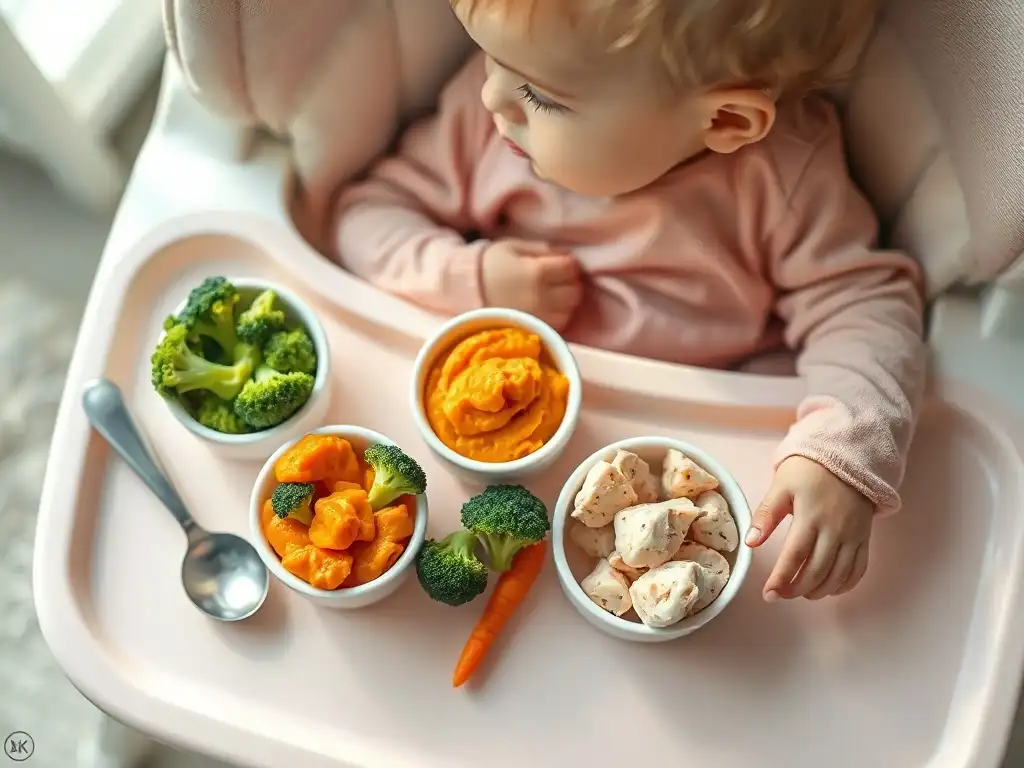
Welcome to BabyCareHub, your ultimate guide to navigating the exciting yet challenging world of parenthood! Are you ready to confidently tackle the complexities of feeding your little one? Then you're in the right place. Our expert advice on baby food portion size will help you understand exactly how much your baby needs at each stage of their development. Discover the secrets to healthy eating and happy tummies – dive into our comprehensive BabyLed Weaning Portion Sizes guide and embark on this incredible journey with confidence!
- Understanding Baby-Led Weaning Portion Sizes: A Guide for Parents
- Baby Food Portion Size Guide: Age-Based Recommendations
- How to Determine the Right Portion Size for Your Baby
- Tips for Managing Baby-Led Weaning Portion Sizes
- Baby-Led Weaning and Nutritional Needs: Ensuring Balanced Meals
- Signs Your Baby Needs More or Less Food
- Frequently Asked Questions
- Final Reflection: Nourishing the Future, One Bite at a Time
- Unlock Your Baby's Healthy Eating Journey!
Understanding Baby-Led Weaning Portion Sizes: A Guide for Parents
Navigating the world of baby-led weaning can feel overwhelming for first-time parents. One of the most common concerns revolves around portion sizes: how much food should your little one actually be eating? This comprehensive guide provides a practical framework for determining appropriate portion sizes during baby-led weaning, focusing on age-appropriate servings and individual needs.
We'll explore the key factors influencing your baby's food intake and offer practical tips to ensure your baby receives adequate nutrition while avoiding overfeeding. Remember, baby-led weaning is a journey of exploration and discovery – both for you and your baby! This guide will help you navigate this exciting phase with confidence, ensuring your baby thrives.
Understanding the nuances of portion control is crucial for fostering healthy eating habits from the start and preventing nutritional deficiencies or weight issues. This guide aims to help you confidently navigate the world of baby food portion sizes and empower you to make informed decisions about your baby's nutritional well-being. Let's delve into the specifics!
The Importance of Age-Appropriate Portions for Baby-Led Weaning
Offering age-appropriate portions is paramount during baby-led weaning. Overfeeding can lead to discomfort and potential digestive issues, while underfeeding could result in nutritional deficiencies. A baby's nutritional needs change rapidly during their first year. The following table provides a general guideline, but remember that every baby is unique. Always consult your pediatrician for personalized advice.
| Age Range (Months) | Approximate Portion Size (per meal) | Notes |
|---|---|---|
| 6-8 | 1-2 tablespoons of soft, easily mashed foods | Start with small, manageable pieces. Offer a variety of textures. |
| 9-12 | 2-4 tablespoons of a variety of foods | Increase portion size gradually, based on baby's appetite and needs. |
| 12+ | 4-6 tablespoons or more | Observe your baby's cues – they'll often let you know when they're full. |
It's crucial to remember that these are just estimates. Your baby may eat more or less depending on their individual needs and developmental stage. Focus on offering a variety of nutrient-rich foods and allowing your baby to self-regulate their intake. Don't force them to finish everything on their plate. The goal is to encourage healthy eating habits, not to stress about precise measurements. Observe your baby's cues, like turning their head away or pushing the food away, as signals that they are full.
Factors Influencing Baby Food Portion Sizes: Age, Appetite, and Activity Level
Several factors influence how much your baby will eat. Understanding these factors will help you make informed decisions about portion sizes.
- Age: As mentioned earlier, a baby's nutritional needs change significantly as they grow. Younger babies will naturally require smaller portions than older babies.
- Appetite: Just like adults, babies have varying appetites from day to day. Some days your baby may eat more, while other days they may eat less. This is perfectly normal. Don't worry if your baby doesn't finish everything on their plate.
- Activity Level: Active babies will generally have a higher calorie requirement than less active babies. Observe your baby's energy levels and adjust portion sizes accordingly. A more active baby might need slightly larger portions.
- Growth Spurts: During growth spurts, babies may eat significantly more than usual. This is their body's way of fueling its rapid development. Don't be alarmed; this is perfectly normal.
Remember, consistency is key. Offer a variety of healthy foods at regular intervals and trust your baby's cues. By following these guidelines and paying attention to your baby's individual needs, you can confidently navigate the exciting world of baby-led weaning and ensure your little one receives the nourishment they need to thrive. 👶🍼
Baby Food Portion Size Guide: Age-Based Recommendations
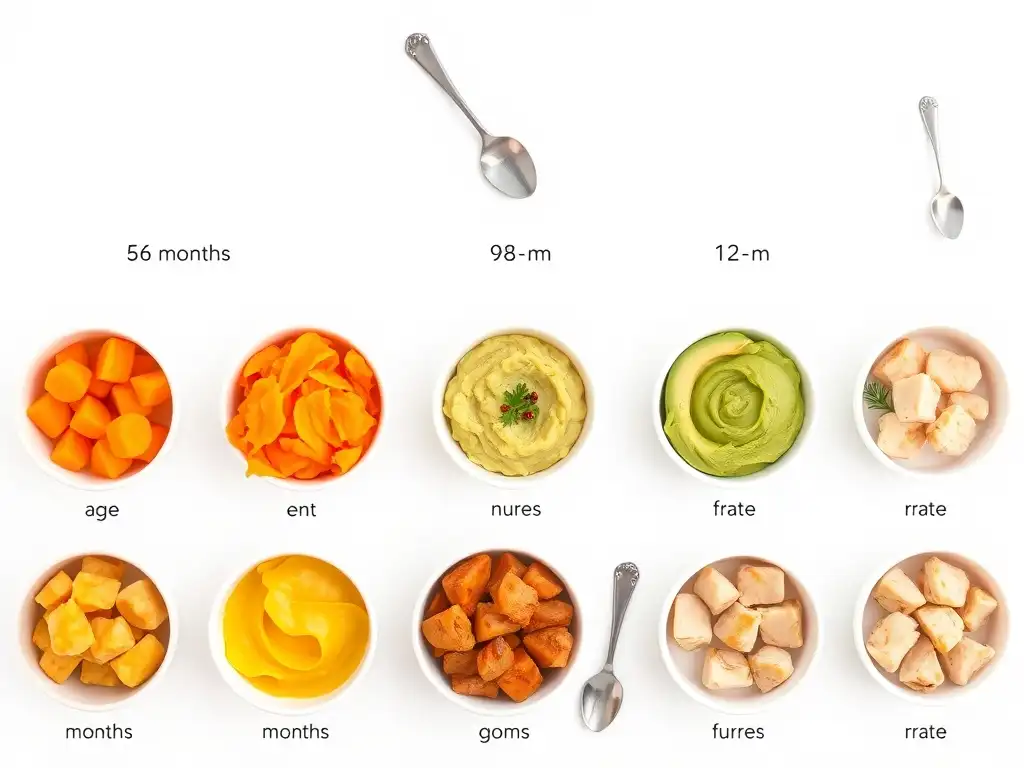
This section provides a detailed guide on appropriate portion sizes for baby-led weaning, catering to different age groups. Remember, these are guidelines; your baby's individual needs may vary. Always consult your pediatrician for personalized advice. This guide helps you navigate the often confusing world of baby food portion size, offering a practical "baby food portion size guide" for your reference.
Baby-Led Weaning Portion Sizes: 6 Months to 8 Months
At this stage, your little one is just beginning their culinary adventures! Think exploration rather than consumption. Portion sizes should be incredibly small, focusing on offering a variety of textures and tastes to encourage sensory development.
- Quantity: Offer 1-2 tablespoons of each food offered. This might seem minuscule, but remember, they are still primarily getting nutrients from breast milk or formula.
- Frequency: Aim for 1-2 meals per day, supplementing with breast milk or formula.
- Food Types: Soft, easily manageable pieces are key. Think steamed broccoli florets, well-cooked carrot sticks, soft avocado slices, or small pieces of cooked sweet potato. Avoid anything that could pose a choking hazard.
- Example Meal: A small portion of mashed avocado (1 tablespoon), a few soft cooked green beans (2-3), and a small piece of soft pear.
Remember, at this age, the focus is on introducing diverse flavors and textures. Don't be discouraged if your baby only eats a small amount or shows little interest in some foods. Persistence and patience are key! The goal is to build a positive relationship with food, not to force a specific amount of consumption. This is a crucial element of any effective "baby food portion size chart".
Baby-Led Weaning Portion Sizes: 8 Months to 10 Months
By now, your baby's appetite will likely increase, and they'll be more adept at self-feeding. You'll notice more purposeful chewing and swallowing.
- Quantity: Increase portions to 2-4 tablespoons per food item. You can start offering slightly larger and firmer pieces of food, always ensuring they are cooked until soft.
- Frequency: You can introduce 2-3 meals a day, still supplementing with breast milk or formula.
- Food Types: Expand the variety! Introduce finger foods like cooked pasta, soft cooked chicken pieces (shredded or small pieces), scrambled eggs (well-cooked), and ripe, soft fruits like bananas or berries (cut into small, manageable pieces).
- Example Meal: Two tablespoons of mashed sweet potato, 3-4 small pieces of cooked chicken, and a quarter of a soft-boiled egg.
This is a period of rapid growth, so ensuring your baby is getting enough calories is important. However, always observe their cues. If they seem full, don't force them to eat more. A good "baby food portion size guide" should always prioritize your baby's cues.
Baby-Led Weaning Portion Sizes: 10 Months to 1 Year
Your baby is becoming quite the little foodie! They're more coordinated and can handle a wider variety of textures and foods.
- Quantity: Portions can increase to 4-6 tablespoons per food item, depending on your baby's appetite and activity level. They might even start enjoying family meals!
- Frequency: Three meals a day, with snacks as needed, are typically appropriate. Reduce breast milk or formula feedings as your baby’s solid food intake increases.
- Food Types: You can now introduce more complex textures and flavors. Think finely chopped vegetables in soups, small pieces of well-cooked fish, and soft whole-grain breads. Continue to offer a variety of fruits, vegetables, proteins, and whole grains. Ensure all foods are properly cooked and cut into appropriately sized pieces to avoid choking hazards.
- Example Meal: A small bowl of lentil soup with finely chopped vegetables, a small portion of mashed avocado, and a piece of whole-wheat toast.
Remember, this is a transition period. Your baby is gradually moving towards a more adult-like diet. Continue to be mindful of choking hazards and ensure a balanced, nutritious diet. Following a "baby food portion size chart" is helpful, but always prioritize your baby's individual needs and preferences. 👶
Remember to always consult your pediatrician or a registered dietitian for personalized advice on your baby's nutritional needs and appropriate portion sizes. This is a general guide, and individual needs may vary considerably.
How to Determine the Right Portion Size for Your Baby
Determining the appropriate portion size for your baby during baby-led weaning can feel daunting, but it's a skill easily mastered with observation and a little guidance. Forget rigid measurements; focus instead on your baby's individual needs and cues. This approach ensures your little one receives adequate nutrition without overfeeding or underfeeding. This section provides a practical baby food portion size guide to help you navigate this crucial aspect of baby-led weaning. Remember, this is a journey of discovery, and flexibility is key!
Observing Your Baby's Hunger Cues: Recognizing Fullness and Satisfaction
Understanding your baby's hunger and satiety cues is paramount. Instead of relying solely on a predetermined portion size, pay close attention to your baby's signals. A hungry baby will likely show active interest in food, reaching for it and opening their mouth eagerly. Conversely, a full baby may turn their head away, push food away with their hands, or close their mouth. Some babies might even become fussy or irritable.
It's crucial to differentiate between genuine fullness and simple fussiness. Sometimes, a baby might reject food due to tiredness, discomfort, or a preference for a different food. Observe your baby's overall behavior to ascertain whether they're truly full or simply expressing dissatisfaction. This requires patience and careful observation. Remember, babies are individuals, and their cues might vary slightly from day to day.
Here's a helpful table summarizing common hunger and fullness cues:
| Hunger Cue | Fullness Cue |
|---|---|
| Reaching for food | Turning head away from food |
| Opening mouth widely | Pushing food away with hands |
| Showing active interest in food | Closing mouth tightly |
| Fussing (if hungry) | Becoming fussy (possibly tired) |
| Good eye contact with food | Loss of interest in food |
Learning to interpret these cues accurately will empower you to offer the right amount of food, preventing both underfeeding and overfeeding. Trust your instincts; you'll become increasingly adept at recognizing your baby's unique signals over time. 🎉
Adapting Portion Sizes Based on Your Baby's Growth and Development
Your baby's portion size should not remain static. As your baby grows and develops, their nutritional needs increase. A portion size that’s appropriate at six months may be insufficient at nine months. Therefore, regular adjustments are essential.
Consider these factors when adjusting portion sizes:
- Age: As your baby gets older, their appetite generally increases.
- Weight: A larger baby will typically require a larger portion size.
- Activity Level: A more active baby may need more calories.
- Growth Spurts: During growth spurts, your baby's appetite may significantly increase.
It's not about precise measurements, but rather about observing your baby's overall intake and growth. If your baby consistently seems hungry after meals, you might need to increase the portion size slightly. Conversely, if they frequently leave a significant amount of food uneaten, you might want to reduce it. Regular check-ups with your pediatrician will provide valuable insights into your baby's growth and development, helping you fine-tune their dietary needs. Remember to consult your pediatrician for personalized guidance.
Understanding Baby Food Consistency and Its Impact on Portion Size
The consistency of your baby's food plays a role in determining portion size. Soft, easily-mashable foods are generally easier for babies to manage, enabling them to consume a larger volume. Foods with a firmer texture, while beneficial for developing chewing skills, might lead to a smaller overall intake due to increased chewing time and effort.
For example, a puree might allow your baby to consume a larger volume compared to a similarly sized portion of soft-cooked vegetables that require more chewing. Observe how easily your baby manages different food consistencies and adjust the portion accordingly. Introduce new textures gradually, starting with softer options and progressing to firmer ones as your baby's skills develop.
Keep in mind that the goal is not just to provide sufficient nutrition but also to encourage healthy eating habits and the development of important oral motor skills. A diverse range of textures and tastes is crucial for balanced nutrition and overall development.
Tips for Managing Baby-Led Weaning Portion Sizes
This section provides practical advice on navigating the sometimes tricky world of portion control during baby-led weaning (BLW). Remember, BLW emphasizes self-feeding, allowing your baby to decide how much they eat. However, guidance is still needed to ensure they're getting adequate nutrition. This isn't about forcing your baby to finish everything on their plate; it's about offering a variety of healthy options in appropriate amounts.
Encouraging Healthy Eating Habits During Baby-Led Weaning
Establishing healthy eating habits early is crucial. Think of BLW as a journey of exploration, not a race. Avoid power struggles over food. Instead, focus on creating a positive and enjoyable mealtime experience. Here are some key strategies:
- Offer a variety of nutrient-rich foods: Include a rainbow of colors on your baby's plate – think colorful vegetables, fruits, and whole grains. This ensures a diverse intake of vitamins and minerals. Don't be discouraged if your baby rejects some offerings; persistence is key.
- Make mealtimes fun and engaging: Use fun, colorful plates and utensils. Let your baby participate in simple food preparation tasks (like washing vegetables) to increase their interest in the meal.
- Be patient and persistent: It can take multiple exposures to a new food before a baby accepts it. Keep offering rejected foods in different ways (e.g., roasted carrots vs. steamed carrots).
- Follow your baby's cues: Pay attention to your baby's hunger and fullness cues. Don't force them to eat more than they want. A good rule of thumb is to offer food until they show signs of being full, like turning their head away or pushing the food away.
- Avoid sugary drinks and processed foods: Focus on whole, unprocessed foods as the foundation of your baby's diet. Limit or avoid sugary drinks and processed foods, which offer little nutritional value and can contribute to unhealthy eating habits.
Dealing with Picky Eaters During Baby-Led Weaning
Picky eating is common, even among babies practicing BLW. It's important to remember that this phase is often temporary. Here's how to handle picky eating without resorting to pressure tactics:
- Don't make a big deal out of it: Avoid creating a power struggle over food. Calmly offer a variety of foods, and don't force your baby to eat anything they don't want.
- Be consistent with mealtimes: Regular mealtimes help establish a routine and reduce the likelihood of your baby becoming overly hungry and demanding specific foods.
- Offer small portions of a variety of foods: This allows your baby to sample different foods without feeling overwhelmed. Remember, it's okay if they only eat a small amount of one or two items.
- Role model healthy eating: Babies learn by observing their parents. Show them that you enjoy eating a variety of healthy foods.
- Involve your baby in food preparation: This can increase their interest in trying new foods.
Avoiding Food Waste During Baby-Led Weaning
Minimizing food waste is environmentally responsible and can save you money. Here are some tips to reduce food waste during BLW:
- Prepare smaller portions: Start with smaller portions of each food item, as you'll likely find your baby doesn't eat as much as you might expect. You can always offer more if needed.
- Use reusable containers and wraps: Store leftovers in airtight containers or use reusable wraps to preserve freshness.
- Freeze leftovers: Many purees and cooked vegetables freeze well, allowing you to save leftovers for future meals.
- Repurpose leftovers: Leftover cooked vegetables can be added to other dishes, like soups or stews, avoiding waste.
- Plan your meals: Planning meals in advance can help you buy only what you need, reducing the likelihood of food spoiling before it's used. This also helps ensure you offer a variety of nutrients throughout the week.
Remember, consistency and patience are key to successful baby-led weaning. This "Baby food portion size guide" offers a framework, but always trust your instincts and adapt to your baby's individual needs and preferences. Enjoy the journey! 👶😋
Baby-Led Weaning and Nutritional Needs: Ensuring Balanced Meals
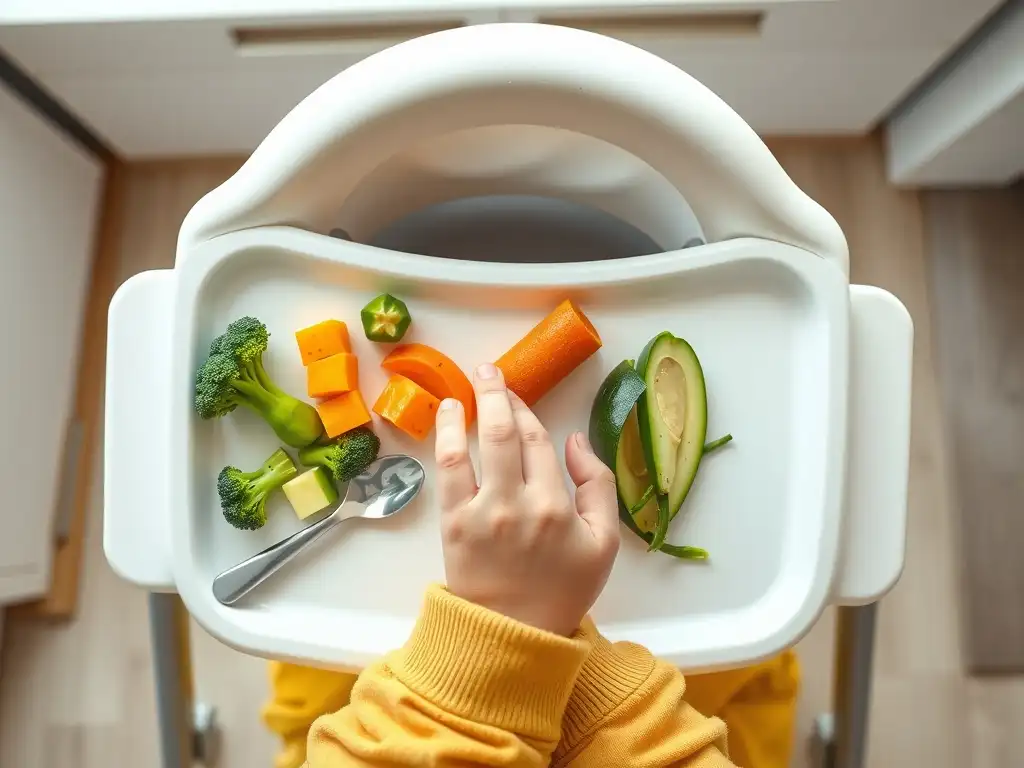
Baby-led weaning (BLW) offers many benefits, empowering your baby to explore textures and flavors independently. However, ensuring your little one receives adequate nutrition during this transition requires careful planning and a nuanced understanding of their evolving dietary needs. This section will delve into the crucial aspects of maintaining a balanced nutritional intake while embracing the BLW approach.
A well-structured BLW plan isn't just about offering a variety of foods; it's about ensuring your baby consumes enough calories and essential nutrients to support healthy growth and development. This requires a thoughtful approach to food selection and portion sizes, which we'll explore further. Remember, consistency and patience are key – your baby's appetite will fluctuate, and that’s perfectly normal.
Meeting Your Baby's Nutritional Requirements Through Baby-Led Weaning
Successfully navigating baby-led weaning necessitates a deep understanding of your baby's nutritional needs at each developmental stage. While the focus shifts from purees to finger foods, the fundamental requirements remain the same: sufficient calories, protein, iron, calcium, and vitamins. Iron, in particular, is crucial during this period of rapid growth. Excellent sources include iron-rich foods like pureed lentils, finely chopped cooked meats (chicken, beef, or lamb), and well-cooked egg yolks. Remember to introduce iron-rich foods alongside foods containing Vitamin C to enhance iron absorption.
A balanced diet should include a variety of food groups:
- Fruits and Vegetables: Offer a rainbow of colors to ensure a wide range of vitamins and minerals. Think soft, cooked carrots, steamed broccoli florets, and ripe, mashed avocado.
- Whole Grains: Introduce soft, cooked whole grains like well-cooked pasta or oatmeal. These provide essential carbohydrates for energy.
- Protein: Lean meats (finely chopped or pureed), lentils, beans (well-mashed), and eggs (well-cooked) are vital for building and repairing tissues.
- Healthy Fats: Avocado, nuts (finely ground), and seeds (finely ground) provide essential fatty acids for brain development.
Remember to consult your pediatrician or a registered dietitian for personalized guidance on meeting your baby's specific nutritional requirements. They can help you create a tailored plan to address any potential concerns.
Incorporating a Variety of Foods into Baby-Led Weaning Meals
Variety is the spice of life, and it's equally crucial in a baby's diet. Introducing a wide array of textures, flavors, and colors helps prevent picky eating later on and ensures your baby receives a balanced intake of nutrients. Don't be afraid to experiment! Offer different foods each day, allowing your baby to explore a range of tastes and textures at their own pace.
Here's a sample weekly meal plan to inspire your BLW journey:
| Day | Breakfast | Lunch | Dinner | Snacks |
|---|---|---|---|---|
| Monday | Scrambled eggs | Steamed broccoli & carrots | Chicken & lentil stew | Avocado slices |
| Tuesday | Oatmeal with berries | Soft cooked pasta with cheese | Salmon with sweet potato | Soft pear pieces |
| Wednesday | Whole wheat toast strips | Mashed avocado on toast | Beef and green bean puree | Banana slices |
| Thursday | Yogurt with fruit | Cooked chickpeas | Lentil soup | Cooked, mashed carrots |
| Friday | Scrambled eggs with spinach | Soft cooked peas & carrots | Chicken nuggets (well cooked) | Mango chunks |
| Weekend | Pancakes (whole wheat) | Leftovers from the week | Leftovers from the week | Variety of soft fruits/veggies |
This is just a sample, and you should adjust it based on your baby's preferences and your family's dietary habits. The key is to offer a diverse range of nutritious options.
Addressing Potential Nutritional Deficiencies in Baby-Led Weaning
While BLW is generally safe and effective, it's crucial to be mindful of potential nutritional deficiencies. Some babies may not consume sufficient quantities of certain nutrients, especially iron and vitamin D. Regular monitoring of your baby's growth and development is essential. If you have any concerns, consult your pediatrician or a registered dietitian. They can perform a thorough assessment and recommend appropriate interventions, such as iron supplements or dietary adjustments, to ensure your baby's nutritional needs are met.
Remember, early intervention is key to addressing any potential deficiencies promptly and effectively. Don't hesitate to seek professional advice if you have any doubts or concerns about your baby's nutritional intake. A healthy and balanced diet is the foundation for your baby's overall well-being and healthy growth. 🥳
Signs Your Baby Needs More or Less Food
This section focuses on discerning your baby's appetite during baby-led weaning (BLW). Accurate portion sizes are less about precise measurements and more about observing your baby's cues. Remember, every baby is different, and their needs will vary based on age, activity level, and individual metabolism. This is where a baby food portion size guide becomes less a rigid set of rules and more a framework for understanding your little one.
Indicators of Sufficient Food Intake During Baby-Led Weaning
A well-fed baby during BLW will exhibit several key signs. These aren't always perfectly clear-cut, but a combination of these indicators suggests adequate nutrition. Think of it less as a checklist and more as a holistic assessment of your baby's overall well-being.
- Engagement and Interest: A baby actively exploring different foods, showing excitement, and reaching for more are strong indicators of sufficient food intake. If they're pushing food away consistently and showing disinterest, it might be a sign they've had enough.
- Self-Regulation: A crucial aspect of BLW is allowing your baby to self-regulate their food intake. They'll naturally stop eating when they're full. Observe if they're pushing food away, turning their head, or closing their mouth. These are all signs that they've reached satiety.
- Weight Gain and Growth: Regular monitoring of your baby's weight and overall growth is essential. Consistent weight gain within the healthy percentile range, as monitored by your pediatrician, is a strong indicator of adequate nutrition. This is a key component of any baby food portion size guide.
- Healthy Bowel Movements: The frequency and consistency of your baby's bowel movements can also provide insights. Healthy, regular bowel movements suggest proper digestion and nutrient absorption. However, consult your pediatrician if you notice any significant changes.
- Energy Levels and Mood: A well-nourished baby will typically exhibit good energy levels, a positive mood, and good sleep patterns. Lethargy, irritability, or unusual fussiness could be signs of nutritional deficiencies or inadequate food intake.
Recognizing Signs of Overfeeding or Underfeeding in Babies
While self-regulation is key in BLW, it's crucial to be aware of potential signs of both overfeeding and underfeeding. These aren't always easily identifiable, so careful observation is paramount. A personalized baby food portion size guide is vital for avoiding these extremes.
Signs of Overfeeding:
- Vomiting or Spitting Up: Excessive vomiting or spitting up after meals might indicate overfeeding. However, some spitting up is normal, especially in babies. The distinction lies in the frequency and amount.
- Distended Belly: A noticeably swollen or distended belly after feeding could be a sign of overconsumption.
- Forced Feeding: Resist the urge to force your baby to eat more than they want. This can lead to negative associations with mealtimes and potentially contribute to overfeeding.
- Sleep Disturbances: While good sleep is a sign of a well-fed baby, overfeeding can sometimes lead to restless sleep.
Signs of Underfeeding:
- Poor Weight Gain: Consistent failure to gain weight within the healthy percentile range, as per your pediatrician's monitoring, is a clear indicator of insufficient food intake.
- Constant Fussiness or Crying: Persistent crying, particularly around mealtimes, could suggest hunger.
- Lack of Interest in Food: While temporary disinterest can happen, consistently refusing food should be addressed.
- Dry Mouth or Skin: Dehydration can be a sign of inadequate nutrient intake. Consult your doctor immediately if you observe this.
- Slow Development: Developmental milestones might be delayed in underfed babies.
When to Consult a Pediatrician or Nutritionist Regarding Baby Food Portions
While this guide offers valuable insights, it's crucial to remember that it's not a substitute for professional medical advice. Always consult your pediatrician or a registered dietitian/nutritionist if you have any concerns about your baby's food intake, weight gain, or overall health. They can provide personalized guidance and address any specific needs or concerns. They can also help you create a tailored baby food portion size guide, suited to your baby's unique requirements.
Don't hesitate to seek professional help – it's always better to err on the side of caution when it comes to your baby's well-being. Early intervention is key to ensuring healthy growth and development. 👶
Frequently Asked Questions
How much baby food should I give my 6-month-old?
For a 6-month-old starting baby-led weaning, begin with small portions – around one teaspoon of each food. Gradually increase as your baby shows interest and develops their chewing skills. Observe for signs of fullness.
What are the portion size guidelines for pureed baby food?
Pureed baby food portions should be small, starting with 1-2 tablespoons. Increase the amount gradually based on your baby's appetite and cues. Remember to always supervise your baby during feeding.
My baby doesn't finish their food. Is this a problem?
No, it's perfectly normal for babies to not finish everything on their plate. Babies have small stomachs and will only eat what they need. Don't force them to eat more.
How do I know if my baby is getting enough to eat?
Look for signs of healthy weight gain, regular bowel movements, and overall good health. If you have concerns, consult your pediatrician. They can help assess your baby's nutritional needs.
Are there any foods I should avoid giving to my baby?
Yes, avoid honey (until after 1 year old), cow's milk (until 1 year old), and choking hazards like whole grapes, nuts, and popcorn. Always introduce new foods one at a time to monitor for allergies.
Final Reflection: Nourishing the Future, One Bite at a Time
The journey of introducing solids to your baby is a pivotal moment, a delicate dance between nurturing growth and respecting individual needs. Understanding appropriate portion sizes isn't just about filling a tummy; it's about fostering a healthy relationship with food that will last a lifetime. This understanding is crucial in a world increasingly grappling with childhood obesity and disordered eating.
The shift towards baby-led weaning, while empowering, necessitates a nuanced approach to portion control. It's not about strict measurements, but about observation and responsiveness to your baby's cues. The best way to ensure your baby is getting enough is to offer a variety of nutritious foods and let them guide you.
This simple statement encapsulates the heart of the matter: trust your baby's innate wisdom and ability to self-regulate. This approach, while seemingly simple, challenges deeply ingrained cultural norms around feeding children and encourages a more intuitive and respectful parenting style.
Now, consider your own experiences with food. Reflect on your relationship with eating, the messages you received about portion sizes as a child, and how those messages might be shaping your approach to feeding your own little one. You have the power to break cycles, to create a positive and healthy food environment for your child, and to foster a lifelong love of nutritious and diverse foods. Embrace the journey, trust your instincts, and remember that every bite is a step towards building a strong and healthy future.
Unlock Your Baby's Healthy Eating Journey!
Thank you for learning about appropriate portion sizes for baby-led weaning! You've gained valuable insights into nourishing your little one. Now, let's put that knowledge into practice.
- Track your baby's food progress: Keep a simple food diary to record what your baby eats and their reactions. This will help you tailor their meals to their individual needs and preferences.
- Connect with other parents: Join our BabyCareHub community forum to share experiences, favorite foods, and helpful tips with other parents. This supportive environment can help you navigate the challenges and celebrate the successes of this exciting phase.
- Get creative with meals: Adapt family recipes to create age-appropriate portions, making mealtimes fun and engaging for both you and your baby.
Ready to empower your baby's healthy eating journey? What new food will you introduce this week?