
Babyproofing Your Outdoor Steps: Essential Safety Tips

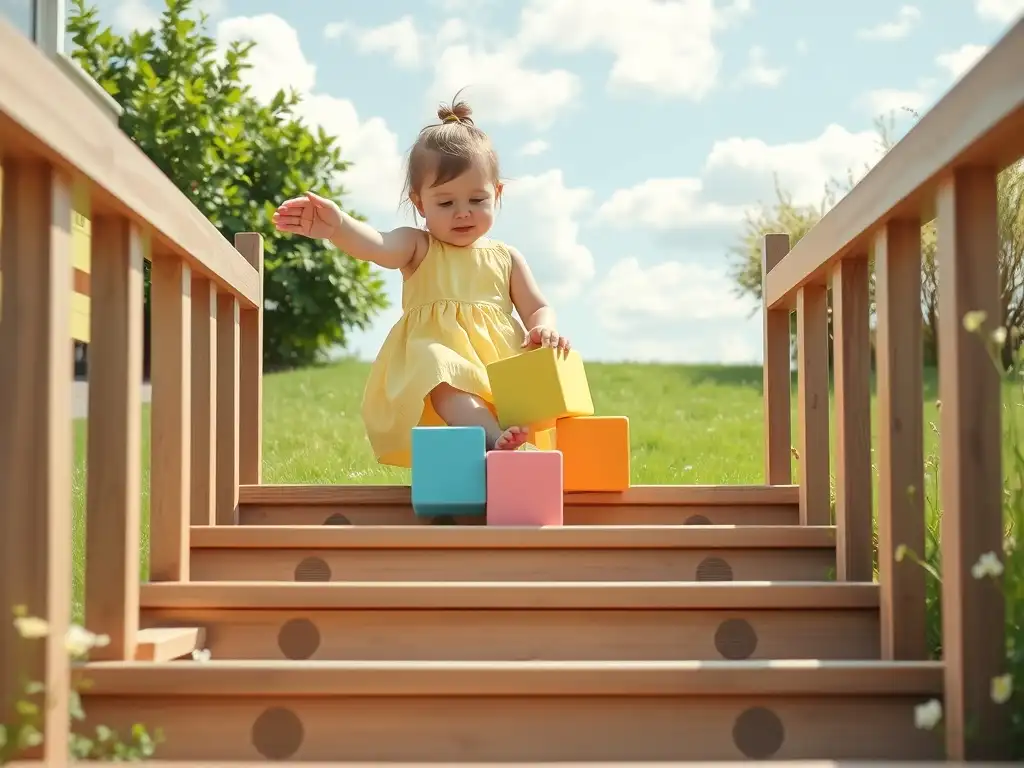
Welcome to BabyCareHub, your ultimate guide to navigating the incredible journey of parenthood! Are you ready to confidently tackle the challenges and joys of raising your little one? We've got you covered. This comprehensive resource is designed to empower you with practical, step-by-step advice on everything from feeding schedules to developmental milestones. But first, let's address a crucial safety concern: discover essential tips for babyproofing your outdoor steps and ensuring your baby's safety. Learn how to create a secure environment and prevent accidents – read on to learn more!
- Assessing Your Outdoor Steps for Babyproofing Needs
- Babyproofing Solutions for Outdoor Steps
- Additional Safety Measures for Outdoor Steps
- Maintaining Outdoor Steps Safety
- Preventing Accidents on Outdoor Steps: A Comprehensive Guide
-
Frequently Asked Questions
- What are the biggest dangers posed by outdoor steps to babies and toddlers?
- How can I babyproof my outdoor steps to prevent falls?
- What type of gate is best for outdoor steps?
- At what age should I start babyproofing my outdoor steps?
- Are there any other safety precautions I should take besides installing gates?
- Final Reflection: Securing Childhood's First Steps, One Stair at a Time
- Unlock a Safer Outdoor Playground: Secure Your Steps Now!
Assessing Your Outdoor Steps for Babyproofing Needs
Navigating the world of babyproofing can feel overwhelming, especially when it comes to outdoor spaces. While focusing on the interior of your home is crucial, securing your outdoor environment is equally vital for your little one's safety. This guide focuses specifically on babyproofing outdoor steps, a common hazard in many homes.
We’ll explore how to identify potential dangers, evaluate the safety of your steps themselves, and implement practical solutions to minimize the risk of falls and injuries. Understanding these steps ensures your baby can explore the outdoors safely, giving you peace of mind as they begin their journey of discovery. This detailed approach to babyproofing outdoor steps safety will provide you with the knowledge and confidence to create a secure environment for your child.
Identifying Potential Hazards on Outdoor Steps for Babies
Before you begin actively babyproofing, a thorough assessment of your outdoor steps is essential. Think like your baby – what might seem insignificant to you could present a significant hazard to them. Here are some key areas to focus on:
- Sharp edges and corners: Examine the steps for any sharp edges or corners on the steps themselves, the railings, or surrounding structures. These can cause painful cuts or scrapes. Consider using protective corner guards or padding.
- Uneven surfaces: Are the steps uneven, cracked, or slippery? These inconsistencies can easily lead to falls. Repair any damage and consider adding non-slip treads or rubber mats for improved traction, especially on wet or icy days.
- Obstacles on the steps: Toys, tools, or other objects left on the steps create tripping hazards. Establish a clear policy of keeping the steps free from clutter at all times.
- Access to the steps: How easy is it for your baby to access the steps? Ensure gates or barriers prevent unsupervised access, especially if the steps lead to potentially dangerous areas. Consider using child-resistant latches or locks on gates.
- Railing height and stability: If railings are present, ensure they are securely fastened and of an appropriate height to prevent falls. Remember, a baby can easily climb over low railings.
Evaluating Step Height and Material: Safety Considerations for Infants
The height and material of your steps significantly impact their safety for babies. Steeper steps pose a greater risk of falls, and certain materials can be more slippery than others.
- Step height: Ideally, outdoor steps should have low risers (the vertical height between steps). If your steps are high, consider adding additional steps to reduce the incline. This is particularly important for infants who are still learning to walk and have less control over their balance. 👶
- Step material: Wood, concrete, and metal are common materials for outdoor steps. Each has its own safety considerations. Wood can become slippery when wet, while concrete and metal can be cold and hard, increasing the risk of injury in a fall. Consider using non-slip paint, rubber mats, or other grip-enhancing materials.
- Step depth: The depth of each step (tread) should also be considered. Sufficient depth ensures a secure foothold, preventing slips and falls. Ideally, the depth should be wide enough for a baby’s foot to comfortably fit.
Checking for Gaps and Loose Components: Preventing Falls and Injuries
Small gaps and loose components can pose significant dangers to curious babies who might try to grasp or climb.
- Gaps between steps: Check for gaps between steps, especially at the edges. These gaps can trap small fingers or toes, causing pain or injury. Use weather stripping or caulk to fill any significant gaps.
- Loose railings or balusters: Loose railings or balusters are dangerous. Ensure all components are securely fastened and check regularly for loosening. Tighten or replace any loose parts immediately.
- Loose or protruding objects: Examine the steps and surrounding areas for any loose or protruding objects such as nails, screws, or splinters. Remove or secure these hazards to prevent injury. Regularly inspect the steps for any damage or wear and tear, addressing any issues promptly. Remember, proactive babyproofing is key to ensuring your child's safety. 🛡️
Babyproofing Solutions for Outdoor Steps
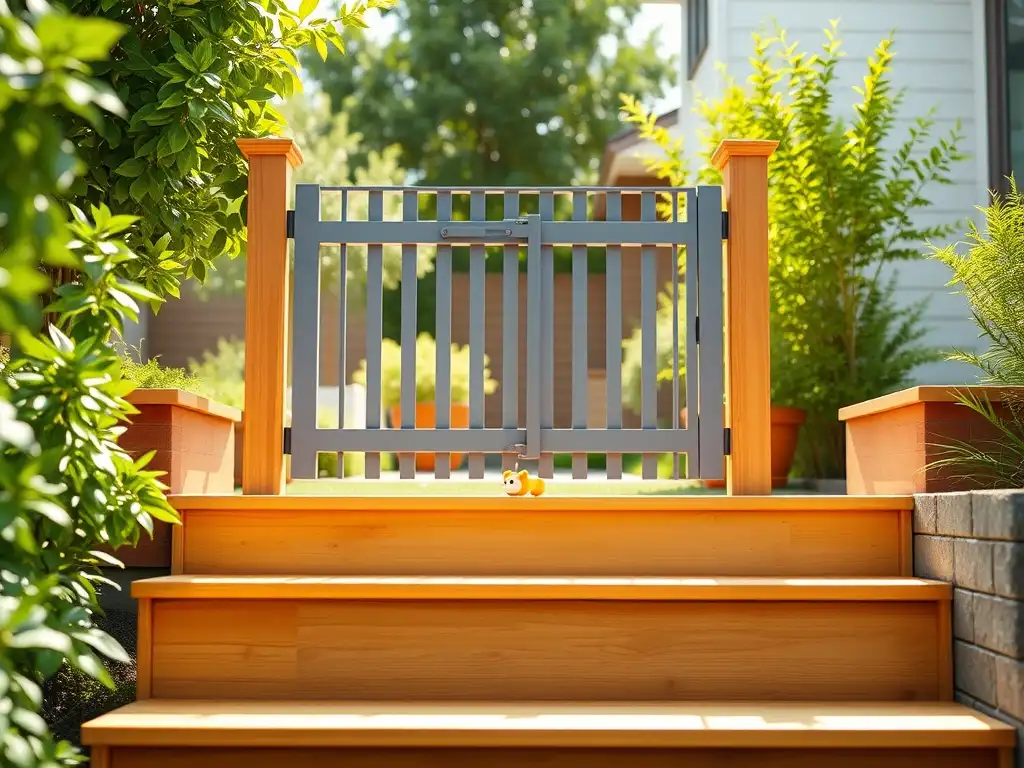
This section focuses on practical solutions to babyproof your outdoor steps, ensuring your little one's safety while exploring the outdoors. Remember, consistent vigilance is key, but proactive babyproofing significantly reduces risks. We'll explore several effective strategies to mitigate potential hazards associated with outdoor steps, specifically targeting the keyword "babyproofing outdoor steps safety."
Installing Baby Gates at the Top and Bottom of Steps
Installing sturdy baby gates at both the top and bottom of your outdoor steps is a crucial first step in babyproofing. This creates a physical barrier preventing unsupervised access to the steps. Consider these factors when choosing and installing gates:
- Gate Height and Width: Opt for gates that are tall enough to prevent climbing and wide enough to comfortably accommodate the area. Measure your staircase carefully before purchasing. Consider a gate height of at least 30 inches to deter climbing. For wider staircases, you may need two gates for complete coverage.
- Gate Material and Strength: Choose gates made from durable materials like strong wood or metal. Avoid flimsy plastic gates that can easily be broken or climbed. Look for gates with a secure locking mechanism that is childproof and difficult for little ones to open.
- Gate Installation: Ensure the gate is securely mounted to the banisters or walls at both the top and bottom of the steps. Follow the manufacturer's instructions carefully for proper installation. Regularly check the gate's stability to ensure it remains securely fastened.
- Gate Placement: While placing gates at the top and bottom seems obvious, consider where the gates lead to. If the bottom of the stairs leads directly to a dangerous area, an additional safety measure, such as a fence or barrier, may be required.
Using Safety Nets or Railings for Added Protection
While baby gates provide a primary barrier, additional safety measures can further enhance protection. Safety nets or reinforced railings can significantly reduce the risk of falls.
- Safety Nets: Mesh safety nets, often used for balconies, can be strategically installed along the sides of the steps to catch a child if they were to fall. Ensure the net's mesh is tight enough to prevent a child from slipping through. Professional installation is highly recommended for safety nets due to the complexities involved in secure fastening.
- Reinforced Railings: Existing railings should be inspected for stability and strength. Loose or weak railings should be repaired or replaced immediately. Consider adding extra support to existing railings or installing new, stronger ones if necessary. The height of the railing should be at least 36 inches to ensure that it is difficult for a baby to climb over.
- Material Considerations: When choosing materials for safety nets or railings, prioritize durability and weather resistance. The materials should be able to withstand outdoor elements and maintain their strength over time.
Choosing Appropriate Flooring Materials to Reduce Slippage
Slippery surfaces significantly increase the risk of falls on outdoor steps. Choosing appropriate flooring materials is crucial for preventing accidents.
- Non-Slip Surfaces: Prioritize flooring materials with a non-slip texture. Consider materials like textured concrete, rubber mats, or decking with a grooved surface. Avoid smooth, polished surfaces, especially if the steps are exposed to water or other liquids.
- Regular Cleaning: Keep the steps clean and free from debris, leaves, and other hazards that could cause slippage. Regular sweeping and cleaning will ensure that the steps remain safe for your little one.
- Outdoor Carpet: In some cases, outdoor carpet can be used to increase traction, particularly if your steps are made of a slippery material like smooth stone. However, choose carpet with a firm backing to prevent it from becoming a tripping hazard itself.
Remember, consistent supervision remains paramount, even with babyproofing measures in place. These safety measures are designed to minimize risk, not eliminate it entirely. Prioritizing safety around outdoor steps is a vital aspect of creating a secure environment for your baby's development and exploration. 👶
Additional Safety Measures for Outdoor Steps
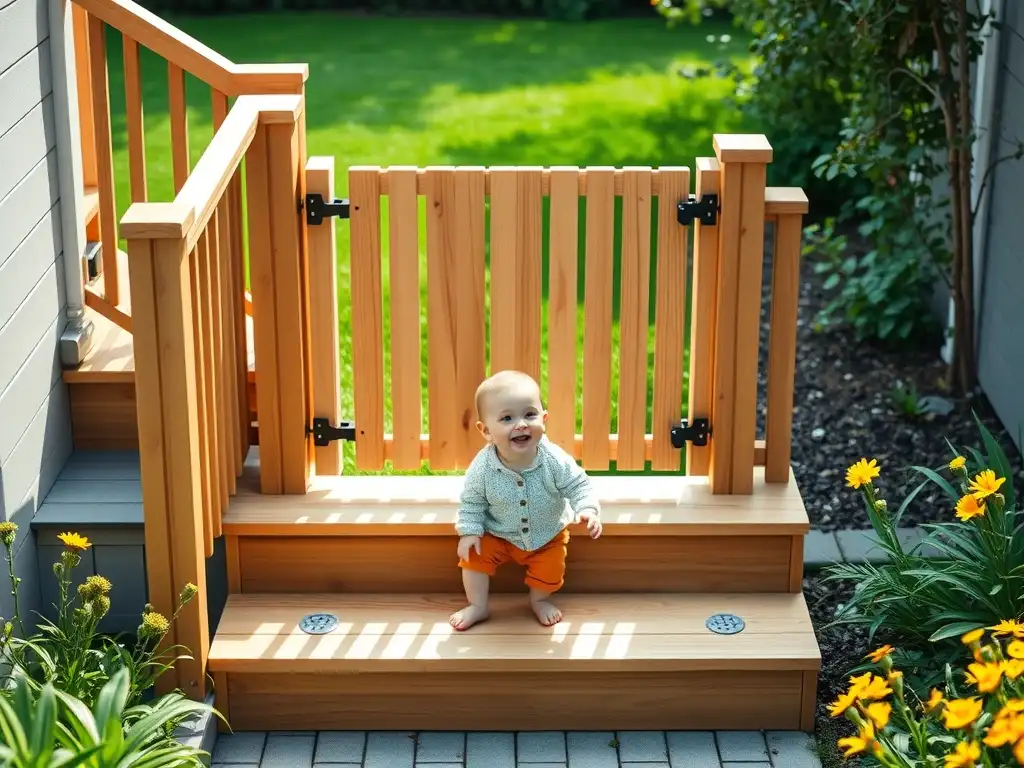
Beyond the fundamental babyproofing measures, several additional strategies can significantly enhance the safety of your outdoor steps for your little one. These go beyond simply blocking access and focus on creating a more forgiving environment should a fall occur. Remember, even with the best precautions, accidents can happen. Minimizing the impact of a fall is key to babyproofing outdoor steps safety.
Creating a Safe Zone Around Outdoor Steps
Establishing a safe zone around your outdoor steps is crucial. This isn't just about preventing falls; it's about mitigating the consequences if a fall does occur. Consider these strategies:
- Soft Landing Surfaces: The area immediately surrounding the steps should have a soft, impact-absorbing surface. Think soft grass, mulch (avoiding the kind that can be easily ingested), or even interlocking rubber mats specifically designed for playgrounds. Avoid hard surfaces like concrete or paving stones. The goal is to cushion any falls and lessen the severity of injuries. The depth of the soft surface should be sufficient to absorb the impact of a fall from the height of the steps. For example, a fall from two steps might require at least 6 inches of soft mulch. [Specific depth recommendations pending further research]
- Perimeter Barriers: If the area around the steps isn't naturally enclosed, consider using strategically placed barriers. These could be low fences, potted plants (ensure they're sturdy and not easily toppled), or even strategically placed furniture. The goal is to gently guide a child away from the steps, preventing them from approaching the hazard in the first place.
- Regular Inspection: Regularly inspect the area surrounding the steps. Look for any hazards like loose stones, protruding objects, or holes that could cause a trip or fall. Remove any potential tripping hazards promptly. This proactive approach is essential for maintaining a safe environment for your baby. A weekly inspection is recommended.
Supervising Children Constantly Near Steps
Even with the most comprehensive babyproofing measures in place, constant supervision is paramount. Never leave a child unattended near outdoor steps, regardless of their age or developmental stage. This is non-negotiable for babyproofing outdoor steps safety.
- Active Supervision: "Supervision" doesn't mean passively watching from afar. It means actively engaging with your child, ensuring they are always within your immediate reach and line of sight. Distractions can lead to accidents. Put down your phone and focus entirely on your child when they are near the steps.
- Age-Appropriate Supervision: The level of supervision required varies depending on the child's age and mobility. Toddlers require significantly more attention than older children who might understand the dangers more fully. However, even older siblings require supervision near steps, as they may inadvertently cause a younger sibling to fall.
- Anticipating Behavior: Children are unpredictable. Anticipate their movements and be prepared to intervene quickly if they start to approach the steps unattended. This proactive approach can prevent accidents before they occur.
Educating Older Siblings about Step Safety
If you have older siblings, educating them about step safety is crucial for creating a safe environment for everyone. This is an essential aspect of babyproofing outdoor steps safety, often overlooked.
- Age-Appropriate Explanations: Explain the dangers of steps in a way that older children can understand. Use simple, clear language, avoiding jargon or overly technical explanations.
- Role-Playing and Practice: Role-playing scenarios can help older children internalize the importance of step safety. Practice scenarios where they need to help prevent their younger sibling from approaching the steps.
- Positive Reinforcement: Reward older siblings for their positive behavior and cooperation in maintaining step safety. Positive reinforcement is far more effective than punishment in teaching children about safety.
| Action | Benefit | Frequency |
|---|---|---|
| Soft landing surface | Cushions falls, reduces injury severity | Ongoing |
| Perimeter barriers | Prevents access to steps | Ongoing |
| Regular inspection | Identifies and removes tripping hazards | Weekly |
| Constant supervision | Prevents accidents by ensuring immediate intervention | Always near steps |
| Educating older siblings | Creates a team approach to safety, reducing risks for all children | Ongoing |
Remember, a multifaceted approach combining physical barriers, constant supervision, and education is the most effective way to babyproof your outdoor steps and ensure your child's safety. 👶 Safety first!
Maintaining Outdoor Steps Safety
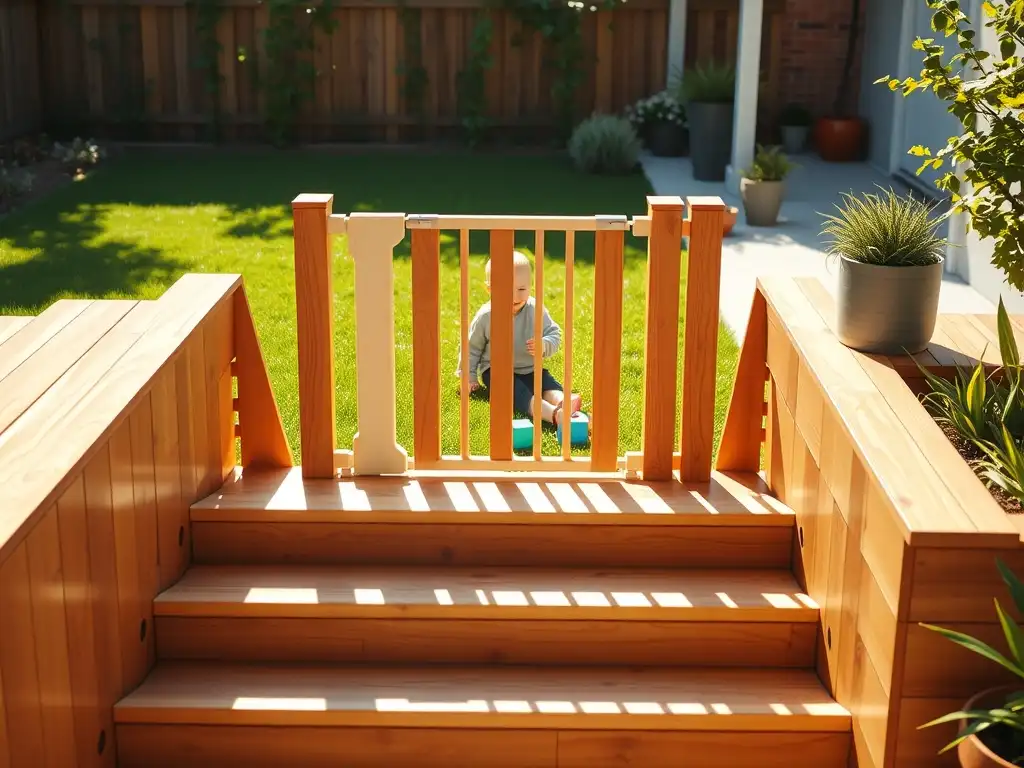
This section focuses on the ongoing maintenance required to ensure the safety of your outdoor steps for your baby. Proactive maintenance is crucial for preventing accidents and minimizing risks associated with "babyproofing outdoor steps safety". Neglecting even minor issues can escalate into significant hazards.
Regular Inspections for Hazards and Repairs
Regular inspections are paramount for identifying and addressing potential hazards before they become accidents. Aim for weekly inspections, especially during periods of changing weather. Pay close attention to the following:
- Loose or broken steps: Any instability, even a slightly loose board or cracked step, poses a significant tripping hazard for both you and your baby. Immediately repair or replace damaged components. Use high-quality materials and ensure secure fastening.
- Missing or damaged railings: Handrails are vital for stability, particularly for adults carrying infants. Regularly check for loose screws, broken balusters, or any damage that compromises their structural integrity. Replace damaged sections promptly.
- Sharp objects or protruding nails: Thoroughly inspect the steps and surrounding areas for any sharp objects that could cause injury. Remove or cover any protruding nails, screws, or broken pieces of wood.
- Slippery surfaces: Moisture, leaves, or other debris can make steps slippery. Regularly clean the steps and consider applying a non-slip surface treatment, especially if you live in an area with frequent rain or snow.
- Weed growth: Overgrown weeds can obscure steps and create tripping hazards. Regularly weed and maintain the area around the steps to ensure clear visibility and safe passage.
Here's a handy checklist for your weekly inspections:
| Item | Check | Action if Necessary |
|---|---|---|
| Step stability | Check for loose or broken steps | Repair or replace immediately |
| Railings | Inspect for damage and loose fasteners | Repair or replace damaged sections |
| Sharp objects | Look for protruding nails, screws, etc. | Remove or cover |
| Slippery surfaces | Check for moisture, leaves, and other debris | Clean and consider non-slip treatment |
| Weed growth | Inspect for overgrown weeds | Weed and maintain the area around the steps |
| Overall step condition | Assess general condition and potential risks | Address any identified issues promptly and thoroughly |
Remember, proactive maintenance is key to maintaining "babyproofing outdoor steps safety". A few minutes each week can prevent a serious accident.
Weather significantly impacts outdoor step safety. Rain, snow, ice, and extreme temperatures can all create hazardous conditions. Here’s how to mitigate these risks:
- Rain: Rain makes steps slippery. Regular cleaning and the application of a non-slip surface treatment are essential. Consider adding a covered area above the steps to reduce water accumulation.
- Snow and Ice: Snow and ice are extremely dangerous. Regularly clear snow and ice from the steps using a shovel or snow blower. Apply ice melt carefully, following product instructions, and ensure it's pet-safe if applicable.
- Extreme Temperatures: Extreme heat can cause materials to expand and weaken, while extreme cold can make materials brittle and prone to cracking. Regular inspections are crucial during these periods.
- Strong Winds: High winds can dislodge loose objects, creating potential hazards. Secure any loose items near the steps before a storm.
Proactive weather preparedness is crucial for maintaining "babyproofing outdoor steps safety" throughout the year. Regularly check weather forecasts and take appropriate preventative measures.
Seasonal Safety Checks for Outdoor Steps and Surroundings
Seasonal changes bring unique safety concerns. Conduct thorough checks at the start of each season:
- Spring: After winter, inspect for damage caused by frost heaves, ice, and thawing. Clear away any debris accumulated over the winter months. Address any damage immediately.
- Summer: Check for loose or damaged components due to expansion from heat. Ensure that any plants or other landscaping elements near the steps do not obstruct passage or create tripping hazards.
- Autumn: Remove fallen leaves and other debris that can make steps slippery. Inspect for any damage caused by strong winds or storms.
- Winter: Prepare for snow and ice by having appropriate tools and materials on hand. Ensure that any outdoor lighting is functioning correctly to improve visibility in low-light conditions.
By performing these seasonal checks, you significantly enhance "babyproofing outdoor steps safety" and minimize the risk of accidents throughout the year. Remember, consistent vigilance is your best defense.
Preventing Accidents on Outdoor Steps: A Comprehensive Guide
Babyproofing outdoor steps safety is crucial for preventing injuries in young children. Falls on steps are a common cause of injury, and the consequences can range from minor scrapes and bruises to severe head trauma. This section focuses on proactive measures to minimize the risk of accidents. A layered approach, combining environmental modifications with child education, is the most effective strategy.
Teaching Children Safe Step Usage (Age-Appropriate)
Teaching children safe step usage is a crucial aspect of babyproofing outdoor steps safety. This should begin early, even before they are able to independently navigate steps. The approach needs to be age-appropriate, adjusting the level of instruction and supervision as the child grows.
For toddlers (1-3 years old), focus on hand-holding. Always supervise them closely when they are near steps, ensuring they are holding your hand or the hand of a responsible adult. Use simple, clear instructions like "Hold my hand when we go up and down the steps." Positive reinforcement with praise and encouragement works wonders. Consider using visual aids, like colorful step markers or stickers, to help them understand the sequence of steps.
Preschoolers (3-5 years old) can begin to learn more about step safety independently. Explain the importance of taking one step at a time, looking where they are placing their feet, and avoiding running on the steps. Practice with them, demonstrating the proper technique and providing gentle corrections. Role-playing scenarios can be helpful, allowing them to practice safe step usage in a controlled environment.
For older children (5+ years old), reinforce the importance of caution and awareness around steps, especially in inclement weather when steps might be slippery. Discuss potential hazards, such as toys or debris left on the steps, and encourage them to clear the area before using them. They should be able to independently navigate steps safely, but consistent supervision and reminders are still crucial. Regularly review safety rules to ensure they remain top-of-mind.
Implementing Emergency Plans for Falls on Steps
Even with the best preventative measures, accidents can still happen. Having a well-defined emergency plan for falls on outdoor steps is essential for babyproofing outdoor steps safety. This plan should include knowing what to do in the event of a fall, and having the necessary resources readily available.
First, ensure you have a well-stocked first-aid kit specifically for outdoor use, easily accessible near the steps. This should include antiseptic wipes, bandages of various sizes, pain relievers appropriate for children (check with your pediatrician), and a cold compress for swelling.
Next, familiarize yourself with basic first-aid procedures for common injuries associated with falls, such as scrapes, bruises, and minor cuts. Knowing how to properly clean and bandage wounds can help minimize the risk of infection. If the fall results in a more serious injury, such as a head injury or suspected broken bone, immediately call emergency services (911 or your local equivalent).
Finally, consider installing a gate at the top and bottom of the steps, especially if your child frequently uses the steps unsupervised. This can help to prevent falls and provide an additional layer of protection. Regularly inspect the gate to ensure it is in good working order and safely secured. Remember, prevention is key, but preparedness is just as important.
Choosing Appropriate Footwear for Toddlers and Children on Steps
Appropriate footwear plays a surprisingly significant role in babyproofing outdoor steps safety. The right shoes can improve traction and stability, reducing the risk of slips and falls.
For toddlers, choose shoes with non-slip soles and good ankle support. Avoid shoes that are too loose or too tight, as these can affect balance and coordination. Look for shoes made from flexible materials that allow for natural movement. Avoid socks or slippers on steps as they offer little to no grip.
For older children, while sneakers or sandals with good grip are usually sufficient, consider the weather conditions. On wet or icy steps, waterproof boots with good tread are essential. Always inspect the soles of your children's shoes for wear and tear; worn-out soles significantly reduce traction and increase the risk of accidents. Regularly check for any debris stuck to the soles, which can also compromise grip. Remember, the right footwear can make a substantial difference in preventing falls on outdoor steps. Proper footwear is a simple but effective part of your overall babyproofing outdoor steps safety strategy.
Frequently Asked Questions
What are the biggest dangers posed by outdoor steps to babies and toddlers?
Falls are the primary concern. Babies and toddlers are prone to falls due to their lack of balance and coordination. Head injuries are a particularly serious risk.
How can I babyproof my outdoor steps to prevent falls?
Install gates at the top and bottom of the stairs. Consider adding non-slip surfaces to the steps themselves. Keep the area around the steps clear of clutter.
What type of gate is best for outdoor steps?
A sturdy, pressure-mounted gate is usually sufficient for most situations. Ensure it's properly installed and securely fastened. Consider a self-closing and self-latching gate for extra safety.
At what age should I start babyproofing my outdoor steps?
You should begin babyproofing your outdoor steps as soon as your baby is mobile enough to crawl or pull themselves up. This is usually around 6-8 months old, but it depends on your child's development.
Are there any other safety precautions I should take besides installing gates?
Yes, supervise children closely near the steps. Consider adding handrails for yourself if you're carrying your child. Regularly inspect the gate and steps for damage or wear.
Final Reflection: Securing Childhood's First Steps, One Stair at a Time
The safety of our children is paramount, and the seemingly simple act of navigating outdoor steps becomes a significant challenge when tiny feet and curious minds are involved. A seemingly small oversight can have devastating consequences, highlighting the critical need for proactive babyproofing measures, not just indoors, but also in our outdoor spaces. This is not merely about preventing falls; it's about fostering a secure environment where children can explore and grow without unnecessary risks.
The impact of childhood accidents, particularly those involving falls on stairs, resonates far beyond the immediate injury. These events can shape a child's confidence and development, leaving lasting emotional and physical scars. The responsibility we bear as parents and caregivers is immense. The best way to find yourself is to lose yourself in the service of others.
– Mahatma Gandhi. This quote, while seemingly unrelated at first, speaks to the profound selflessness required in protecting our children, ensuring their well-being takes precedence above all else. Our efforts in babyproofing, however small they may seem, contribute to a larger tapestry of safety and security for the next generation.
Consider the steps you take each day, both literally and figuratively, to ensure the safety of your loved ones. This article provided a framework, a starting point; now, it's your turn to personalize these safety measures to your own home and family. Take a moment to assess your outdoor spaces with fresh eyes, identifying potential hazards and implementing the solutions that best suit your needs. Remember, proactive safety is not just about preventing accidents; it's about cultivating a nurturing environment where children can thrive, explore, and learn, secure in the knowledge that their world is a safe one.
Unlock a Safer Outdoor Playground: Secure Your Steps Now!
Thank you for learning how to childproof your outdoor steps! You've gained valuable knowledge to protect your child. Now let's put that knowledge into action. Here's how:
- Prioritize safety: Immediately assess your steps and implement the most important safety measures, such as installing gates, handrails, or removing any tripping hazards. This is crucial!
- Share your success: Post a picture of your childproofed steps on social media and inspire other parents. Use #BabyCareHubSafeSteps to connect with our community.
- Connect with the community: What unexpected hazards did you discover while childproofing your steps? Share your experiences in the comments below – we can all learn from each other!
Ready to create a safer space for your little one?