
How to Help Your Baby Develop Healthy Sleep Habits


Welcome to BabyCareHub, your ultimate guide to navigating the incredible journey of parenthood! Are you ready to unlock the secrets to a well-rested baby and a happier family? We understand the challenges of establishing healthy sleep habits in newborns, which is why we've created this comprehensive resource. Discover practical, step-by-step advice on Baby healthy sleep habits in our latest article – and prepare for more peaceful nights ahead! Let's embark on this adventure together.
- Understanding Your Baby's Sleep Needs and Cycles
- Creating a Conducive Sleep Environment for Your Baby
- Implementing Healthy Sleep Habits for Your Baby
- Addressing Common Sleep Challenges in Babies
- Seeking Professional Help for Baby Sleep Problems
- Understanding Different Sleep Training Methods and Approaches
-
Frequently Asked Questions
- How can I establish a consistent bedtime routine for my baby?
- My baby wakes up multiple times during the night. Is this normal?
- What are some tips for creating a sleep-conducive environment for my baby?
- At what age should my baby be sleeping through the night?
- My baby seems to struggle with self-soothing. How can I help?
- Final Reflection: Cultivating the Sweet Slumber of Childhood
- Unlock Your Baby's Sleep Potential!
Understanding Your Baby's Sleep Needs and Cycles
Establishing healthy sleep habits for your baby is crucial for their overall development and your well-being as parents. This guide provides a comprehensive understanding of your baby's sleep needs and cycles, offering practical advice to help your little one (and you!) get the rest you deserve.
We'll explore newborn sleep patterns, learn to recognize sleep cues, and build a consistent bedtime routine. Understanding these key elements will empower you to navigate the often-challenging world of infant sleep and foster a healthier, happier sleep environment for your family. Remember, consistency and patience are key – every baby is unique, and finding what works best for your little one takes time and observation.
This journey is about establishing a positive sleep association and setting the stage for healthy sleep habits that will benefit your child for years to come. Let's dive in and unlock the secrets to better sleep for both you and your baby!
Newborn Sleep Patterns: What to Expect in the First Few Months
Newborn sleep is characterized by frequent waking and short sleep cycles. Unlike adults, newborns don't sleep through the night. Their sleep patterns are heavily influenced by their biological clocks, which are still developing. Expect your newborn to sleep for approximately 14-17 hours a day, but this sleep will be distributed across several shorter periods rather than one long stretch. This is perfectly normal!
During the first few months, your baby's sleep will be a mix of active and quiet sleep. Active sleep is characterized by rapid eye movements (REM), while quiet sleep is deeper and more restful. You might observe your baby's eyes moving rapidly beneath their eyelids, making little noises, or even twitching during active sleep. This is all part of the normal developmental process. The proportion of active and quiet sleep changes as your baby grows.
It's important to understand that there's a wide range of "normal" when it comes to newborn sleep. Some babies will sleep longer stretches than others, and some will wake more frequently. Don't compare your baby's sleep to other babies – focus on establishing a nurturing and consistent sleep environment.
| Age (Months) | Average Total Sleep (hours) | Typical Sleep Cycle Length (hours) |
|---|---|---|
| 0-3 | 14-17 | 1-3 |
| 3-6 | 12-15 | 2-4 |
Recognizing Baby Sleep Cues: Drowsiness, Fussiness, and Tiredness
Learning to recognize your baby's sleep cues is vital for successful sleep training. Missing these cues can lead to overtiredness, which ironically makes it harder for your baby to fall asleep. Instead of waiting until your baby is screaming, learn to identify the subtle signs that they're getting tired.
These cues can vary from baby to baby, but some common signs include:
- Rubbing their eyes
- Yawning excessively
- Becoming less interactive or more fussy
- Pulling on their ears
- Looking away frequently
- Becoming unusually quiet
- Clenching their fists
Responding to these early cues by creating a calm and quiet environment, dimming the lights, and offering a feeding or cuddle will help your baby drift off more easily. Ignoring these subtle cues can result in a cranky, overtired baby who is much harder to settle. Pay close attention to your baby's individual cues and learn to anticipate their sleep needs.
Establishing a Consistent Bedtime Routine for Improved Sleep
A consistent bedtime routine is one of the most effective ways to promote healthy sleep habits in babies. This routine signals to your baby that it's time to wind down and prepare for sleep. The routine should be calming and predictable, and it should be followed consistently, even on weekends.
Here are some ideas for creating a relaxing bedtime routine:
- A warm bath
- A gentle massage
- Reading a book or singing lullabies
- Dimming the lights
- A quiet cuddle
The key is consistency. Try to keep the routine around the same time each night, even if your baby's sleep schedule is still irregular. The predictability of the routine helps your baby's body and mind prepare for sleep. It also creates a positive association with bedtime, making it easier for your baby to relax and fall asleep. Remember, the goal is to create a calming and predictable process that becomes a familiar and soothing signal for your baby, promoting better sleep for everyone. 😴
Creating a Conducive Sleep Environment for Your Baby
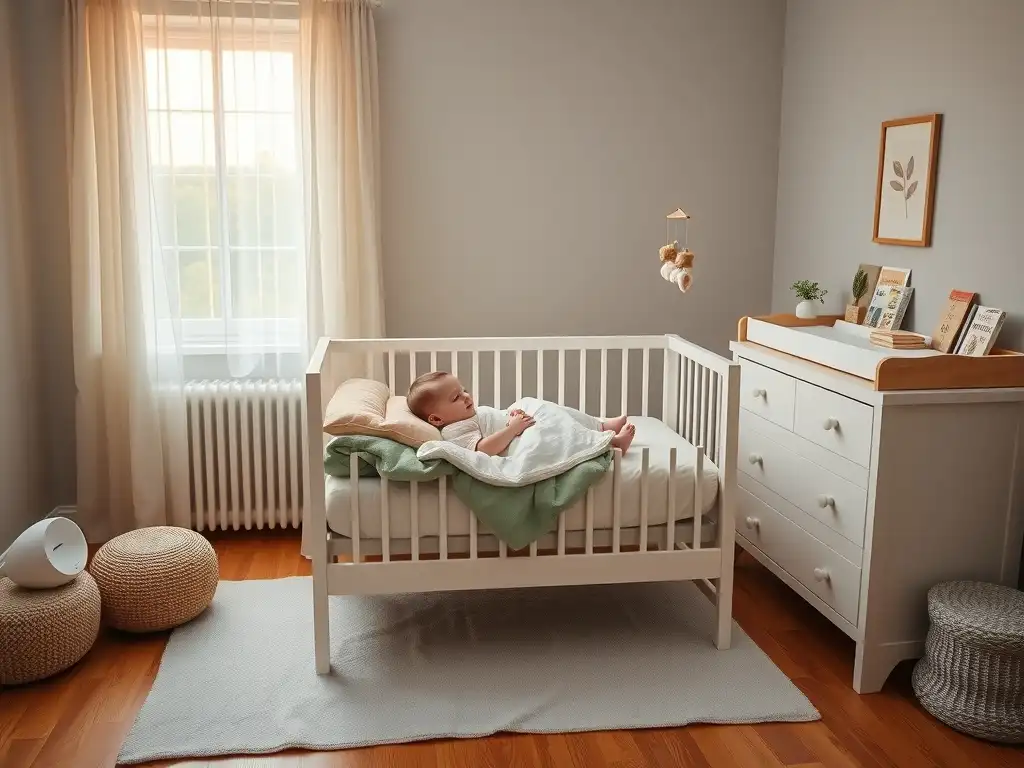
This section focuses on optimizing your baby's sleep environment to foster healthy sleep habits. A calm and comfortable setting significantly impacts your little one's ability to fall asleep and stay asleep. Creating the ideal sleep space is a crucial aspect of establishing a positive sleep association for your baby. This involves careful consideration of several key factors, including temperature, lighting, and noise levels. Understanding how each of these elements contributes to a restful sleep environment will empower you to make informed decisions that promote your baby's healthy sleep development.
Setting the Stage for Sleep: Temperature, Lighting, and Noise Levels
The ideal temperature for a baby's sleep environment is generally between 68°F and 72°F (20°C and 22°C). A slightly cooler room is often preferable, as overheating can disrupt sleep. Think about how you feel when you're too hot – it's harder to fall asleep and stay asleep comfortably. The same principle applies to your baby.
Lighting plays a significant role in regulating your baby's sleep-wake cycle. A dimly lit or completely dark room is ideal for promoting melatonin production, the hormone responsible for sleep. Avoid bright lights, especially in the hour or two before bedtime. Consider using blackout curtains or a nightlight with a low, soft glow if needed.
Noise levels should also be minimized. While some babies are not bothered by ambient noise, a consistently quiet environment is often conducive to better sleep. White noise machines can be helpful in masking sudden noises that might startle your baby awake. However, ensure the volume is low and appropriate for your baby's age. Always check the manufacturer's recommendations and consider using a sound level meter to ensure it isn't too loud.
Choosing the Right Baby Sleep Space: Crib, Bassinet, or Co-sleeper
Selecting the appropriate sleep space for your baby is a critical decision. Safety is paramount, and the choice will depend on your individual circumstances and preferences.
The American Academy of Pediatrics (AAP) recommends room-sharing (but not bed-sharing) for at least the first six months, ideally for the first year. This means your baby sleeps in the same room as you, but in their own safe sleep space. Several options exist:
- Crib: A crib provides a dedicated and safe sleep environment. Ensure the crib meets current safety standards, with no loose parts or gaps where your baby could get trapped. A firm mattress is essential.
- Bassinet: Bassinets are smaller and more portable than cribs, ideal for newborns or if space is limited. However, your baby will likely outgrow a bassinet relatively quickly.
- Co-sleeper: Co-sleepers attach to your bed, offering proximity to your baby while maintaining a separate sleep surface. While convenient for breastfeeding, it’s crucial to follow safe co-sleeping guidelines carefully to minimize the risk of accidental suffocation. Always place your baby on their back on a firm surface.
Remember to always follow safe sleep guidelines, regardless of the sleep space you choose. This includes placing your baby on their back on a firm, flat surface, free from loose bedding, pillows, and toys.
Swaddling Techniques for Better Sleep: When and How to Swaddle Safely
Swaddling can mimic the feeling of being held, which can soothe and comfort babies, leading to improved sleep. However, it's crucial to understand how to swaddle correctly and when to stop.
Swaddling is generally recommended for newborns and infants up to around 3-4 months old, or until your baby shows signs of rolling over. Once your baby can roll from their back to their stomach, swaddling should be discontinued to reduce the risk of Sudden Infant Death Syndrome (SIDS).
Several swaddling techniques exist, but the key is to ensure the swaddle is snug but not too tight, allowing your baby's hips and legs to move freely. Avoid swaddling too tightly around the arms and shoulders, as this can restrict movement and breathing. Here’s a simple technique:
- Lay the swaddle blanket flat, diamond-shaped.
- Fold down the top corner.
- Place your baby on their back, with their shoulders at the folded edge.
- Wrap one side of the blanket across your baby's body and tuck it under their back.
- Wrap the other side across and tuck it securely under their back.
- Fold the bottom corner up over your baby's feet.
Observe your baby's comfort level. If they seem restless or uncomfortable, adjust the swaddle or consider discontinuing it. Always prioritize your baby's safety and well-being. Remember that a safe sleep environment is paramount for healthy sleep habits and overall development. 😴
Implementing Healthy Sleep Habits for Your Baby
This section delves into practical strategies for establishing healthy sleep habits in your baby, focusing on creating a consistent and predictable sleep-wake cycle. Remember, consistency is key when it comes to fostering healthy baby healthy sleep habits. We'll explore how a structured routine, coupled with appropriate daytime stimulation and self-soothing techniques, can significantly improve your baby's sleep quality and duration. The goal is not to force your baby to sleep, but rather to guide them towards developing independent sleep skills that benefit both them and you.
Establishing a Regular Feeding Schedule for Consistent Sleep
A regular feeding schedule plays a crucial role in establishing predictable sleep patterns. While on-demand feeding is important for newborns, as they grow, introducing a more structured approach can improve sleep. This doesn't mean rigidly adhering to a timetable, but rather aiming for consistent intervals between feeds. For example, a 3-month-old might feed every 3-4 hours during the day and have longer stretches at night. Observe your baby's cues: are they showing signs of hunger (rooting, sucking on hands) before the scheduled feed? Adjust the timing slightly based on these cues, but try to maintain a general pattern.
The consistency helps regulate your baby's internal clock, leading to more predictable sleep cycles. Inconsistency, on the other hand, can disrupt this rhythm and result in more frequent night wakings. Keeping a feeding log can help track patterns and identify any irregularities. Remember, each baby is unique, and what works for one may not work for another. Flexibility is key, but aiming for a reasonably consistent schedule is beneficial for both baby and parent. This approach supports the development of healthy baby healthy sleep habits.
Understanding the Importance of Daytime Activities for Better Nighttime Sleep
Sufficient daytime activity is paramount for promoting healthy nighttime sleep. An overtired baby might struggle to fall asleep and experience frequent night wakings. A balance between sleep and wakefulness is essential. During the day, engage your baby in age-appropriate activities like tummy time, playing with toys, singing songs, or reading books. These activities help regulate their circadian rhythm and burn off excess energy, leading to better sleep at night.
Consider the following schedule as a guideline (adjust based on your baby's age and individual needs):
| Time of Day | Activity | Purpose |
|---|---|---|
| Morning (7:00 AM) | Feeding, diaper change, playtime | Start the day with a refreshed baby |
| Mid-morning (9:00 AM) | Tummy time, sensory play | Develop motor skills and burn energy |
| Lunchtime (12:00 PM) | Feeding, diaper change, quiet playtime | A calming period before the afternoon nap |
| Afternoon (2:00 PM) | Naptime | Crucial for consolidating daytime sleep |
| Late Afternoon (4:00 PM) | Playtime, social interaction | Engage with others, stimulate development |
| Evening (6:00 PM) | Feeding, bath time, quiet playtime | Wind-down period before bedtime |
| Bedtime (7:00 PM) | Bedtime routine, sleep | Consistent routine signals it's time for sleep |
This structured approach helps your baby understand the difference between day and night, contributing to better baby healthy sleep habits.
Introducing Baby to Self-Soothing Techniques for Independent Sleep
Teaching your baby self-soothing techniques is crucial for achieving independent sleep. This means helping them learn to fall asleep and back to sleep without requiring constant parental intervention. This process is gradual and requires patience and consistency. Some effective techniques include:
- Swaddling: For younger babies, swaddling can provide a sense of security and reduce the startle reflex.
- Pacifier: A pacifier can be soothing for some babies, but it's important to be mindful of potential risks like ear infections.
- White noise: Gentle white noise can create a calming environment and block out distracting sounds.
- Gentle rocking or patting: Initially, you can use gentle physical contact to soothe your baby, gradually reducing the amount of physical contact over time.
- Leaving the baby to self-soothe: Once your baby is safely in their crib, allow them to settle down on their own, checking on them periodically.
Remember to always prioritize your baby's safety. Never leave your baby unattended on an elevated surface. The goal is to help your baby develop the ability to fall asleep and return to sleep independently, fostering healthy baby healthy sleep habits and contributing to better sleep for everyone. This process takes time and patience. Celebrate small victories and don't get discouraged by setbacks. Consistency and positive reinforcement are key.
Addressing Common Sleep Challenges in Babies

This section delves into the prevalent sleep difficulties faced by infants and offers practical strategies to address them. Establishing healthy sleep habits is crucial for your baby's development and your family's well-being. Understanding the root causes of sleep disruptions is the first step towards effective solutions. Consistent routines and parental patience are key ingredients in this process. Remember, every baby is unique, and what works for one may not work for another. Experiment and find what best suits your little one.
Dealing with Night Wakings and Feeding Schedules
Night wakings are a common occurrence, especially in the early months. Infants have smaller stomachs and require more frequent feedings. However, frequent night wakings can disrupt both the baby's and parents' sleep. The key is to find a balance between meeting your baby's nutritional needs and encouraging longer stretches of sleep.
Establishing a consistent bedtime routine is crucial. This might include a warm bath, a calming massage, and quiet playtime before putting your baby to bed. A predictable routine signals to your baby that it's time to sleep. Consider a feeding schedule that gradually reduces nighttime feedings as your baby grows. Always consult your pediatrician before making significant changes to your baby's feeding schedule.
It's important to differentiate between hunger-related wakings and other reasons for nighttime fussiness. Keep a sleep diary to track feeding times, sleep duration, and any other relevant information. This data can help identify patterns and potential issues. For example, a baby waking consistently at 3 am might indicate a need for an adjustment in the evening feeding schedule or a potential underlying issue.
Tip: Avoid engaging in stimulating activities right before bedtime. A quiet and dark environment promotes better sleep.
Managing Separation Anxiety and Sleep Regression
Separation anxiety is a normal developmental phase where babies experience distress when separated from their caregivers. This can manifest as increased night wakings and difficulty settling down to sleep. Typically, separation anxiety peaks around 8-18 months of age, but the timing can vary.
Sleep regression, characterized by a temporary disruption in established sleep patterns, often coincides with developmental leaps. During these periods, babies may regress to earlier sleep habits, waking more frequently or refusing to sleep independently. These regressions are usually short-lived and understanding their context can help parents manage expectations.
| Developmental Leap | Age (Months) | Common Sleep Disruptions |
|---|---|---|
| 4-Month Regression | 4 | Increased night wakings, shorter sleep cycles |
| 8-Month Regression | 8 | Separation anxiety, difficulty self-soothing |
| 12-Month Regression | 12 | Increased independence, new anxieties |
Understanding that these are temporary phases can alleviate parental stress. Providing consistent comfort and reassurance, while maintaining a calm and predictable sleep routine, can help your baby navigate these periods.
Recognizing and Addressing Sleep Disorders in Infants
While many sleep issues are developmental and self-correct, some babies may experience sleep disorders requiring professional intervention. Recognizing the signs of potential sleep disorders is crucial for early intervention. These conditions can significantly impact a baby’s development and overall well-being.
Some potential sleep disorders include:
- Sleep apnea: Characterized by pauses in breathing during sleep. Symptoms include snoring, gasping for air, and restless sleep.
- Restless legs syndrome: Causes an uncontrollable urge to move the legs, disrupting sleep.
- Periodic limb movement disorder: Involves repetitive limb movements during sleep.
Early detection is key. If you suspect your baby has a sleep disorder, consult a pediatrician or pediatric sleep specialist. They can perform a thorough evaluation and recommend appropriate treatment. Remember, seeking professional help is a sign of responsible parenting, not a failure. Early intervention can significantly improve your baby's sleep quality and overall health. Don't hesitate to reach out for support if needed. Your baby's healthy sleep habits are vital for their development and your family's well-being. 😴
Seeking Professional Help for Baby Sleep Problems
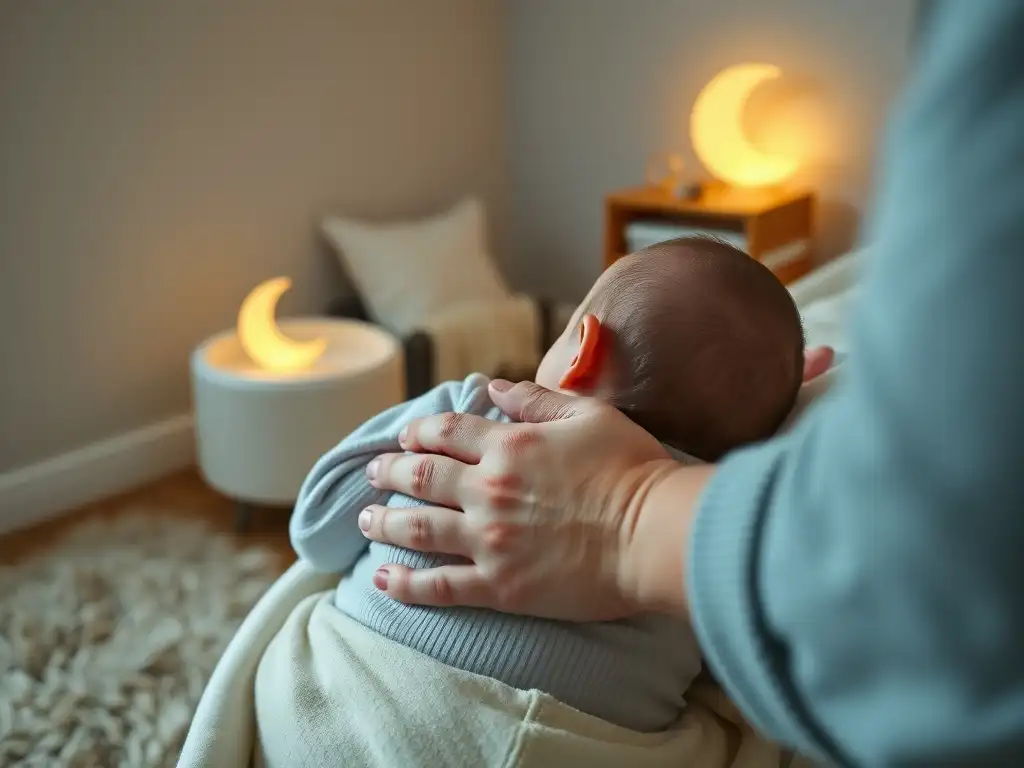
Establishing healthy sleep habits for your baby is crucial for their development and your family's well-being. However, sometimes, despite your best efforts, you might encounter persistent sleep challenges. Knowing when to seek professional guidance is key to resolving these issues effectively and avoiding unnecessary stress. This section focuses on identifying situations where professional help—from a pediatrician or a certified sleep consultant—is beneficial for achieving baby healthy sleep habits.
When to Consult a Pediatrician or Sleep Consultant
Several red flags indicate the need for professional intervention. These go beyond the typical challenges of establishing a sleep routine. A pediatrician should be consulted immediately if you observe any of the following:
- Excessive fussiness or crying that is unresponsive to comforting: Persistent inconsolable crying, especially if accompanied by other symptoms, could signal an underlying medical condition requiring immediate attention. This is particularly important in younger infants.
- Significant weight loss or failure to thrive: Sleep disturbances can affect a baby's ability to feed effectively, leading to weight loss. A pediatrician can assess the baby's growth and nutrition and recommend appropriate interventions.
- Apnea or breathing difficulties: Any pauses in breathing or difficulty breathing during sleep requires immediate medical attention. This is a serious condition that needs prompt diagnosis and treatment.
- Unusual paleness or bluish discoloration of the skin: These signs could indicate a serious underlying health problem and necessitate immediate medical evaluation.
- Persistent fever or other illness symptoms: While minor illnesses are common, persistent fevers or other symptoms warrant a visit to the pediatrician to rule out more serious conditions.
Beyond these medical concerns, there are situations where a certified sleep consultant can offer valuable support:
- Persistent sleep regression or disruption beyond normal developmental phases: While sleep regressions are common, if the disruption is prolonged or significantly impacting the family's well-being, a sleep consultant can help identify the underlying causes and develop a tailored plan.
- Inconsistent sleep patterns despite consistent routines: If you've implemented a consistent bedtime routine and still struggle with inconsistent sleep, a sleep consultant can help analyze the routine and suggest adjustments to optimize sleep.
- Extreme parental exhaustion and burnout: Chronic sleep deprivation can severely affect parental well-being. A sleep consultant can provide practical strategies and support to manage sleep challenges and prevent burnout.
- Desire for personalized guidance and support: Navigating the world of baby sleep can be overwhelming. A sleep consultant provides personalized guidance, tailored to your baby's individual needs and your family's preferences. This can significantly reduce stress and improve outcomes.
Remember, seeking help is a sign of strength, not weakness. Prioritizing your baby's health and your family's well-being is crucial.
Understanding Different Sleep Training Methods and Approaches
There's a diverse range of sleep training methods available, each with its own approach and philosophy. Understanding the nuances of these methods is crucial in choosing the best fit for your baby and family. This section explores some common methods, highlighting their key features and potential benefits and drawbacks.
Choosing the Right Sleep Training Method for Your Baby and Family
The "best" sleep training method is highly subjective and depends on various factors, including your baby's age, temperament, and your family's values and preferences. There's no one-size-fits-all solution. Consider these factors when making your decision:
| Method | Description | Potential Benefits | Potential Drawbacks |
|---|---|---|---|
| Ferber Method | Graduated extinction; involves checking on the baby at increasingly longer intervals. | Consistent sleep schedule, reduced night wakings. | Can be emotionally challenging for parents and baby. |
| Cry-it-out (CIO) | Letting the baby cry until they fall asleep. | Potentially faster results. | Can be stressful for parents and potentially detrimental to the parent-child bond. |
| Pick-up-put-down (PUP) | Repeatedly picking up and comforting the baby, then putting them back down. | Gentle approach, builds comfort and security. | Can be time-consuming and may not be effective for all babies. |
| Chair method | Sitting beside the crib until the baby falls asleep. | Provides reassurance and a sense of security. | Can be time-consuming and may create dependency. |
| No-cry sleep solution | Focuses on establishing a positive sleep association through routines and habits. | Emphasizes positive reinforcement, avoids tears. | May take longer to see results. |
Before implementing any method, it's crucial to consult your pediatrician and consider your baby's developmental stage and individual needs. Remember that consistency and patience are key to successful sleep training, regardless of the chosen method. A gradual and gentle approach often yields better long-term results and fosters a stronger parent-child bond. Prioritizing a nurturing and supportive environment is essential for establishing healthy baby healthy sleep habits. Remember that adapting the method to your baby’s unique cues is crucial for success. Flexibility and patience are key to helping your little one develop healthy sleep habits. 😴
Frequently Asked Questions
How can I establish a consistent bedtime routine for my baby?
A consistent bedtime routine is crucial for healthy sleep habits. Start with a calming bath, followed by a story and a lullaby, creating a predictable and relaxing signal for sleep. Consistency is key.
My baby wakes up multiple times during the night. Is this normal?
It's common for babies to wake up several times during the night, especially in the first few months. Focus on creating a safe and comfortable sleep environment and responding calmly to your baby's needs. Patience is vital.
What are some tips for creating a sleep-conducive environment for my baby?
A dark, quiet, and cool room is ideal for sleep. Ensure the room is well-ventilated and free from distracting noises or lights. A comfortable mattress and sleep sack are also important.
At what age should my baby be sleeping through the night?
There's no magic age. Some babies sleep longer stretches earlier than others. Focus on establishing healthy sleep habits rather than aiming for a specific "sleep through the night" age. Individual variations are normal.
My baby seems to struggle with self-soothing. How can I help?
Gradually encourage self-soothing by offering comfort but not fully resolving the issue immediately. Gentle reassurance and allowing short periods of crying can help your baby learn to self-soothe. Patience and consistency are crucial.
Final Reflection: Cultivating the Sweet Slumber of Childhood
The pursuit of healthy sleep habits for babies isn't merely about quiet nights; it's about fostering a foundation for lifelong well-being. A well-rested baby is a happier, healthier baby, better equipped to learn, grow, and thrive. This impacts not only the child but the entire family unit, creating a ripple effect of positive energy and improved mental health for everyone involved.
The journey towards establishing healthy sleep patterns is a deeply personal one, filled with both triumphs and challenges. It's a constant dance of adaptation and learning, requiring patience, consistency, and a deep understanding of your little one's individual needs. As the saying goes, Sleep is the best meditation,
and this rings true not just for adults, but especially for our precious infants whose developing brains require ample rest to consolidate learning and growth. The impact of sleep on a child's development is profound and far-reaching, shaping their cognitive abilities, emotional regulation, and overall physical health.
Now, consider the lessons learned within this article. Reflect on the strategies discussed – from establishing consistent routines to creating a conducive sleep environment. You have the power to create a nurturing sleep sanctuary for your baby, a haven where they can rest, recharge, and blossom into their full potential.
Embrace the journey, celebrate the small victories, and remember that you are not alone in this endeavor. The path to healthy sleep habits is a marathon, not a sprint, and with consistent effort and a compassionate heart, you can guide your little one towards a future filled with restful nights and bright, energized days.
Unlock Your Baby's Sleep Potential!
Thank you for learning about establishing healthy sleep habits for your baby. We hope you found our tips and strategies helpful. Now, let's put that knowledge into action!
- Start with one new sleep tip this week: Choose the strategy that best suits you and your baby – perhaps adjust bedtime routines, create a calming sleep environment, or focus on consistent wake windows. Even small changes can make a big difference!
- Share your experiences: Join our BabyCareHub community forum – other parents are facing similar challenges and successes, and sharing your experiences can inspire others and provide valuable support.
- Download our free sleep tracker and printable sleep schedule: These resources, tailored for different age groups, are available on the BabyCareHub website to help you stay organized.
What small step will you take today to improve your baby's sleep?