
BabyProofing for Older Homes: Addressing Unique Safety Challenges

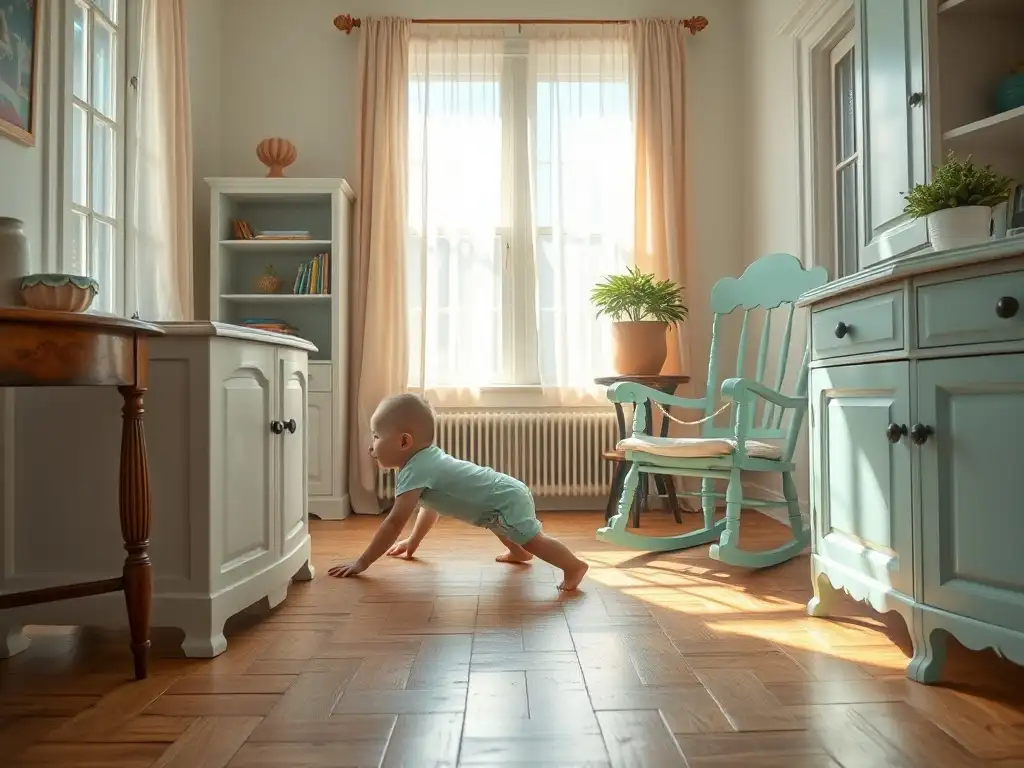
Welcome to BabyCareHub, your ultimate guide to navigating the incredible journey of parenthood! Are you a first-time parent facing the unique challenges of babyproofing an older home? We understand that safety is paramount, and older homes often present unforeseen obstacles. Discover practical, step-by-step solutions to create a secure environment for your little one, ensuring peace of mind as you cherish these precious moments. Dive into our expert advice on "Older Home Babyproofing Solutions" and learn how to transform your home into a safe haven for your baby.
- Understanding the Specific Hazards of Older Homes
- Babyproofing Solutions for Older Homes: A Room-by-Room Guide
- Choosing the Right Babyproofing Products for Older Homes
- Professional Help for Babyproofing Older Homes
- Maintaining a Safe Environment for Your Baby in an Older Home: Ongoing Tips
-
Frequently Asked Questions
- What are some unique challenges in babyproofing older homes?
- How can I address lead paint hazards in my older home?
- What are some babyproofing solutions for older homes' electrical outlets?
- Are there specific window safety concerns in older homes?
- How do I handle creaky floorboards or uneven surfaces?
- Final Reflection: A Legacy of Safety, a Future of Peace of Mind
- Unlock Your Home's Peace of Mind: Safeguarding Your Little One
Understanding the Specific Hazards of Older Homes
Bringing a new baby home is an exciting time, filled with joy and anticipation. However, for parents living in older homes, this excitement might be tempered with a healthy dose of concern regarding safety. Older homes, while often charming and full of character, present unique challenges when it comes to babyproofing.
Unlike newer constructions with standardized safety features, older homes may contain hidden hazards that require a more thorough and nuanced approach to childproofing. This comprehensive guide will delve into the specific safety concerns inherent in older homes, providing practical and effective solutions to ensure your baby's well-being within your historic dwelling. We'll explore common dangers and offer detailed, step-by-step babyproofing strategies tailored to the unique characteristics of older properties.
Remember, prioritizing your baby's safety is paramount, and understanding the potential risks associated with your home is the first step towards creating a secure environment. This guide will equip you with the knowledge and practical steps needed to effectively babyproof your older home and confidently navigate the joys of parenthood.
Lead Paint Hazards in Older Homes and Babyproofing Solutions
Lead paint poisoning is a serious concern in homes built before 1978, when lead-based paint was widely used. Lead exposure can cause developmental delays, learning disabilities, and other serious health problems in babies and young children. The biggest risk comes from paint chips or dust that children may ingest. Therefore, thorough lead paint inspection by a qualified professional is the crucial first step.
Several solutions exist to mitigate lead paint hazards:
- Encapsulation: This involves sealing the lead paint with a special coating to prevent chipping and dust. This is often a preferred method as it doesn't involve the removal of the paint, and it is less disruptive.
- Removal: While effective, lead paint removal should only be performed by certified professionals due to the hazardous nature of lead dust. This is typically a more expensive and disruptive option.
- Regular Cleaning: Frequent wet cleaning of surfaces where lead paint is present can help minimize dust and reduce exposure. Always use wet cloths to clean and never dry-sweep or sand.
- Careful Monitoring: Regularly check for signs of chipping or peeling paint and address any issues promptly. Keep your baby away from areas where lead paint is suspected.
Remember, prevention is key! Regular testing and professional guidance are essential to ensure a safe environment for your little one.
👶🏠
Electrical Wiring and Outlets: Safety Concerns in Older Houses
Older homes often have outdated electrical systems that may pose significant safety risks to babies. Outdated wiring can overheat, leading to fire hazards, while exposed wiring or improperly grounded outlets present a risk of electric shock.
Here's what you need to consider:
- Electrical Inspection: Schedule a thorough inspection by a qualified electrician to assess the condition of your electrical system. They can identify any potential hazards and recommend necessary upgrades.
- Outlet Covers: Use safety outlet covers on all unused outlets to prevent your baby from inserting fingers or objects. These are readily available and inexpensive.
- Cord Management: Keep electrical cords out of reach and neatly organized to prevent tripping hazards and potential strangulation. Consider using cord covers to protect cords and keep them organized.
- Damaged Wiring: Immediately address any visible signs of damaged wiring, such as frayed cords or loose connections. Never attempt to repair electrical wiring yourself – always call a qualified electrician.
- Ground Fault Circuit Interrupters (GFCIs): Consider installing GFCIs in bathrooms and kitchens to reduce the risk of electric shock. These are particularly important in older homes with potentially outdated wiring.
Outdated Plumbing and Potential Risks for Babies
Outdated plumbing systems in older homes can present several safety hazards for babies. Lead pipes, for instance, can leach lead into the drinking water, posing serious health risks. Furthermore, older plumbing systems may be prone to leaks, leading to mold growth and water damage.
To address these concerns:
- Water Testing: Have your water tested for lead and other contaminants. If lead is detected, consider installing a water filter specifically designed to remove lead.
- Plumbing Inspection: Schedule a professional inspection of your plumbing system to identify any leaks or other potential issues. Addressing these issues promptly can prevent more significant problems down the line.
- Mold Prevention: Regularly check for signs of mold growth, particularly in areas with potential water leaks. Address any mold promptly to prevent health problems. Mold can trigger allergies and respiratory issues in babies.
- Pipe Repair/Replacement: If your home has lead pipes, consider replacing them with copper or PEX pipes, a safer and more modern alternative. This is a significant undertaking but is a worthwhile investment in your family's health.
Remember, while older homes offer unique charm, creating a safe environment for your baby requires proactive steps. Addressing these potential hazards will help ensure a healthy and happy home for your growing family. Prioritize professional inspections and repairs where necessary. Your baby's safety is worth the investment!
Window and Stairwell Safety in Older Homes: Unique Challenges
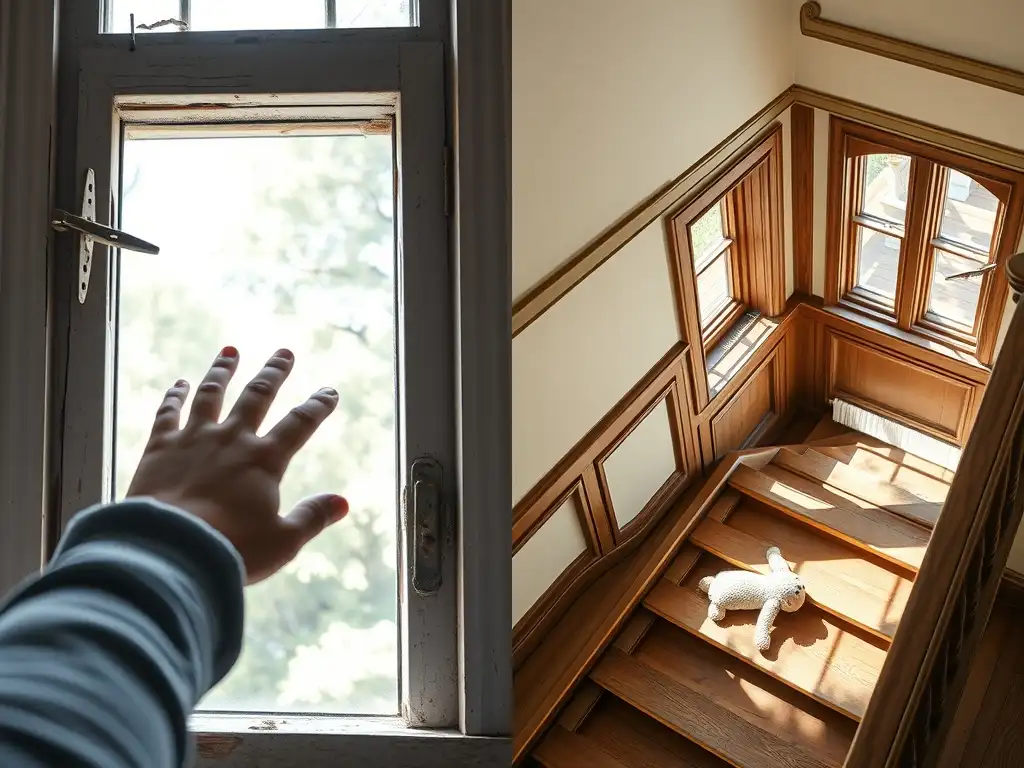
Older homes often present unique challenges when it comes to window and stairwell safety. Unlike newer homes built with modern safety codes in mind, older houses may have windows that easily open wide, posing a significant fall risk for curious toddlers. These windows might lack safety latches or have outdated mechanisms that are easily manipulated by small children. Furthermore, the window frames themselves might be deteriorated, presenting a risk of breakage.
Addressing these issues requires a multi-pronged approach. Installing window guards designed for older windows, which often have unique dimensions and frame types, is crucial. These guards should be securely fastened and meet current safety standards.
Regular inspections are vital to ensure that the guards remain firmly in place and show no signs of wear and tear. Additionally, consider replacing any damaged or deteriorated window frames as soon as possible. This is not only a safety measure, but also helps prevent drafts and improve energy efficiency.
Stairwells in older homes frequently lack safety gates designed for wider openings or uneven stairwells. Many older homes feature winding staircases or unusually narrow stairwells which present additional obstacles. While standard safety gates might not fit, there are options available that can be custom-fitted or adapted to these unique situations. It's important to measure the width and dimensions of your stairwell precisely to ensure a proper fit. Furthermore, consider adding additional lighting to improve visibility on the stairs, especially at night.
A well-lit stairwell reduces the risk of falls for both adults and children. Finally, ensure that the carpeting on the stairs is securely attached and free of any loose edges or frayed areas. This prevents tripping hazards. Regular maintenance, including the tightening of screws and inspection of the gate's integrity, is vital for stairwell safety. Remember, proactive measures are key to mitigating these risks.
Asbestos Concerns and Mitigation Strategies for Babyproofing
Older homes, particularly those built before the 1970s, may contain asbestos. Asbestos, a naturally occurring mineral fiber, was once commonly used in construction materials like insulation, flooring, and ceiling tiles. However, inhaling asbestos fibers can lead to serious health problems, including lung cancer and mesothelioma. This is a significant concern for parents babyproofing their older homes, as young children are particularly vulnerable to the dangers of asbestos exposure. Disturbing asbestos-containing materials during renovations or babyproofing projects can release harmful fibers into the air.
Before starting any babyproofing project in an older home, it's crucial to have the property professionally inspected for asbestos. A certified asbestos inspector can identify asbestos-containing materials and assess the risk of exposure. If asbestos is found, it's essential to avoid disturbing these materials. Attempting to remove or repair asbestos-containing materials yourself is extremely dangerous and should never be undertaken without professional help.
Instead, consult with an asbestos abatement specialist. These specialists are trained to safely remove or encapsulate asbestos-containing materials, minimizing the risk of exposure. The cost of professional asbestos abatement can vary depending on the extent of the contamination and the complexity of the removal process.
However, the cost is far outweighed by the health risks involved in attempting a DIY approach. Remember, the health and safety of your baby should always be the top priority. Investing in professional asbestos testing and abatement is a crucial step in ensuring a safe environment for your child.
Babyproofing Solutions for Older Homes: A Room-by-Room Guide
Older homes, with their unique charm and character, often present distinct challenges when it comes to babyproofing. Unlike newer constructions, older homes may have features that require more creative and robust safety solutions. This guide provides specific strategies for adapting standard babyproofing techniques to the specific needs of older homes, focusing on kitchen and bathroom safety. Remember, proactive babyproofing is crucial for creating a safe environment for your little one. This guide focuses on practical, effective solutions to address common hazards found in older homes, helping you navigate the unique challenges presented by older home babyproofing solutions.
Kitchen Safety for Older Homes: Babyproofing Tips and Tricks
The kitchen is a hub of potential hazards, especially in older homes. Outdated appliances, easily accessible cabinets, and potential electrical issues require a more thorough approach to babyproofing than in newer homes. Let's delve into specific areas requiring attention.
Securing Cabinets and Drawers in Older Kitchens
Older kitchens often feature cabinets and drawers with less robust latches than modern ones. Standard childproof latches may not always be effective. Consider these enhanced solutions:
- Magnetic catches: These are stronger than standard latches and work well on older wooden cabinets. Install them on both the cabinet door and the frame for maximum security.
- Multi-purpose cabinet locks: These locks can adapt to various cabinet styles and provide a more secure hold than basic latches. Look for locks that are specifically designed for older cabinetry.
- Cabinet safety straps: These are particularly useful for securing heavier cabinets or those with misaligned doors. They provide extra support and prevent accidental opening.
- Childproof knobs: Replace existing knobs with childproof knobs that require a twisting motion to open. This is a more effective solution than standard latches for some older cabinet styles.
Remember to test all latches and locks frequently to ensure they remain effective as your baby grows and becomes more adept at opening things. Consider using a combination of methods for the most secure outcome.
Protecting your Baby from Electrical Hazards in the Kitchen
Older homes may have exposed wiring or outdated electrical outlets. This poses a significant risk to curious babies.
- Outlet covers: These are essential for preventing your baby from sticking fingers or objects into electrical outlets. Choose covers that are firmly secured and difficult for a baby to remove. Consider using tamper-resistant outlets for long-term safety.
- Cord management: Keep electrical cords neatly tucked away and out of reach. Use cord covers or wraps to protect cords from being pulled or chewed on. Consider using surge protectors to group cords and improve organization.
- Appliance safety: Ensure that all appliances are unplugged when not in use and stored safely out of reach. Avoid placing appliances near the edge of counters where a baby could pull them down.
Preventing Burns and Scalds in Older Kitchens
Older kitchens may have less efficient oven and stovetop controls, increasing the risk of burns and scalds.
- Stovetop guards: Install stovetop guards to prevent your baby from reaching hot burners. These guards create a barrier between your baby and the heat source.
- Back burner cooking: When possible, cook on the back burners to minimize the risk of your baby reaching the hot surfaces.
- Pot and pan handles: Turn pot and pan handles inward to prevent them from being pulled off the stove. Avoid using pot holders that are easily accessible to your baby.
- Water heater temperature: Lower the temperature of your water heater to 120°F (49°C) or lower to prevent scalding. This is a crucial safety measure in any home, but especially important in older homes where water heater settings may not be easily adjustable.
Babyproofing the Bathroom in an Older Home
Bathrooms in older homes present unique challenges, particularly regarding water safety and the potential for falls.
Securing Cabinets and Toilets in Older Bathrooms
Similar to kitchen cabinets, bathroom cabinets in older homes may require more robust securing methods. Toilets, too, require attention.
- Toilet lid locks: These prevent your baby from lifting the toilet lid and potentially falling in. Choose a lock that is securely attached and difficult for your baby to remove.
- Cabinet locks: Use the same techniques as described for kitchen cabinets – magnetic catches, multi-purpose locks, or safety straps – to secure bathroom cabinets containing cleaning supplies and medications. Remember to keep all cleaning supplies out of reach.
Preventing Drowning Hazards in Older Bathrooms
Older homes may have older tubs and shower designs, increasing the risk of drowning.
- Tub and shower safety: Use non-slip mats in the tub and shower to prevent falls. Never leave your baby unattended in the bath, even for a moment.
- Toilet safety: Ensure the toilet lid is always closed and locked when not in use. This is particularly important in older homes where toilet lids might be less securely attached.
- Faucet covers: Consider using faucet covers to protect your baby from banging their head on sharp faucet edges. These covers can also help prevent burns from hot water.
Remember that consistent vigilance and proactive measures are key to creating a safe environment for your baby in an older home. Regularly inspect your babyproofing solutions and adapt them as your baby grows and develops. The safety of your child is paramount.
Living Room and Play Area Safety for Older Homes
Older homes often present unique challenges when it comes to babyproofing the living room and play areas. These spaces, typically the heart of family life, may contain features not found in modern homes, requiring a more nuanced approach to childproofing. For example, older homes might have intricate architectural details, exposed wiring, or fireplaces that require special attention. The goal is to create a safe environment where your baby can explore and play without encountering hazards.
Consider the specific features of your living room and address them individually. A thorough assessment of the room is crucial before starting the babyproofing process. Don't forget to get down on your hands and knees to see things from your baby's perspective—this will help you identify potential hazards you might otherwise miss. Remember, proactive babyproofing is key to preventing accidents.
Securing Fireplace and Mantelpiece in Older Homes
Fireplaces and mantels are beautiful features in older homes, but they also pose significant safety risks to babies and toddlers. A fireplace screen is essential, but it should be sturdy and securely anchored to prevent tipping. Consider a screen that extends to the floor, eliminating any gap a child might crawl under. The mantelpiece itself should be checked for stability. Items displayed on the mantel should be secured or removed entirely.
Anything within reach—breakable ornaments, candles, or even small decorative objects—should be relocated to higher, inaccessible shelves. Remember, even seemingly harmless items can be choking hazards. Regularly inspect the fireplace and mantel for any loose bricks or mortar, addressing any damage promptly to prevent potential injury. Think about the overall aesthetic, too. You can use the fireplace screen as a decorative element, perhaps by choosing a style that complements your home's decor.
Childproofing Electrical Cords and Outlets in Living Room
Older homes often have exposed electrical wiring and outdated outlets. These pose significant electrical hazards to curious babies and toddlers. Cover exposed wires with cord covers or tuck them away neatly, using cable ties to keep them organized and out of reach. Consider using outlet covers on all accessible outlets, especially those at lower levels.
These covers are inexpensive and readily available, offering a simple but effective way to prevent electric shocks. If you have older, ungrounded outlets, it's a good idea to consult a qualified electrician. Upgrading your electrical system can be a significant investment, but it's a worthwhile one to prioritize your child's safety. While you're at it, check all your appliances to make sure they are functioning correctly and that the cords are not frayed or damaged.
Bedroom Safety for Older Homes
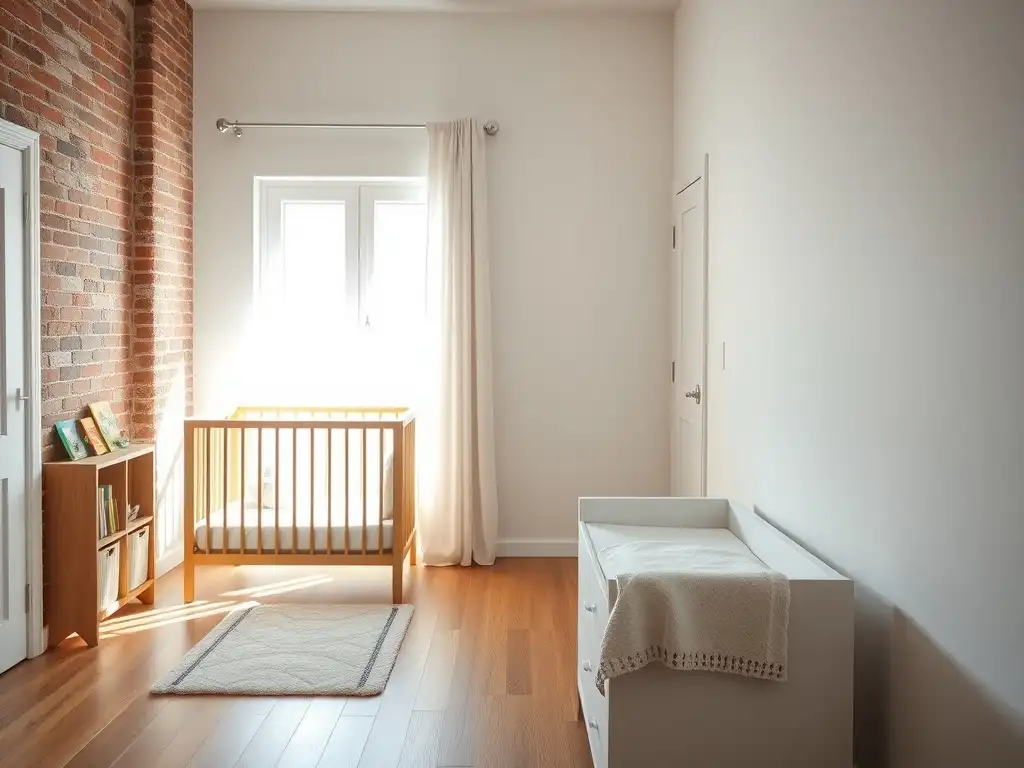
Babyproofing a bedroom in an older home requires a thorough assessment of potential hazards, many of which are unique to older architecture and building materials. Beyond the usual concerns like furniture stability and electrical safety, older homes may present additional challenges, such as lead paint, outdated window mechanisms, and structural issues. Addressing these concerns proactively will create a secure and comfortable sleeping space for your little one.
Securing Window Treatments in Older Bedrooms
Window treatments in older homes may be heavy, ornate, or even use outdated cords that pose strangulation hazards. Replace any cords with cordless blinds or shades, or secure the cords out of reach using cord-management devices. Consider the weight of the curtains or drapes; heavy fabrics should be secured to prevent them from falling and injuring your baby. Ensure that the window frames themselves are secure and that the windows are properly locked to prevent accidental opening. Remember to check the windows regularly for any signs of damage or deterioration, addressing any issues promptly.
Preventing Falls from High Places in Older Bedrooms
Older homes may have higher windowsills or less-secure railings on upper-story windows. Install window guards or safety netting to prevent falls. For lower windows, consider placing furniture that is not easily climbable in front of them. Secure any loose or unstable furniture, such as dressers or bookshelves, to the walls using anchors and straps. Regularly inspect all furniture for stability and make necessary adjustments. Remember that babies and toddlers are surprisingly agile and can reach higher places than you might expect. Assessing potential fall risks from a child's perspective is a key part of preventing accidents.
Addressing Lead Paint Hazards in Older Bedrooms
Lead paint is a serious health hazard, particularly for young children. Older homes often contain lead-based paint, especially in areas like window frames and trim. If you suspect the presence of lead paint, have your home professionally tested. If lead paint is found, professional remediation is necessary. Do not attempt to remove lead paint yourself. The process involves specialized techniques to prevent the release of lead dust, which can be extremely harmful. Prioritize this aspect of babyproofing, as lead exposure can cause significant developmental problems. The health and well-being of your child should be paramount.
Stairway Safety in Older Homes: Essential Babyproofing Measures
Stairways present a significant hazard in older homes, often lacking the modern safety features found in newer constructions. The steepness of the stairs, worn or uneven steps, and the absence of safety gates can pose serious risks to a mobile baby. Babyproofing stairs in an older home requires a multi-pronged approach, focusing on both preventing falls and mitigating the impact of any potential accidents.
One of the most crucial steps is installing sturdy and appropriately sized safety gates at both the top and bottom of the staircase. For older homes with wider stairwells or unique architectural features, custom-fitted gates might be necessary to ensure a secure fit.
It's vital to check the gate's height and ensure it's securely mounted to the walls, preferably using pressure-mounted gates with additional wall-mounted hardware for extra security in older homes where wall studs may be less accessible or less sturdy. Regularly inspect the gates for any signs of wear and tear, replacing them as needed to maintain their effectiveness.
Beyond gates, consider addressing other potential hazards. Loose or damaged carpeting on the stairs can be a major tripping hazard, so ensure that carpets are securely fastened or replaced entirely. Poor lighting can also increase the risk of accidents. Adding additional lighting, such as nightlights or motion-sensor lights, can improve visibility and reduce the likelihood of falls.
Finally, consider the handrail. In older homes, handrails may be loose, insufficiently sturdy, or even absent altogether. If the existing handrail is inadequate, professional installation of a new, secure handrail might be necessary to provide both adults and children with a safe way to ascend and descend the stairs. This is particularly important in homes with multiple levels.
Addressing stairway safety in older homes requires a proactive approach. Regular inspections, prompt repairs, and the implementation of appropriate safety measures can significantly reduce the risk of accidents and create a safer environment for your baby. Remember, when dealing with older homes, professional assessment might be necessary to ensure the safety measures are correctly implemented and effective. Investing in safety is an investment in your child's well-being.
Choosing the Right Babyproofing Products for Older Homes
Older homes present unique challenges when it comes to babyproofing. Their age often means variations in architecture, materials, and construction techniques that require a more nuanced approach than modern homes. Finding the right products is crucial for ensuring your little one's safety. This section focuses on selecting effective and safe babyproofing solutions specifically designed to tackle the hurdles posed by older homes. We'll delve into specific product types, highlighting features to look for and potential pitfalls to avoid. Remember, a multi-layered approach, combining different solutions, is often the most effective strategy for comprehensive older home babyproofing.
Selecting Safe and Effective Baby Gates for Older Homes
Traditional pressure-mounted baby gates might not be suitable for all older homes. Older doorways and hallways often have uneven surfaces or wider gaps than modern constructions. You may encounter wider openings, unusual door frames, or even curved archways. Therefore, consider these alternatives for older home babyproofing solutions:
- Hardware-mounted gates: These gates are installed using screws directly into the door frame or wall. They provide a far more secure solution than pressure-mounted gates, especially crucial in older homes where wall stability might vary. Ensure you use appropriate screws for the material of your walls (wood, brick, etc.). Look for gates with adjustable widths to accommodate variations in your doorways.
- Expandable gates: These are designed to fit a wider range of openings, making them ideal for those uneven spaces common in older homes. However, always check the maximum expansion width to ensure a snug fit. Improper fitting can compromise safety.
- Banister gates: If you have staircases with banisters, you'll need specialized gates designed to secure these openings. These gates typically attach to the banister posts rather than the wall, providing a solution where wall mounting isn't feasible or desirable. Double-check the compatibility of the gate with your banister's spacing and material.
The choice of gate should always prioritize safety and secure installation. Avoid gates that show signs of wear or damage, and regularly inspect them for any loosening or malfunction. Remember, a correctly installed gate is the first line of defense in preventing falls on stairs, a significant hazard for babies in older homes.
Choosing Childproof Locks Suitable for Older Homes' Features
Older homes often have unique hardware and cabinet features that require specific childproofing solutions. Typical childproof locks might not always be compatible with antique or older styles of knobs, handles, or latches.
- Multi-purpose locks: Look for locks that offer versatility in their application. Some locks can adapt to various types of knobs, handles, and latches, making them ideal for older homes with diverse hardware. These often come with multiple adaptors to fit different mechanisms.
- Strong adhesive locks: For cabinets and drawers, consider using strong adhesive locks. These are especially useful on surfaces that might not be suitable for screws. However, always ensure the adhesive is rated for the specific material of the cabinet or drawer. Read reviews carefully to assess the adhesive's long-term strength and reliability.
- Magnetic locks: These offer a relatively unobtrusive solution, particularly appealing for those wanting to maintain the aesthetics of older furniture. They provide a strong hold, but always test the strength of the magnet before relying on them fully.
When choosing childproof locks, prioritize ease of use for adults while ensuring they are difficult for a child to manipulate. Regularly check that locks remain secure and replace any that show signs of wear and tear. A proactive approach to childproofing your older home's cabinets and drawers is crucial for preventing access to potentially harmful substances or small objects.
Corner Protectors and Edge Guards for Older Furniture
Older homes often boast antique or vintage furniture pieces with sharp corners and edges. These present a significant risk to crawling and toddling babies. Standard corner protectors might not be aesthetically pleasing or even compatible with the unique shapes and designs of older furniture.
- Custom-made protectors: For truly unique furniture pieces, consider seeking custom-made corner protectors. A professional upholsterer or craftsman could create tailored protectors that seamlessly blend with the furniture's design. This approach guarantees a perfect fit and aesthetic harmony.
- Flexible edge guards: These are ideal for furniture with curved or irregular edges. Unlike rigid corner protectors, flexible guards conform to the shape of the furniture, providing comprehensive edge protection without compromising aesthetics as much.
- Fabric corner covers: For softer edges, consider fabric corner covers. These are especially useful for rounded corners or furniture that is less sharp. Choose durable, washable fabric for easy cleaning.
Remember, the goal is to mitigate the risk of injury without compromising the character and beauty of your older home's furniture. Choose protectors that are both effective and aesthetically appropriate for your home's style. Regular inspection of these protectors is vital to ensure they remain firmly attached and provide adequate protection. Prioritize safety without sacrificing the charm of your older home's unique features.
Window Guards and Safety Solutions for Older Homes
Older homes often present unique challenges when it comes to window safety. Traditional window guards might not be compatible with older window styles, such as those with ornate frames or unusual mechanisms. This necessitates a careful assessment of your windows before selecting appropriate safety solutions. Consider the age and construction of the windows; some older windows might be quite fragile and require gentler solutions than forceful clamping mechanisms.
For example, a window with a single-pane glass might not be suitable for certain types of strong, pressure-mounted guards. Instead, you might need to explore alternatives like decorative window grilles that are securely fastened, or perhaps even custom-made window guards specifically designed for your unique window style. Remember, the goal isn't just to prevent falls but also to avoid damaging the historical integrity of your home.
It's crucial to measure your windows precisely before purchasing any guards. Incorrect measurements can lead to ineffective or even dangerous installations. Pay close attention to the type of window frame material (wood, metal, etc.) and the type of glass (single-pane, double-pane, etc.) as this will influence the type of guard that is most suitable and safe. Consulting a professional window installer or a child safety expert can be invaluable in making informed decisions, especially for particularly challenging window designs. They can often recommend specialized solutions or provide guidance on safe installation techniques.
Furthermore, don't overlook the importance of regular inspection and maintenance of your window guards. Ensure the hardware remains secure and tighten any loose screws or bolts. Regular checks will help to identify and address any potential problems before they become safety hazards. Consider the overall weight your window guards need to support and select products designed for that weight capacity.
Ignoring this aspect could lead to a failed guard and a potential accident. Finally, remember that window guards are only one part of a comprehensive babyproofing strategy. Combining them with other safety measures, such as window locks and childproof latches, provides the most effective protection for your little one.
Professional Help for Babyproofing Older Homes
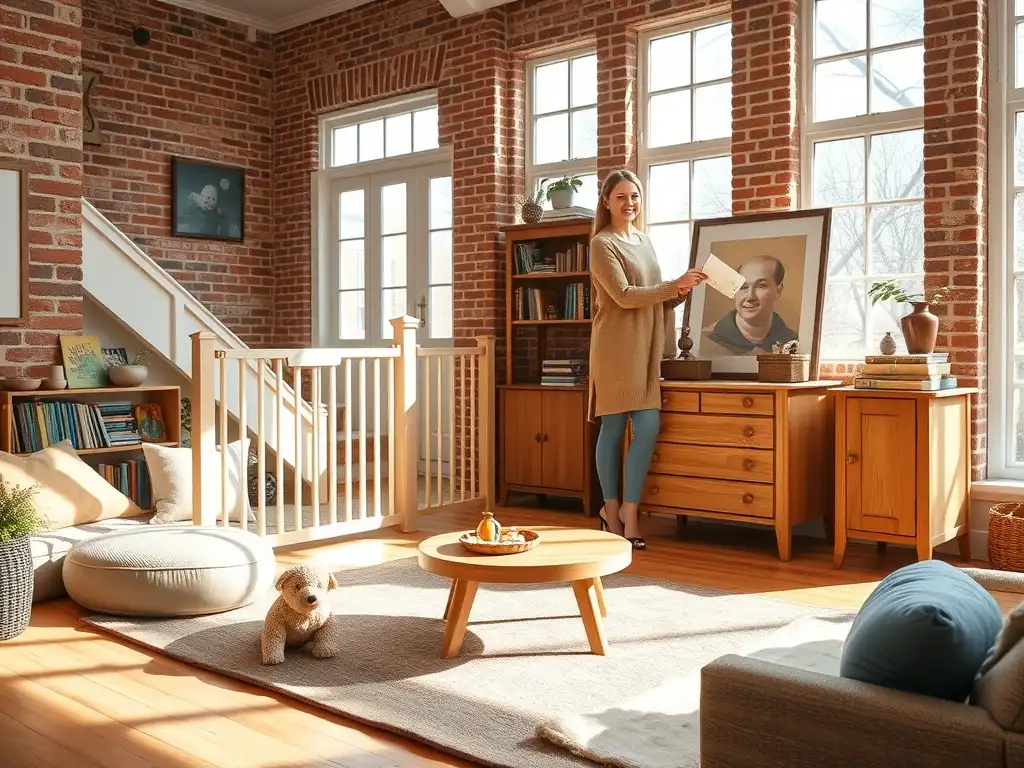
Babyproofing an older home presents unique challenges that can sometimes feel overwhelming for new parents. While many DIY solutions exist, certain situations necessitate professional intervention to ensure comprehensive child safety. This section explores when professional help is advisable and how to find qualified professionals experienced in adapting older homes for young children. Understanding the limitations of DIY and recognizing when expert assistance is crucial is key to effectively addressing the "older home babyproofing solutions" you need.
When to Seek Professional Assistance for Babyproofing
Determining when professional help is needed often comes down to assessing your skills, the complexity of your home's safety issues, and your comfort level. Consider these scenarios where professional babyproofing services are highly recommended:
- Complex Electrical Systems: Older homes frequently have outdated electrical wiring and fixtures. Identifying and mitigating potential hazards like exposed wires, faulty outlets, and ungrounded circuits requires specialized knowledge to avoid electrical shock risks. A qualified electrician specializing in child safety can perform a thorough inspection and implement necessary upgrades. Attempting DIY fixes in this area is extremely dangerous and could lead to serious injury.
- Lead-Based Paint: Homes built before 1978 might contain lead-based paint, a significant health hazard for children. Lead exposure can cause irreversible developmental problems. Only certified professionals equipped with proper safety gear and remediation techniques should handle lead paint abatement. Improper removal can spread lead dust, exacerbating the risk.
- Structural Issues: Older homes may have structural weaknesses or outdated building codes that create safety concerns for babies. For example, loose stair railings, unstable bannisters, or weak flooring require a structural engineer's assessment. They can identify potential hazards and recommend appropriate solutions, ensuring the structural integrity of your home for your child's safety.
- Extensive Renovations: If your babyproofing needs involve major renovations, like installing child-proof locks on all cabinets and drawers, or replacing outdated windows, it's wise to engage a general contractor experienced in child-safe home modifications. They can manage the project efficiently and ensure that all work meets safety standards.
- Time Constraints: New parents often face time constraints. If you lack the time or energy to thoroughly babyproof your older home, engaging professionals can alleviate stress and ensure the job is done correctly and efficiently.
Finding Qualified Babyproofing Professionals for Older Homes
Locating reputable professionals specializing in older home babyproofing requires diligent research. Here’s how to find qualified help:
- Referrals: Ask your pediatrician, family, friends, and neighbors for recommendations. Word-of-mouth referrals are often valuable sources of information.
- Online Directories: Search online directories for child safety professionals, contractors, and electricians in your area. Read reviews carefully and look for certifications or specialized training in child safety.
- Check Credentials: Verify the professional's license, insurance, and experience. Inquire about their experience with older homes and their understanding of unique challenges.
- Get Multiple Quotes: Obtain quotes from several professionals to compare pricing and services. Don't base your decision solely on price; prioritize experience and qualifications.
- Ask Specific Questions: During consultations, ask about their approach to babyproofing older homes, their familiarity with relevant safety standards, and their process for addressing specific concerns in your home. This will help you assess their expertise and suitability for your needs.
Remember, investing in professional help for babyproofing your older home is an investment in your child's safety and peace of mind. It's a crucial step in creating a safe and nurturing environment for your little one to grow and thrive. Thorough babyproofing is an essential aspect of creating a safe haven for your child, particularly when dealing with the unique challenges presented by older homes. Prioritizing safety ensures your child's well-being and provides you with the reassurance you deserve.
Maintaining a Safe Environment for Your Baby in an Older Home: Ongoing Tips
Even after you've implemented your initial babyproofing strategies, maintaining a safe environment for your little one in an older home requires ongoing vigilance. Older homes often present unique challenges that require regular attention and adaptation. Think of babyproofing not as a one-time project, but as an evolving process that adapts to your child's growth and development.
This section focuses on the crucial aspects of maintaining a safe home for your baby, offering practical advice tailored to the specific needs of older homes. This ongoing commitment to safety will provide peace of mind and ensure your baby's well-being. Remember, proactive measures are key to preventing accidents.
Regular Inspections and Maintenance Checks
Regular inspections are paramount for maintaining a safe home environment, especially in an older house. These shouldn't be infrequent, cursory glances; rather, they should be thorough, methodical checks conducted at least monthly, or even more frequently as your baby becomes more mobile. Focus on areas prone to wear and tear, common in older homes.
Here's a checklist to guide your inspections:
- Electrical Outlets: Check for loose outlets, frayed wires, or exposed wiring. Older homes may have outdated wiring that requires professional attention. Consider using outlet covers, especially those designed for older outlets.
- Window and Door Latches: Ensure all window and door latches are securely fastened and functioning correctly. Older windows and doors might have loose or damaged frames, requiring repairs or replacement of hardware.
- Stairs: Inspect stair railings for stability and securely attached banisters. Loose or damaged steps are a serious hazard. Consider installing additional safety gates if necessary, especially at the top and bottom of the staircase.
- Plumbing: Check for leaky pipes or faucets. Water damage can weaken structures, creating potential hazards. Address any leaks promptly to prevent further damage and mold growth.
- Lead Paint: Older homes may contain lead-based paint, which is extremely hazardous to young children. If you suspect the presence of lead paint, consult a professional for testing and remediation. This is a critical safety measure that should not be overlooked. The health risks associated with lead exposure are significant.
Adapting Your Babyproofing Strategy as Your Baby Grows
Your babyproofing strategy needs to evolve alongside your child's developmental milestones. What was sufficient at six months will likely be inadequate at twelve months, and even less so at eighteen months. A crawling infant poses different risks than a toddler who can climb and explore. This adaptability is crucial for maintaining safety in an older home.
Consider these changes as your baby grows:
- Increased Mobility: As your baby begins to crawl, then walk, and eventually climb, you'll need to re-evaluate the placement and effectiveness of your safety gates. Higher gates, strategically placed, might be necessary. Consider using additional safety measures, such as cabinet locks and drawer latches, to prevent access to potentially hazardous items.
- Curiosity and Exploration: Toddlers are naturally curious and will explore their environment with increasing determination. This necessitates a more thorough and comprehensive babyproofing approach. Consider childproofing higher shelves and cabinets, securing heavy objects, and covering sharp corners.
- Developing Dexterity: As your baby develops finer motor skills, they can manipulate smaller objects and reach areas previously inaccessible. This means you need to pay closer attention to small parts and choking hazards. Regularly check for loose buttons, small toys, or anything else that could pose a choking risk. Regular decluttering is also important.
This dynamic approach to babyproofing will ensure your child remains safe as they grow and develop new abilities.
Resources and Further Information on Babyproofing Older Homes
While this guide provides valuable information on babyproofing older homes, further resources can offer additional support and specific guidance. Remember, safety is paramount. Don't hesitate to seek professional advice when needed. Consult with a qualified child safety expert or your pediatrician for personalized recommendations tailored to your unique situation. Researching reputable organizations focused on child safety can provide access to additional resources, checklists, and expert advice.
You can also find numerous online communities and forums where parents share their experiences and tips for babyproofing older homes. These communities can offer valuable support and insights. Remember, your peace of mind is as important as your baby's safety. Don't hesitate to seek help when needed. A safe and secure home environment is crucial for your baby's healthy development.
Frequently Asked Questions
What are some unique challenges in babyproofing older homes?
Older homes often have lead paint, outdated electrical wiring, and hard-to-reach areas that require specialized babyproofing solutions. They may also lack built-in safety features found in newer homes.
How can I address lead paint hazards in my older home?
Regularly dust and vacuum to minimize lead dust exposure. Consider lead paint testing and professional remediation if necessary. Never sand or scrape lead paint yourself.
What are some babyproofing solutions for older homes' electrical outlets?
Use outlet covers that are tamper-resistant and fit snugly into older-style outlets. Consider covering exposed wires with protective tubing.
Are there specific window safety concerns in older homes?
Older windows may be loose or easily opened, posing a fall risk. Install window guards that meet safety standards and are difficult for a child to remove.
How do I handle creaky floorboards or uneven surfaces?
Repair loose floorboards to prevent falls. Use floor mats or padding to cushion falls on uneven or hard surfaces. Consider gate placement to restrict access to hazardous areas.
Final Reflection: A Legacy of Safety, a Future of Peace of Mind
The safety of our children is paramount, and in older homes, this requires a proactive and thoughtful approach. Outdated electrical systems, lead paint, and unique architectural features present challenges that modern homes simply don't face. Ignoring these risks isn't an option; it's a responsibility we must actively address.
Babyproofing an older home is more than just installing outlet covers; it's about understanding the history of the structure and anticipating potential hazards. It's about creating a safe haven for our little ones, a space where they can explore and grow without unnecessary risks. This process has profoundly impacted my own understanding of home safety, reminding me that a house is more than just four walls; it's a living, breathing environment that requires constant attention and adaptation. The best way to find yourself is to lose yourself in the service of others.
– Mahatma Gandhi – This quote resonates deeply, as protecting our children is the ultimate act of selfless service.
Now, consider your own home. What unique safety features does it possess, and what steps can you take to ensure your child's well-being? Take a moment to walk through your house with fresh eyes, looking for potential hazards. Don't just react to problems; proactively identify and address them. Remember, creating a safe home isn't a one-time task; it's an ongoing commitment to the well-being of your family. Let's build a legacy of safety, one home at a time.
Unlock Your Home's Peace of Mind: Safeguarding Your Little One
Thank you for learning about babyproofing older homes! You've gained valuable knowledge to create a safer environment for your child. Now, let's put that knowledge into action!
- Prioritize your top three safety concerns: Identify the three biggest hazards in your home and address them this week. Focus on the most immediate risks.
- Share your successes (and challenges!): Join our BabyCareHub community forum and share your experiences. Let's support each other in creating safer homes. A photo of your creative solutions is always welcome!
- Explore additional resources: Discover more tips and tricks in our other articles on child safety.
Ready to transform your home into a safe haven? What's the first step you'll take to address the biggest safety concern in your older home?