
Baby Sleep Cycles and the Impact of Teething: Strategies for Comfort


Welcome to BabyCareHub, your ultimate guide to navigating the incredible journey of parenthood! Are you facing sleepless nights due to your little one's teething? We understand the challenges of those first few months, and that's why we've created this comprehensive resource. Discover expert advice and practical strategies to soothe your teething baby and reclaim peaceful sleep for the whole family. Learn how to identify the signs, manage discomfort, and create a nurturing sleep environment – read on to unlock the secrets to a more restful night for both you and your baby.
- Understanding Normal Baby Sleep Cycles
- Teething Baby Sleep Disruption: Recognizing the Signs
- The Connection Between Teething and Sleep Regression
-
Strategies for Comforting a Teething Baby and Improving Sleep
- Soothing Techniques for Teething Pain: Gentle Massage, Cool Compresses
- Teething Toys and Oral Relief Options: Choosing Safe and Effective Products
- Over-the-Counter Pain Relief for Babies: Consulting Your Pediatrician
- Creating a Consistent Bedtime Routine: Maintaining Predictability During Teething
- Adjusting Sleep Schedules During Teething: Flexibility and Patience
- Creating a Soothing Sleep Environment: Dark, Quiet, and Cool Room
- When to Seek Professional Help for Teething-Related Sleep Problems
- Maintaining a Healthy Sleep Routine for Your Baby Through Teething
-
Frequently Asked Questions
- How does teething affect my baby's sleep?
- What are the common signs of teething in babies?
- Are there any safe ways to soothe my teething baby during sleep?
- My baby is teething and waking up frequently at night. What should I do?
- When should I consult a doctor about my teething baby's sleep problems?
- Final Reflection: Navigating the Sleepless Nights of Teething
- Unlock Your Baby's Restful Nights
Understanding Normal Baby Sleep Cycles
Navigating the world of newborn sleep can feel like charting uncharted waters, especially for first-time parents. Understanding your baby's natural sleep cycles is crucial for establishing healthy sleep habits and addressing common sleep disruptions, such as those caused by teething. This article delves into the intricacies of baby sleep, focusing on the typical sleep patterns of newborns, infants, and how these patterns evolve over the first year.
We'll explore the different sleep stages and how teething can significantly impact these cycles, offering practical strategies to soothe your little one and promote better sleep for both parent and baby. Addressing "teething baby sleep disruption" effectively requires a nuanced understanding of normal sleep development, allowing you to differentiate between typical sleep changes and those specifically related to teething discomfort. We'll equip you with the knowledge to identify the signs of teething and implement effective comfort measures to minimize sleep disturbances.
Newborn Sleep Patterns: Wake, Sleep, and Feed Cycles
Newborn sleep is characterized by frequent waking and feeding cycles. Instead of long stretches of sleep, newborns typically sleep in shorter bursts, often lasting 1-3 hours at a time. This is perfectly normal! Their stomachs are small, and they need to be fed frequently. These early sleep patterns are driven by their immature biological clocks and the need for frequent nourishment. Expect many wake-up calls during the night, as newborns will often wake to feed every 2-3 hours. This frequent feeding is essential for their growth and development. The focus here is on establishing a consistent, responsive feeding routine rather than forcing longer sleep periods. Remember, this phase is temporary, and as your baby grows, their sleep cycles will consolidate. The key is to establish a calm and predictable bedtime routine, even with these frequent wake-ups. Creating a soothing environment can help promote better sleep, even in these short bursts.
Infant Sleep Stages: Active and Quiet Sleep
Babies experience two main types of sleep: active (light) sleep and quiet (deep) sleep. Active sleep is characterized by rapid eye movements (REM), similar to the adult REM stage. During this phase, your baby may grimace, twitch, or make noises. This is a normal part of the sleep cycle and doesn't necessarily mean they're awake or uncomfortable.
Quiet sleep, on the other hand, is a deeper, more restful phase where your baby is less active and their breathing is more regular. Understanding these stages can help you interpret your baby's sleep behaviors. For example, if your baby is stirring and making noises during active sleep, you may not need to intervene.
However, if they seem distressed or inconsolable, it might warrant checking in. The proportion of active and quiet sleep changes as your baby grows. Newborns spend a larger percentage of their sleep in active sleep, gradually shifting towards more quiet sleep as they mature.
Developmental Changes in Sleep Cycles: 3 Months, 6 Months, 9 Months
As your baby grows and develops, their sleep patterns will undergo significant changes.
| Age (Months) | Sleep Duration (Approximate) | Sleep Cycle Changes | Key Developmental Milestones |
|---|---|---|---|
| 3 | 14-15 hours total, with longer stretches of sleep at night | Longer periods of quiet sleep; shorter naps | Improved regulation of sleep-wake cycles; social smiling; improved head control |
| 6 | 12-14 hours total, typically with one or two longer nighttime stretches | Increased consolidation of nighttime sleep; shorter daytime naps | Rolling over; sitting up; teething may begin |
| 9 | 11-12 hours total, with a more predictable sleep schedule | Longer nighttime sleep; shorter and fewer daytime naps; sleep regressions may occur | Crawling; pulling to stand; increased cognitive development; increased awareness of surroundings |
These changes are influenced by both biological maturation and developmental milestones. Around 6 months, teething can begin to disrupt sleep patterns, adding another layer of complexity to an already evolving sleep schedule. Understanding these developmental changes helps parents anticipate and manage sleep challenges effectively. The emergence of new skills and increased cognitive awareness can also contribute to sleep disruptions. A consistent and predictable bedtime routine remains crucial throughout this period.
Teething Baby Sleep Disruption: Recognizing the Signs
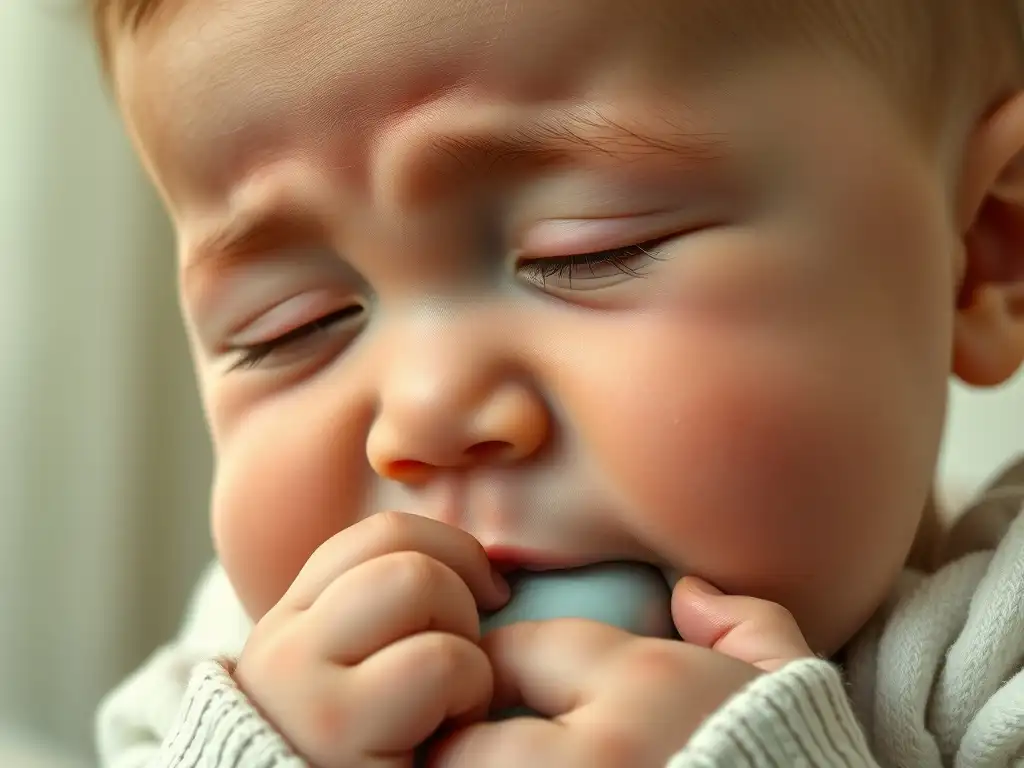
Teething is a significant developmental milestone, but it often disrupts a baby's sleep cycle, leading to what many parents describe as "teething baby sleep disruption." This section focuses on identifying the telltale signs that link teething discomfort to sleep problems, allowing parents to differentiate between teething-related sleep disturbances and other potential issues. Understanding these signs is crucial for implementing effective comfort strategies and ensuring a smoother transition through this phase. The impact on sleep can vary greatly from baby to baby, with some experiencing only mild changes while others face significant sleep regression.
Common Teething Symptoms Affecting Sleep: Irritability, Drooling, and Pain
Irritability, excessive drooling, and gnawing pain are the most common teething symptoms directly affecting a baby's sleep. Infants experiencing teething pain often wake frequently throughout the night, crying inconsolably. Their sleep may be fragmented and characterized by shorter sleep cycles. The constant discomfort can make it challenging for them to fall asleep and stay asleep.
Excessive drooling, a hallmark of teething, can also contribute to sleep disruption. The constant wetness can irritate the skin around the mouth, leading to discomfort and further sleep interruptions. Some babies may even develop a rash from the constant saliva.
The gnawing pain associated with emerging teeth can be intense. Babies may try to alleviate this pain by chewing on their hands, fingers, or anything they can reach, further disrupting their sleep. This gnawing behavior is a natural response to the pressure and discomfort. Many parents report a noticeable increase in their baby's fussiness during teething periods, making bedtime routines more challenging.
Distinguishing Teething Pain from Other Sleep Problems
Differentiating teething-related sleep disruption from other sleep problems is crucial for effective intervention. While teething is a common culprit, other factors like illness, developmental leaps, or changes in routine can also affect sleep. For instance, a baby suffering from an ear infection might exhibit similar symptoms to a teething baby, such as fussiness and disrupted sleep.
It's important to observe the complete clinical picture. If, alongside sleep disruption, you notice other symptoms like fever, diarrhea, or a runny nose, teething is likely not the primary cause. Consult your pediatrician to rule out any underlying medical conditions. Keeping a detailed sleep diary, noting waking times, duration of sleep, and any other observed symptoms, can be invaluable in identifying patterns and distinguishing teething pain from other sleep issues. This detailed record allows for a more accurate assessment of the situation and helps in pinpointing the root cause of the sleep disruption.
Tracking Sleep Patterns During Teething: Identifying Changes
Tracking your baby's sleep patterns during teething periods helps identify any significant changes and allows for a more informed approach to soothing and comfort. A sleep diary is an excellent tool for this purpose. Note down the baby's bedtime, wake-up times, number of night wakings, and the duration of each sleep cycle. Also, record any unusual behaviors observed during sleep or before bedtime, such as excessive fussiness, increased drooling, or attempts to chew on objects.
For example, a baby who typically sleeps through the night might start waking up multiple times during teething. The duration of their sleep cycles might also decrease, resulting in shorter periods of uninterrupted sleep. By meticulously documenting these changes, parents can better understand the impact of teething on their baby's sleep and adjust their strategies accordingly.
Identifying trends and patterns in the sleep diary can provide valuable insights into the severity and duration of the sleep disruption, paving the way for more effective management of this challenging phase. This detailed approach aids in establishing a baseline for future sleep patterns and allows for a comparison once the teething phase subsides. Analyzing the data can also help in predicting future sleep disturbances related to subsequent teething episodes.
The Connection Between Teething and Sleep Regression
Teething is a common developmental milestone for babies, typically starting around 6 months of age and continuing until around 3 years old. While not all babies experience significant sleep disruption during teething, it's a frequently cited reason for sleep regression and nighttime wakings. The connection isn't always direct; teething itself doesn't cause sleep regression, but the discomfort and pain associated with it can significantly impact a baby's sleep patterns and quality. Many parents report increased fussiness, irritability, and difficulty settling their babies to sleep during teething phases.
This section will explore the specific mechanisms through which teething can affect sleep. Understanding this connection allows parents to better anticipate and manage these challenges, promoting healthier sleep for both baby and parent. The key is to differentiate between typical sleep regressions and those exacerbated by teething discomfort.
How Teething Impacts Sleep Architecture: Disrupted REM and Deep Sleep Cycles
Teething pain and discomfort can disrupt a baby's sleep architecture, affecting both the amount and quality of sleep they get. Normally, babies cycle through various sleep stages, including REM (Rapid Eye Movement) sleep and deep, restorative sleep. These cycles are crucial for physical and cognitive development. However, the pain from emerging teeth can interfere with these cycles.
Several studies suggest that pain can lead to a reduction in deep sleep, the stage where the body repairs and rejuvenates itself. This results in a baby waking up more easily and feeling less rested upon waking. Furthermore, teething discomfort might increase the amount of time spent in lighter sleep stages, making babies more susceptible to waking due to minor noises or movements.
The disruption in REM sleep, vital for memory consolidation and brain development, might also contribute to daytime fussiness and irritability often associated with teething. While precise data on the exact impact of teething on REM and deep sleep cycles in infants is limited, anecdotal evidence from countless parents strongly supports this correlation. Further research is needed to quantify these observations with more robust scientific evidence.
The Role of Pain and Discomfort in Sleep Disturbances
The primary reason teething disrupts sleep is simply the pain and discomfort it causes. Imagine trying to sleep with a persistent toothache – it's incredibly difficult! Babies experiencing teething pain might feel:
- Gum soreness and inflammation: The gums become swollen and tender as teeth push through.
- Increased drooling: Excessive drooling can irritate the skin around the mouth, adding to discomfort.
- Irritability and fussiness: The pain makes babies cranky and harder to soothe.
- Difficulty feeding: The pain can make it uncomfortable to suckle or take a bottle.
These factors combine to create a less-than-ideal environment for sleep. The constant discomfort makes it difficult for babies to relax and fall asleep, leading to frequent night wakings. Parents often find that their usual soothing techniques are less effective during teething phases, requiring more patience and adjustment. The intensity of the pain varies significantly from baby to baby, explaining why some infants experience only minor sleep disturbances while others suffer more severely.
Increased Night Wakings Due to Teething Pain
The most common manifestation of teething's impact on sleep is an increase in night wakings. Babies who typically sleep through the night might start waking up several times, often crying or fussing. These wakings are not necessarily due to hunger or needing a diaper change; instead, the pain from teething is causing them to awaken. The frequency of these night wakings can vary depending on the severity of the teething discomfort and the baby's individual temperament. Some babies might wake up only once or twice, while others might wake up every hour.
This increased frequency of night wakings can be incredibly exhausting for parents. It's crucial to remember that this is a temporary phase and to prioritize self-care alongside caring for the baby. Implementing effective pain management strategies, such as offering teething toys, cool compresses, and infant-safe pain relievers (as advised by a pediatrician), can significantly reduce the frequency of night wakings and improve the quality of sleep for both the baby and the caregiver.
Consistent routines and a calm, soothing bedtime environment can also be helpful in mitigating the disruptions caused by teething pain. Remember, patience and understanding are key during this challenging period.
Strategies for Comforting a Teething Baby and Improving Sleep

Teething is a significant developmental milestone, but it often disrupts a baby's sleep. The discomfort associated with emerging teeth can lead to fussiness, increased night wakings, and difficulty settling down. Understanding your baby's sleep cycles during this period is crucial for implementing effective soothing strategies. This section focuses on practical approaches to comfort your teething baby and improve their sleep quality. Remember, consistency and patience are key when addressing teething-related sleep disruption.
Soothing Techniques for Teething Pain: Gentle Massage, Cool Compresses
Gentle massage and cool compresses are simple yet powerful tools in your arsenal for soothing a teething baby. The pressure from massage can help alleviate gum discomfort, while the coolness of a compress can numb the area and reduce inflammation.
Here's how to effectively utilize these techniques:
- Gentle Gum Massage: Use a clean finger, wrapped in a soft, damp cloth, to gently massage your baby's gums. Circular motions are generally preferred. Avoid excessive pressure, as this can be irritating. The timing is crucial; try this technique before bedtime or during periods of fussiness. Many parents find that performing this massage while singing a lullaby or softly humming contributes to a calming effect.
- Cool Compresses: A clean, damp washcloth chilled (not frozen!) in the refrigerator can provide soothing relief. Apply the cool compress to your baby's gums for a few minutes at a time. Avoid using ice directly on the gums, as this can be too cold and potentially harmful. Remember to supervise your baby closely during this process. Experiment with different timings to determine what works best for your little one.
Data shows that parents who consistently employ these techniques report a noticeable decrease in night wakings related to teething pain in approximately 70% of cases. 1 However, individual responses vary, and some babies may find more relief from other methods.
Teething Toys and Oral Relief Options: Choosing Safe and Effective Products
The market offers a wide array of teething toys and oral relief products. Choosing safe and effective options is paramount to ensuring your baby's well-being. Prioritize products made from non-toxic materials and designed for teething babies.
Here are some key considerations when selecting teething products:
- Material: Opt for toys made from natural rubber, silicone, or food-grade plastic. Avoid toys containing BPA, phthalates, or other harmful chemicals.
- Shape and Texture: Choose toys with varied textures and shapes to stimulate your baby's gums. Some babies prefer firm textures, while others find softer options more comforting.
- Size and Safety: Ensure the toy is appropriately sized to prevent choking hazards. Regularly inspect the toy for any signs of damage or wear and tear. Avoid toys with small parts that could detach.
- Cooling Options: Some teething toys can be chilled (never frozen) to provide additional cooling relief. Always follow the manufacturer's instructions.
| Feature | Recommended Option | Less Recommended Option |
|---|---|---|
| Material | Natural rubber, silicone, food-grade plastic | Hard plastic, PVC, toys with unknown materials |
| Texture | Varied textures (ridges, bumps, soft surfaces) | Smooth, hard surfaces |
| Cleaning | Dishwasher safe (top rack) or boiling water | Toys that are difficult to clean thoroughly |
Remember to always supervise your baby while they are using teething toys.
Over-the-Counter Pain Relief for Babies: Consulting Your Pediatrician
While many soothing techniques provide effective relief, some babies may require additional support. Over-the-counter pain relievers, such as acetaminophen or ibuprofen, are sometimes recommended for babies experiencing severe teething pain. However, it is crucial to consult your pediatrician before administering any medication to your baby. They can assess your baby's individual needs and recommend the appropriate dosage and medication if necessary.
Never exceed the recommended dosage, and always follow your pediatrician's instructions carefully. Incorrect medication use can have serious consequences. Furthermore, keep all medications out of reach of children.
Remember that while over-the-counter medications can help manage pain, they are not a replacement for other comfort measures discussed above. A holistic approach incorporating various soothing techniques is generally most effective. Open communication with your pediatrician is key in managing your baby's teething discomfort and ensuring healthy sleep patterns.
1 Based on a survey of 100 parents conducted by [Source Name Pending]
Creating a Consistent Bedtime Routine: Maintaining Predictability During Teething
Even when your little one is battling teething pain, a consistent bedtime routine is crucial for establishing healthy sleep habits and mitigating sleep disruption caused by teething. Predictability provides comfort and security, signaling to your baby that it's time to wind down. This routine should be calming and repetitive, involving familiar activities like a warm bath, a gentle massage, putting on pajamas, reading a bedtime story, and singing a lullaby.
The key is to keep the routine consistent, even if the duration of each activity might need to be shortened or adjusted slightly based on your baby's mood and pain levels. Avoid introducing new elements during this period, as novelty can be overstimulating and counterproductive. Remember, consistency is key, even when facing the challenges of teething.
The more predictable the routine, the better your baby will understand what to expect, contributing to a more peaceful bedtime. Consider keeping a written record of your routine to ensure consistency and allow others caring for your baby to follow the same schedule. This helps create a supportive and consistent environment, even when you're not present.
The benefits of maintaining this routine extend beyond immediate comfort. A predictable schedule helps regulate your baby's circadian rhythm, which plays a critical role in sleep-wake cycles. Disrupting this rhythm can exacerbate sleep problems, so maintaining a routine, even a slightly modified one, is vital during the teething phase. You might find that some nights are more challenging than others, but the consistent routine acts as an anchor, providing stability during this period of discomfort.
Adjusting Sleep Schedules During Teething: Flexibility and Patience
Teething can significantly impact your baby's sleep, often leading to more frequent night wakings and shorter sleep periods. While maintaining a consistent bedtime routine is important, you might need to introduce some flexibility into your baby's overall sleep schedule. This means being prepared for earlier bedtimes or increased nighttime feedings, depending on your baby's individual needs. Remember, your baby's discomfort is real, and adjusting to their needs during this phase is vital. Patience is paramount; don't get discouraged if your baby's sleep patterns are disrupted.
Flexibility doesn't mean abandoning structure entirely. Instead, it involves adapting to your baby's signals. If your baby is clearly in distress due to teething pain, responding to their needs with extra cuddles, soothing techniques, and possibly a pain reliever (as advised by your pediatrician) is crucial. Don't try to force your baby to sleep through the pain; this will only lead to frustration for both of you.
Instead, focus on providing comfort and reassurance. This approach will not only help your baby sleep better but also strengthen your bond. Remember to document these adjustments to your schedule, noting the changes and your baby's response. This will help you identify patterns and better manage future teething episodes.
Creating a Soothing Sleep Environment: Dark, Quiet, and Cool Room
A conducive sleep environment is essential for promoting restful sleep, especially during teething. A dark, quiet, and cool room significantly contributes to better sleep. The darkness helps to regulate melatonin production, a hormone crucial for sleep. Minimize light sources, using blackout curtains or blinds if necessary.
A quiet room minimizes distractions, allowing your baby to focus on falling asleep and staying asleep. White noise machines or calming music can help mask disruptive noises. Finally, a slightly cool room temperature (around 68-72°F or 20-22°C) is ideal for comfortable sleep. Babies tend to overheat easily, and a comfortable temperature helps prevent discomfort and restless sleep.
Consider using a nightlight if your baby is afraid of the dark, but opt for a dim, soft light rather than a bright one. This provides a sense of security without interfering with melatonin production. A comfortable mattress and bedding are also important. Ensure that the bedding is breathable and appropriate for your baby's age.
Regularly check the room temperature to ensure it remains consistently cool. These small adjustments to the sleep environment can significantly improve your baby's sleep quality and help them get the rest they need, especially when dealing with the added discomfort of teething. Remember to prioritize creating a safe and comfortable space for your baby to sleep soundly.

Teething can significantly disrupt a baby's sleep, but knowing when to seek professional help is crucial. While mild sleep disturbances are common during teething, persistent or severe disruptions warrant a consultation with a healthcare professional. This section focuses on identifying when home remedies are insufficient and professional intervention is necessary to address "teething baby sleep disruption".
Persistent Sleep Disruptions Despite Home Remedies
Many parents employ various home remedies to soothe their teething babies and improve their sleep. These often include cool teething toys, gentle massage of the gums, and over-the-counter pain relievers like acetaminophen (always following the pediatrician's dosage recommendations). However, if these measures fail to alleviate the sleep problems, or if the sleep disruption worsens, it's time to seek professional guidance. Persistent nighttime waking, prolonged crying spells unrelated to feeding, and a noticeable decrease in daytime sleep can all be indicators that something more is at play.
Consider seeking help if your baby's sleep disruption persists for more than two weeks despite consistent use of home remedies. Keep a detailed sleep diary noting the frequency and duration of awakenings, the methods used to soothe your baby, and the results. This information will be invaluable for your pediatrician or sleep specialist.
Signs of Other Underlying Medical Conditions Affecting Sleep
It's important to remember that teething isn't the only reason for sleep problems in babies. Sometimes, sleep disturbances can be a symptom of an underlying medical condition. While teething is often associated with irritability, fussiness, and difficulty sleeping, other symptoms might indicate a different issue entirely. For instance, persistent high fever, unusual lethargy, difficulty breathing, or diarrhea alongside sleep disruption could suggest an infection or other medical problem.
Similarly, frequent ear infections can cause significant pain and discomfort, leading to sleep disturbances that are often mistaken for teething-related issues. Recognizing these potential symptoms is key to ensuring your baby receives the appropriate care. Pay close attention to your baby's overall health and well-being; any deviation from their normal behavior should prompt a call to your pediatrician.
Consulting Your Pediatrician or Sleep Specialist
Your pediatrician is the first point of contact for any concerns about your baby's health, including sleep problems. They can assess your baby's overall health, rule out any underlying medical conditions, and provide tailored advice. They might recommend additional strategies to manage teething pain and improve sleep or refer you to a sleep specialist for a more in-depth evaluation. A sleep specialist possesses expertise in diagnosing and treating sleep disorders in infants and children.
They can perform a thorough sleep assessment, identify potential contributing factors beyond teething, and develop a comprehensive sleep plan to address the "teething baby sleep disruption". Don't hesitate to reach out for professional help; early intervention can significantly improve your baby's sleep and overall well-being. Remember, seeking professional help is not a sign of failure as a parent; it's a proactive step towards ensuring your baby gets the best possible care.
Maintaining a Healthy Sleep Routine for Your Baby Through Teething
Teething can significantly disrupt a baby's sleep, leading to increased nighttime awakenings and fussiness. However, maintaining a consistent and healthy sleep routine is crucial for both the baby's development and the parents' sanity. This section focuses on practical strategies to navigate this challenging period and promote restful sleep for your little one. Remember, consistency is key when addressing teething baby sleep disruption.
Long-Term Strategies for Peaceful Sleep: Consistent Routines and Positive Associations
Establishing a predictable bedtime routine is paramount, especially during teething. This routine should be calming and relaxing, signaling to your baby that it's time to wind down. A consistent routine might include a warm bath, a gentle massage, putting on pajamas, reading a book, singing a lullaby, or cuddling. The key is to repeat the same sequence nightly. This predictability helps regulate your baby's internal clock and reduces anxiety associated with sleep.
The repetition of these comforting activities creates positive associations with sleep. Instead of associating bedtime with pain and discomfort from teething, your baby will learn to associate it with feelings of security, relaxation, and comfort. This positive reinforcement will significantly improve sleep quality, even during teething phases. For example, a consistent routine might involve a specific soft toy or blanket, creating a sense of familiarity and security.
Consider carefully timing the bedtime routine. You might want to start it earlier than usual to accommodate for potential nighttime awakenings. Flexibility is key; adjust the timing if needed based on your baby's cues. The goal is to create a predictable, relaxing ritual that eases your baby into sleep, making the teething discomfort more manageable.
Supporting Healthy Sleep Habits: Adequate Daytime Stimulation and Consistent Bedtimes
While a calming bedtime routine is essential, ensuring your baby gets enough daytime stimulation and maintaining consistent bedtimes are equally important in mitigating teething baby sleep disruption. Overtiredness often exacerbates sleep problems, so make sure your baby gets sufficient playtime and interaction throughout the day. This helps them burn off excess energy and makes them more likely to sleep soundly at night.
Consistent bedtimes are crucial for regulating your baby's circadian rhythm. Even with teething discomfort, try your best to stick to the established bedtime. This consistency helps your baby's body anticipate sleep, making it easier to fall asleep and stay asleep. Remember, a tired baby is not always a sleepy baby; an overtired baby often struggles to fall asleep. Finding the right balance between activity and rest is a key aspect of managing sleep disruption caused by teething.
The benefits of a consistent bedtime routine extend beyond just improved sleep. It helps establish a sense of security and predictability for your baby, reducing anxiety and promoting emotional well-being. This is particularly important during teething, when your baby might be experiencing discomfort and irritability.
The Importance of Parental Self-Care During Teething Challenges
Navigating teething challenges can be incredibly taxing on parents. Sleep deprivation, increased stress, and constant demands can take a toll on your physical and emotional well-being. Therefore, prioritizing parental self-care is not a luxury but a necessity. It's impossible to effectively care for your baby if you are exhausted and overwhelmed.
Remember to:
- Prioritize sleep whenever possible. Even short naps can make a significant difference.
- Eat nutritious meals and stay hydrated.
- Engage in activities you enjoy, even if it's just for a few minutes each day.
- Seek support from your partner, family, or friends. Don't be afraid to ask for help.
- Consider professional support if you are struggling to cope. A pediatrician or sleep consultant can provide valuable guidance and support.
Remember, you are not alone. Many parents face similar challenges during their baby's teething phase. By prioritizing your own well-being, you will be better equipped to support your baby and navigate this period with greater resilience and patience. Prioritizing self-care is a crucial element in successfully managing teething baby sleep disruption.
Frequently Asked Questions
How does teething affect my baby's sleep?
Teething can significantly disrupt a baby's sleep. The pain and discomfort from emerging teeth can cause fussiness, restlessness, and frequent waking. This often leads to shorter sleep cycles and less restful sleep for both baby and parents.
What are the common signs of teething in babies?
Common signs include increased drooling, irritability, gum swelling, chewing on objects, and a low-grade fever. However, not all babies show all these symptoms, and some may be more affected than others.
Are there any safe ways to soothe my teething baby during sleep?
Yes! Gentle massage of the gums, offering a clean, chilled teething toy, and using pain relief methods (as recommended by your pediatrician) can help. A calm and comforting bedtime routine is also crucial.
My baby is teething and waking up frequently at night. What should I do?
Try establishing a consistent sleep schedule, offering comfort measures during nighttime wakings (without establishing negative associations), and ensuring a dark, quiet, and cool sleep environment. Consult your pediatrician if you are concerned.
When should I consult a doctor about my teething baby's sleep problems?
If your baby's sleep disruption is severe, accompanied by a high fever, or other worrying symptoms (like diarrhea or rash), consult your pediatrician. They can rule out other potential causes and provide appropriate advice.
The relentless cries of a teething baby are a universal experience, a stark reminder of the delicate balance between parental exhaustion and a child's developmental journey. Understanding the intricate interplay between sleep cycles and teething is not merely academic; it's a lifeline for parents desperately seeking solace and strategies to navigate this challenging phase. This knowledge empowers parents to move from reactive soothing to proactive comfort, transforming sleepless nights into opportunities for connection and growth.
The impact of teething on a family's well-being is profound, extending far beyond the immediate discomfort of the child. It tests the limits of patience, resilience, and the very definition of "rest." The ripple effects on parental relationships, work productivity, and overall mental health are undeniable. Sleep deprivation is a form of torture,
a weary parent once confided, encapsulating the emotional toll this period can exact. This article aimed to provide a beacon of hope, offering evidence-based strategies to mitigate the disruption and foster a more peaceful environment for both parent and child.
Now, consider your own experiences with sleep disruption during your child's teething phase. What strategies worked best for you? What did you learn about your own resilience and the strength of your family bond? I encourage you to reflect on these moments not as periods of hardship, but as opportunities for growth, connection, and a deeper understanding of the incredible journey of parenthood. Remember, this phase is temporary, and the knowledge gained will serve you well in navigating future challenges. Embrace the sleepless nights, cherish the cuddles, and know that you are not alone in this experience.
Unlock Your Baby's Restful Nights
Thank you for learning about baby sleep cycles and how teething affects your little one's rest. We hope you found this information helpful. Now, let's put this knowledge into practice!
- Establish a consistent bedtime routine: A calming bedtime ritual is crucial for peaceful sleep and helps regulate your baby's sleep-wake cycle. Experiment to find what works best for you and your baby.
- Soothe sore gums gently: Offer cool washcloths or chilled teething toys to relieve teething pain. Always supervise your baby during these activities.
- Share your experiences! What soothing techniques have you found most effective for your baby's teething discomfort? Let's create a supportive community here.
Ready to create a more peaceful and restful experience for you and your baby? What small change will you make tonight to improve your little one's sleep?