
Jaundice and Blood Type Incompatibility: Understanding the Connection


Welcome to BabyCareHub, your ultimate guide to navigating the exciting yet challenging journey of parenthood. We understand that becoming a first-time parent can feel overwhelming, which is why we've created this comprehensive resource to support you every step of the way. But what happens when seemingly simple things take a surprising turn? Today, we delve into a crucial topic under Newborn Basics: Baby jaundice and blood type incompatibility. Discover the often-overlooked connection and learn how to ensure your little one's well-being. Ready to unravel this vital piece of the newborn puzzle? Let's begin!
- Understanding Newborn Jaundice and its Causes
- Baby Jaundice and Blood Type Incompatibility: ABO and Rh Incompatibility
- The Role of Blood Type in Neonatal Jaundice
- Treatment and Management of Jaundice Caused by Blood Type Incompatibility
- Preventing Jaundice Caused by Blood Type Incompatibility
- When to Seek Medical Attention for Jaundice
-
Frequently Asked Questions
- What is jaundice, and how is it related to blood type incompatibility?
- How common is jaundice due to blood type incompatibility?
- What are the symptoms of jaundice caused by blood type incompatibility?
- How is jaundice due to blood type incompatibility treated?
- Can blood type incompatibility jaundice be prevented?
- Final Reflection: A Legacy of Light: Understanding and Preventing Jaundice
- Unveil Your Baby's Health Journey: Take Action Today
Understanding Newborn Jaundice and its Causes
Newborn jaundice, characterized by a yellowish discoloration of the skin and whites of the eyes, is a relatively common condition affecting many babies in their first few weeks of life. While often harmless and resolving on its own, understanding its causes, especially those related to blood type incompatibility, is crucial for early detection and appropriate management. This article delves into the connection between baby jaundice and blood type incompatibility, providing first-time parents with essential information to navigate this potential concern.
We'll explore the underlying mechanisms, symptoms to watch for, and the importance of timely medical intervention when necessary. This knowledge empowers parents to advocate for their newborns' health and well-being, contributing to a smoother transition into parenthood. Understanding the nuances of jaundice, particularly in relation to blood type, is key to ensuring your baby receives the best possible care.
What is Jaundice in Newborns?
Jaundice in newborns occurs due to a buildup of bilirubin, a yellowish pigment, in the blood. Bilirubin is a byproduct of the breakdown of old red blood cells. A newborn's liver, still developing, may not be efficient enough to process and eliminate bilirubin at the required rate, leading to its accumulation. This accumulation manifests as a yellowish tinge in the skin and eyes.
While many babies experience physiological jaundice (a mild, self-limiting form), some cases can be more serious and require medical attention. The severity and duration of jaundice can vary greatly, highlighting the importance of regular monitoring by healthcare professionals. Understanding the different types of jaundice is crucial for parents and caregivers. For example, breastfed babies can experience a particular type of jaundice related to breastfeeding patterns, while other forms, like ABO incompatibility, have a different etiology altogether.
Common Causes of Newborn Jaundice
Several factors can contribute to newborn jaundice. These include:
- Physiological Jaundice: The most common type, typically appearing after the second day of life and resolving within two weeks. It's often due to the liver's immaturity in processing bilirubin.
- Breastfeeding Jaundice: This type can occur in breastfed babies due to insufficient intake of breast milk or other factors related to breastfeeding.
- ABO Incompatibility: This occurs when the mother's blood type is different from the baby's, specifically when the mother is type O and the baby is type A, B, or AB. The mother's antibodies can attack the baby's red blood cells, leading to increased bilirubin levels. This is a crucial aspect of understanding jaundice and blood type incompatibility.
- Rh Incompatibility: A more serious condition, occurring when the mother is Rh-negative and the baby is Rh-positive. The mother's body may produce antibodies that attack the baby's red blood cells, potentially causing severe jaundice and other complications. This is less common than ABO incompatibility but necessitates closer monitoring.
- Infections: Certain infections can contribute to jaundice by increasing the breakdown of red blood cells.
- Metabolic Disorders: Rarely, jaundice can be a symptom of underlying metabolic disorders affecting bilirubin processing.
- Genetic Factors: In some cases, genetic factors can influence the baby's ability to process bilirubin effectively.
Understanding these various causes is vital for appropriate diagnosis and management of newborn jaundice. Early detection and intervention are key to preventing potential complications.
Identifying Jaundice in Your Baby: Symptoms and Signs
Recognizing the signs of jaundice is crucial for timely intervention. While the yellowish discoloration of the skin and whites of the eyes is the most obvious sign, other symptoms may also be present depending on the severity of the condition. These could include:
- Yellowing of the skin: Starting on the face and spreading downwards to the chest, abdomen, and extremities.
- Yellowing of the sclera (whites of the eyes): This is often one of the earliest signs.
- Dark urine: Increased bilirubin levels can lead to darker-than-usual urine.
- Pale stools: In some cases, the stools may appear paler than normal.
- Lethargy: In more severe cases, the baby may exhibit excessive sleepiness or lethargy.
- Poor feeding: Jaundice can affect the baby's appetite and ability to feed effectively.
It is vital to note that the severity of jaundice varies. While mild jaundice might only show as a slightly yellowish tinge, more severe cases might present with a deep yellow or even orange discoloration.
👶 If you notice any of these symptoms in your newborn, it is essential to consult your pediatrician immediately for proper evaluation and management. Early intervention can often prevent serious complications associated with high bilirubin levels.
Baby Jaundice and Blood Type Incompatibility: ABO and Rh Incompatibility
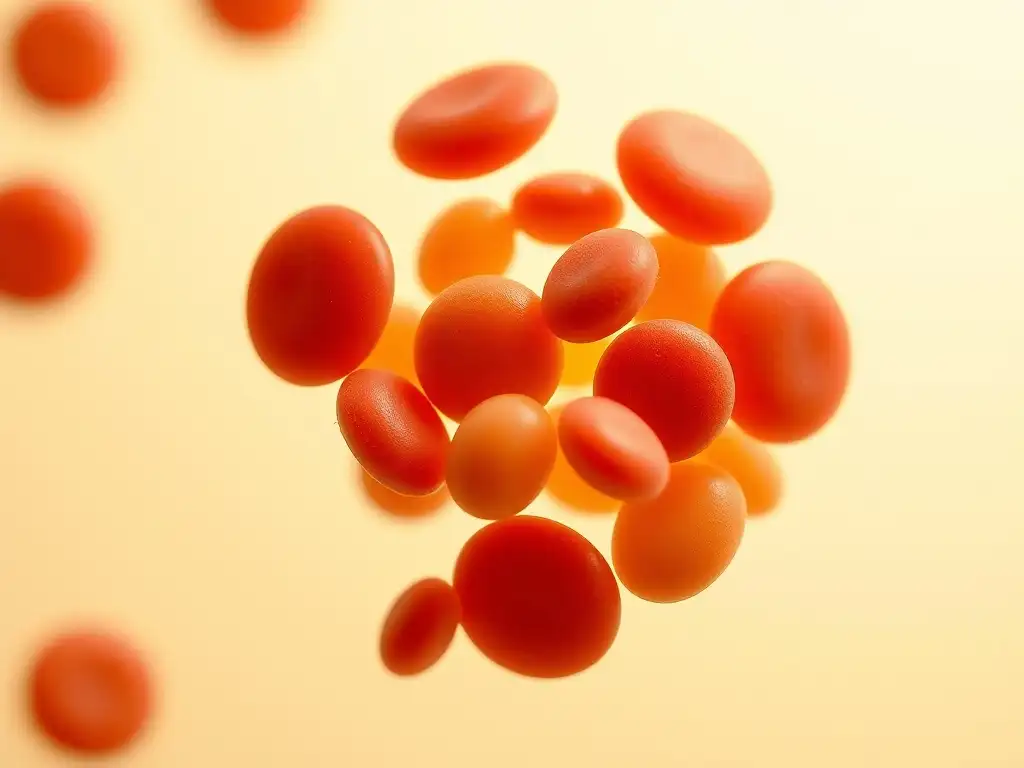
This section delves into the crucial connection between baby jaundice and blood type incompatibility, specifically focusing on ABO and Rh incompatibility. Understanding this relationship is vital for early diagnosis and appropriate management of neonatal jaundice. While many factors can cause jaundice in newborns, blood type incompatibility is a significant contributor, leading to a more severe form of the condition if left unaddressed. This section will equip you with the knowledge to better understand this complex interplay.
ABO Incompatibility Jaundice in Newborns: A Detailed Explanation
ABO incompatibility jaundice arises when the mother's blood type is different from the baby's. Specifically, it occurs most frequently when the mother has blood type O and the baby has blood type A or B. This is because type O blood contains antibodies against A and B antigens. If these antibodies cross the placenta and enter the baby's bloodstream, they attack the baby's red blood cells, leading to their destruction. This destruction of red blood cells, or hemolysis, releases bilirubin, the yellow pigment that causes jaundice.
The severity of ABO incompatibility jaundice varies greatly. Some babies experience only mild jaundice, while others may develop severe hyperbilirubinemia, requiring medical intervention. Several factors influence the severity, including the concentration of maternal antibodies, the baby's blood group, and the efficiency of the baby's liver in processing bilirubin. Early detection is key, as severe cases can lead to kernicterus, a serious neurological condition. Regular monitoring of bilirubin levels, often through a transcutaneous bilirubinometer (TcB), is crucial in managing ABO incompatibility jaundice.
Rh Incompatibility Jaundice in Newborns: Understanding the Rh Factor
Rh incompatibility jaundice is another significant type of blood type incompatibility jaundice. This occurs when the mother is Rh-negative (lacks the Rh factor) and the baby is Rh-positive (possesses the Rh factor). During pregnancy or childbirth, the mother's immune system may become sensitized to the baby's Rh-positive blood, producing antibodies against the Rh factor. These antibodies can cross the placenta in subsequent pregnancies, attacking the baby's red blood cells, resulting in hemolysis and jaundice. Unlike ABO incompatibility, Rh incompatibility jaundice is more likely to be severe in subsequent pregnancies, as the mother's immune system has already been sensitized.
The severity of Rh incompatibility jaundice can range from mild to severe, potentially leading to severe anemia, hydrops fetalis (fluid buildup in the baby), and kernicterus. Prevention is crucial, typically involving administering RhoGAM (Rh immunoglobulin) to Rh-negative mothers during pregnancy and after delivery to prevent the formation of Rh antibodies. This preventative measure significantly reduces the risk of Rh incompatibility jaundice in future pregnancies. Regular monitoring of both the mother's and baby's blood is essential to detect and manage this condition effectively.
Diagnosing Blood Type Incompatibility Jaundice: Tests and Procedures
Diagnosing blood type incompatibility jaundice involves several tests and procedures. The first step usually involves determining the mother's and baby's blood types shortly after birth. This simple blood test reveals whether ABO or Rh incompatibility is present. Following this, the baby's bilirubin levels are monitored closely using either a transcutaneous bilirubinometer (TcB) or a blood test. TcB is a non-invasive method that measures bilirubin levels through the skin, providing a quick estimate. However, a blood test is often necessary for a more precise measurement.
Further tests, such as a Coombs test (direct and indirect), can help determine the presence and severity of antibody-mediated hemolysis. The direct Coombs test checks for antibodies attached to the baby's red blood cells, while the indirect Coombs test measures antibodies in the mother's blood. These tests provide valuable information on the extent of red blood cell destruction and guide the treatment strategy.
In severe cases, further investigations such as ultrasound scans may be necessary to rule out other complications. Early and accurate diagnosis is crucial for effective management and prevention of serious complications associated with blood type incompatibility jaundice. The combination of blood typing, bilirubin level monitoring, and Coombs testing forms the cornerstone of diagnosis.
The Role of Blood Type in Neonatal Jaundice
Jaundice in newborns, a yellowish discoloration of the skin and whites of the eyes, is a common condition often related to the immature liver's inability to process bilirubin efficiently. However, in some cases, baby jaundice blood type incompatibility plays a significant role. This incompatibility arises when the mother and baby have different blood types, specifically concerning the ABO and Rh systems. Understanding this connection is crucial for early diagnosis and appropriate management, helping parents navigate this potentially serious condition.
We'll explore the mechanisms behind this type of jaundice and the factors influencing its severity. The information provided here is for educational purposes and should not replace professional medical advice. Always consult your pediatrician for any concerns regarding your baby's health.
How Blood Type Mismatch Leads to Jaundice
The most common type of blood type incompatibility jaundice is ABO incompatibility. This occurs when the mother has type O blood and the baby has type A or B blood. Type O blood contains antibodies against A and B antigens. During pregnancy, these maternal antibodies can cross the placenta and attack the baby's red blood cells carrying the A or B antigens. This destruction of red blood cells leads to an increased bilirubin level, resulting in jaundice.
The process is slightly different with Rh incompatibility (RhD), although equally crucial to understand. Rh incompatibility arises when the mother is Rh-negative and the baby is Rh-positive. During pregnancy or delivery, the mother may be exposed to the baby's Rh-positive blood cells. This exposure triggers the mother's immune system to produce antibodies against the Rh factor. These antibodies, unlike in ABO incompatibility, are not present before exposure. In subsequent pregnancies with Rh-positive babies, these pre-formed antibodies can cross the placenta and attack the baby's red blood cells, potentially causing more severe jaundice.
It's important to note that not all blood type mismatches lead to significant jaundice. The severity depends on several factors, including the amount of antibody transfer and the baby's ability to process bilirubin.
Severity of Jaundice Based on Blood Type Incompatibility
The severity of jaundice due to blood type incompatibility varies significantly. In ABO incompatibility, jaundice usually appears within the first 24 hours after birth and is often mild, resolving within a week or two. However, in some cases, it can be more severe, requiring phototherapy or, rarely, exchange transfusions.
Rh incompatibility, on the other hand, can lead to more severe consequences, especially in subsequent pregnancies. The severity depends on the level of maternal antibodies present. Severe cases can result in hemolytic disease of the newborn (HDN), characterized by anemia and other complications. This necessitates close monitoring and potential interventions like intrauterine transfusions or exchange transfusions after birth. Early detection through prenatal testing and careful monitoring after birth are vital for managing Rh incompatibility effectively. Careful observation of the baby's condition, including regular bilirubin level checks, is essential to determine the appropriate course of treatment.
Risk Factors for Blood Type Incompatibility Jaundice
Several factors increase the risk of developing jaundice due to blood type incompatibility. These include:
- Mother's blood type: Mothers with type O blood are at higher risk for ABO incompatibility. Similarly, Rh-negative mothers are at risk for Rh incompatibility if their baby is Rh-positive.
- Previous pregnancies: Mothers who have previously had a baby with a different blood type are at increased risk of developing antibodies, leading to more severe jaundice in subsequent pregnancies.
- Premature birth: Premature babies have an immature liver and are more prone to developing jaundice, regardless of blood type compatibility.
- Bruising or trauma during birth: Any trauma during birth can increase the release of bilirubin into the bloodstream, worsening jaundice.
- Certain medications: Some medications taken during pregnancy might affect the baby's bilirubin metabolism, increasing the risk of jaundice.
- Genetic factors: Inherited factors can influence the baby's ability to process bilirubin.
Understanding the connection between baby jaundice blood type incompatibility and its potential severity is crucial for both parents and healthcare providers. Early detection and appropriate management strategies greatly reduce the risk of serious complications. Regular check-ups and open communication with your pediatrician are key to ensuring your baby's well-being. Remember, this information is for educational purposes only and does not substitute professional medical advice.
Treatment and Management of Jaundice Caused by Blood Type Incompatibility
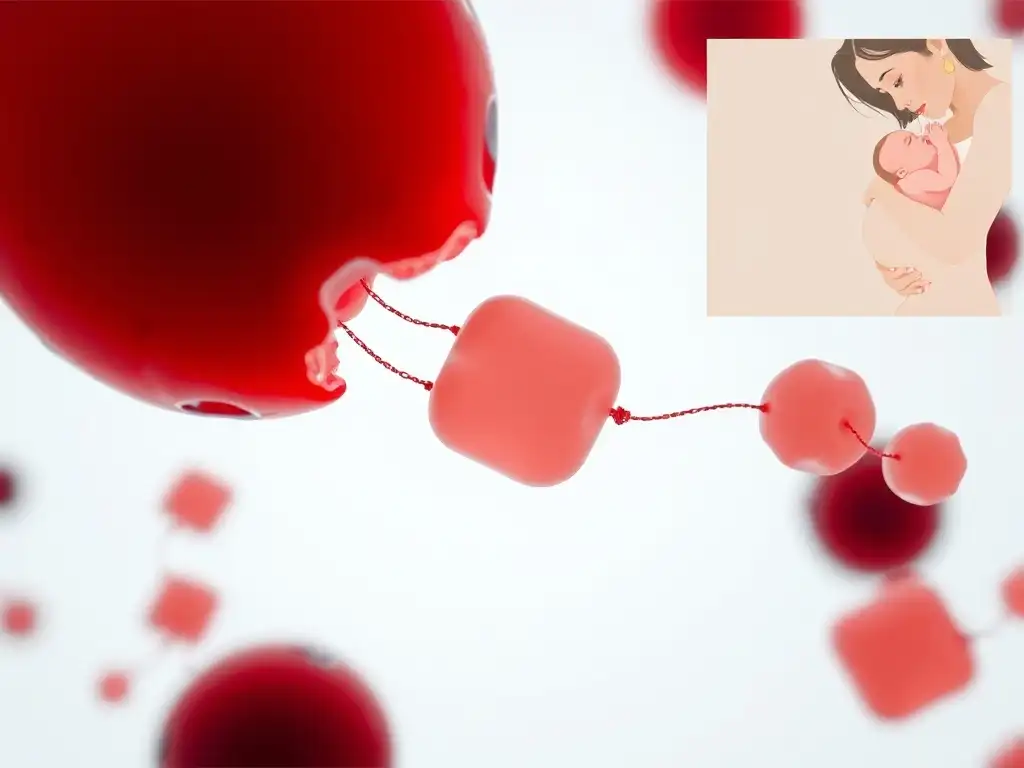
Jaundice stemming from blood type incompatibility, specifically ABO incompatibility and Rh incompatibility, requires careful monitoring and, in some cases, intervention. The severity of the jaundice and the baby's overall health dictate the necessary treatment approach. Early detection is crucial for minimizing potential long-term complications. While many cases resolve spontaneously, others necessitate medical intervention.
The key to successful management lies in proactive monitoring and prompt medical attention when needed. This section focuses on the specific treatments used to address jaundice caused by blood type incompatibility in newborns. Understanding these approaches empowers parents to actively participate in their baby's care and advocate for appropriate treatment.
Phototherapy for Jaundice Caused by Blood Type Incompatibility
Phototherapy is a common treatment for neonatal jaundice, including that caused by blood type incompatibility. This non-invasive method uses special blue lights to break down bilirubin, the yellow pigment responsible for jaundice. The baby is usually placed under these lights, often naked or minimally clothed, with eye protection in place. The light converts bilirubin into a water-soluble form that the body can more easily excrete through urine and stool.
The effectiveness of phototherapy depends on several factors, including the severity of the jaundice, the baby's age, and the type of incompatibility. Regular monitoring of bilirubin levels is essential to assess the treatment's success. Some babies may require several days of phototherapy, while others may respond within a shorter period. Side effects are generally mild and may include loose stools, increased urination, and temporary skin rash.
The medical team carefully monitors the baby's condition throughout the phototherapy process. Early intervention with phototherapy often prevents the need for more invasive procedures. The efficacy of phototherapy in managing baby jaundice blood type incompatibility is well-documented, making it a cornerstone of treatment for many affected newborns.
Exchange Transfusion: When is it Necessary?
In severe cases of jaundice caused by blood type incompatibility, an exchange transfusion may be necessary. This procedure involves removing the baby's blood and replacing it with fresh, compatible blood. It is typically reserved for situations where phototherapy is ineffective or when bilirubin levels reach dangerously high levels, posing a risk of kernicterus (bilirubin encephalopathy), a serious brain damage.
The decision to perform an exchange transfusion is made based on careful consideration of the baby's condition, bilirubin levels, and overall clinical picture. It's a more invasive procedure than phototherapy and requires close monitoring by medical professionals. The procedure is performed under careful supervision, with the baby's vital signs constantly monitored.
Post-exchange transfusion, the baby's bilirubin levels are closely tracked to ensure effectiveness and to detect any potential complications. While an exchange transfusion is a more involved procedure, it's a life-saving intervention when necessary to prevent serious neurological damage in severe cases of baby jaundice blood type incompatibility.
Monitoring Your Baby's Jaundice Levels at Home
While medical professionals manage the treatment of jaundice, parents can play a vital role in monitoring their baby's condition at home. Regular observation of the baby's skin color is crucial. A yellowish tinge to the skin and whites of the eyes are key indicators. While a slight yellowish tint might be normal, any significant increase or change in coloration should be reported to the doctor immediately.
Many healthcare providers offer guidance on how to assess jaundice at home, often providing resources and visual aids to help parents accurately determine the severity. Keeping meticulous records of feedings, bowel movements, and any noticeable changes in the baby's behavior can assist the medical team in monitoring the baby's progress. Remember, early detection and prompt reporting are vital in ensuring timely and appropriate management of jaundice.
Active parental participation in monitoring the baby's condition is essential for successful management of baby jaundice blood type incompatibility at home. It allows for early identification of potential complications and enables prompt medical intervention when needed. This proactive approach significantly contributes to a positive outcome.
Preventing Jaundice Caused by Blood Type Incompatibility
Jaundice in newborns, while often benign, can be a serious concern when stemming from blood type incompatibility between mother and baby. Understanding the connection between baby jaundice and blood type incompatibility is crucial for prevention and effective management. This section focuses on proactive measures to minimize the risk of this type of jaundice. Early detection and intervention are key to ensuring the health and well-being of your little one. We will explore strategies that significantly reduce the likelihood of developing this serious condition.
Prenatal Testing and its Importance
Prenatal testing plays a vital role in identifying potential blood type incompatibilities between mother and fetus. This is particularly important for mothers with blood type O, as they have a higher chance of developing antibodies that can affect their baby. Regular blood tests during pregnancy allow healthcare providers to monitor antibody levels in the mother's blood. Early detection of rising antibody levels allows for timely intervention and minimizes the risk of severe jaundice in the newborn.
The timing and frequency of these tests will vary depending on individual risk factors and medical history. For example, a woman with a history of blood type incompatibility issues in previous pregnancies would likely undergo more frequent monitoring. This proactive approach allows for careful observation and, if necessary, the implementation of preventative measures to protect the baby. The specific tests involved are typically antibody screening and titers to quantify the levels of potentially harmful antibodies.
These tests help to predict the likelihood of hemolytic disease of the newborn (HDN), a serious condition linked to blood type incompatibility. Remember, early detection is key to prevention. This preventative approach is a significant step in ensuring a healthy pregnancy and delivery.
Postnatal Monitoring and Follow-up Care
Even with thorough prenatal testing, postnatal monitoring remains crucial. After birth, the baby's blood type and bilirubin levels are closely monitored. Bilirubin is a byproduct of the breakdown of red blood cells, and elevated levels indicate jaundice. Regular blood tests and physical examinations are essential to detect and manage jaundice effectively.
The frequency of these checks depends on the baby's individual risk factors and initial bilirubin levels. Babies identified as high-risk due to blood type incompatibility might require more frequent monitoring and interventions such as phototherapy, which uses light to break down bilirubin. Postnatal care extends beyond the immediate postpartum period. Follow-up appointments are scheduled to ensure that bilirubin levels remain within the normal range and to address any concerns that may arise.
This continuous monitoring provides peace of mind and allows for early intervention if needed. Consistent communication with your pediatrician is paramount during this phase, enabling prompt and effective management of any complications. This approach ensures the best possible outcome for your baby.
Long-Term Health Outcomes Following Blood Type Incompatibility Jaundice
While early detection and intervention significantly reduce the risks associated with jaundice due to blood type incompatibility, understanding potential long-term health outcomes is essential. In most cases, with proper management, babies recover fully with no lasting effects. However, severe cases of hemolytic disease of the newborn (HDN) can, in rare instances, lead to long-term complications.
These might include developmental delays, hearing loss, or cerebral palsy, although these are uncommon with appropriate medical care. Regular developmental screenings are recommended for infants who experienced severe jaundice to ensure early detection of any potential issues. Long-term follow-up care is crucial to monitor for any delayed effects and provide necessary support.
This ongoing monitoring allows healthcare professionals to intervene promptly and provide the necessary interventions to mitigate potential long-term health consequences. While the majority of babies recover completely, understanding the potential for rare long-term effects helps parents and healthcare providers remain vigilant and proactive. The emphasis on early detection and intervention significantly improves the overall prognosis and minimizes the likelihood of long-term complications.
When to Seek Medical Attention for Jaundice
Jaundice, characterized by a yellowish discoloration of the skin and whites of the eyes, is a relatively common condition in newborns. While often harmless and resolving on its own, it's crucial to understand when jaundice warrants immediate medical attention, especially when linked to blood type incompatibility. Ignoring warning signs can lead to serious complications.
This section details when to seek help for your baby's jaundice, focusing on the critical distinction between situations requiring immediate intervention and those that can wait for a scheduled appointment with your pediatrician. Early detection and intervention are key to preventing potential long-term health issues associated with baby jaundice blood type incompatibility.
Emergency Signs and Symptoms Requiring Immediate Medical Attention
Some signs of jaundice indicate a more serious underlying condition, potentially linked to blood type incompatibility or other factors, demanding immediate medical attention. These are not simply signs of "severe" jaundice but rather symptoms that suggest a rapid progression or a more dangerous complication. Delaying treatment in these cases can be harmful. Do not hesitate to go to the emergency room if your baby exhibits any of the following:
- Lethargy: Unusual sleepiness or unresponsiveness beyond normal newborn sleep patterns. Your baby may be difficult to rouse or feed.
- Poor Feeding: Significant decrease in feeding, refusal to feed, or vomiting after feeding. This can indicate dehydration, a serious complication of severe jaundice.
- High-Pitched Cry: A persistent, unusually shrill cry, different from the baby's usual cry. This can be a sign of discomfort or neurological involvement.
- Fever: A temperature above 100.4°F (38°C) rectally. Fever in a newborn warrants immediate medical evaluation.
- Pale Skin or Mucus Membranes: This can indicate anemia, potentially related to the breakdown of red blood cells, a possible outcome of blood type incompatibility.
- Jaundice Spreading Rapidly: If the yellowing spreads rapidly from the face to the body within a short period, immediate medical attention is crucial. This suggests a fast worsening of the condition.
- Seizures: Any form of seizure activity is a medical emergency and requires immediate intervention.
- Apnea (Breathing pauses): If your baby's breathing pauses for more than a few seconds, seek immediate medical attention. This is a serious sign that requires emergency care.
The presence of one or more of these signs necessitates immediate medical attention. Remember, it's always better to err on the side of caution when it comes to your baby's health. Early detection and intervention are crucial in managing severe jaundice and mitigating potential complications arising from baby jaundice blood type incompatibility.
Contacting Your Pediatrician or Healthcare Provider
If your baby has jaundice but does not exhibit any of the emergency signs listed above, you should still contact your pediatrician or healthcare provider. They can assess the severity of the jaundice, determine the underlying cause (including the possibility of blood type incompatibility), and recommend appropriate management strategies.
While less urgent than the emergency situations described earlier, regular monitoring is still vital. Your pediatrician might request follow-up appointments for blood tests (bilirubin levels) to track the jaundice's progression. They may also advise on feeding strategies and other supportive care to help your baby process bilirubin more efficiently. Early identification and management of even milder forms of jaundice can prevent potential complications.
Consistent communication with your healthcare provider is key to ensuring your baby's well-being. Don't hesitate to contact them with any concerns, no matter how small they may seem. This proactive approach is essential, especially when considering the potential link between baby jaundice blood type incompatibility and long-term health outcomes. Remember, your pediatrician is your partner in ensuring your baby's health.
Frequently Asked Questions
Jaundice is a yellowish discoloration of the skin and eyes caused by a buildup of bilirubin. In some cases, this is due to blood type incompatibility between the mother and baby, where the mother's antibodies attack the baby's red blood cells. This is called hemolytic disease of the newborn.
How common is jaundice due to blood type incompatibility?
While jaundice is relatively common in newborns, the type caused by blood type incompatibility is less frequent. The risk is higher if the mother has type O blood and the baby has type A, B, or AB blood. Regular testing during pregnancy helps identify and manage this risk.
What are the symptoms of jaundice caused by blood type incompatibility?
Symptoms can range from mild yellowing of the skin to more severe cases involving anemia, enlarged liver or spleen, and difficulty breathing. Early detection is crucial for effective treatment. Consult your pediatrician if you notice any yellowing.
How is jaundice due to blood type incompatibility treated?
Treatment depends on the severity. It might involve phototherapy (light therapy) to break down bilirubin or, in severe cases, blood transfusions to replace affected red blood cells. Close monitoring is essential.
Can blood type incompatibility jaundice be prevented?
While complete prevention isn't always possible, antenatal testing during pregnancy helps identify mothers at risk. This allows for early intervention and monitoring of the baby after birth, significantly reducing the risk of severe complications.
Final Reflection: A Legacy of Light: Understanding and Preventing Jaundice
The connection between jaundice and blood type incompatibility remains a critical concern in neonatal care, impacting countless families worldwide. Understanding this often-overlooked link is not merely an academic exercise; it's a matter of safeguarding the health and well-being of newborns, ensuring they receive the timely intervention they may need to thrive.
The pervasive nature of this issue underscores the importance of continued research and education. The subtle yet significant impact of blood type incompatibility on a newborn's delicate system highlights the intricate dance between genetics and health. This understanding has profoundly shaped my own perspective on the fragility of life and the power of preventative medicine. The care of the child is not a matter of mere technique but of love and understanding.
This quote, while not directly about jaundice, perfectly captures the essence of responsible medical practice and the human element crucial in navigating this complex condition.
Now, consider the implications of this knowledge. You, as a parent, a healthcare professional, or simply an informed individual, possess the power to make a difference. Take the time to learn more about blood type compatibility during pregnancy, advocate for early screening, and share this vital information with others. By fostering a culture of awareness and proactive healthcare, we can collectively contribute to a future where jaundice caused by blood type incompatibility is less prevalent, and every newborn has the chance to experience the full spectrum of a healthy life.
Unveil Your Baby's Health Journey: Take Action Today
Thank you for learning about the connection between jaundice and blood type incompatibility. This understanding empowers you to support your baby's health. Now, let's ensure your little one thrives.
- Schedule a follow-up appointment with your pediatrician: This is crucial for monitoring your baby's bilirubin levels and ensuring they receive appropriate care. Please don't hesitate to ask any questions.
- Share this information with other expectant parents: Your experience could help others facing similar challenges.
- Explore resources on newborn health: Gain a comprehensive understanding of your baby's well-being by delving into related topics. (Consider adding a link to relevant resources here if available)
Will you prioritize your baby's health by scheduling that important check-up today?