
Smart Baby Monitors: Tracking Sleep Patterns and More

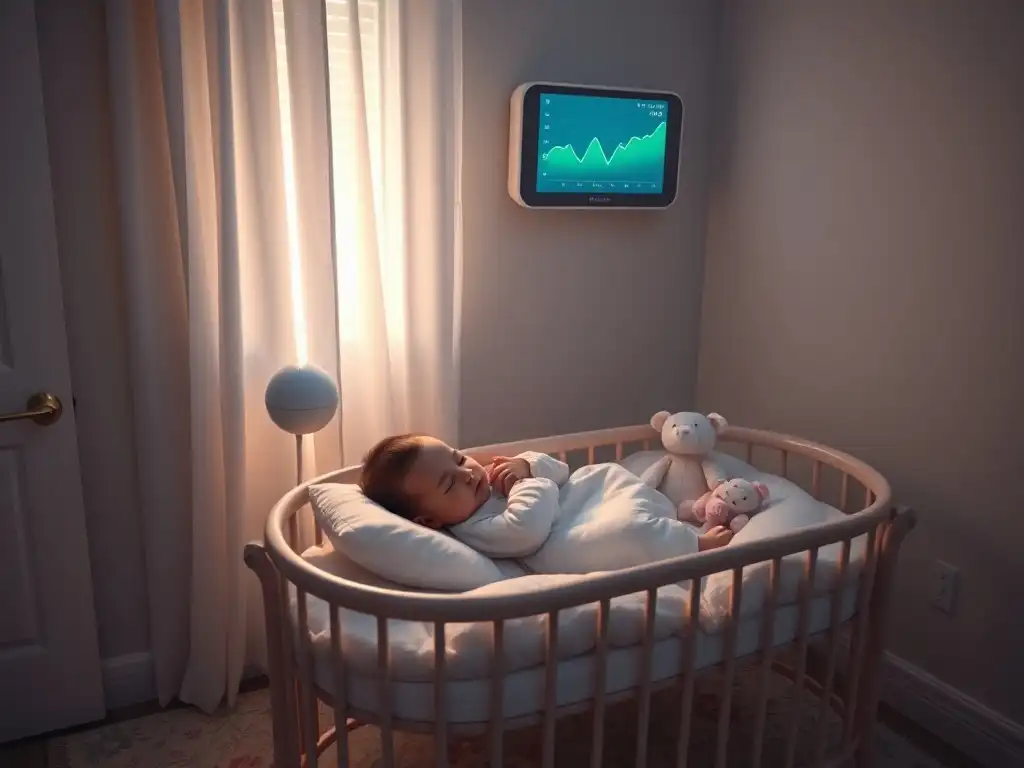
Welcome to BabyCareHub, your ultimate guide to navigating the exciting yet challenging world of parenthood! Are you ready to unlock the secrets to a more peaceful night's sleep? We delve into the revolutionary world of smart baby monitors and their incredible sleep tracking capabilities, offering invaluable insights into your little one's rest patterns. Discover how this technology can transform your newborn experience and help you understand those precious (and sometimes puzzling!) sleeping habits. Dive in and explore the Newborn Basics section to learn more about maximizing your baby's sleep and overall well-being.
- Understanding Smart Baby Monitor Technology for Sleep Tracking
- Smart Baby Monitor Sleep Tracking: Unveiling Your Baby's Sleep Patterns
- Beyond Sleep Tracking: Additional Benefits of Smart Baby Monitors
- Setting Up and Using Your Smart Baby Monitor for Sleep Tracking
- Privacy Concerns and Data Security with Smart Baby Monitors
- Smart Baby Monitor Sleep Tracking: A Guide for First-Time Parents
- Choosing the Best Smart Baby Monitor for Your Needs
- Top Smart Baby Monitors Brands and Models Compared
- Budget-Friendly Options vs. High-End Features
- Making an Informed Decision Based on Your Family's Requirements
-
Frequently Asked Questions
- What is a smart baby monitor with sleep tracking?
- How accurate is sleep tracking on a smart baby monitor?
- What are the benefits of using a smart baby monitor for sleep tracking?
- Are there privacy concerns associated with smart baby monitors?
- What features should I look for in a smart baby monitor with sleep tracking?
- Final Reflection: The Evolving Landscape of Infant Sleep and Smart Technology
- Unlock Your Baby's Sleep Secrets
Understanding Smart Baby Monitor Technology for Sleep Tracking
Navigating the world of parenthood, especially for first-time parents, can feel overwhelming. One area that often causes significant anxiety is infant sleep. Understanding your baby's sleep patterns is crucial for their healthy development and your own well-being.
This is where smart baby monitors, with their advanced sleep-tracking capabilities, step in to offer invaluable assistance. This article delves into the world of smart baby monitors, explaining their functionalities, highlighting key features, and guiding you through the process of choosing the right monitor to accurately track your baby's sleep and provide peace of mind.
We'll explore how these devices go beyond basic audio monitoring, offering insights into sleep cycles, duration, and even potential disruptions, empowering you to make informed decisions about your baby's sleep environment and routine. This detailed guide will help you understand how smart baby monitors can become an indispensable tool in your baby care arsenal, contributing significantly to a more restful and happy experience for both you and your little one.
How Smart Baby Monitors Differ from Traditional Monitors
Traditional baby monitors primarily focus on audio transmission, allowing parents to listen to their baby from another room. While useful for detecting cries, they offer limited insights into your baby's sleep patterns. Smart baby monitors, however, leverage technology to provide a much more comprehensive picture. They often incorporate features like:
- Advanced Sensors: These sensors go beyond simple sound detection. Some monitors use movement sensors to detect your baby's position and activity levels during sleep, providing data on sleep cycles and restlessness. Others may incorporate breathing sensors (though always check for safety certifications and consult your pediatrician before use).
- Data Analysis & Reporting: Smart monitors aren't just about collecting data; they process it to provide meaningful insights. Many offer detailed sleep reports, graphically displaying sleep duration, wake-up times, and even potential disruptions such as crying or movement. This data can be invaluable in identifying patterns and addressing sleep issues.
- Connectivity & Remote Access: Most smart monitors connect to your smartphone via Wi-Fi or a dedicated app, allowing you to monitor your baby remotely, access sleep data anytime, and even receive notifications about important events. This provides flexibility and peace of mind, even if you are not in the same room.
- Two-Way Audio Communication: While traditional monitors offer one-way audio, smart monitors usually allow two-way communication, letting you soothe your baby remotely without having to enter the room, potentially disturbing their sleep.
Key Features: Audio, Video, and Sleep Monitoring Capabilities
Smart baby monitors offer a range of features designed to provide comprehensive monitoring and sleep tracking. Let's explore some key capabilities:
- High-Definition Video: Many smart monitors offer crystal-clear video streaming, allowing you to visually check on your baby without physically entering the room. This is especially useful for nighttime checks, minimizing disturbance to your baby's sleep.
- Night Vision: Essential for nighttime monitoring, night vision capabilities ensure clear visuals even in low-light conditions. This allows you to observe your baby's sleep without turning on bright lights that could disrupt them.
- Temperature and Humidity Monitoring: Some advanced monitors also include environmental sensors that monitor the temperature and humidity in your baby's room. This helps ensure that the room is at a comfortable and safe temperature range for your baby's sleep.
- Sound Detection and Alerts: Beyond basic audio, smart monitors often include advanced sound detection and analysis. This can help distinguish between different types of sounds (e.g., crying, coughing, or other noises) and trigger alerts based on pre-set thresholds. This helps you immediately respond to your baby's needs.
- Cry Detection and Soothing Sounds: Many smart monitors can differentiate between crying and other sounds, sending you notifications only when your baby is crying. Some even offer the ability to play soothing sounds remotely to help calm your baby. This feature is especially useful for remote soothing.
Choosing the Right Smart Baby Monitor: Factors to Consider
Selecting the right smart baby monitor involves considering several key factors:
| Feature | Considerations |
|---|---|
| Video Quality | Resolution, night vision clarity, field of view |
| Audio Quality | Clarity, range, two-way communication capabilities |
| Sleep Tracking | Accuracy of sleep cycle detection, data reporting features, app integration |
| Connectivity | Wi-Fi reliability, range, security features |
| App Features | Ease of use, data visualization, notification customization |
| Additional Features | Temperature and humidity monitoring, room lighting control, lullabies |
| Price | Balance features and budget |
| Safety | Certifications and safety standards (e.g., FCC, CE) |
Choosing a smart baby monitor is a significant decision. Carefully weighing these factors will help you select a monitor that effectively supports your baby's healthy sleep patterns and provides you with the peace of mind you need. Remember to prioritize safety and always consult your pediatrician with any concerns about your baby's sleep. 😴
Smart Baby Monitor Sleep Tracking: Unveiling Your Baby's Sleep Patterns
Smart baby monitors offer a revolutionary approach to childcare, moving beyond simple audio and video monitoring. A key feature driving their popularity is their advanced sleep tracking capabilities. This allows parents to gain valuable insights into their baby's sleep patterns, leading to better understanding and potentially improved sleep for both baby and parent. This section delves into the specifics of how these monitors track sleep and how you can utilize this data effectively. Understanding your baby's sleep is crucial for their healthy development, and smart baby monitors offer a powerful tool to achieve this.
Analyzing Sleep Data: Duration, Cycles, and Wake-Up Times
Smart baby monitors utilize various sensors, often a combination of movement sensors and sound analysis, to track your baby's sleep. The data they collect offers a detailed picture of your baby's sleep, providing information beyond simple sleep duration. For example, you can typically access data on:
- Total Sleep Duration: The monitor will accurately record the total amount of sleep your baby gets over a specified period, such as a night or a week. This data can be viewed graphically, showing clear trends and variations.
- Sleep Cycles: Many advanced monitors can differentiate between light sleep and deep sleep, providing insights into the proportion of each during the night. Understanding these cycles can be invaluable in determining optimal wake-up times and avoiding disrupting crucial sleep phases.
- Wake-Up Times: The monitor will record the number and timing of nighttime wakings. This information is crucial for identifying patterns and potential underlying issues that might be contributing to frequent awakenings. Analyzing these times in relation to feeding schedules or other events can reveal valuable correlations.
Consider this example: A monitor reveals your baby typically sleeps for 7 hours, with two 30-minute wake-up periods. Further analysis might show these wakings coincide with the time their diaper needs changing, suggesting a simple adjustment to the bedtime routine could improve sleep continuity. This level of detail is simply unavailable with traditional monitoring methods. The visualization tools often included in the monitor's app make it easy to identify these patterns.
Identifying Sleep Problems: Recognizing Patterns and Potential Issues
Consistent monitoring reveals more than just sleep duration. By analyzing the data over time, parents can identify potential sleep problems. For instance, consistently short sleep durations, frequent awakenings, or a lack of deep sleep could indicate underlying issues such as colic, reflux, or other medical conditions.
| Potential Problem | Sleep Data Indication | Additional Considerations |
|---|---|---|
| Colic | Frequent, short periods of wakefulness, restlessness | Consult a pediatrician, rule out other potential causes |
| Reflux | Frequent awakenings after feeding, restlessness | Observe feeding patterns, consult a pediatrician |
| Teething | Increased nighttime wakefulness, fussiness | Observe other teething symptoms |
| Sleep Regression | Sudden decrease in total sleep time, disrupted cycles | This is common and usually temporary |
Analyzing this data alongside your baby's overall behavior and development provides a more comprehensive picture. It is crucial to remember that the data provided by the monitor is only one piece of the puzzle. If you have concerns, always consult your pediatrician. They can provide expert advice and help rule out any serious medical conditions.
Using Sleep Tracking Data to Improve Baby's Sleep Hygiene
The real value of smart baby monitor sleep tracking lies in its ability to inform proactive improvements to your baby's sleep hygiene. By understanding their sleep patterns, you can make adjustments to their routine, creating a more conducive sleep environment.
- Optimizing Bedtime Routine: Analyzing sleep data can highlight the effectiveness of your current bedtime routine. If you notice frequent awakenings after a certain time, you might need to adjust the timing of the bedtime routine or modify its elements.
- Adjusting Feeding Schedules: Consistent monitoring can reveal a correlation between feeding times and sleep quality. Adjustments to feeding times or volumes may be beneficial to improve sleep duration and reduce nighttime awakenings.
- Creating a Consistent Sleep Environment: Tracking sleep patterns can pinpoint factors influencing sleep quality, such as room temperature, noise levels, or light exposure. Addressing these environmental factors can significantly contribute to better sleep.
Remember, the key is to use the data to inform your decisions and make gradual changes. Avoid making drastic changes based on a single night's data. Consistent monitoring over several weeks provides a more accurate and reliable picture of your baby's sleep patterns, allowing you to make informed decisions to improve their sleep and, consequently, your own. Smart baby monitor sleep tracking empowers parents to take a more proactive and data-driven approach to ensuring a good night's sleep for their little one.
Beyond Sleep Tracking: Additional Benefits of Smart Baby Monitors
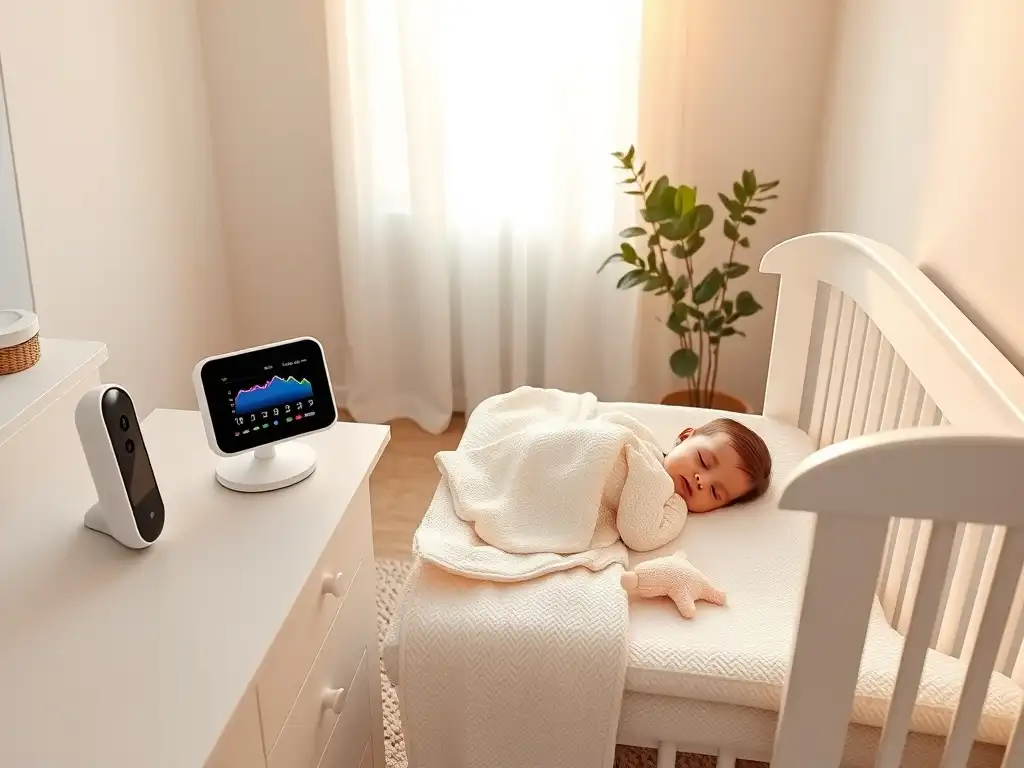
Smart baby monitors offer far more than just sleep tracking; they're evolving into comprehensive hubs for baby's well-being. While accurately monitoring sleep patterns is a significant advantage for new parents, the capabilities extend to features that enhance safety, convenience, and overall peace of mind. Understanding these added functionalities helps parents make informed decisions when choosing a smart baby monitor, ensuring they select a device that best fits their needs and lifestyle.
This section delves into some key benefits beyond the core sleep tracking function, highlighting their practical applications in daily baby care. The versatility offered by these advanced monitors makes them an invaluable tool in the modern parenting journey.
Remote Monitoring and Two-Way Communication
One of the most appealing features of smart baby monitors is the ability to remotely monitor your baby from anywhere with an internet connection. This offers significant reassurance, especially for parents who might be working from home or running errands. Many models provide live audio and video feeds, allowing you to check on your little one without disturbing their sleep.
The convenience is undeniable; you can quickly peek in to see if your baby is awake, crying, or simply sleeping soundly. Furthermore, the inclusion of two-way audio capabilities allows you to soothe your baby remotely using your voice. This can be incredibly helpful in calming a fussy infant without having to rush into the nursery, potentially disrupting their sleep cycle.
This remote access isn't just about convenience; it's also about safety. If you're downstairs and hear a sound, you can quickly check the monitor to see what's going on, offering quicker responses to potential issues. The peace of mind provided by this constant access is invaluable for many parents. Consider the scenario of a parent working from home: the ability to quickly check on the baby without leaving their workstation significantly improves workflow and reduces parental anxiety. This feature is a critical component of the "smart" functionality, offering a level of convenience and security unmatched by traditional baby monitors.
The quality of the video feed, the range of the Wi-Fi signal, and the app's user-friendliness are all crucial factors to consider when evaluating this feature. Look for monitors with high-definition video, a strong and stable wireless connection, and an intuitive app interface for optimal functionality. Reading reviews and comparing specifications from different brands can help you make an informed decision.
Temperature and Humidity Monitoring for Optimal Sleep Environment
Maintaining the ideal temperature and humidity levels in your baby's nursery is crucial for their comfort and healthy sleep. Many smart baby monitors incorporate sensors that monitor these environmental factors, providing real-time data to parents. This information is invaluable in creating an optimal sleep environment for your baby, minimizing the risk of overheating or dehydration, both of which can negatively impact sleep quality. Understanding the ideal range for temperature and humidity—typically between 68-72°F (20-22°C) and 40-50% humidity—allows parents to proactively adjust the room's conditions as needed.
The data provided by these monitors goes beyond simple readings; many models provide alerts if the temperature or humidity levels stray outside of a pre-set range. This proactive notification system allows parents to take corrective action, such as adjusting the thermostat or using a humidifier or dehumidifier, before the environment becomes uncomfortable or potentially harmful for their baby. This feature is particularly beneficial during seasonal changes or in regions with fluctuating climates.
The ability to remotely monitor and adjust the nursery's environment significantly contributes to creating a safe and conducive sleep space for your baby, improving their sleep quality and overall well-being. The peace of mind knowing you're proactively managing these factors cannot be overstated.
Smart Home Integration: Connecting with Other Devices
The integration of smart baby monitors with other smart home devices is a rapidly developing area, offering exciting possibilities for enhanced convenience and control. Many modern monitors are compatible with popular smart home ecosystems, allowing you to control them using voice assistants like Alexa or Google Assistant. This hands-free control enables you to initiate actions like checking the monitor's feed, adjusting the zoom, or even initiating two-way communication, all through voice commands. This is especially beneficial when your hands are full or you're otherwise occupied.
Furthermore, integration with other smart home devices can create a seamless and automated nursery environment. For example, you can program your smart thermostat to automatically adjust the temperature based on your baby's sleep patterns, as detected by the monitor. Similarly, you could link the monitor to smart lighting systems to create a soothing nighttime ambiance.
This level of automation simplifies daily routines and allows for greater control over the nursery environment, contributing to a more efficient and stress-free parenting experience. The potential for further integration with other smart devices, such as air purifiers or sound machines, highlights the evolving nature of this technology and its potential to further improve the baby's sleep environment and overall well-being. The possibilities are continuously expanding as the smart home technology landscape evolves.
Setting Up and Using Your Smart Baby Monitor for Sleep Tracking
This section provides a detailed guide on setting up and utilizing your smart baby monitor's sleep tracking features. We'll cover everything from initial connection to interpreting the data to optimize your baby's sleep. Remember, consistent use and accurate data interpretation are key to leveraging this technology effectively for your little one's well-being. Smart baby monitor sleep tracking is a powerful tool, but understanding its nuances is crucial.
Connecting the Monitor to Your Smartphone or Tablet
Connecting your smart baby monitor is typically a straightforward process, but minor variations exist depending on the brand and model. Generally, you'll need to download the manufacturer's dedicated app from your device's app store (Apple App Store or Google Play Store). Once downloaded, launch the app and follow the on-screen instructions. This usually involves enabling Bluetooth or Wi-Fi on your phone or tablet and placing your device within range of the baby monitor's base station.
The app will guide you through a pairing process, which may involve entering a unique code found on the monitor or confirming a connection request. It's vital to ensure a strong and stable internet connection for optimal performance and reliable data transmission. A slow or intermittent connection can lead to inaccurate sleep tracking and missed data points.
Consider placing the base station near your router to minimize potential connectivity issues. Troubleshooting tips are usually available within the app's help section, offering solutions for common connection problems. Remember to consult your monitor's user manual for specific instructions tailored to your model.
Some advanced monitors might require creating an account with the manufacturer, which allows for cloud storage of your baby's sleep data and access from multiple devices. This cloud storage can also provide you with historical sleep data trends, allowing you to easily track changes over time.
Positioning the Monitor for Optimal Performance
Optimizing the monitor's placement is paramount for accurate sleep tracking. Avoid placing the monitor directly in sunlight or near strong sources of heat or light, as this can interfere with the sensors and lead to inaccurate readings. Similarly, placing the monitor too close to the baby or at an extreme angle can distort the data collected.
The ideal placement is generally within a few feet of the crib, but not directly above the baby. A good strategy is to experiment with different positions to find the one that provides the clearest and most consistent readings. You should also ensure the monitor has a clear line of sight to the crib, avoiding any obstructions that might block the sensors' view.
Example Placement Scenarios:
Scenario 1: Placing the monitor on a shelf or dresser near the crib, ensuring a clear view of the baby.
Scenario 2: Mounting the monitor to the wall, at a suitable height, avoiding direct sunlight and heat sources.
Scenario 3: Using a stand or cradle to position the monitor at the optimal angle and distance.
Regularly check the monitor's position to ensure nothing has obstructed its view or changed its angle. This proactive approach will help maintain the accuracy of the sleep tracking data.
Interpreting the Data and Adjusting Baby's Sleep Routine
Once your smart baby monitor is set up and providing data, interpreting the information effectively is crucial. Most smart baby monitors provide a visual representation of your baby's sleep patterns, often displayed as graphs or charts showing sleep cycles, wake periods, and overall sleep duration. Some monitors even offer insights into the baby's movements and sounds during sleep.
Understanding Sleep Cycles: Look for patterns in your baby's sleep. Understanding typical sleep cycles (light sleep, deep sleep, REM sleep) can help you identify potential sleep disruptions or inconsistencies.
Identifying Wake Windows: The monitor's data can help you determine optimal wake windows for your baby, which are periods of wakefulness between naps or bedtime.
However, remember that the data provided by the monitor is just one piece of the puzzle. Consider other factors, such as your baby's temperament, feeding schedule, and overall health when making adjustments to their sleep routine. Don't solely rely on the monitor's data to dictate your baby's sleep; instead, use it as a tool to gain valuable insights and make informed decisions.
Consult your pediatrician if you have any concerns about your baby's sleep patterns or if you notice any significant deviations from their usual sleep habits. Remember, every baby is unique, and there's no one-size-fits-all solution for sleep training. The data provided by the smart monitor should be interpreted in conjunction with your observations and your pediatrician's advice.
Privacy Concerns and Data Security with Smart Baby Monitors
Smart baby monitors offer incredible convenience and peace of mind, providing real-time insights into your baby's sleep patterns and overall well-being. However, with this advanced technology comes the crucial consideration of data privacy and security. Parents need to be fully informed about how their baby's data is handled to make informed decisions about which monitor to use. This section delves into the key aspects of data security and privacy related to smart baby monitors, focusing on best practices and potential risks. Choosing a monitor with robust security features is paramount to protect your child's privacy.
Data Encryption and Security Protocols
The security of your baby's data should be a top priority when selecting a smart baby monitor. Look for monitors that employ strong encryption protocols, such as AES 256-bit encryption, to protect the transmission of data between the monitor and your smartphone or other connected devices. This encryption ensures that even if the data is intercepted, it remains unreadable without the correct decryption key.
Furthermore, investigate whether the manufacturer employs secure cloud storage practices. Reputable brands will use robust security measures to protect data stored on their servers, including firewalls and intrusion detection systems. Understanding the specific encryption methods used is crucial; don't hesitate to consult the manufacturer's detailed specifications or frequently asked questions (FAQs) for clarity.
A lack of transparency regarding security protocols should raise a red flag. The strength of the encryption directly impacts the safety of your baby's sleep data and other sensitive information collected by the monitor. Consider the potential consequences of a data breach – unauthorized access to your baby's sleep patterns could be a significant privacy violation.
Understanding Data Collection Practices
Smart baby monitors collect various types of data, ranging from audio and video recordings to environmental information such as temperature and humidity. It's essential to understand exactly what data is collected, how it's used, and for how long it's stored. Many monitors offer features like sleep pattern analysis, which requires the collection and processing of your baby's movements and sounds. Review the manufacturer's privacy policy carefully.
This policy should clearly outline what data is collected, how it's used (e.g., for improving the product, providing personalized insights), who has access to it (e.g., third-party service providers), and how long it's retained. Look for transparency in data handling practices. A reputable brand will openly explain its data collection methods and be readily available to answer your questions.
Be wary of vague or overly general privacy policies. Pay close attention to whether the data is anonymized or pseudonymized before being used for analytical purposes or shared with third parties. The level of data protection directly correlates with the security of your baby's private information.
Choosing Reputable Brands with Strong Privacy Policies
Selecting a reputable brand is crucial for ensuring the privacy and security of your baby's data. Prioritize brands with a proven track record of prioritizing data security and a clearly stated commitment to user privacy. Look for brands that are transparent about their data handling practices and readily available to answer your questions.
Check online reviews and forums to see what other parents have to say about a brand's privacy policies and customer service responsiveness. Reading independent reviews can provide valuable insights into a brand's commitment to data security and overall user experience. Don't hesitate to contact the manufacturer directly to ask specific questions about their data security measures and privacy policies.
A company that values its customers' privacy will be willing to provide detailed information and address your concerns. Remember, investing in a smart baby monitor involves entrusting a company with sensitive data; choose wisely. Thorough research and a careful review of privacy policies are essential steps in ensuring your baby's data is protected.
Smart Baby Monitor Sleep Tracking: A Guide for First-Time Parents
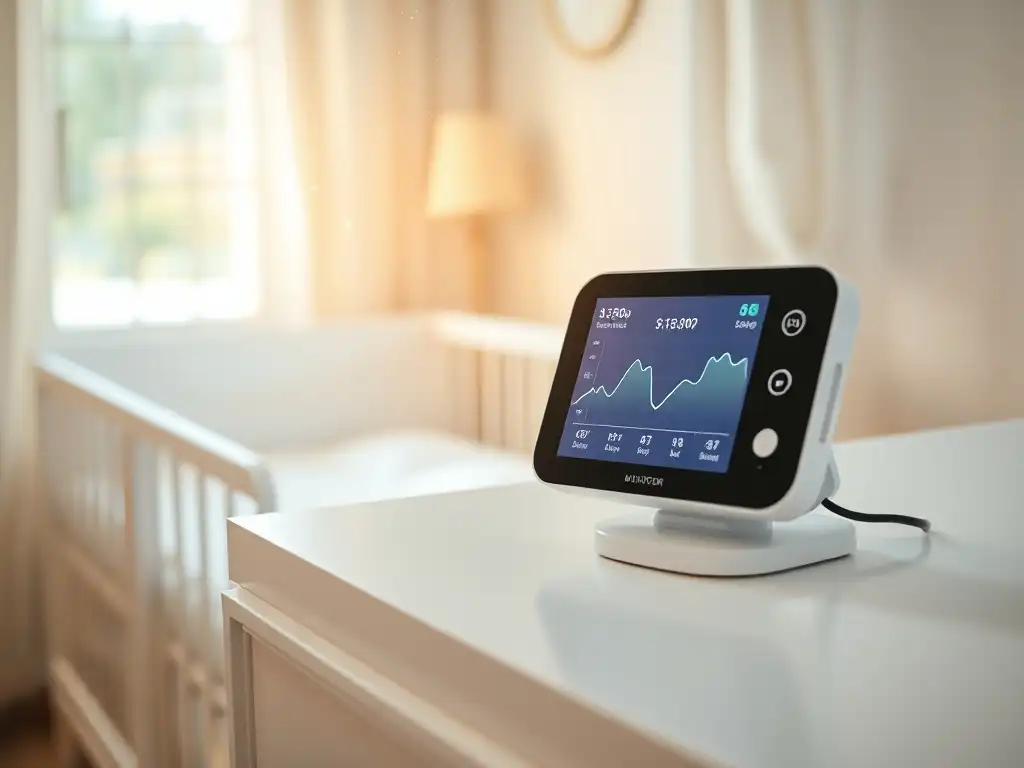
This section delves into the specifics of using smart baby monitors for sleep tracking, focusing on how this technology can benefit first-time parents navigating the often-challenging world of infant sleep. We'll explore the features to look for, address common concerns, and highlight how data-driven insights can improve your baby's sleep and, consequently, your own. Understanding your baby's sleep patterns is crucial for establishing healthy sleep habits from the very beginning, and smart baby monitors offer a powerful tool to achieve this. This isn't just about monitoring; it's about understanding and proactively improving your baby's sleep architecture.
Addressing Common Concerns About Smart Baby Monitor Use
Many parents have reservations about using technology, especially when it comes to their baby's sleep. Let's address some of the most common concerns surrounding smart baby monitors and sleep tracking:
- Privacy Concerns: A significant worry is the privacy of your baby's data. Reputable brands prioritize data security and often offer features like local data storage and encryption to mitigate these concerns. Always thoroughly research the privacy policies of any monitor before purchasing. Look for features that allow you to control data sharing and ensure your baby's information is protected.
- Over-Reliance on Technology: It's essential to remember that a smart baby monitor is a tool, not a replacement for parental intuition. While the data provides valuable insights, it shouldn't dictate every decision related to your baby's sleep. Trust your instincts and use the monitor as a supplemental guide, not the sole authority.
- Distraction and Sleep Interruption: The sounds and lights of some monitors might disturb your baby's sleep. Choose a monitor with adjustable sensitivity and quiet operation to minimize interruptions. Consider the placement of the monitor to ensure it doesn't directly shine light on your baby's face.
- Cost: Smart baby monitors can be more expensive than traditional models. However, the long-term benefits of improved sleep patterns for both baby and parents can outweigh the initial investment. Consider the potential savings in terms of reduced stress and improved well-being.
Maximizing the Benefits of Sleep Tracking for Improved Baby Care
Smart baby monitors offer a wealth of data beyond just sleep duration. Analyzing this information can significantly improve your baby's sleep quality and your overall parenting experience. Here's how:
- Identifying Sleep Cycles: Many monitors track sleep cycles, allowing you to understand when your baby is in light or deep sleep. This knowledge can help you time feedings, diaper changes, and other care routines to minimize sleep disruptions.
- Detecting Sleep Problems: Consistent monitoring can help you identify patterns related to sleep problems, such as frequent awakenings, short sleep cycles, or difficulty falling asleep. Early identification allows for timely intervention and potential consultation with a pediatrician.
- Optimizing Sleep Environment: The data gathered can reveal correlations between environmental factors (room temperature, noise levels) and your baby's sleep. This information empowers you to optimize your baby's sleep environment for better rest.
- Establishing Consistent Routines: Tracking sleep patterns helps you establish consistent bedtime routines and nap schedules, crucial for regulating your baby's circadian rhythm and promoting better sleep. This data-driven approach can be particularly helpful for establishing healthy sleep habits from infancy. Consistent sleep patterns lead to a happier, healthier baby.
| Feature | Benefit | Example |
|---|---|---|
| Sleep Cycle Tracking | Understand light vs. deep sleep phases | Identify optimal times for feedings/changes |
| Movement Detection | Detect restless sleep or potential issues | Early warning of discomfort or illness |
| Room Temperature Monitoring | Optimize environment for better sleep | Adjust thermostat for ideal sleep temperature |
| Sound Monitoring | Identify potential disruptions (crying, noises) | Prompt responses to baby's needs |
Real User Experiences with Smart Baby Monitors
Before using a smart baby monitor with sleep tracking, I felt constantly stressed about my baby's sleep. Now, I have a clear picture of his sleep patterns, and it's helped me create a more consistent routine. It's made a huge difference in both his sleep and mine!
– Sarah M.
The sleep tracking feature has been invaluable in identifying when my baby was waking due to hunger versus discomfort. This has allowed me to address the underlying issue more effectively.
– John B.
I was hesitant about the cost, but the peace of mind and improved sleep for my baby and me have made it worth every penny. It's a game-changer!
– Emily K.
These testimonials illustrate the positive impact smart baby monitors with sleep tracking can have on both parents and babies. The ability to monitor sleep patterns provides valuable insights that lead to better sleep, reduced stress, and a more positive parenting experience. Remember to choose a monitor that suits your needs and always prioritize your baby's safety and well-being. 😴
Choosing the Best Smart Baby Monitor for Your Needs
Choosing the right smart baby monitor can feel overwhelming, given the sheer number of options available. This section focuses on helping you navigate the market and select a monitor that best suits your lifestyle and budget, prioritizing accurate smart baby monitor sleep tracking. The key is to understand your needs before diving into specific features. Consider these crucial factors:
- Sleep Tracking Capabilities: Not all smart monitors offer the same level of sleep analysis. Some provide basic sleep/wake detection, while others offer more detailed insights, including sleep cycles, total sleep time, and even potential disruptions like crying or movement. Look for monitors that generate easy-to-understand reports or visualizations of your baby's sleep patterns. This data can be invaluable in identifying potential sleep problems and establishing consistent routines.
- Video Quality and Night Vision: Clear video is essential for reassuring parents. High-resolution cameras with excellent night vision are crucial for monitoring your baby in low-light conditions. Look for features like pan, tilt, and zoom capabilities for a comprehensive view of the crib area. Consider the viewing angle – a wider angle may be preferable to capture more of the room.
- Sound Quality and Two-Way Audio: A monitor's audio quality is just as important as its video capabilities. You need to be able to clearly hear your baby's sounds, even from a distance. Two-way audio allows you to soothe your baby remotely, a very useful feature, especially during nighttime feedings.
- Connectivity and App Features: Most smart monitors connect to your smartphone via Wi-Fi. Ensure the app is user-friendly, reliable, and offers features like notifications, remote control, and data storage. Some apps even provide insights into your baby's sleep patterns over time, facilitating a better understanding of their sleep development. Think about what features are most important to you. Will you need remote access to the camera from anywhere or primarily when you are at home?
- Additional Features: Consider extra features like temperature and humidity monitoring, lullabies, and even the ability to connect to other smart home devices. While not essential, these additions can enhance the overall user experience and contribute to a safer and more comfortable environment for your baby.
Top Smart Baby Monitors Brands and Models Compared
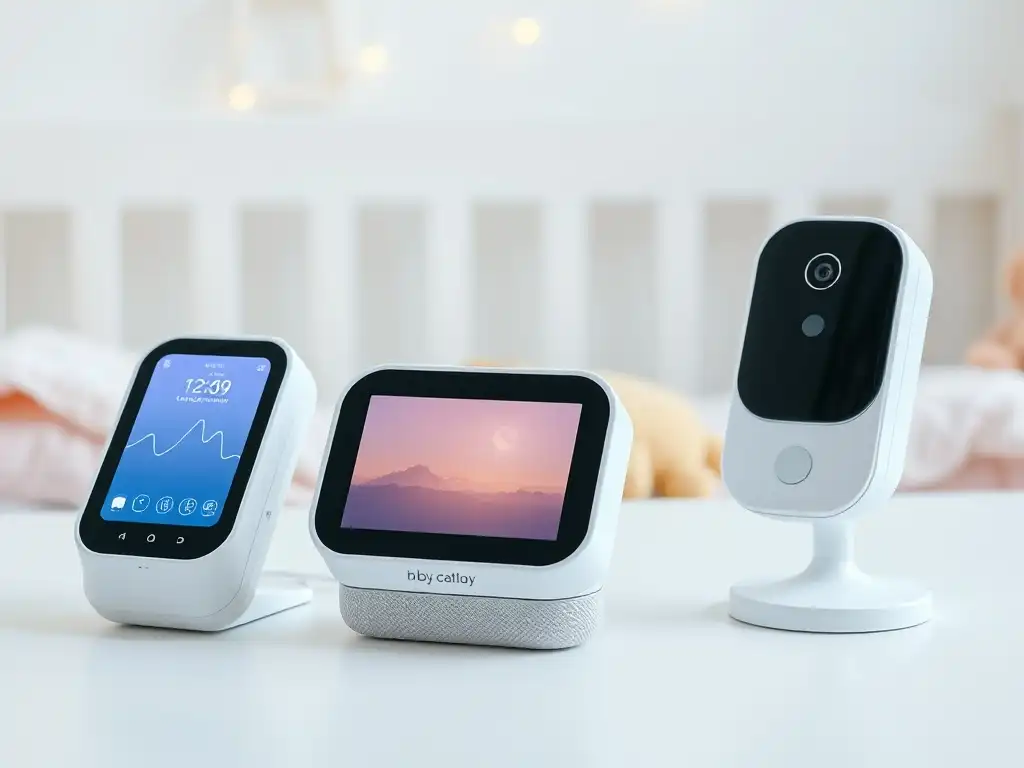
To assist in your decision-making process, we've compiled a comparison of leading smart baby monitor brands and models, focusing on their smart baby monitor sleep tracking capabilities and other key features. Remember, the "best" monitor is subjective and depends on individual needs and preferences.
| Brand | Model | Key Features | Sleep Tracking Capabilities | Price Range |
|---|---|---|---|---|
| [Brand Name Pending] | [Model Name Pending] | [Feature List Pending] | [Sleep Tracking Details Pending] | [Price Range] |
| [Brand Name Pending] | [Model Name Pending] | [Feature List Pending] | [Sleep Tracking Details Pending] | [Price Range] |
| [Brand Name Pending] | [Model Name Pending] | [Feature List Pending] | [Sleep Tracking Details Pending] | [Price Range] |
This table will be expanded to include more brands and models with detailed comparisons of their features and sleep tracking accuracy. We aim to provide a comprehensive overview to help you make an informed choice.
Budget-Friendly Options vs. High-End Features
The market offers a wide range of smart baby monitors, catering to different budgets. Budget-friendly options often prioritize basic functionality, such as video and audio monitoring, while sacrificing some advanced features. High-end models, on the other hand, boast superior video quality, advanced sleep tracking, and additional functionalities like temperature monitoring and two-way audio with enhanced clarity.
The decision between a budget-friendly and a high-end monitor hinges on your priorities. If your primary need is simple visual and audio monitoring, a budget-friendly option might suffice. However, if you value detailed smart baby monitor sleep tracking data, superior video quality, and additional smart home integrations, a high-end model might be a worthwhile investment. Consider what features are essential for your family's needs and allocate your budget accordingly. Remember that the cost doesn't always directly correlate with the quality of sleep tracking; carefully review individual model specifications.
Making an Informed Decision Based on Your Family's Requirements
Ultimately, selecting the ideal smart baby monitor requires careful consideration of your family's specific needs and preferences. Prioritize the features most important to you, whether it's advanced sleep tracking, exceptional video quality, or robust two-way audio. Don't hesitate to read detailed reviews and compare specifications before making a purchase.
Remember, the best smart baby monitor is the one that provides you with the peace of mind and information you need to care for your little one effectively. Choosing a monitor that meets your specific requirements for smart baby monitor sleep tracking will empower you to better understand your baby's sleep patterns and make informed decisions about their sleep hygiene. 😴
Frequently Asked Questions
What is a smart baby monitor with sleep tracking?
A smart baby monitor with sleep tracking uses sensors and algorithms to monitor your baby's sleep patterns, providing insights into their sleep duration, wake periods, and even potentially identifying sleep disturbances. This data is usually accessible through a smartphone app.
How accurate is sleep tracking on a smart baby monitor?
Accuracy varies depending on the specific monitor and technology used. While not a perfect replacement for professional advice, these monitors provide a reasonable estimate of sleep patterns, helping parents identify potential issues.
What are the benefits of using a smart baby monitor for sleep tracking?
Smart baby monitors offer valuable peace of mind by providing insights into your baby's sleep. They can help identify sleep patterns and potential problems, allowing for early intervention and better sleep management for both parent and child.
Are there privacy concerns associated with smart baby monitors?
Yes, there are potential privacy concerns. Ensure you choose a reputable brand with strong data security measures and review their privacy policy carefully before purchase. Consider the location of data storage as well.
What features should I look for in a smart baby monitor with sleep tracking?
Look for features like accurate sleep detection, easy-to-use app interface, night vision, two-way audio, and reliable connectivity. Consider features like cry detection and room temperature monitoring as well.
Final Reflection: The Evolving Landscape of Infant Sleep and Smart Technology
The seamless integration of technology into childcare is rapidly changing how we understand and manage infant sleep, offering unprecedented insights into our little ones' rest patterns. This shift, while undeniably convenient, also presents us with a crucial opportunity to redefine our approach to parenting in the digital age, ensuring we leverage technology responsibly and ethically.
The impact of smart baby monitors extends far beyond simple sleep tracking; they are reshaping our understanding of infant development and parental anxieties. These devices offer a window into a previously opaque world, allowing parents to observe subtle shifts in their baby's sleep cycles and potentially identify underlying issues earlier. However, this constant access also necessitates a mindful approach. The most important thing is to be present, not just to be connected.
This quote reminds us that technology should enhance, not replace, the irreplaceable bond between parent and child. We must avoid becoming overly reliant on data, remembering the importance of intuitive parenting and trusting our instincts.
Consider the implications of this technological advancement. How can we use smart baby monitors responsibly, balancing the benefits of data-driven insights with the need for mindful parenting? How do we navigate the ethical considerations surrounding data privacy and the potential for over-monitoring? You, the reader, hold the key to shaping the future of this technology. By engaging in thoughtful reflection and informed decision-making, we can ensure that smart baby monitors serve as valuable tools for supporting healthy infant sleep and strengthening the parent-child bond, rather than becoming a source of stress or anxiety.
Unlock Your Baby's Sleep Secrets
Congratulations on taking the first step towards better understanding your baby's sleep! We hope you found our information on smart baby monitors helpful. Now let's put that knowledge into practice.
- Prioritize Sleep Tracking: Begin using your baby monitor's sleep tracking feature right away to identify sleep patterns and optimize your baby's schedule. Even a few days of data can reveal valuable insights!
- Join Our Community: Share your experiences with smart baby monitors in our BabyCareHub community forum. Discuss what works best for you, any challenges you've encountered, and any helpful tips you've discovered. Let's learn from each other!
- Maximize Your Monitor's Potential: Explore all the features your monitor offers beyond sleep tracking. Many monitors include sound monitoring, temperature sensing, and two-way audio, providing extra peace of mind.
Ready to transform your baby's sleep routine? What's your next step?