
Baby Earwax Buildup: When to Worry and What to Do

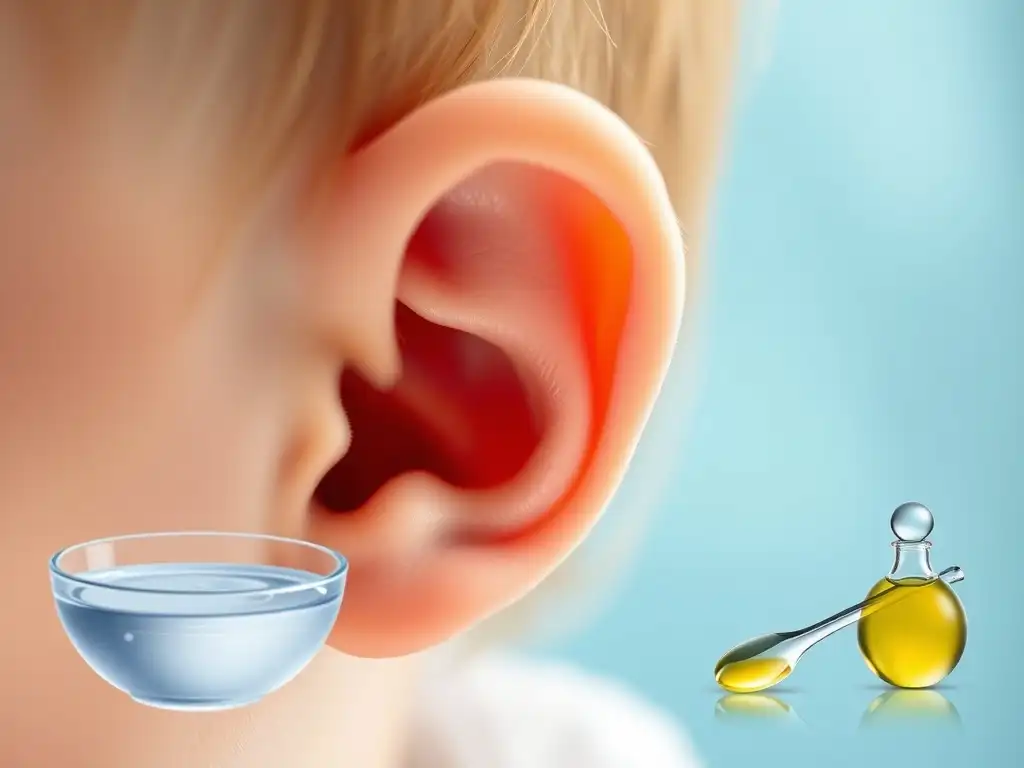
Welcome to BabyCareHub, your ultimate guide to navigating the incredible journey of parenthood! Are you concerned about your little one's ear health? We understand that baby earwax removal can be a source of anxiety for new parents. Discover our expert advice on baby earwax buildup, learning when professional help is needed and exploring safe, effective home remedies. Dive in and explore the wealth of information we offer to help you confidently care for your precious baby.
- Understanding Baby Earwax and its Normal Development
- Identifying Excessive Earwax Buildup in Babies
- Safe Baby Earwax Removal Home Remedies
- Preventing Future Earwax Buildup in Babies
- When to Consult a Pediatrician Regarding Baby Earwax
- Addressing Common Concerns about Baby Earwax Removal
- Frequently Asked Questions
- Final Reflection: The Silent Guardian: Understanding and Caring for Your Baby's Ears
- Unlock Your Baby's Hearing Health Today!
Understanding Baby Earwax and its Normal Development
Earwax, or cerumen, might seem like a nuisance, but in your baby's delicate ears, it plays a vital role in their overall health and well-being. This comprehensive guide will help first-time parents understand what constitutes normal earwax production in babies, when to seek professional medical advice, and what safe, home-based approaches can be considered for managing any minor buildup. We'll cover the essential aspects of baby earwax, dispelling common myths and providing practical, evidence-based advice to help you confidently navigate this aspect of your baby's care.
Learning to recognize normal earwax from problematic buildup is a key skill for any new parent, contributing to your baby's ear health and overall development. This article focuses on safe home remedies for baby earwax removal, offering a practical and reassuring approach to this common parental concern.
What is Earwax and Why is it Important?
Earwax is a naturally occurring substance produced by glands in your baby's ear canal. It's a complex mixture of oils, dead skin cells, and hair. Contrary to popular belief, earwax isn't simply dirty; it serves several crucial functions:
- Protection: Earwax acts as a natural barrier, trapping dust, dirt, and other foreign particles from entering the deeper parts of the ear canal. This protective function helps prevent infections.
- Lubrication: Earwax keeps the ear canal moist and lubricated, preventing dryness and irritation.
- Self-Cleaning: The ear canal is self-cleaning. As your baby's jaw moves during chewing and other activities, the earwax naturally migrates outward. This process typically removes excess earwax without the need for intervention.
- Antibacterial and Antifungal Properties: Earwax possesses natural antibacterial and antifungal properties, helping to combat infections. This innate defense mechanism is especially crucial for young babies with developing immune systems.
Normal Earwax Appearance in Babies
Normal baby earwax can vary in color and consistency. It can range from light yellow to dark brown, and its texture can be anything from soft and sticky to dry and flaky. The amount of earwax produced also varies from baby to baby. Some babies may produce more than others, and this isn't necessarily a cause for concern, as long as it's not obstructing the ear canal.
The key is to observe the consistency and amount to assess whether it needs attention. Excessive earwax buildup, however, could be a sign of an underlying issue. It's important to note that some babies might even produce less earwax than others.
How Earwax Protects Your Baby's Ears
The protective properties of earwax are multifaceted. It acts as a physical barrier, preventing the entry of foreign bodies such as dust, insects, and water. Its slightly acidic pH helps to inhibit the growth of bacteria and fungi, reducing the risk of ear infections.
The lubricating properties of earwax prevent dryness and cracking of the delicate skin lining the ear canal, which can lead to discomfort and inflammation. Therefore, while it might seem unsightly, earwax plays a crucial role in maintaining the health and hygiene of your baby's ears. Understanding its protective functions can help you avoid unnecessary interventions that could disrupt this natural process.
Identifying Excessive Earwax Buildup in Babies
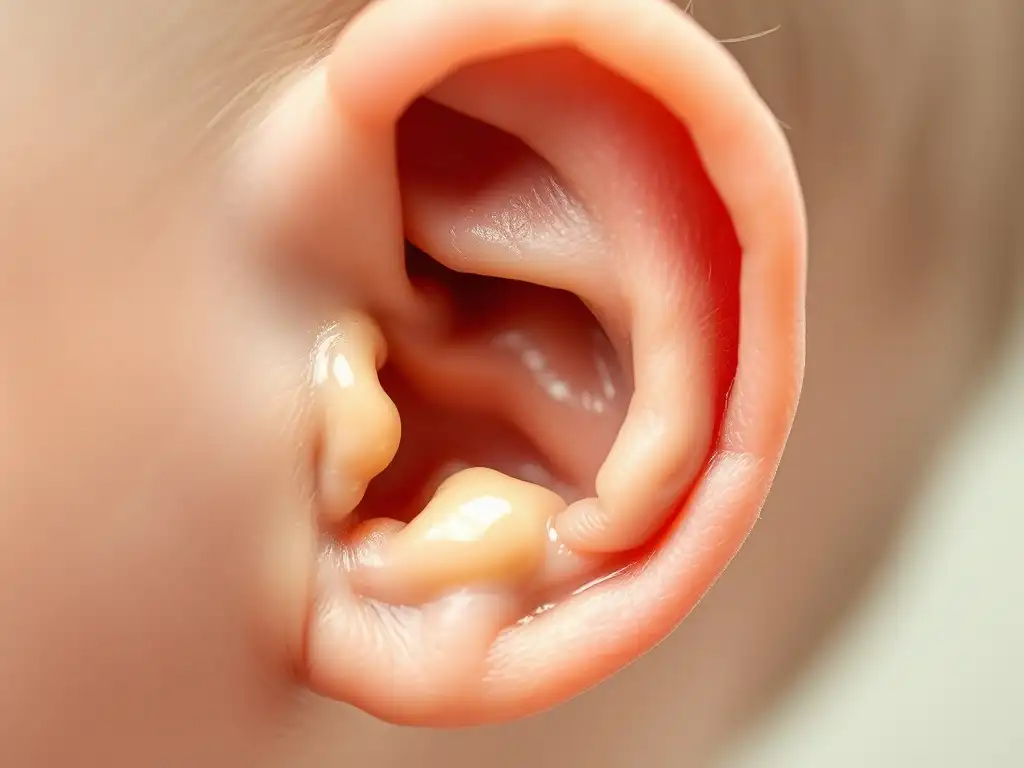
Excessive earwax buildup in babies, while not always a cause for immediate alarm, can sometimes lead to discomfort and even hearing impairment if left unaddressed. Knowing how to identify the signs of excessive earwax is crucial for every parent. This section will help you differentiate between normal earwax and a buildup that requires attention, equipping you with the knowledge to make informed decisions about your baby's ear health. Learning to recognize the signs of problematic earwax is a key step in mastering baby earwax removal home remedies, when appropriate.
Signs of Earwax Buildup: Yellow, Hard, or Blocking the Ear Canal
The first step in addressing baby earwax removal is identifying the problem. Normal earwax in babies is typically a light brown or yellowish color and is soft and easily managed by the body's natural cleaning process. However, excessive buildup manifests in several ways:
- Color Change: A significant change in earwax color, becoming noticeably darker, yellowish-brown, or even black, can indicate a buildup. This darkening is often due to oxidation and accumulation over time.
- Hardened Earwax: While normal earwax is relatively soft and pliable, excessive buildup can lead to hardened, impacted earwax. This can be visually apparent as a visible, hard mass partially or completely obstructing the ear canal.
- Ear Canal Obstruction: This is the most serious sign. You might notice a significant reduction in your baby's response to sounds, especially from the affected ear. This can also present as fussiness or irritability, potentially signifying discomfort or hearing difficulty. A partially or fully blocked ear canal significantly impairs hearing and requires immediate attention.
It's important to note that observing these signs doesn't automatically mean you need drastic measures. Many cases of mild buildup resolve themselves naturally. However, understanding these visual cues allows you to monitor your baby's ear health effectively.
Distinguishing Earwax Buildup from Other Ear Problems
It's crucial to differentiate excessive earwax from other potential ear problems that may present similar symptoms. Misdiagnosis can lead to inappropriate treatment. Some conditions that might mimic earwax buildup include:
- Ear Infection (Otitis Media): Ear infections often present with symptoms like fever, irritability, pulling at the ear, and fluid drainage. These symptoms are absent in simple earwax buildup.
- Foreign Body in the Ear: A small object lodged in the ear canal can cause similar symptoms to earwax buildup. Careful observation is needed to rule this out. If you suspect a foreign body, seek immediate medical attention.
- Eczema or other skin conditions: Inflammatory skin conditions affecting the outer ear can sometimes mimic the appearance of excessive earwax. A close examination can usually differentiate these conditions.
Remember, a thorough examination by a healthcare professional is always recommended if you are unsure about the cause of your baby's ear problem. Self-treating without proper diagnosis can potentially worsen the situation.
When to Seek Professional Medical Attention
While many cases of baby earwax buildup can be managed at home with gentle cleaning techniques (always consult your pediatrician before attempting any home remedies! ), certain situations demand immediate professional medical attention:
- Significant Hearing Loss: If your baby shows signs of significant hearing impairment, such as a lack of response to sounds or difficulty following simple commands, seek immediate medical assistance.
- Pain or Discomfort: If your baby exhibits signs of pain, such as persistent crying or pulling at the ear, it's crucial to consult a pediatrician immediately. This could indicate an underlying condition beyond simple earwax buildup.
- Drainage or Bleeding: Any discharge or bleeding from the ear requires immediate medical attention. These are signs of potential infection or injury.
- Persistent Buildup Despite Home Remedies: If you've tried gentle home cleaning techniques and the earwax buildup persists or worsens, seek professional help. A healthcare provider can safely and effectively remove impacted earwax.
Remember, your pediatrician is your best resource for all questions concerning your baby's health. Don't hesitate to seek professional guidance whenever you have concerns. Early intervention can prevent complications and ensure your baby's comfort and well-being. A proactive approach to baby ear care is vital for ensuring your little one's healthy development.
Safe Baby Earwax Removal Home Remedies
Earwax, or cerumen, is a naturally occurring substance that protects your baby's ears from infection and debris. While a small amount is perfectly normal and even beneficial, excessive buildup can sometimes lead to discomfort or hearing impairment. This section focuses on safe and effective home remedies for managing baby earwax, emphasizing prevention and gentle techniques.
Remember, always consult your pediatrician before attempting any earwax removal techniques, especially if you suspect an infection or your baby shows signs of discomfort. This is crucial for ensuring the safe and effective management of your baby's ear health. The information provided here is for educational purposes only and should not replace professional medical advice.
Gentle Cleaning Methods for Baby's Ears (Never use cotton swabs!)
The most important aspect of baby earwax care is understanding what not to do. Never use cotton swabs or any other object to try and directly clean your baby's ear canal. This can push the earwax further in, potentially causing impaction and damaging the delicate eardrum. Instead, focus on cleaning the outer ear.
Here's how to gently clean the visible part of your baby's ear:
- Warm, damp cloth: Use a soft, warm, damp cloth to gently wipe the outer ear and the visible part of the earlobe. This removes any visible dirt or dried earwax on the outside of the ear. Avoid inserting the cloth into the ear canal.
- Frequency: Clean your baby's outer ears as needed, typically during bath time. Over-cleaning can be as detrimental as neglecting hygiene, so aim for a balanced approach.
- Observation: Regularly observe your baby's ears for any signs of redness, swelling, discharge, or unusual odor. These could indicate an infection and require immediate medical attention.
Remember, the goal is to clean the outer ear, not the canal. The ear canal naturally cleans itself through migration of the earwax.
Safe Earwax Softening Techniques for Babies
Sometimes, even without direct intervention, earwax can become impacted. In such cases, softening the wax can help it naturally drain. Here are some safe softening techniques:
- Warm Compress: Apply a warm, damp washcloth to the outer ear for a few minutes several times a day. The warmth helps to soften the earwax, making it easier to drain. Ensure the washcloth is not too hot to avoid burning your baby's delicate skin.
- Baby-safe ear drops (with pediatrician's approval): Your pediatrician may recommend using specific baby-safe ear drops to soften the earwax. Never use any ear drops without first consulting your doctor. Incorrectly used ear drops can cause irritation or further complications.
- Monitoring: After applying a warm compress or ear drops, gently observe your baby's ear for any signs of drainage. If you notice a significant amount of earwax draining, it's a good sign the softening technique is working. However, if drainage doesn't occur or if the condition worsens, seek immediate medical advice.
Using Baby Ear Drops to Loosen Earwax (Consult your Pediatrician)
While some parents might consider using over-the-counter ear drops, it is crucial to remember that you should never use any ear drops on your baby without first consulting your pediatrician. Even products labeled as "baby-safe" may not be appropriate for your child's specific situation. Improper use can lead to irritation, infection, or damage to the eardrum.
Your pediatrician can assess your baby's condition, determine the cause of the earwax buildup, and recommend the most suitable course of action. This might include specific ear drops formulated for babies, or it might involve other methods entirely. They can also provide guidance on the correct technique for administering any recommended ear drops. Always follow your pediatrician's instructions carefully.
Remember, proactive monitoring and gentle cleaning are key to preventing excessive earwax buildup. However, when you notice any concerning symptoms, always consult your pediatrician promptly. Early intervention is crucial for maintaining your baby's ear health and preventing potential complications. This proactive approach ensures your baby's well-being and provides peace of mind.
Using Warm Water to Soften Earwax
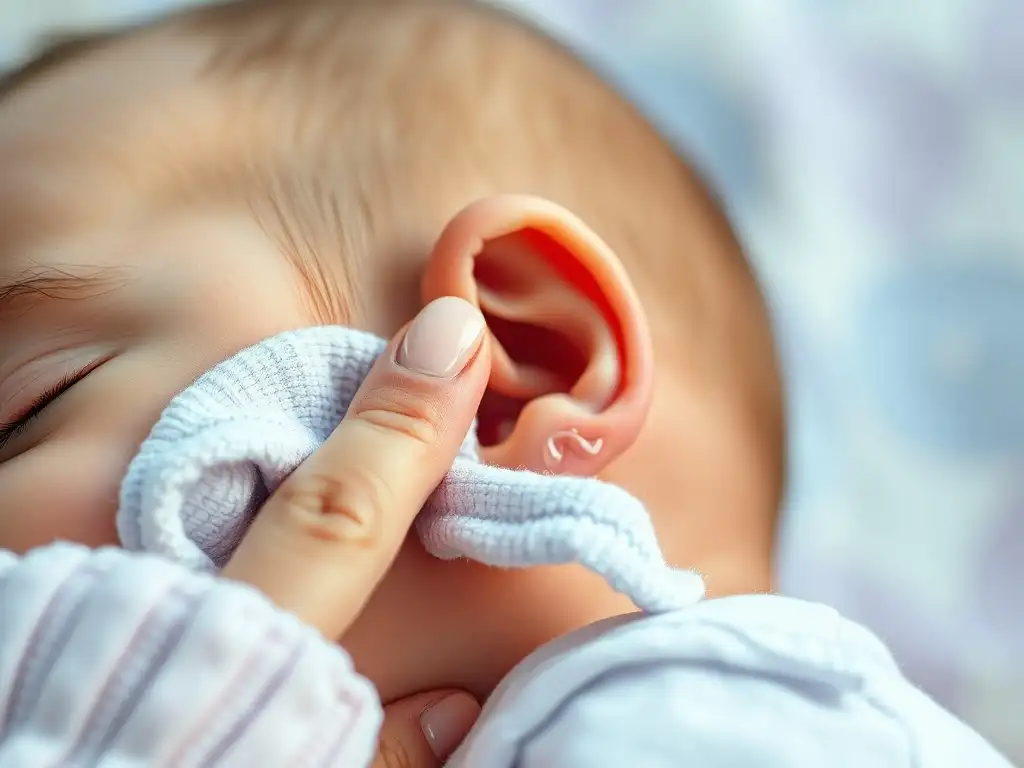
Using warm water is a gentle and safe method to help soften baby earwax, making it easier to naturally work its way out of the ear canal. This method is particularly suitable for babies who don't have excessive earwax buildup or impacted earwax. It's crucial to avoid using anything sharp or pointed to try and remove the wax directly.
The process is simple: Warm a small amount of water – ensuring it's not too hot! Test the temperature on your inner wrist before using it on your baby. Using a clean washcloth or cotton ball, gently wipe around the outer ear to remove any visible wax. You can also use a few drops of warm water (again, test the temperature first) and gently wipe the outer ear.
Do not insert anything into the ear canal. The warmth of the water will help to soften the wax, and the gentle wiping will remove any softened wax that has naturally migrated to the outer ear. Repeat this process once or twice daily for a few days, observing for any changes. Remember, patience is key.
If the earwax persists or seems impacted, consult a pediatrician. This method is most effective as a preventative measure or for dealing with small amounts of visible earwax. Overdoing it can irritate the sensitive skin inside the ear canal.
Using Mineral Oil to Loosen Earwax
Mineral oil is another safe and commonly used home remedy for softening baby earwax. It's a gentle lubricant that can help loosen the wax, facilitating its natural expulsion. However, it's important to use this method cautiously and only under specific circumstances. It's not suitable for every baby, and improper use can lead to complications. Always consult your pediatrician before using mineral oil or any other home remedy, especially if your baby has a history of ear infections or other ear-related issues.
To use mineral oil, warm a very small amount – a few drops at most – to body temperature. Using a clean dropper, carefully place a couple of drops of the warmed mineral oil into the outer ear canal. Do not force it in. Gravity will help it reach the earwax.
Afterward, gently massage the area around the ear to help distribute the oil. Position your baby so that the oil can drain out naturally. You can use a clean washcloth to gently wipe away any excess oil or softened earwax from the outer ear. Do not attempt to remove earwax from inside the ear canal.
Repeat this process once daily for a few days, observing your baby for any signs of irritation or changes in the earwax. If the earwax remains impacted or if you notice any redness, swelling, or discharge from the ear, immediately stop using the mineral oil and consult a pediatrician. Remember, mineral oil should only be considered a supplementary measure, and professional medical advice is always recommended. Always prioritize your baby's safety and well-being.
Preventing Future Earwax Buildup in Babies
Preventing excessive earwax buildup in your baby requires a proactive approach focusing on gentle cleaning and maintaining overall hygiene. While you shouldn't attempt to deeply clean your baby's ears, some simple practices can significantly reduce the risk of impacted earwax. Remember, always consult your pediatrician if you have any concerns about your baby's ear health. Over-cleaning can be as harmful as neglecting it entirely.
Regular Ear Cleaning Practices for Babies
Regular ear cleaning for babies doesn't involve inserting anything into the ear canal. The goal is to gently remove visible wax from the outer ear, not to delve into the inner ear. Here's a safe and effective approach:
- Soft Cloth Wipe: After bath time, when the earwax is softened by the water, gently wipe the outer ear with a soft, damp cloth. Focus on cleaning the visible area around the opening of the ear canal. Avoid using cotton swabs or any other object that could push wax deeper into the ear. This is the most effective and safest method for routine baby earwax removal home remedies.
- Frequency: Cleaning the outer ear with a damp cloth should be done 1-2 times a week, or as needed if you notice visible wax buildup. Avoid overdoing it, as this can irritate the delicate skin of the baby's ear.
- What to Avoid: Absolutely avoid using cotton swabs, bobby pins, or any other sharp objects to remove earwax. These can damage the eardrum and push wax further into the ear canal, leading to complications. This is crucial for preventing future ear infections and ensuring your baby's ear health.
Maintaining Good Hygiene Practices
Beyond direct ear cleaning, good hygiene plays a vital role in preventing earwax buildup. Here are some key considerations:
- Clean Hands: Always wash your hands thoroughly with soap and water before handling your baby, especially before touching their ears. This minimizes the risk of introducing bacteria or dirt into the ear canal. This simple step is an often overlooked but crucial part of baby earwax removal home remedies preventative care.
- Post-Feeding Cleaning: After feeding, gently wipe any milk or formula residue around the outer ear to prevent it from mixing with earwax and creating a sticky buildup.
- Air Circulation: Ensure your baby's ears are well-ventilated to prevent excessive moisture buildup, which can contribute to wax accumulation. Avoid covering their ears excessively, especially in warm weather.
- Monitoring: Regularly inspect your baby's ears for any signs of redness, swelling, discharge, or excessive wax buildup. If you notice anything unusual, contact your pediatrician immediately. Early detection and intervention are key to preventing more serious ear problems. This proactive approach is a significant element of effective baby earwax removal home remedies.
Remember, a proactive approach combining gentle outer ear cleaning and maintaining good hygiene is the best way to prevent excessive earwax buildup in your baby. Always prioritize safety and consult your pediatrician if you have any concerns. 👶
When to Consult a Pediatrician Regarding Baby Earwax
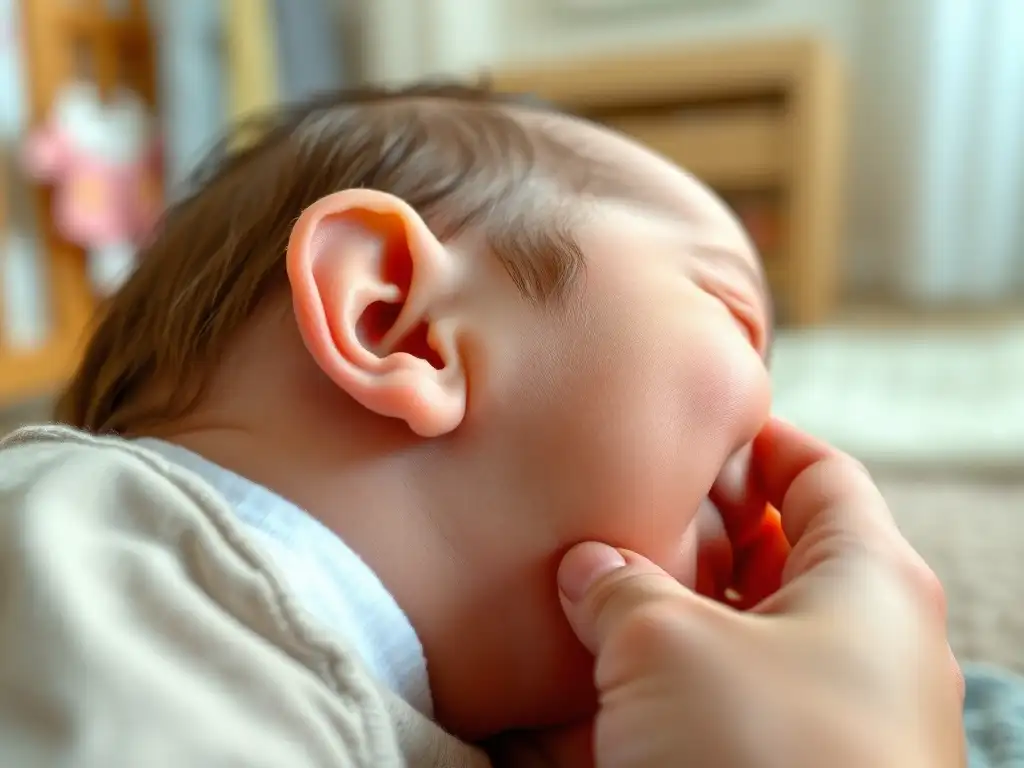
Excessive earwax buildup in babies, while sometimes a normal occurrence, can signal underlying issues requiring professional medical attention. Knowing when to seek a pediatrician's advice is crucial for your baby's ear health. While home remedies can address mild wax buildup, certain signs necessitate immediate consultation to prevent complications and ensure proper ear care.
This section focuses on identifying those situations and understanding the importance of timely intervention. Ignoring potential problems can lead to more serious issues down the line, impacting your baby's hearing and overall well-being. Remember, early detection and treatment are key to preventing long-term complications associated with baby earwax.
Serious Signs Requiring Immediate Medical Attention
Several warning signs indicate a need for immediate medical attention concerning baby earwax. These signs extend beyond simply seeing visible wax and suggest underlying problems that require a pediatrician's assessment. Don't hesitate to contact your doctor if you observe any of the following:
- Ear Pain or Discomfort: Your baby exhibiting signs of ear pain, such as fussiness, pulling at their ear, or crying excessively, warrants immediate medical attention. Ear pain can be a symptom of an ear infection, which, if left untreated, can lead to hearing loss and other complications. This is especially important because babies cannot communicate their pain effectively.
- Fever and Irritability: A high fever accompanied by irritability could signal an infection, possibly related to earwax buildup or another ear-related issue. This combination of symptoms demands prompt medical evaluation.
- Discharge from the Ear: Any discharge from your baby's ear, regardless of color or consistency (clear, yellow, green, bloody), is a serious concern. This could indicate an infection or other underlying condition needing immediate professional attention. It's crucial to note the color, amount, and odor of the discharge for your doctor.
- Hearing Loss: If you notice your baby isn't responding to sounds as expected or seems to have difficulty hearing, it's essential to seek immediate medical help. Untreated earwax buildup can significantly impair hearing. This could manifest as a lack of response to their name, difficulty following instructions, or generally reduced responsiveness to sounds.
- Persistent Earwax Buildup despite Home Remedies: If you've attempted gentle home remedies for baby earwax removal (discussed in other sections of this article), and the buildup persists or worsens, it's crucial to consult your pediatrician. Persistent buildup could indicate an underlying medical condition requiring professional intervention.
Following Up After Home Remedies
After attempting home remedies for baby earwax removal, it's vital to monitor your baby's ears closely. Even if the home remedy seemed successful, certain precautions and follow-up measures are necessary. This section details essential steps to ensure the safety and continued health of your baby's ears.
- Continued Monitoring: Regularly check your baby's ears for any signs of redness, swelling, discharge, or further wax buildup. Even after successful removal, there's a chance of recurrence.
- Reporting Any Changes: If you observe any changes in your baby's ear condition, such as increased irritability, fever, pain, or new discharge, contact your pediatrician immediately. Early intervention is crucial for preventing complications.
- Scheduling a Follow-Up: Depending on your pediatrician's recommendation, a follow-up appointment might be scheduled to assess the effectiveness of the home remedies and ensure there are no lingering issues. This proactive approach helps maintain your baby's ear health.
- Avoiding Excessive Cleaning: It's important to avoid over-cleaning your baby's ears, as this can cause irritation and potentially damage the delicate ear canal. Gentle cleaning, as recommended by your pediatrician, is sufficient.
Remember, while home remedies can be helpful for managing mild baby earwax buildup, they should not replace professional medical advice. Always prioritize your baby's health and consult a pediatrician if you have any concerns regarding their earwax or overall ear health. Early intervention can often prevent more significant problems and ensure your baby's hearing remains healthy and unimpaired. 👶
Addressing Common Concerns about Baby Earwax Removal
This section addresses frequently asked questions and concerns surrounding baby earwax removal, focusing on safe and effective practices for first-time parents. We'll delve into the myths surrounding home remedies and highlight when professional intervention is necessary. Remember, a calm and informed approach is key to ensuring your baby's ear health.
Myth vs. Reality: Home Remedies vs. Professional Cleaning
Many parents search for "baby earwax removal home remedies," hoping for quick and easy solutions. However, it's crucial to understand the potential risks associated with unsupervised home treatments. While some minor earwax buildup might seem concerning, attempting to remove it at home can lead to more problems than it solves.
The reality is that most of the time, baby earwax naturally migrates out of the ear canal. The ear's self-cleaning mechanism usually handles this process efficiently. Intervention is rarely necessary unless there are clear signs of a problem, such as excessive buildup causing hearing impairment or discomfort.
Let's compare the approaches:
| Approach | Pros | Cons | Safety Rating |
|---|---|---|---|
| Home Remedies | Seemingly convenient, readily available. | Risk of injury (perforated eardrum), infection, pushing wax deeper. | ⚠️ Very Low |
| Professional Cleaning | Safe and effective, performed by trained professionals. | Requires appointment, may involve some cost. | 👍 High |
Commonly suggested home remedies, like using cotton swabs, are strongly discouraged. Inserting anything into a baby's ear canal poses a significant risk of damaging the delicate eardrum. This can lead to pain, infection (otitis media), and even permanent hearing loss. The potential consequences far outweigh any perceived benefits. Instead, focus on observing your baby for signs of a problem, and consult a pediatrician or ENT specialist if needed.
Addressing Parental Anxiety about Earwax Buildup
It's completely understandable for parents to feel anxious when they notice earwax in their baby's ears. The sight of it can be alarming, especially for first-time parents. However, it's important to differentiate between normal earwax and a situation requiring medical attention.
Normal earwax appears as a yellowish, waxy substance. A small amount is perfectly fine and even beneficial, as it protects the ear canal from infection and debris. However, excessive buildup, impacted earwax, or earwax that is dark brown or black in color, accompanied by symptoms like hearing loss, ear pain, or drainage, warrants immediate professional evaluation.
Here's a checklist to help you assess the situation:
- [ ] Is your baby exhibiting any signs of hearing loss? Do they seem less responsive to sounds than usual?
- [ ] Is your baby experiencing ear pain or discomfort? Are they tugging at their ears or crying frequently?
- [ ] Is there any unusual discharge from the ear? Notice any pus, blood, or foul-smelling fluid?
- [ ] Does the earwax appear unusually dark, hard, or impacted? Is it significantly blocking the ear canal?
If you answered "yes" to any of these questions, schedule an appointment with your pediatrician or an ENT specialist as soon as possible. Early intervention is crucial in preventing complications. Remember, seeking professional help is not a sign of failure; it's a responsible and proactive approach to your baby's health. Don't hesitate to reach out to your healthcare provider if you have any concerns, even if they seem minor. Your peace of mind is important, and a quick check-up can alleviate unnecessary worries.
Frequently Asked Questions
Is it normal for babies to have earwax?
Yes, it's perfectly normal for babies to produce earwax. Earwax actually helps protect the ear canal. Don't worry unless you notice a significant buildup.
When should I worry about my baby's earwax?
Worry if you see a large amount of wax, notice your baby is experiencing hearing difficulties, or observe any signs of infection such as pain, redness, or discharge. Consult your pediatrician immediately.
Are there any home remedies for baby earwax removal?
While some recommend warm water or baby oil, it's best to avoid home remedies. Incorrect methods can damage your baby's delicate ear canal.
My baby has a lot of earwax, what should I do?
Schedule an appointment with your pediatrician or a qualified healthcare professional. They can safely and effectively remove the earwax. Never attempt to remove it yourself.
What are the signs of a ear infection in babies caused by earwax buildup?
Excessive earwax can sometimes contribute to ear infections. Look for symptoms like fussiness, pulling at the ear, fever, and discharge. Consult your pediatrician for diagnosis and treatment.
Final Reflection: The Silent Guardian: Understanding and Caring for Your Baby's Ears
The seemingly insignificant issue of baby earwax buildup is, in reality, a crucial aspect of infant health and well-being, demanding careful attention and informed action. Ignoring this seemingly minor detail can lead to significant complications, highlighting the importance of understanding the delicate balance within a baby's auditory system.
The journey of parenthood is filled with countless anxieties, and the health of our little ones often tops the list. The seemingly simple act of caring for a baby's ears becomes a powerful symbol of our protective instincts and our commitment to their well-being. The most important thing a father can do for his children is to love their mother.
This sentiment, while focused on a different aspect of parenting, underscores the interconnectedness of our roles in ensuring a child's holistic health, including their auditory health. Understanding earwax buildup and its potential implications allows us to proactively address potential issues, fostering a sense of confidence and control in our parental journey.
So, as you navigate the beautiful chaos of parenthood, remember the silent guardian within your baby's ears. Take the time to learn the subtle signs of potential problems, and don't hesitate to seek professional advice when needed. Empower yourself with knowledge, and in doing so, empower your child to experience the world in all its vibrant sounds. This is not just about earwax; it's about nurturing the precious gift of hearing and ensuring your little one can fully embrace the symphony of life.
Unlock Your Baby's Hearing Health Today!
Thank you for learning about baby earwax and ear health. We hope this article has given you the knowledge and confidence to care for your little one's ears. Now, let's ensure those tiny ears stay happy and healthy.
- Schedule a checkup with your pediatrician: This is crucial for ensuring your baby's ears are clear and infection-free. Don't hesitate to discuss any concerns.
- Gently clean your baby's ears: A soft, damp cloth is usually sufficient for cleaning the outer ear. Always follow your doctor's recommendations.
- Share this article with other new parents: Help them avoid unnecessary worry and empower them with this helpful information!
Ready to give your baby the gift of clear hearing? How will you incorporate the information you've learned into your baby's ear care routine?